Travel

Chicago (2 of 3) - ART

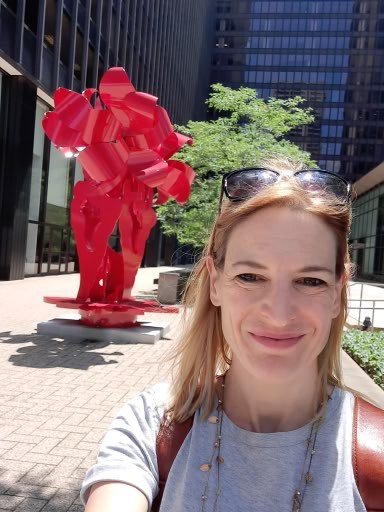
Flamingo is a 16m tall steel Sculpture by Alexander Calder created in 1974. It was designed to offset the dark, minimalist, steel and glass building behind (designed by Ludwig by Mies van der Rohe) called the Dirksen Federal Building which was completed in 1964 and stands 45 stories tall.

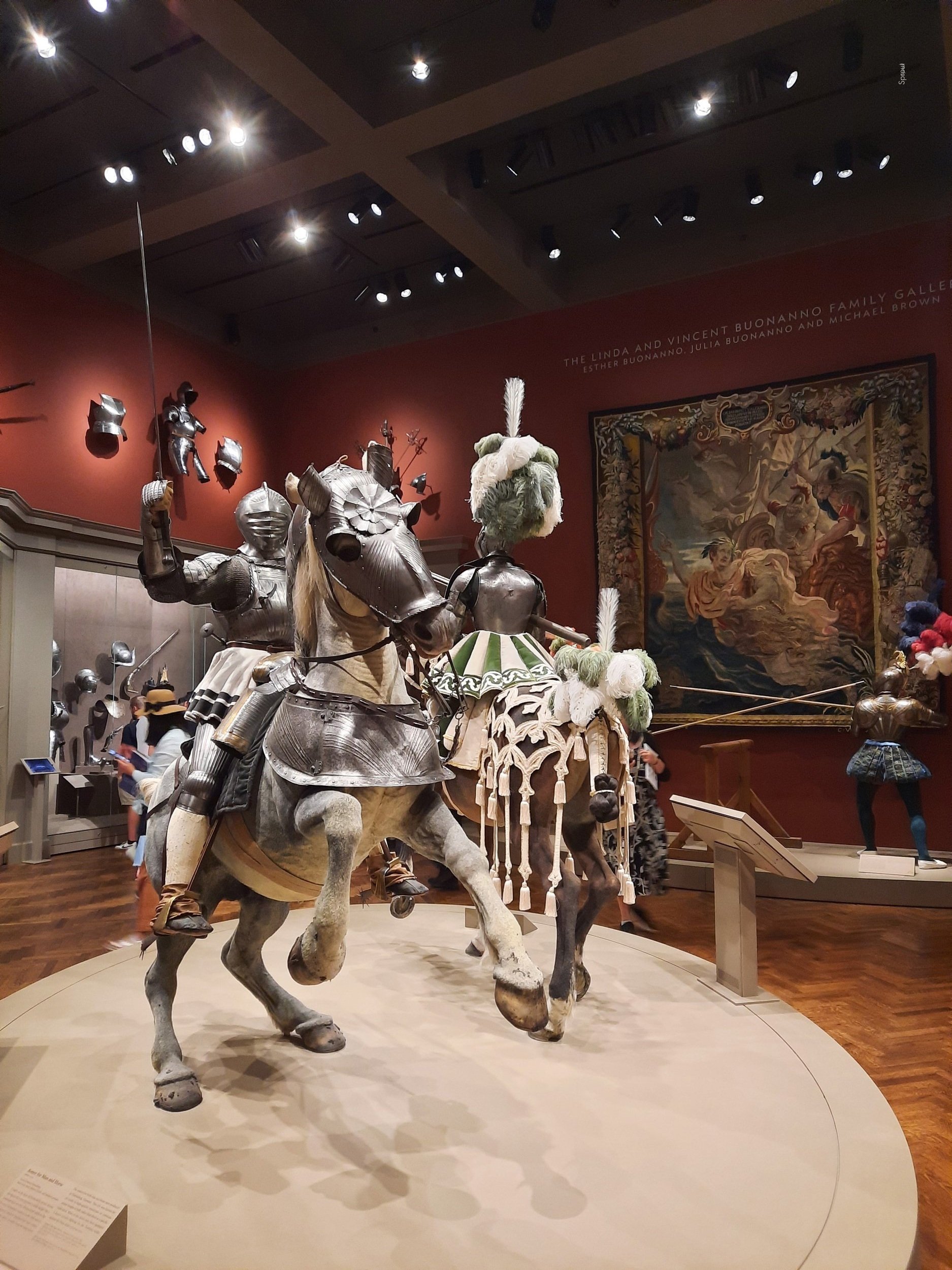
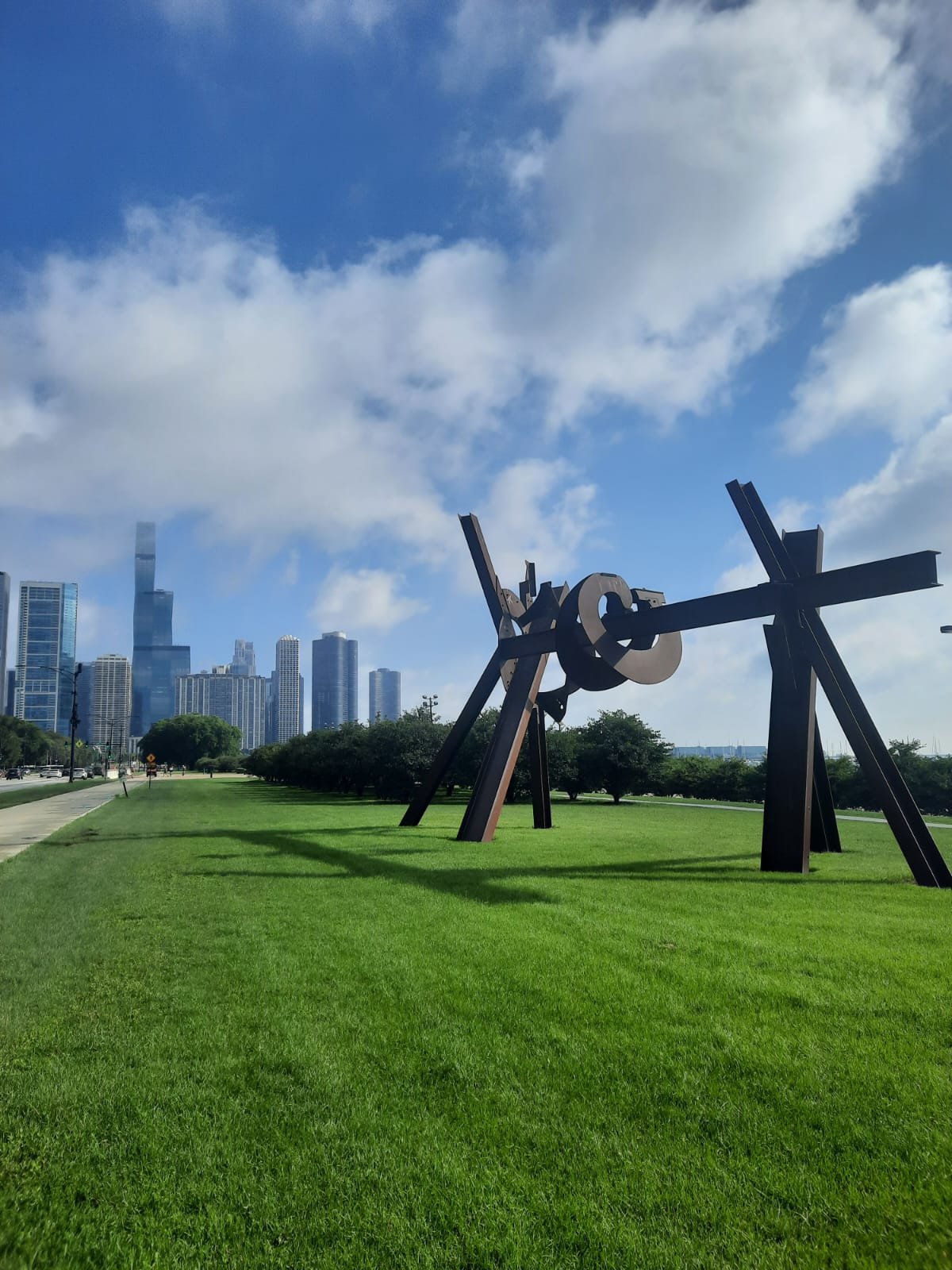
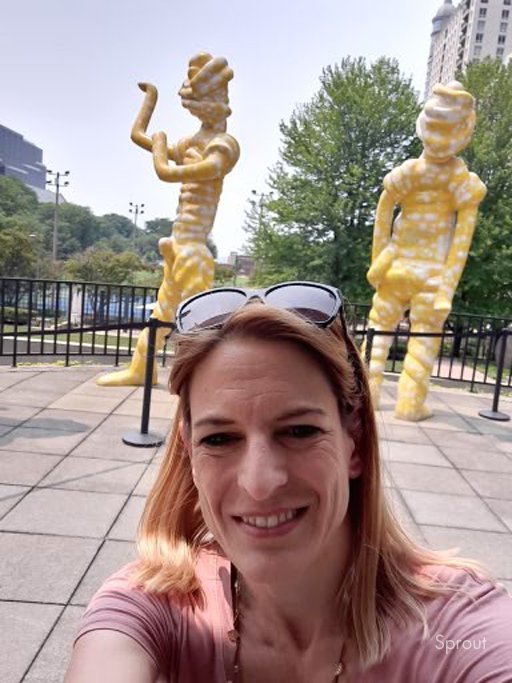
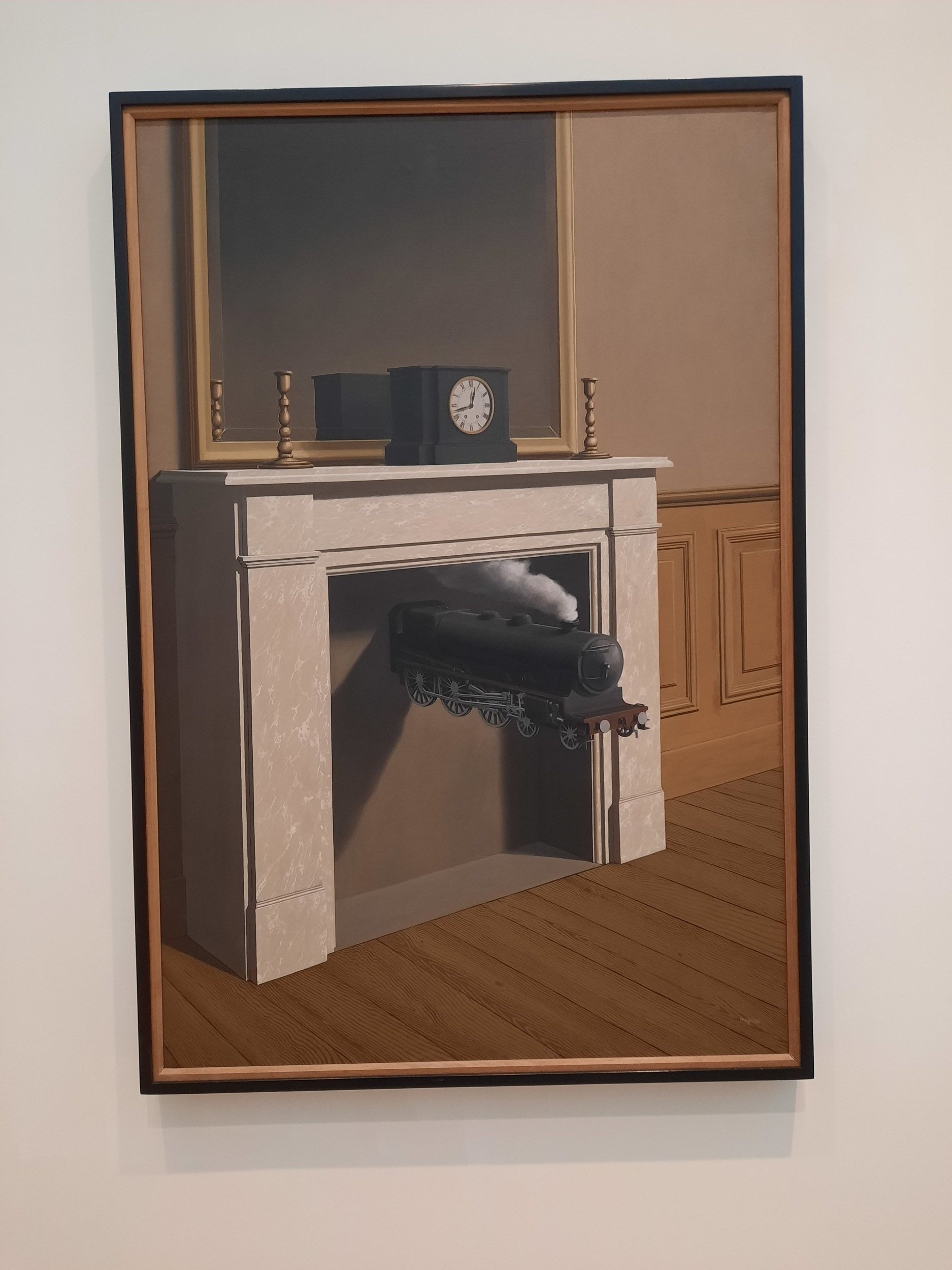
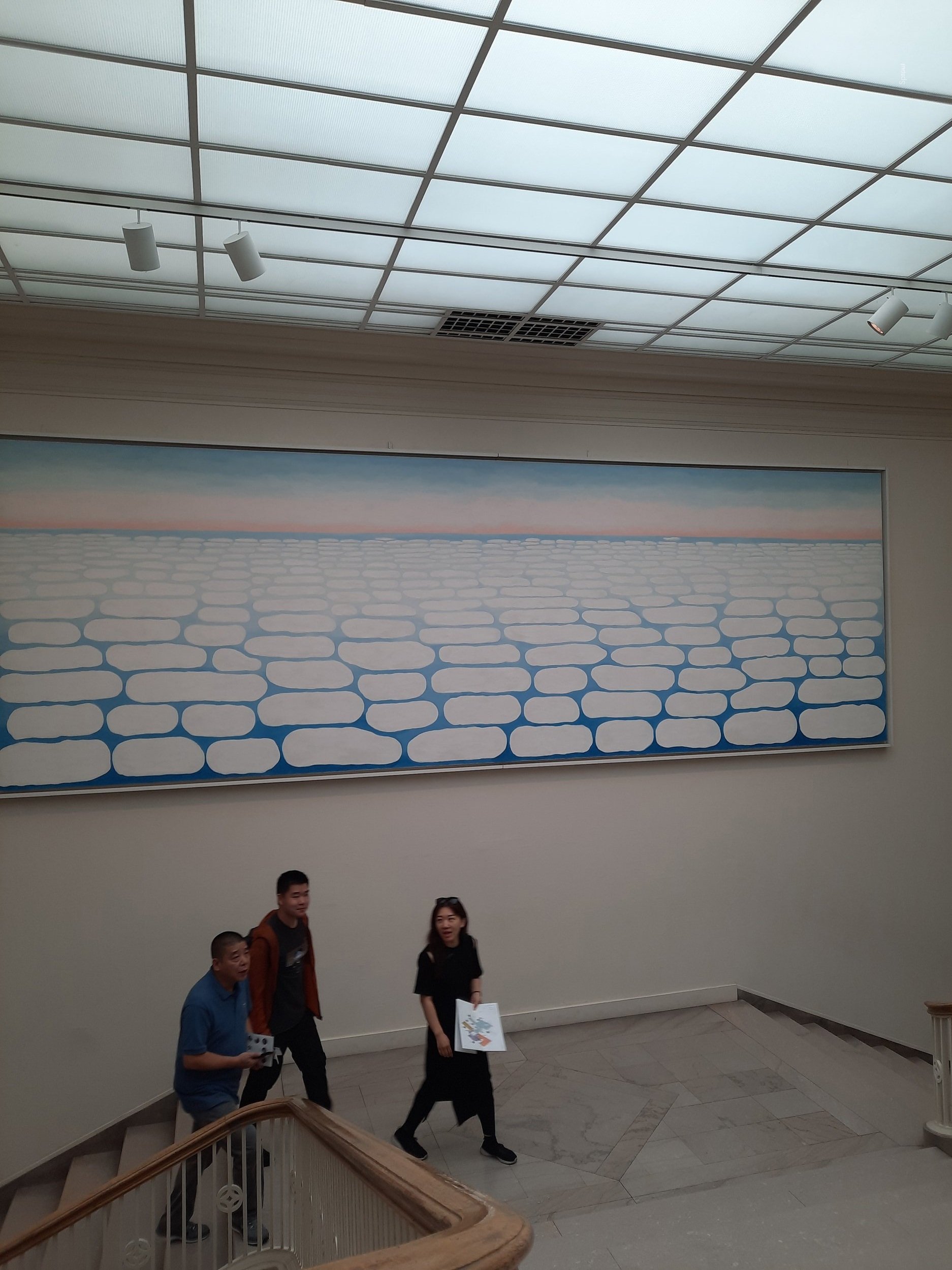
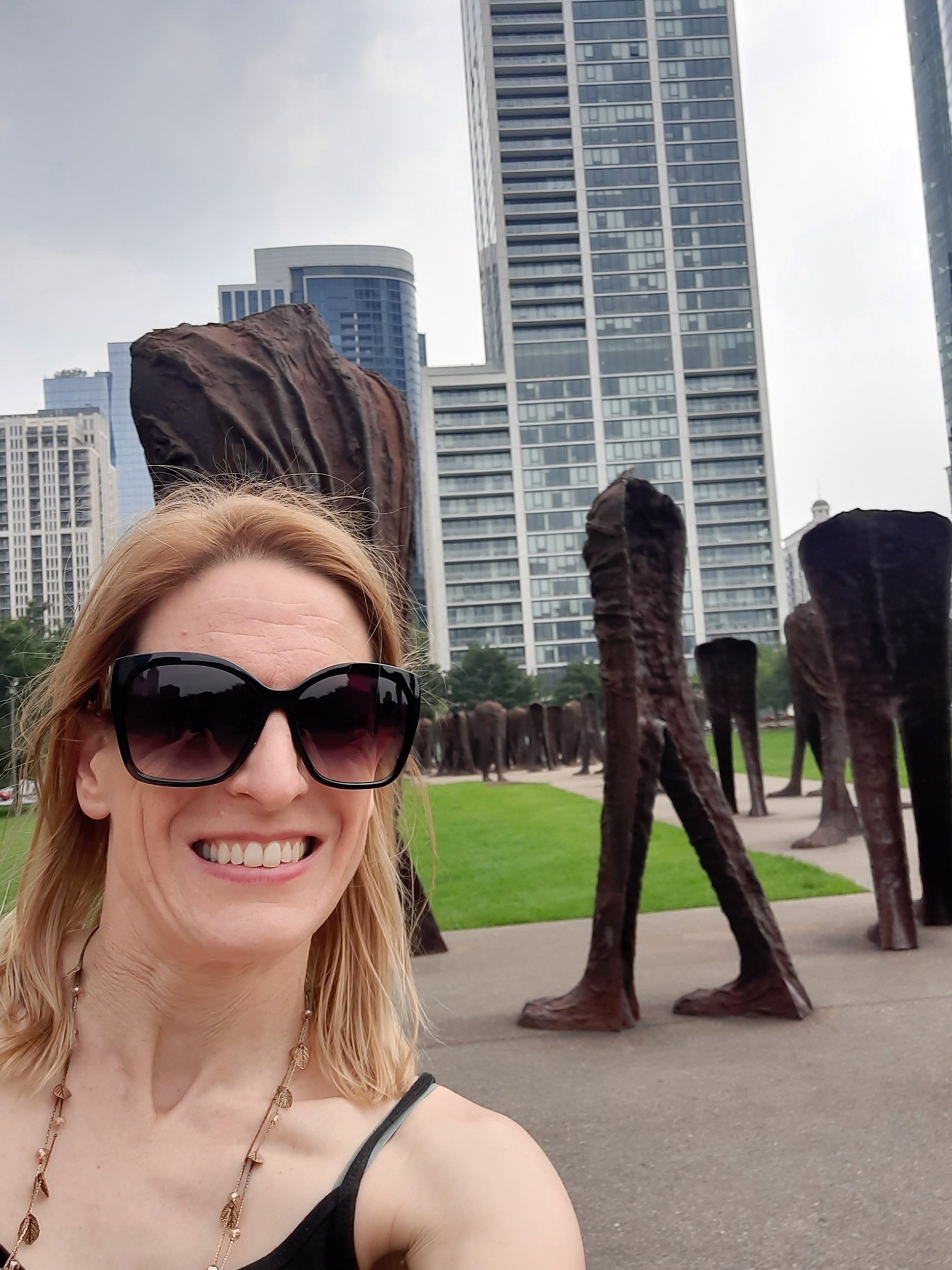
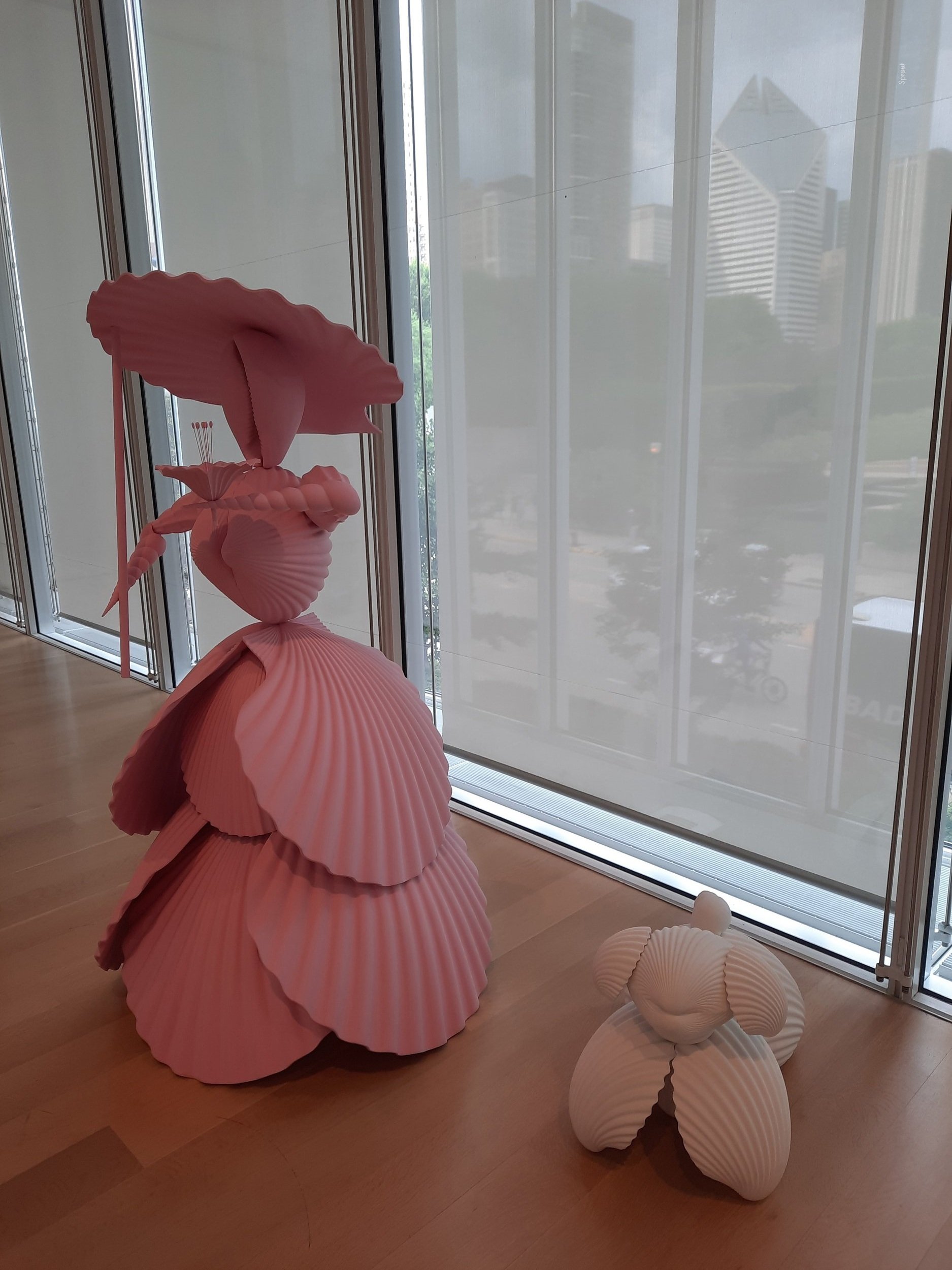
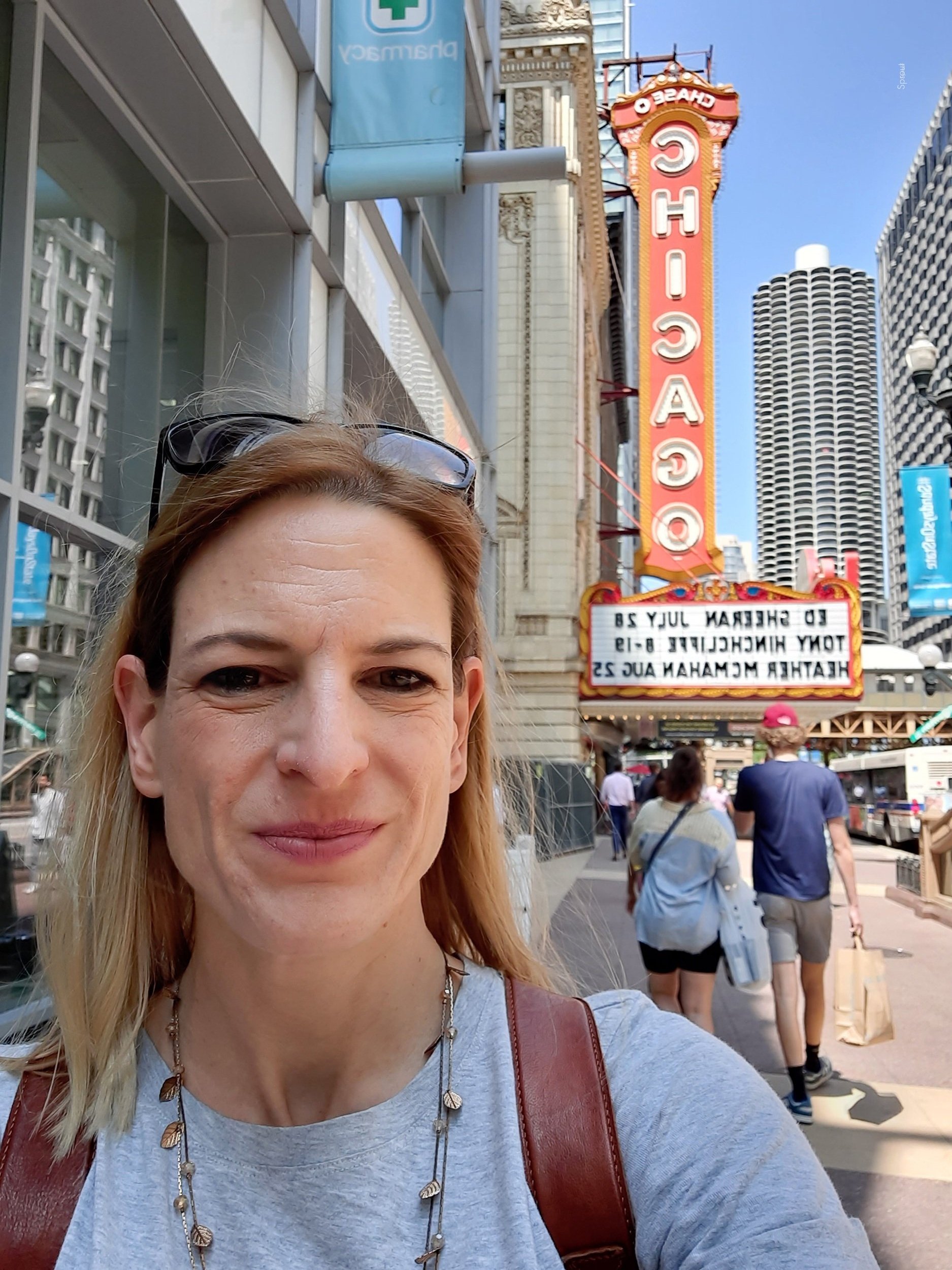
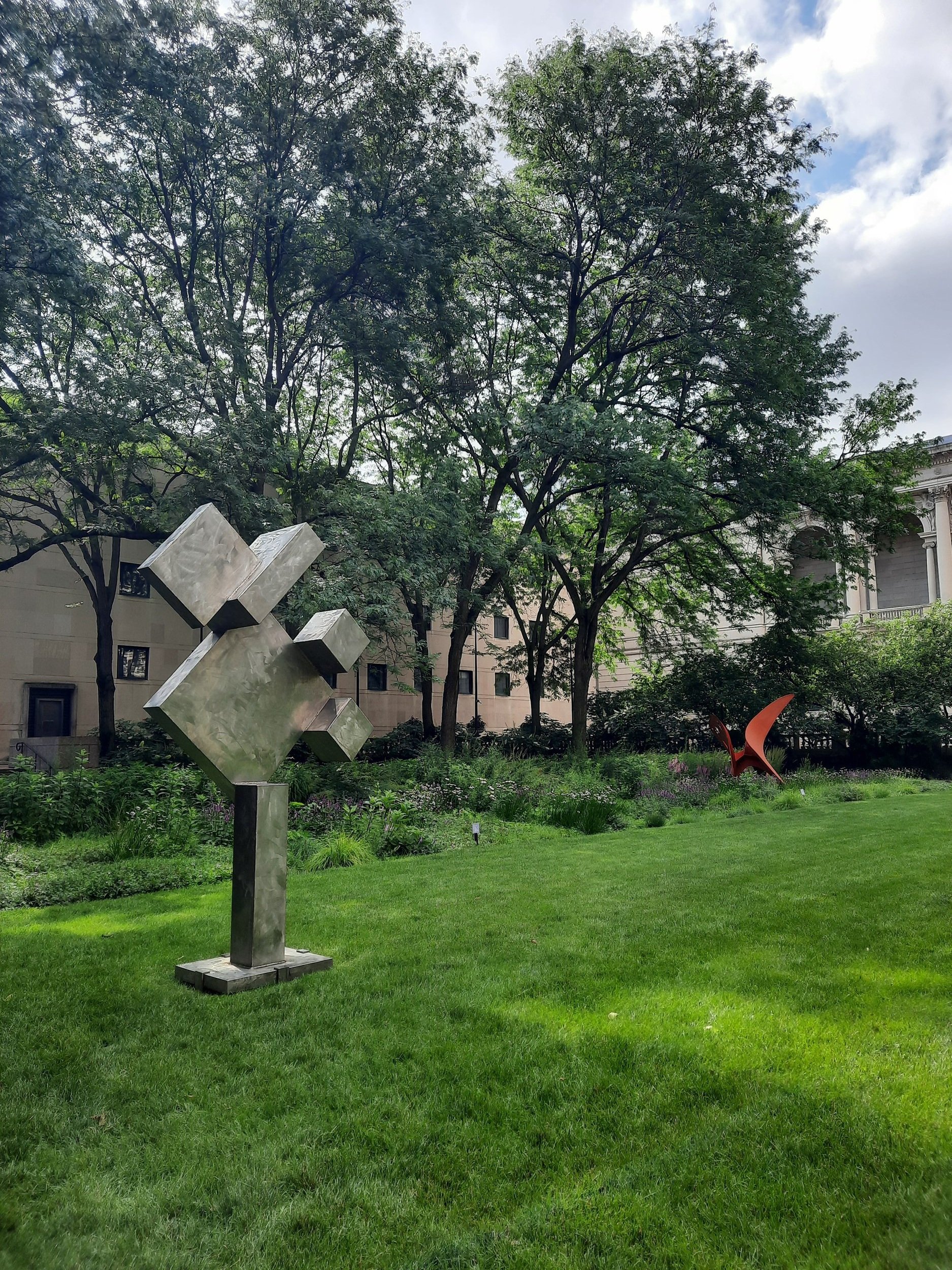
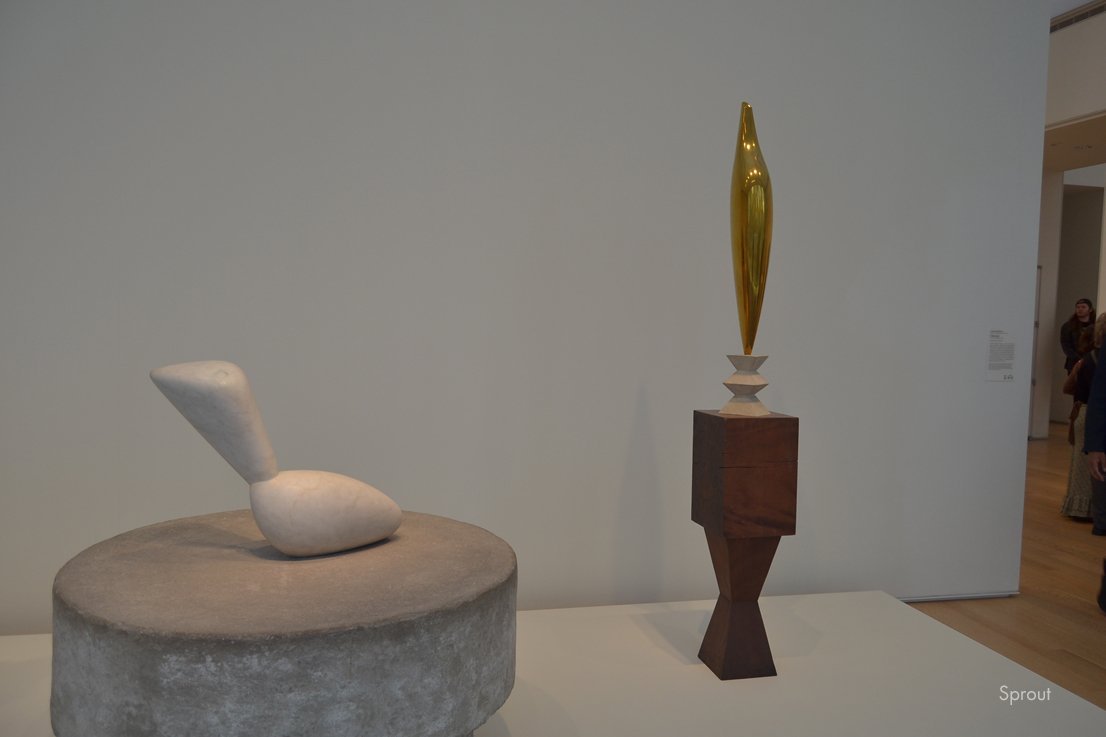
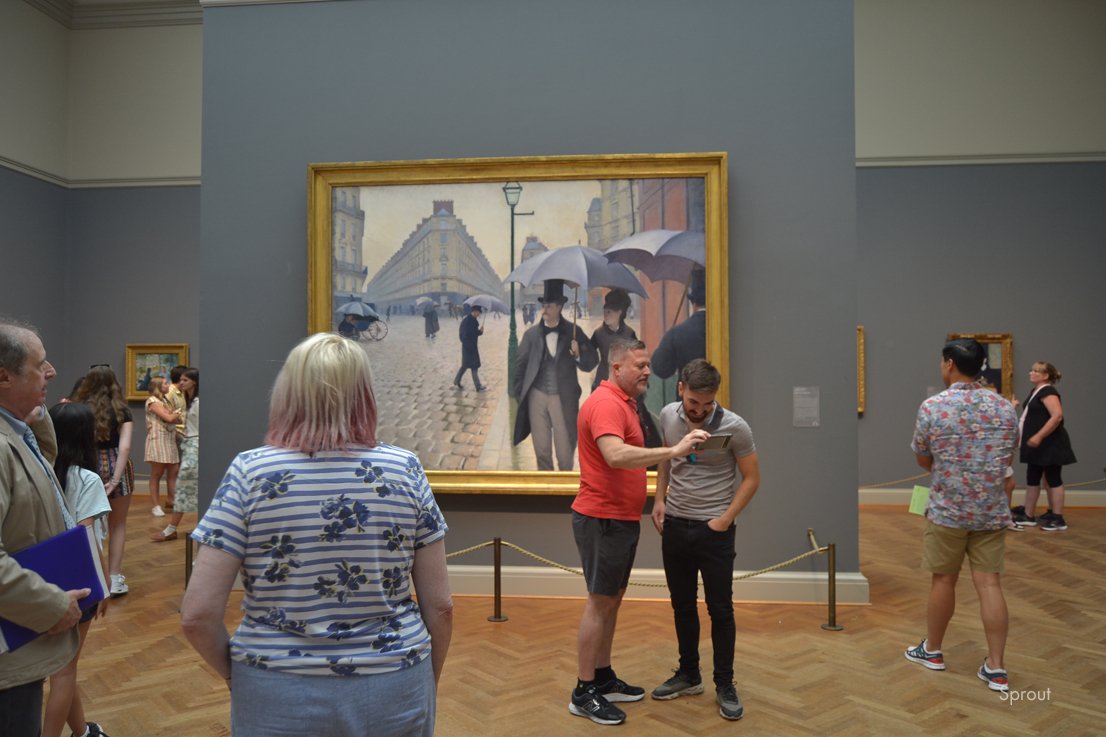
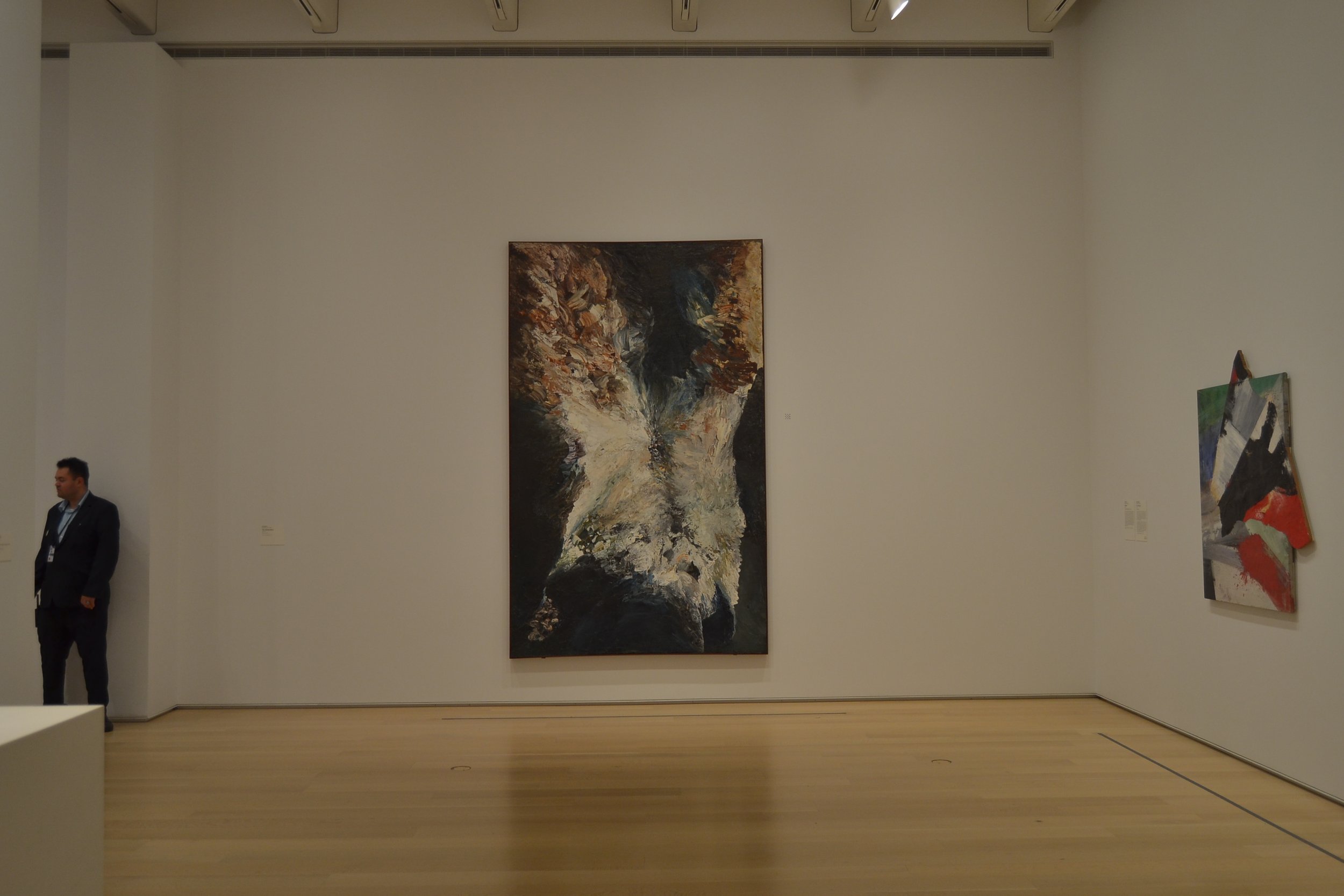
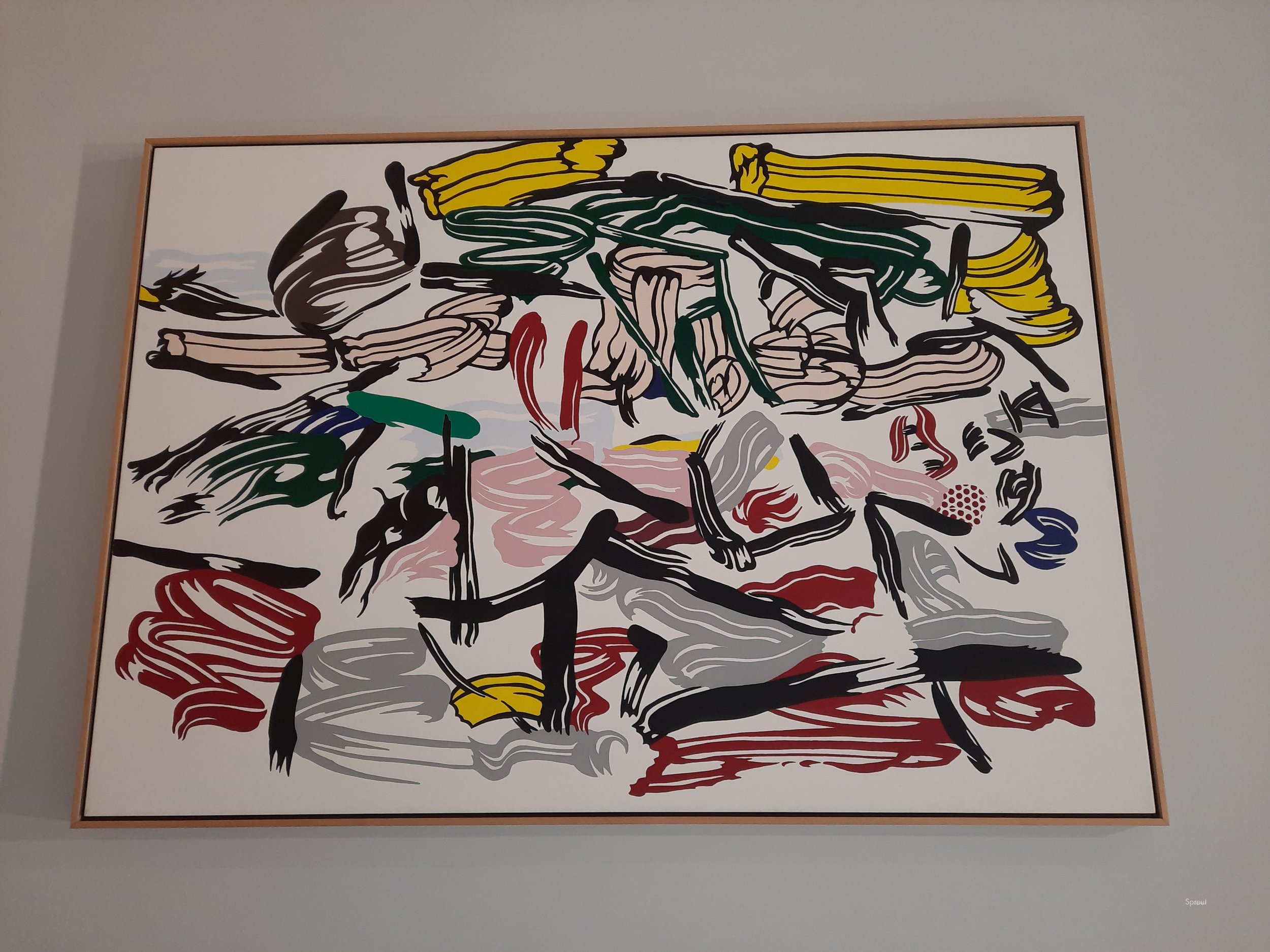
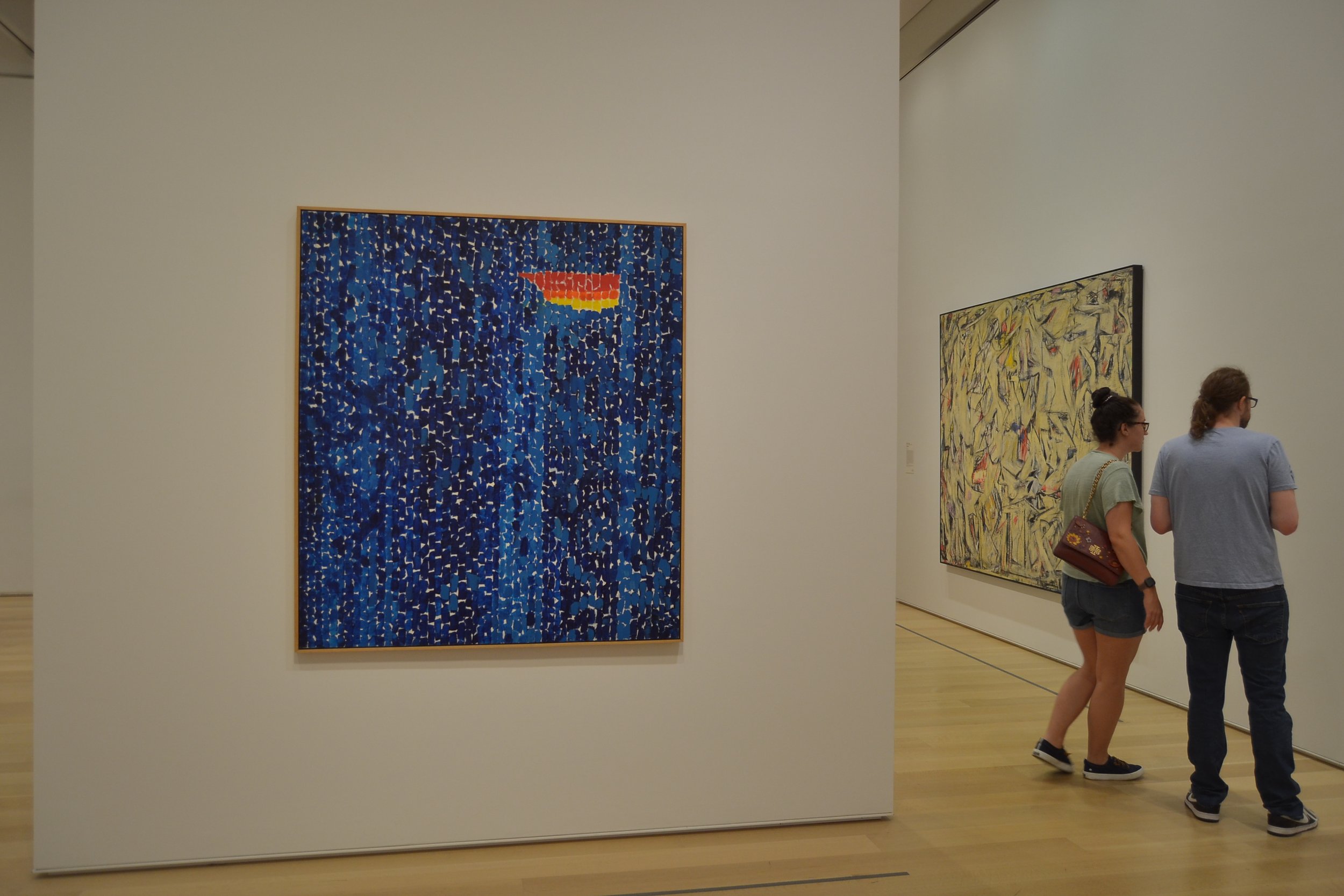
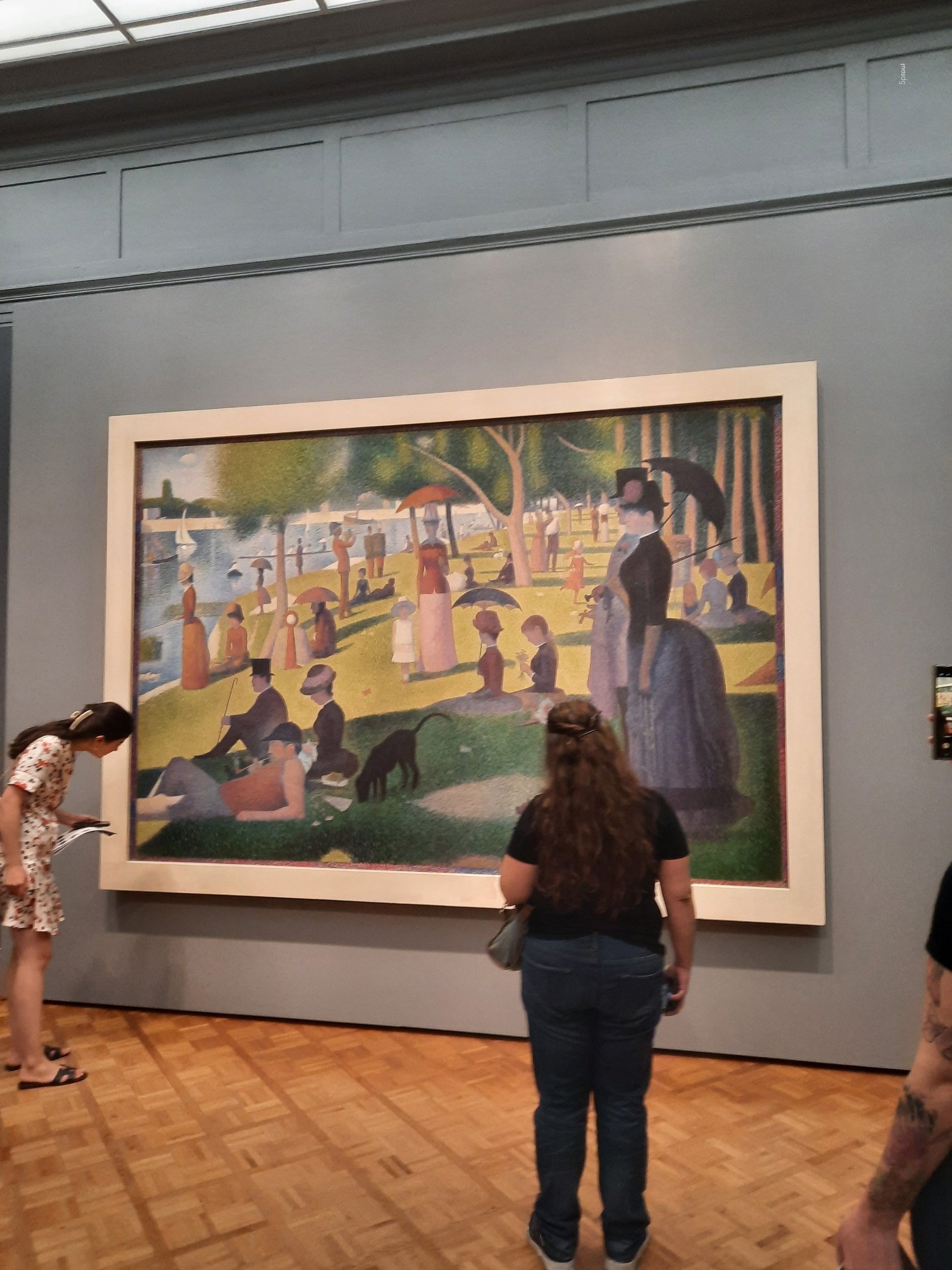
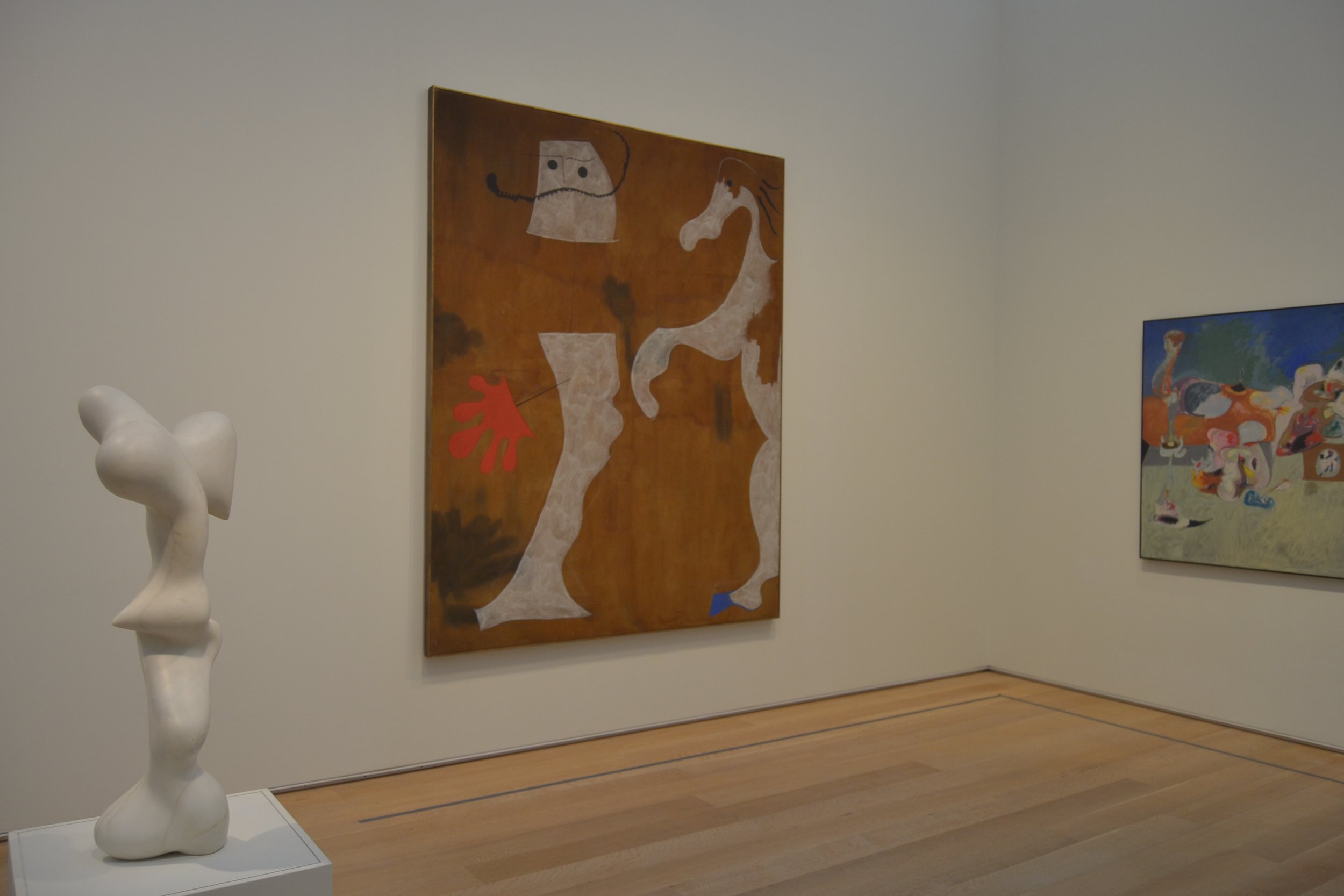
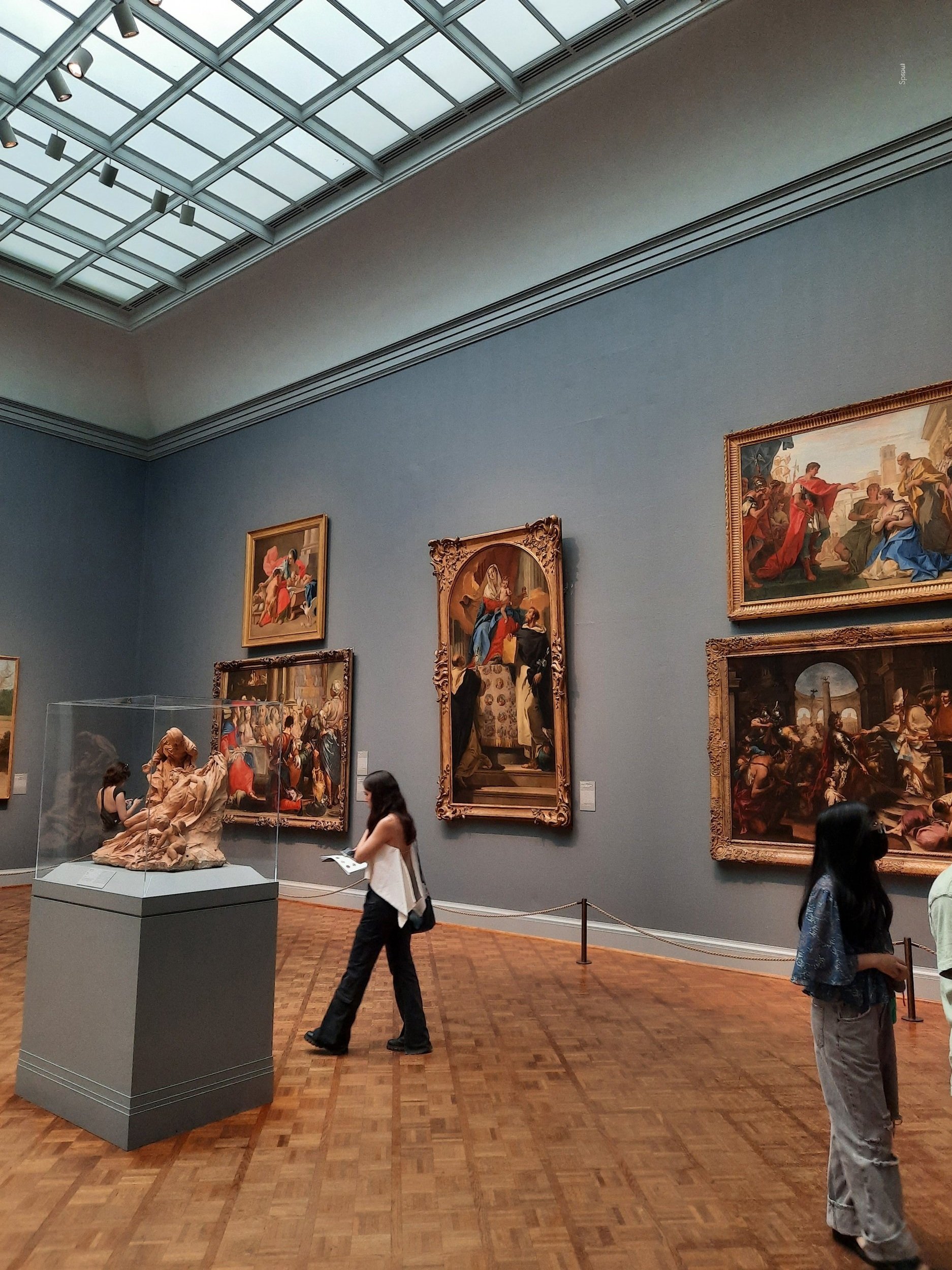
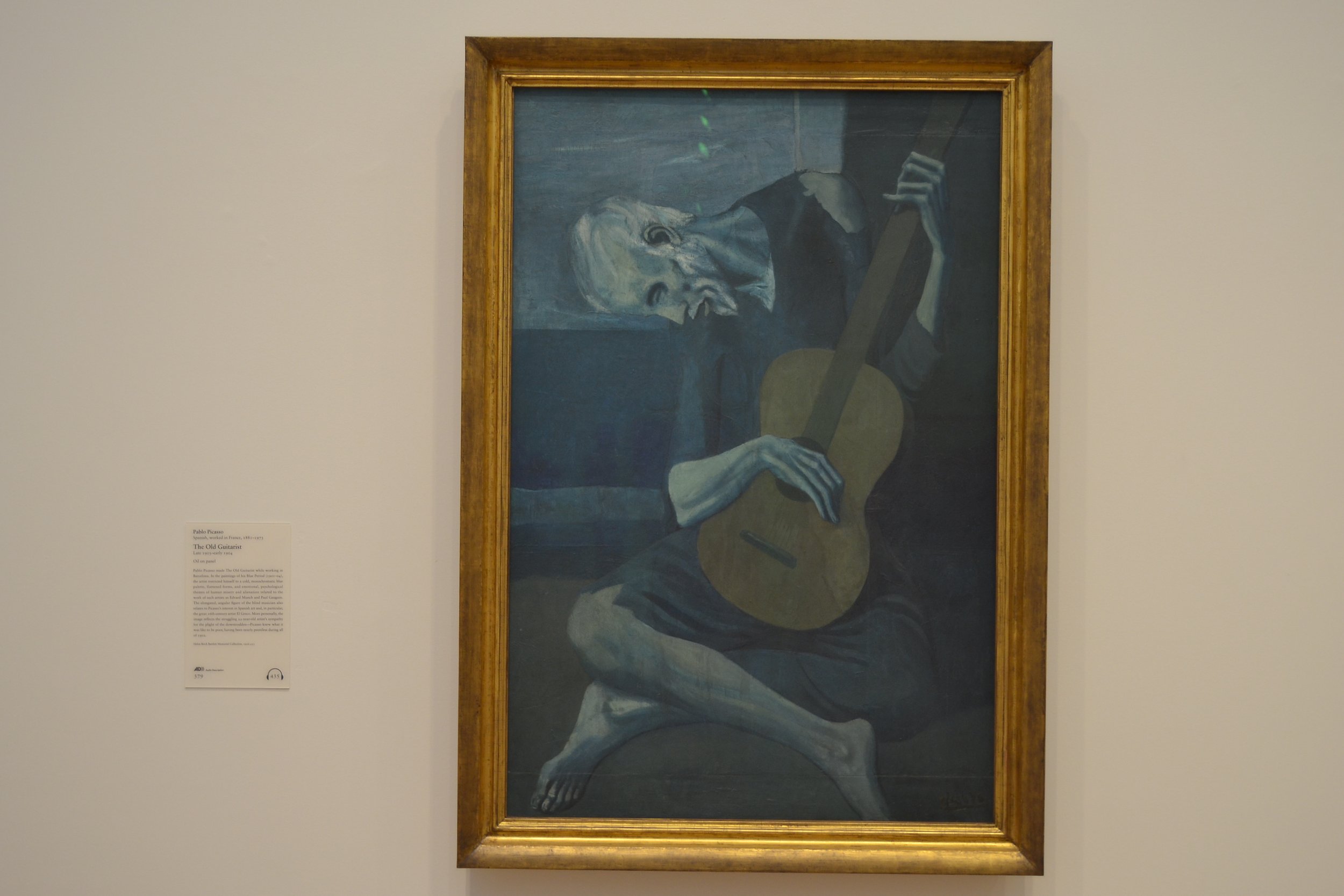
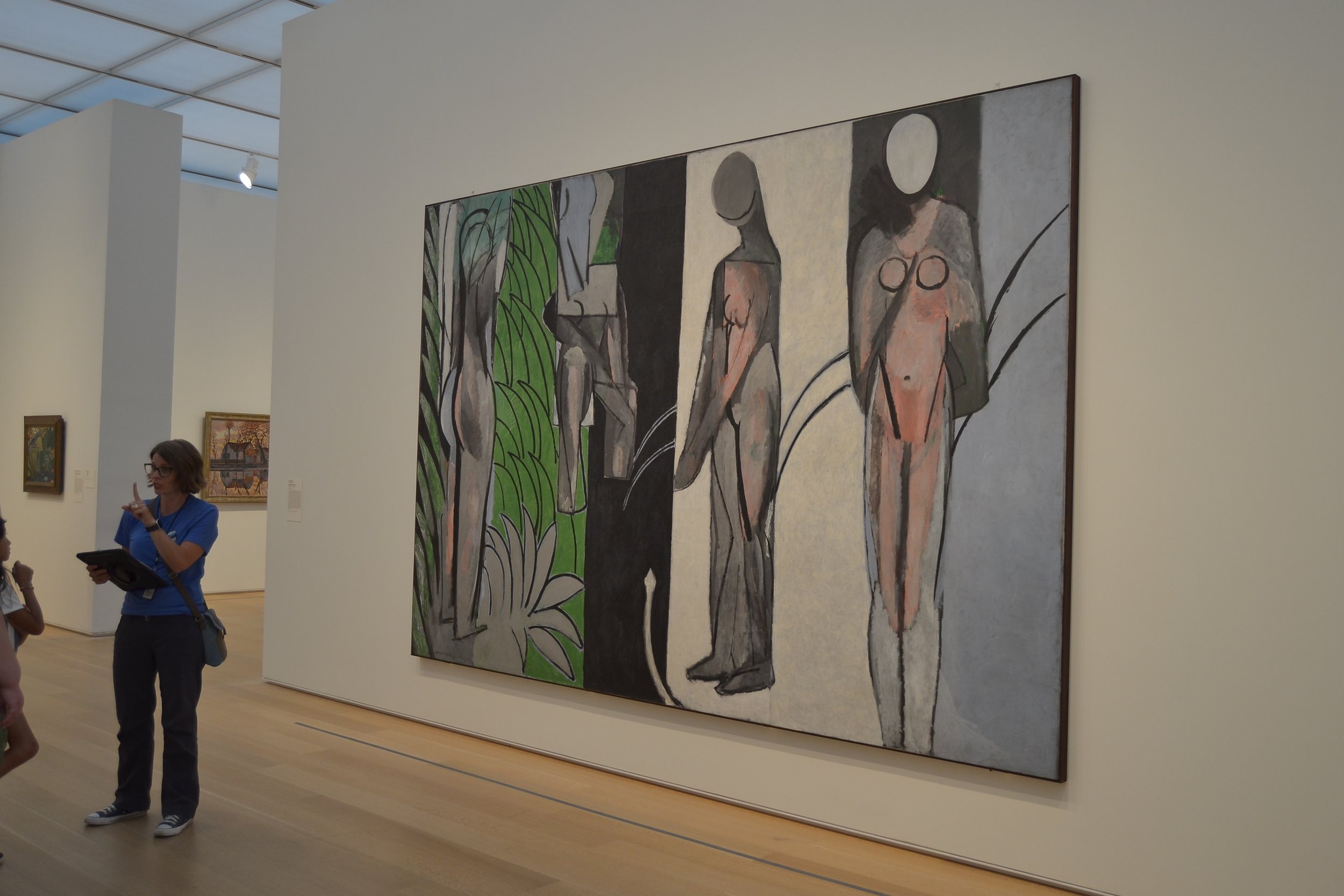
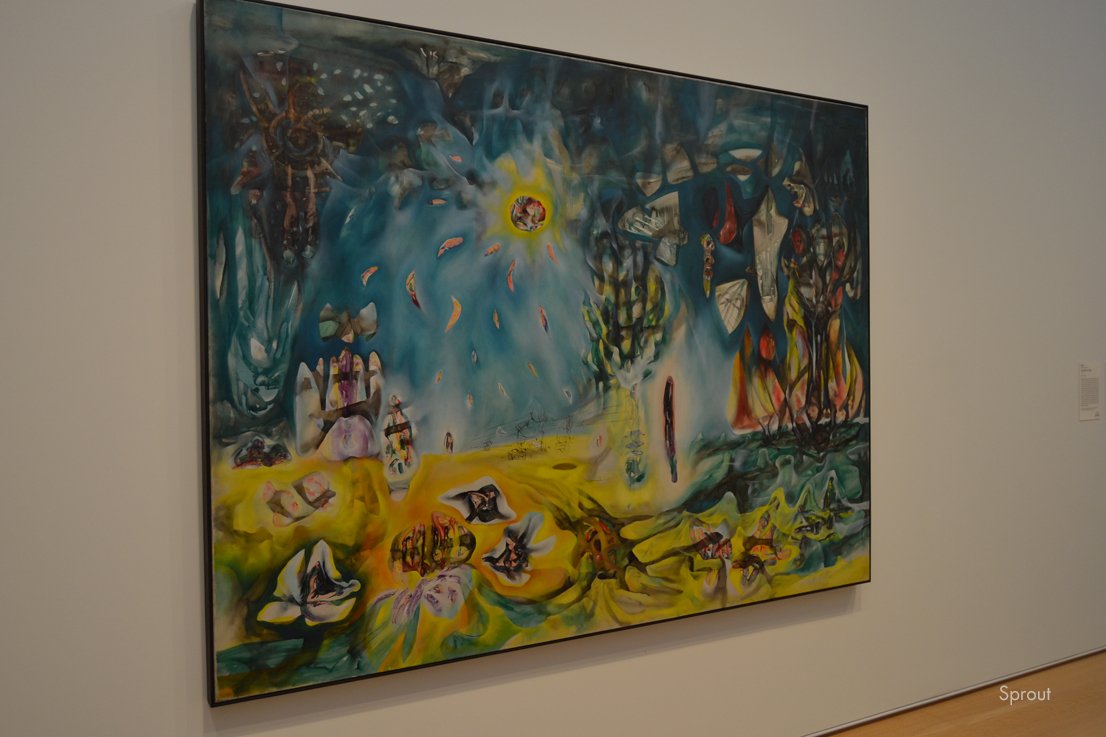
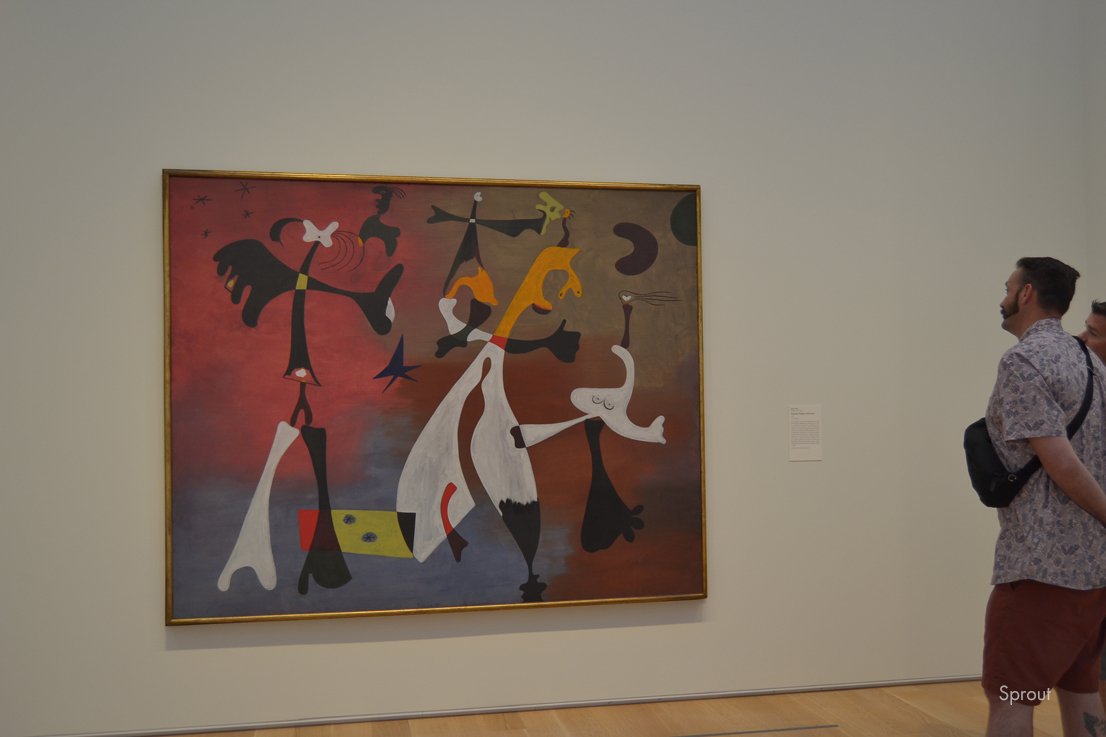
I felt incredibly inspired by the Art I experienced in Chicago. I loved exploring the city and discovering public sculptures, both historic and modern (and taking sculpture selfies). Visiting the Art Institute of Chicago was really a highlight, although one day is not enough to see it all! It really is an incredible collection.
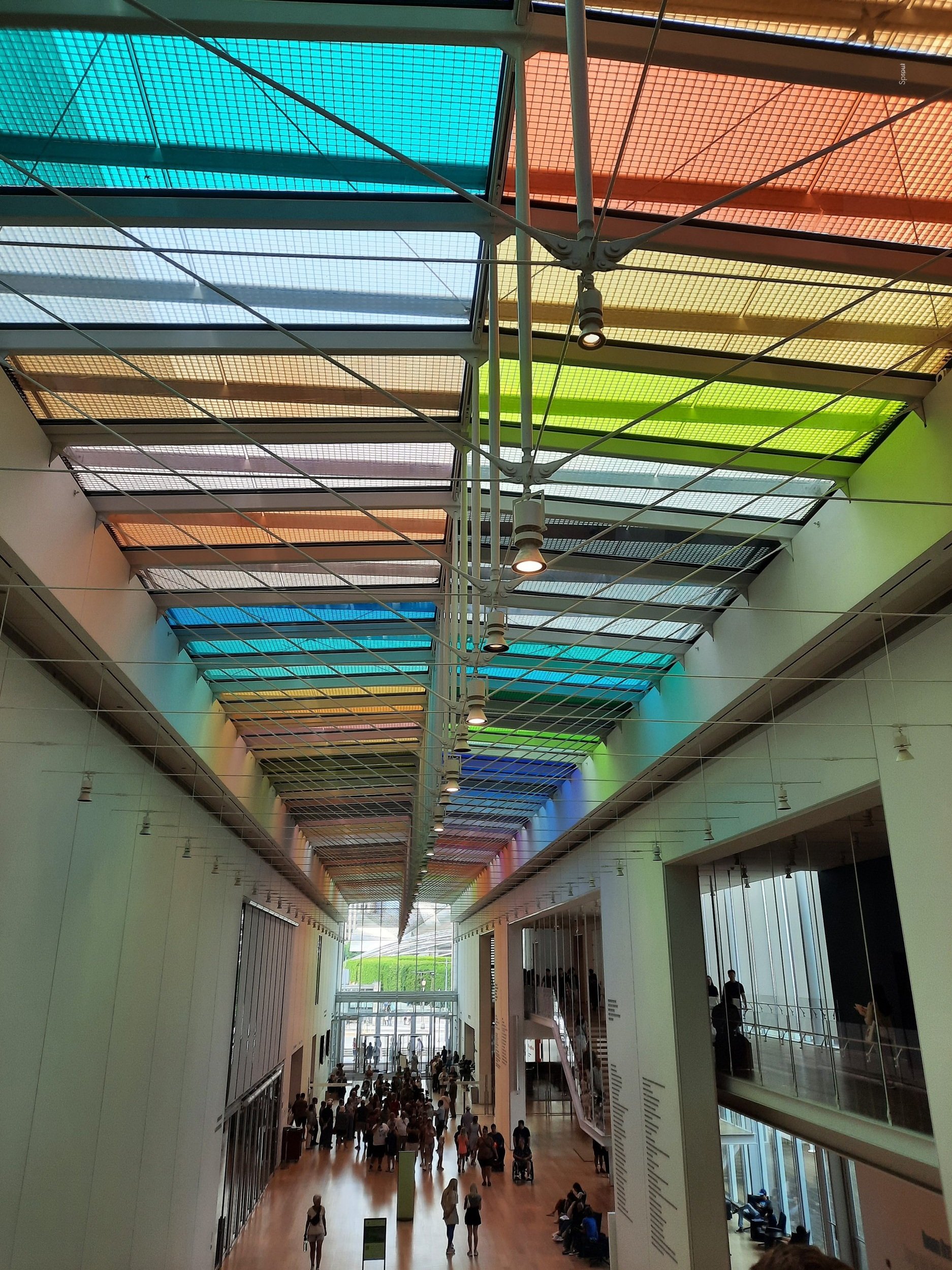
The Art Institute of Chicago was founded as both a museum and school for the fine arts in 1879, a critical era in the history of Chicago when resources were devoted to rebuilding the city after most of it had been destroyed by the Great Fire in 1871. The permanent collection contains nearly 300,000 works of art in fields ranging from Chinese bronzes to contemporary design and from textiles to installation art. Together, the School of the Art Institute of Chicago and the museum of the Art Institute of Chicago are now internationally recognized as two of the leading fine-arts institutions in the United States.

The Art Institute’s Mission is, “We collect, care for, and interpret works of art across time, cultures, geographies, and identities, centering the vision of artists and makers. We recognize that all art is made in a particular context, demanding continual, dynamic reconsideration in the present. We are a place of gathering; we foster the exchange of ideas and inspire an expansive, inclusive understanding of human creativity.”

If you visit the Art Institute don’t miss the very bottom floor which consists of The Thorne Miniature Rooms. They were created by Narcissa Niblack Thorne in the 1930s and 1940s, and they depict various historical interiors from Europe and America. The rooms are built on a scale of 1:12, and they are incredibly detailed, with miniature furniture, carpets, and even tiny books.
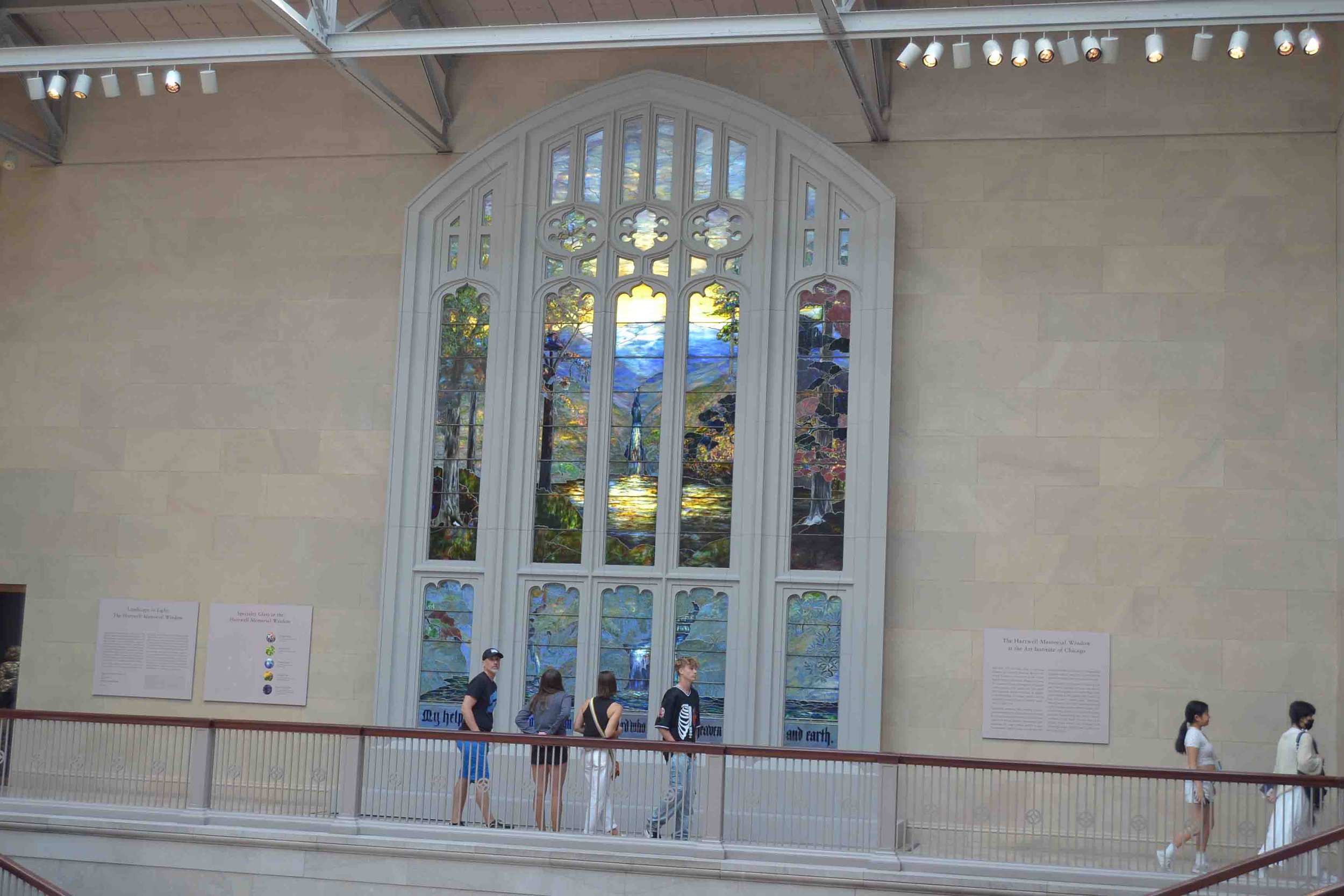
The Tiffany Window - Hartwell Memorial Window, 1917. Design attributed to Agnes F. Northrop for Tiffany Studios

Before visiting Chicago I had not heard of Tiffany Studios or seen his mosiac works. Louis Comfort Tiffany was an American artist who revolutionized the art of stained glass windows in the late 19th and early 20th centuries. Although Tiffany’s name is associated with New York City, he had a strong association with Chicago. His association with the city began with the World’s Columbian Exposition in 1893, where his Byzantine-inspired chapel and ecclesiastical wares were an international sensation, winning him 54 medals. This led to many commissions in Chicago, which compelled him to open a satellite studio in the city.

Tiffany’s work can be seen at many places in Chicago, including stained glass windows at the Second Presbyterian Church, glass mosaic panels at the Marquette Building lobby, and the largest Tiffany dome at the Chicago Cultural Center. The Tiffany dome at Macy’s on State Street is the world’s largest example of an unbroken Tiffany favrile iridescent glass mosaic, covering over 500 square metres and containing 1.6 million pieces of glass. The process of creating this dome took one and a half years to complete with over 50 artisans working under the direct supervision of Mr Tiffany.

I don’t think the photos really do these mosaic dome artworks justice, it is hard to see the colour and detail in the photo.

Tiffany mosaic artwork depicting the history of Chicago in the Marquette Building

Chicago Cultural Centre

There are tons of things to see and experience in any large city. I love seeking out the layers of history which are normally intertwined with art and architecture. I was really surprised and inspired by the depth and beauty of the love of art found in Chicago.

~ G.S

Chicago (1 of 3) - ATMOSPHERE

In July this year I had an amazing opportunity to visit the United States of America for the first time. I travelled solo for the first part (Chicago) and then met up with a friend for the second part (Colorado). It was an incredible experience and I enjoyed every moment!

I realised that I have to write a three-part series on my visit as there is so much to say (and so many photos) - otherwise it will end up being a ten page blog!

Part 1 - Atmosphere

Part 2 - Architecture

Part 3 - Art

Lakeshore Trail stretches for miles along Lake Michigan and is used by pedestrians, cyclists and runners

Why Chicago?

I chose Chicago over New York City as it looked to be a destination for people interested in Architecture and the views over Lake Michigan always look so stunning. I had also listened to a landscape architecture lecture on the Chicago Riverwalk and how through successful landscape architecture and urban design intervention they had positively contributed to the city and created the connection between people and the water. (Something that is not very successful in South Africa)

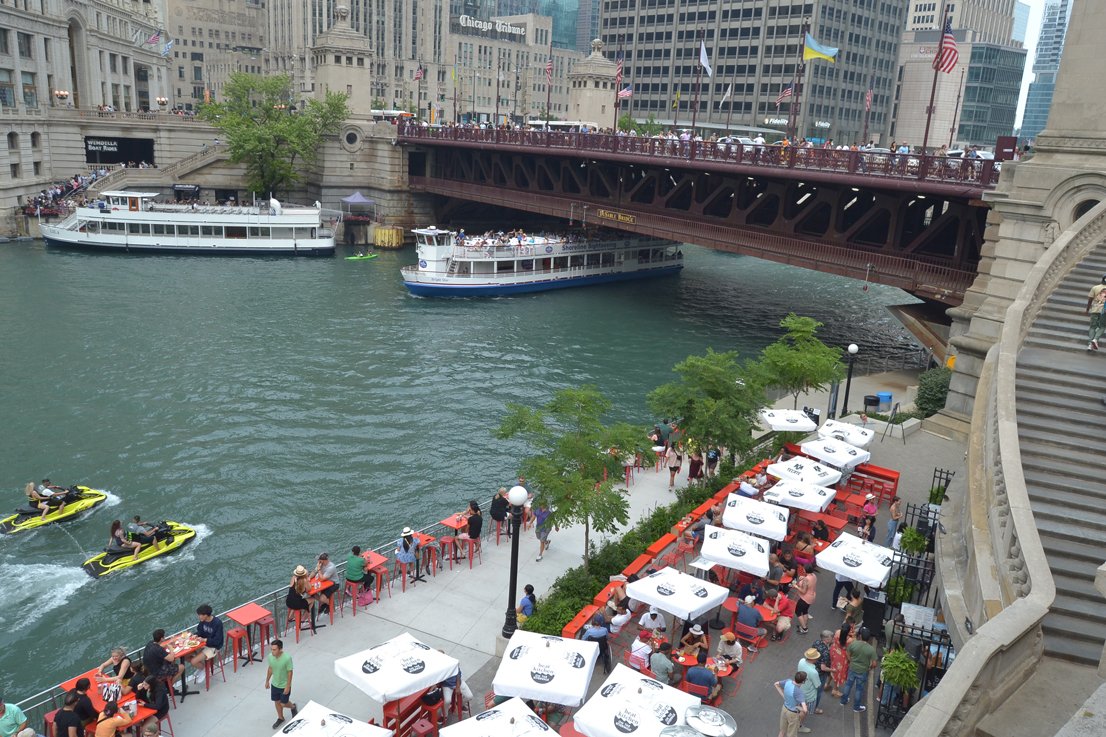
The Chicago Riverwalk is a 1.5-mile-long promenade that revitalizes an underutilized industrial area into an active public space featuring restaurants, cultural activities, and amenities while reconnecting the Chicago River to the urban fabric of the city. The plaza, consisting of a terraced lawn, ramps, and a memorial, was designed in 2009 by Ross Barney architects. You can read more about the project here.

Chicago Riverwalk - a precedent study every landscape architect should see

Millenium Park

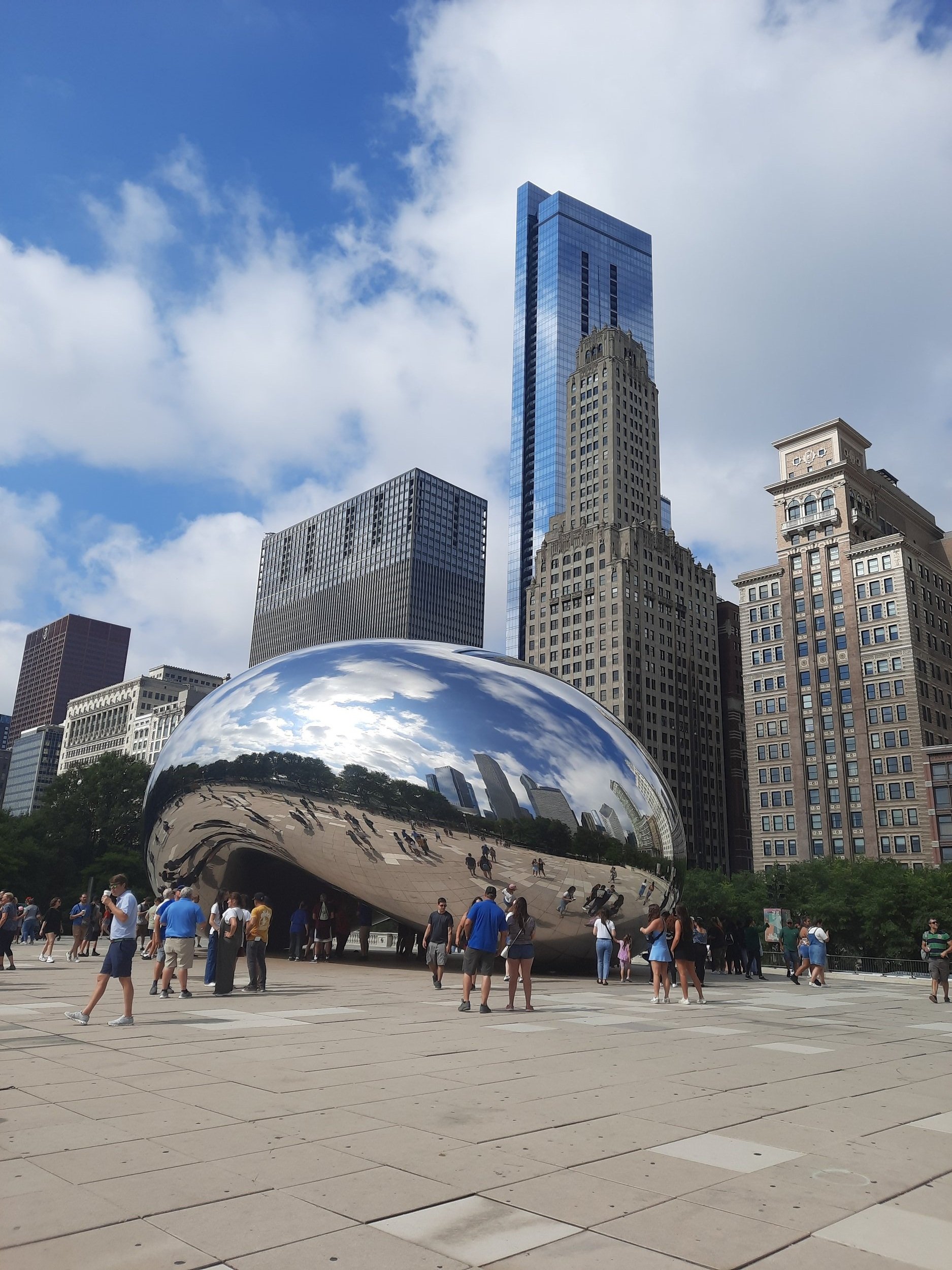
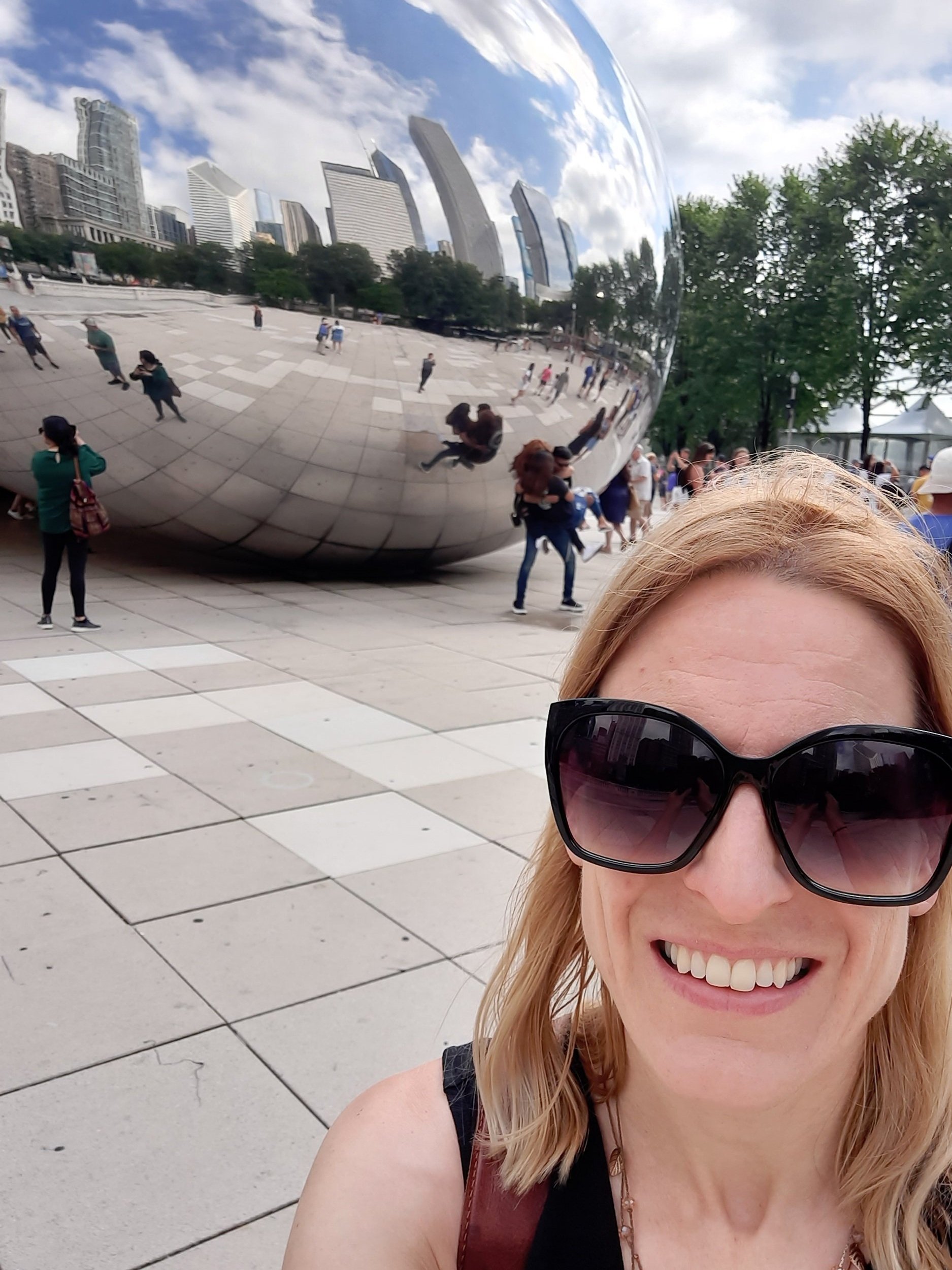
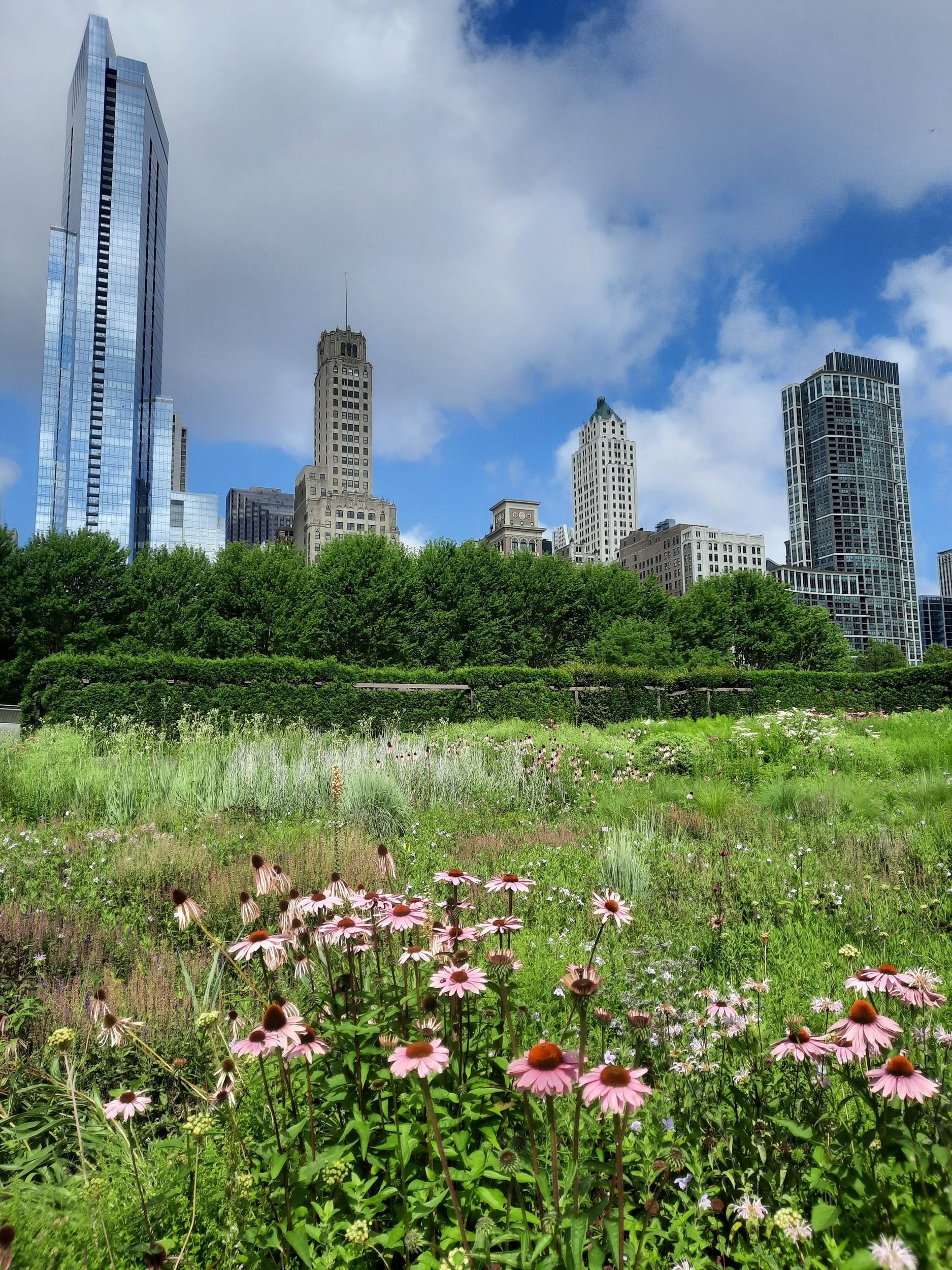
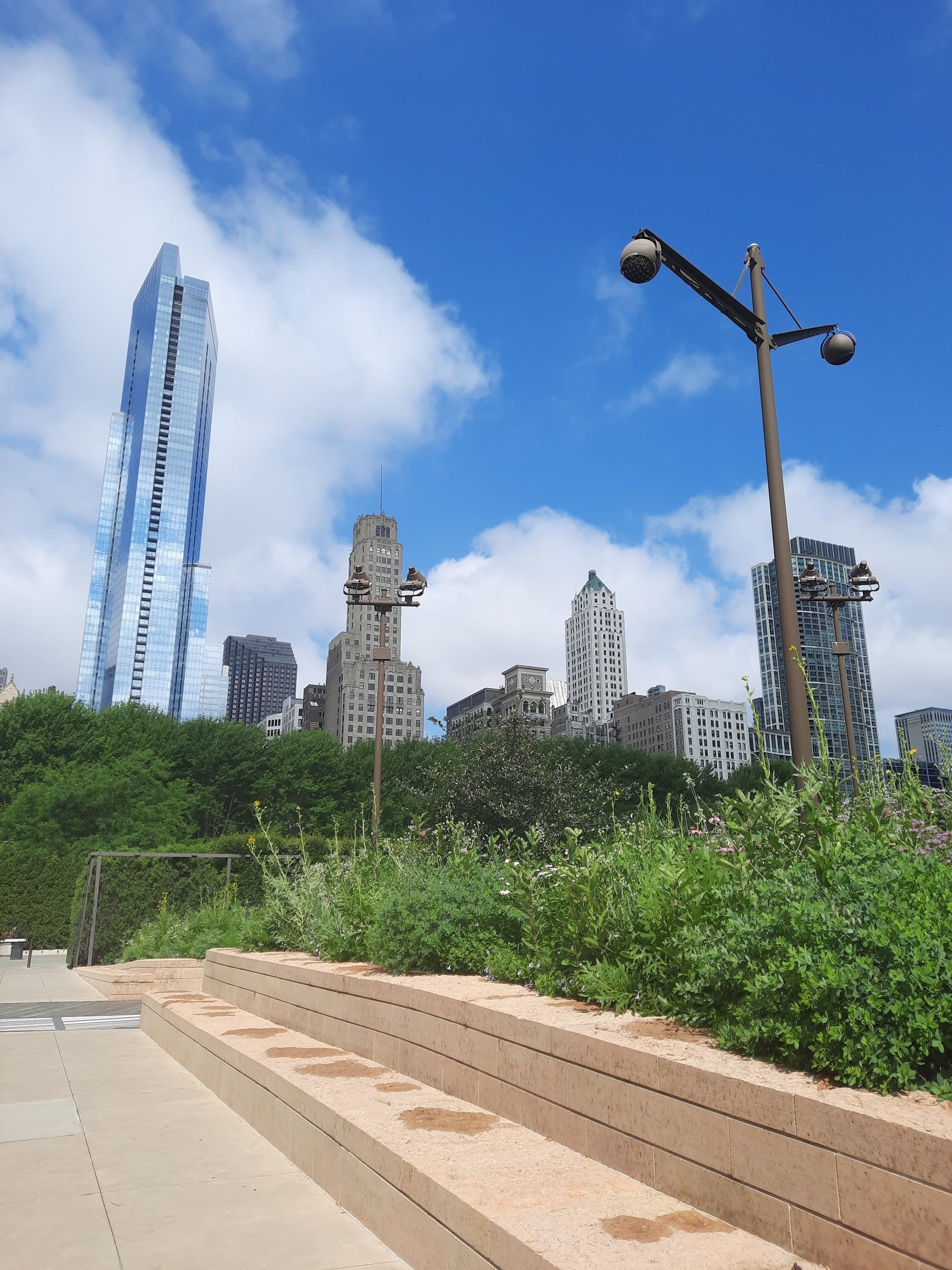
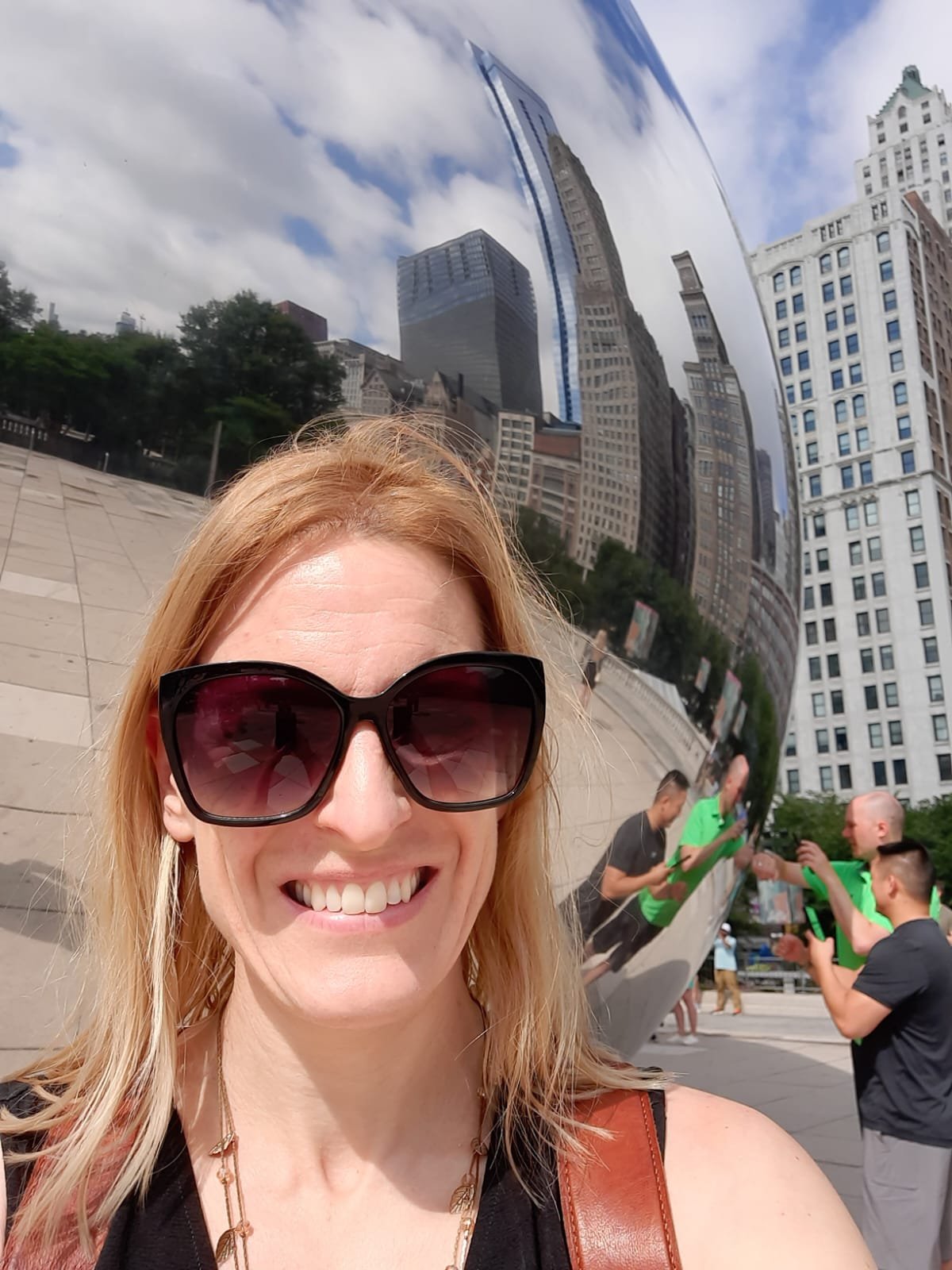
I also wanted to see the Bean :) And take a selfie with it (because some people call me Bean and so I feel a connection to it, call me crazy, or call me Bean). Apparently people get upset that it gets called The Bean and would prefer people to call it by its official name - Cloud Gate. Millenium Park is also a wonderful place for a landscape architect to visit. I loved Lurie Garden and the public and green spaces in the city are so well designed and maintained.

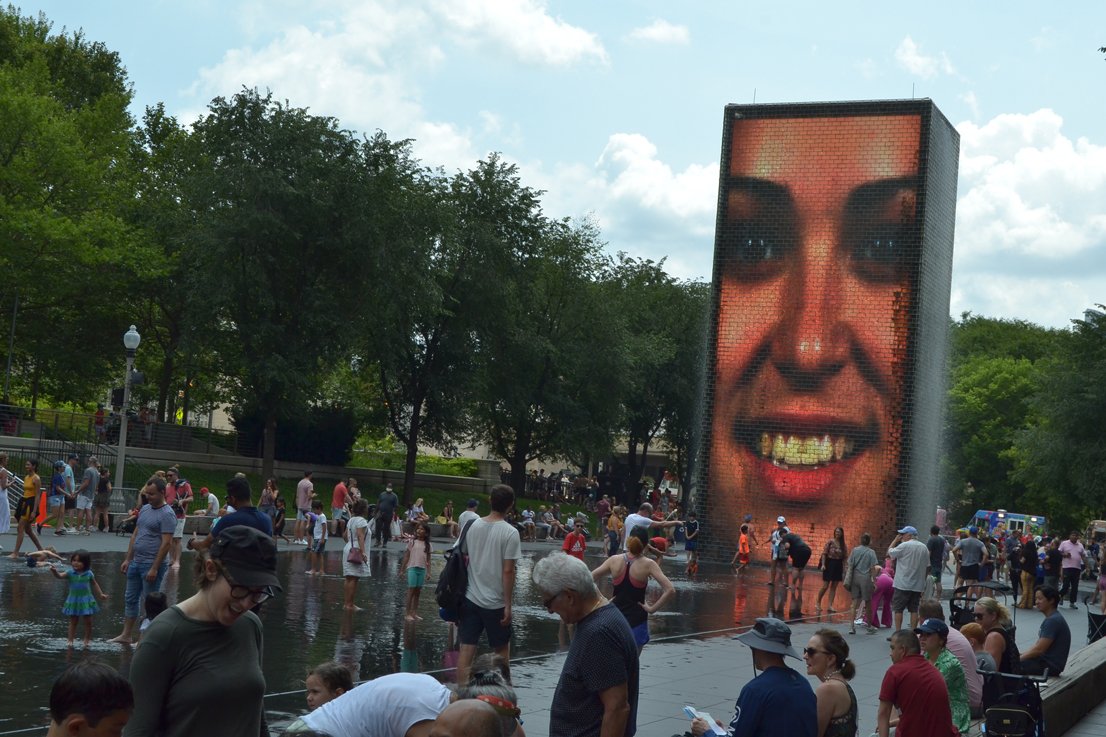
Crown Fountain - an interactive water feature in Millenium Park

Summer in Chicago

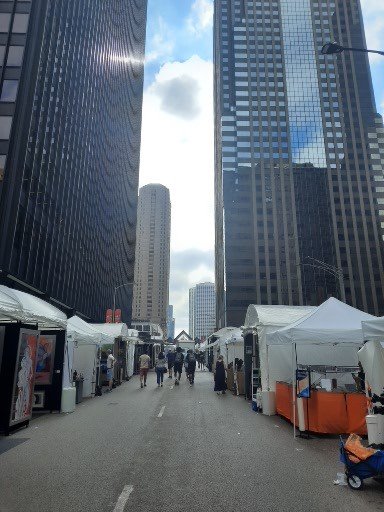
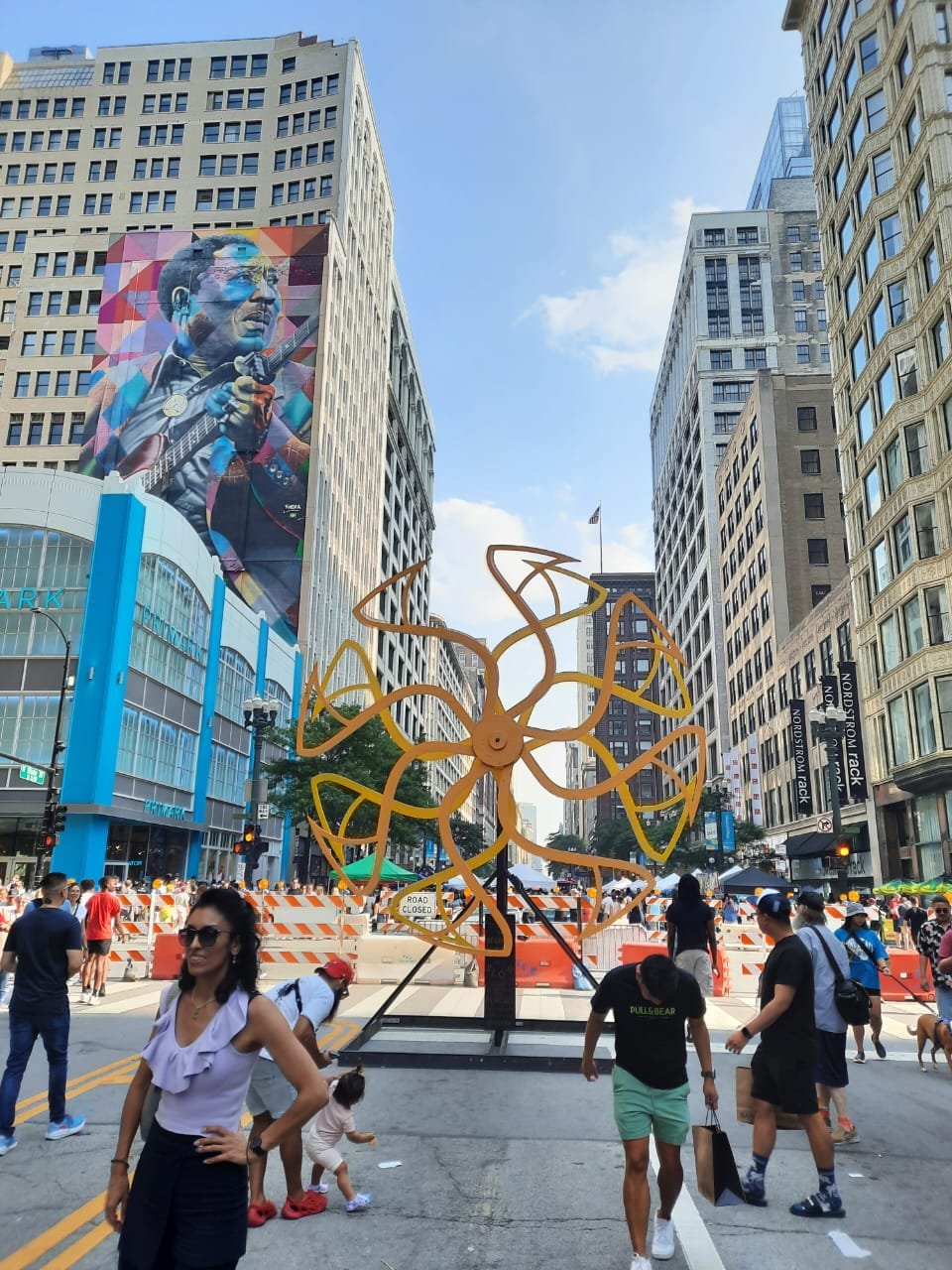
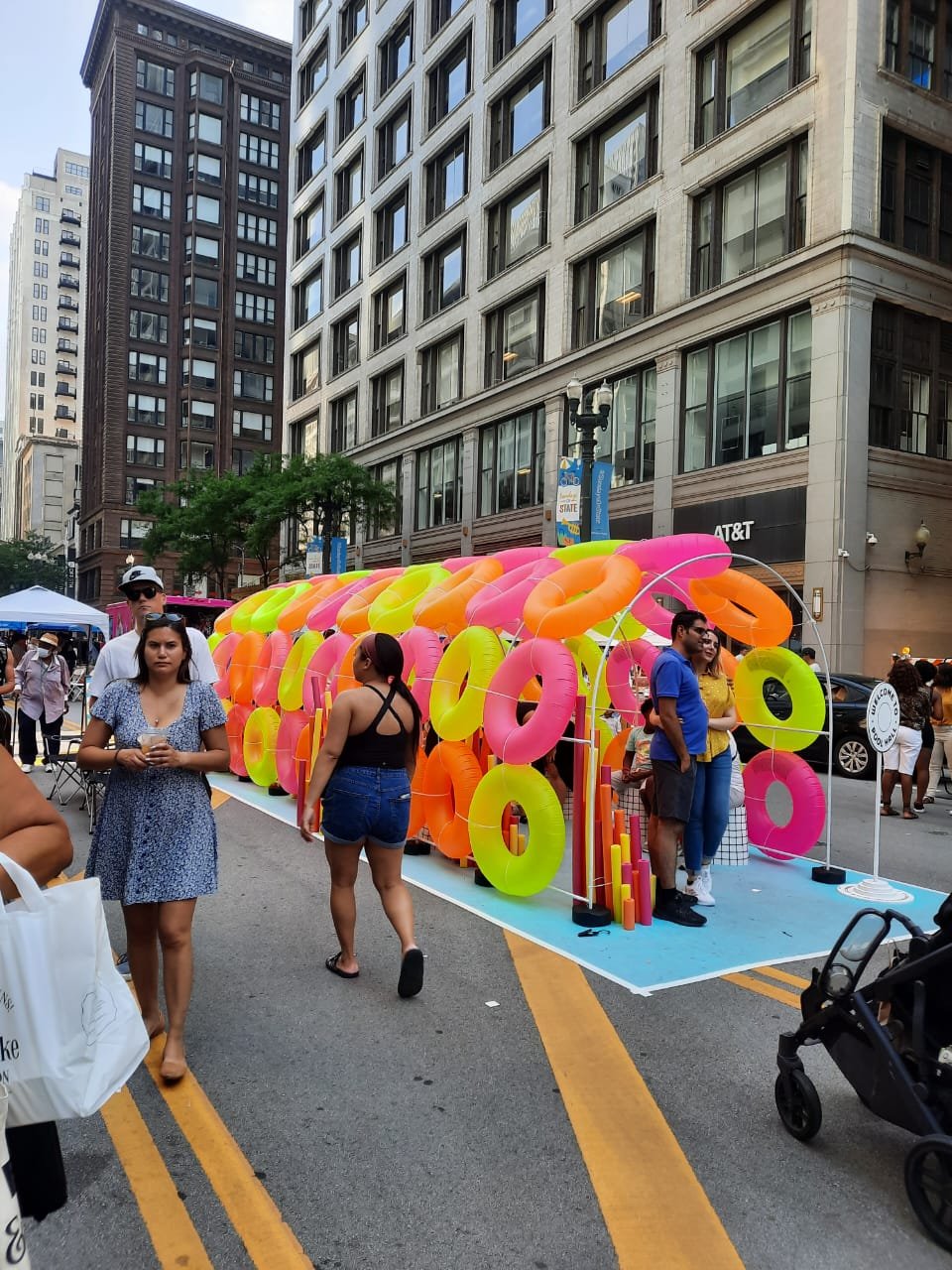
Chicago is known to have brutal winters so when summer comes Chicagoans make the most of the fine weather and spend as much time outdoors and on the Lake as they can. I visited in July when summer was in full swing so it really felt like there was a constant party vibe and I saw tons of gatherings and social events. It really appeared to me that the city took initiative in organising fun events and opportunities for the city to come alive. One such event was the market along State Street called Sundays on State. I also saw a rave concert at North Avenue Beach. The whole atmosphere of the city was fun and festive!

Cycling

I used the Divvy communal bike sharing system to get around and enjoyed the freedom of exploring this city at my own pace and saw and did whatever I felt like. The perks of solo travel! Cycling along the Lakefront Trail was really a highlight - stunning views of the Lake and the City.

There is so much to see in Chicago, I felt like I only scratched the surface after my few days there. I would highly recommend travelling there, especially if you love inspiring gardens, art and architecture!

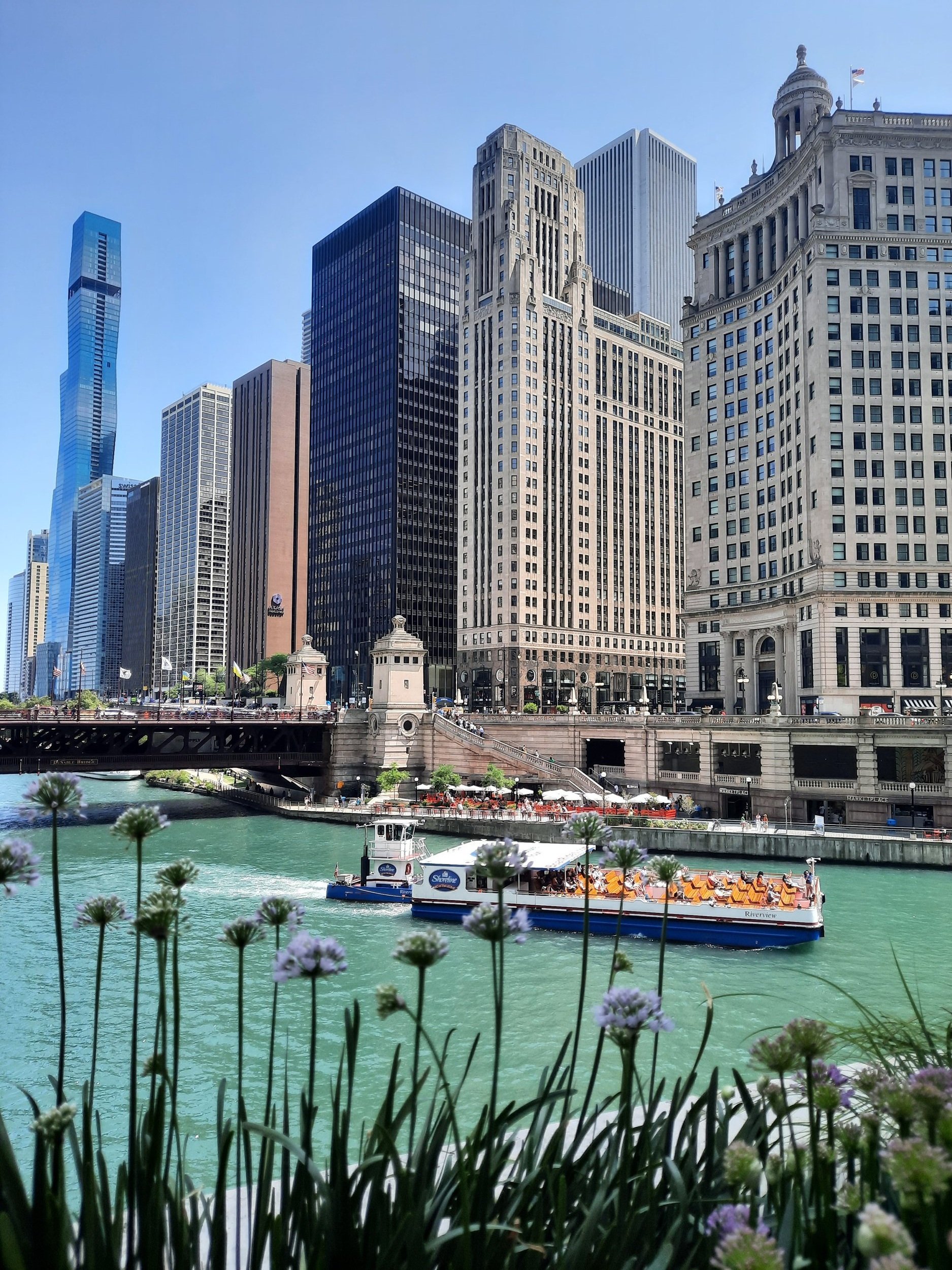
See these Onion/ Chive like plants in the front of this picture - this is what is assumed to be where the name of the city is derived from. The name “Chicago” is derived from a Native American word. The generally accepted theory is that the name was derived from a Miami-Illinois word “shikaakwa” or the “smelly onion.” The Miami-Illinois Indians named natural landmarks after the plants found nearby. The area around the mouth of the Chicago River was known as “Shikaakwa” by the local population because smelly onions grew around the watershed. French explorers “Frenchified” the word and turned it into “Shecaugo” for their reference

Sculpture on the Riverwalk Promenade of ‘the Chive’ where the name Chicago originates

Until Part 2,

~G.S