Planting

8 Beautiful Indigenous Trees for a Small Garden

Every garden needs beautiful trees to create spaces within the garden and to provide screening, shade and habitat for birds and animals. Trees add foliage, colour and interest to the garden as well as add character and atmosphere. There are so many beautiful indigenous trees to choose from! Here is a list of some of my favourite ones that can be used in a small to medium sized garden:

Information for Trees sourced from Random Harvest Indigneous Nursery

  1. Heteropyxis natalensis (Lavender Tree)

Heteropyxis natalensis is a hardy, slender, upright, narrow, semi-deciduous tree with truly beautiful, pale creamy bark that, with age, develops beautiful apricot coloured patches on it. The leaves are pale green, shiny and waxy and when crushed smell strongly of lavender. In autumn they turn red or purple and depending on how cold it is, hold onto them for winter and drop them a few weeks before the new tender green leaves appear. It bears small clusters of yellowish, sweetly scented flowers, from September to March, which attract butterflies and other insects. Ideal tree for small gardens. It is particularly beautiful planted in groves and also makes a good container plant. The leaves can be used for herbal tea and potpourri and most parts of the tree are used medicinally.

Size 4 to 8m

Size: Small to MediumGrowth Rate: Fast GrowingEvergreen or Deciduous: Semi-DeciduousFrost Hardiness: Fairly Hardy Position: Full SunSoil: Loamy SoilShape: ColumnarMedicinal: Medicinal Drought Hardiness: Drought Resistant

Heteropyxis natalensis (Lavender Tree)

Heteropyxis natalensis (Lavender Tree)

2. Dais cotinifolia (Pompon Tree)

Dais cotinifolia is a very hardy, fast growing, deciduous, small tree with attractive slightly blue green leaves. In spring it has scattered pink leaves in the crown adding to the interest. It bears masses of very showy, fragrant pink, pom-pom like flowers that attract a whole host of birds and insects from November to February. It begins flowering whilst still young. Popular garden subject for sun or semi-shade. Ideal for small gardens and containers. Size 2 to 7m

Size: Small to MediumGrowth Rate: Fast GrowingEvergreen or Deciduous: Deciduous Frost Hardiness: Frost HardyPosition: Full SunPosition: Semi-shadeSoil: Loamy SoilSoil: Well-drainedShape: OvalGarden Uses: Small GardensGarden Uses: Specimen,  Drought Hardiness: Drought Hardy

Dais cotinifolia (Pompon Tree)

Dais cotinifolia (Pompon Tree)

3. Dombeya rotundifolia (Wild Pear)

Dombeya rotundifolia is a very hardy, deciduous, drought and fire resistant, upright tree. It has round, leathery, rough leaves, and attractive, rough, fissured bark which is utilized by Woodpeckers. This is one of the first trees to bloom in spring where it stands out on the bare hillsides in snowy white patches. Showy clusters of sweetly scented white flowers start blooming in profusion on the bare branches in July and continue well into September before the leaves appear. The flowers dry beautifully and can be used for pot potpourri. It is a good bird, insect and butterfly tree. It has a non-aggressive root system which makes it an ideal tree for a small garden. It is quite fast growing and can be planted in sun or semi-shade as a specimen tree or as an element of a wildlife garden. Used medicinally. Size 3 to 5m.

Size: Small to MediumGrowth Rate: Fast GrowingEvergreen or Deciduous: Deciduous Frost Hardiness: Frost Hardy,  Position: Full SunPosition: Semi-shadeSoil: Loamy SoilSoil: Well-drainedMedicinal: MedicinalGarden Uses: Small GardensGarden Uses: SpecimenDrought Hardiness: Drought Hardy

Dombeya rotundifolia (Wild Pear)

Dombeya rotundifolia (Wild Pear)

4. Nuxia floribunda (Forest Elder)

Nuxia floribunda is a hardy, evergreen, fast-growing, neat and attractive tree that is quite small in drier conditions, but if its roots find water it can get quite big. Pale grey, smooth bark contrasts beautifully with the glossy, dark-green leaves that turn quite purple in winter. Its huge heads of showy, sweetly-scented, white flowers cover the tree from May to September. The flowers attract a whole host of small pollinating insects, moths and butterflies that in turn attract birds. It has many magical and medicinal uses. It grows well in a container, and is also a lovely tree with which to create a small forested area in the garden. Plant in either full sun or semi-shade and water regularly. Size: 3 to 10m

Growth Rate: Fast GrowingEvergreen or Deciduous: EvergreenFrost Hardiness: Frost HardyPosition: Full Sunor Semi-shadeSoil: Loamy Soil Well-drainedMedicinal: MedicinalGarden Uses: Container PlantGarden Uses: Form PlantGarden Uses: Small GardensGarden Uses: Specimen,  Drought Hardiness: Needs Watering

Nuxia floribunda (Forest Wild Elder)

Nuxia floribunda (Forest Wild Elder)

5. Mundelea sericea (Cork Bush)

Mundulea serica is a very hardy, semi-deciduous, decorative, large shrub that always stands out in its natural habitat of grassland and rock. The fissured corky bark is a protection against fires which are frequent in its habitat. It has blue-grey leaves that are covered in silvery hairs giving the whole shrub a silvery look. It has gorgeous, dense pendulous bunches of deep mauve, pea-shaped flowers from October to February that attract masses of birds coming to sip on the nectar as well as a myriad of insects. With its robust, neat shape and corky bark, it makes a good accent plant but needs well-drained soil. It is host plant to two butterfly species. Traditionally used as a fish poison. The bark and roots have medicinal and magical qualities and crushed leaves are used to bleach hair. Lovely tree with non-aggressive roots for a small, sunny garden.

Growth Rate: Slow GrowingFrost Hardiness: Frost HardyPlant Type: ShrubPlant Type: TreeSoil: Sandy SoilPoisonous: Poisonous

Mundelea sericea (Cork Bush)

Mundelea sericea (Cork Bush)

6. Tabernaemontana elegans (Toad Tree)

Tabernaemontana elegans is a hardy, deciduous, upright small tree that has beautiful, large, shiny, dark green leaves and a lovely rounded shape. The clusters of beautiful white flowers are sweetly scented and borne from October to February and attract bees to the garden. These are followed by interesting, large, paired fruits with raised, corky dots like the skin of a toad, hence the common name. These lovely fruits split to reveal seeds covered with bright orange pulp. The fruits are edible. The thick, brown corky bark protects the tree from fire. An ideal tree for a container or small garden, planted in sun or semi-shade. Used medicinally. Size 3 to 5m

Size: SmallGrowth Rate: Fast GrowingEvergreen or Deciduous: Deciduous Frost Hardiness: Frost Hardy Position: Full SunPosition: Semi-shadeSoil: Loamy SoilEdible: EdibleGarden Uses: Container PlantGarden Uses: Small GardensGarden Uses: Specimen,  Drought Hardiness: Drought Resistant

Tabernaemontana elegans (Toad Tree)

Tabernaemontana elegans (Toad Tree)

7. Apodytes dimidiata (White Pear)

Apodytes dimidiata is a hardy, evergreen, beautifully shaped, fairly fast growing tree with dense, glossy, dark green foliage. Densely clustered spikes of strongly scented, snow-white flowers that are borne from September to April, especially after good rains. The flowers attract many pollinating insects to the garden. The bees visit the flowers early in the morning when the scent is strongest. When there is a breeze the tiny petals are like confetti blowing around the garden. They are followed by very decorative bunches of black berries with a fleshy red ‘cap’ that attract birds to the garden. The trunk is white and, in older specimens, becomes patched with lichen. This tree makes a wonderful garden subject. Can be used as a small avenue tree, as a specimen in a small garden or create a forest effect by planting close together. Its wood is a beautiful pale pinky-brown. It also has many traditional uses. Size 5 to 10m

Size: Small to MediumGrowth Rate: Fast GrowingEvergreen or Deciduous: EvergreenFrost Hardiness: Frost HardyPlant Type: TreePosition: Full SunPosition: Semi-shadePosition: ShadeSoil: Loamy SoilShape: RoundGarden Uses: Avenue PlantGarden Uses: Screen PlantGarden Uses: Specimen

Apodytes dimidiata (White Pear)

Apodytes dimidiata (White Pear)

8. Bersama luscens (Glossy White Ash)

Bersama lucens is a fairly hardy, evergreen, small, compact tree with a well-developed crown and beautiful blotchy, wrinkled, grey bark. The young leaves are a brilliant glossy russet brown, turning dark green when mature. The small greenish white flowers, in long narrow heads, appear from September to June and are followed by green capsules that split to reveal scarlet seeds that attract birds. The bark is sought after in traditional medicine and this species is becoming increasingly rare.

It is a beautiful, decorative tree for a shady to semi-shady part of the garden. Protect from frost especially when young. Size 2 to 5m

Size: Small to MediumFrost Hardiness: Protect when youngPlant Type: TreePosition: Semi-shadePosition: ShadeSoil: Loamy SoilShape: CanopyConservation Status: EndangeredConservation Status: ProtectedMedicinal: MedicinalGarden Uses: ShadeGarden Uses: Small GardensGarden Uses: Specimen

Bersma luscens (Cape Glossy Ash)

Bersma luscens (Cape Glossy Ash)

Do you have any of these in your garden? Which are your favourite indigneous trees?
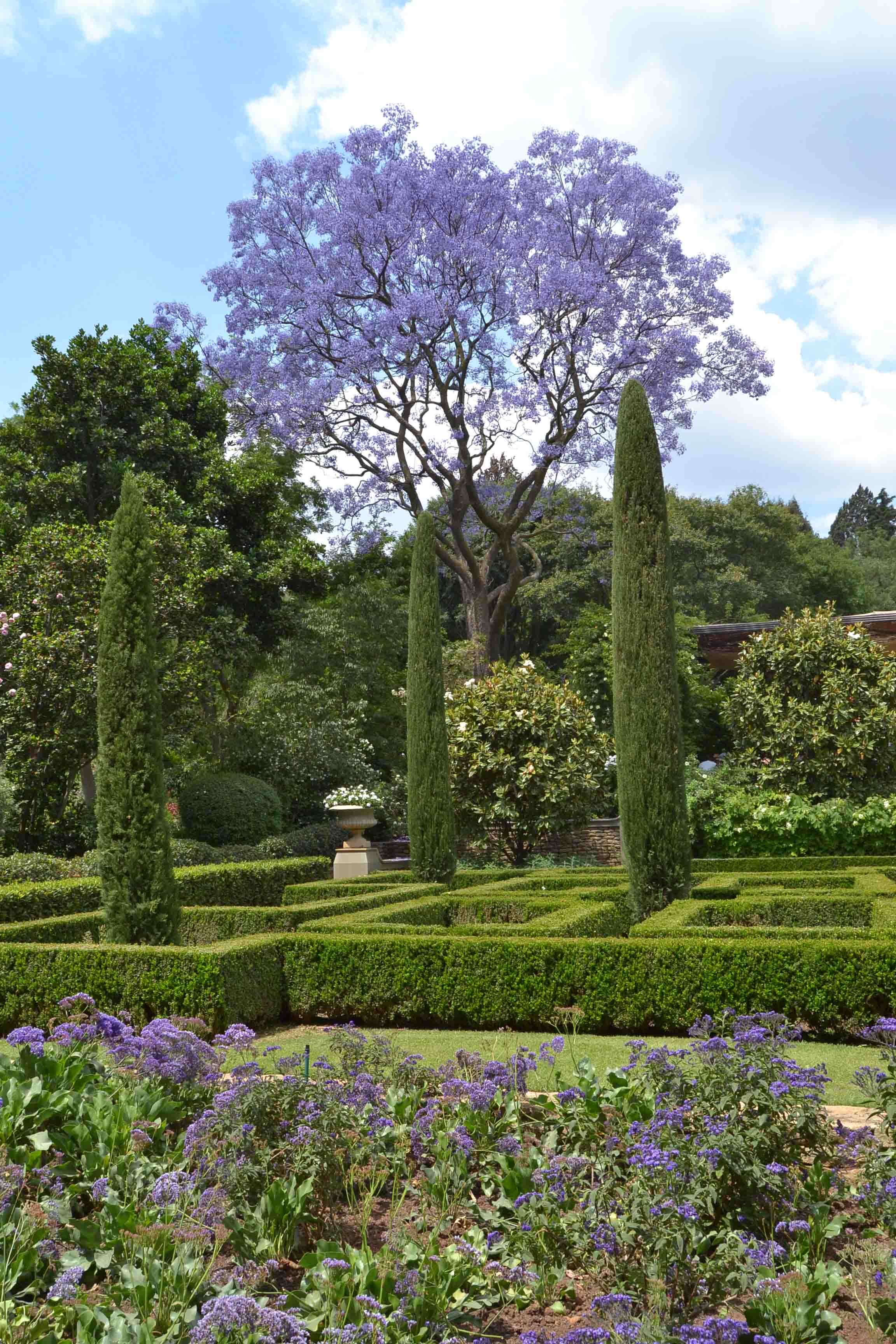
Gardens of St Christopher Spring Open Day 2019

Garden of St Christopher

What could be more enjoyable than spending a Sunday afternoon exploring a magnificent garden while sipping a glass of champagne? The Gardens of St Christopher (https://www.gardenofstchristopher.com/) held their Spring Open Garden on Sunday 20 October this year. The gardens are open to public only once a year for a charity fundraising event, although group tours can be arranged by appointment.

Steel Arch

The Garden is located at 82 9th Road Hyde Park and has evolved and been extended over time. The owners acquired the adjoining property to expand the garden and full implementation of the garden extension was completed in 2012. I find it remarkable that the owners are willing to share this beautiful space with strangers and admire their generosity since all drinks and eats are sponsored and all proceeds go to the South African Guide-Dogs Association.

South Africa Guide Dog Association
Labrador Guide Dog in Garden of St Christopher

This is an interview taken from Alain Elkann Interviews which asks the Landscaper Debby Tenquist who designed the Garden:

You and your partner created the St Christopher Garden, a beautiful enclave in the Hyde Park of Johannesburg. Can you describe it? 

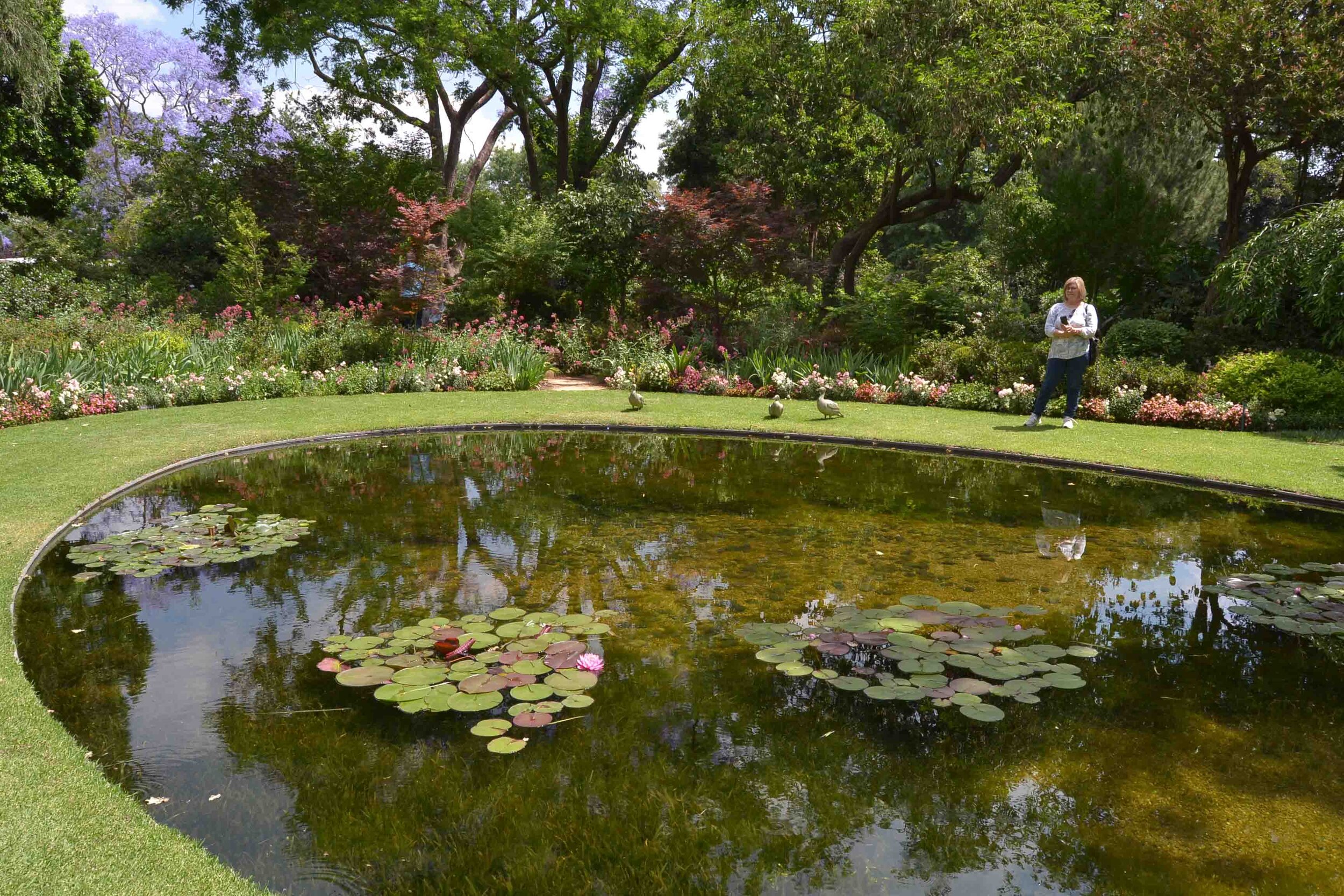
Designing the seven acre Garden of St Christopher was a privilege and an opportunity to build a large garden with the ultimate luxury of time. Detailed research was undertaken and interesting ornamental plant collections were amassed. The architecture of the house and the Italian ancestry of the owner prompted an Italianate style garden design with English overtones.  An environmentally sensitive approach was employed during the project. We used the stumps of trees we had to remove for a Highgrove-inspired stumpery. This area included a fernery and an unusual collection of large mineral specimens including verdite, sodalite and amethyst which added a tangible energy to that part of the garden. The wood from the felled trees was used for rustic paths in the “Bosco” part of the garden which included the oval reflection pond. The pond was inspired by a similar one by Russell Page designed for Babe Paley at Kiluna Farm on Long Island that sadly no longer exists. The pond is encircled by a bowl of azaleas, acers, dogwoods and flowering cherries that is breath-taking in both spring and autumn. The pond is part of a closed system of three water features that are gravity fed and naturally cleaned by a bog garden in the stumpery.  A bird garden and a butterfly-bee garden are aimed at increasing the population of natural wild life. A Neo Renaissance buxus parterre is viewed at a height from a stone clad classical pergola. In front of the house is a 80 meter long tapis vert alongside a 40 meter long and 25 meter deep herbaceous border of blue and white perennials planted in broad drifts anchored by curved buxus hedges that reaches its peak in mid-summer. The garden is home to a wide variety of exotic and indigenous trees including a collection of magnolias, crab apples, flowering cherries, acers and a curated collection of over 200 camellias. The most relaxed part of the garden is a meadow of long grasses with mown pathways that is bisected by a meandering river of Louisiana irises that is traversed by Japanese style bridges.

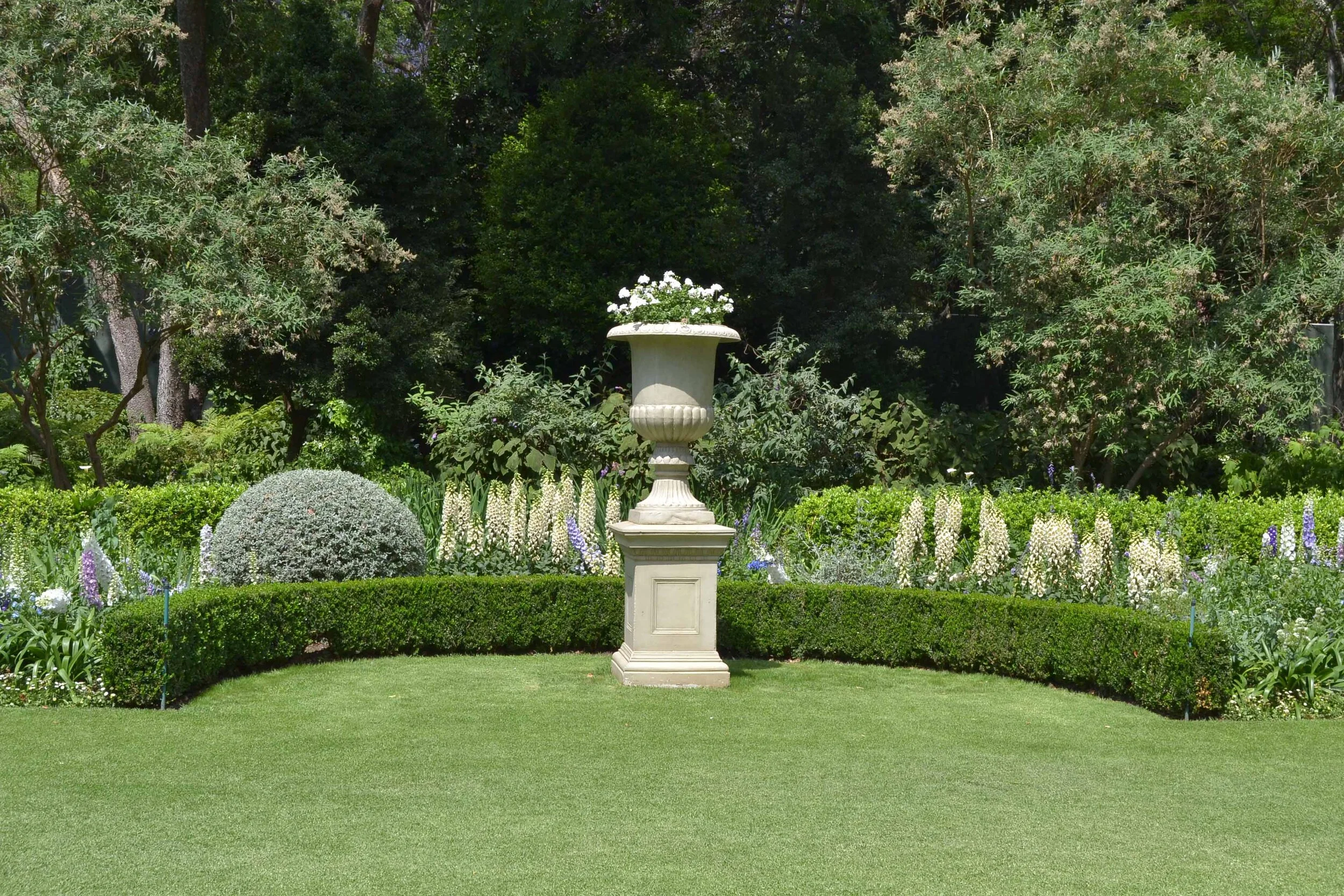
Curved Buxus Hedges with Urns as Focal Points along Main Lawn Area

Curved Buxus Hedges with Urns as Focal Points along Main Lawn Area

The Garden consists of several “Rooms” with each one evoking unique emotions and highlighting different angles and plant material. Large established trees are complimented by foliage from shrubs and an abundance of flowering groundcovers (I have never seen so many Foxgloves!). I thoroughly enjoyed exploring and experiencing the Garden and would find it difficult to choose my favourite part of it.

Stunning Display of Foxgloves and other Flowering Plants

Stunning Display of Foxgloves and other Flowering Plants

Formal Design

Formal Design

Beautiful Flowers fill this Garden to the Brim

Beautiful Flowers fill this Garden to the Brim

The Highlights of the Garden include the following spaces: Gem Walk and Stumpery, Pergola & Parterre, Tigers Eye Cascade, Reflection Pond and Azalea Bowl, Meadow, Camellia Walk, Bird Garden and Butterfly and Bee Garden.

Gem Walk and Stumpery with Ferns

Gem Walk and Stumpery with Ferns

Gem Walk and Stumpery

Gem Walk and Stumpery

Pergola

Pergola

Tigers Eye Cascade with Otter Sculptures

Tigers Eye Cascade with Otter Sculptures

Oval Reflection Pond and Azalea Bowl

Oval Reflection Pond and Azalea Bowl

Meadow with Crane Sculpture

Meadow with Crane Sculpture

Meadow

Meadow

Butterfly & Bee Garden

Butterfly & Bee Garden

A few more images showing the foliage, texture and colour combinations of plants within this beautiful garden:

185.JPG
162.JPG
Foliage Garden of St Christopher
194.JPG

Indigenous Plants for a Shady Garden

Scadoxus ‘Katherinae’ (Paint Brush Lily)

Scadoxus ‘Katherinae’ (Paint Brush Lily)

Designing for shady areas is always tricky, especially when the area gets sun for some time of the day and shade for another part of the day. Areas of deep shade are also problematic and it is not always easy to know which plant species will do well in those conditions. Most plants can tolerate shade for part of the day but if the area is below a dense canopy of trees or on the south side of a building where it receives little sun throughout the day it is best to plant Shade Plants.

Shade gardens can often be dominated by large leafed plants all the same dark green colour so it is a good idea to try add contrast with different coloured greens, leaf textures and variegated foliage where possible.

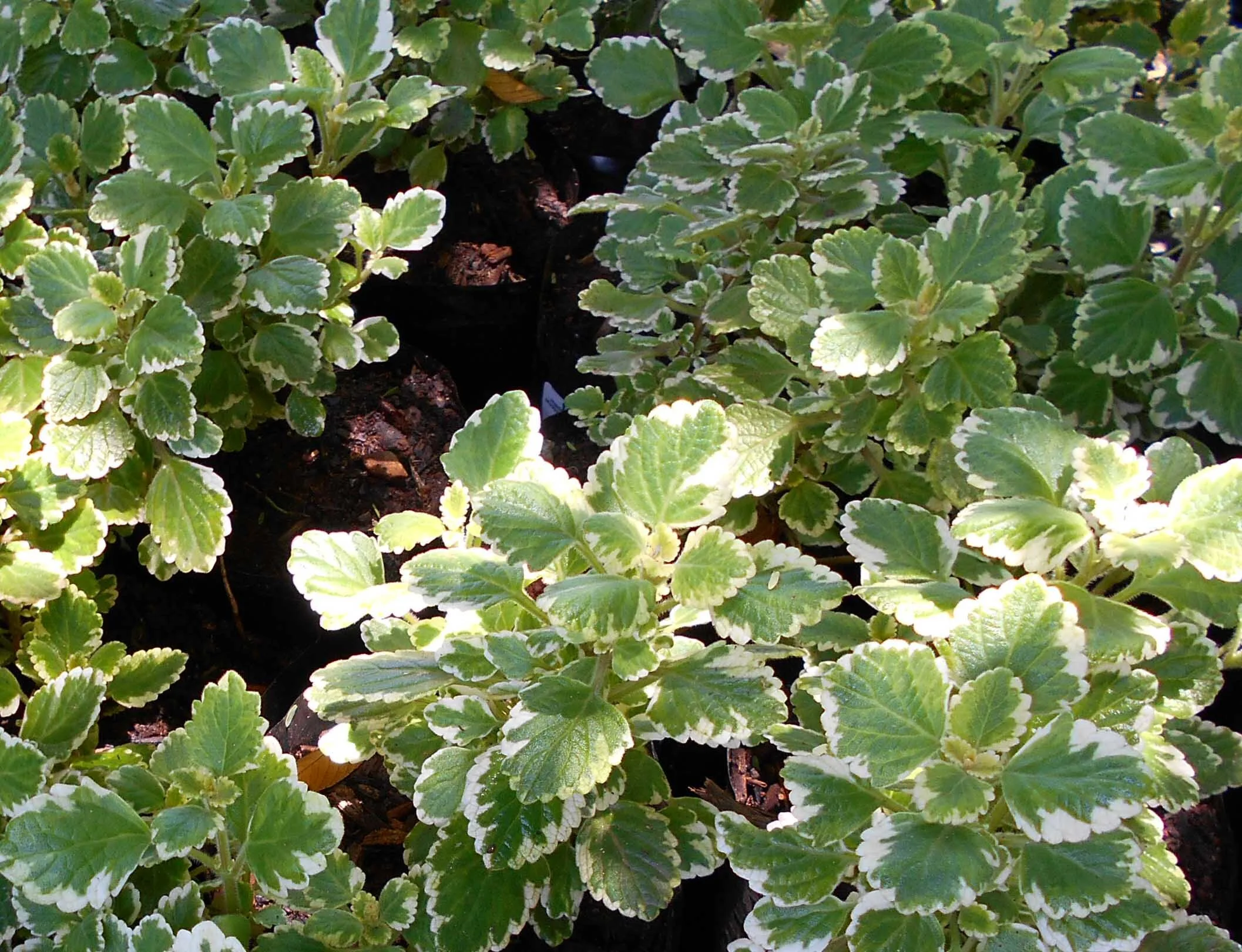
Plectranthus madagascariensis

Plectranthus madagascariensis

The skeleton or framework of the garden should consist of trees and larger shrubs - giving height, structure and backdrop of foliage. Examples of larger shrubs that do well in shade conditions include Mackaya bella (River Bells), Duvernoia adhatodoides (Pistol Bush), Burchellia bubalina (Wild Pomegranate), Diospyros whyteana (Bladder Nut), Plumbago auriculata (Leadwort) and Orthosiphon labiatus (Shellbush).

Middle range sized plants include Plectranthus (so many wonderful species that I will write a separate Blog showcasing some examples), Dietes, Carissa bispinosa and macrocarpa (NumNum), Hypoestes aristata (Ribbon Bush) and Ferns.

Lower growing groundcovers include Chlorophytum spp., Asparagus spp., Agapanthus spp., Crassula multicava ‘Ruby’, Zantedeschia aethiopica (Arum Lily) and Clivia miniata (Bush Lily). I often try to encourage clients to make use of Seasonal Bulbs to add colour and interest and the added delight of discovering them grow when you forgot they were there. Examples of Bulbs that do well in Shade include Scadoxus ‘Katherinae’, Veltheimia bracteata, Crosocmia aurea, Haemanthus albiflos, and Crinum moorei.

Clivia miniata (Bush Lily)

Clivia miniata (Bush Lily)

Crassula multicava 'Ruby'

Crassula multicava 'Ruby'

Focal plants are great for making a statement or highlighting a certain area in the garden and can include Dracaeana aletriformis (Large Leaved Dragon Tree), Dombeya tiliacea (Forest Wild Pear), Gardenia thunbergia (Forest Gardenia) and Strelitzia reginae (Crane Flower).

Draceana aletriformis (Dragon Plant)

Draceana aletriformis (Dragon Plant)

Since lawn is problematic is shade conditions you can use pavers, gravel, bark chip or a combination of these floor coverings and create pathways through the beds with areas for resting such as a bench or secluded spot. Focal points such as water features and sculptures also add interest and entice people to come into the garden to explore.

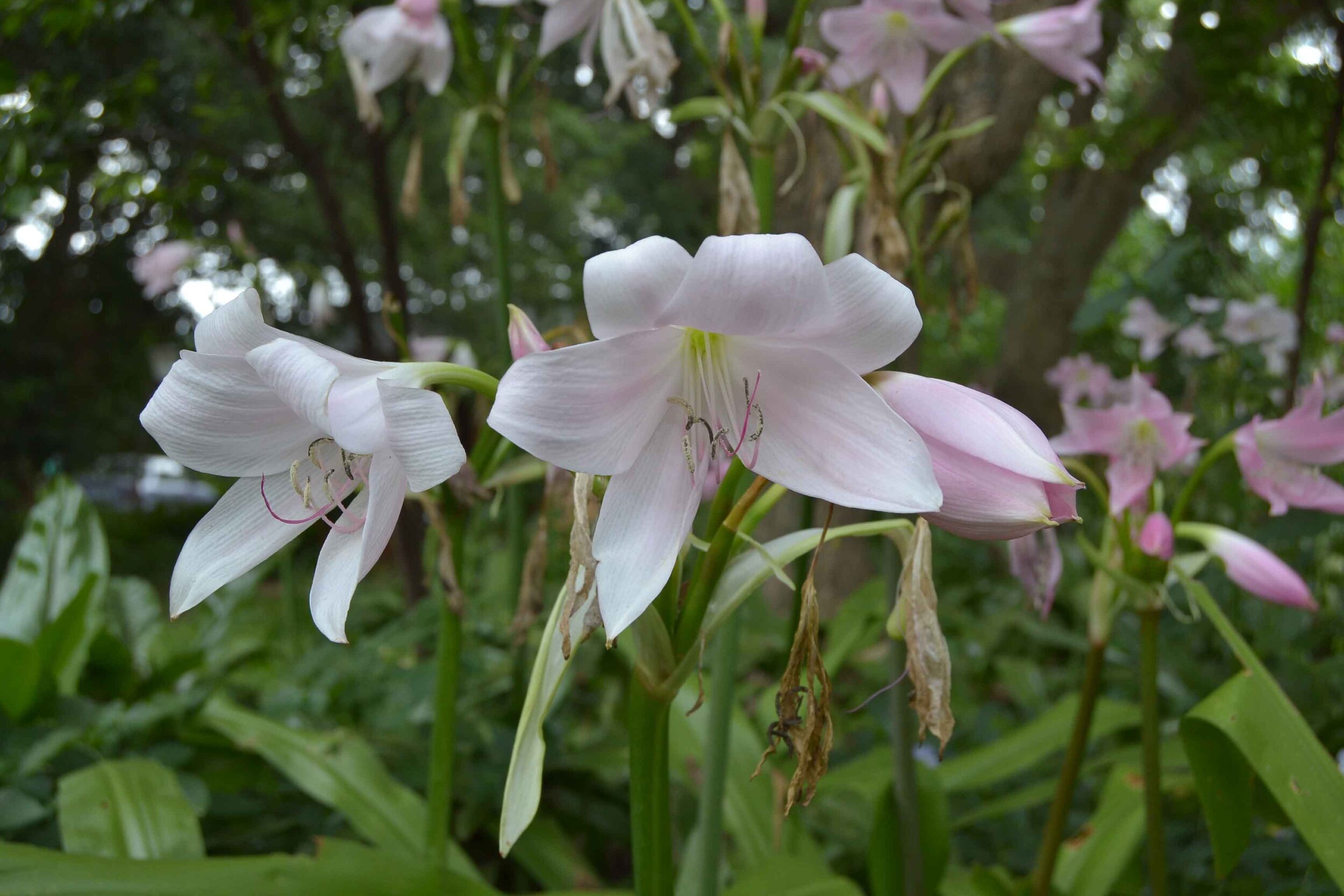
Crinum moorei (Moore’s Lily)

Crinum moorei (Moore’s Lily)

Crocosmia aurea (Falling Stars)

Crocosmia aurea (Falling Stars)

Why you deserve a beautiful garden:

smile.jpg

Life is hectic, chaotic even. People live fast-paced, stressful lives balancing work, family, traffic, deadlines and commitments. You often just need a place to stop. And Breathe. An outdoor space provides the opportunity to listen to the birds chirping; feel dappled sunlight or a soft breeze on your face; and a place to experience that sense of peace that only nature can bring.


A landscape or garden is any outdoor space that can provide this solace. It can be the backyard at your office, the neighbourhood park, the hospital courtyard, or your garden at home. Humans crave a connection with nature and a well-designed garden can bring a feeling of balance and calm to the soul.


Spending time in a beautiful garden can be rewarding and delightful:


Improvements at work

-          Increased employee satisfaction and productivity

-          Positive health benefits

-          Cooler micro-climate

-          Increased property value


Making family memories at home

-          Playing ball games on the lawn

-          Letting them water with the hosepipe and the water fun that follows

-          Treasure hunts and hide and seek

-          Climbing trees and tree houses


Meeting with Nature

-          Discovering earthworms as you dig in the soil to plant new plants

-          Growing plants from seed and watching them grow

-          Discovering insects and birds you’ve never seen before


A Sense of accomplishment

-          Growing a vegetable garden and providing food for your table

-          Picking flowers to put in a vase at the front door

-          Contributing positively to the environment by planting indigenous plants


Planning is the first step to a beautiful outdoor space. Let’s start today. Contact Sprout to schedule a site visit. Everyone deserves a beautiful garden #loveYOURGARDEN

insect and bird.jpg

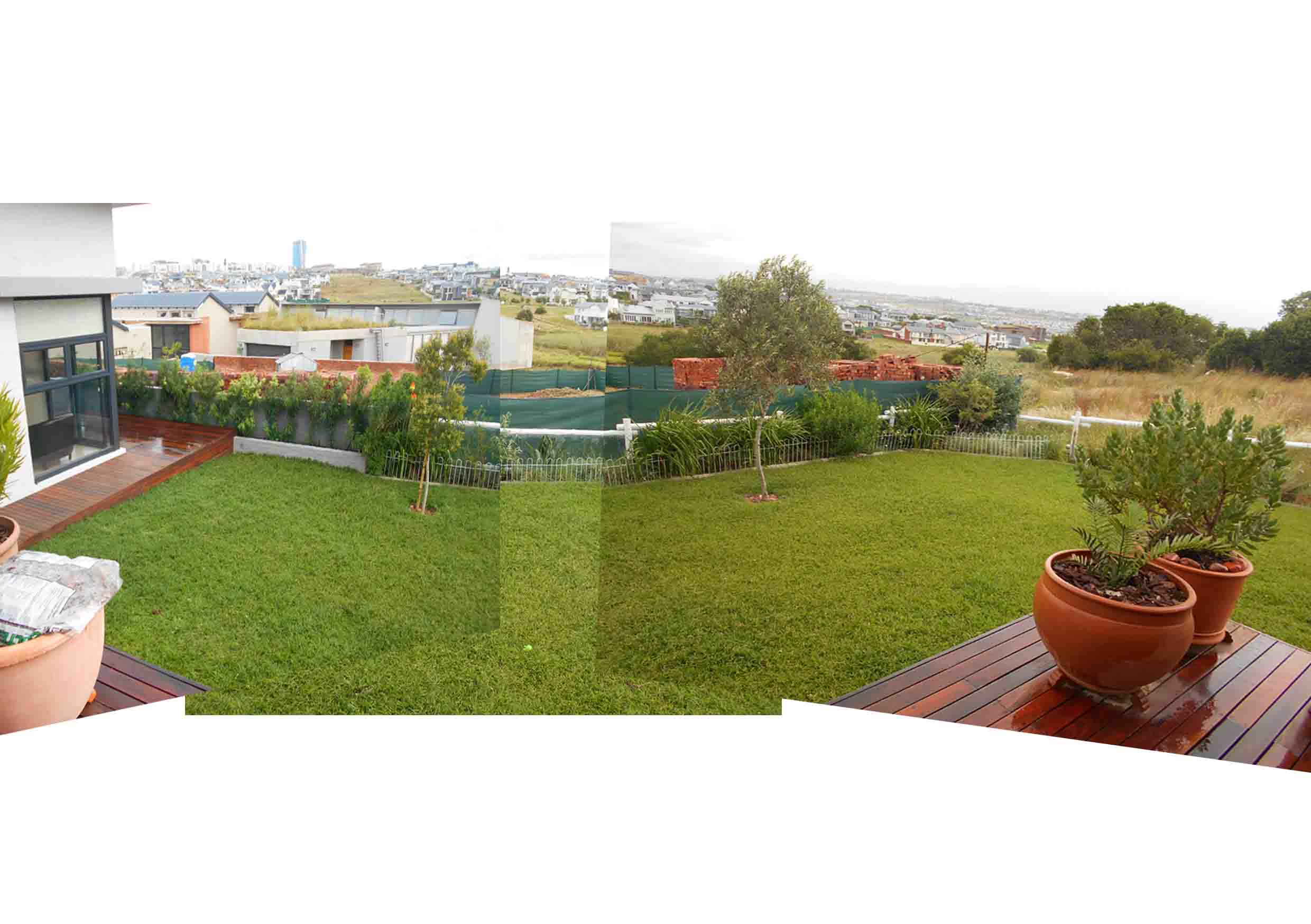
House E Indigenous Planting

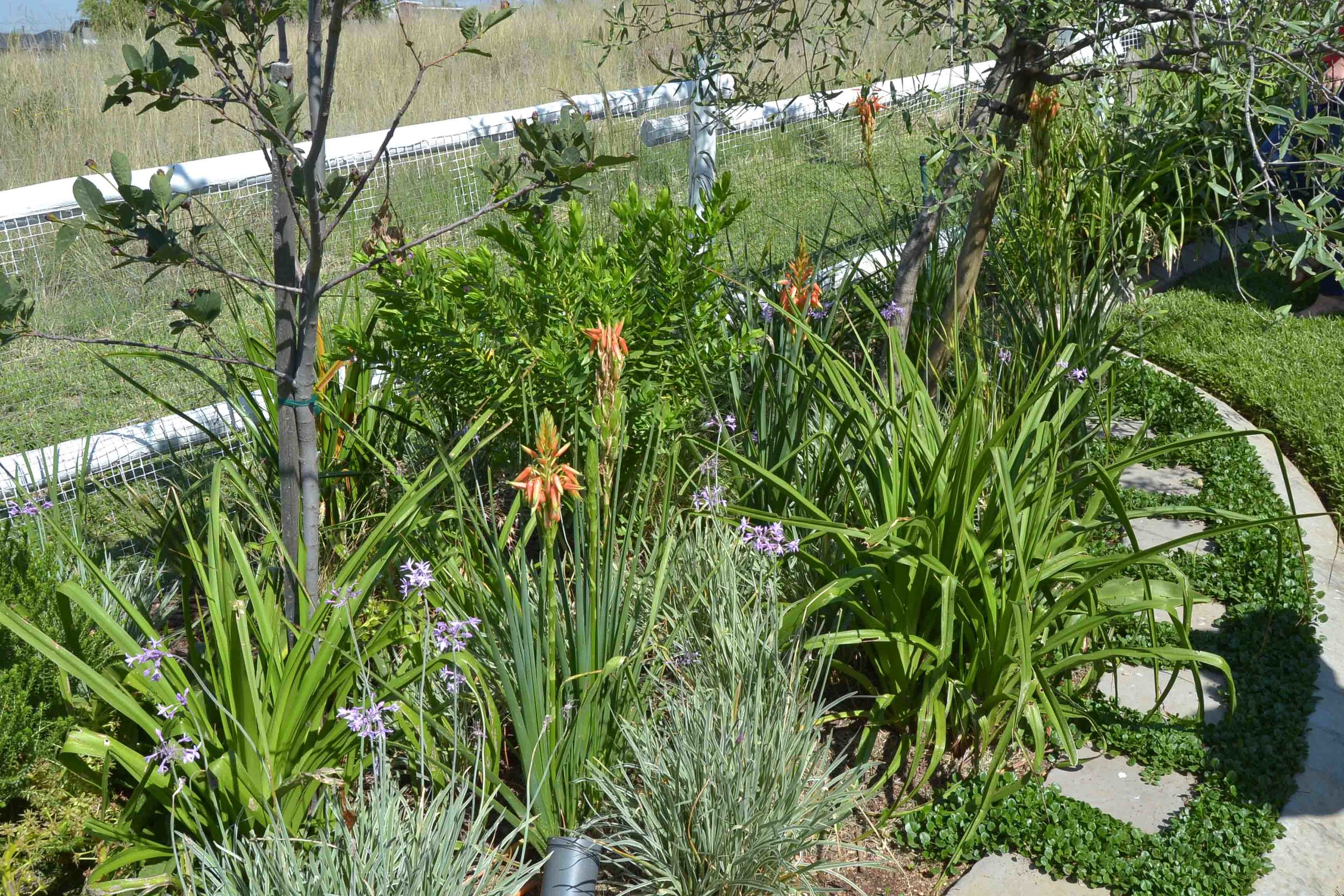
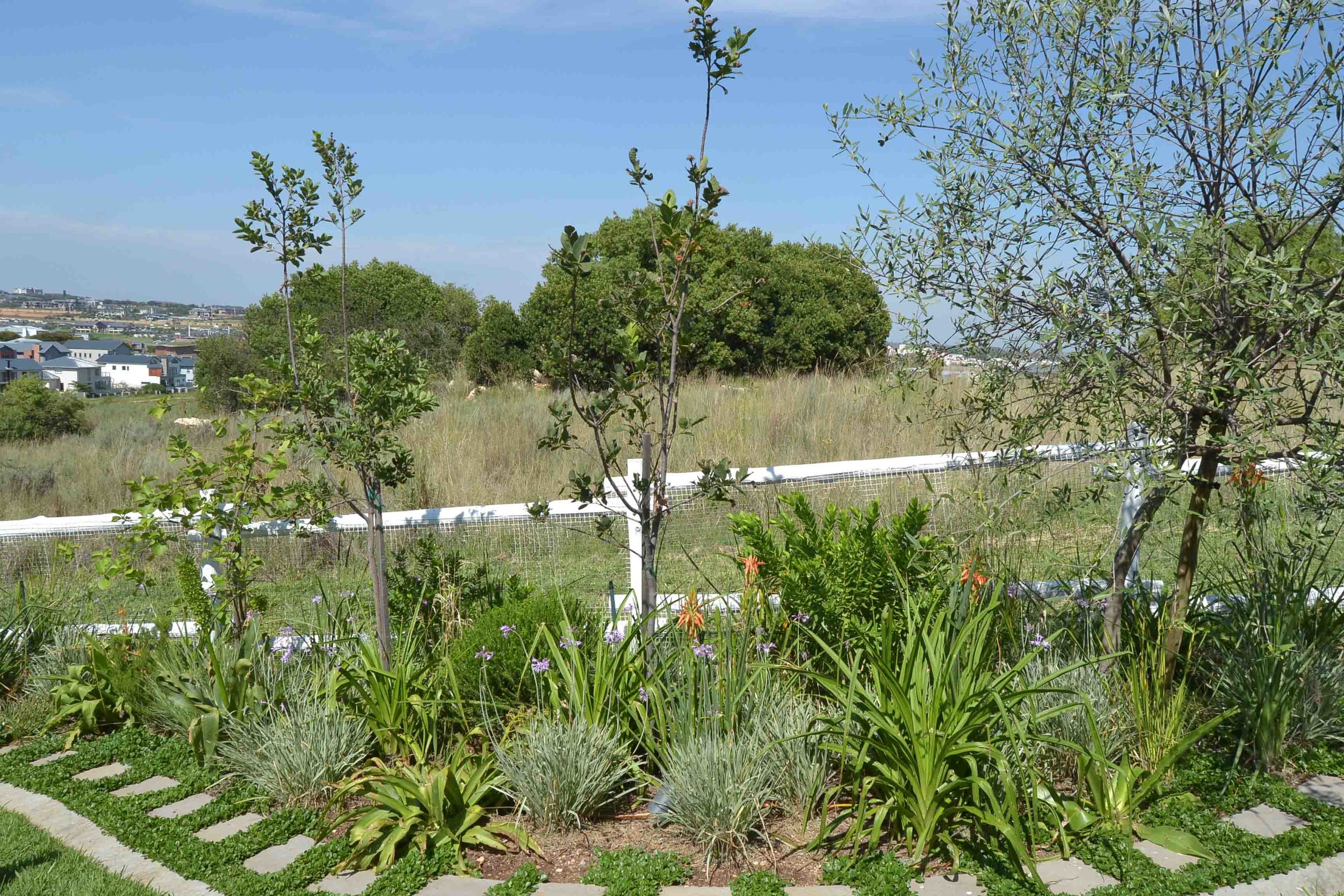
Indigenous Grasses with Cycads and Aloes. Trees screening neighbouring house.

Indigenous Grasses with Cycads and Aloes. Trees screening neighbouring house.

House E is a stunning example of the beauty that South African flora holds and makes use of indigenous grasses with several focal plants in between.

A grass mix including Aristida junciformis and Melinis nerviglumis was interplanted with several bulbs such as Ornithogalum thyrsoides, Dierama spp, Eucomis autumnalis and Eucomis comosa, which formed the main planting theme.

Several feature plants grow out of the grass mix including Aloes, Proteas, Cabbage Trees and Cycads.

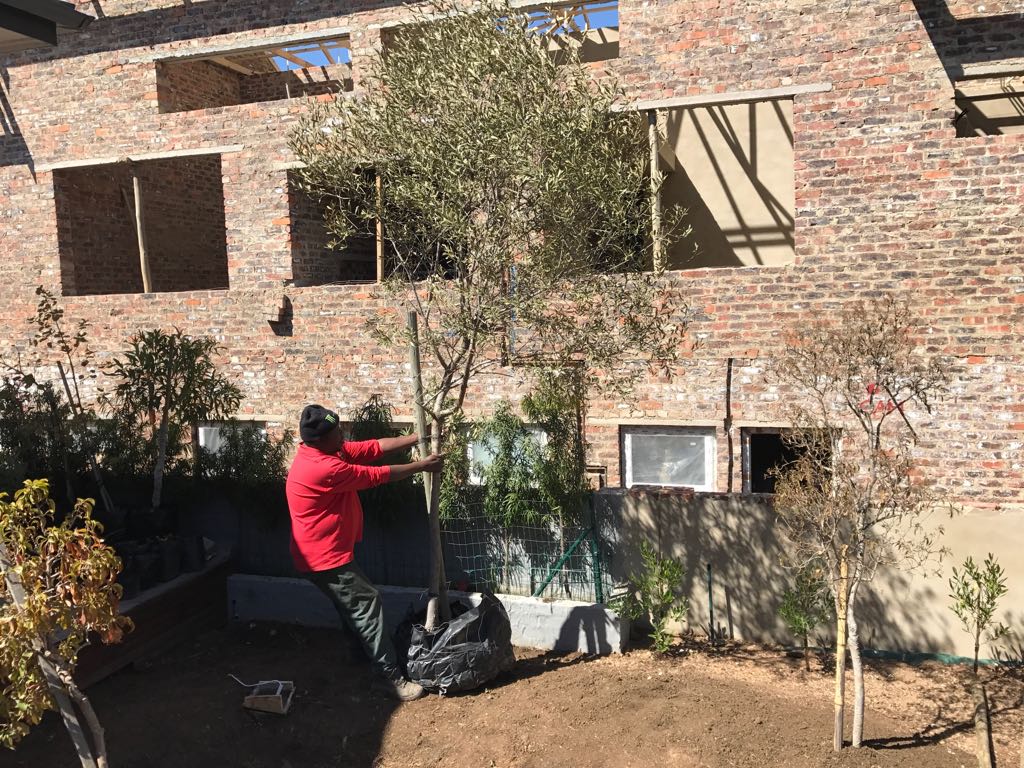
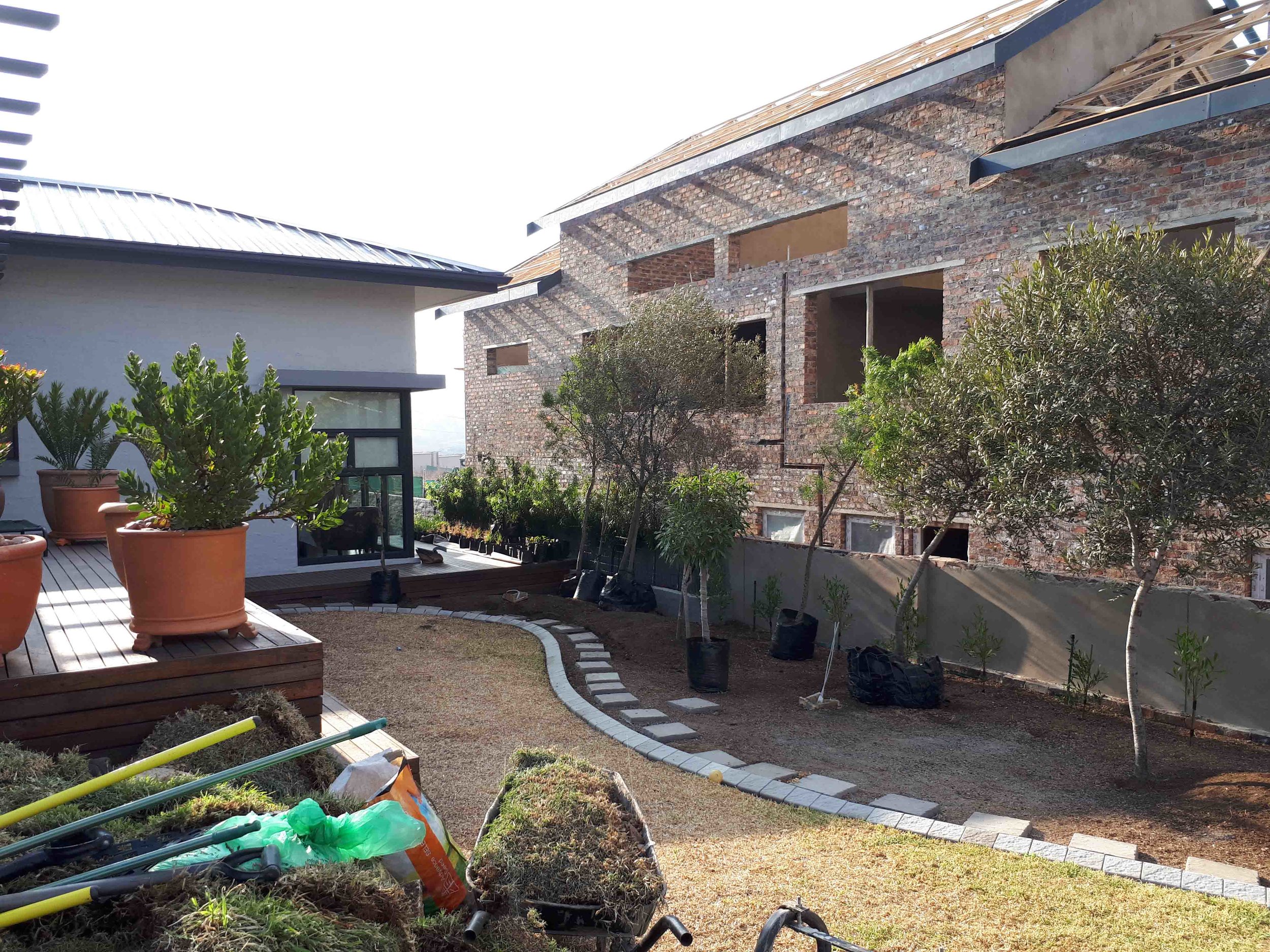
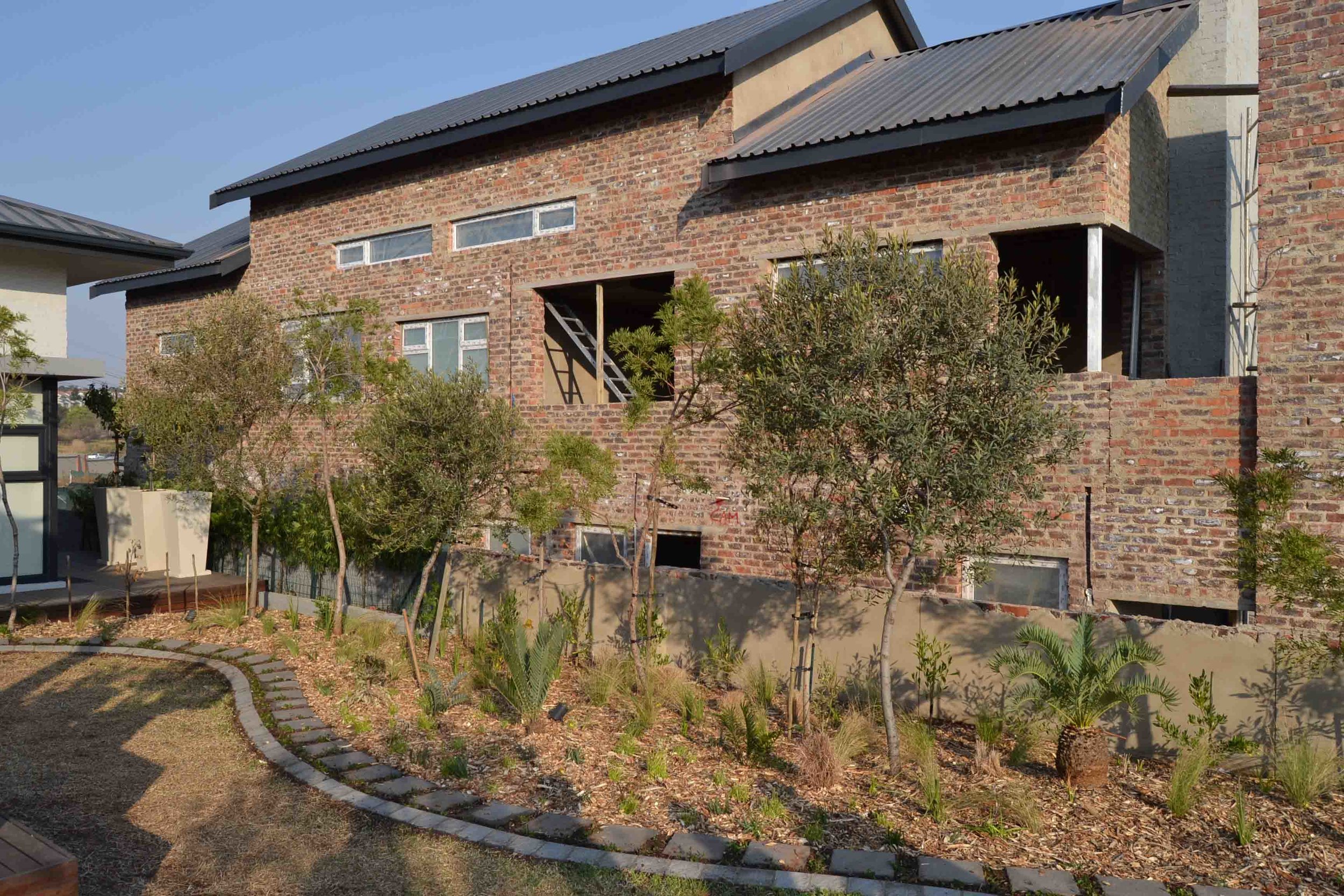
Trees: Large Olive trees were used as the primary screening elements which were interplanted with Loxostylis alata, Dombeya rotundifolia, Heteropyxis natalensis and Nuxia floribunda. Dais cotinifolia were also added as feature trees.

Shrubs: a screening hedge of Dodonea angustifolia created a green boundary and smaller shrubs such as Polygala myrtifolia, Coleonema alba and Euryops virgineus were added.

Before and During Construction

After Implementation and then the greener images are taken 4 months after installation.

The Herb Farm at Doonholm Nursery

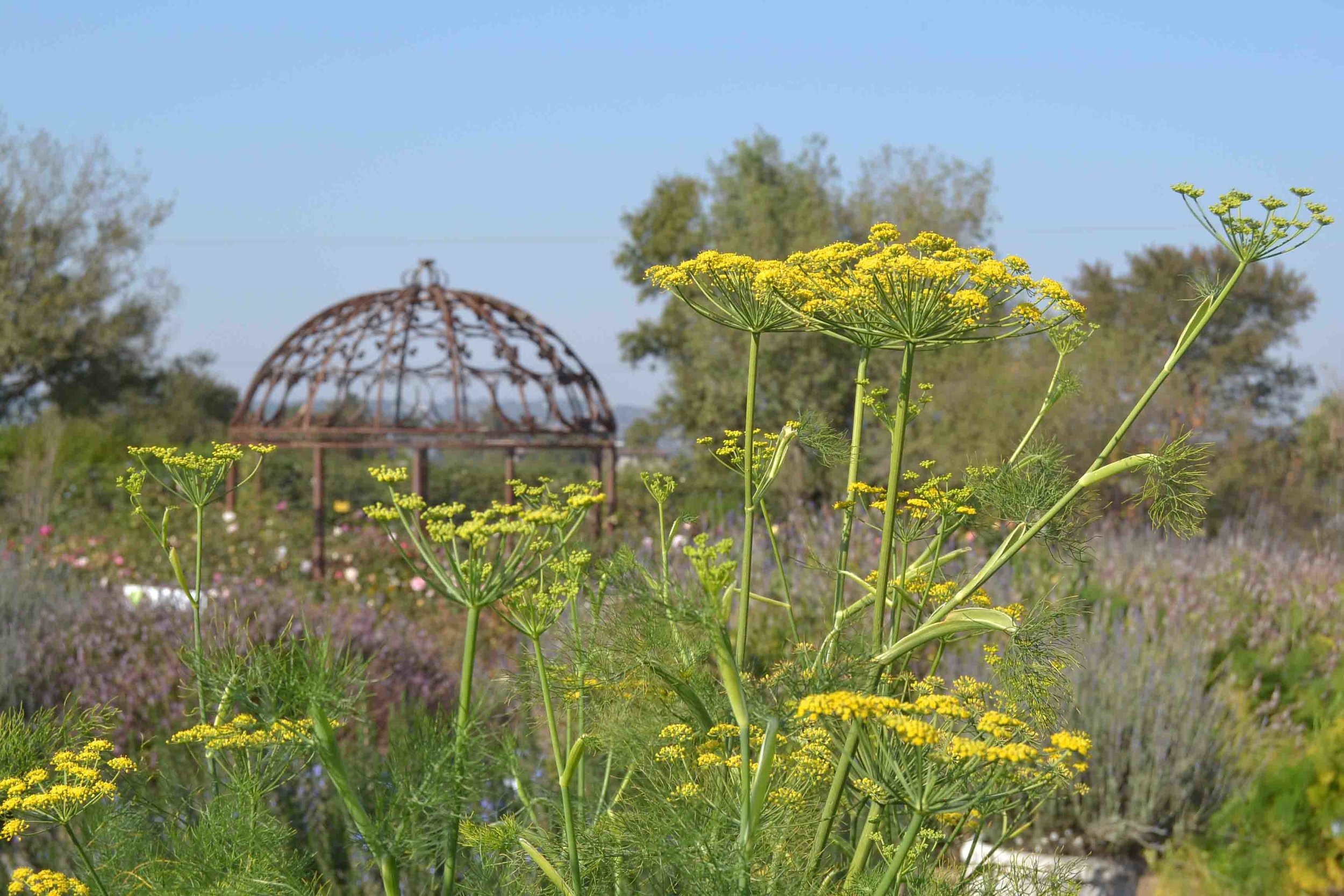
Fennel flowering - beautiful combination with purple of Lavender

Fennel flowering - beautiful combination with purple of Lavender

I attended a seminar at a venue called The Herb Farm at Doonholm nursery a few weeks ago and was delighted to discover this piece of gardening paradise! The gardens consist of a South African indigenous medicinal herb garden, a reflection pond, a spiral labyrinth herb garden, a scented rose garden and an educational garden. All the plants in this garden (trees, shrubs, groundcovers, climbers, annuals, succulents) are herb plants and this garden has been created to showcase the incredible range of herbal plants at our disposal.

A plant lovers delight! Amazing plant combinations, variety of colour and texture

A plant lovers delight! Amazing plant combinations, variety of colour and texture

The gardens began in 2006 and evolved over the years (the owner described it as a “lappieskombers” or “patchwork quilt”) so that each year a new section was added. It is estimated that it now contains over 450 types of herb plants.

Educational Garden with terraces of herb planting

Educational Garden with terraces of herb planting

There are numerous signboards throughout the garden indicating plant names and their uses. In the Educational Garden you will find: Herbs for Pets, Scented Herbs, Healing Herbs, Insect Repellent Herbs (On a side note I have heard that certain herbs deter pigeons, I really need to find out which ones!) Companion Herbs for Veggie Gardening, Flavour Herbs for Cooking and Herbs for Teas. Herbal plants have numerous beneficial properties and it is widely accepted that our knowledge of the potential that plants hold is under utilised. Look at https://healthyliving-herbs.co.za/medicinal-herbs/ to see specific herbs and their health benefits.

Sprout visits Herb Farm

The Scented Rose Garden: Planted entirely with scented roses ranging from strong to subtle scents and light to dark coloured blooms. Rose petals are edible, used to flavour rose water for food and cosmetics, and used to make confetti and potpourri.

Rose Garden with Steel Gazebo

Rose Garden with Steel Gazebo

Beautiful Rosemary

Beautiful Rosemary

Refreshments are available at The Herb Cafe. Conference Facilities for smaller groups available. Please contact them before visiting as access is by appointment only. 264 Summit Road (R562), Midrand (Olifantsfontein Offramp) Tel: 0861 244 837 or info@herbfarm.co.za