Grasses

Grassland Style Planting with South African Indigenous Plants

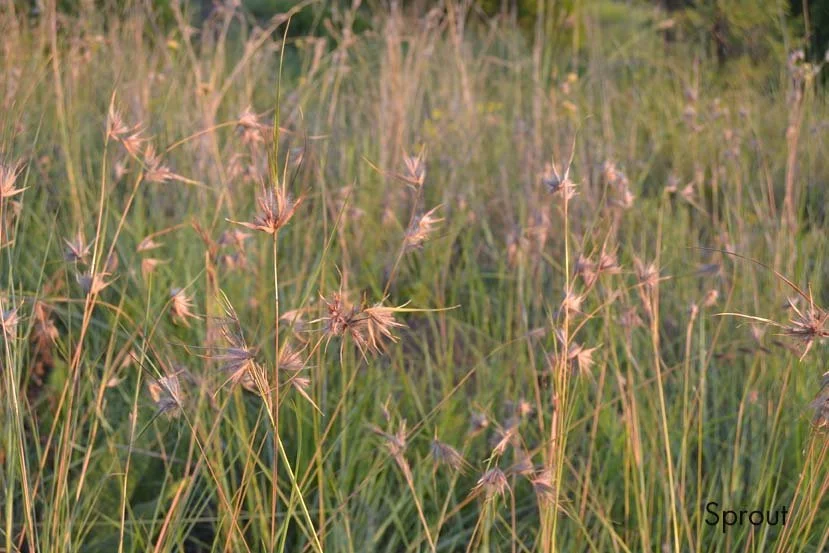
Themeda triandra

Grassland Style or Meadow Style landscaping, with the predominant use of ornamental grasses in the landscape, has become increasingly popular. This is not only due to the texture, movement and interest that they add but also to the variety of contrasting seasonal foliage and color that they provide throughout the year. Grasses are generally low maintenance and they provide habitat and food for birds and other animals therefore attracting wildlife to the garden.

Aristida junciformis
Grasses Increase a Site’s Biodiversity

It is encouraging to know that when introducing grasses to a landscaping project, and specifying indigenous plants in general, that the biodiversity of the site will increase. Indigenous plants attract local insects, birds and wildlife. The Grassland Biome in South Africa is increasingly under threat due to urbanization, mining and agriculture and therefore including indigenous grasses means that a small part is played in re-establishing and enhancing vegetation communities.
Applying the grassland style to south african gardens

 It is not always easy to get this style right, as the grasses often look bad in winter and need to be cut down. Adding to this, the seasonal colour planted between the grasses are often bulbs that die down completely.

But what if we reframe this challenge as an opportunity?

South Africa’s grassland biome offers a rich palette of indigenous species that are naturally adapted to seasonal rhythms, climatic conditions, and drought. By drawing inspiration from these ecosystems, we can create landscapes that are not only beautiful but ecologically resilient and low-maintenance.

Many people hope to recreate landscaping images that they find on the internet of planting styles but often these images portray plants that are not indigenous to South Africa. When looking at planting grasses in your garden please insist on using indigenous plants from South Africa and even better if they are specifically from your region.
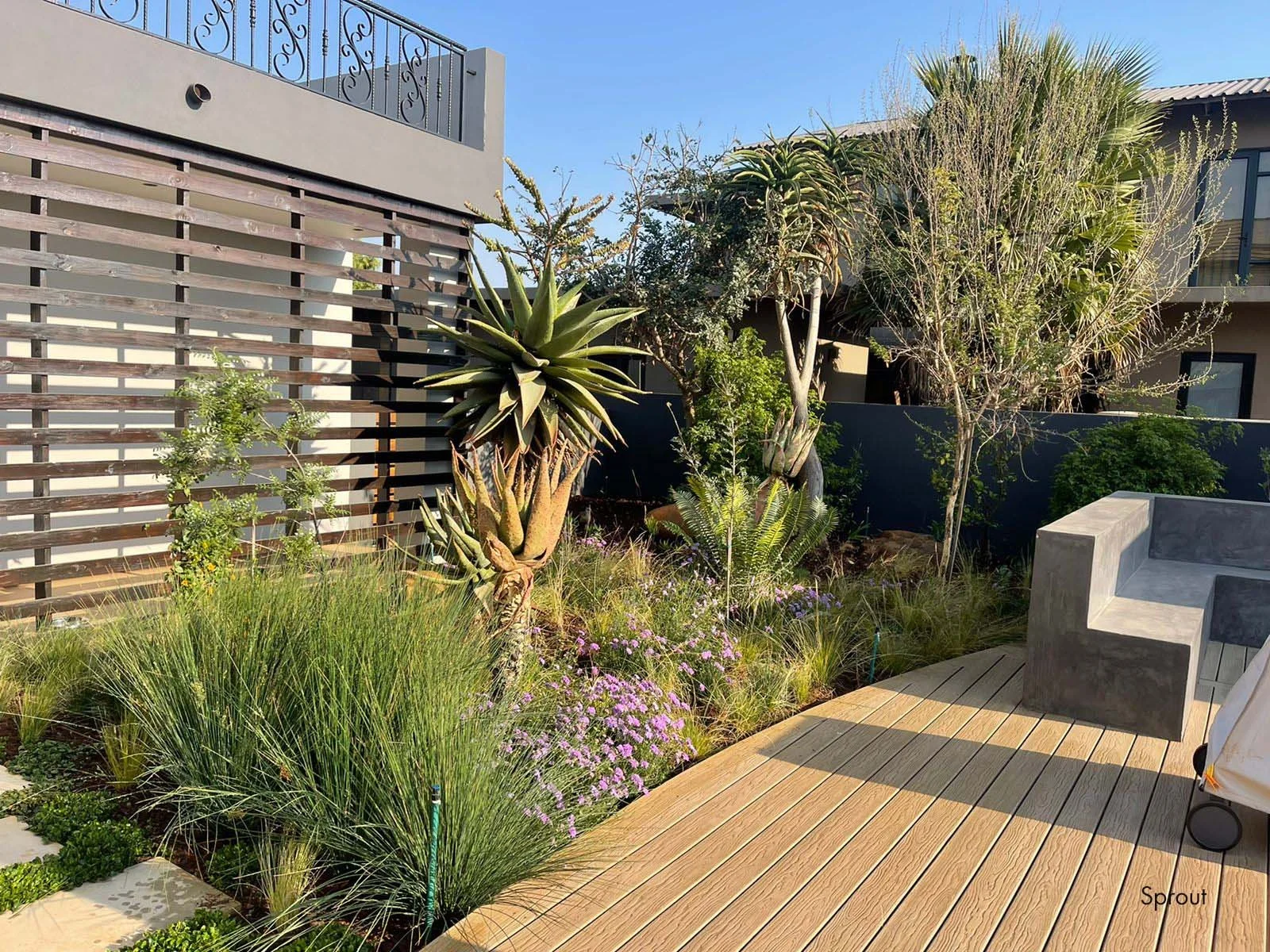
Design Tips for grassland style planting

  • Layering: Combine grasses with flowering perennials and scattered bulbs to create visual rhythm and seasonal variety

  • Accept dormancy: Celebrate the winter phase with seasonal changes including seed heads, dry textures, and changes to foliage colour

  • Use repetition: Group plants together to enhance visual impact
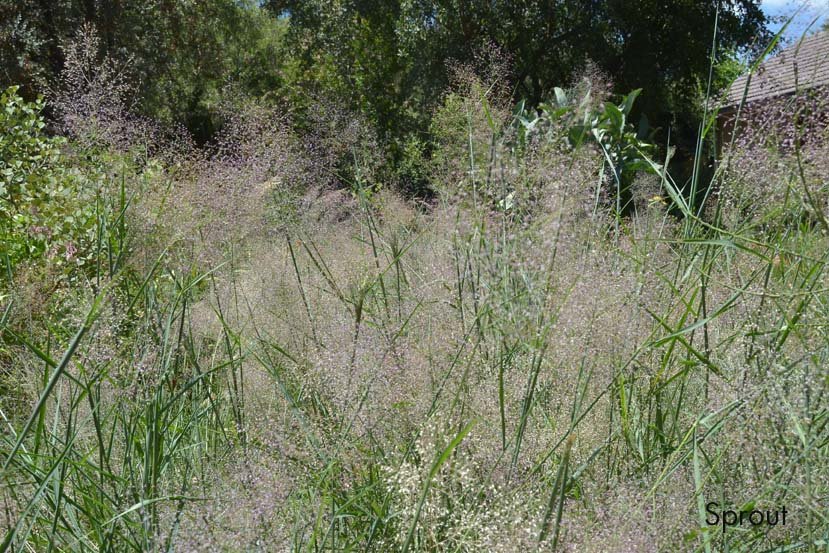
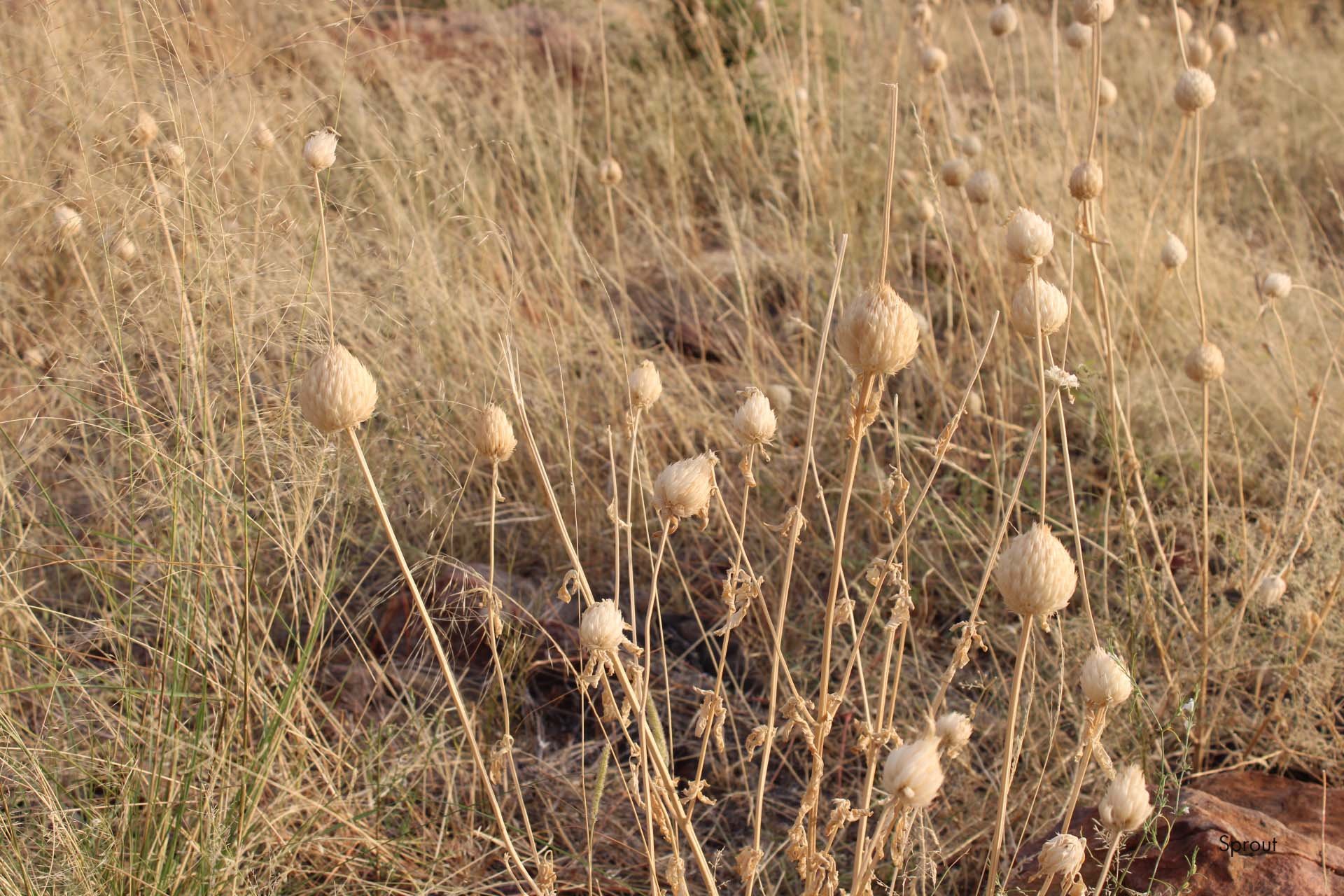
Sporobolus stapfianus

south african grass species that work well for landscaping

I have listed some indigenous grasses that work well in landscaping with the help of an excellent grass book – A Practical Grass Selection Guide, South Africa (2016) by Waltman Botha and Ivan van der Wal as well as information shared with me by the late Johan Wentzel who was very passionate about Grasses and encouraged landscaping with them.

Some notable indigenous ornamental Grass species that can be used successfully in gardens include:

Andropogon eucomis (Snowflake Grass)

Aristida junciformis (Three Awn Grass)

Monocymbium ceresiiforme (Boat Grass)

Tricholaena monachne (Blue Seed Grass)

Eragrostis spp

Panicum natalense (Natal Panicum)

Setaria sphacelate var sphacelate (Common Bristle Grass)

Sporobolus stapfianus (Fibrous Dropseed)

Stiburus alopecuroides (Stiburus)

Melinis nerviglumis (Bristle Leaved Red Top)

Fingerhutia africana (Thimble Grass)

Chloris gayana (Rhodes Grass)

Themeda triandra (Red Grass)
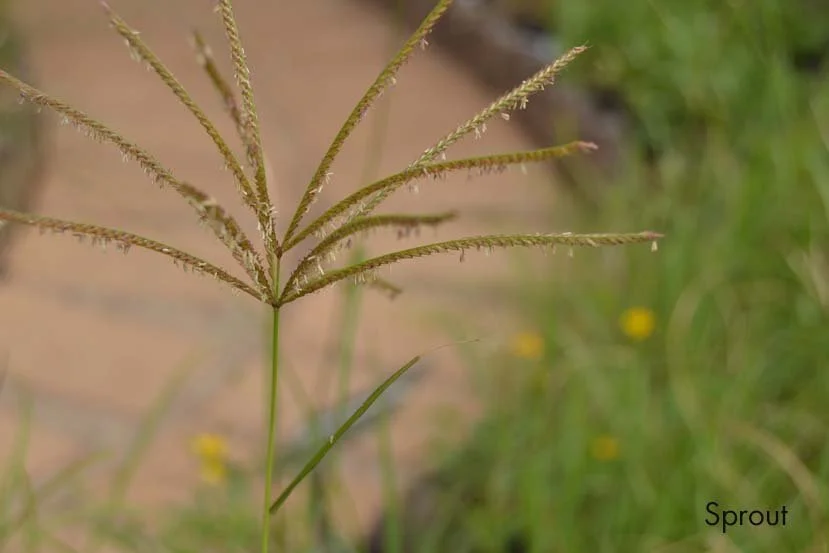
Chloris gayana

combining grasses with flowering perennials

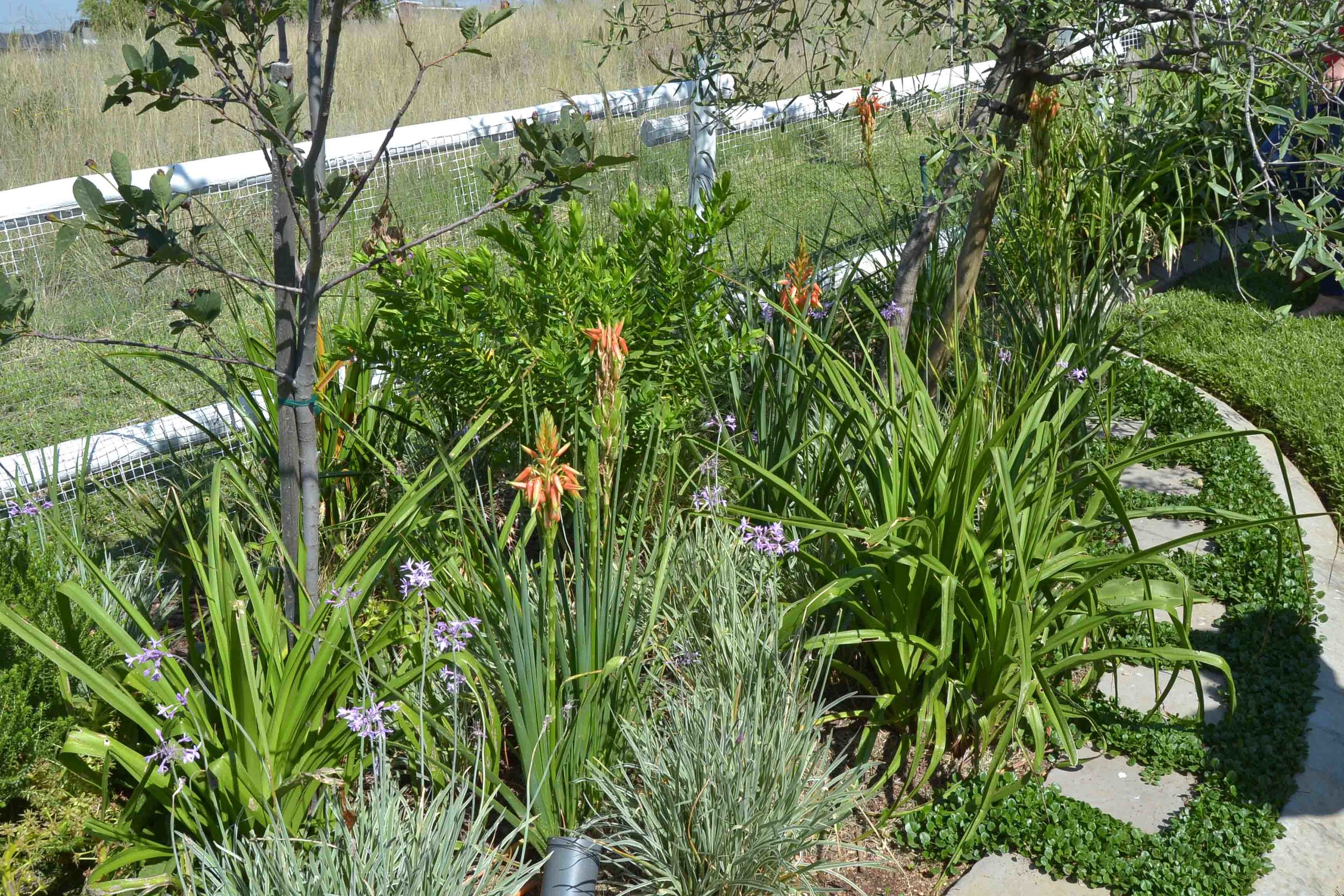
Grasses can be successfully combined with flowering perennials to add even greater colour and texture. Some flowering perennials that work well mixed with grasses:

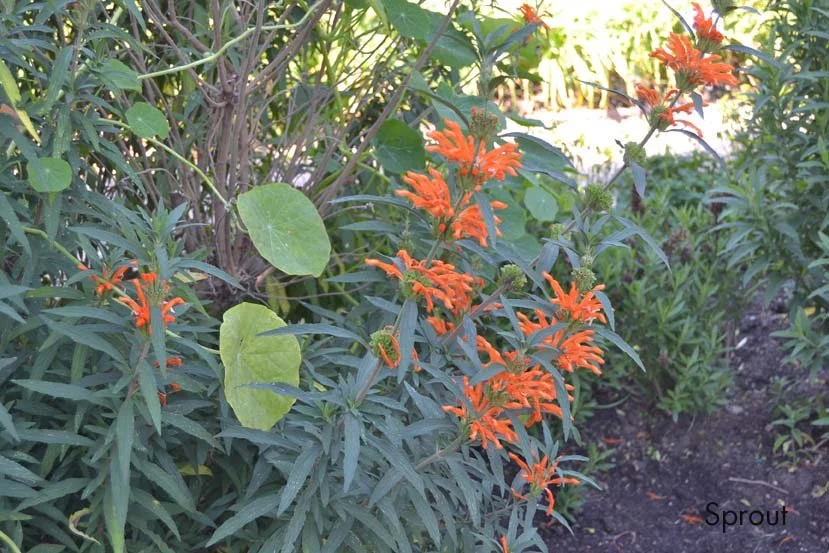
Kniphofia spp (sometimes more water-loving)

Aloe spp

Bulbine spp

Helichrysum spp

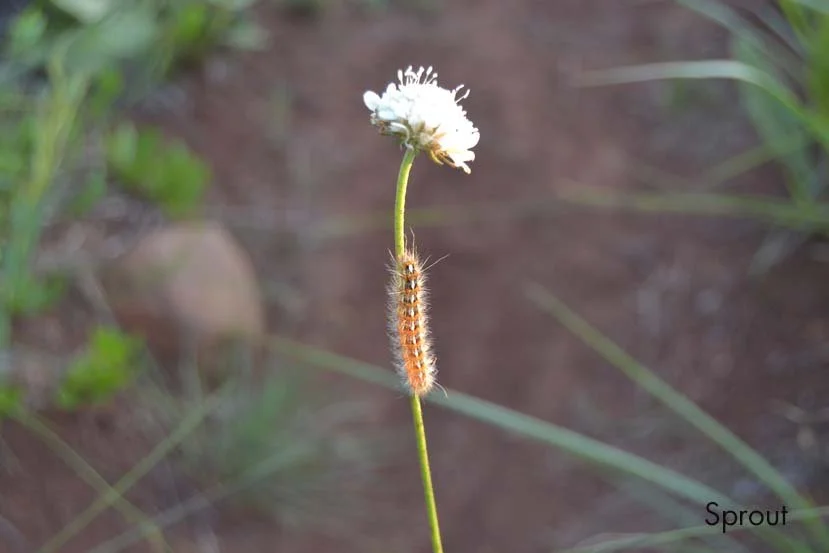
Scabiosa columbaria

Crossandra greenstockii

Felicia amelloides

Pelargonium spp

Silene bellidioides

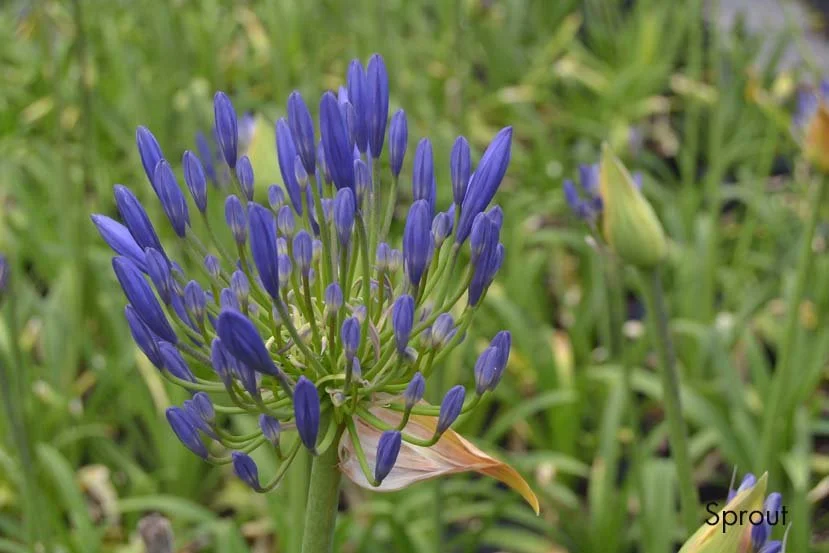
Agapanthus spp

Tulbaghia spp

Kniphofia
Bulbs that work well interplanted with grasses

Watsonia spp

Crocosmia spp

Crinum spp

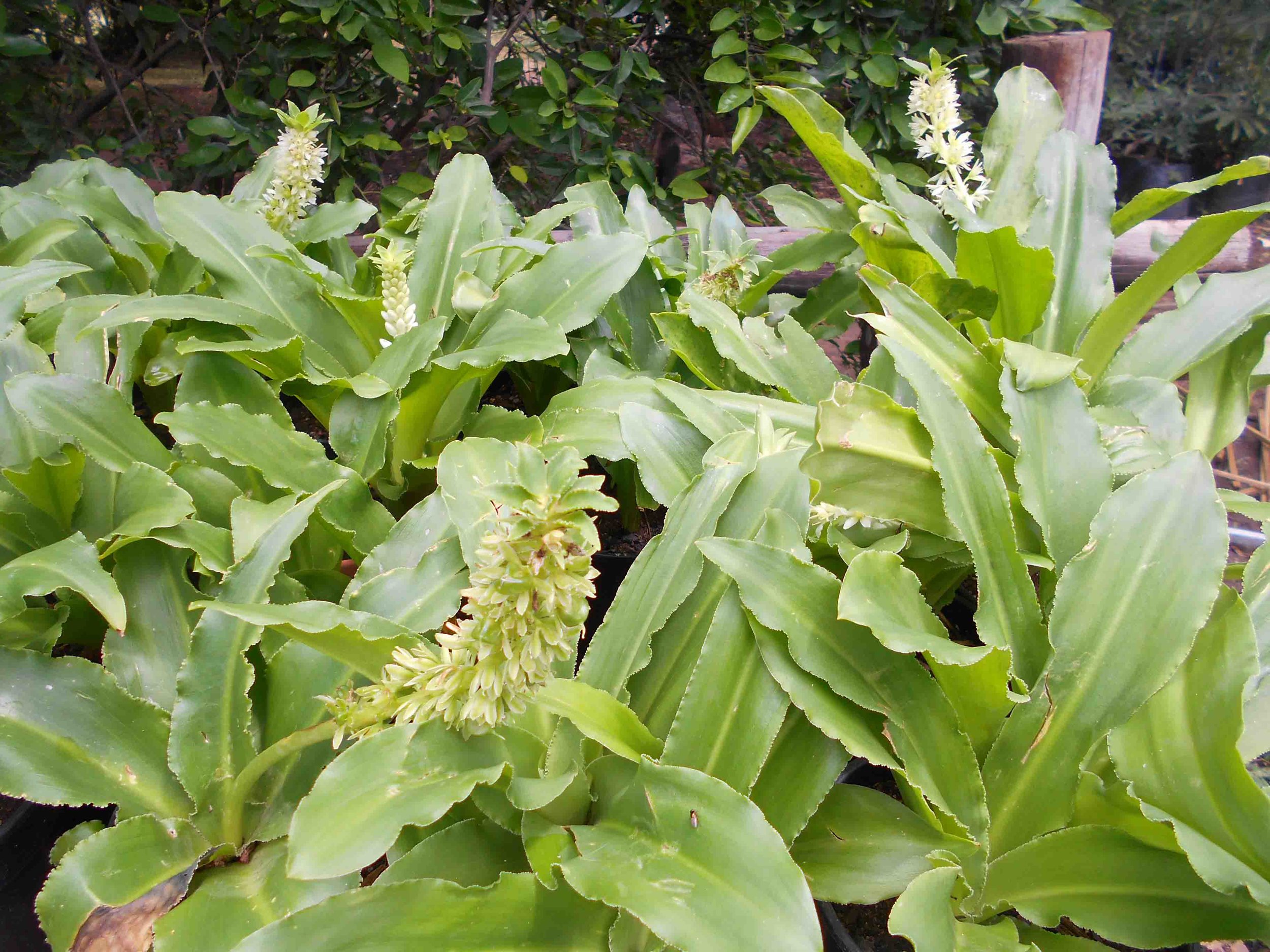
Eucomis spp

Ornithogalum spp

Dierama spp

Scilla natalensis
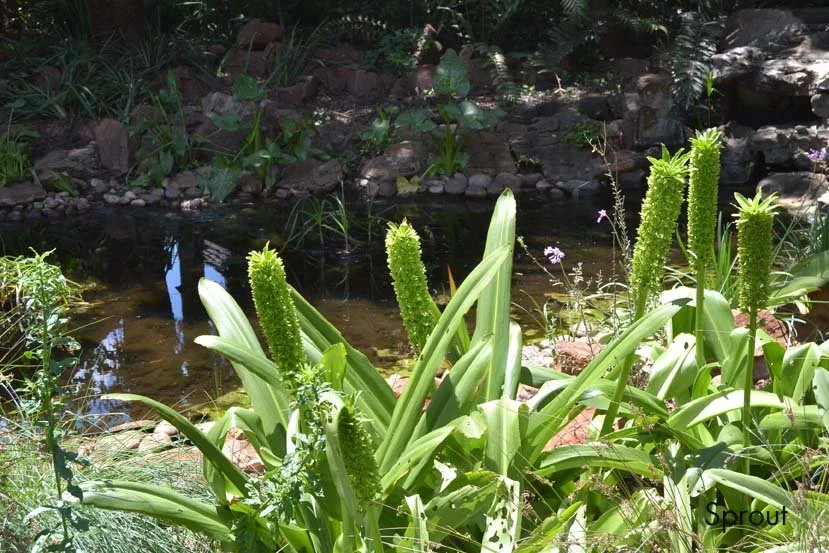
Eucomis

Grasses can add value to any landscape and successfully implementing various species can bring a new South African aesthetic to landscaping. We have a wide range of beautiful plants from which to choose - Be bold with your experimentation of the Grassland Style Planting!

See previous blog post about Designing with Foliage

An indigenous nursery I always recommend: Random Harvest Nursery
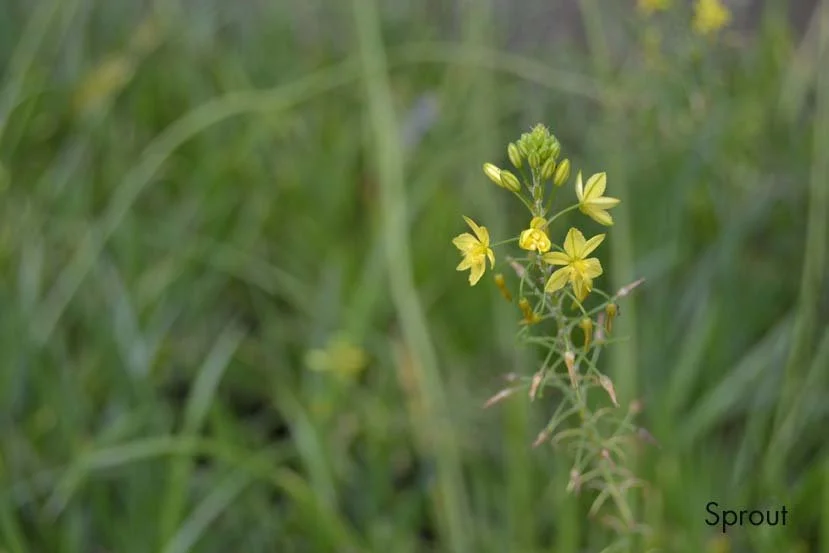
Bulbine

BristleCone Wholesale Nursery

Sheep grazing in the meadows create picturesque views of Farm-life

Sheep grazing in the meadows create picturesque views of Farm-life

It is always a treat to escape the hustle of Johannesburg and spend time in nature so it was with great delight that, along with a few fellow landscape architects, I visited Leon Scholtz on his farm in the Skeerpoort, Hartbeeshoek area. While walking through the magnificent garden and growing tunnels of BristleCone Leon chatted to us about the nursery’s history and where the landscaping industry is moving towards.

After obtaining a degree in Horticulture Leon Scholtz bought a piece of land in 1974 and together with his wife Elize they started the nursery called BristleCone. The name BristleCone refers to a species of Pine that is the oldest living plant on the planet and is also highly resilient to harsh weather and poor soils. Bristlecone pines grow at high altitudes in arid regions of the Western United States. Bristlecones, along with all related species in the class Pinopsida, are cone-bearing seed plants (commonly known as conifers) and the name is derived from the prickles on the female cones. (https://en.wikipedia.org/wiki/Bristlecone_pine)
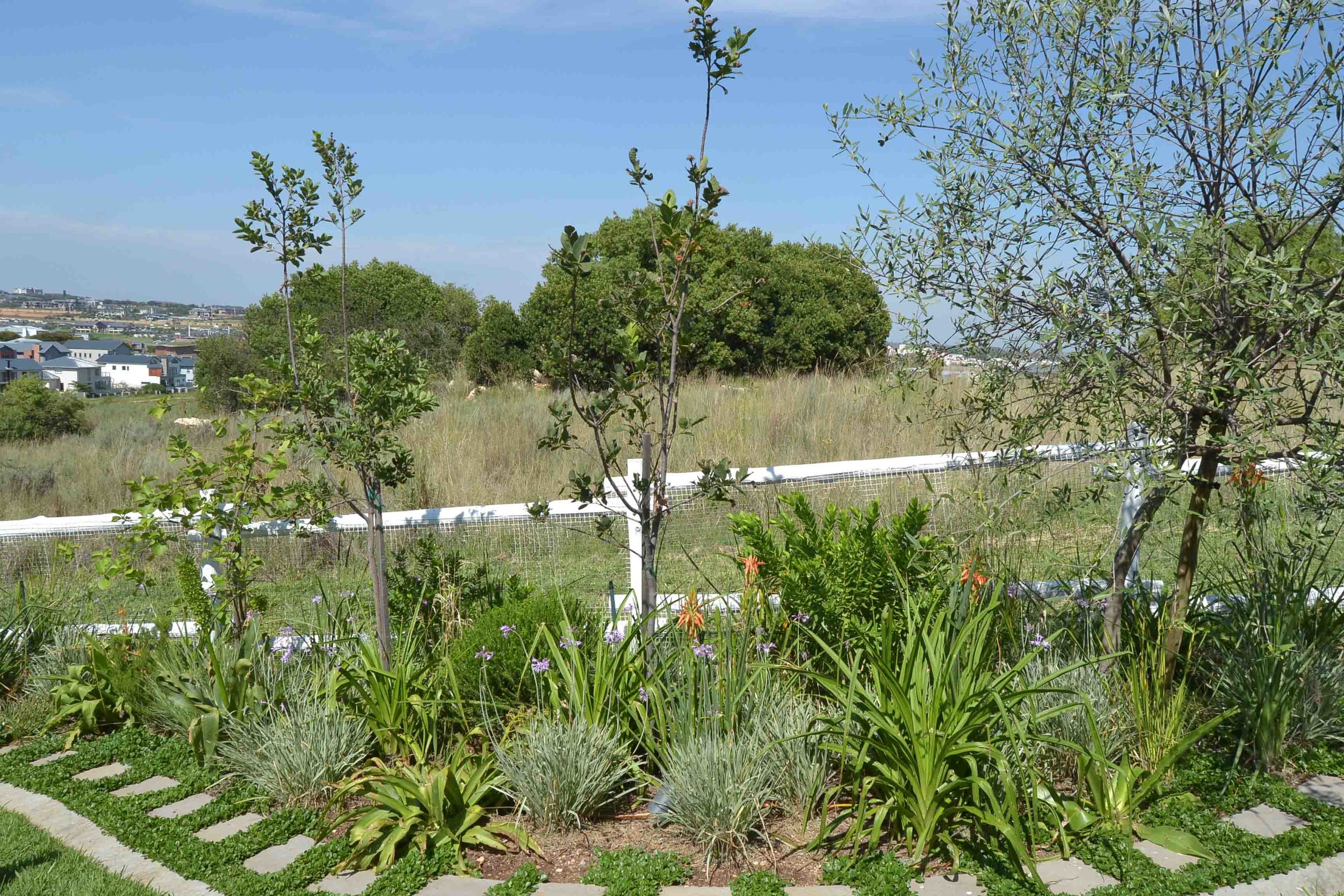
The Garden

The Garden

BristleCone Nursery

At the inception BristleCone was only growing and selling Conifers as there was a high demand for those plants. They branched out into succulents and expanded their range to include Aloes, however, in 1976 these were hit by severe frost and all of them died. Temperatures on the farm can drop to -4 degrees Celsius so all plants that are grown need to be frost hardy. Frost is not the only challenge that farm life holds. Every South African will know some of the challenges that face farmers on a daily basis include: hail storms, veld fires, crime threats, and labour relations.

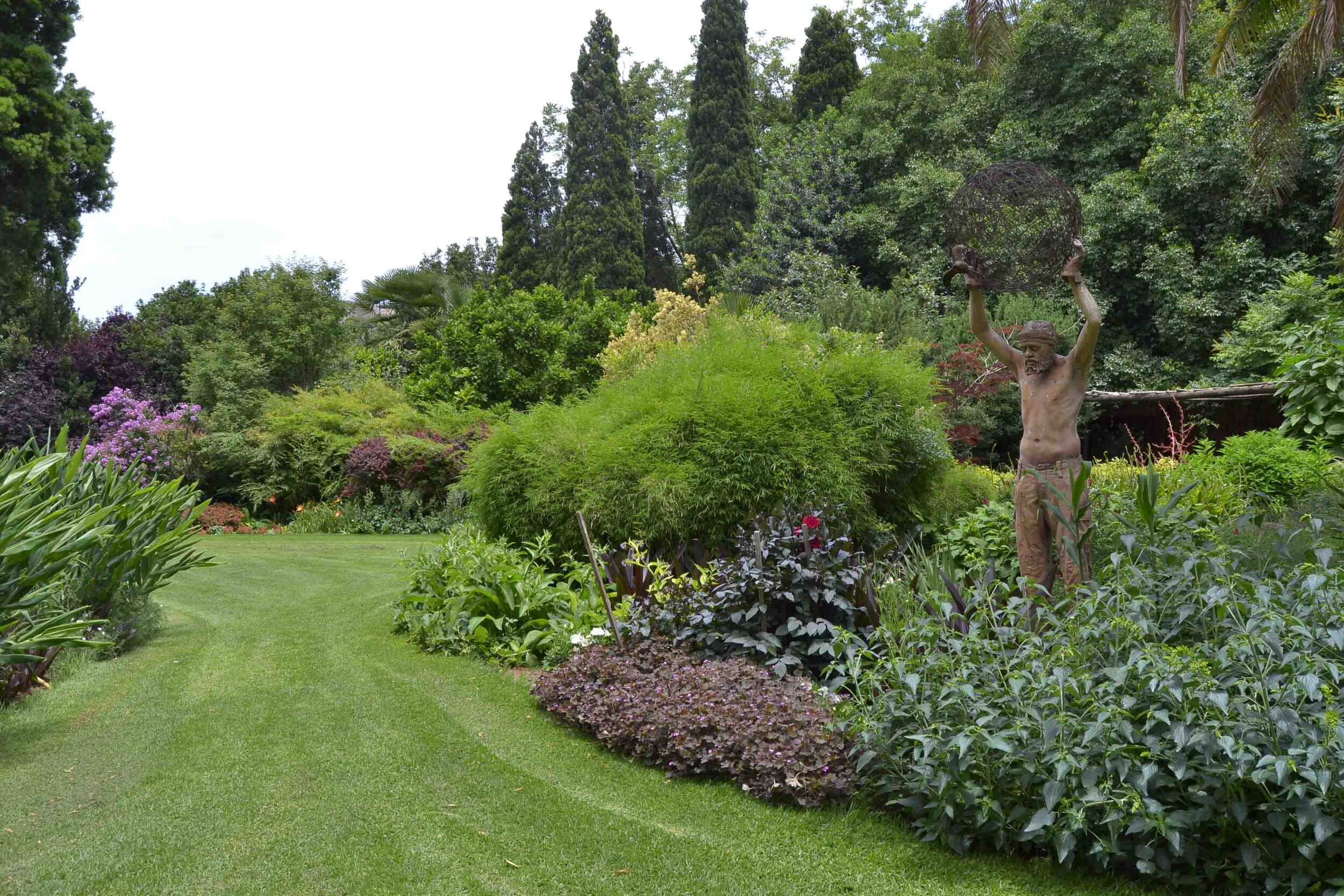
BristleCone grows a large variety of ornamental grasses - this display garden shows the combinations of colour and texture and mature height of species

BristleCone grows a large variety of ornamental grasses - this display garden shows the combinations of colour and texture and mature height of species

BristleCone Grasses

In the 1980s Leon started growing Grasses but nearly got rid of them all before the market caught on to the value of Grasses in landscaping and stock started moving. This was certainly ahead of the curve as landscaping with grasses is still very popular. They also grow fruit trees, also a very important trend in landscaping, although they have reduced their range to smaller bag sizes.

BristleCone Nursery
BristleCone Nursery

Currently 50% of the plants that BristleCone is growing are Indigenous. They also grow a wide variety of colour plants such as Osteospermum, Geraniums, Plumbago and 25 vareties of Agapanthus (looking so stunning at the moment I must add). They have a wide range of interesting ornamental grasses, certain specialist species and unique form plants-many from Mexico. Leon’s son Dewald is currently in charge of Production and has won SANA Young Grower of the Year Award.

Leon walking us through his nursery

Leon walking us through his nursery

Leon has traveled extensively and his plant knowledge is incredible. The passion he displays for the plants and his business is tangible and can be seen through his active Instagram account @bristle_cone_nursery

BristleCone Nursery

Snippet taken from BristleCone’s Website “We source our plants and plant selections from all over the world. Our aim is to grow plants suitable for our environment. Trails for new or improved selections are grown on the farm and selected for production if suitable.

We specialize in plants in general with the emphasis on trendy plants for landscapers, indigenous plants for rehabilitation and indigenous projects and connoisseur plants for collectors and the Niche Market.

The main aim with new plant selections is to find plants that are more disease resistant, more water wise and more compact and tidy to reduce clipping or cutting back too often. We recommend mulching of all plants after planting to reduce loss of water and weed growth.”

BristleCone Nursery is known for its family values, warm hospitality and most importantly, its outstanding plant quality and continues to be a front-runner in the growing and landscaping industry.

BristleCone Nursery

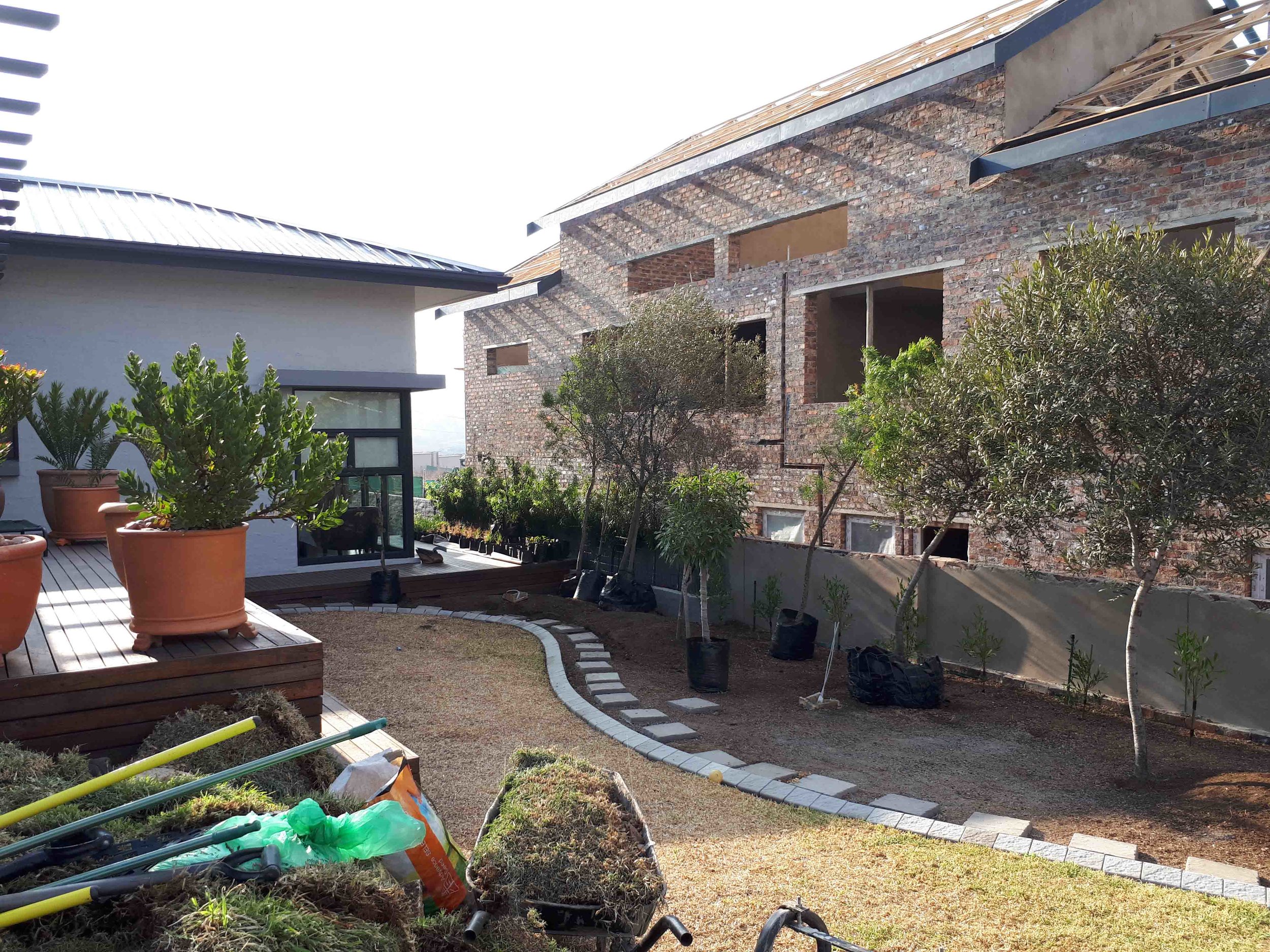
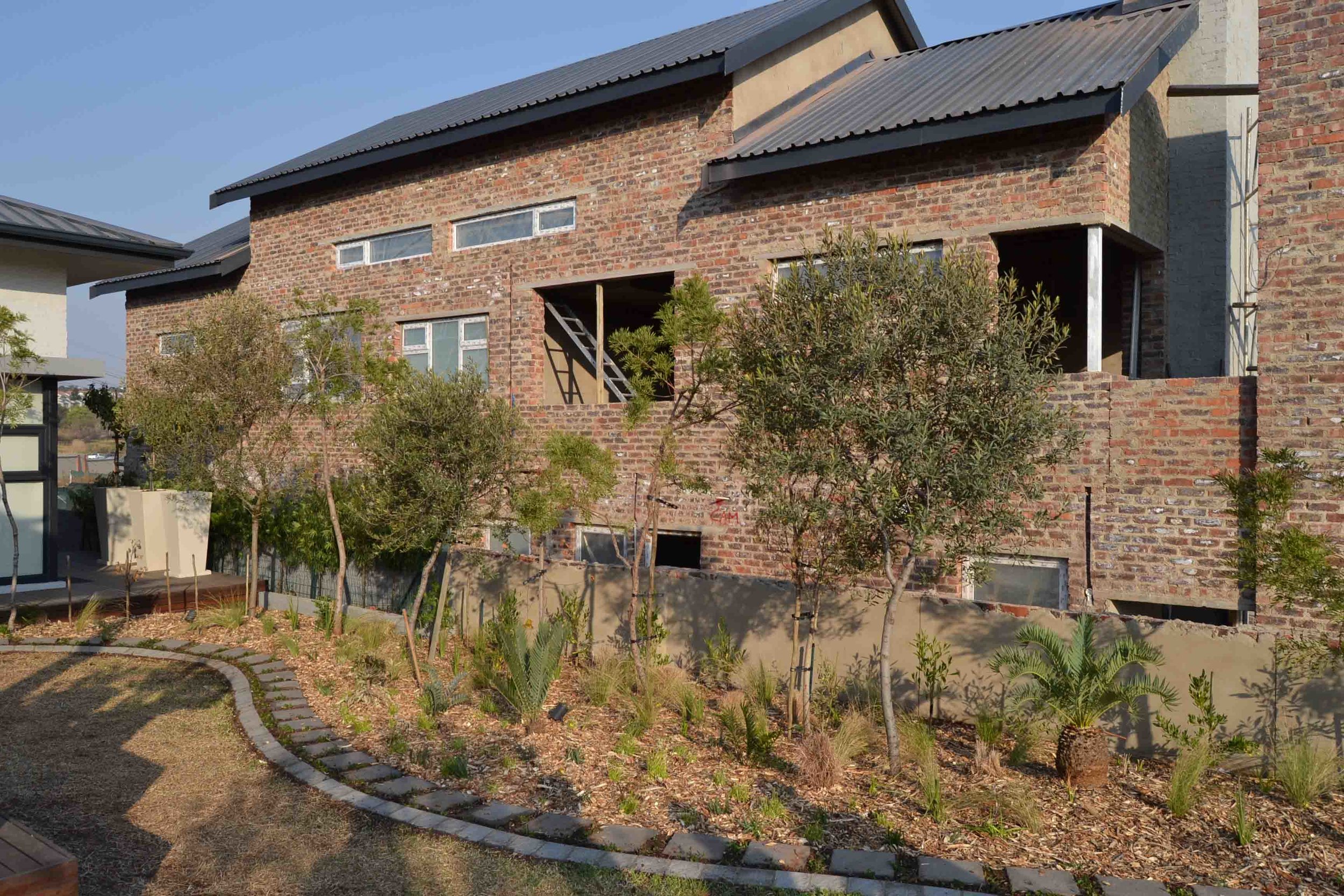
House E Indigenous Planting

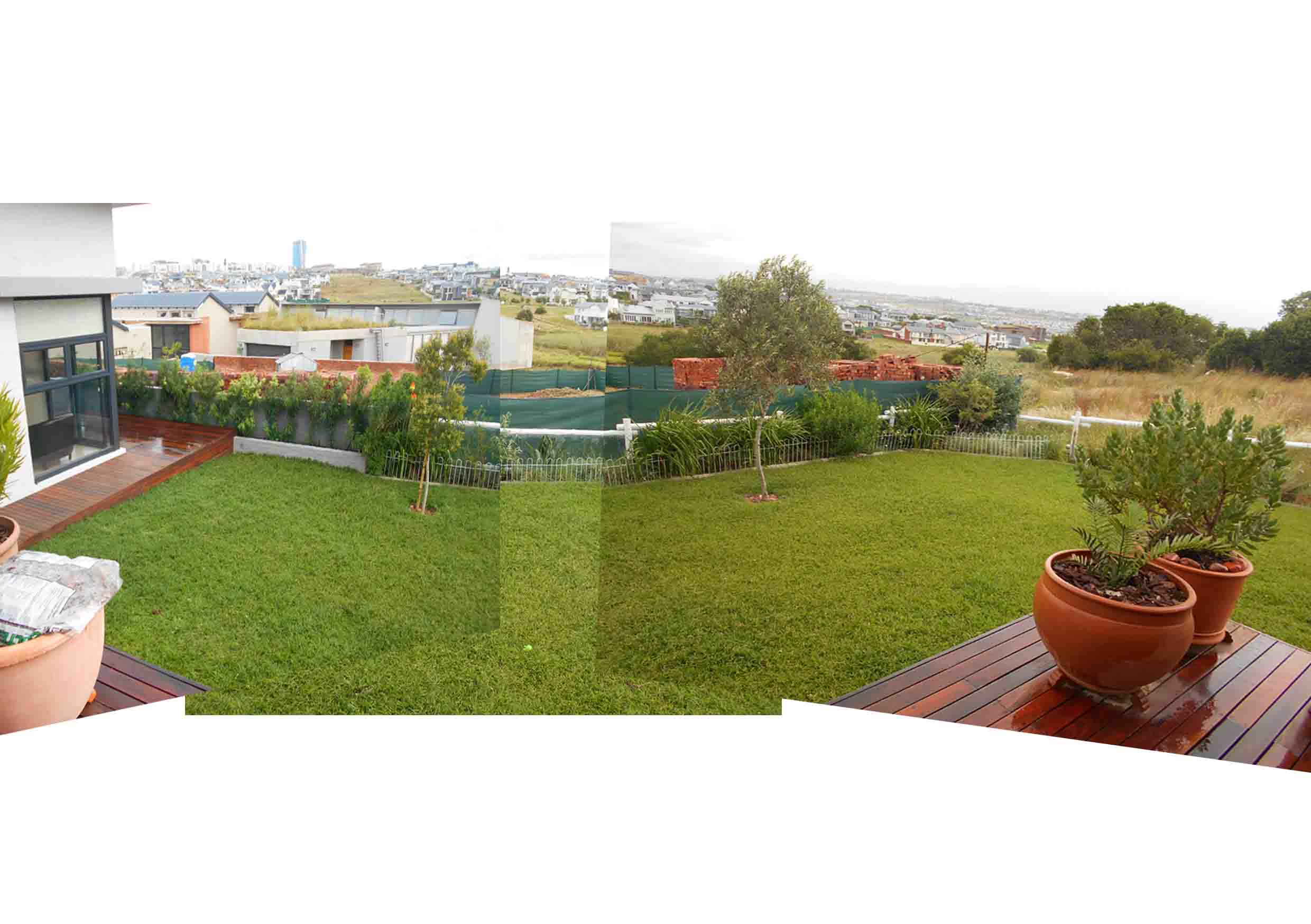
Indigenous Grasses with Cycads and Aloes. Trees screening neighbouring house.

Indigenous Grasses with Cycads and Aloes. Trees screening neighbouring house.

House E is a stunning example of the beauty that South African flora holds and makes use of indigenous grasses with several focal plants in between.

A grass mix including Aristida junciformis and Melinis nerviglumis was interplanted with several bulbs such as Ornithogalum thyrsoides, Dierama spp, Eucomis autumnalis and Eucomis comosa, which formed the main planting theme.

Several feature plants grow out of the grass mix including Aloes, Proteas, Cabbage Trees and Cycads.

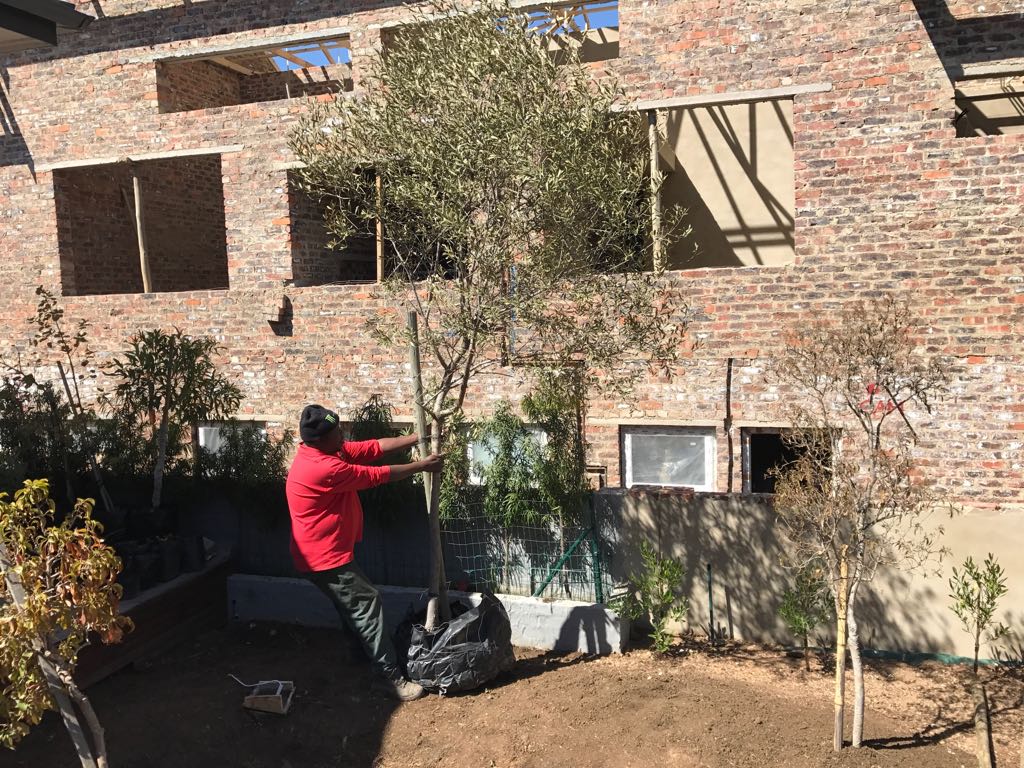
Trees: Large Olive trees were used as the primary screening elements which were interplanted with Loxostylis alata, Dombeya rotundifolia, Heteropyxis natalensis and Nuxia floribunda. Dais cotinifolia were also added as feature trees.

Shrubs: a screening hedge of Dodonea angustifolia created a green boundary and smaller shrubs such as Polygala myrtifolia, Coleonema alba and Euryops virgineus were added.

Before and During Construction

After Implementation and then the greener images are taken 4 months after installation.

Design with FOLIAGE

Combination of leaf shapes, sizes and textures

Combination of leaf shapes, sizes and textures

I always try put more emphasis on choosing plants according to their foliage for a landscape rather than choosing plants based on their flowers. Flowers only last a short season, but foliage lasts all year round. Don’t get me wrong, I love flowers and always add flowering plants to my designs but they are not the skeleton of the design. It is the texture - size and shape of leaves - that add variety and interest.

Aristida junciformis - Three Awn Grass - Soft Texture

Aristida junciformis - Three Awn Grass - Soft Texture

Grasses are wonderful at adding texture with their long flowing shapes that move in the wind. So are Kniphofias, Aloes and various succulents with different leaf shapes and colours. Bulbs (Eucomis, Crinum, Crocosmia) interplanted between grasses add interest and seasonal variety. Every year that my bulbs come up I am unexpectedly delighted!

Eucomis zambeziaca - Pineapple Lily. There are several Eucomis species, such a rewarding Bulb!

Eucomis zambeziaca - Pineapple Lily. There are several Eucomis species, such a rewarding Bulb!

I love combining plants that have large leaves with ones that have small, fine leaves. Succulents are a great choice as they are waterwise and require little water. They also withstand harsh weather conditions and will not die easily. Certain deciduous plants (Eg: Tree - Combretum krausii) turn gold, yellow and red before losing their leaves. This also adds seasonal interest and shows the changing of time and seasons.

Kalanchoe thyrsiflora - White Lady. This succulent turns a brighter red the more sun it gets

Kalanchoe thyrsiflora - White Lady. This succulent turns a brighter red the more sun it gets

So next time you choose a plant for your garden, don’t think about the colour of the flower but rather the leaf shape, size and colour and how this will complement the other plants. Here are a few lovely plants for adding texture to your garden:

A Client's beautiful indigenous garden - combining Aloes with Fynbos plants like Leucodendron

A Client's beautiful indigenous garden - combining Aloes with Fynbos plants like Leucodendron

Euryops pectinatus - Golden Daisy Bush. Grey-Green Foliage

Euryops pectinatus - Golden Daisy Bush. Grey-Green Foliage

Rhus burchellii - don't you love that curved leaf?

Rhus burchellii - don't you love that curved leaf?

Rhigozum obovatum - tiny grey leaves

Rhigozum obovatum - tiny grey leaves

Scabiosa africana - those flower heads are like pincushions once the flowers die down

Scabiosa africana - those flower heads are like pincushions once the flowers die down