South African Plants

Grassland Style Planting with South African Indigenous Plants

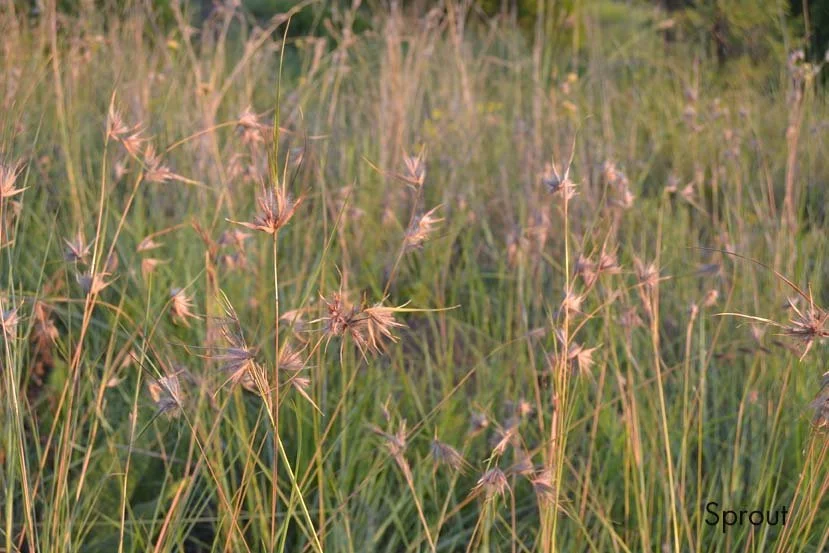
Themeda triandra

Grassland Style or Meadow Style landscaping, with the predominant use of ornamental grasses in the landscape, has become increasingly popular. This is not only due to the texture, movement and interest that they add but also to the variety of contrasting seasonal foliage and color that they provide throughout the year. Grasses are generally low maintenance and they provide habitat and food for birds and other animals therefore attracting wildlife to the garden.

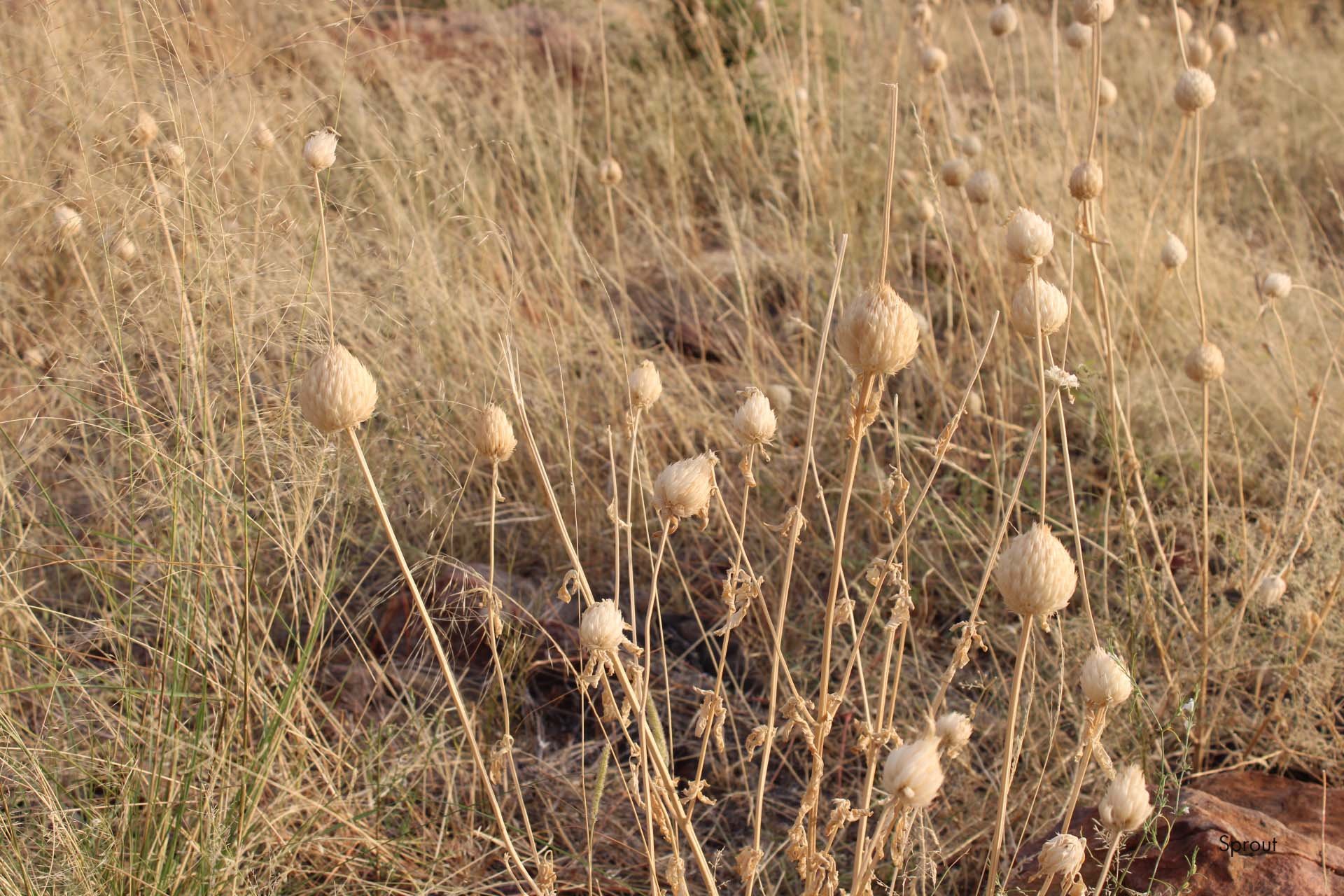
Aristida junciformis
Grasses Increase a Site’s Biodiversity

It is encouraging to know that when introducing grasses to a landscaping project, and specifying indigenous plants in general, that the biodiversity of the site will increase. Indigenous plants attract local insects, birds and wildlife. The Grassland Biome in South Africa is increasingly under threat due to urbanization, mining and agriculture and therefore including indigenous grasses means that a small part is played in re-establishing and enhancing vegetation communities.
Applying the grassland style to south african gardens

 It is not always easy to get this style right, as the grasses often look bad in winter and need to be cut down. Adding to this, the seasonal colour planted between the grasses are often bulbs that die down completely.

But what if we reframe this challenge as an opportunity?

South Africa’s grassland biome offers a rich palette of indigenous species that are naturally adapted to seasonal rhythms, climatic conditions, and drought. By drawing inspiration from these ecosystems, we can create landscapes that are not only beautiful but ecologically resilient and low-maintenance.

Many people hope to recreate landscaping images that they find on the internet of planting styles but often these images portray plants that are not indigenous to South Africa. When looking at planting grasses in your garden please insist on using indigenous plants from South Africa and even better if they are specifically from your region.
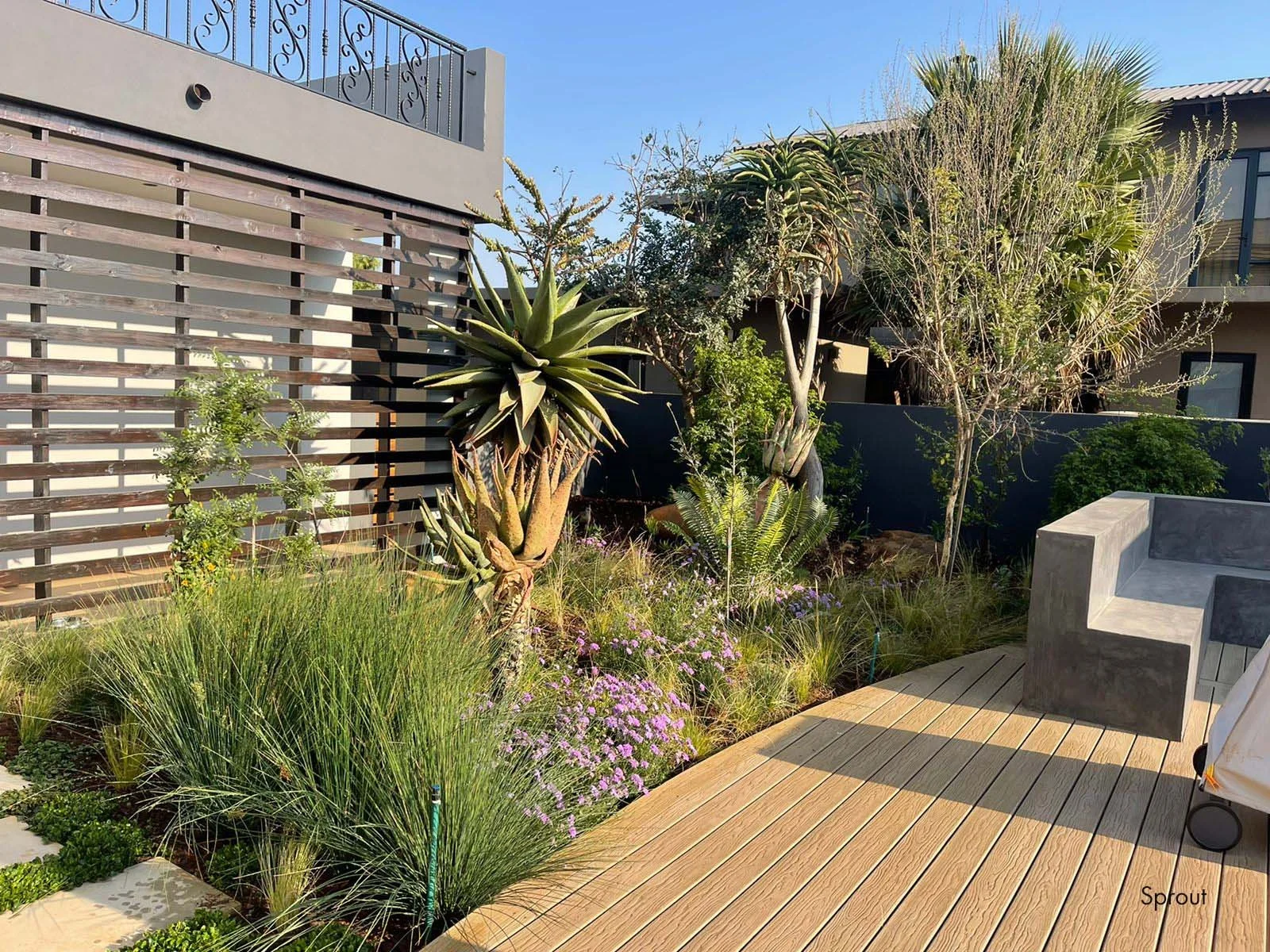
Design Tips for grassland style planting

  • Layering: Combine grasses with flowering perennials and scattered bulbs to create visual rhythm and seasonal variety

  • Accept dormancy: Celebrate the winter phase with seasonal changes including seed heads, dry textures, and changes to foliage colour

  • Use repetition: Group plants together to enhance visual impact
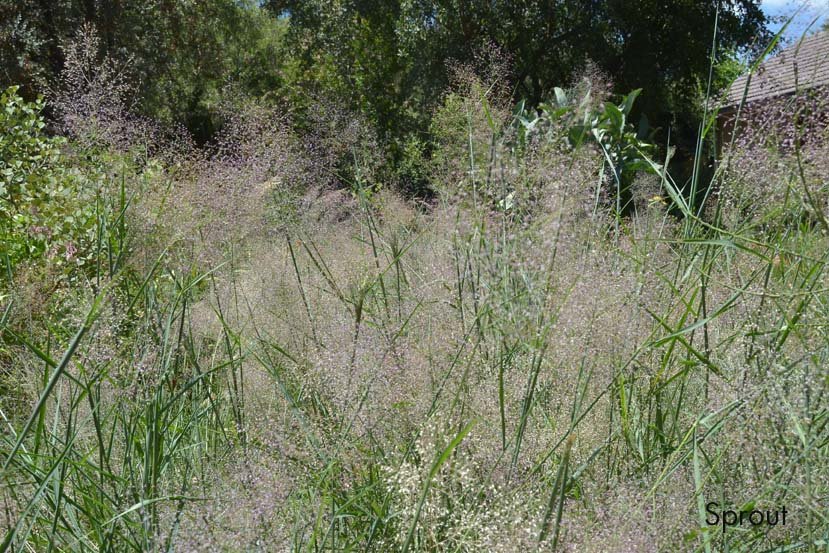
Sporobolus stapfianus

south african grass species that work well for landscaping

I have listed some indigenous grasses that work well in landscaping with the help of an excellent grass book – A Practical Grass Selection Guide, South Africa (2016) by Waltman Botha and Ivan van der Wal as well as information shared with me by the late Johan Wentzel who was very passionate about Grasses and encouraged landscaping with them.

Some notable indigenous ornamental Grass species that can be used successfully in gardens include:

Andropogon eucomis (Snowflake Grass)

Aristida junciformis (Three Awn Grass)

Monocymbium ceresiiforme (Boat Grass)

Tricholaena monachne (Blue Seed Grass)

Eragrostis spp

Panicum natalense (Natal Panicum)

Setaria sphacelate var sphacelate (Common Bristle Grass)

Sporobolus stapfianus (Fibrous Dropseed)

Stiburus alopecuroides (Stiburus)

Melinis nerviglumis (Bristle Leaved Red Top)

Fingerhutia africana (Thimble Grass)

Chloris gayana (Rhodes Grass)

Themeda triandra (Red Grass)
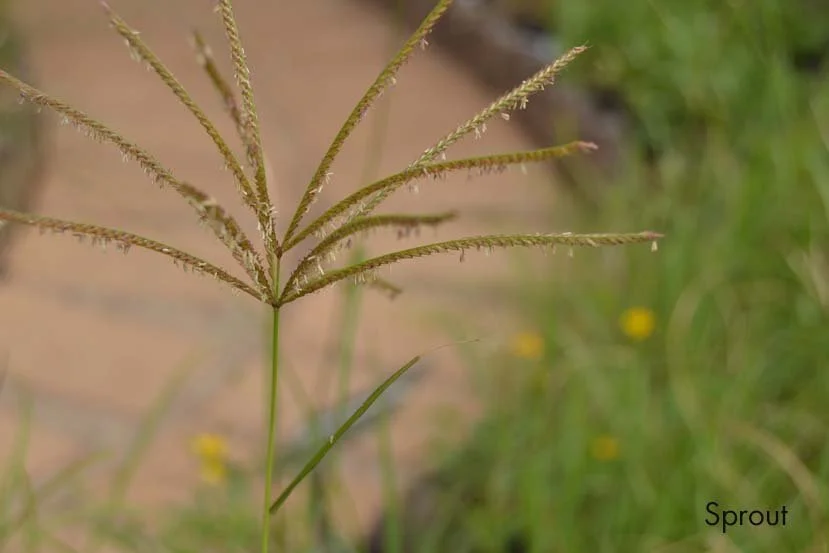
Chloris gayana

combining grasses with flowering perennials

Grasses can be successfully combined with flowering perennials to add even greater colour and texture. Some flowering perennials that work well mixed with grasses:

Kniphofia spp (sometimes more water-loving)

Aloe spp

Bulbine spp

Helichrysum spp

Scabiosa columbaria

Crossandra greenstockii

Felicia amelloides

Pelargonium spp

Silene bellidioides

Agapanthus spp

Tulbaghia spp

Kniphofia
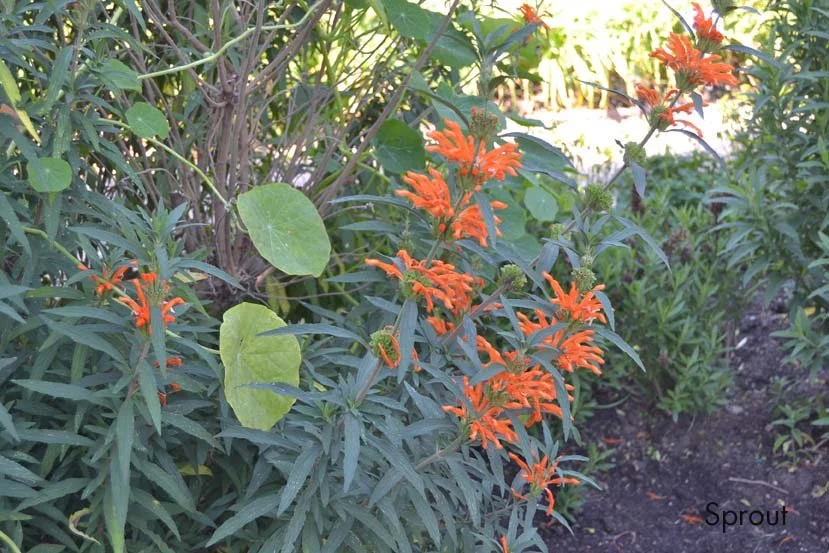
Bulbs that work well interplanted with grasses

Watsonia spp

Crocosmia spp

Crinum spp

Eucomis spp

Ornithogalum spp

Dierama spp

Scilla natalensis
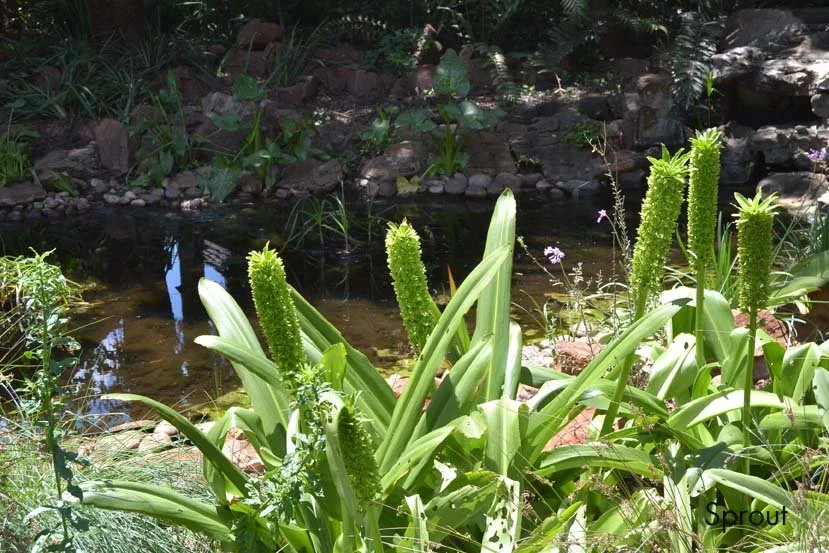
Eucomis

Grasses can add value to any landscape and successfully implementing various species can bring a new South African aesthetic to landscaping. We have a wide range of beautiful plants from which to choose - Be bold with your experimentation of the Grassland Style Planting!

See previous blog post about Designing with Foliage

An indigenous nursery I always recommend: Random Harvest Nursery
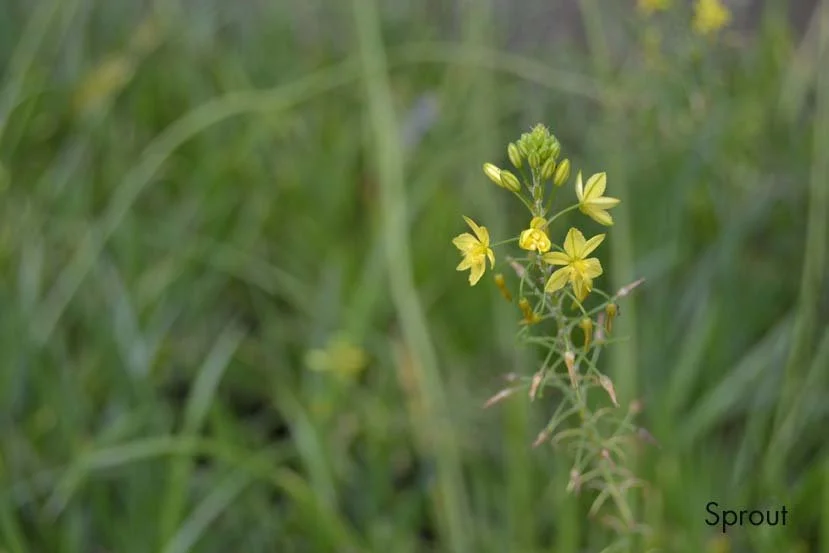
Bulbine
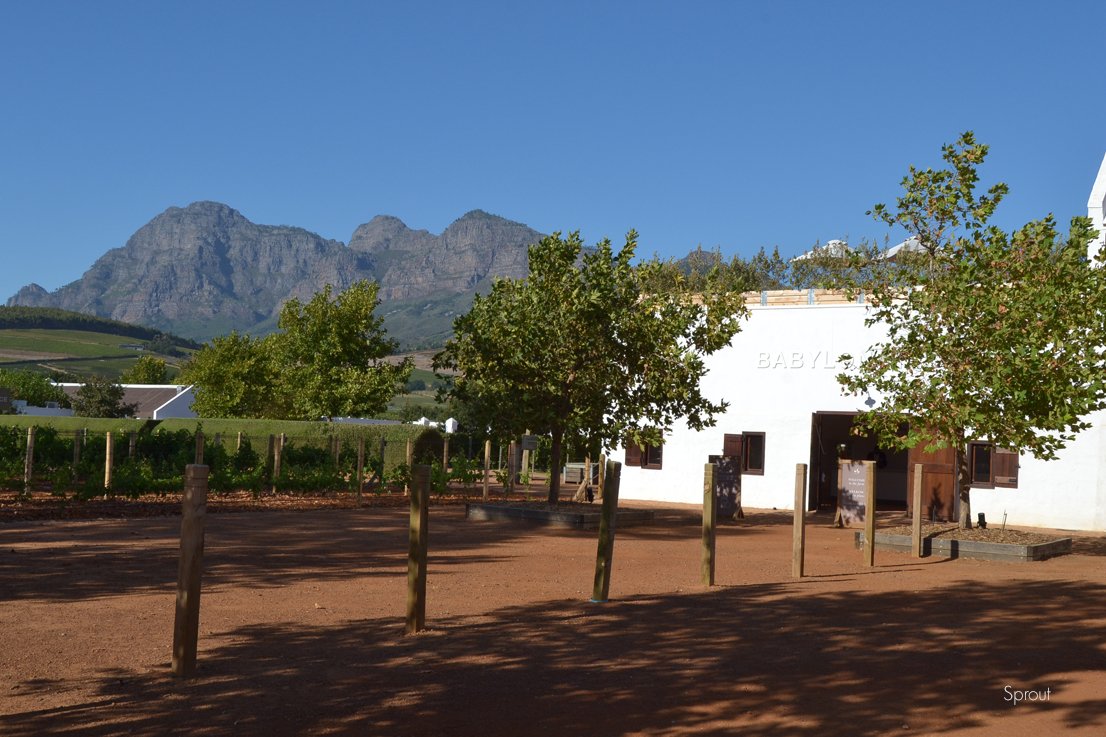
Babylonstoren - Garden celebrating South African Heritage

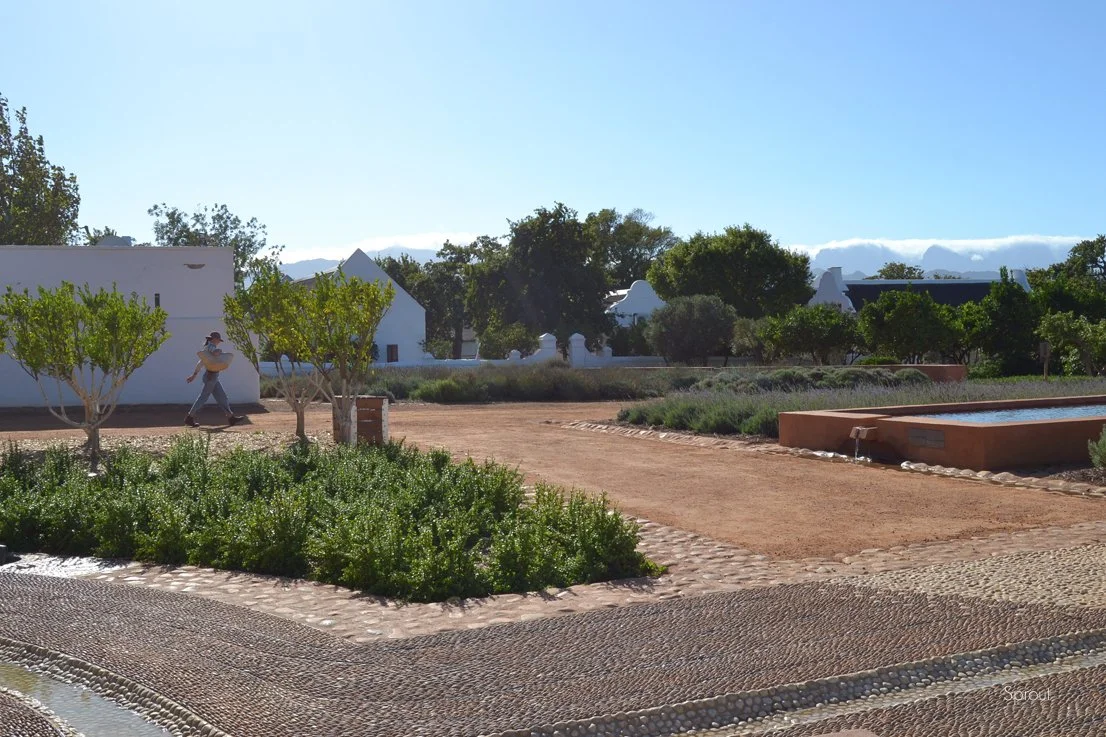
Babylonstoren is a wine farm located at the foot of the Simonsberg mountains in the Franschhoek wine valley. It is well known for its quality wines and luxurious accommodation including a hotel, spa, restaurants as well as the incredible gardens.

Although I’ve written about this garden before (previous blog) there is so much to share about this place that I think I will probably create a new post eacht time I visit! In fact, I think this is a garden that one can visit weekly and still not fail to learn something new. There is so much to see and learn - this botanical wonderland is a place to inspire and delight.

Interactive water feature highlighting the reptiles endemic to the area - watch out for the Spitting Cobra!

 The garden was designed by French architect Patrice Taravella and based on the formal layout of the historic Company Gardens in Cape Town. Those gardens were originally built by Jan van Riebeek to provide food for the ships that stopped over on their way to India. Hence, there is a strong focus on fruit trees and edible planting and the gardens are continuously expanding to include cultivars that were thought to be lost. The farm not only produces wine but also fruit, olives and vegetables. The food that is grown on the farm is also used by the two restaurants on site who adapt their menus seasonally to accommodate what is available from the garden.

I listened to a webinar given by Ernst van Jaarsveld before my latest visit (see link to video below). Ernst van Jaarsveld is a renowned botanist who has authored several books, discovered several new species and contributed extensively to the botanical realm. He worked for SANBI (mostly at Kirstenbosch Botanical Gardens) for 41 years and has now worked for Babylonstoren for the past 6 years. He complimented the owners Koos and Karen Bekker and explains how they want to create a destination that not only celebrates the history of the Cape but also a place that celebrates the creation of the vernacular specific to this region. Language and words are important (the name Babylonstoren references the story of the Tower of Babel), and one can find several references to words, poetry and language throughout the gardens.

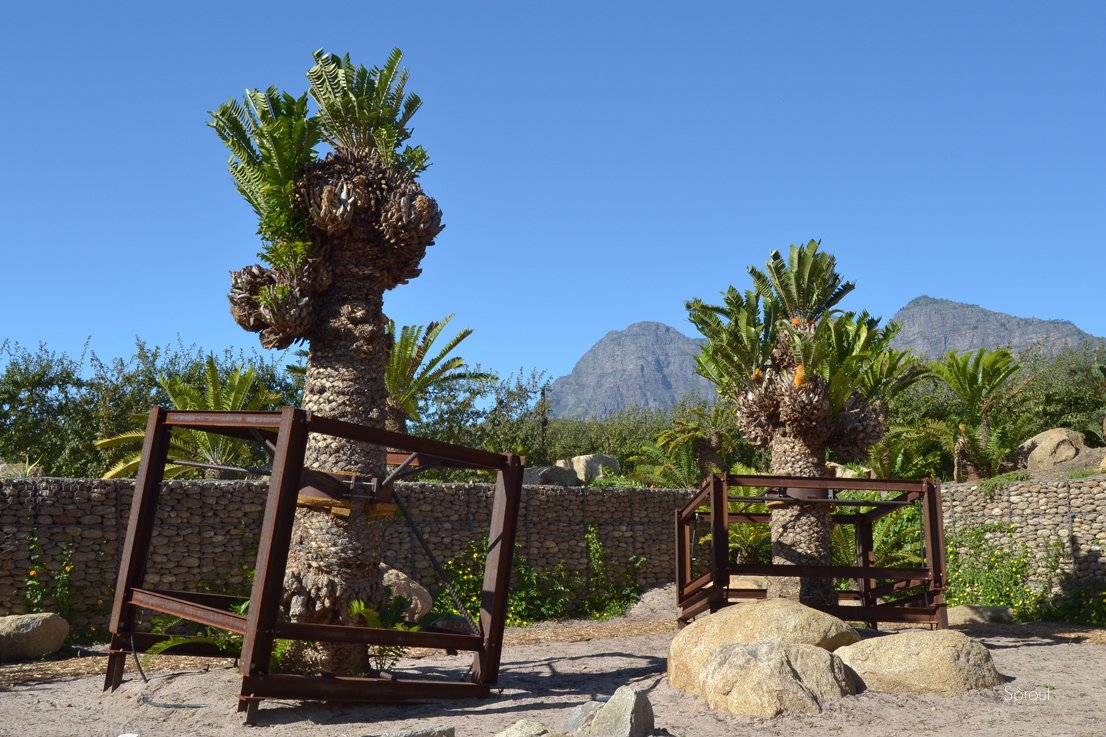
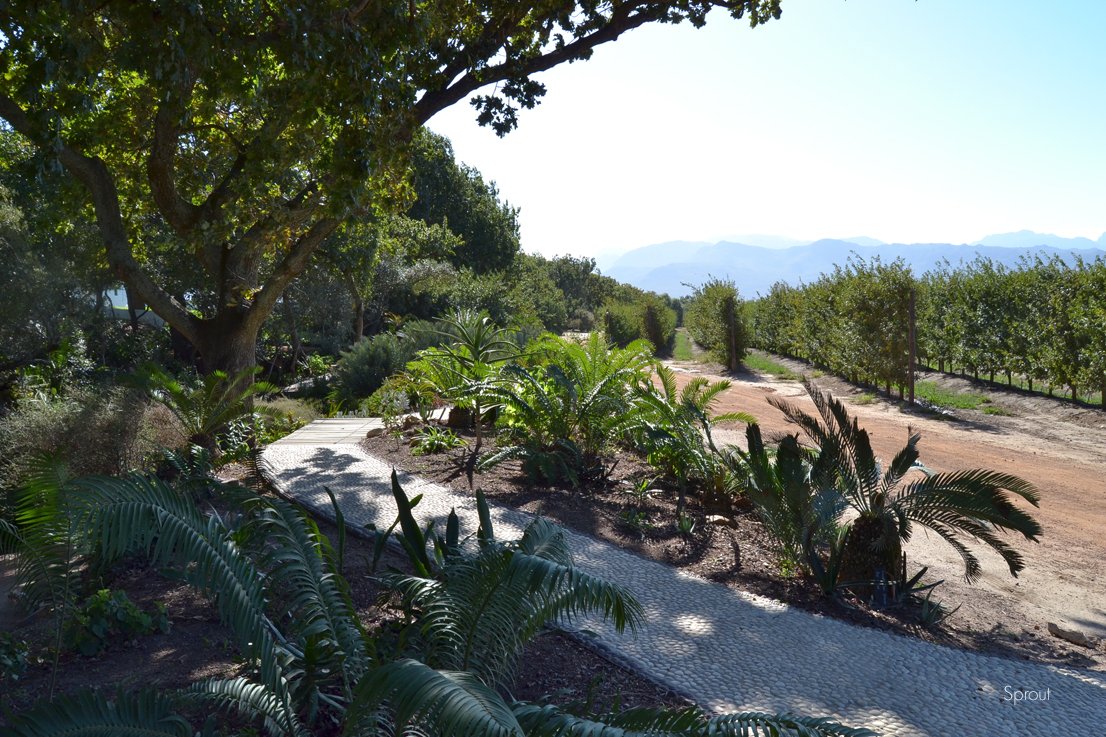
Ernst outlines several of the latest projects they have undertaken over the past few years including: the new cycad garden, the welwitschia garden, the spice room and the wine museum. They are continuously adding to their gardens and there are plans to expand by purchasing neighbouring land.

Succulent House with all Pots hand made by the late artist Ronnie van der Walt

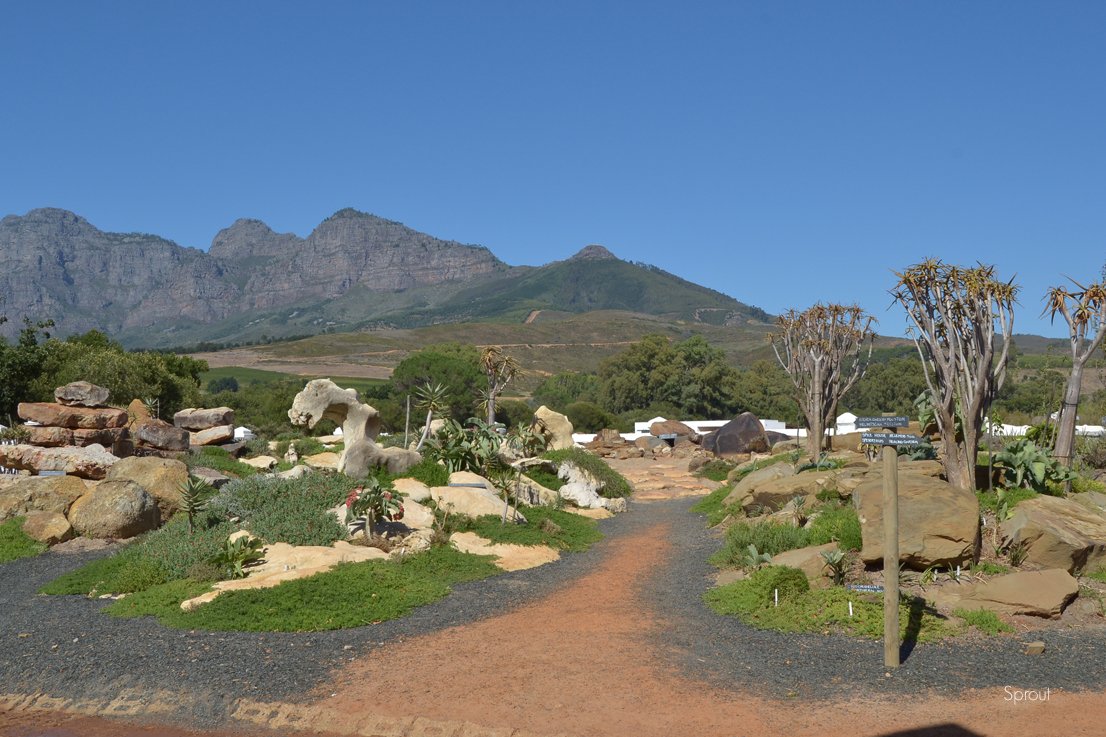
 Ernst explained the detail that went into designing and implementing the creation of the Welwitschia Garden. These plants are endemic to Namibia where there is almost no water and very high temperatures. Heat pipes were laid below a bed of imported red Kalahari sand and the plants were protected from rain. Petrified wood was imported as well as unique and sculptural rocks.

Welwitschia Garden

A special biome garden has been introduced that showcases the beauty and diversity of South Africa’s botanical treasures. There is also a medicinal garden honouring the plant knowledge used by the San. There are many layers to this garden - it not only celebrates history and heritage but encourages education and conservation of the beauty, botany and significance of the vernacular we know as South Africa.

Wine Museum

I was particularly impressed by the new wine museum which feels more like an art gallery than a museum. It details the origin, cultivation and culture of the history of wine and how this has changed over time. One wall has hundreds of different wine openers on display. A visual feast and authentic experience.

 Look out for specialist tours such as garden tours or birding excursions held on a regular basis. A small entry fee is payable for day visitors or look into the annual pass if you plan to visit regularly.

www.babylonstoren.com

If there is one garden you can visit in South Africa then this should be it. ~ G.S

Why Planting Indigenous Plants will make you Happier

Red Hot Poker - Crane Flower - Yellow Honeysuckle

Red Hot Poker - Crane Flower - Yellow Honeysuckle

Many gardens today are still strongly influenced by the European style of clipped hedges and formal layouts, but the South African garden is emerging as a strong aesthetic. Indigenous gardening is becoming increasingly popular due to the environmental benefits, growing awareness of sustainable practices and the rising knowledge of locally indigenous plants.

Here are five reasons why you should plant indigenous plants, not only for yourself but for the benefit of the environment:

1.       Indigenous plants are adapted

They are suited to the prevailing conditions of the area in which they are found which means that they often have low water requirements and can withstand the temperature fluctuations and seasonal changes of that particular region. This also means that once established they should be self-sustaining, hardier and able to withstand general disturbances.


2.       Indigenous plants support indigenous animal life

Indigenous plants provide food and shelter to local animal life such as birds, insects, frogs and reptiles. The plants support local insects, which in turn support local birds and ultimately a life-supporting harmonious cycle is created. Interestingly butterflies will only lay their eggs on specific host plants, almost always indigenous species, so in order to attract these beauties into your garden you need to plant their host plant.


3.       Indigenous gardens allow for habitat creation and connection

Large areas of natural habitat is destroyed daily to make way for urban development. Fragmentation of vegetation and animal populations puts these healthy systems in jeopardy. If your garden can replace some of this lost vegetation it can create corridors for the local insect and bird life to move along.

4.       Planting indigenous is environmentally responsible

Planting indigenous plants is beneficial to the environment and the ecology which we would like to conserve for future generations. Knowing that your actions today preserve future interactions with local plants and animals for future humans is deeply encouraging.

5.       We have an amazing selection of plants!

South African plants are cultivated all over the world although many South Africans do not realise the variety and diversity of indigenous plants available to them (some 23,000-plus species). There are so many plants to choose from and an exciting journey of discovery awaits.

Now is always a good time to start. Why not visit some local indigenous nurseries to be inspired and learn more about the beautiful plants locally suited to your area.

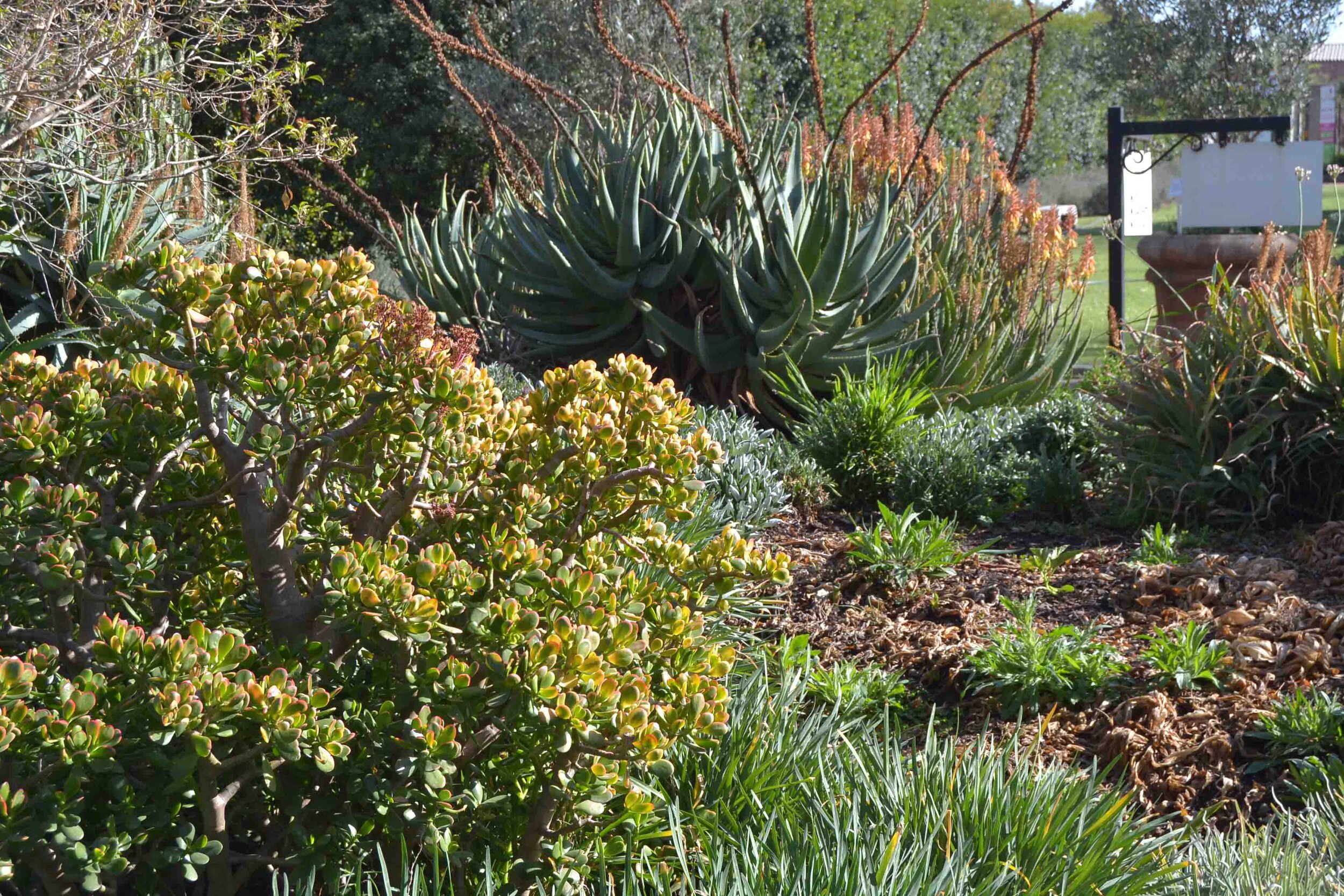
Crassula ovata - Aloe arborescens - Tulbaghia violacea

Crassula ovata - Aloe arborescens - Tulbaghia violacea

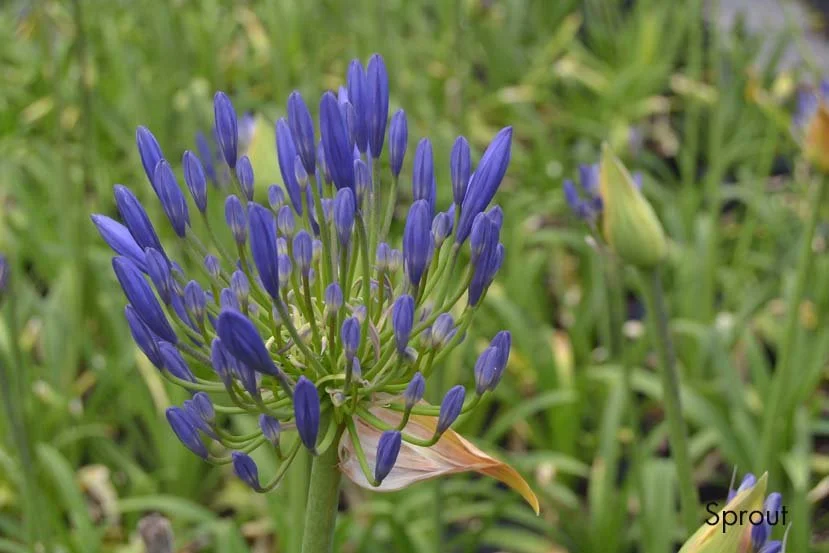
Zantedeschia aethiopica - Agapanthus praecox

Zantedeschia aethiopica - Agapanthus praecox