Parks & Playgrounds

Discovering The Wilds, a Historical Park in Johannesburg

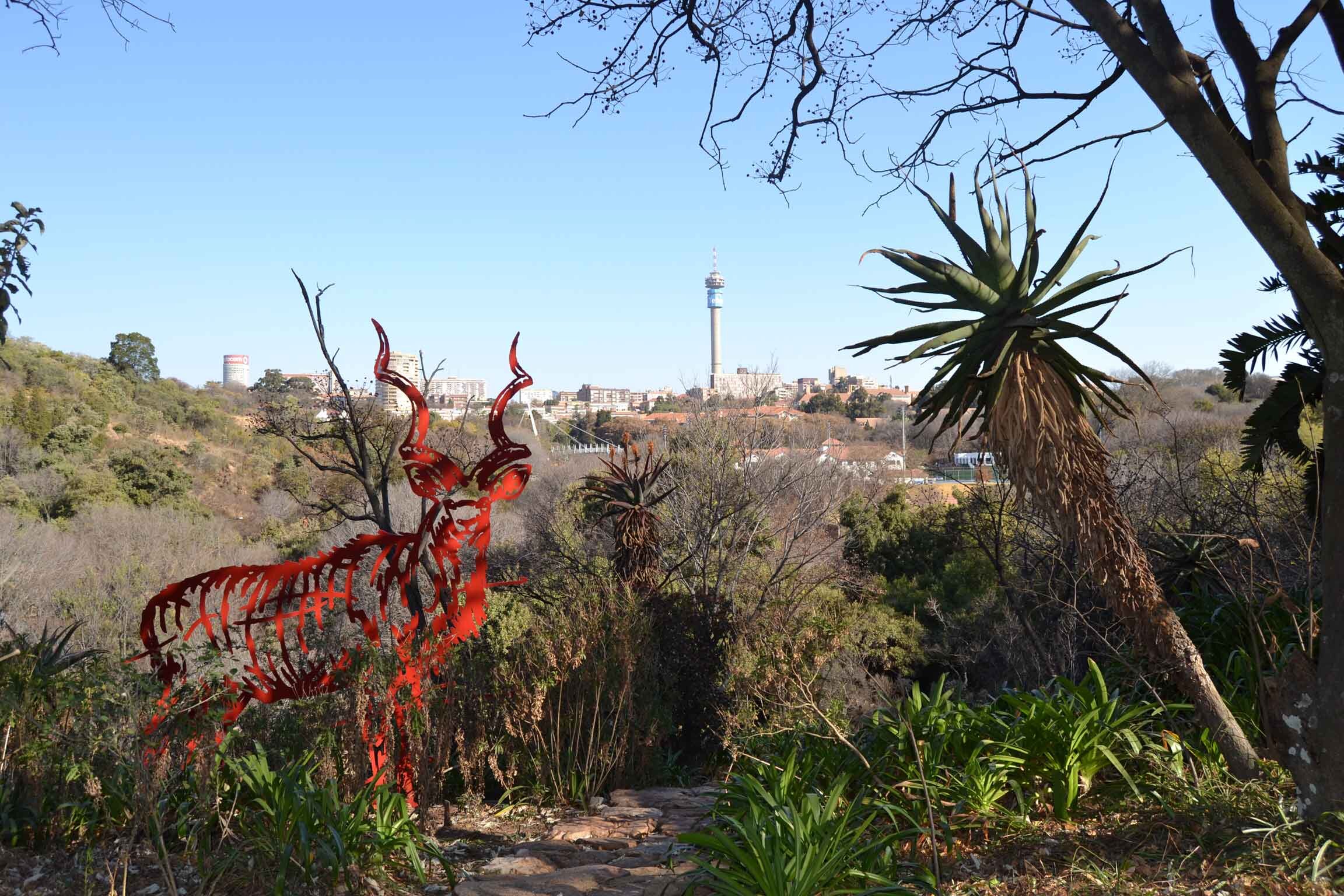
Kudu Sculpture with View of Telkom Tower from The Wilds

Kudu Sculpture with View of Telkom Tower from The Wilds

I had heard rumours about a beautiful outdoor space in Johannesburg called The Wilds but it was shrouded in mystery and even the name made me imagine an overgrown and slightly dangerous place to visit, naturally making me a bit apprehensive to go there. When I eventually did visit I was completely taken aback by the beauty and history of this Park. I was captivated by the winding stone paths, the incredible views, the amazing selection of indigenous plants and the artworks that brought such an element of fun and wonder.
Location

The Wilds is located on Houghton Drive, Houghton and is situated on the Parktown Ridge. It consists of two parts, East and West, and is connected by a bridge over Houghton Drive. The West is more park-like and popular amoung visitors, especially the Giraffe Lawn area while the East is recommended to walk in Groups.
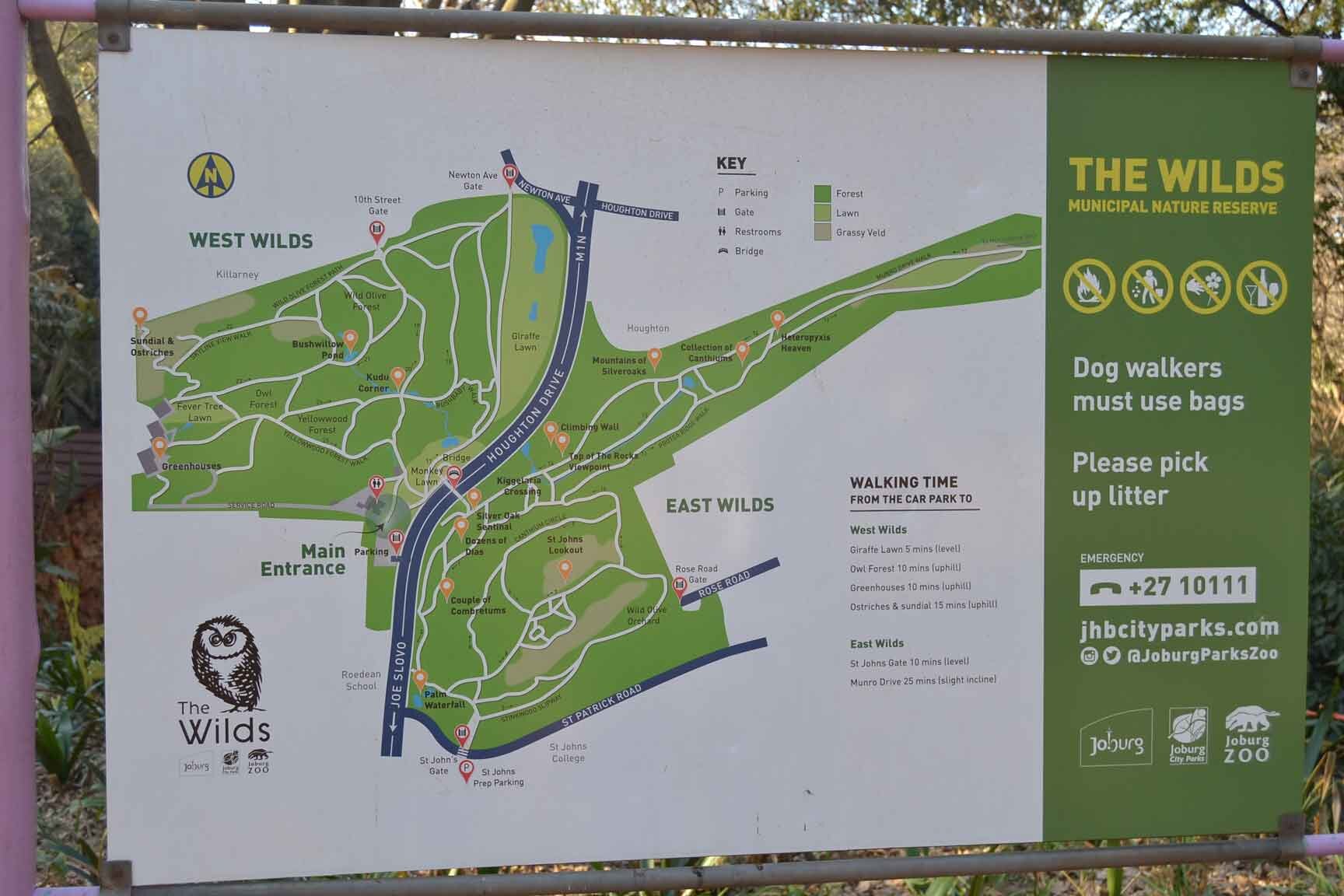
Map of the Park at Main Entrance

Map of the Park at Main Entrance

History

The Park, like Zoo Lake and the Johannesburg Zoo, was a corporate gift to the citizens of Johannesburg. In 1924 the Johannesburg Consolidated Investment Company (JCI) donated the land, on condition that it remained in its natural state and open to the public. Once it was completed in 1938 it was opened to the public. In 1968 the JCI again donated to the park in the form of four greenhouses. It was declared a national monument in 1981.
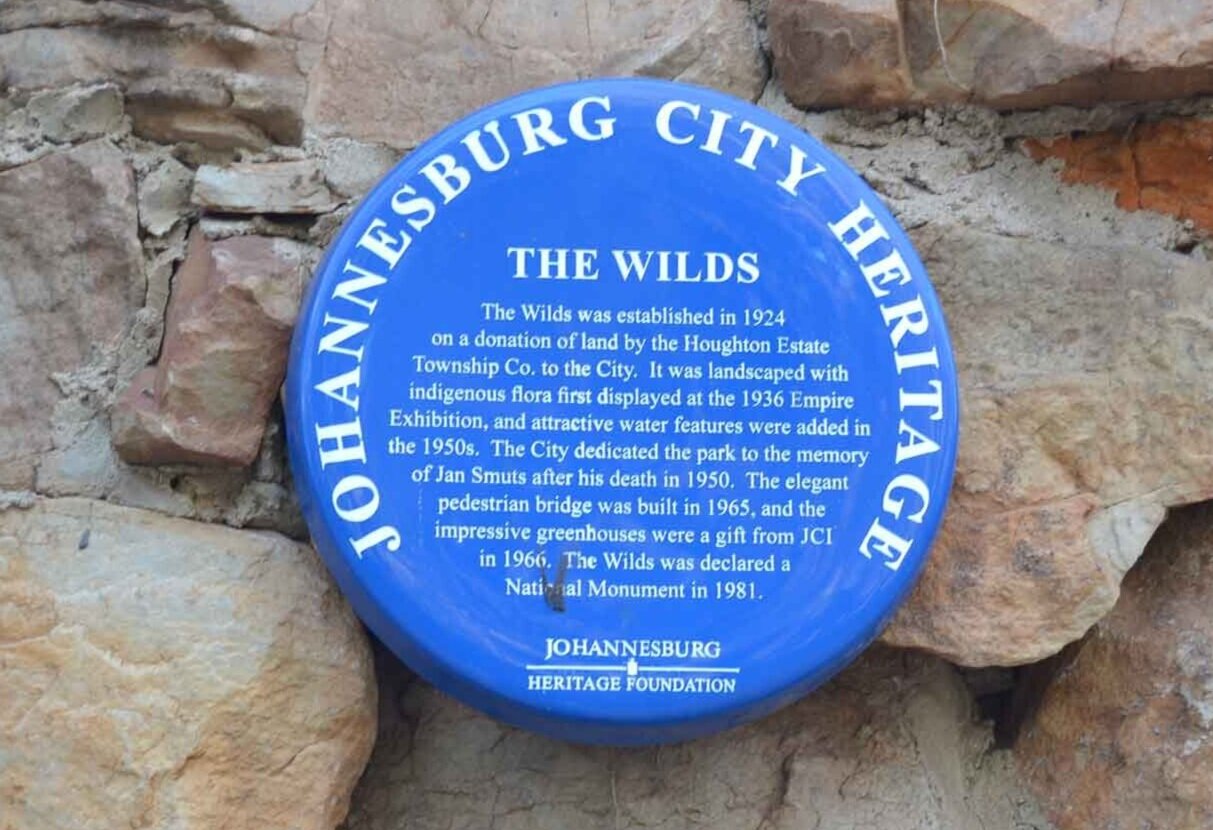
Heritage+Site

In the 1980s and 1990s it was hit by crime and people stopped visiting. The park became forgotten and overgrown. In the early 2000s the park was fenced off and a resident named TJ de Klerk tried to revive it by taking people on guided walks on both sides of the park. See more about the rejuvenation of the Park further below, but let’s first look at its physical features:

Vegetation

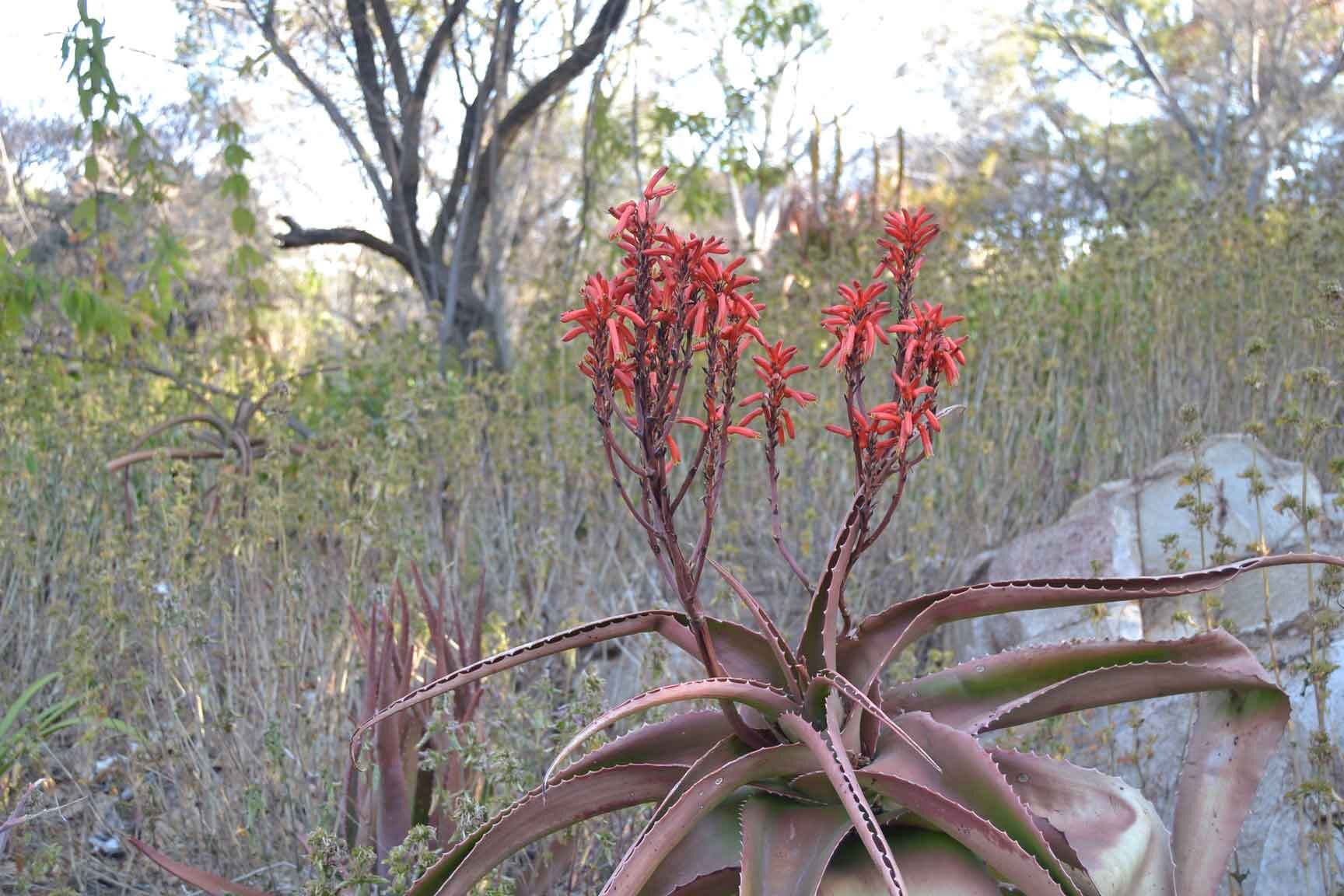
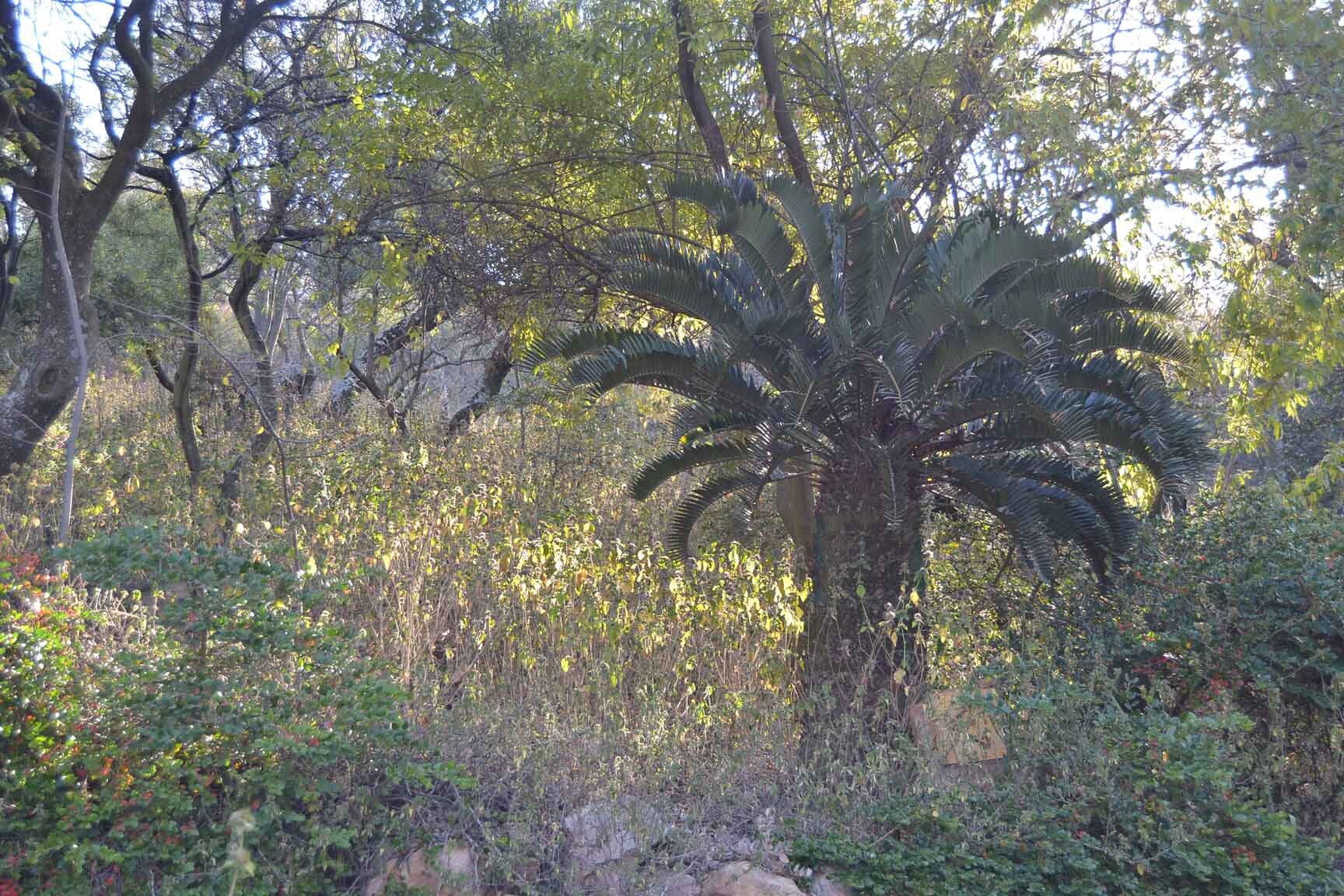
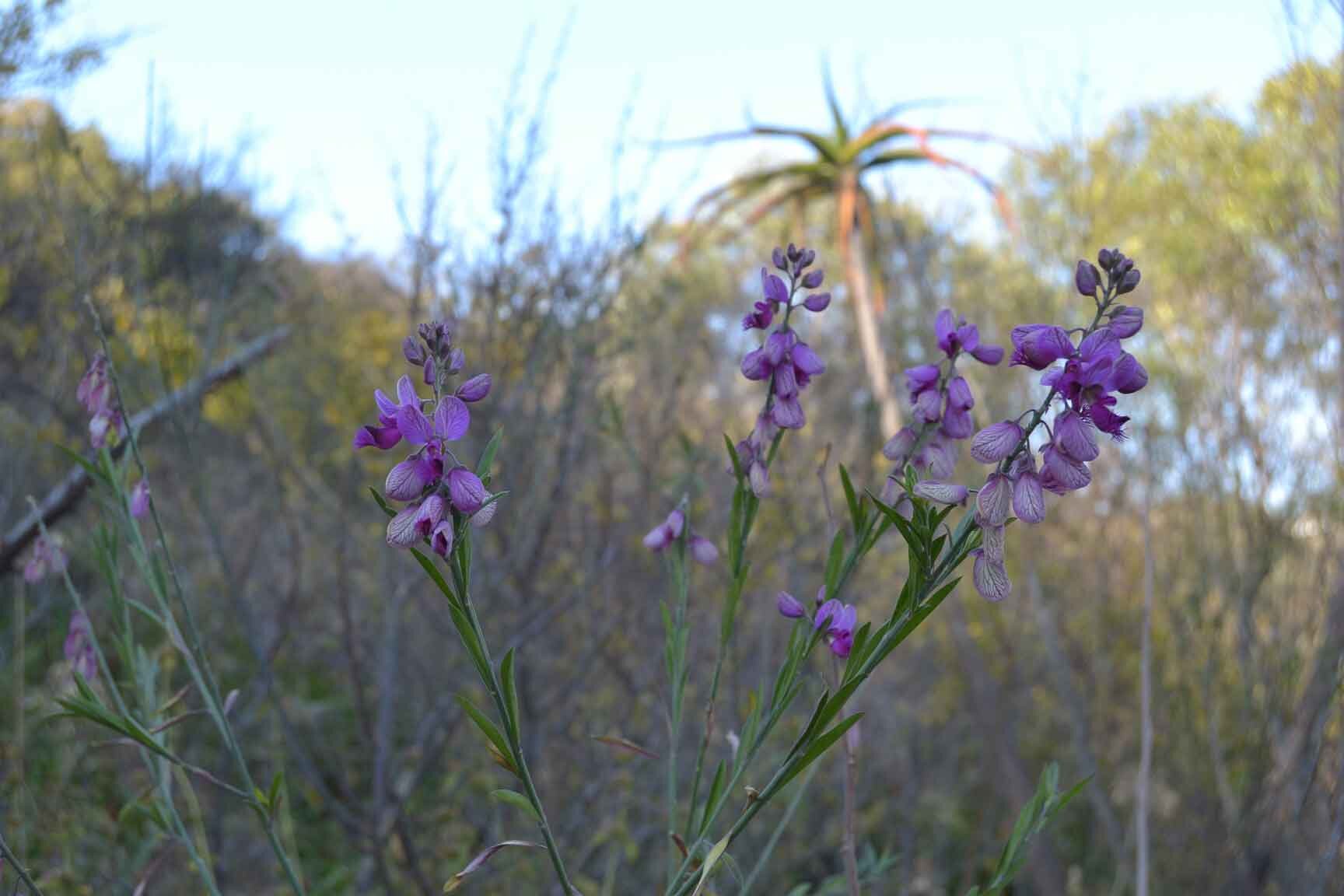
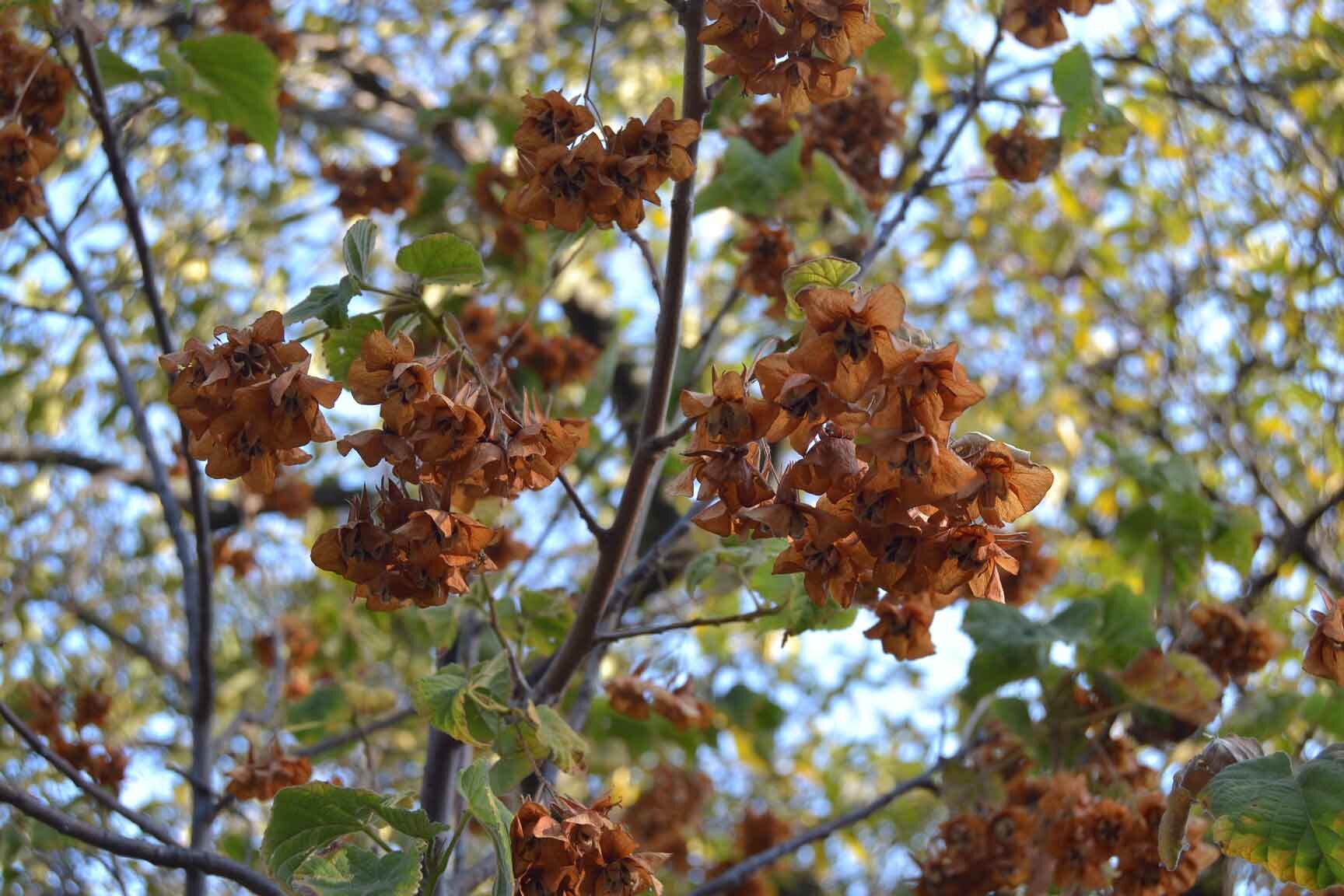
The trees are incredible – massive Yellowwoods, Lavender Trees, Fever Trees, White Stinkwoods, Cabbage Trees, Olive Trees and a stunning assortment of Cycads and Aloes. The beds below the trees are filled with indigenous groundcovers and I saw plants on display that are seldom seen elsewhere (E.g Pycnostachys urticifolia). This collection of plants has developed over the years as supporters have donated plants and a large donation was made after the Empire Exhibition in 1936 when the Golden Jubilee (50th anniversary) of Johannesburg was celebrated.
Pathways

The winding pathways and staircases (over 8km) are made out of natural packed stone and these create a delightful maze to explore and discover. There is good signage that ensures you don’t get lost and also a map at the entrance to orientate yourself when first arriving. We naturally made our way up through the park, following the paths to the highest point of the park where the sundial is located and the views are panoramic.
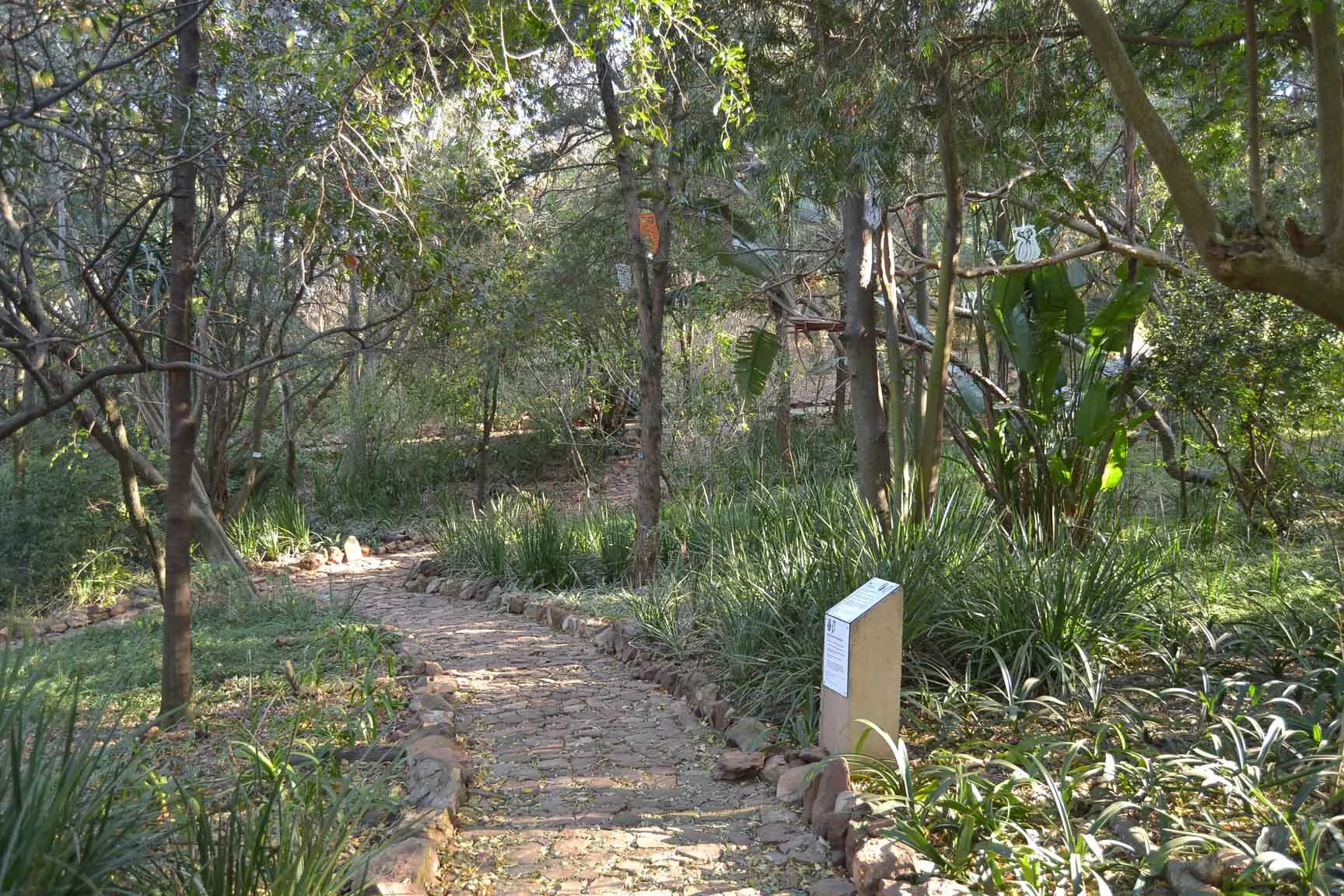
Can you spot the Owls? There are 67

Can you spot the Owls? There are 67

Beautiful Stone Pathways

Beautiful Stone Pathways

Benches for resting and clear Signage

Benches for resting and clear Signage

Sundial

The sundial was created and installed by sundial maker Malcolm Barnfield and stonemason Dave Baguley in 2005 and is inscribed with the words “I only count the sunny hours”. The message around the base of the dial reads “Blessed too is he who learned to know the God of The Wilds” which was previously depicted on a plaque commemorating the words spoken by Jan Smuts. When Smuts died in 1950 The Wilds was dedicated to his memory. (Davie, L. A journey through Johannesburg’s Parks, Cemeteries and Zoo. 2014. JHB City Parks and Zoo)

Sculpture

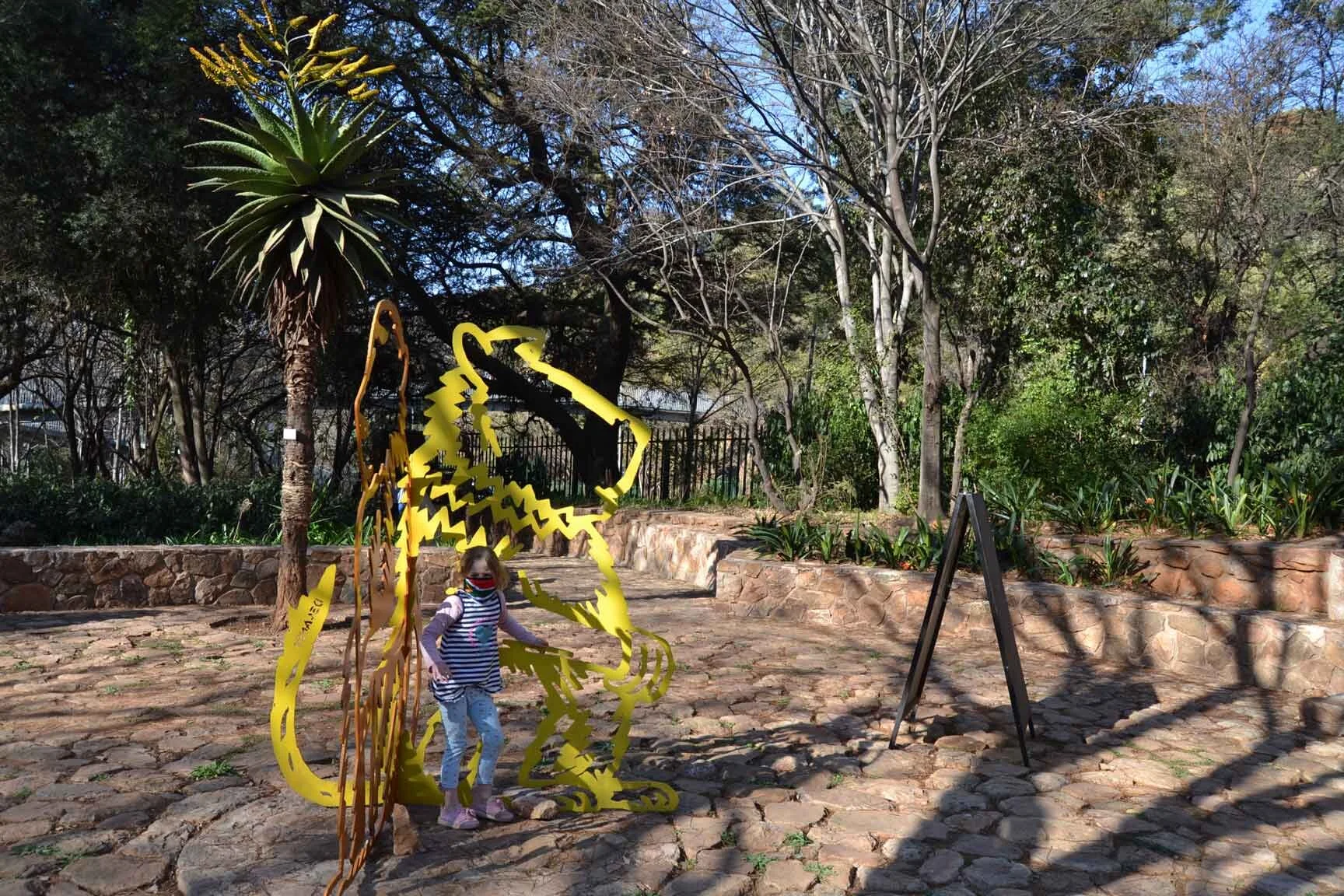
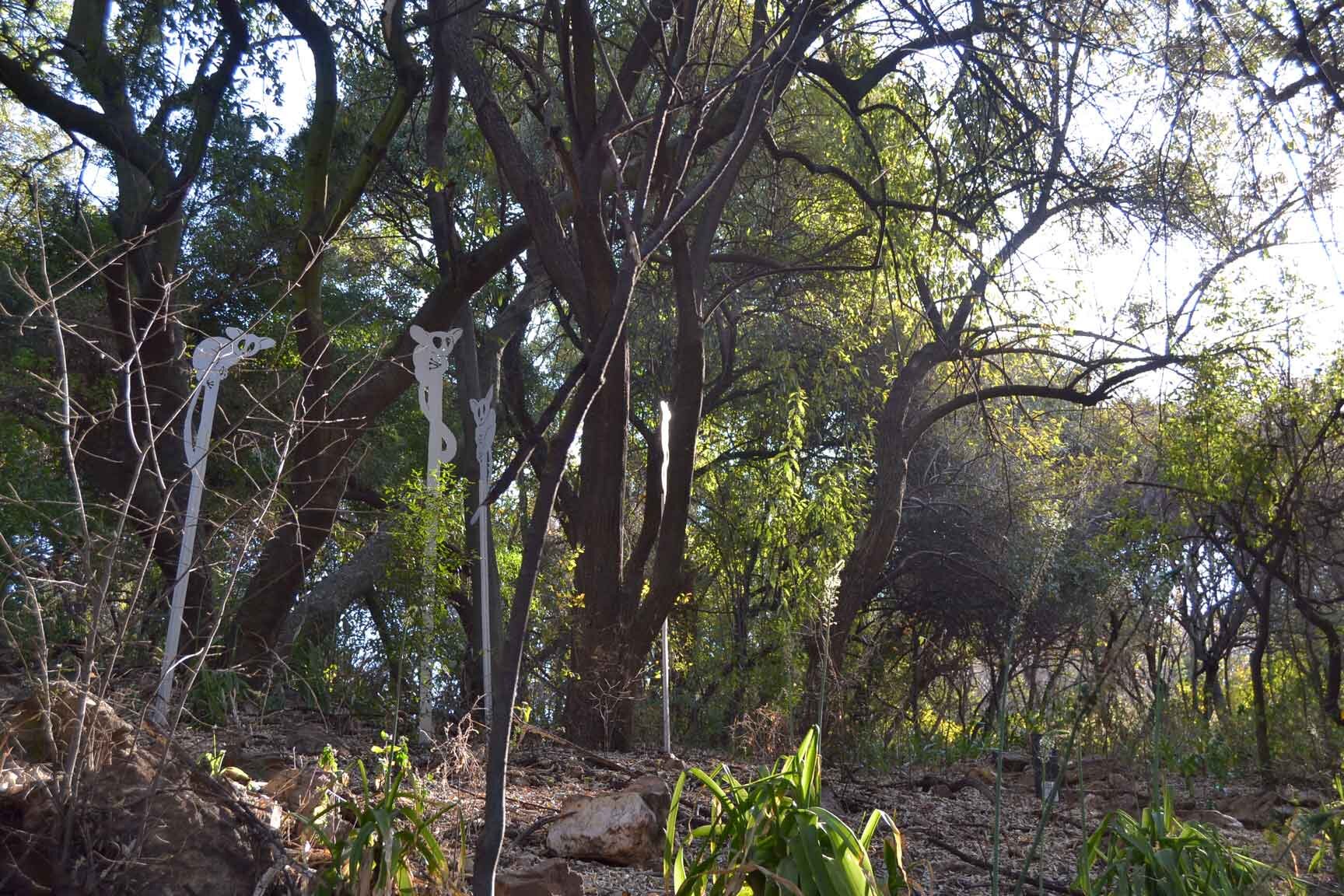
One of the highlights of The Park must certainly be the striking steel sculptures  (mostly animals) made by artist James Delaney who has also been instrumental in transforming and rejuvenating the park (See Rejuvenation below). The first installation took place in 2017 as a means of drawing people’s attention to the park. As it was close to Mandela Day, he chose to design 67 owl sculptures that would hang high in the forest and these are a delight to find for young and old alike.  Delaney explains that the sculptures start as charcoal sketches which are then laser cut from steel and painted or powder coated. The pink and yellow giraffe, located on the large bottom lawn area is life size and visible from the main road running past the park. According to Delaney this was a deliberate intervention to draw people’s attention to this once neglected space. The sculpture installations in the park won an award from BASA (Business Arts South Africa) in 2018. (https://www.delaney.co.za/outdoor-sculpture/)

Giraffe Lawn in the late afternoon with visitors picnicking
Giraffe Lawn in the late afternoon with visitors picnicking

Bush Baby Forest

Bush Baby Forest

Views

The park offers views of Hillbrow, Berea and the inner city. This includes views of several Johannesburg landmarks, including Ponte City Apartments, The Hillbrow Tower, St. Johns School for Boys, Roedean School for Girls, and many mansions in the suburb of Houghton. (https://en.wikipedia.org/wiki/The_Wilds_Municipal_Nature_Reserve)
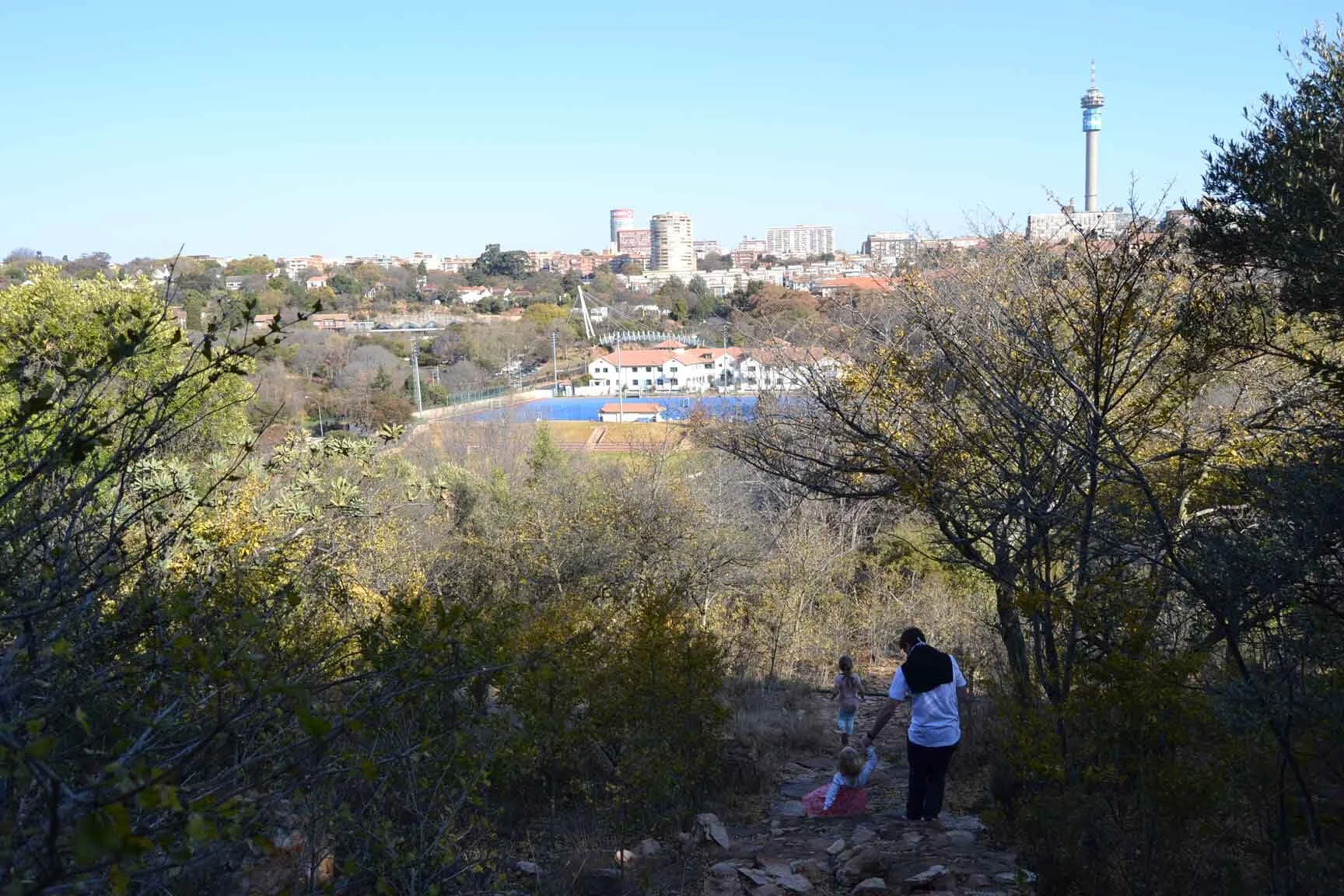
403.JPG

Rejuvenation

It has only been in the last few years that the Park has been fully revived and people feel safe enough to return. This has largely been brought about by artist James Delaney who has spent a considerable amount of time and money on generating funding and gaining support for the Park. He received an AfriSam-SAIA Award for his work in raising over R100 000 but this is just one of the many interventions he has championed. It is inspiring to read his story and how he became involved.

Here is an excerpt taken directly from his website where he details the history of his involvement and the progress made: (taken from https://www.delaney.co.za/installations/my-story-of-the-wilds/)

“Here are some highlights of the work that’s been achieved with my team, with volunteers and with the City Parks Wilds staff on the ground;

  • Restoration of 80 park benches, repainting them in bold colours on volunteer days, with donated paint and tools.

  • A mini library was donated for the entrance, from which people borrow or take books. It’s become really well used, especially by kids from the inner city.

  • Negotiation with Roedean School to take down their stone wall, which had become unstable, and replaced with a fence, and the stone donated to The Wilds.

  • Construction of the circular entrance area with seating, designed by Martine de la Harpe and built by JJ with the Roedean stone. This used to an eroded slope of dirt, a depressing welcome to the park. This was sponsored by Hollard, whose Villa Arcadia head office shares the same ridge as The Wilds, and they have done considerable indigenous planting to restore their landscape.

  • Sealing the ponds and the installation of a pump which draws water discarded by Gautrain (they pump millions of litres out of their tunnels into the underground river). This water now flows beautifully though the lower ponds, and back into the river. This system was developed and installed by YPO, and opened by the Mayor. (YPO also got the upper ponds and waterfalls working for a while, but we’re waiting for City Parks to install a new pump for that system.)

  • Mulching of flowerbeds. City Parks always used to take leaves to the dump, but I eventually convinced them to layer them on flowerbeds to protect the soil. They still won’t allow us to make compost.

  • Design and installation of 100 items of signage throughout the park, thanks again to Hollard – directional, rules, information and welcome signage. Because City Parks has dated and unfriendly signage design, I redesigned a whole signage template for them. Most of the new signs are mounted onto a recycled plastic product.

  • Huge weeding, every summer, which has broken the seed cycle of blackjacks and khakibos in most of the West Wilds (we have a long way to go in the East Wilds).

  • Restoration of the hillside where the sundial is, including replanting indigenous grasses and aloes and removing all the nasty rusted wire fencing.

  • Resurfacing of the carpark and internal road, and painting the pedestrian bridge (done by JRA, but I lobbied for it).

  • Repairs to broken and missing pieces of fence, especially on the East Wilds (which is an ongoing job).

  • Installation of fencing along Munro Drive, to complete the fencing of the entire perimeter of the park.

  • A friend of The Wilds replaced the decrepit security hut, with a new structure which was warmer and nicer for the guards.

  • Regular “Walk n Talk” sessions where visitors are led around the park in conversation with interesting people.

  • Several weekly exercise classes on the lawns, run by various people who love outdoor training.

  • Corporate events, weddings, small events and school tours have become a regular occurrence, providing an income stream to the city (unfortunately this doesn’t directly benefit The Wilds). They must be booked via City Parks, but when organisers approach me, I always ask them to add an element of giving back to the park, usually through volunteer work.

  • Moving large aloes from locations where they are in too much shade (they start rotting) into the sun.

  • Collecting cuttings for the nursery, which now has several thousand plants, particularly succulents. This has been an ongoing job benefiting from dozens of volunteer hands.

  • Restoration of the abandoned compost area with the Rosebank Scouts.

  • Large new flowerbeds around Giraffe Lawn, and repairing the little bridge, now adorned with crocheted flowers by local artist Curious Sleuth.

  • Other artists are making their mark too; there was a land art project, and Gordon Froud’s sculpture installation, made from orange beacons, stands on the East Wilds.

  • Planting indigenous trees. Volunteers have started labeling them too. We now also plant along the streets surrounding the park, to extend the forest canopy.

  • Clean-up of the climbing wall, which is now regularly used.

  • Clearing of invasive alien trees on the edges of both the East and West Wilds.

  • Lining several kilometres of pathways with stones, to prevent damage to the plants on the edges.

  • Restoration of 4 drinking fountains, broken for decades. Local mosaic artists are making beautiful detailing.

  • The Munro Centenary Gates, which I drew using aloes as a motif which now stand on the Munro Drive side. Look carefully for the owls and mouse…

As the sculptures became popular, I used them to open up sections of the park that people weren’t visiting – they became destinations within the park, allowing people to walk further and spend more time exploring. There are now 100 sculptures – monkeys, a pangolin, ostriches, the red kudu family, klipspringers, duiker and more.

The largest is a 5 metre high pink and yellow giraffe, on what is now known as Giraffe Lawn. This was an important landmark piece as it is visible from the road, drawing the attention of passers-by. I crowdfunded to pay for the materials, which were considerable – it’s so heavy it had to be installed using a crane, and we had to bring a concrete mixer down narrow stone paths to lay the large block of concrete below ground to support it.” Read more on his website

How can you make a difference

Every person can make a difference in this life. We are all uniquely situated with unique talents and abilities. If we look back over the history of this park we see demonstrations of generosity where people have given land, time, money, plants, energy and love. The Wilds is a Park layered with history, memory and natural beauty. Fortunately for the citizens of Johannesburg James Delaney got a dog and needed a place to walk him and through his efforts over these recent years we can again experience this remarkable space. Where can you make a contribution to a park, an organisation or initiative to make a difference in your community?


What makes George Hay Park a Successful Community Park?

024.JPG

As a landscape architect I am always analyzing outdoor spaces and trying to pinpoint what makes them attractive, enjoyable and successful. What changes a ‘space’ into a ‘place’? Why are people drawn to a place and what makes them come back again? What attributes does a public space need to become an integral part of a community and how does one achieve this?

george hay park map

George Hay Park is located in the heart of Parkview, Johannesburg and at first sight it can seem to be an ordinary rectangular open area of lawn with some trees that is not very different to many other parks in Johannesburg. However, on closer inspection you will find that this Park is a place loved by the community and where many residents spend regular time with friends, walk their dogs, share special celebrations and enjoy time together with their children on the playground.

Here are several reasons that contribute to the success of George Hay Park:

  1. Location

    Situated in the centre of a residential suburb with grid-like layout the park is within easy walking distance and far enough from busy roads to be secluded but accessible. There is also a road all around the Park which makes for increased visibility (frequented by private security companies patrolling the neighbourhood) adding to a feeling of safety. Cars can park along the street next to where they will be spending time in the Park. Parkview itself has a strong sense of place and rich history which adds to the overall atmosphere of the park.


    2. Terrain and Layout

    The physical characteristics of the site can be described as rectangular and flat with many large trees providing shade. It is comprised of a large lawn area, dotted with large trees, includes areas with children’s play equipment and has a strip of indigenous planting along three of the edges.

022.JPG

3. Edges

The Park is surrounded by a black metal fence on three sides and this contributes to the feeling of containment and protection that one feels when inside the Park. This is especially important for keeping small children safe as it prevents them from running into the street. The northern most boundary of the park is where the Columbas Church is located and this edge has a gum pole fence that is a more permeable edge and creates a sense of connection between the church and the Park. (http://stcolumbas.org.za/ )

St Columbas

4. Facilities

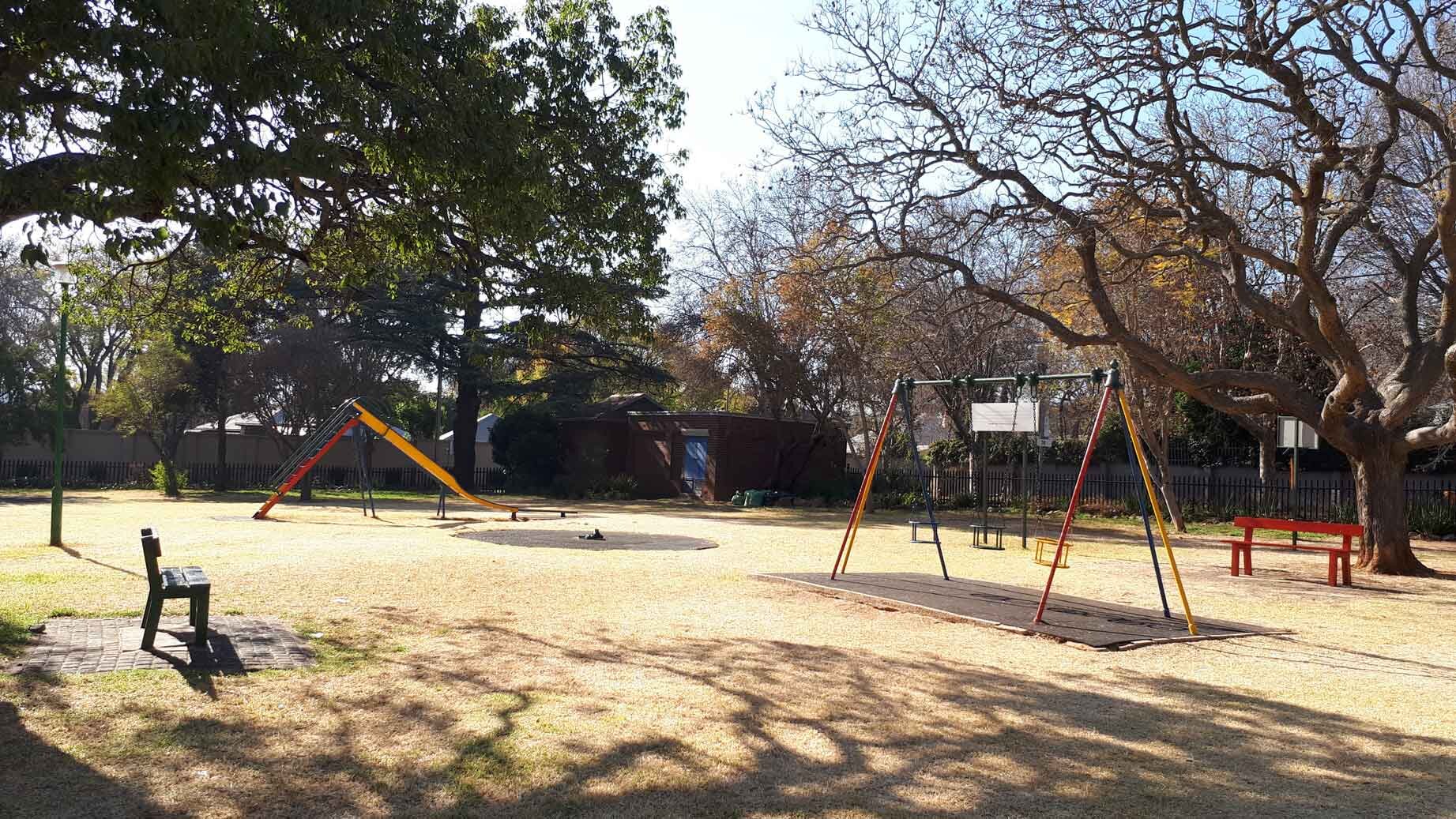
As mentioned the park contains play equipment for children of varying ages. The play equipment for smaller children has baby swings, a small slide, a see-saw and monkey bars while the play equipment for older kids has larger swings, a large slide and a roundabout. There is a small basketball court as well as outdoor gym equipment. A beautiful rustic tree house has been built around a large existing tree creating a wonderful space for children to have imaginative play. There are many benches that one can sit on and water is provided in bowls for visiting dogs.

Organic Tree House Built around Existing Tree

Organic Tree House Built around Existing Tree

George Hay Park

5. Use

The Park is used for a variety of small, personal functions (birthday parties, baby showers) and also provides a space for large scale community gatherings. Several well-supported events take place in the park throughout the year, some of which occur annually, including: Halloween Event, Christmas Market and Potjiekos Competition. These events have the added benefit of strenghtening realtionships within the community and celebrating the neighbourhood. It creates memories that become associations which then contributes to the sense of attachment and belonging that a person has to a place.

2320.jpg
Halloween Community Event in George Hay Park  (photo taken 31 October 2019)

Halloween Community Event in George Hay Park (photo taken 31 October 2019)

6. Community Ownership

This must be one of the most important characteristics that set this park apart. The Parkview Residents Association) PRA is actively involved in the maintenance and running of George Hay Park and without their involvement it is clear that the park would not be what it is today.

“Beginning in 2007, and continuing ever since, many different projects have been undertaken including the renovation and staffing of the toilet block, the repainting of the perimeter fence, the repair of the drinking fountain, the renovation and securing of the storeroom, the installation of benches and tables, annual planting of indigenous trees, often planned around Arbor Week in September and the repair and installation of new playground equipment. In 2008 the need for a permanent but casual parkkeeper was recognised as a way to keep the park clean and safe on a daily basis. Funds were raised by asking those residents who live on the perimeter of the park (and any others willing to do so) to commit to a monthly contribution. Daily duties include making sure the bins are cleared (and any recyclables removed and the dog poo removed. Other duties include watering the trees and keeping their bases free of grass, feeding the trees, weeding the pavements and pruning bushes and trees where necessary, watering the grass in early summer and raking and piling leaves in winter.” Reference: (http://www.parkview.org.za/content/george-hay-park)

It is evident that a successful park needs many components in order to provide a place for its users to find enjoyment, to feel safe and to take ownership of a place so that they keep returning. When many people use a park it feels safer as there are always other users and it’s presence becomes well embedded in their minds and hearts.

Vegetable Garden Initiative

Vegetable Garden Initiative

Indigenous planting along edges - pictured here is Anisodontea scabrosa and Aloe spp.

Indigenous planting along edges - pictured here is Anisodontea scabrosa and Aloe spp.

Other blog posts about Parks in Johannesburg:

Emmarentia - Johannesburg Botanical Gardens

Beautiful Autumn Colours at Emmarentia Dam

Beautiful Autumn Colours at Emmarentia Dam

Most people know the Johannesburg Botanical Gardens as ‘Emmarentia’ and think of it more as a Park than a Botanical Gardens. I certainly was not aware of the behind the scenes operations of this green space – there are greenhouses, a herbarium, administration offices, and a compost site all hidden from view to the average user.

Recreation

 Emmarentia is a beautiful, well loved park in the heart of Johannesburg. You will find people of every age and culture enjoying this green space  – runners, cyclists, families with kids riding bikes or feeding the ducks (actually Egyptian Geese but most people call them ducks), young adults picnicking, yoga on boards on the dam, people searching for Pokemon, bridal parties taking photos in the rose gardens, dog walkers, Frisbee or volleyball players, market goers (The Linden Market is held here once a quarter), and music lovers (the park is also a venue for several concerts including Joburg Day).

Egyptian Geese on Emmarentia Dam

Egyptian Geese on Emmarentia Dam

Maintenance 

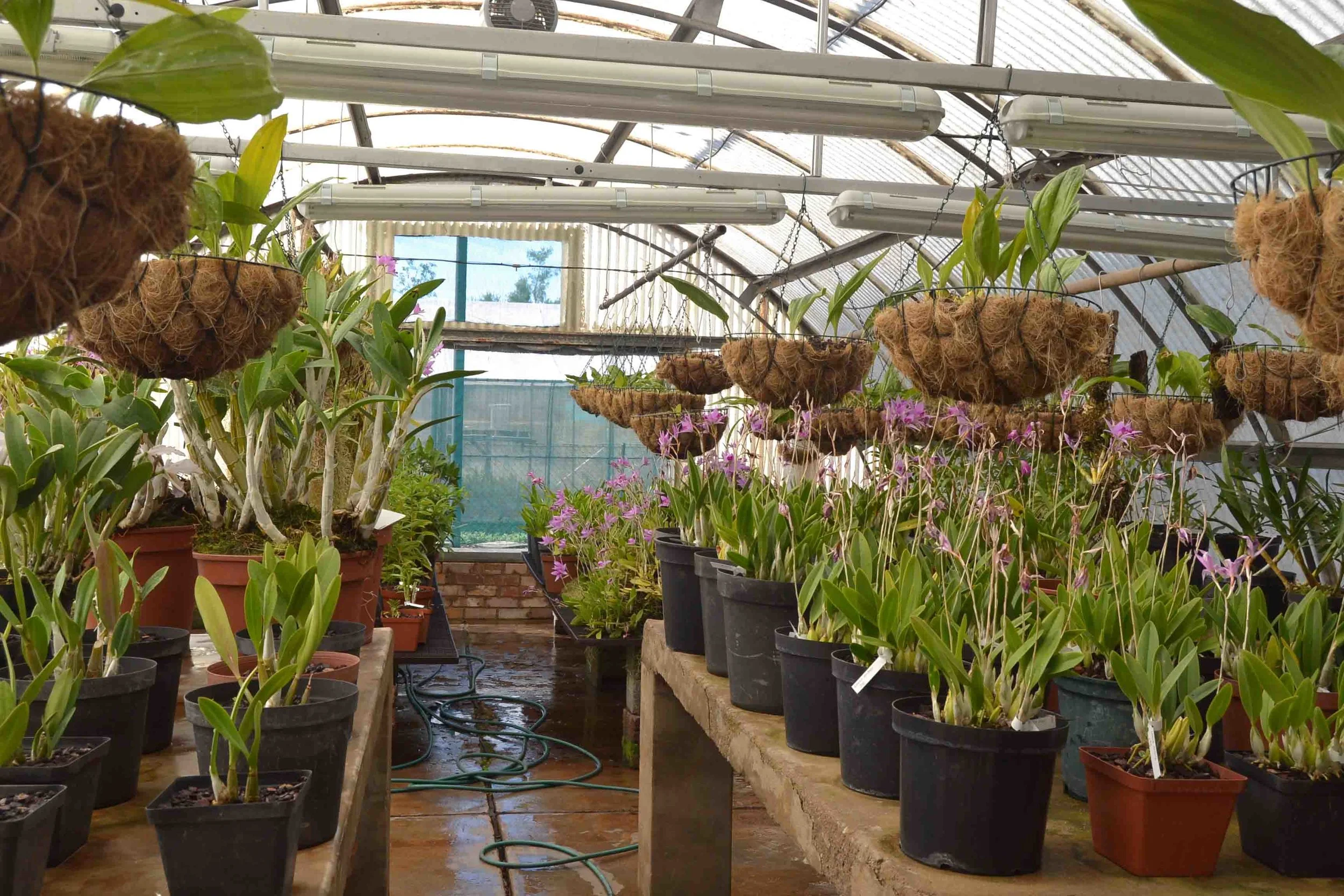
Lindelani Nwedo from Johannesburg City Parks, in charge of operations and maintenance at the Johannesburg Botanical Gardens, explained that the Park has 14 full time employees (I thought it would have been much more!) but makes use of co-operatives such as Jozi at Work together with EPWP for additional manpower to tackle the enormous task of maintaining the 81 hectare park. There are six shed houses that contain mother plants so that all plants in the Gardens can be replaced should they be lost due to fire, flood or drought. The nurserymen who grow the plants in the sheds have green fingers and although the plants are not for sale to the public they are often donated to schools or used for environmental education. Rare or special plants are also exhibited at certain show days such as the Succulent, Horticultural or Bonsai Societies Shows.

Alien invasive control is an important part of the Park’s maintenance programme although the task is often too great for the maintenance team. The Emmarentia Residents Association provides assistance where possible and on 20 October 2018 almost 100 people were involved in removing poisoned invasive alien plants, clearing a clogged dam and cleaning up litter.

Succulents housed in Greenhouses - viewing by prior arrangement with JHB City Parks

Succulents housed in Greenhouses - viewing by prior arrangement with JHB City Parks

Orchids in Greenhouse

Orchids in Greenhouse

History

I was interested to learn more about the Park and its surrounding suburb’s history from a book written by Lucille Davie called “A Journey through Johannesburg’s Parks, Cemeteries and Zoo”, published by Johannesburg City Parks and Zoo. Here are some insights from the book: “The botanical garden was originally part of the large farm, Braamfontein, named after the Spruit running through the area. The farm belonged to Gerrit Bezuidenhout, one of the first Boer farmers in the area, who received the title deeds in 1858. The farm was sub-divided several times and the Eastern part bought for £4500 by Lourens Geldenhuys in 1886, the year the main gold reef was discovered in Johannesburg. Lourens had three sons, namely Frans, Dirk and Louw. Frans and Louw divided the farm in two, the division running along the present day Orange Road. The each built themselves a farmhouse, both of which still exist, while Dirk went farming at Ermelo. Frans married Judith Grobbelaar and built what is now Marks Park Sports Clubhouse. She gives her name to Judith Road in Emmarentia, while Louw’s wife, Emmarentia Botha, gave her name to the suburb. Over the years Louw sold portions of his farm, which became the suburbs of Melville, Richmond, Braamfontein, Parkview, Forest Town, Westdene, Parkhurst and Parktown. Louw gave to the community in several ways: he founded the Langlaagte Kindertehuis for Boer War orphans in 1902 (now the Abraham Kriel Maria Kloppers Kinderhuis), founded the Braamfontein Government School (present day Louw Geldenhuys School) allowed Boers returning from the was to settle on his land paying some of their profits to him in exchange for land, and he was also actively involved in politics.

The Dabulamanzi Canoe Club is situated on the opposite side of Emmarentia Dam. The clubhouse was built in 2004 and has an active membership from recreational paddlers to world champions. The club has a development programme in the form of the Soweto Canoe Recreation Club which is beautifully captured in the film “Beyond the River”.

Sunset over Emmarentia Dam

Sunset over Emmarentia Dam

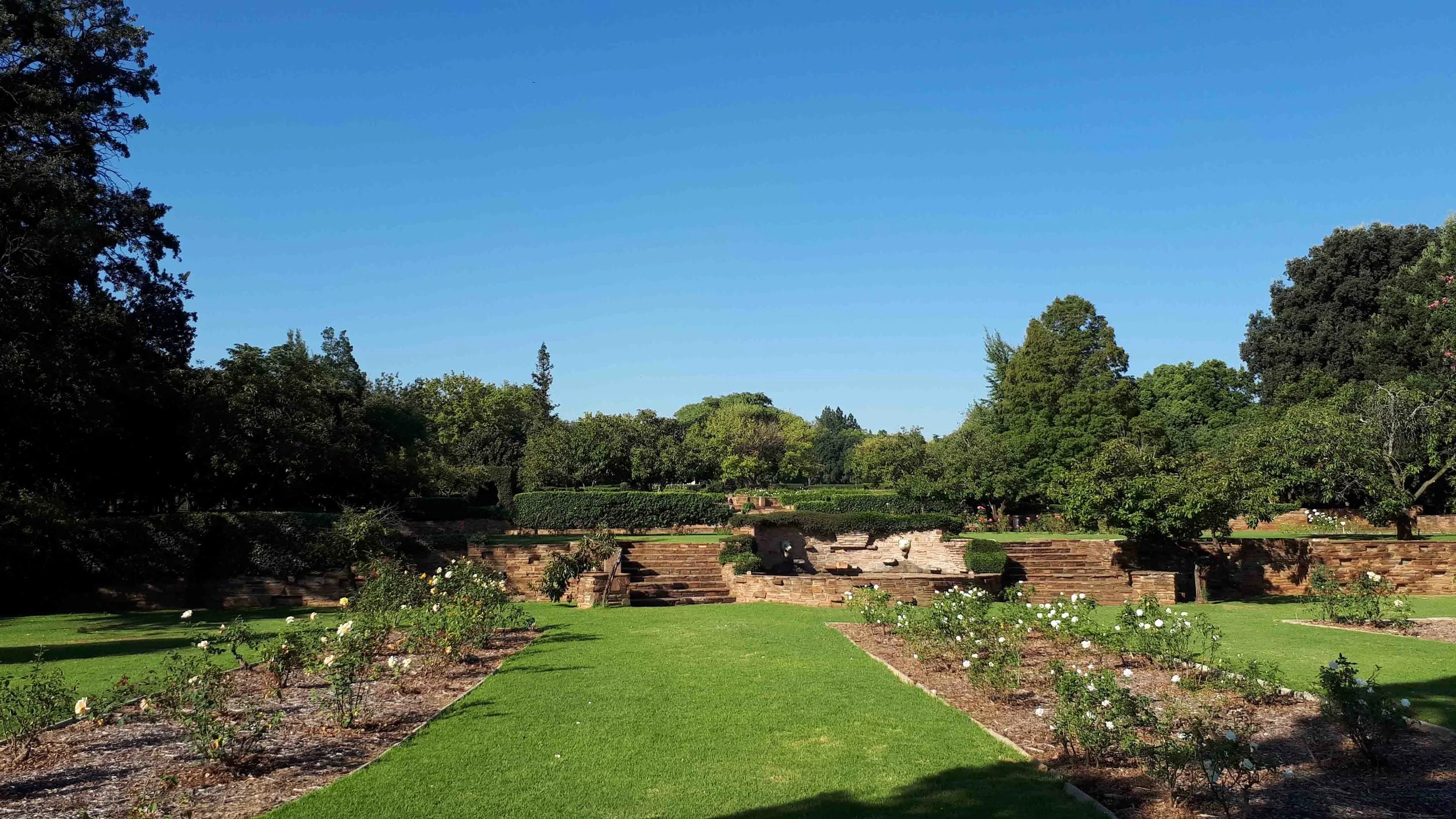
 The Park consists of some 8000 trees, large lawn areas and a network of pathways that connect the various themed spaces. There is a Shakespeare Garden containing herbs referred to by Shakespeare in his plays; the Chapel Garden where bridal couples can take their vows; the Western Walk; the Herb Garden filled with traditional culinary  herbs as well as African medicinal herbs; the Succulent Garden that was established in 2006 and contains Aloes, Cactuses and Pelargoniums; and the firm favourite by hundreds of visitors every weekend - the Rose Garden - laid out in 1964 and planted with over 3000 roses in several terraces.

Large Lawn Areas at Emmarentia

Large Lawn Areas at Emmarentia

Terraced Rose Garden

Terraced Rose Garden

Certainly this Park has so much to offer and gives one a break from busy city life and is dearly loved by all those that frequent it. I know my daughters particularly love the soft serve that can be bought at the kiosk and enjoyed in the children’s play area.


More Information:

Davie, L. (2014) “A Journey through Johannesburg’s Parks, Cemeteries and Zoo”, published by Johannesburg City Parks and Zoo

 JHB City Parks Link - http://www.jhbcityparks.com/index.php/2015-04-29-12-30-27/find-a-park-contents-64?task=view&id=123

 Emmarentia Residents Association - http://era.org.za/

Dabulamanzi Canoe Club - http://dabulamanzi.co.za/

The Linden Market - https://thelindenmarket.com/

Joburg Day - http://www.947.co.za/joburgday/

Lowveld Botanical Gardens

Water Lilies on a Pond at the Lowveld Botanical Gardens

Water Lilies on a Pond at the Lowveld Botanical Gardens

The Lowveld Botanical Gardens, located at the confluence of the Nel and Crocodile Rivers in Mbombela (previously Nelspruit) Mpumalanga, has a special place in my heart. I grew up in Nelspruit and the indigenous trees and shrubs of the bushveld evokes a comforting nostalgia. When I think of the Lowveld images of Paperbarks, Euphorbias, Aloes, Kiaat and Lowveld Chestnut trees (to name a few) come to mind. My love for nature and indigenous plants has grown as a direct result of the influence of growing up surrounded by the natural beauty the Lowveld. I guess this was one of the reasons I chose to have my wedding photographs taken in the Botanical Gardens and fondly remember walking along the draw bridge to the restaurant where the reception was held.

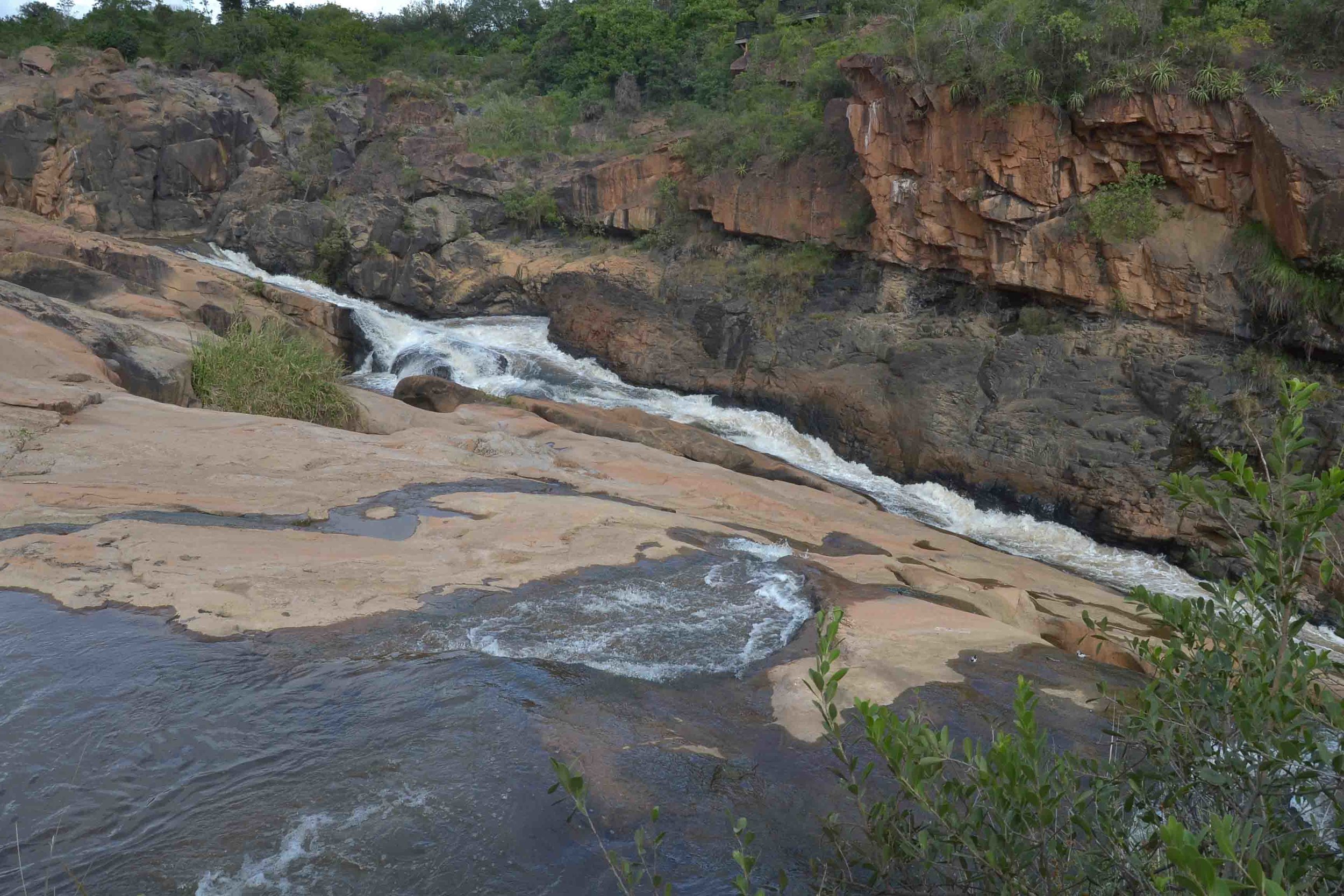
Nelspruit Waterfall / Cascades

Nelspruit Waterfall / Cascades

Nelspruit Cascades
Nelspruit Cascades

The Lowveld Botanical Gardens boasts a beautiful display of inviting green spaces, impressive trees and amazing cycads. The Garden hosts concerts, wild flower shows, art shows, and plant sales while weddings, baby showers and other events can be celebrated at the Red Leaf Fig Tea Garden. A children’s playground provides opportunities for families to relax and the kids to have fun with an added educational element.

Playground at the Lowveld Botanical Gardens, near the Tea Garden

Playground at the Lowveld Botanical Gardens, near the Tea Garden

Red Leaf Fig Tea Garden

Red Leaf Fig Tea Garden

The Garden is home to the largest man-made African Rainforest in an area of approximately 5 hectares along the Crocodile River. It is said to have the largest collection of South African cycads (and fig trees), more than 700 tree species and more than 3000 plant species in cultivation.

Large areas of Lawn with Cycads and Trees

Large areas of Lawn with Cycads and Trees

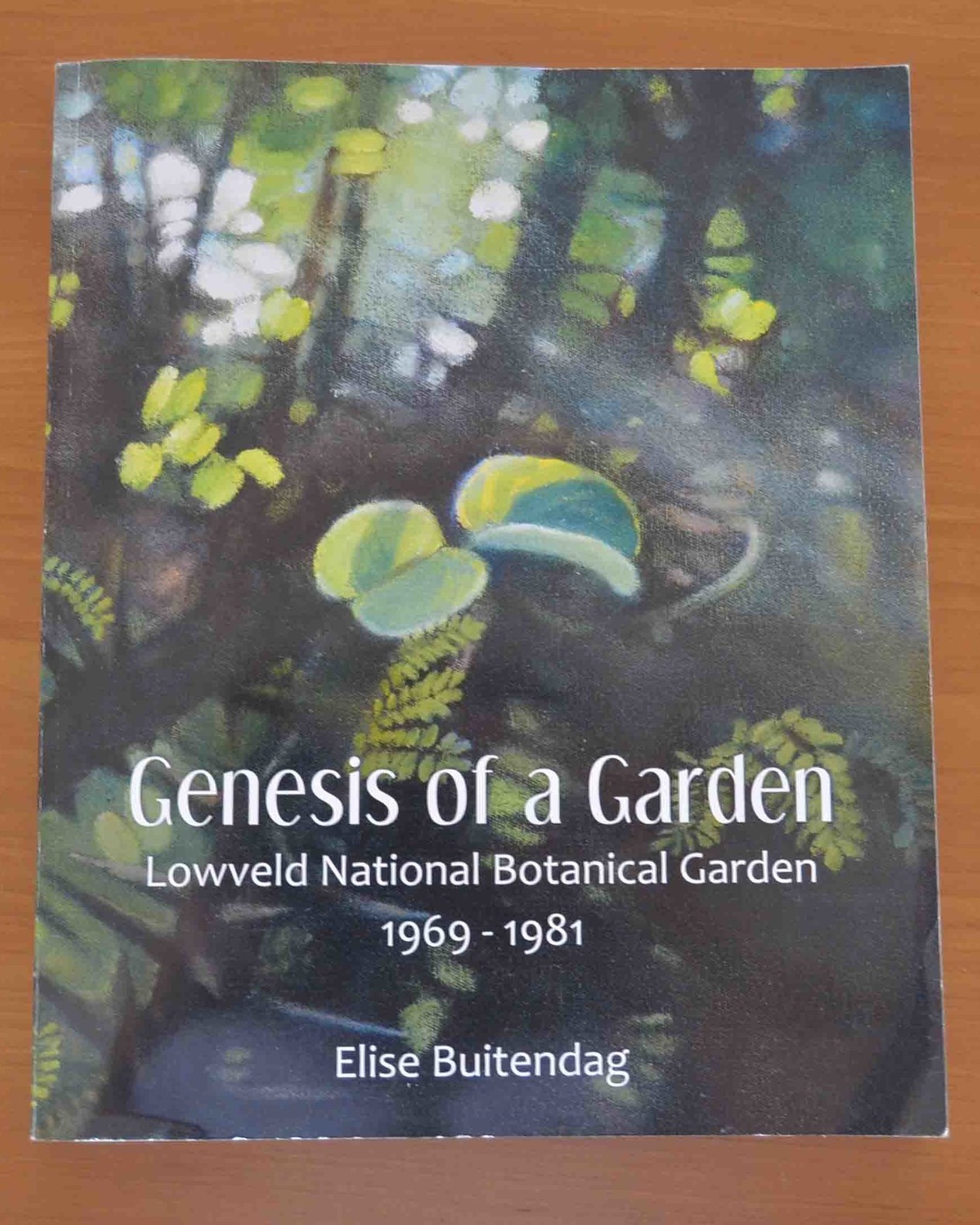
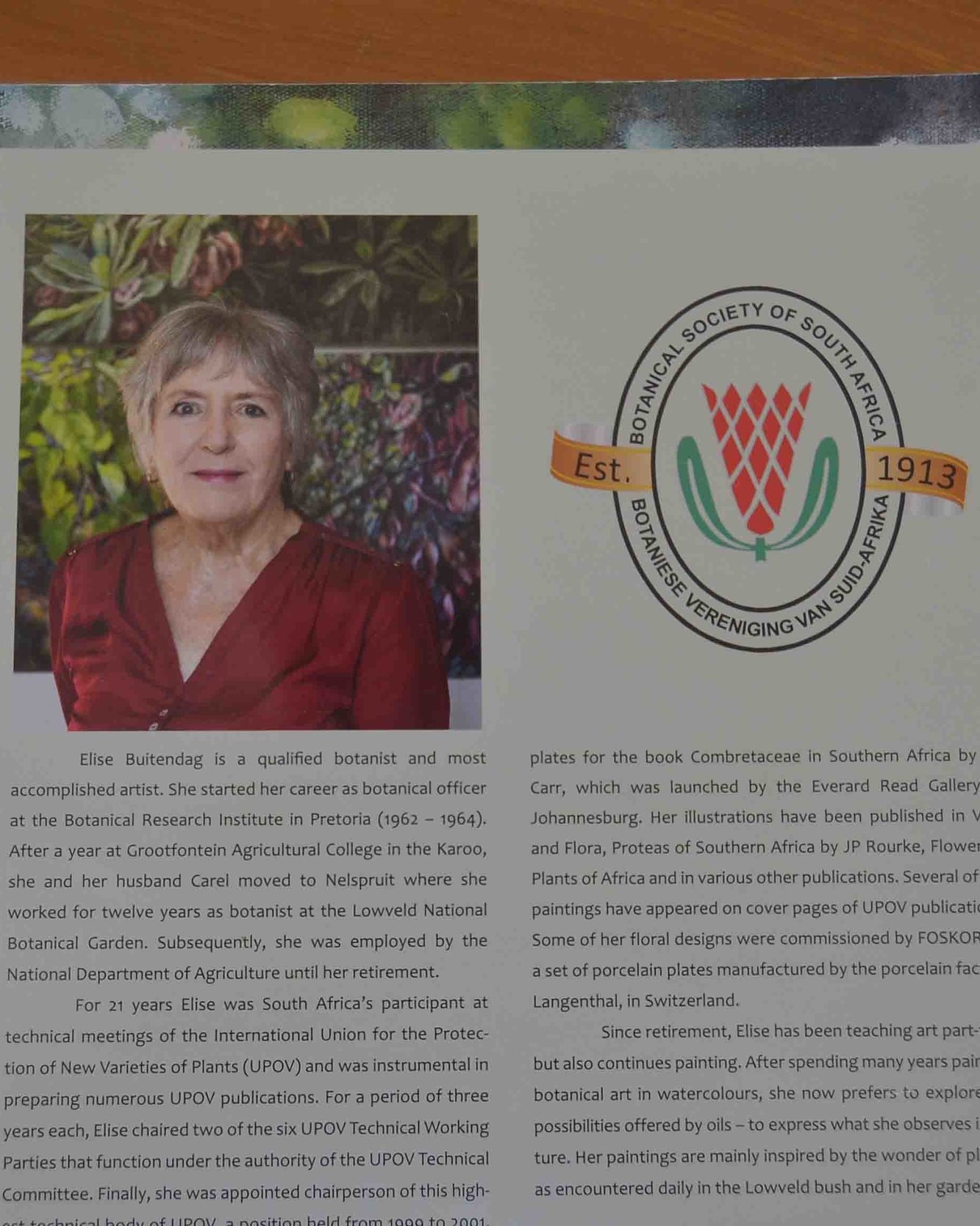
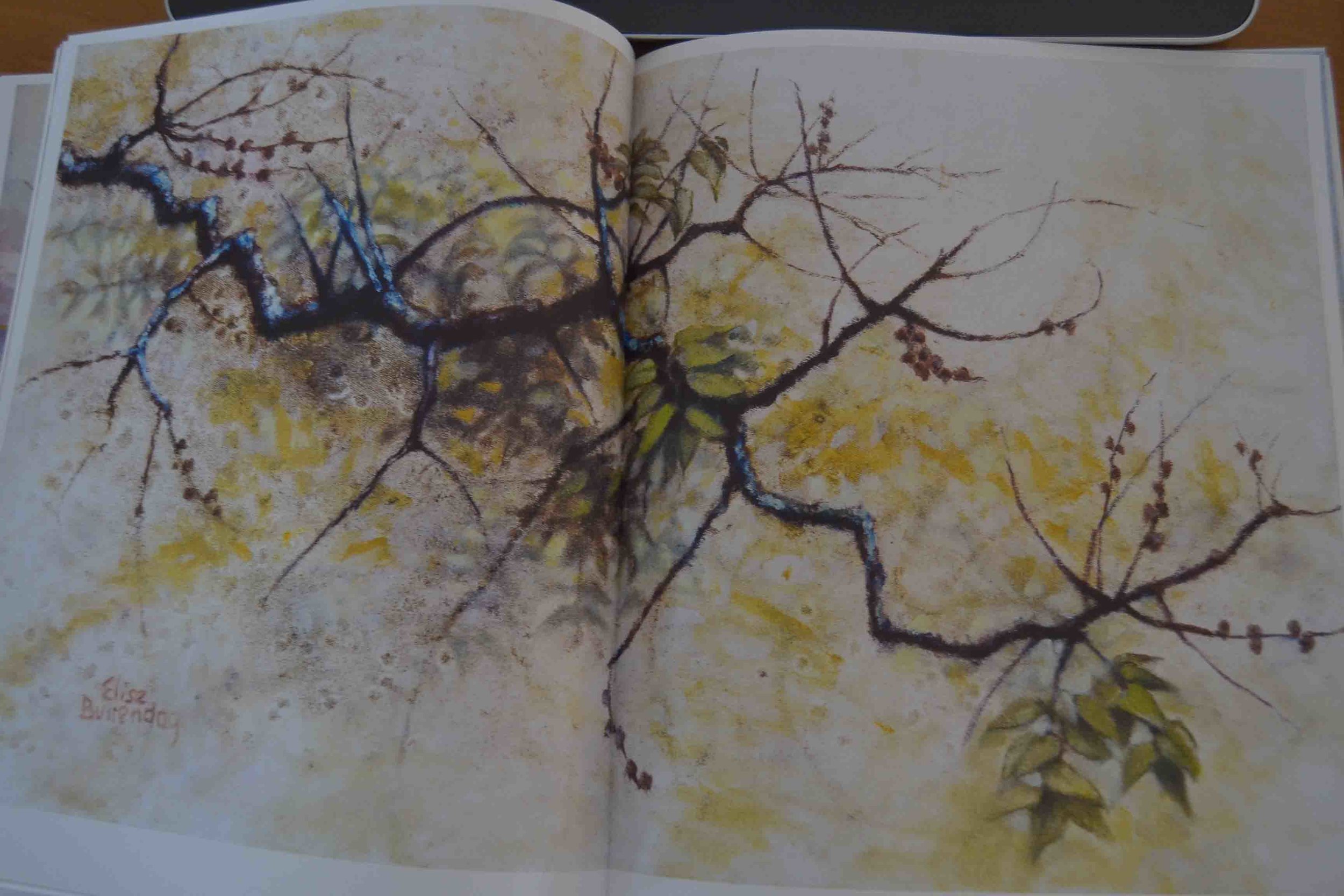
 “Genesis of a Garden, Lowveld Botanical Garden 1969-1981” is a book written by Elise Buitendag who was involved from the inception of the gardens and worked there during it’s first twelve years of establishment. The beautiful coffee table book includes historical information, photographs, personal memoirs and stunning botanical artworks by the author.

Elise Buitendag is a qualified botanist and acknowledged as one of South Africa’s professional botanical artists having authored and illustrated several publications. Her paintings are mainly inspired by the wonder of plants, as encountered daily in the Lowveld bush and in her garden.

“The area donated by both the town council and HL Hall & Sons had a dramatic beauty, with its roaring cascades and rugged landscape, but was considered by many as unsuitable, primarily because of the Y-shaped junction of the Crocodile and Nels River which would divide the garden into three distinct sections. To create a garden in such a diverse and fragmented terrain seemed a very ambitious undertaking.” (Page 9)

“Another tree, the huge fever-tree at the lapa has gained monumental stature and has become an icon in the garden. This tree was grown from seed sown in 1973. I remember how the lanky little seedling grew so rapidly that it couldn’t support itself and had to be tied to a pole to keep it upright. Today everyone who loves the Garden takes pleasure in this beautiful lemon-yellow to lime-green giant.” (Page 161)

Fever Tree

Buitendag’s book is a wonderful depiction of the Garden’s history and looks at the Place, the Plants and the People. The beautiful artworks create a visual experience for the reader that strongly evokes the sense of place that this special garden holds.

Elise Buitendag Artwork in her Book “Genesis of a Garden”

Elise Buitendag Artwork in her Book “Genesis of a Garden”

For more information please visit: https://www.sanbi.org/gardens/lowveld/

Bordeaux South Park

Entrances are highlighted by Arches and Aloes, welcoming you into the Park

Entrances are highlighted by Arches and Aloes, welcoming you into the Park

Tucked away in the boomed off suburb of Bordeaux South (the suburb is roughly located between Hurlingham and Blairgowrie in Randburg) in Johannesburg, lies a beautiful community park. The Park is well maintained and cared for through the efforts of the active residents association (BSRA- http://www.bsra.co.za/) who have invested a fair amount of money into upgrading the Park and this has really made such a difference.

A quote from the Bordeaux South Residents Association website:

“I am of the opinion that my life belongs to the community, and as long as I live it is my privilege to do for it whatever I can.” George Bernard Shaw

Clear Pathways, Seating, Litter Bins all contribute to making this an enjoyable park

Clear Pathways, Seating, Litter Bins all contribute to making this an enjoyable park

Bike Track with Traffic Lights for Kids

Bike Track with Traffic Lights for Kids

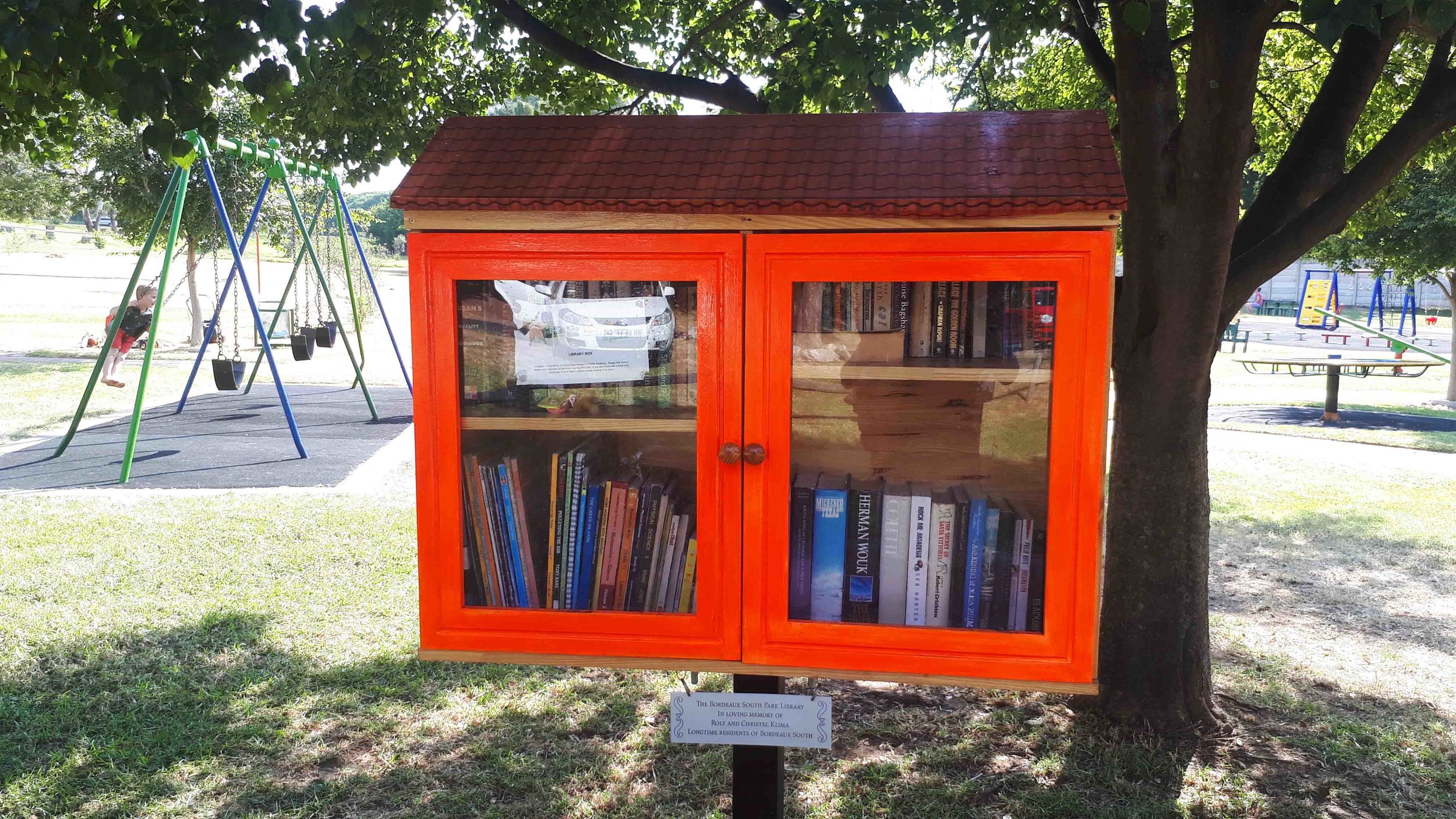
The Park is well used by families because of the extensive play equipment making this an amazing playground for kids of all ages. There are shady spots for picnics, several seating options, a volleyball court, a bike track with miniature traffic lights, and even a small free community library that residents donate books to.

Free Community Library

Free Community Library

New jungle gyms for smaller tots have recently been installed with rubber matting surfaces.

New jungle gyms for smaller tots have recently been installed with rubber matting surfaces.

Signage indicates the appropriate ages for the play equipment

Signage indicates the appropriate ages for the play equipment

Water Bowls for Dogs visiting the Park

Water Bowls for Dogs visiting the Park

The Bordeaux South Residents Association is making a difference at improving their suburb

The Bordeaux South Residents Association is making a difference at improving their suburb

Such a lovely park to visit if you have kids. Take Note that there are no ablution facilities at the Park.

Delta Park

Delta Park is one of my favourite outdoor spaces in Johannesburg and I regularly (almost weekly) go there to walk my dogs, picnic with friends, run or let my daughter play on the jungle gyms. It really is a wonderful, slightly wild space to visit to take a breather from city life. It is also a park that you can visit in every season and I always enjoy seeing the beautiful changes that take place throughout the year. The Autumn colours are particularly striking with a stunning display of golds, yellows, oranges and reds. This is preceded by an explosion of Cosmos flowers in the area where the veldgrass is left to grow tall. Even Winter can be striking with bare branches reflecting in the cool waters of the lakes. See images below taken on a cold and frosty Winter's morning:

Top Dam

Top Dam

Middle Dam

Middle Dam

Winter Reflections in Delta Park
Dogs love running free in the wide open spaces

Dogs love running free in the wide open spaces

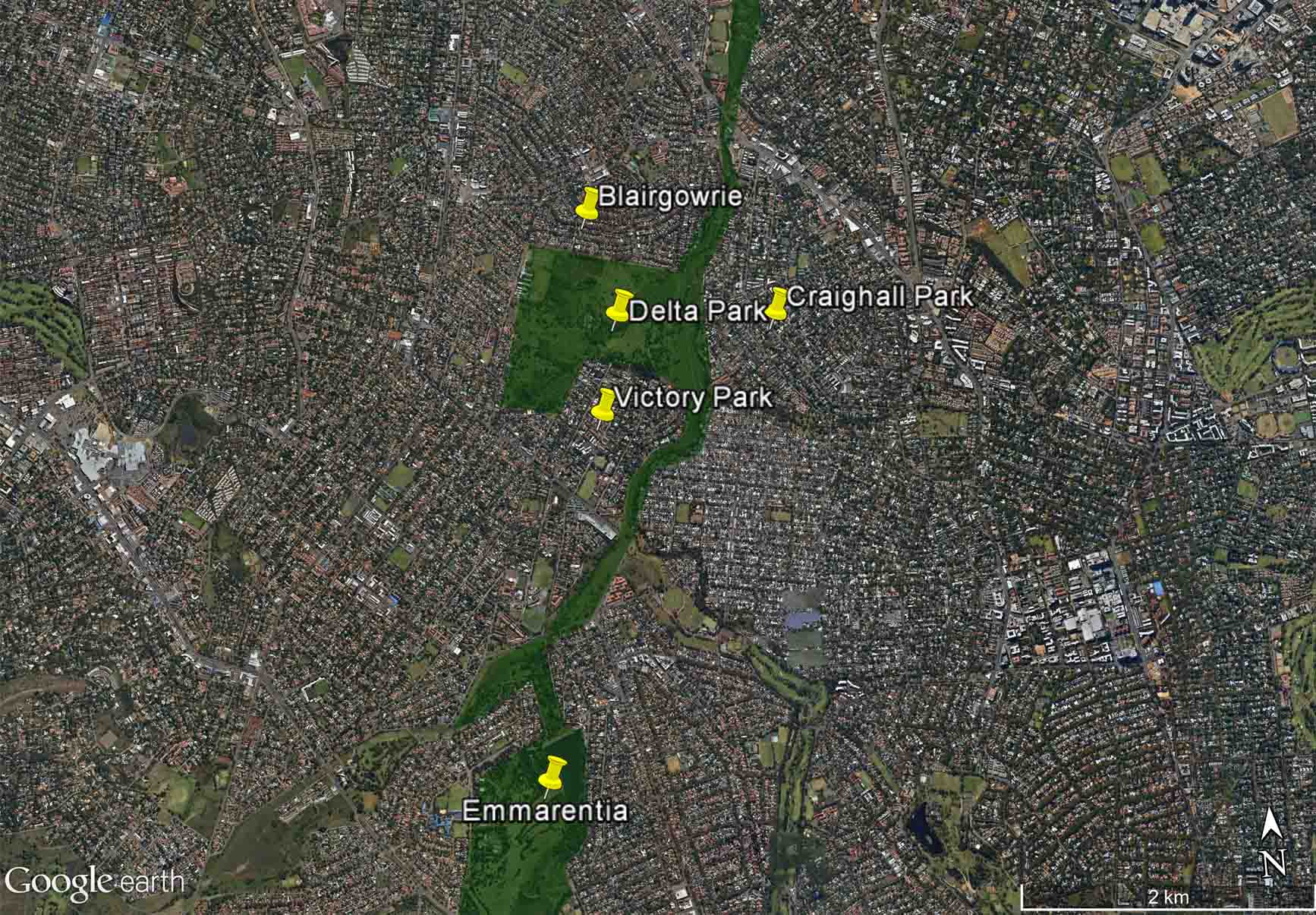
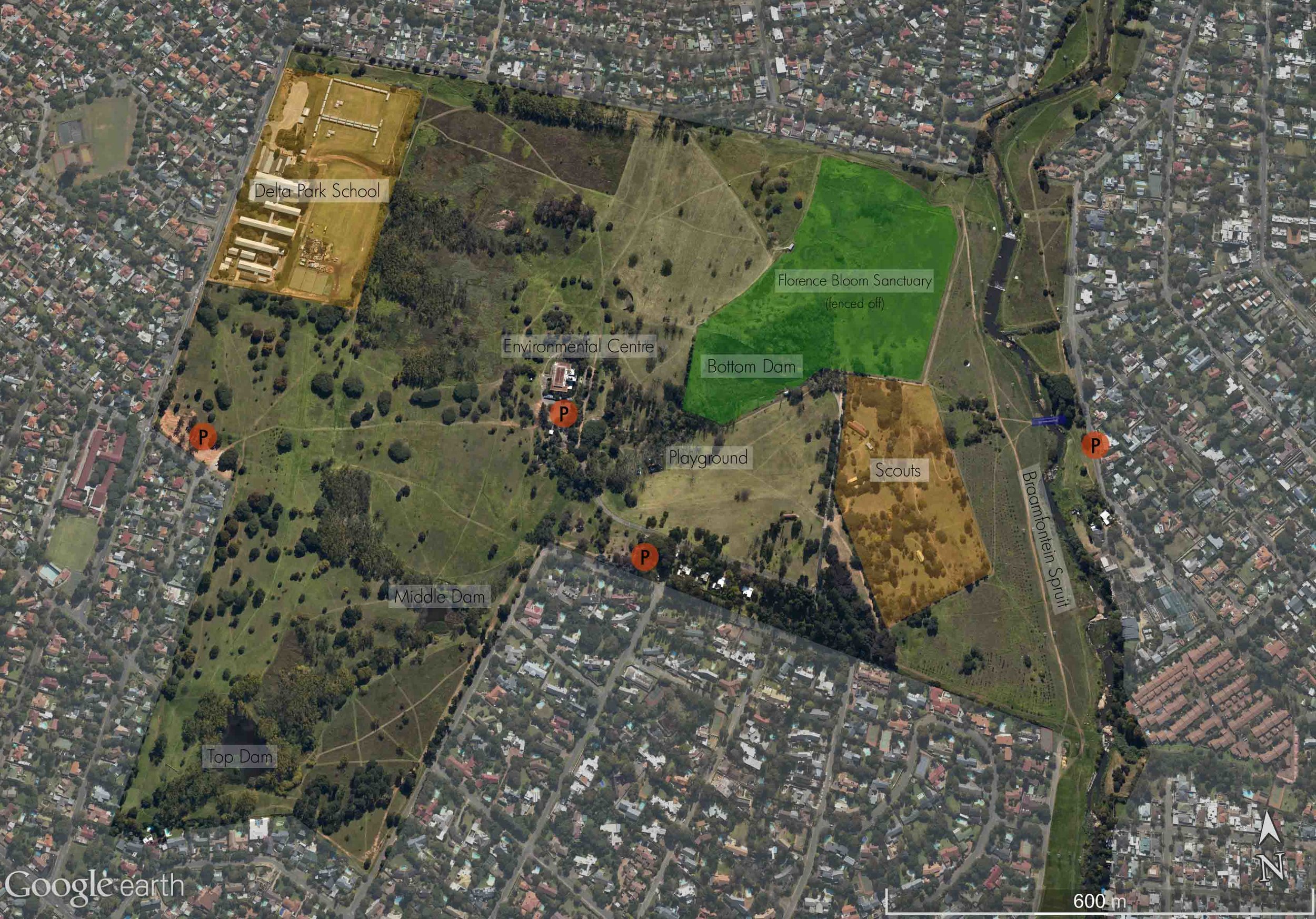
The park is situated between Craighall Park, Victory Park and Blairgowrie in Johannesburg. It is 104 hectares and consists of mostly grassland and woodland with abundant birdlife which can be viewed from two bird hides. The park includes the fenced off Florence Bloom Bird Sanctuary as well as the Delta Environmental Centre which offers environmental programmes to children and also has an auditorium and function room for hire. For a detailed history of the park and how it evolved from a sewerage works to the green space it is today see Jane Carruthers article on the Delta Environmental Centre website.

The Park is very well used, especially on weekends, and is frequented by joggers, cyclists, dog walkers, families that picnic or have birthday parties and is also often used as a location for photo shoots.

Sensitivity Map by Launch Landscape Architecture & Environmental Planning - www.launchlandarch.co.za

Sensitivity Map by Launch Landscape Architecture & Environmental Planning - www.launchlandarch.co.za

Poplar Walkway that borders the Delta Park School

Poplar Walkway that borders the Delta Park School

This field is stunning when the Cosmos are in flower

This field is stunning when the Cosmos are in flower

Graffiti in a few selected areas, like this old reservoir, give character and make a great backdrop for photo shoots

Graffiti in a few selected areas, like this old reservoir, give character and make a great backdrop for photo shoots

Children's Play Area

Children's Play Area

A walk around the perimeter of the park will take roughly an hour and is about 5km. This is also the route used by Park Run every Saturday where often up to 2000 participants enjoy some exercise. When the serious runners have left you will find many dog walkers often with their dogs off their leads. A riding stable nearby offers lessons and rides through the park so it is not uncommon to see horses being taken on a slow trot through the park. There are also Girl and Boy Scouts bordering the park.

Party on the Grass next to the Top Dam

Party on the Grass next to the Top Dam

Pathway along Top Dam where houses have opened up views onto the Park

Pathway along Top Dam where houses have opened up views onto the Park

I have two parts of the park that I particularly love: the Top Dam where the adjacent lawn and big trees make it a very tranquil and inviting space and you will often see groups of people gathering here. The other area is the walk along the Braamfontein Spruit. The Spruit connects Emmarentia Park in the South and runs all the way through the suburbs to Rivonia in the North. This green belt has enormous potential as a circulation route for pedestrians and cyclists. It is already well used by cyclists but the paths are very informal (a single dirt track mostly used by mountain bikers) and certain areas are inhabited by vagrants which creates a feeling of unease. It would be wonderful to see what this park could become if the City of Joburg had the budget to apply interventions. It could become a world class inner city park that allows for sport and recreation, creates linkages, creates work opportunities, brings nature back, promotes tourism, encourages healthier lifestyles and gives Johannesburg a positive and connecting network of green open space.

Top Dam - view across to Dam Wall

Top Dam - view across to Dam Wall

Blue Bridge into Green Belt from Craighall Park

Blue Bridge into Green Belt from Craighall Park

Walkway along Braamfontein Spruit in Green Belt underneath Pylons

Walkway along Braamfontein Spruit in Green Belt underneath Pylons

The beautiful River often with Yellowbilled Ducks, Egyptian Geese, Swallows and Lapwings to be seen. Sometimes the dogs jump in the water and chase the ducks around :)

The beautiful River often with Yellowbilled Ducks, Egyptian Geese, Swallows and Lapwings to be seen. Sometimes the dogs jump in the water and chase the ducks around :)

All images in this blog were taken using my phone so are unfortunately not the best quality. Even though it is advisable to leave your valuables at home when visiting any public place in South Africa, I often take my phone along and keep it hidden from view. 

Further Reading:

http://www.jhbcityparks.com/index.php/list-of-parks-mainmenu-39/36-delta-park

https://deltaenviro.org.za/rand-water-water-wise-garden/

http://www.parkrun.co.za/delta/

https://www.lucilledavie.co.za/single-post/2011/09/09/Birds-flock-to-Delta-Park

https://www.lucilledavie.co.za/single-post/2002/05/02/Delta-Park-proves-that-exotics-can-be-useful

Durban Botanic Gardens

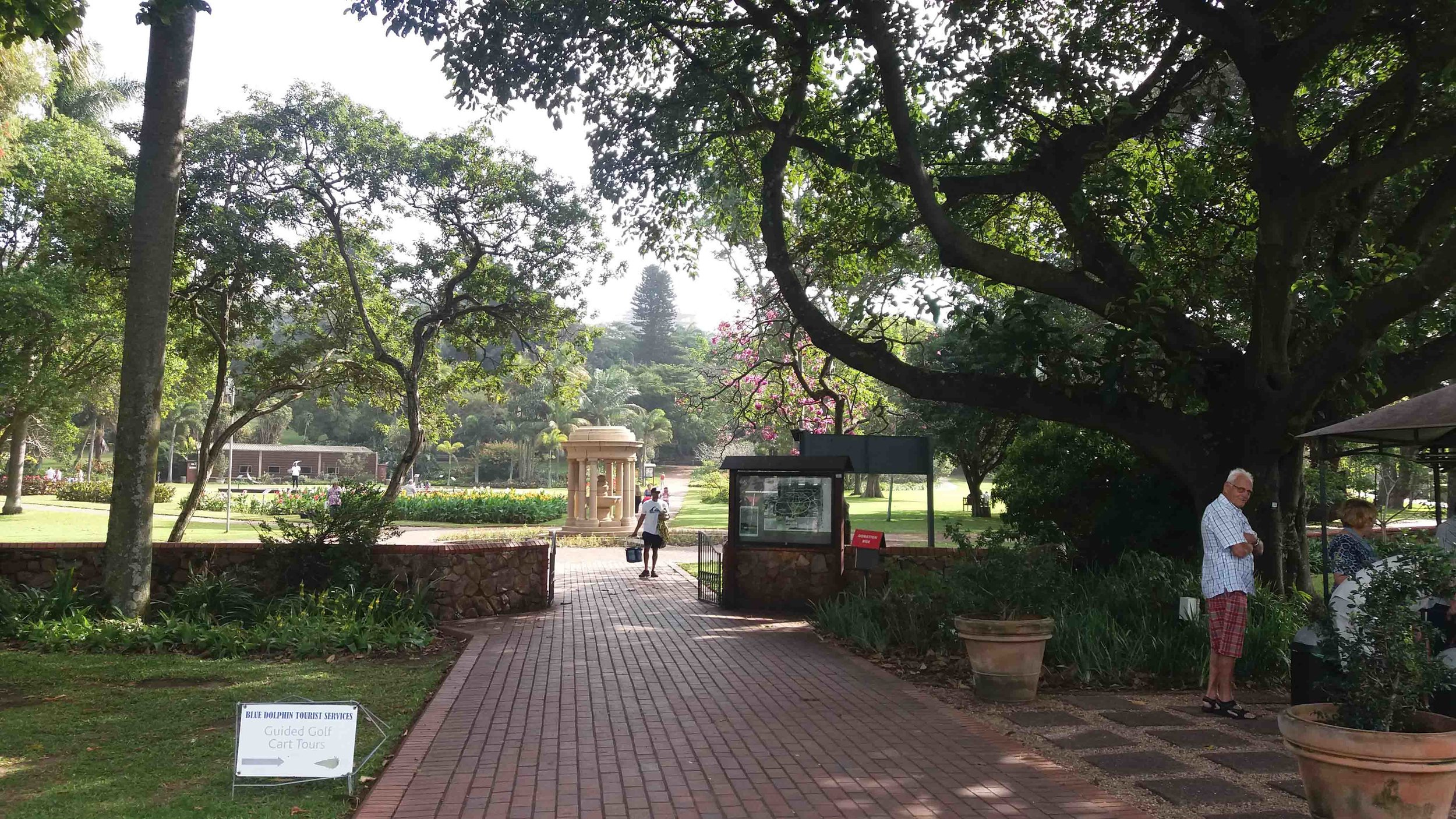
See contact information and opening times displayed

See contact information and opening times displayed

Entrance from Visitor's Complex and Information Centre

Entrance from Visitor's Complex and Information Centre

Lily Pond with Orchid House behind

Lily Pond with Orchid House behind

It was a real treat to visit these lush and beautiful gardens where magnificent trees are around every corner. The gardens have free entry and are very well utilized. We ambled along the pathways and enjoyed the relaxed atmosphere that only nature can provide. There are ample places to sit and relax and a variety of textures and interesting focal points to admire.

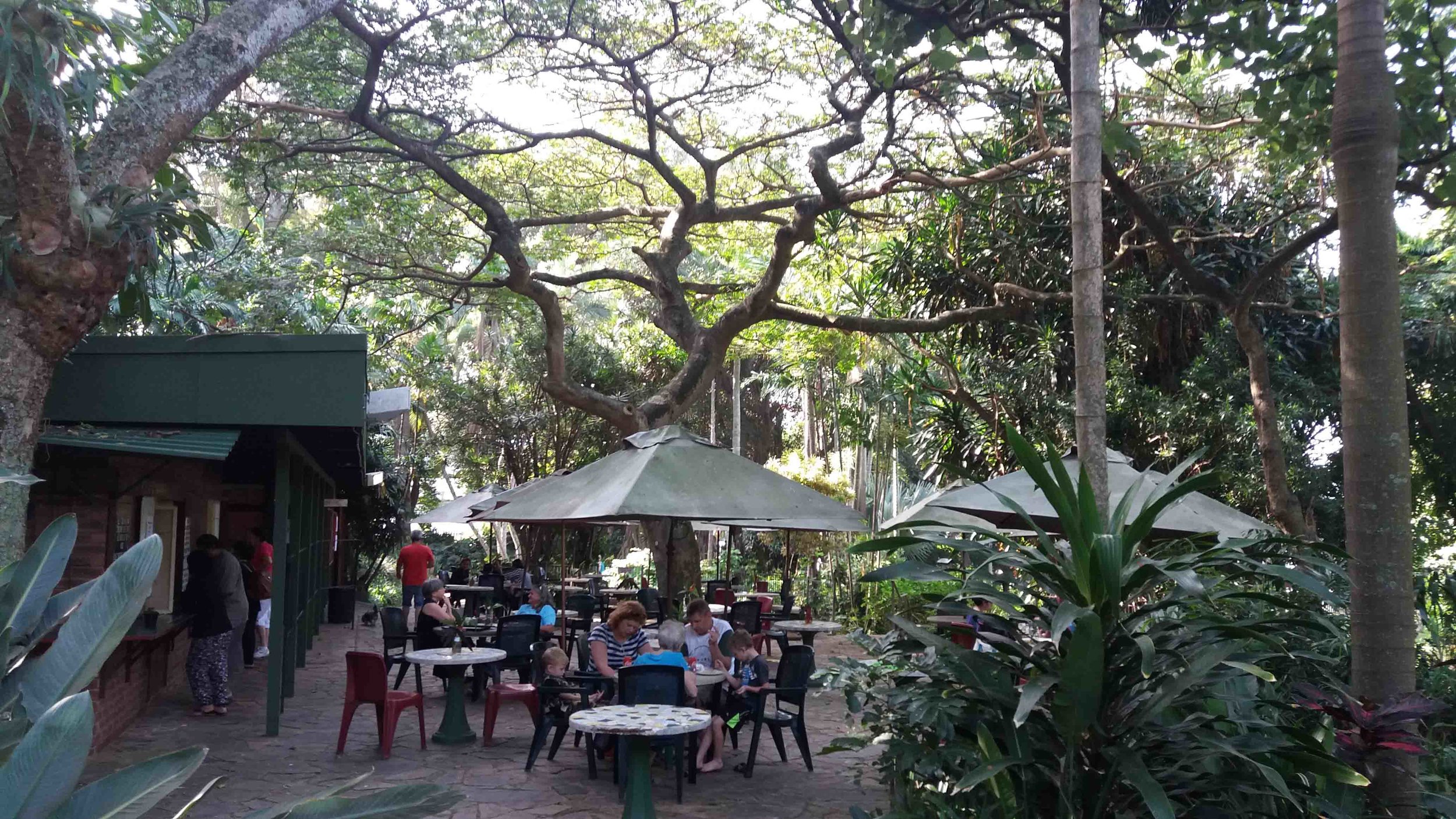
Tranquil Tea Garden 

Tranquil Tea Garden 

Beautfiul Stonework 

Beautfiul Stonework 

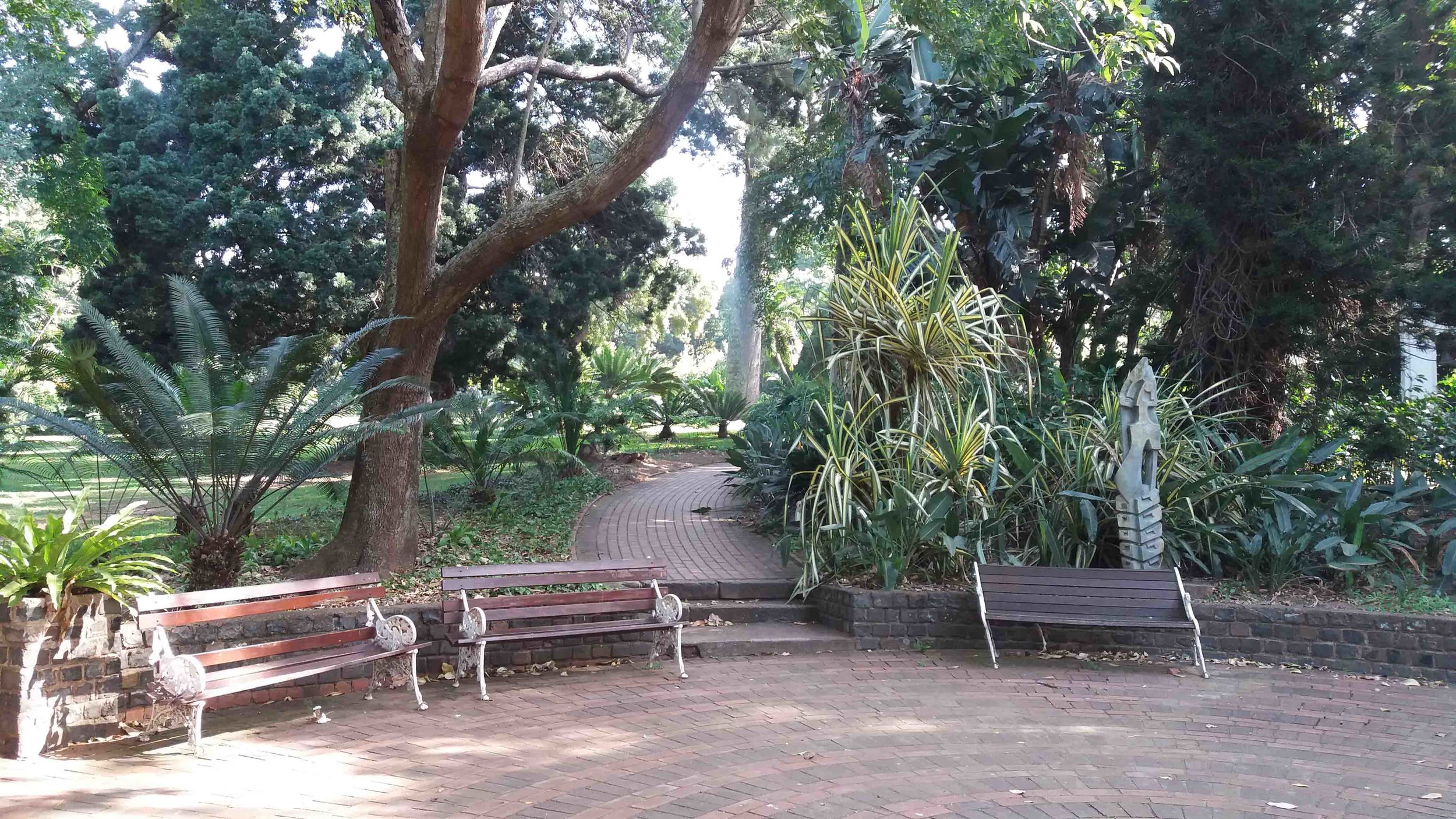
Contemplation Space

Contemplation Space

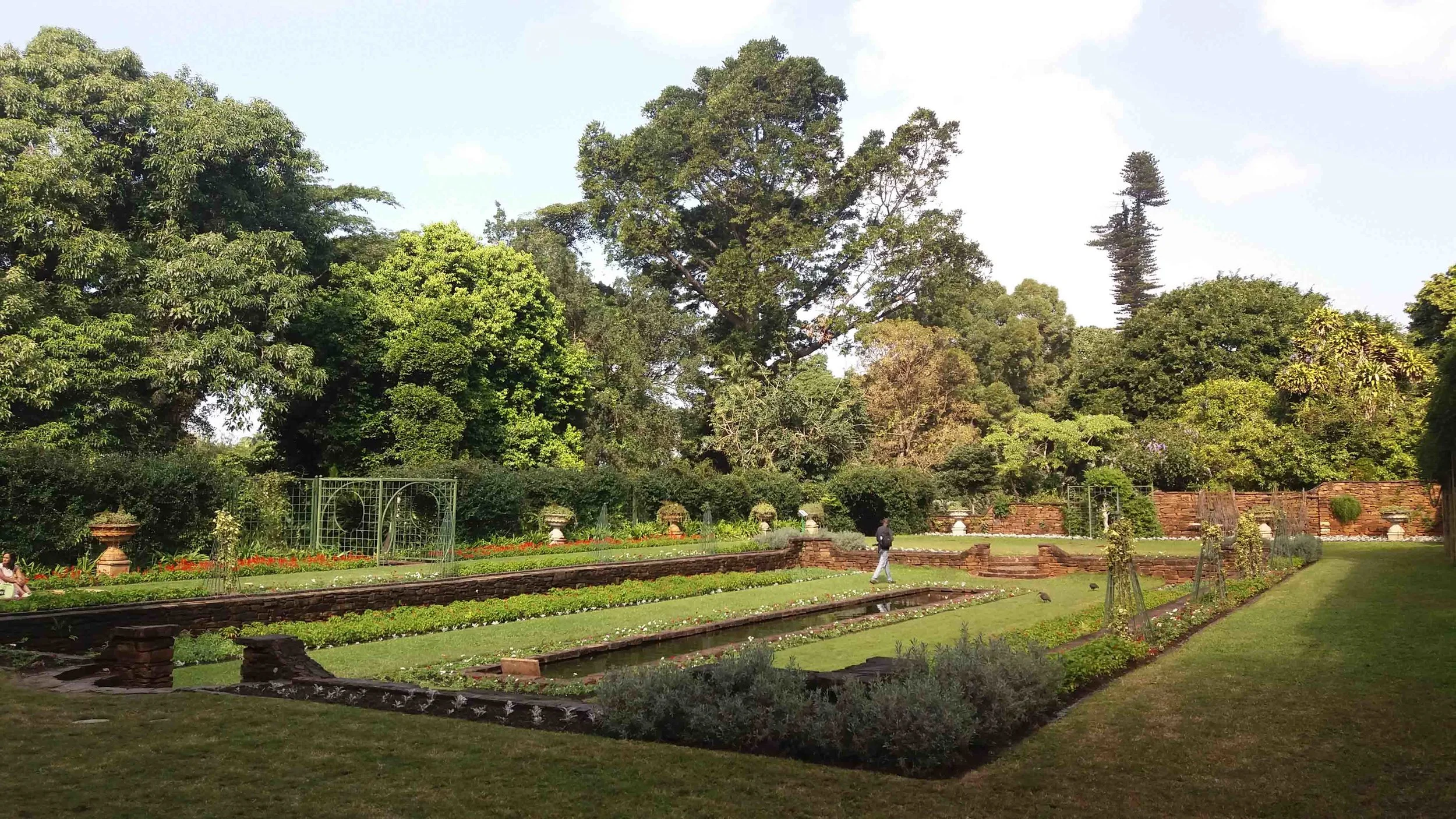
Sunken Garden

Sunken Garden

According to their website (http://www.durbanbotanicgardens.org.za) this is the oldest surviving botanic garden on the African continent and was established in 1849 for the trial of agricultural crops. Today the gardens focus on biodiversity, education, heritage, research, horticultural excellence and green innovation.

Living Beehive - Butterfly Garden

Living Beehive - Butterfly Garden

The Durban Botanic Gardens boasts the rarest collection in the world with Wood's Cycad (Encephalartos woodii) reputed to be the world's rarest plant. The Gardens cycad collection includes a variety of plants from South Africa, Central Africa, South America, Asia and Australia.

Cycad Garden

Cycad Garden

Palms - Princes of the Plant Kingdom

Palms - Princes of the Plant Kingdom

The Gardens has a collection of over 860 palms that belong to 130 species in 58 genera. These plants add to the tropical atmosphere that you experience while walking along the pathways.

Bromeliads

Bromeliads

While the bromeliad, orchid, cycad and palm collection are intriguing I was really blown away by the beauty of the trees in the gardens. There are more than eighty heritage trees many exceeding one hundred years old.

Ficus benghalensis - Banyan Trees, native to the Indian subcontinent, are often considered sacred and a symbol of long life, with temples often built beneath them.

Ficus benghalensis - Banyan Trees, native to the Indian subcontinent, are often considered sacred and a symbol of long life, with temples often built beneath them.

Ficus
Kapok Tree -  This "Rocket Ship" was planted in 1934 and is the national tree of Puerto Rico

Kapok Tree -  This "Rocket Ship" was planted in 1934 and is the national tree of Puerto Rico

Couldn't resist including this Strelitzia - it really looks like a bird peeking out of the leaves!

Couldn't resist including this Strelitzia - it really looks like a bird peeking out of the leaves!

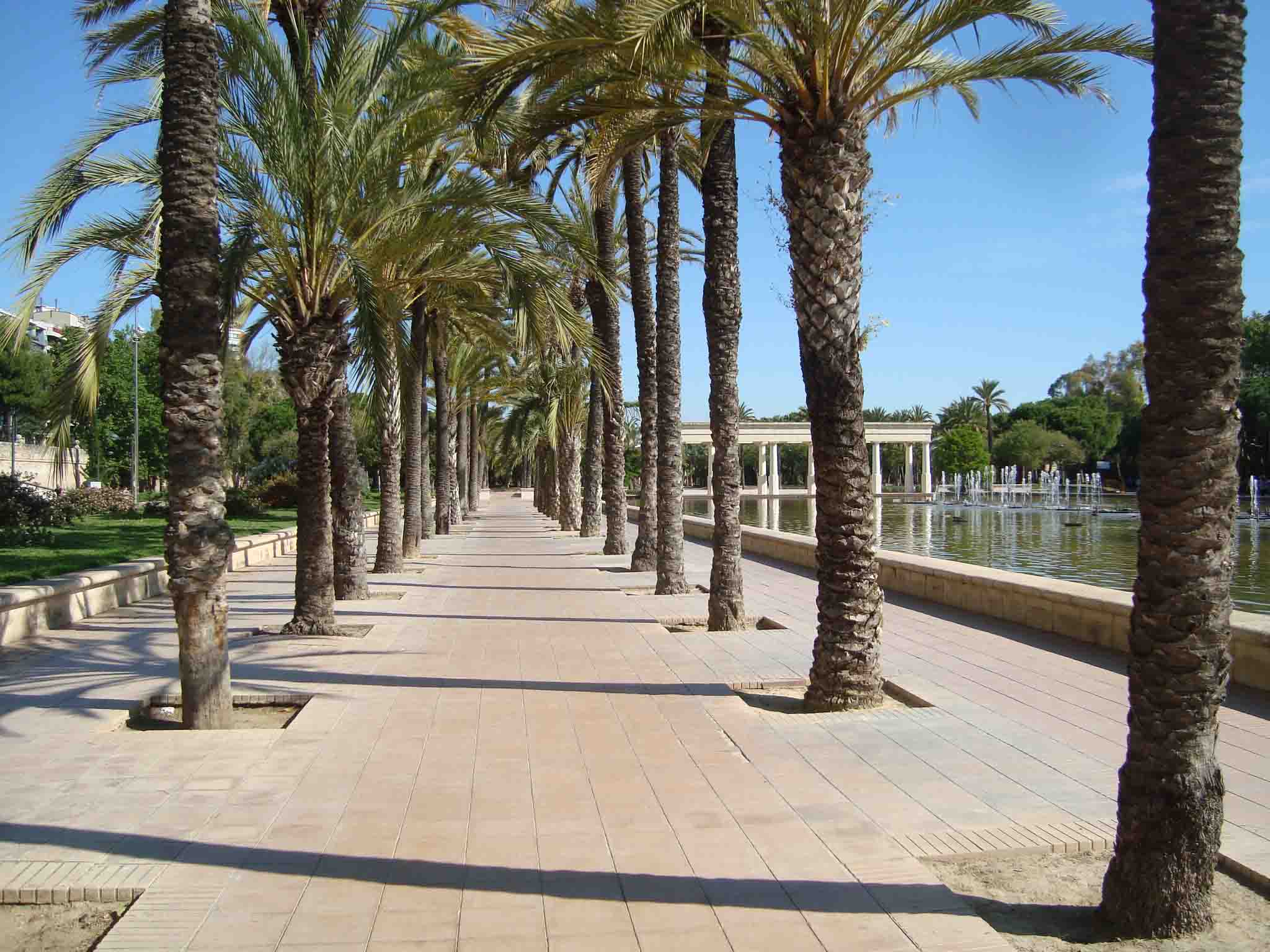
Jardínes del Turia in Valencia, Spain

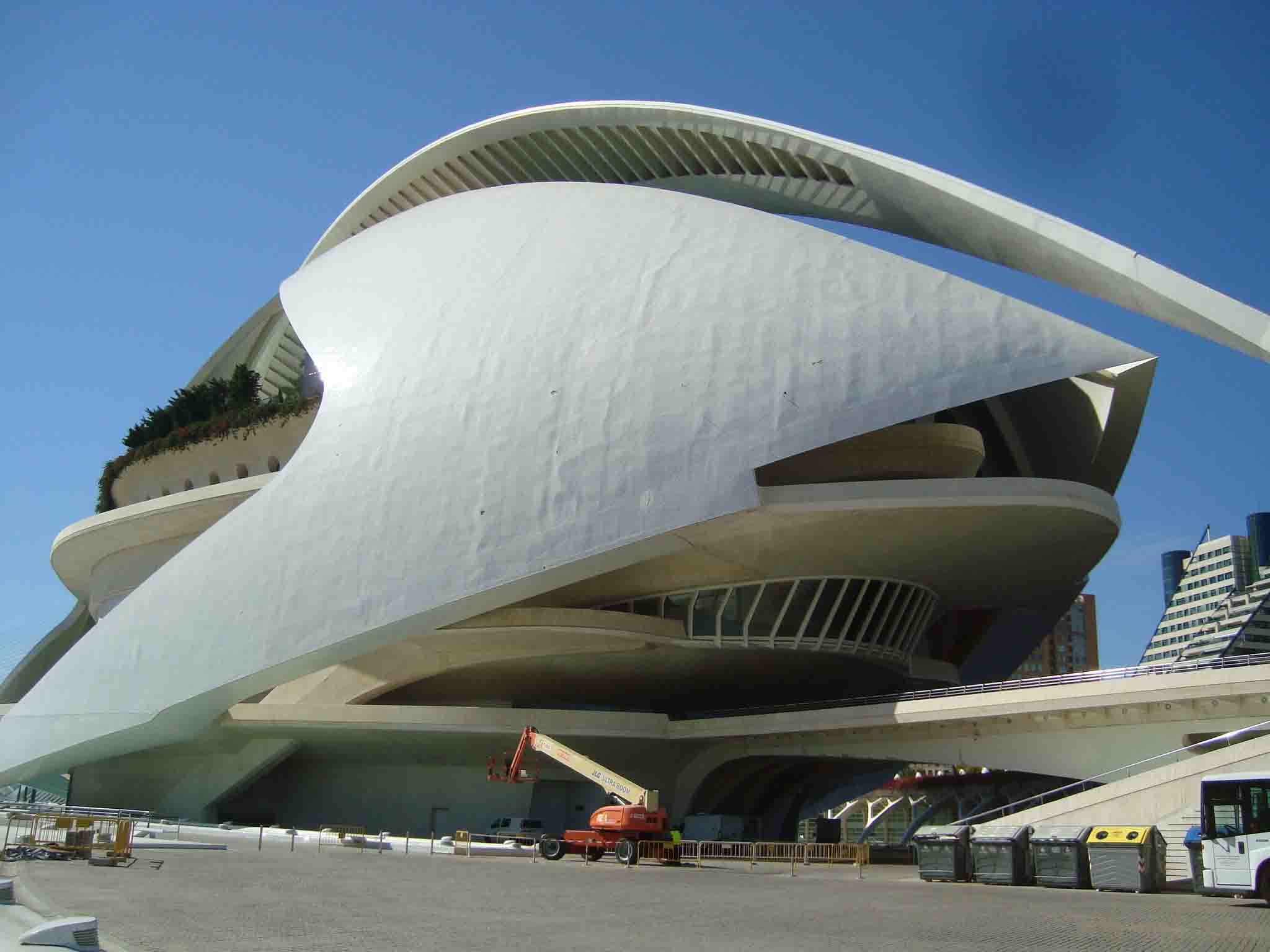
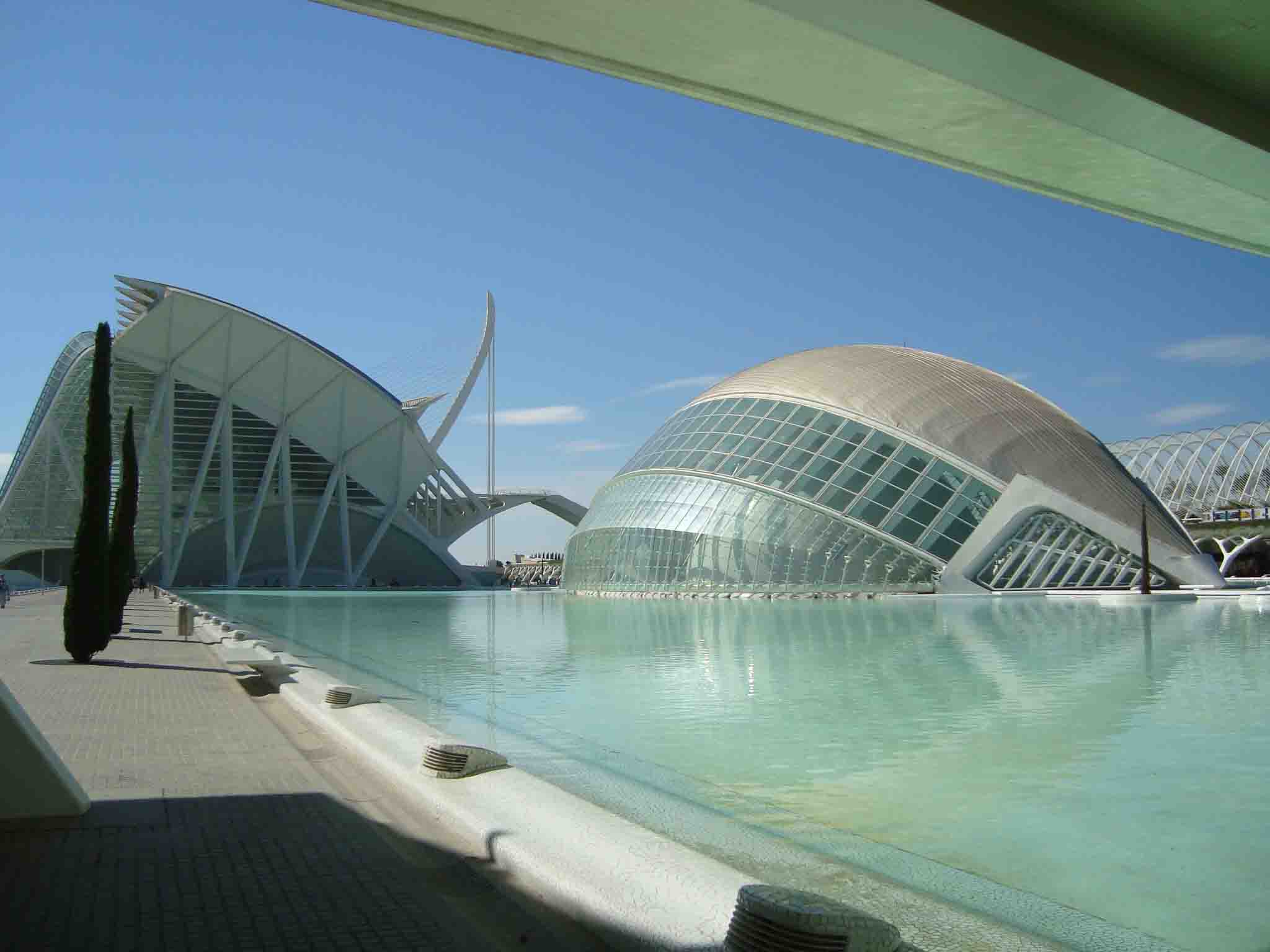
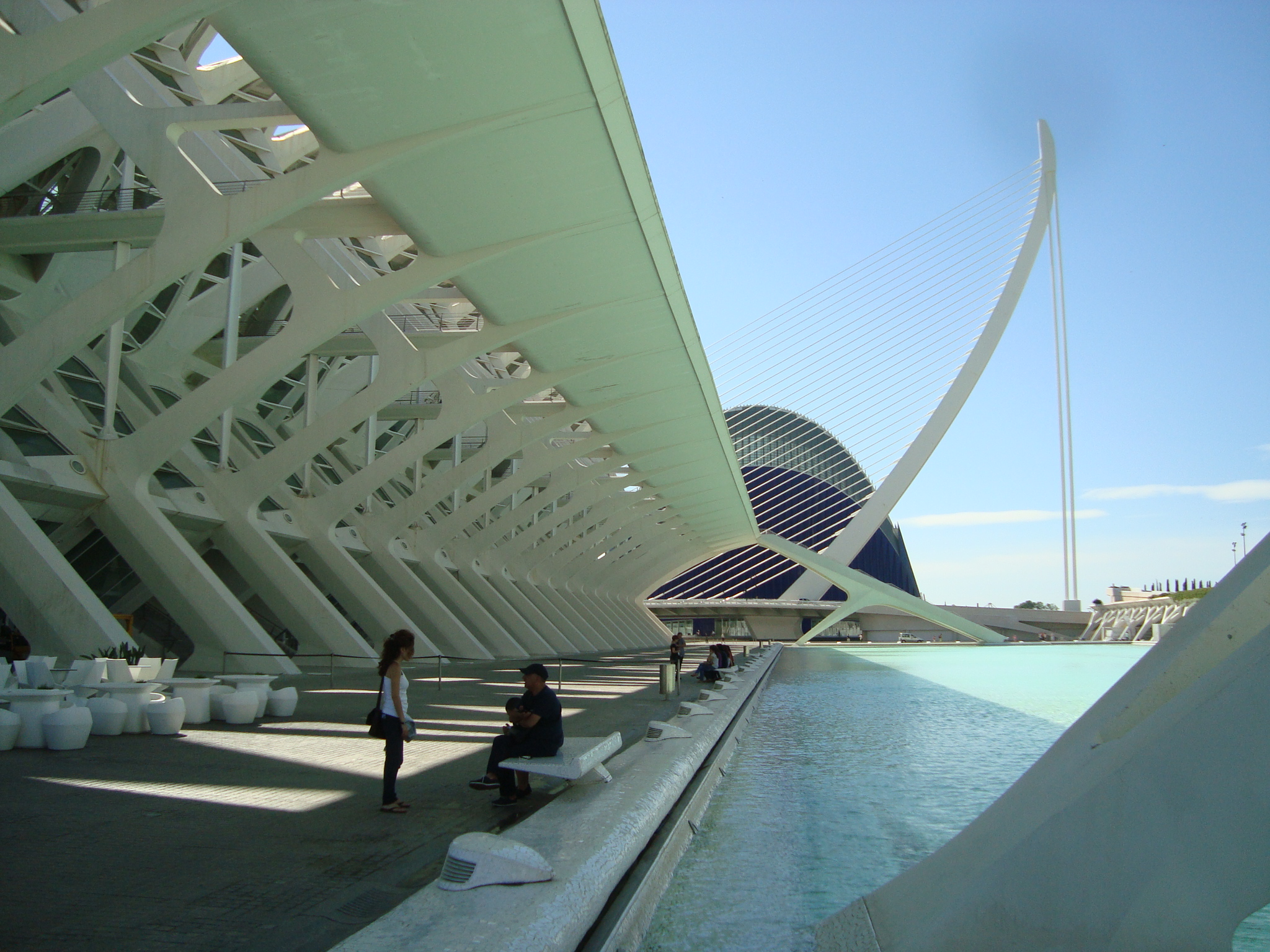
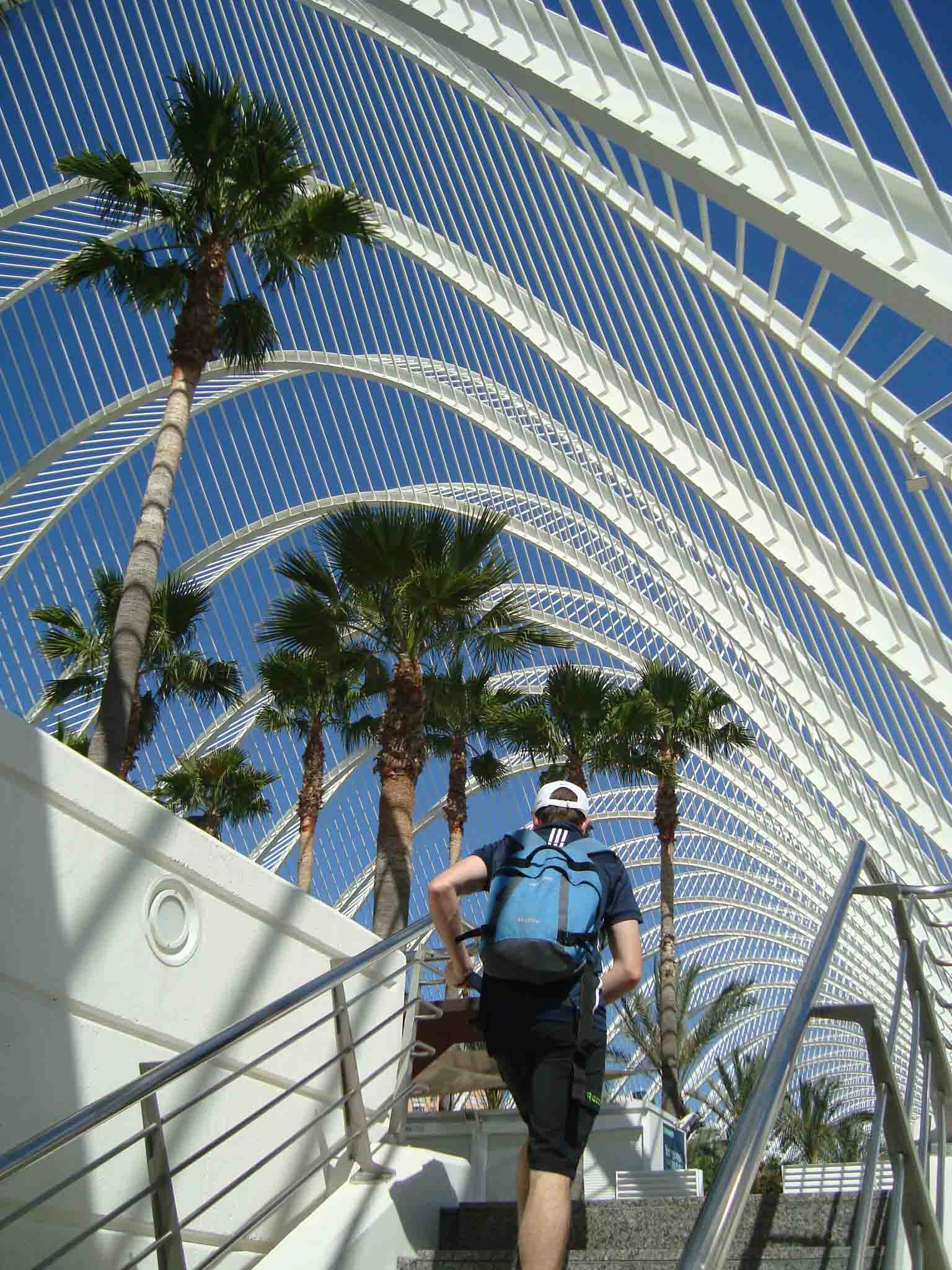
"The Turia Gardens is one of the largest urban parks in Spain. It runs through the city along nine kilometres of green space boasting foot paths, leisure and sports areas, and romantic spots where you can unwind. From Cabecera Park to the City of Arts and Sciences, the Turia Gardens are the perfect place for runners, cyclists, families and nature enthusiasts. Crossed by 18 bridges full of history, the former riverbed passes by the city's main museums and monuments on either bank. The vast gardens are built on the former riverbed of the Turia, whose course was altered to prevent constant flooding in the city.

After a devastating flood on 14 October 1957, the Turia's course was diverted south of the city, leaving a huge tract of land that crosses the city from West to East, bordering the historical centre. Several urban planners and landscapists designed different sections of the park, recreating the former river scenery. They created a unique itinerary of palm trees and orange trees, fountains and pine woods, aromatic plants and ponds, sports facilities and rose beds. The gardens were inaugurated in 1986. The Cabecera Park and Bioparc border the huge gardens to the west, and the futuristic City of Arts and Sciences border it on the opposite side, near the mouth of the river. " (http://www.visitvalencia.com/en/what-to-visit-valencia/parks-gardens/turia-gardens)

I visited the Jardin del Turia a few years ago but wanted to post these pictures because I was so impressed with this park and it is a reminder how a successful green space can contribute positively to a city. The green belt is actually an old river bed that has dried up and been converted into a park and stretches over 9 kilometers. It is frequented all year by joggers, cyclists, families and tourists. It is a great connector for various parts of the city and a wonderful precedent of how a linear park can become the seam within a city - bringing things together to provide positive public space.

According to Project for Public Spaces (PPS) successful public spaces all generally have these four qualities in common: they are accessible; people are engaged in activities there; the space is comfortable and has a good image; and finally, it is a sociable place: one where people meet each other and take people when they come to visit. PPS developed The Place Diagram as a tool to help people in judging any place, good or bad: 

https://www.pps.org/reference/grplacefeat/

https://www.pps.org/reference/grplacefeat/

This park is certainly all those things, with emphasis on the access and linkages point, and you can see how successful it is by the number of people that make use of it. You can also see that there is an organisation managing the park with importance placed on safety and comfort as well as maintenance.  It may not be realistic to look at European parks as precedents for application in an African context because the challenges we face are so vastly different (crime, vandalism, homelessness, lack of funding etc.) but there are still lessons that can be learnt from them.

Some images of the Park follow below:

europe 074.jpg
Jardin del Turia
Map of Park
Bridge
Ciudad de las Artes y las Ciencias

Ciudad de las Artes y las Ciencias

De Hoop Nature Reserve

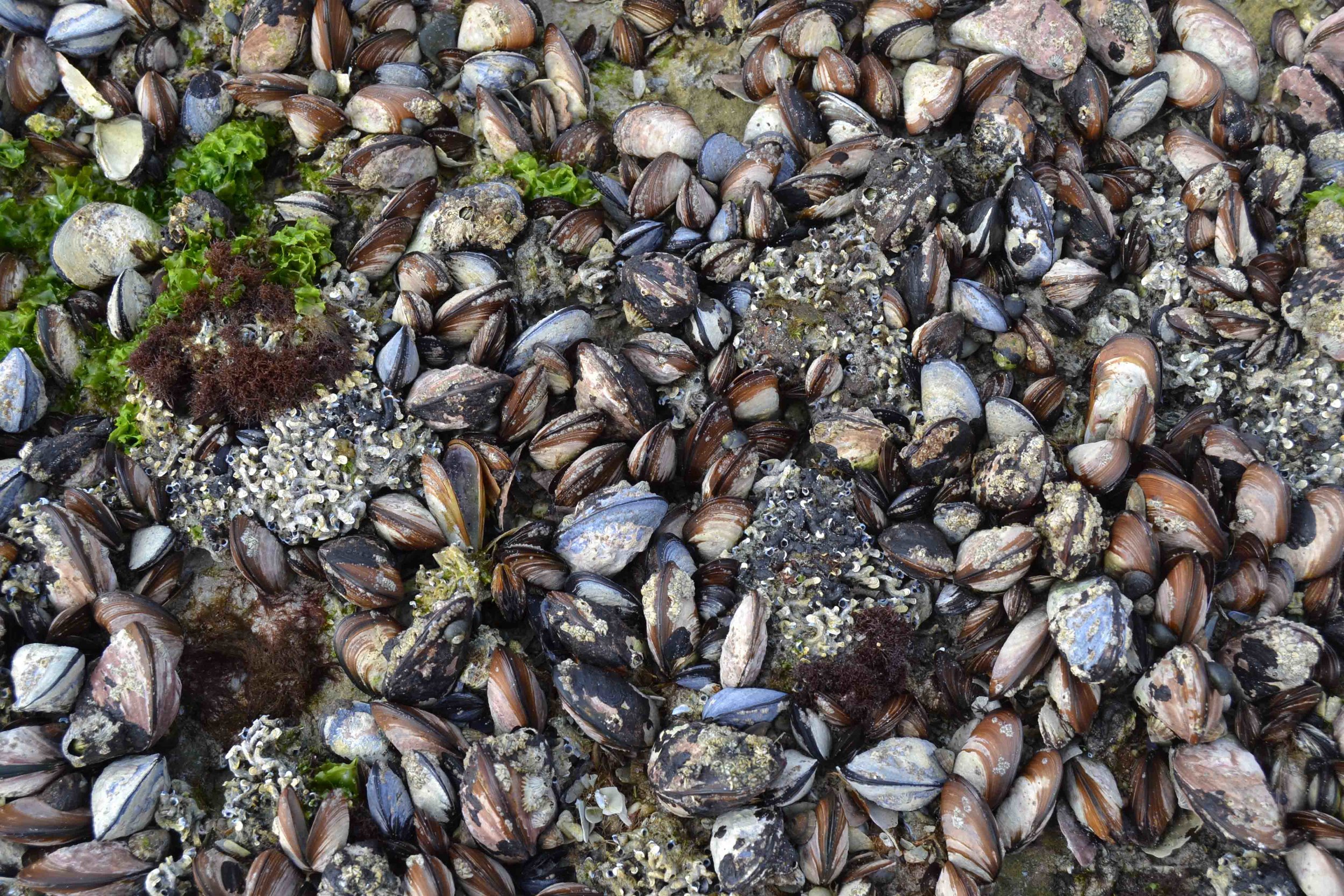
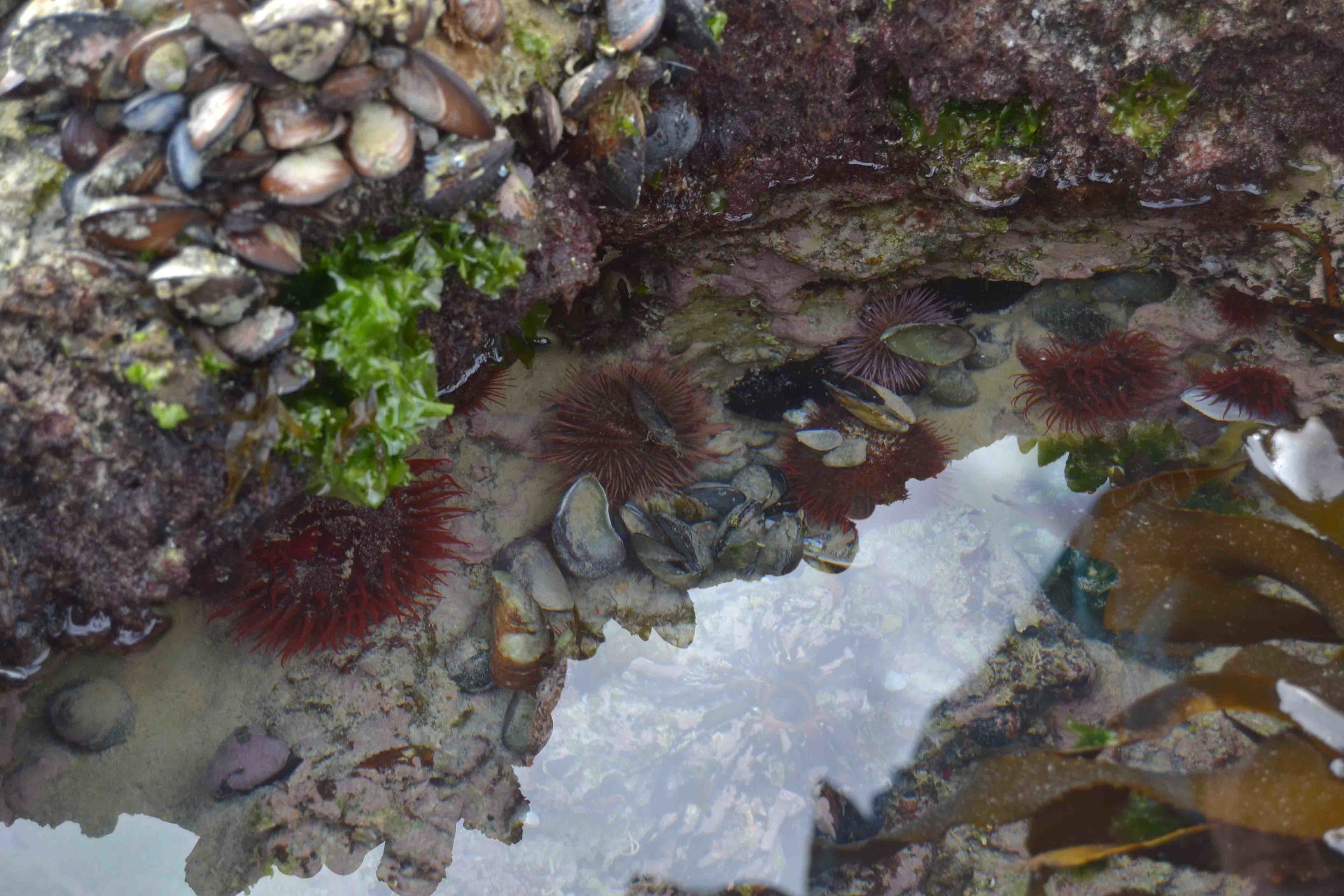
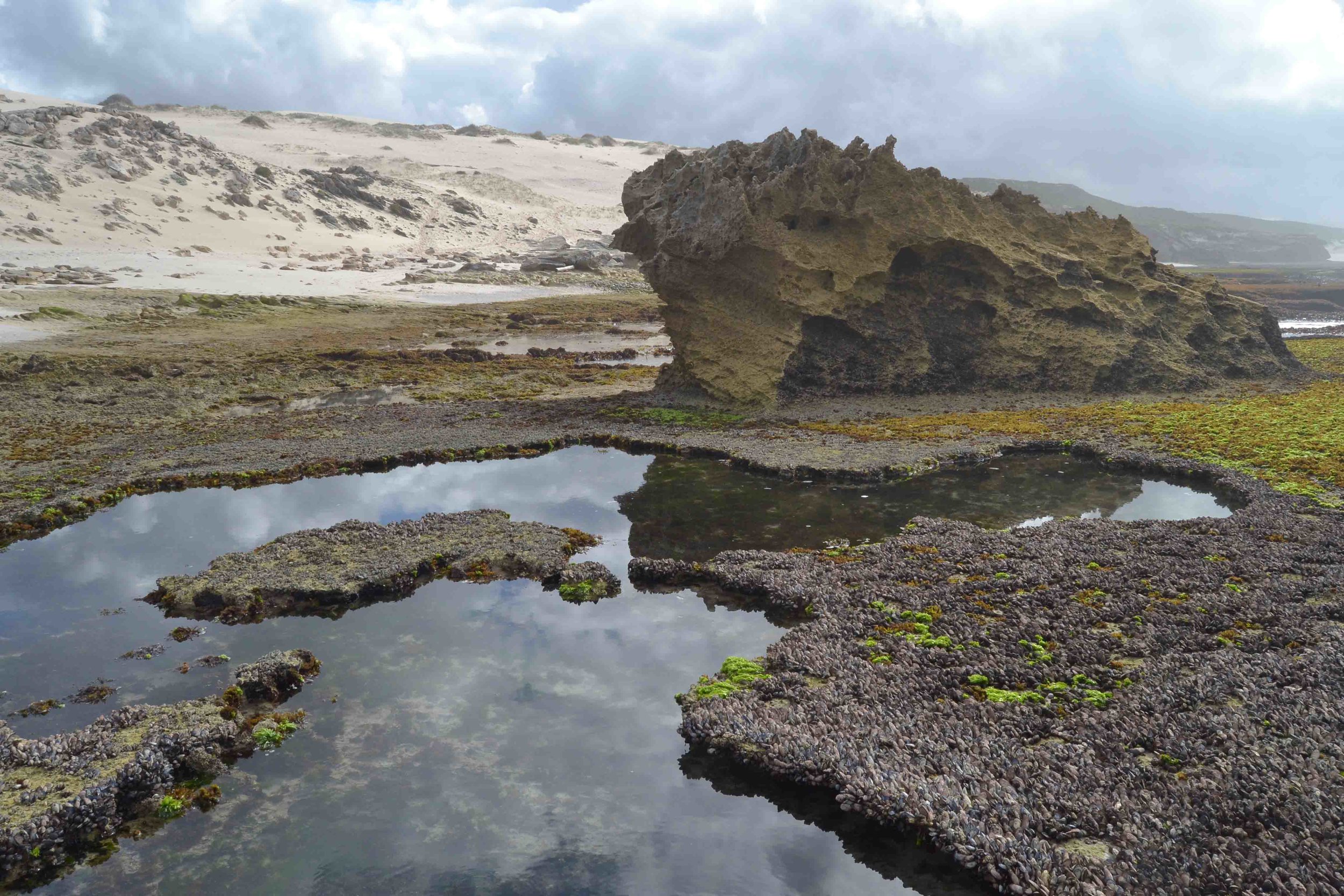
Earlier this year I visited beautiful De Hoop Nature Reserve. An information booklet can be bought at reception which details the activities, history, geography and wildlife found in the reserve. The Interpretive Marine Walk is a guided tour during low tide to discover the life of sea creatures in the intertidal zone and is highly recommended (see images below). 

De Hoop Nature Reserve is home to more than 260 bird species as well as mammals such as the bontebok, Cape Zebra, smaller predators and various bat species. The De Hoop Vlei is a Ramsar site of international importance where aquatic birds and other organisms breed and feed without disturbance. The De Hoop Marine Reserve is also one of the world's most important calving grounds for the Southern Right Whale.

There is a wide range of eco-tourist activities available from bird-watching, game-viewing and hiking to photography and mountain-biking. 

Sprout visits De Hoop Nature Reserve
Sprout visits De Hoop
 Interpretive Marine Walk - guide gives insights into the lives of star fish and sea urchins

 Interpretive Marine Walk - guide gives insights into the lives of star fish and sea urchins

Sea urchins sheltering from the sun by putting shells onto themselves

Sea urchins sheltering from the sun by putting shells onto themselves

Low Tide reveals a whole new world

Low Tide reveals a whole new world

Muscle Power!

Muscle Power!

Sprout visits De Hoop Nature Reserve
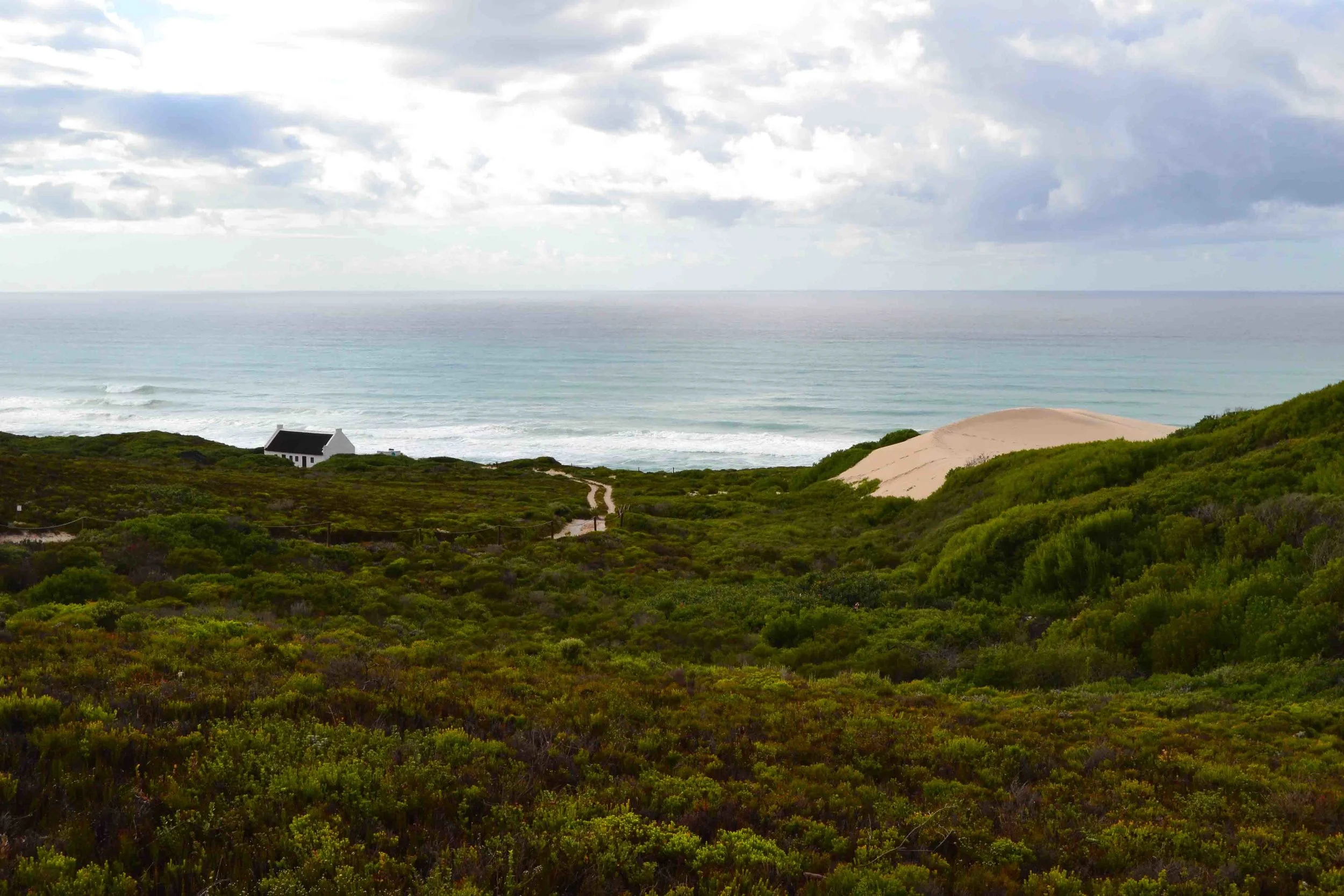
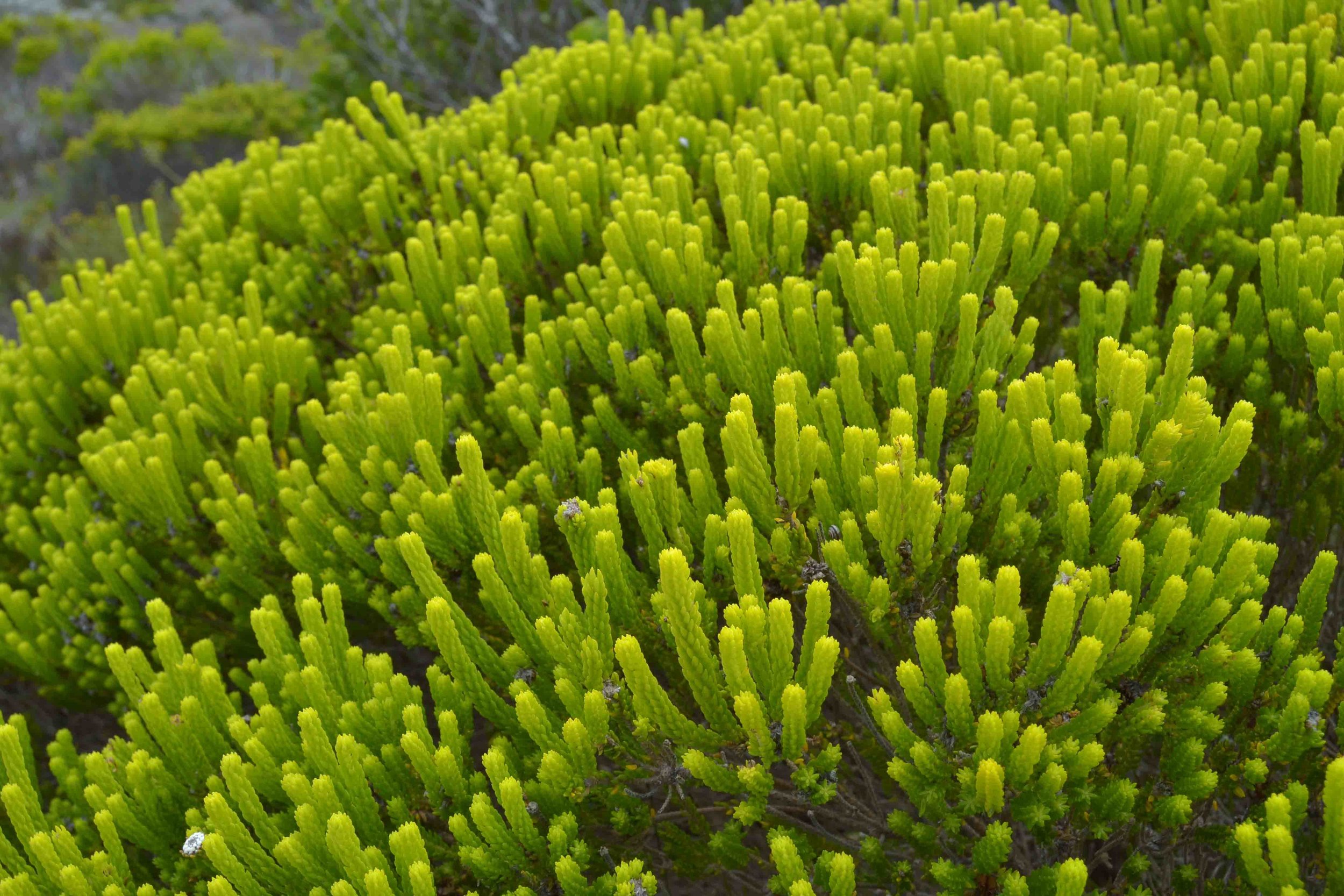
Fynbos - unique vegetation synonymous with the southern tip of Africa

Fynbos - unique vegetation synonymous with the southern tip of Africa

Sprout visits De Hoop Nature Reserve
There are several accommodation options - we stayed in Opstal Vlei Cottages which are self-catering.

There are several accommodation options - we stayed in Opstal Vlei Cottages which are self-catering.

Sunset over the Vlei

Sunset over the Vlei

Max van der Stoel Park, Prague

Lovely lake with large slabs of stone where people can sit on its edge

Lovely lake with large slabs of stone where people can sit on its edge

Lots of grass and trees

Lots of grass and trees

When we were planning to visit Prague we asked our host to recommend some outdoor spaces that we could take our daughter to and one of the ones she recommended was Max van der Stoel Park. Travelling with a toddler is not the easiest but it helps that I actually love spending time in parks and would rather be outdoors than inside a museum anyway.

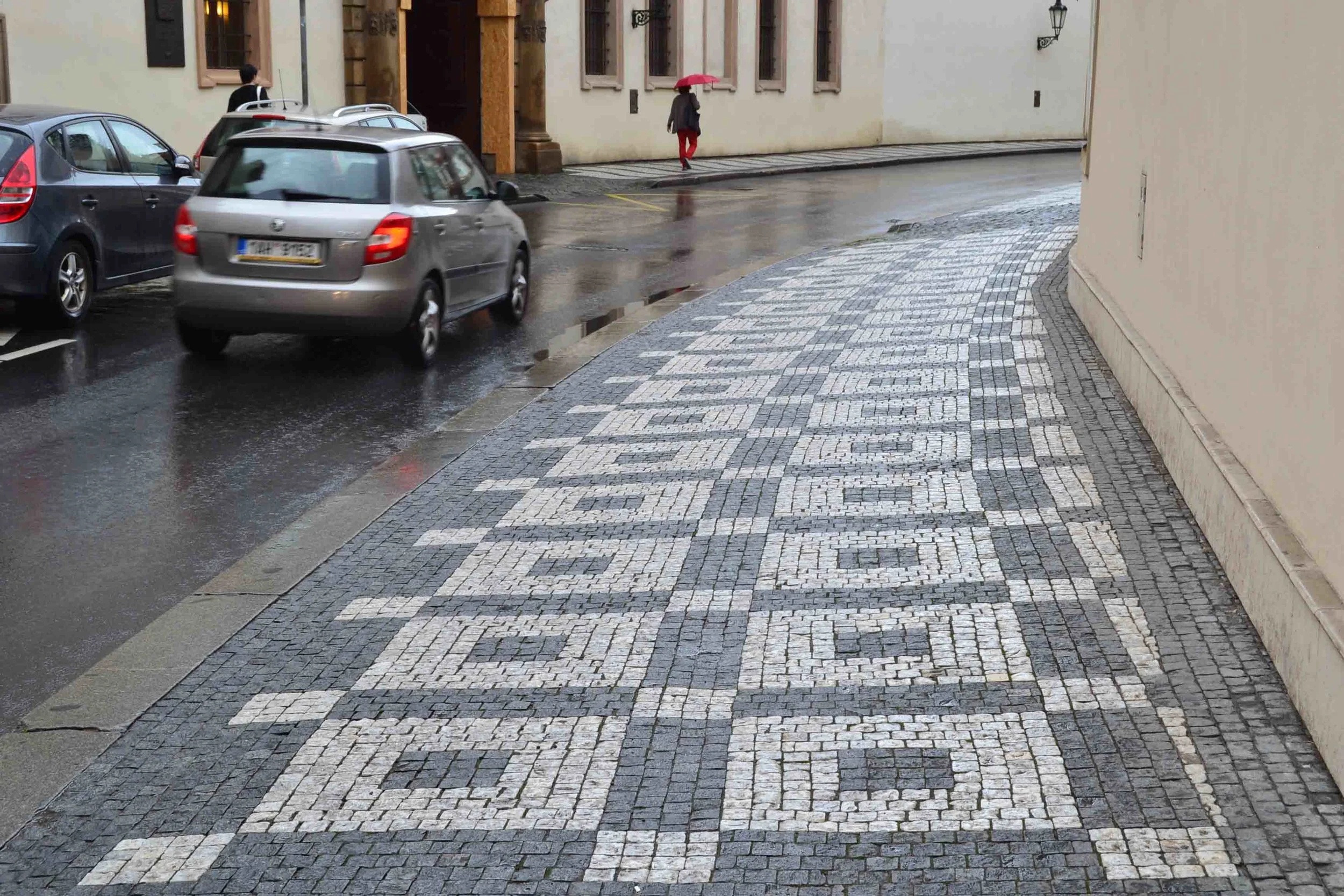
Prague is in fact a city that begs to be explored on foot with so much to see and experience in the outdoor realm. I was amazed by the beautiful sidewalks and took several pictures of the cobbles and the patterns and details they were constructed in. 

Even the manholes are beautiful!

Even the manholes are beautiful!

Variety of colours and textures in the sidewalk paving in Prague

Variety of colours and textures in the sidewalk paving in Prague

So much attention to detail

So much attention to detail

Before I get carried away with describing the delightful vistas and beautiful buildings that are found in this magical city, let me get back to this gem of a park.

The central focal point is a long, linear water feature that is interactive and a real delight for little ones. You to get up close to the water that merrily winds its way to the bottom and it allows you to manipulate the stream in various ways.

Beautiful long linear interactive water feature

Beautiful long linear interactive water feature

Start of the water feature - the source of the stream - follow it and have loads of fun!

Start of the water feature - the source of the stream - follow it and have loads of fun!

The Park has comfortable seating and play equipment for children of various ages. The seating and most of the play equipment is made from timber so the park has a natural and warm feel to it. I liked the fine pebble crush that was used beneath the play equipment – a much nicer material than the rubber matting we mostly use in South Africa. It crossed my mind that a park like this would probably not be robust enough in a South African setting.

Play equipment has fine gravel surrounding - easy on children's feet. How does it not spread with no edging I wonder.

Play equipment has fine gravel surrounding - easy on children's feet. How does it not spread with no edging I wonder.

Pathways requiring some maintenance - gravel washed away by rain

Pathways requiring some maintenance - gravel washed away by rain

Lots of trees have been planted and properly staked. Like every garden, maintenance is required and some of the gravel pathways have washed away. I am sure these will be quickly repaired. 

Very nice chairs. Likely to be stolen if used in South Africa

Very nice chairs. Likely to be stolen if used in South Africa

Love the curving paving and curving chair

Love the curving paving and curving chair

Visit http://www.praha.eu/jnp/en/life_in_prague/environment/park_for_everybody.html for more information. You can also view videos of the water feature posted on YouTube

Prague : Park Max van der Stoel : Water playground 2 Praha : Park Maxe van der Stoela : Vodní hřiště 2 Approximate coordinates (gps): 50.09098 14.38780 Water playground in the season.I have completely returned to childhood, memories of dam construction on the creek and walking along the shore and in the mud ....

It is situated on the tram line at Hládkov station and on Google Maps it is called Park Maxe van der Stoela. 50°05'27.7"N 14°23'10.5"E