I (GS) met Mike (ML) when we moved to Greenside a few years ago and was fascinated to hear that he has lived in Greenside for most of his life and seen how the suburb has evolved over time. I asked him if I could Interview him to find out some of his insights into the changes that he has seen and we had this discussion on 26 August 2021. You will see that I’ve kept the dialogue in its original format so that you can almost feel as if you were listening in on the conversation. Some of the conversation has been edited to make for easier reading.

Mike outside his Muirfield home (1944) historic photo 1
GS: Okay, so thanks Mike. Thanks for being willing to be interviewed.
ML: Yes.
GS: So I think I told you that often memory and history can sometimes be inside somebody’s memory or brain and not always written down.
ML: Yes.
GS: So this is one tool of trying to research… kind of finding out a bit more about the history and heritage of the suburb, so that’s why I wanted to ask you-
ML: That’s just Greenside?
GS: Just Greenside, ja, ja.
ML: Okay.
Family History
GS: And so okay, so you can start by introducing yourself, with your full name and then when and where you were born.
ML: Okay, my full name is Michael McMillan Little. I was born in Pretoria.
GS: Okay .
ML: And we moved to Johannesburg in 1941. And we stayed in 100 Greenway.
GS: Oh yes, really? Before you moved to Muirfield?
ML: For three years.
GS: Okay.
ML: Then they moved to Greenside in ’44. So we moved into this house, in Muirfield road in ’44.
GS: Okay. Why did they move from the Greenway house to the Muirfield house?
ML: The Greenway house was too small.
GS: Okay.
ML: If you go down… You know that security company is hiring that house?
GS: Yes. The one opposite the Woolworths?
ML: Yes that’s right. If you look at it you’ll see it’s quite a small house. The house wasn’t big enough so they decided to move to a bigger house.

Mike outside his Muirfield home - historic photo 2 - note the Plane Tree with tree guard surround in front of the house (see discussion below about tree guards)
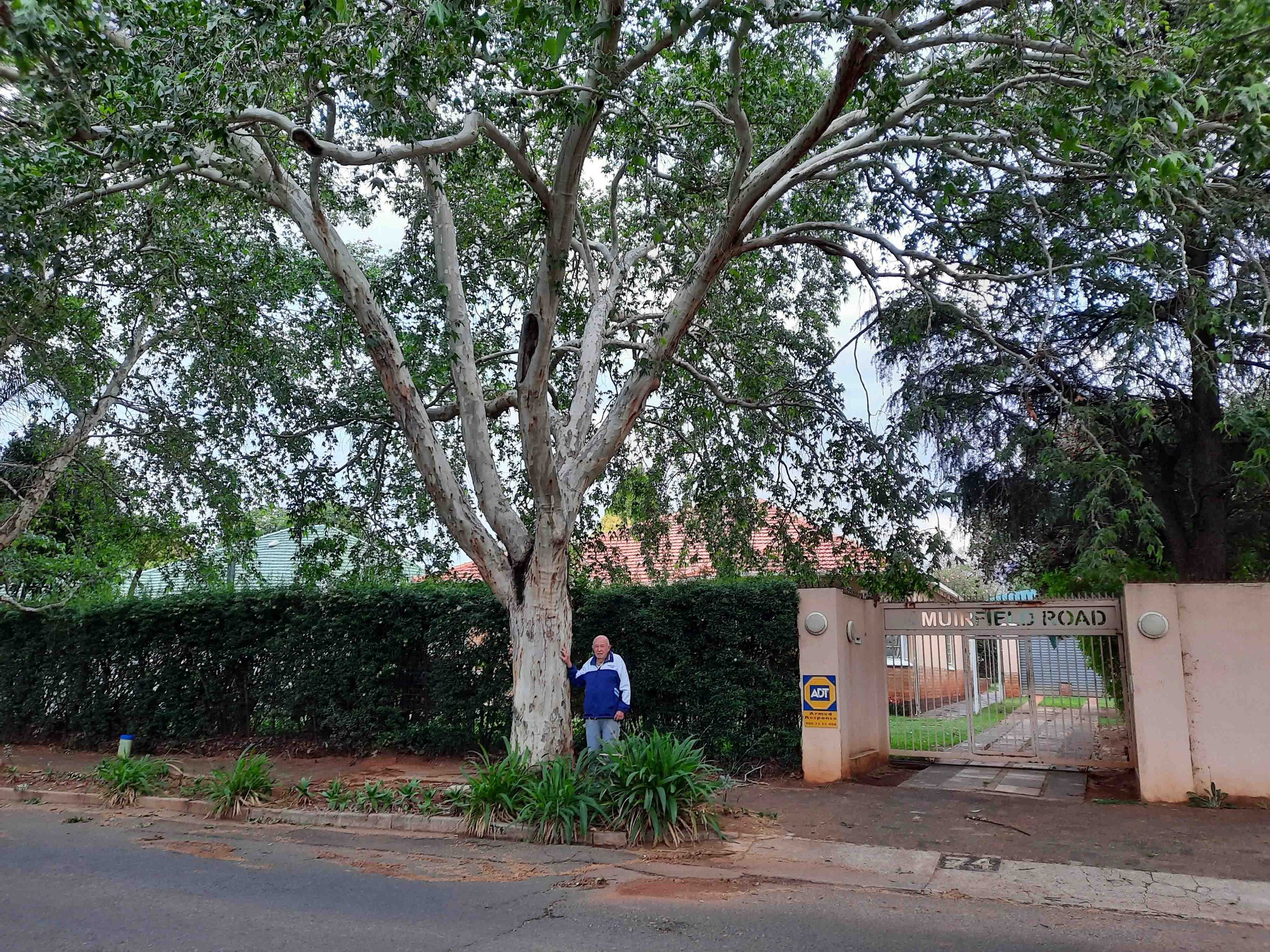
Mike outside his home in 2021
GS: Okay, sho. Okay, so you moved here in 1941?
ML: Yes.
GS: And you still live here. So you’ve lived here for… Is that-
ML: Everything except 3 years of my life. I’ve lived here 80 years in Greenside. Yes. Well I’m 83 now.
GS: Ja, you’re 83, sho. Wow, okay. Okay, so tell me about your parents and their parents. So your parents and your grandparents. Where did they come from? Were they South African or?
ML: No, our family comes from Scotland.
GS: Okay.
ML: My grandfather’s Edward Little and he came out to the country-
GS: From Scotland, sho.
ML: Ja, to the Cape Colony.
GS: Oh, wow.
ML: Basically and he was in the, you know in the military wing.
GS: Sho.
ML: They were actually horsemen.
GS: Yes.
ML: And required people… The rifle group required a horseman, so they came out here and he joined them.
GS: Okay.
ML: But they were all very good shots with rifles.
GS: Ja.
ML: And they were very good horsemen.
GS: Sho. So that was your father’s father?
ML: Yes my father’s father. Edward McMillan Little. My father’s Eric McMillan Little.
GS: Oh, yes.
ML: And he was in the mining business. A mine surveyor.
GS: Oh, okay.
ML: So he worked on a lot of mines.
GS: Okay and that’s why he came to Joburg because of the goldmines or?
ML: Ja, he came-
GS: From Pretoria or it was just-
ML: No they moved here because there were more minerals in… He’s in the mineral exploration.
GS: Oh, okay.
ML: Because all the big mining houses were in Johannesburg-
GS: Yes.
ML: -so they decided to move the office from Pretoria to Johannesburg, so he moved and he got an office in the new law courts. Well they were new in those days.
GS: Oh, yes. Where’s that? What suburb’s that?
ML: No the new law courts is in town.
GS: Oh.
ML: It’s that building. Its sort of got a sort of circular dome and it’s-
GS: Oh, okay.
ML: It’s very well known.
GS: Okay. So that was where his office was?
ML: Yes. And then he used to go out and do mineral exploration.
GS: Yes.
ML: So the job was really to develop mineral resources and to examine them to see if you could get the minerals out that you wanted to and to see if it was a prospect or not. They had to look at all that. And if it was a prospect they developed it to a certain extent and then they would give it to a private company and they would develop it. So Foskor was one of the big ones down in Phalaborwa.
GS: Okay.
ML: They examined all the phosphates there and then they sold it to Foskor.
GS: Okay, sho.
ML: Foskor built it up.
GS: And your mom, what did she get up to?
ML: My mother was born in Natal, so they met on a coalmine in Dundee.
GS: Okay.
ML: Or in that area, ja. Then they got married and then my father got this job with the mineral development, so they moved to Pretoria. But she went to Epworth in Pietermaritzburg. It’s a Methodist school Epworth.
GS: Oh I didn’t know it, ja.
ML: And, ja she also went to university, did an arts degree.
GS: Oh really, wow.
ML: And she was a teacher, yes.
GS: So did she teach while you were living here?
ML: Ja, she taught the piano that’s all.
GS: Oh okay.
ML: No, but she didn’t teach. Except she taught me. A teacher’s always a teacher.
GS: Ja. Oh so she didn’t work in the arts even though that’s what she studied?
ML: No, you know the arts… She did like English-
GS: Yes.
ML: -and history. You know subjects like that.
GS: Ja.
ML: So basically they teach you so that it’s part of arts, but it’s really to prepare you for a teaching career.
GS: Ja, ja.
ML: So you can go and teach English or history-
GS: Oh, okay, sho.
ML: Not mathematics or anything, but you know. Anything to do with the arts degrees.
GS: Okay. Have you got one brother and two sisters?
ML: I’ve got one brother that’s in New Zealand.
GS: Yes.
ML: And he also grew up in Muirfield road.
GS: Oh really, ja.
schooling
ML: Ja, when we moved from Pretoria to here there was no Greenside Primary School, so he went to the Parkview Preparatory School.
GS: Oh, okay, so that was already going?
ML: Ja, but then I went to the Greenside Primary School.
GS: So was the Greenside Primary School, did that only start later in the 1940’s.
ML: Ja, it started I think halfway through… You know my brother when he turned about 4 they built it.
GS: Oh, okay.
ML: So you know he was too young really-
GS: Yes.
ML: -to go to it, so he went to the preparatory school-
GS: In Parkview.
ML: And after that he went to Parktown High.
GS: Okay.
ML: Because he went to Parktown High, I was able to go to Parktown High.
GS: Oh, okay.
ML: Because if you’ve got a brother that goes to the school-
GS: You’re more likely to get in.
ML: Ja, so you know they just started Roosevelt Park School.
GS: Yes.
ML: But I didn’t go to Roosevelt Park. I went to the Parktown.
GS: Yes
ML: So this went on and one of the things that puzzled me about Greenside is when I went to Greenside Primary School they called it GES. It was called Greenside Extension School.
GS: Oh really?
ML: But now I think they dropped the extension away, because it’s just called Greenside Primary School now.
GS: Ja.
ML: But when I went to it, it was called GES, Greenside Extension School.
GS: Oh really? There is still some suburb called Greenside Extension. I’m not sure which one it is exactly.
ML: I can remember I think there were five or six extensions.
GS: Oh, six Greenside extensions?
ML: I think they built… Most probably Greenside proper went up to Mowbray Road. And then Greenside Extension I guess went from Mowbray Road up to Barry Hertzog.
GS: Oh I see, ja.
ML: Then this became a Greenside Extension.
GS: And then there’s Greenside East as well-
ML: Ja, that’s-
GS: -which is different.
ML: -not a Greenside Extension, no. It’s Greenside East.
GS: Oh it’s just a different name.
ML: Ja.
GS: Okay, and then, what did you do after school, Mike? Did you-
ML: No, I went to the University.
GS: Which one?
ML: Wits.
GS: Wits, okay.
ML: And I did electrical engineering.
GS: Okay.
ML: So then I graduated as an electrical engineer.
GS: Ja, and then was that the career that you did for-
ML: Yes.
GS: -for most of your working life?
ML: Yes.
GS: And who did you work for?
ML: No, I worked for various companies.
GS: Okay.
ML: Fuchs Electronics was the first one and then they were bought out by Barlows, so I moved to Barlows.
GS: Okay.
ML: Then Barlows subdivided into a technical group and a food group. So the technical group they called Roytec.
GS: Okay.
ML: And the food group was all Tiger Oats and-
GS: Oh, yes.
ML: -and that sort of Hullett's Sugar and things like that, so I moved then to Roytec. So I worked for them in Roytec.
area around Greenside High School
GS: So then are there any insights with regards to Greenside Primary and Greenside High School. Were they-
ML: No, Greenside High School wasn’t here.
GS: Did that only come much later?
ML: Yes, it only came much later.
GS: And you said once that that used to be a nursery, the site that it’s on or how did that-
ML: Yes. I drew a map. But all this was a open piece of ground where Greenside High is now.

GS: Oh ja, really? The whole of Petra Avenue?
ML: Ja and it was part of the Rand Nursery. I don’t know if you’ve ever heard of the Rand Nursery?
GS: No.
ML: I believe now it’s called the Rand Nursery and it’s moved out near Parkhurst somewhere.
GS: Okay.
ML: But anyway the story was when we came here, the Rand Nurseries had run out of water. Apparently they did all their irrigation from a spring and when they started building tarred roads in this area the spring dried up so then they had to use municipal water. And I think at the end of the day the municipal water became too expensive. So what they did is they moved the nursery down to below the Haven road.
GS: Yes.
ML: And they ran the nursery from there. And then they found it still too expensive to run on municipal water so they closed the whole nursery down. But when we came here, I drew a map here. There was, that’s Greenfield road-
GS: Ja, and here’s Muirfield.
ML: This is Muirfield down here and this is all the houses. Okay. So behind us there was a dam.
GS: Oh really.
ML: But it was empty.
GS: Ja.
ML: But what they did is they had a reservoir here. There was like a spring here and then a municipal reservoir. And then they used to run water down a duct here. It runs…
GS: Can I keep this?
ML: Ja.
ML: They had a duct here that ran down and fed the remains of the Rand Nurseries.
GS: Ja.
ML: And then they used to irrigate all the plants from there.
GS: So was there a spring, a natural spring and then they would pump water from that spring to go and irrigate the plants.
ML: Well you see the spring didn’t produce enough water. The spring didn’t produce enough water so they had to supplement it with municipal water.
GS: Okay.
ML: But this dam was empty and these fields were all empty. We had plenty of sort of Dahlia bulbs that were left behind.
GS: Oh, really?
ML: Suddenly coming up.
GS: Was that because they moved the nursery, so they didn’t use this anymore?
ML: No, they didn’t use it.
GS: Oh.
ML: The nursery was-
GS: Further down.
ML: Further down, ja.
GS: And these?
ML: Those were glass houses.
GS: Oh okay.
ML: There were two glass houses and I don’t know there was some other building there.
GS: So this is now a road that goes like this and this is Petra, hey?
ML: Petra Road-
GS: Is now run… And Greenside High is here? Or did Greenside High get built on this field?
ML: No, this fence here is the fence where Greenside High starts.
GS: Oh yes, okay I see, sho.
ML: So I don’t know… What’s that road that comes up from the bottom there from Gleneagles Road, up past the school? I can’t remember the name of it.
GS: Geers.
ML: Ja, that’s right. Okay, so Geers… This became Geers Avenue up to here, then they built another row of houses here.
GS: Mm.
ML: So Petra Road…
GS: Ja, runs like this, ja.
ML: If you take this here, Petra Road came up like that.
GS: So they must’ve filled that dam in to build the houses on top there.
ML: Ja, they just bulldozed it away.
GS: Oh. Was it a concrete?
ML: No, no it was a-
GS: Just a earthen.
ML: A mud, ja.
GS: Ja.
ML: But the funny thing is this is Coetzer street here and 1 Coetzer street sits on this old spring here.
GS: Oh really?
ML: I don’t think the people know that they were on an old spring.
GS: Okay, ja. Okay and then, so you mentioned you used to play here. So are there other childhood memories that you had of like the suburb and maybe kind of-
The haven
ML: Well this Haven I remember because there were a lot of children living in the Haven.
GS: Is this Haven here?
ML: No, it disappeared afterwards.
GS: Oh you said Haven was a-
ML: But the Haven Road name still stays there.
GS: Oh okay.
ML: If you go along the Haven Road, there’s a block of houses that actually formed the Haven.
GS: What was the Haven?
ML: It was for homeless children.
GS: Oh, okay. A government-
ML: Yes, it was run by the government.
GS: Run by the government.
ML: But they closed it down afterwards. But I used to play with the children. Actually we used to throw stones at the Haven children. Then one day I was walking to the shops and a lady stopped next to me and said, “Ja, you one of the boys that throws stones at my children.”
GS: So she recognized you.
ML: So she said, “Why don’t you come and visit the place.” And she put me in her car and she took me there and afterwards I sort of mixed with the Haven children.
GS: And started going to play there and visit them?
ML: Yes.
GS: Oh wow.
ML: And afterwards I used to take them to school, because a lot of them used to pick the flowers on the way up and the people were complaining, so I used to take them-
GS: Drive them.
ML: -take them to school. No I used to walk them-
GS: Oh walk them.
ML: -from the Haven up to the school.
GS: Oh wow. So where was the Haven? Where was the orphanage?
ML: It’s a corner of Geers Avenue-
GS: And Haven.
ML: -and Haven Road, but it took up about three houses.
GS: Oh I see.
ML: So I don’t know they built about six houses or-
GS: Ja.
ML: On that Haven.
GS: Where that was.
ML: Maybe three houses on that Haven.
GS: Oh okay I see.
ML: But they only bought those later. They started building houses here in 1956.
GS: Oh okay.
History of Greenside
ML: And then these houses were all built round about ‘56
GS: But you said that this street, Muirfield these houses were already here?
ML: Yes these ones.
GS: When you moved in. Ja.
ML: But the ones behind that are on Petra road.
GS: They came in the ‘50s. Okay.
ML: Ja, because when I went to high school they started building the houses. Well apparently I knew somebody called Craig Bruce. His daughter’s married to Bruce Fordyce.
GS: Oh really?
ML: But he grew up in a double story house in Troon Road.
GS: Troon. Yes.
ML: And he knew a lot more about Greenside than I knew.
GS: Oh really.
ML: He got it from his father.
GS: Ja.
ML: So his father told him that Greenside actually developed along Greenway.
GS: Greenway Road.
ML: He said the big prestige was to have a double story house on Greenway. So if you go along Greenway have a look how many double story houses there are along Greenway.
GS: Oh really. And who were the people that moved there? Was it just kind of professionals that were looking to-
ML: Ja, I think so.
GS: -to live in suburbs and they kind of built nice houses?
ML: Yes.
GS: Okay.
ML: So he told me that after the Great Depression, about 1930 he said Greenside developed a lot and it developed a lot from about 1930 to 1940.
GS: Okay. Ja, sho, because there’s some beautiful houses.
ML: But you know If you want to know more about that there was somebody I knew at the University called John Carstens and Wendy Carstens.
ML: Okay, they run the Melville Koppies.
GS: Yes, yes.
ML: Now if you go on a Tuesday, they take people for walks along Melville Koppies.
GS: Yes. I’ve been on a Sunday.
ML: Ja a Sunday as well. You have to pay that’s the only thing, but they take you for walks but they know-
GS: All the history.
ML: -an enormous amount about the history.
GS: Yes.
ML: But apparently there were two farms. The one was owned by Frans Geldenhuys.
GS: Yes.
ML: And the other one by another Geldenhuys. I’ve forgotten his first name.
GS: Yes.
ML: So the one farm became, I think became-
GS: I’ve read a little bit about that history, it’s like the formation of Emmarentia.
(See History of Emmarentia Blog Post )
ML: Ja the one farm became the botanical gardens and the mortuary.
GS: Westpark Cemetery.
ML: Westpark Cemetery.
GS: Yes. Yes.
ML: So that was the one farm. The other farm became Greenside and apparently his wife’s name was Emmarentia, and that’s where Emmarentia got its name from.
GS: Yes. Yes.
Road Names
ML: But when we moved here Muirfield road stopped at Barry Hertzog Avenue but in those days it was called Rustenburg Road.
GS: Barry Hertzog used to be called Rustenburg?
ML: Ja it’s still part of-
GS: Oh okay.
ML: -it is called Rustenburg.
GS: Oh really?
ML: You know the part that goes past-
GS: Into Linden. Victory Park and Linden?
ML: Yes that-
GS: Yes.
ML: Because I think if you look up the Dis-Chem, they tell you they on-
GS: Oh is that Rustenburg Road?
ML: Ja.
GS: Oh okay.
ML: So…
GS: So was the dam already there?
ML: Ja, the dam-
GS: The dam was always there.
ML: -the dam was built apparently in about 1900s or something.
GS: Oh okay.
ML: And it was built by hand.
GS: Sho.
ML: And it was built to employ people because people-
GS: After the war.
ML: -didn’t have jobs. Ja. Ja that’s right.
GS: I remember that a little bit, ja.
Fruit Trees
ML: So it was built ja. And then there were just fruit trees around Emmarentia Dam, huge lot of fruit trees.
GS: Fruit trees, sho.
ML: Another thing that struck me about Greenside is how I think they tried to copy Linden. Now Linden everybody had a house and they had a piece of ground. And on the piece of ground you had a sort of recreational area and you had another area where they had fruit trees.
GS: Oh really?
ML: And our house was the same. Our house was sort of divided and we had about five fruit trees. One of them’s still there.
GS: That’s so interesting because ja now-
ML: I think they were trying to copy the Linden. Of course you know the plots are smaller so your-
GS: Ja.
ML: -fruit tree thing was much smaller and…
GS: So what fruit trees did you have in your garden?
ML: Ag, we had-
GS: Lemon maybe?
ML: No, no, no, no, it was plum trees. Hang on, if you tell me the names of the plum trees I can tell you. No, we had about three different types of plum tree.
GS: Oh okay.
ML: And a peach tree I think.
GS: Wow, sho.
ML: Something like that.
GS: Very nice. And what were fruit trees around Emmarentia? All kinds?
ML: Ja, and also where Greenside School was built.
GS: Ja.
ML: That was just full of fruit trees.
GS: Really?
ML: And we used to go and pinch the apricot trees. We used to go pinch the fruit out of there.
GS: So was it just for people to feed off from their residential home or was it a fruit tree farm that they sold the fruit somewhere or?
ML: No, that piece of ground was owned by the Parkview Golf Course.
GS: Oh okay.
ML: I think eventually the Parkview Golf Course sold it to the municipality and they built the Greenside High School there.
GS: Oh, I see.
ML: But it was earmarked for a school for years you know. You couldn’t build houses on it.
GS: Yes, yes. Oh okay.
ML: But I remember they had, to keep guard their fruit trees they imported a bull and put it on the property and one day when we went there to get some fruit this bull started charging us.
GS: Oh my goodness.
ML: Jumped that fence at 100 miles an hour to get away from this bull.
ML: As I say our street number was 46 Muirfield Road because it stopped at Rustenburg Road and Barry Hertzog-
GS: Oh and then at some point they changed all the numbers or what?
ML: No, what happens is they built Muirfield road down to the dam.
GS: The dam, ja.
ML: And then that became a residential area so then there was an extra lot of houses so you can work out the difference between 74 and 46. That’s the number of houses they built between Barry Hertzog and the dam.
GS: Sho. So then your number changed?
ML: Ja. But I can’t remember Troon, but often used to walk to Emmarentia Dam.
GS: Ja.
ML: And if you went along Muirfield Road you got to Rustenburg Road, you crossed it and then it was just veld down to the dam.
GS: Sho.
Emmarentia Dam
ML: And we used to play a lot at the dam-
GS: I’m sure, ja, it must’ve been beautiful.
ML: -especially the river below the dam.
GS: Yes.
ML: We’ve had a lot fun with crabs and things.
GS: Oh really wow.
ML: People used to come there with bread and you hang the bread and the crab would try and grab the bread.
GS: Wow. And did you fish?
ML: No, I don’t think there were many-
GS: Not really fish.
ML: There were some big fish in that dam. I’ve seen dead fish that’s come to the surface and they’ve been big.
GS: Oh.
ML: But I think they were fish that have put into the dam.
GS: Oh maybe. Okay.
ML: These ones with the long whiskers.
GS: Yes the catfish.
ML: Cat. Well, sort of cat.
GS: Barbel.
ML: Barbel. That’s it.
Street Trees
GS: Oh that’s so funny. Okay, so can you tell me a bit about the streets and how you think they’ve changed over time, because I know you mentioned that you remember when they planted the street trees?
ML: Ja that’s right. I think one of the first things I remember is they used to come with a tanker about everyday.
GS: To water them just after planting it.
ML: And they had a canvas hosepipe and they used to water the trees, but all had those frames-
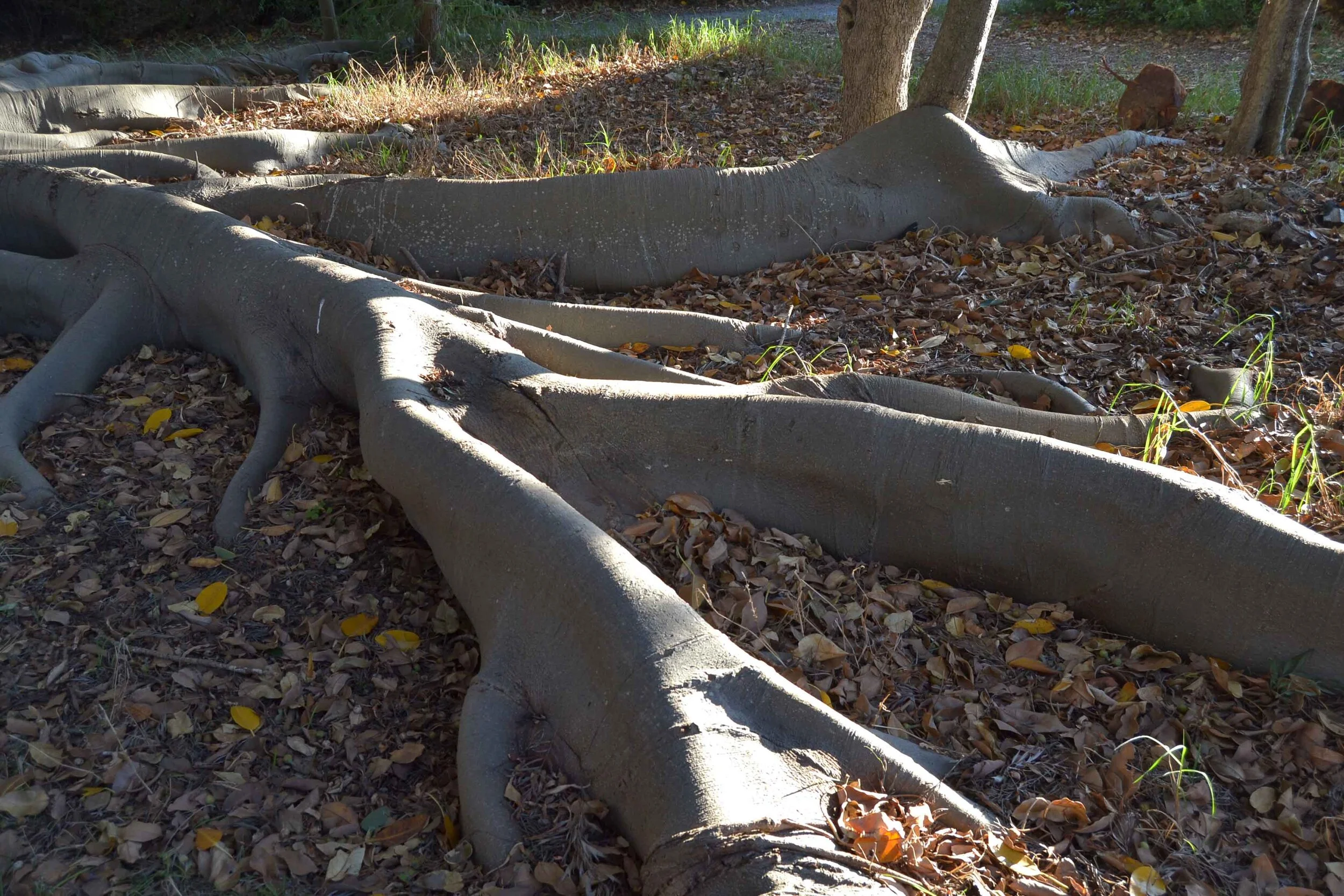
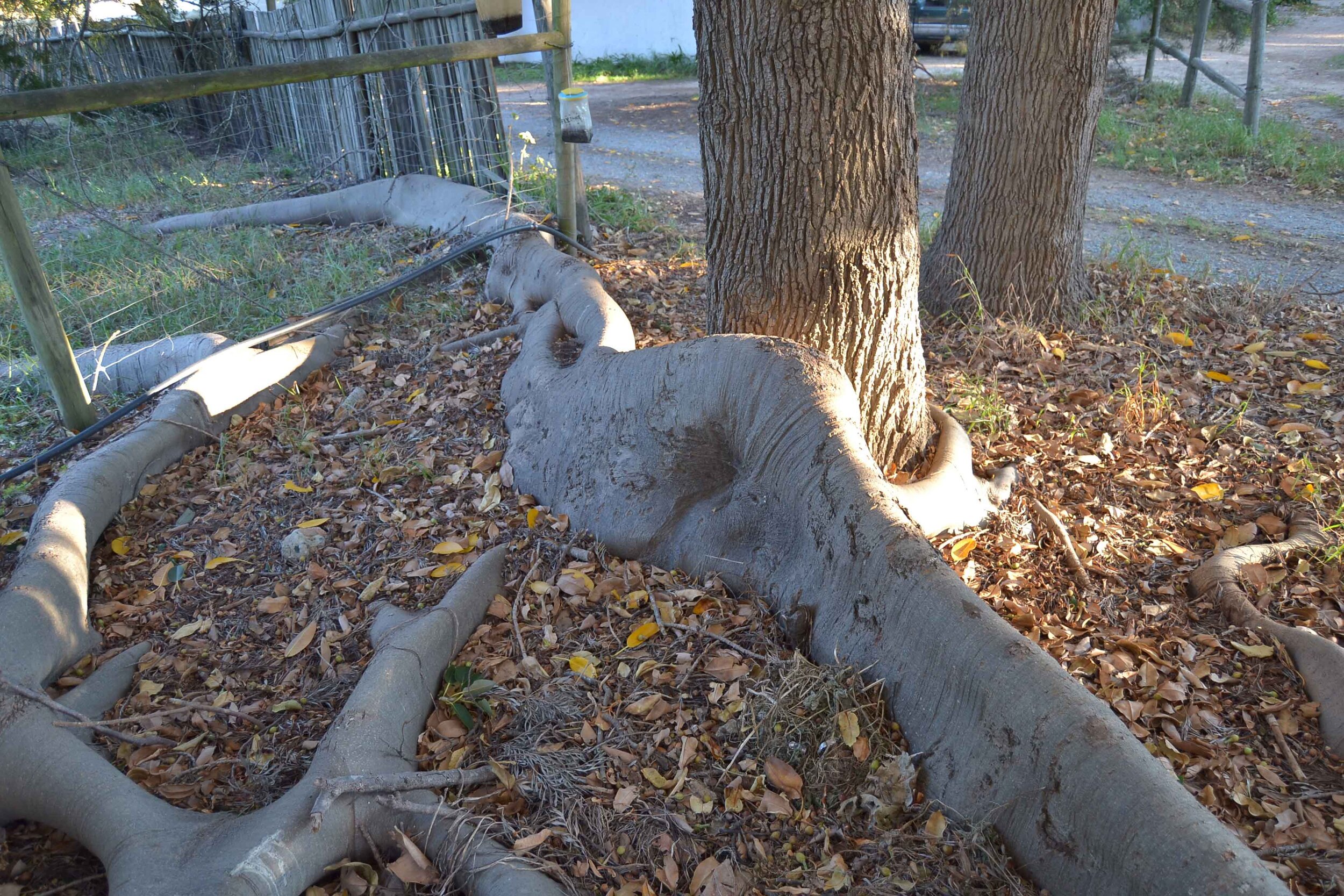
GS: Yes there’s one left at the end of Hoylake Road (see image below)
ML: Yeah there’s one frame that’s sort of grown into the tree.
GS: Yes. So every tree had one of those?
ML: Ja and then it was tied with this three strings.
GS: Ja.
ML: Four strings to keep it in the middle. And then it grew. And later when the trees got bigger they came, they took the-
GS: They removed the steel structures. Okay. Sho.

Parkview Golfcourse
GS: And the Parkview Golf Course. Was that always there?
ML: Ja, that’s been there a long time.
GS: It’s been there long.
ML: One of the big features that… I was overseas for a while and I came back about ’85 and they all jumped on me to sign a petition. Apparently they were going to build a road down Bolton Road.
GS: Oh.
ML: It was going to go over the golf course and then come up Geers Avenue past the school and then go through some houses and then down and go past the wall and Emmarentia Dam and go out. It was a big east west expressway.
GS: Sho.
ML: But it never developed.
GS: Ja. Well thankfully because that would’ve not-
ML: It would’ve ruined Greenside.
GS: Ja definitely.
ML: It would affect the school as well because they have a sort of cement big highway going past the school.
GS: Ja. And anything else about the streets or like the space of the suburb because we’ve kind of spoken about the green spaces like the golf course and the dam. Are there other parks that you visited, maybe that Sir Lionel Phillips and Pirates? Did you spend time there?
ML: Well, the golf course, it had about an extra two holes that they’ve taken away.
GS: Oh really?
ML: And you know where the tennis courts are?
GS: Ja.
ML: And where the bowling green?
GS: Bowling club, ja.
ML: That was actually part of the golf course.
GS: Oh really?
ML: And then they took it away. That’s why you get that link road that goes… Do you know Link Road?
GS: No.
ML: You know if you go along… I forget that bottom road. The one below Gleneagles.
If you go down Link Road you’ll find about seven or eight houses at the bottom of Link Road. The funny thing is one of them’s on 12th Street. And if you look at Parkhurst you see 12th Street comes to the river and stops. And now you got a 12th Street in Greenside.
GS: And then it jumps the river. Oh wow.
ML: And then they never built a bridge to sort of link it up.
GS: Oh, I see.
ML: But that could’ve been one of the extensions of Greenside.
GS: Ja.
ML: But take a walk there sometime.
GS: Ja, I must go have a look. Sounds interesting.
ML: If you walk down Link Road they’re so surprised that you’re going down Link Road, you know what you coming down Link Road for because-
GS: No one goes there.
ML: It doesn’t go anywhere.
Pirates
GS: Okay. And Pirates has that been there for long. I don’t know about Pirates. Or that Lionel Phillips Park?
ML: Ja, the Lionel Phillips Park I think’s been going a long time. But Pirates I don’t know. You see, I don’t think it existed because I joined the Wanderers.
GS: Oh I see.
ML: And I don’t think Pirates was there at the time.
GS: Okay.
ML: I stayed at the Wanderers, but now the Wanderers is a too bit far for me to go now nowadays.
GS: Yes, what did you used to do, did you do running?
ML: Squash.
GS: Squash. Okay.
ML: Squash. Had a lot of friends that were mad about squash.
GS: Yes, oh cool.
ML: And the thing is that they had about six courts up there and used to be about a group of six of us and we used to go, so we occupied three squash courts.
GS: Oh nice.
ML: So if you went after half past nine at night, the bookings stopped like at half past nine, so you could play squash there.
Greenside Businesses
ML: Well the Greenside shops were maybe of interest. There was a butcher there.
GS: In Gleneagles Street?
ML: No in Greenway.
GS: In Greenway. Okay. .
ML: That Chemist has been there for years. It was run by a chap called Shovren. It was called Shovren’s Chemist. And there’s a cinema there called the Rex Cinema.
GS: Next to the pharmacy?
ML: Yes.
GS: Wow.
ML: That’s where that hairstylist is-
GS: Yes, the Carlton Hair Academy?
ML: If you look at it’s a peculiar shape building-
GS: Yes, did that used to be a… Okay, wow.
ML: And then opposite the cinema there was a sort of soda fountain where the people used to go during the break of the cinema and buy cold drinks and stuff.
GS: Sho. Ja and then… You said that there used to be two shuls, synagogues?
ML: No, the only one I know. Well this one down the road. That’s been there for years and the one in Emmarentia is a newer synagogue. But this one down in Greenside East has been there a long, long time.
GS: Yes, yes and when was the mosque built?
ML: Oh that’s very recent.
GS: Very recent, oh. And it’s interesting that there’s no church in Greenside.
ML: It was one of the conditions that the Geldenhuys’s laid down. That they cannot build a church in Greenside and they cannot have a pub in Greenside. It was one of the conditions that the ground was sold.
GS: Oh that’s interesting.
ML: So there’re no churches allowed in Greenside and no bars.
GS: So are there no churches in Emmarentia and Linden either because that was also part of the Geldenhuys land?
ML: I don’t know whether it followed through to… but it’s possible it did. That was a condition. So you know to balance it, no churches and no bars. It was one of the conditions.
GS: Oh okay, that’s interesting.
ML: Well that’s a good thing because we’ve never had a bar in Greenside, like you got a pub down in Parkhurst. But you know they seem to get around it by having off sales.
GS: Yes.
ML: And then there was a post office in Greenside, but it was on Greenfield Road.
GS: Okay.
ML: Later on they moved it up to Greenway.
Changes over time
ML: Well I tell you the thing that did change the suburb a lot is this Greenside High School because you started getting a lot of traffic down Muirfield road.
GS: Yes, yes, ja. I actually quite like hearing the kids walk past, down the street in the afternoon because it’s like a nice sound.
ML: But also the Greenside Primary’s changed a lot as well.
GS: Yes.
ML: It’s a lot of extra buildings on it now.
GS: Ja.
ML: When I was there, there was no school hall.
GS: Oh really, sho. They just started building it.
ML: There was no swimming pool.
GS: Wow. Have they got a pool now?
ML: Yes.
GS: So did your kids go to Greenside as well?
ML: Yes. All of them went to Greenside High.
GS: Greenside High and Greenside Primary?
ML: Yes.
GS: Oh they didn’t go to… You said you went to Parktown.
ML: Ja I went to Parktown but they had to go to Greenside.
GS: Oh, okay they went to…
ML: We could’ve tried to get them into Parktown maybe, but I don’t know… It’s a question of whether you go to a co-ed school or a…
GS: Yes.
ML: See my parents didn’t want me to go to a co-ed school. No, I don’t know, you see when they started Roosevelt it was a co-ed school and they didn’t want me to go to a co-ed school. They wanted me to go to an all boys school, can concentrate more if there’re no girls in the class.
GS: Ja, there’s still that debate.
ML: My brother automatically gave me access to Parktown Boys. So I was off to Parktown Boys no questions. But there was a boy the same age as me living next door and he went to Roosevelt and he was a founder member but that Roosevelt took a while to sort of get itself sorted out. There was a lot of trouble there.
first bus in greenside
ML: But I can remember the big event was when the first bus came to Greenside. It was a number 46 and they built that circle so the bus could turn around.
GS: Which circle? The one next to the golf course?
ML: No, where they’ve got the robots now. You know when you go down Greenway.
GS: Ja.
ML: There used to be a restaurant called The Circle.
GS: The Circle.
ML: And then there was a circle there.
GS: Oh.
ML: But now they got rid of the circle and they made a funny interchange there.
GS: Oh yes that one. Ja. Where was the circle?
ML: Where the robots are now at the bottom of Greenway.
GS: Oh.
ML: Opposite PostNet. Do you know where PostNet is?
GS: Oh, there where they’ve now done that upgrade at the carpet shop.
ML: That’s where the circle was.
GS: Oh okay and there was a restaurant called The Circle?
ML: Yes.
GS: And why was it such a big thing to have the bus come?
ML: Because I had to walk to Parkview to catch a tram into town. The only way to get into town was to walk to… Ja, you go across Chester Road and I think you go to Cardigan Road is it, I don’t know. Anyways you know the road that goes up to Parktown North?
GS: Ja.
ML: There was a tram there.
GS: A tram.
ML: And it went from Parktown North and it went down-
GS: Into town.
ML: And then it went past the Zoo Lake.
GS: Ja.
ML: Then it went up past the Zoo.
GS: Oh, okay.
ML: And then it went into town.
GS: Sho.
ML: So the only way without a car.
GS: Ja. So then when the busses came then you started going by bus to school?
ML: Ja, but the-
GS: Was that much easier?
ML: -bus service was so terrible. You had about a bus every hour something.
GS: Oh okay, wow.
ML: I remember the first bus was number 46 Greenside and I was so excited to see a bus coming to Greenside because you didn’t have to walk to the tram.
GS: Ja.
ML: Catch a tram into town.
GS: Sho. And is that where you did your shopping, in town? Like where did you normally-
ML: Well, I used to go with my mother because my mother couldn’t drive.
GS: Okay.
ML: So I used to go with my mother and we used to go to a place called Jensen Groceries or something.
GS: Where was that?
ML: Ag it was somewhere in town, I can’t remember, but I used to help her carry all her groceries to the tram and then bring them back here.
GS: Because there was probably no Checkers down the road.
ML: No, there was-
GS: No shop close by here.
ML: No, the only thing in Greenside from what I can remember was a butchery.
GS: Yes.
ML: And a chemist.
GS: Oh okay.
ML: And the cinema and a café.
GS: Okay, sho.
ML: And there was a grocer shop that was down on Greenfield Road, but he closed because the supermarket put him out of business.
GS: Oh, I see.
ML: But there was a grocer.
GS: Ja.
ML: I can remember going to the grocer.
GS: Sho.
ML: And I was about to buy something there and some women came and told me, “You know you can get that at half price at Checkers,” or something.
GS: Shame, so that’s why they closed. Shame. Ja, so thanks Mike, ja it was just basically to just hear a bit more about the suburb. It would be interesting also to hear from other people.
ML: It’s a pity that Craig Bruce, he died.
GS: Oh, yes.
ML: We used to play tennis with him.
GS: Oh, really.
ML: But he knew a lot more about Greenside than I did.
GS: Yes, ja.
ML: And he used to tell me a lot about Greenside.
GS: Oh really, ja. And just hearing like the memories of a place, of growing up here, what was significant, what was memorable, like the bus story is a great one.
ML: Ja, you see there was… Parkhurst had a lot of people who worked on lathes, artisans.
GS: Oh yes.
ML: And they used to go into town and work at places like Hubert Davies, so that’s why the Parkhurst service was far better than the Greenside service.
GS: Oh.
ML: And they used to go in early in the morning. You see I had to do vac work and I had to work at Hubert Davies and anyway. I had to be at Hubert Davies some unearthly hour, seven, half past seven in the morning.
GS: Sho.
ML: And there were no busses so I had to basically make use of the Parkhurst… I had to walk to Cardigan Road and catch a Parkhurst bus.
GS: Oh okay.
ML: Walk down… Because there were plenty of Parkhurst busses and hardly any Greenside busses.
GS: Sho.
ML: But the Greenside busses sort of started later so I couldn’t get into town in time.
Trees
GS: Ja, and then sorry just lastly with this nursery… is that why Greenside also has more trees, or like more unusual trees than maybe other suburbs or why do you think…
ML: I belong to this walking group.
GS: Ja.
ML: And this bloke walked along the Parkview Golf Course and he said the whole walk he’s seen about three indigenous trees. All the-
GS: All exotics.
ML: So basically what it turns out, some Englishman came here and he wants to be back in England, so that’s why those oaks up at avenue to that-
GS: To Greenside High School.
ML: Ja, well it was a farmhouse in those days. I think it was a farmhouse.
GS: Oh yes.
ML: And he thinks he was back in England and he wanted to come up a avenue of oak trees to his farmhouse, so he planted all these oak trees, but apparently that’s the sort of story.
GS: Sho.
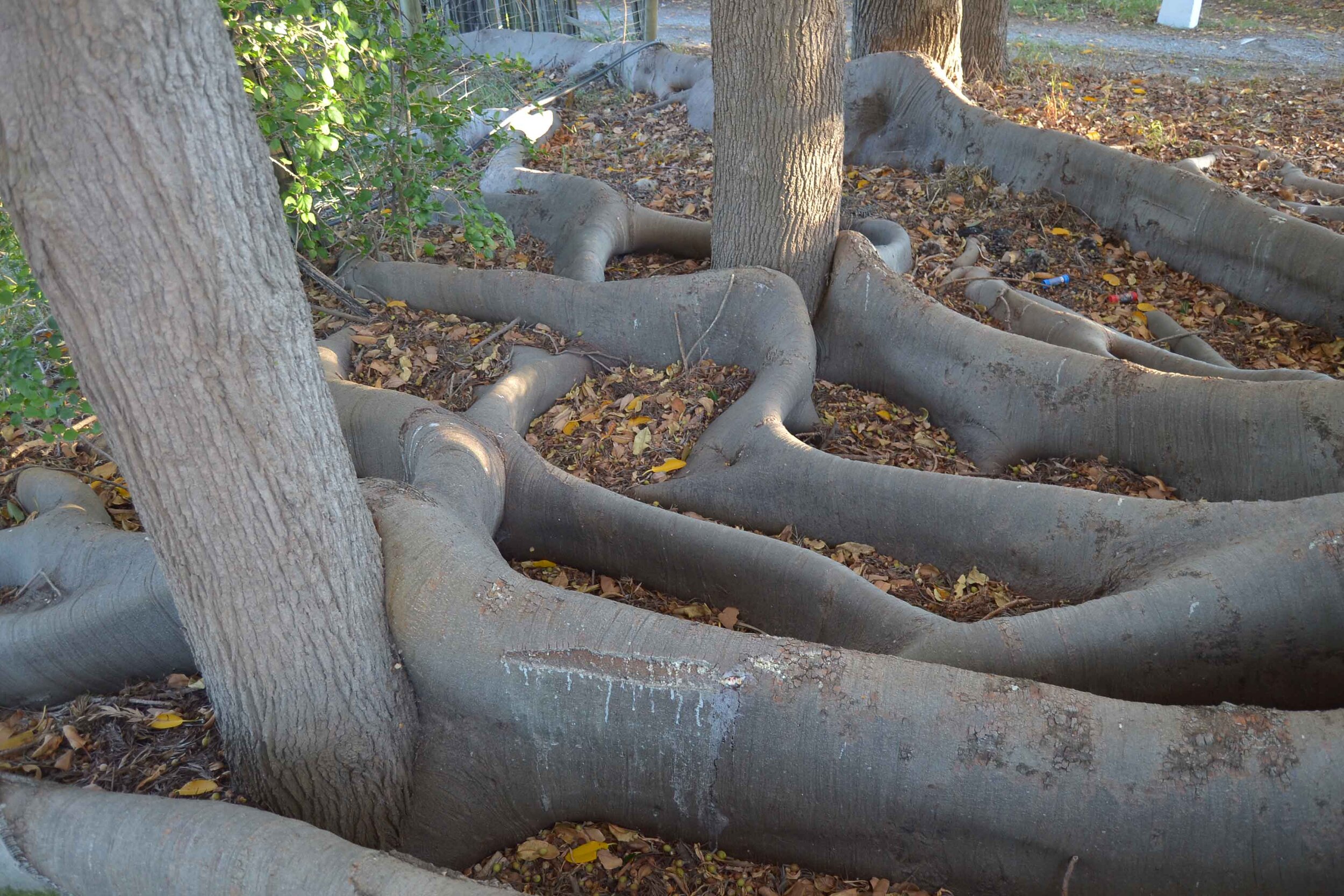
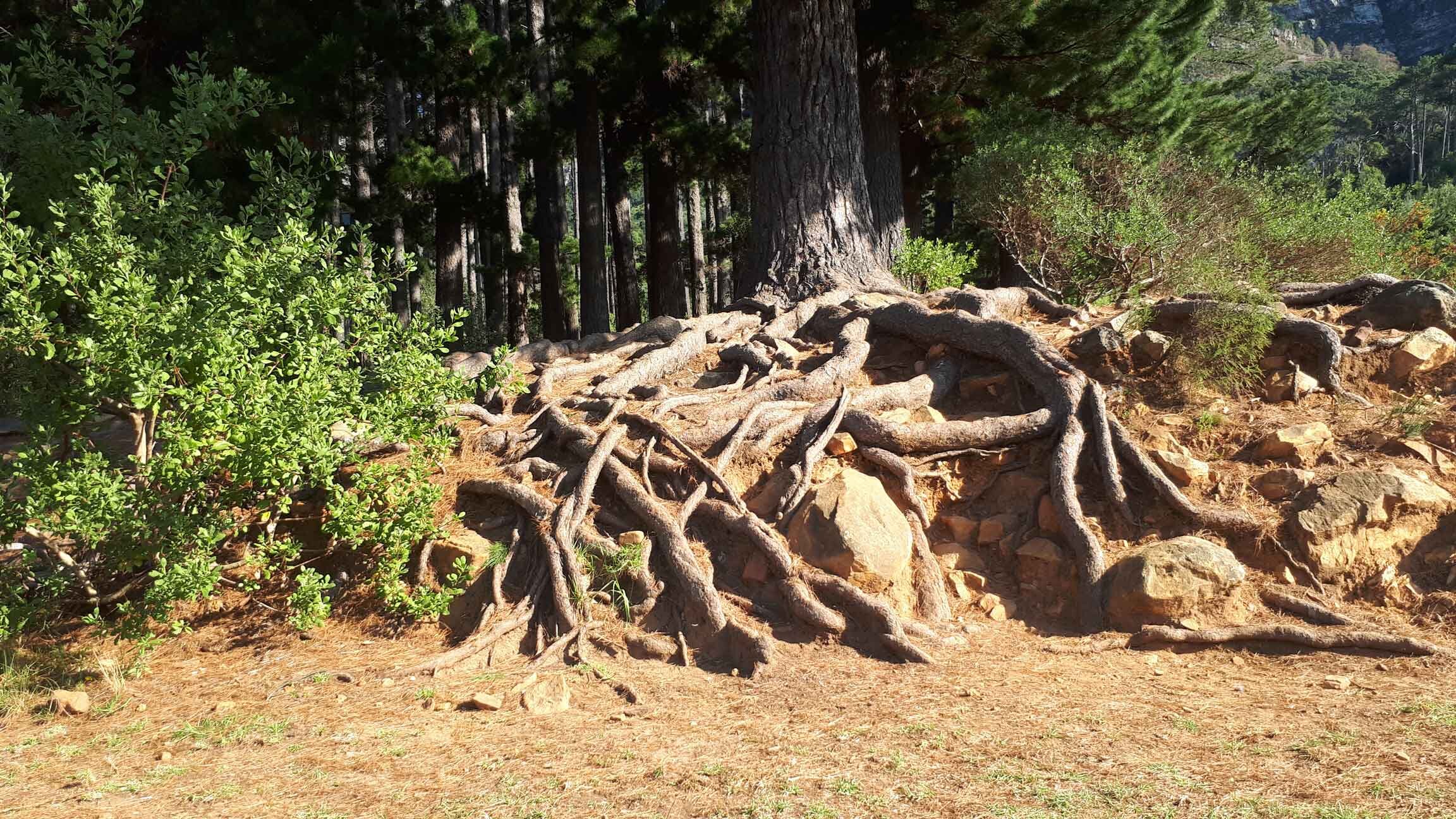
ML: So the bloke says the people wanted to play golf in Parkview as though they were playing golf in England, they wanted to see all the same trees, so they imported trees and imported trees. You know the trees that grow in this country have got tap roots. These trees have got roots that spread out, that’s why all my paving’s lifting up because the roots go out horizontally.
GS: Ja, ja.
ML: But that’s a story I got out of him. They call them exotic trees and that causes a lot of trouble, because we used to walk at Delta Park and there was a avenue of what, cotton trees and it must’ve also been a road that went to somebody’s house but he says the seeds fall off and then they get washed down towards the river and then more trees come up close to the river. Eventually he says the river gets full of cotton seeds and then they start coming up in the river bed all the way-
GS: Down the-
ML: Ja and he says it’s a big headache.
GS: Sho.
ML: Especially the black wattle.
GS: Yes.
ML: It’s a weed.
GS: Ja, like there a lot of oaks and these plane trees but then I’ve seen like some unusual ones as well.
ML: It’s all Englishmen that brought the stuff out apparently.
GS: Oh yes.
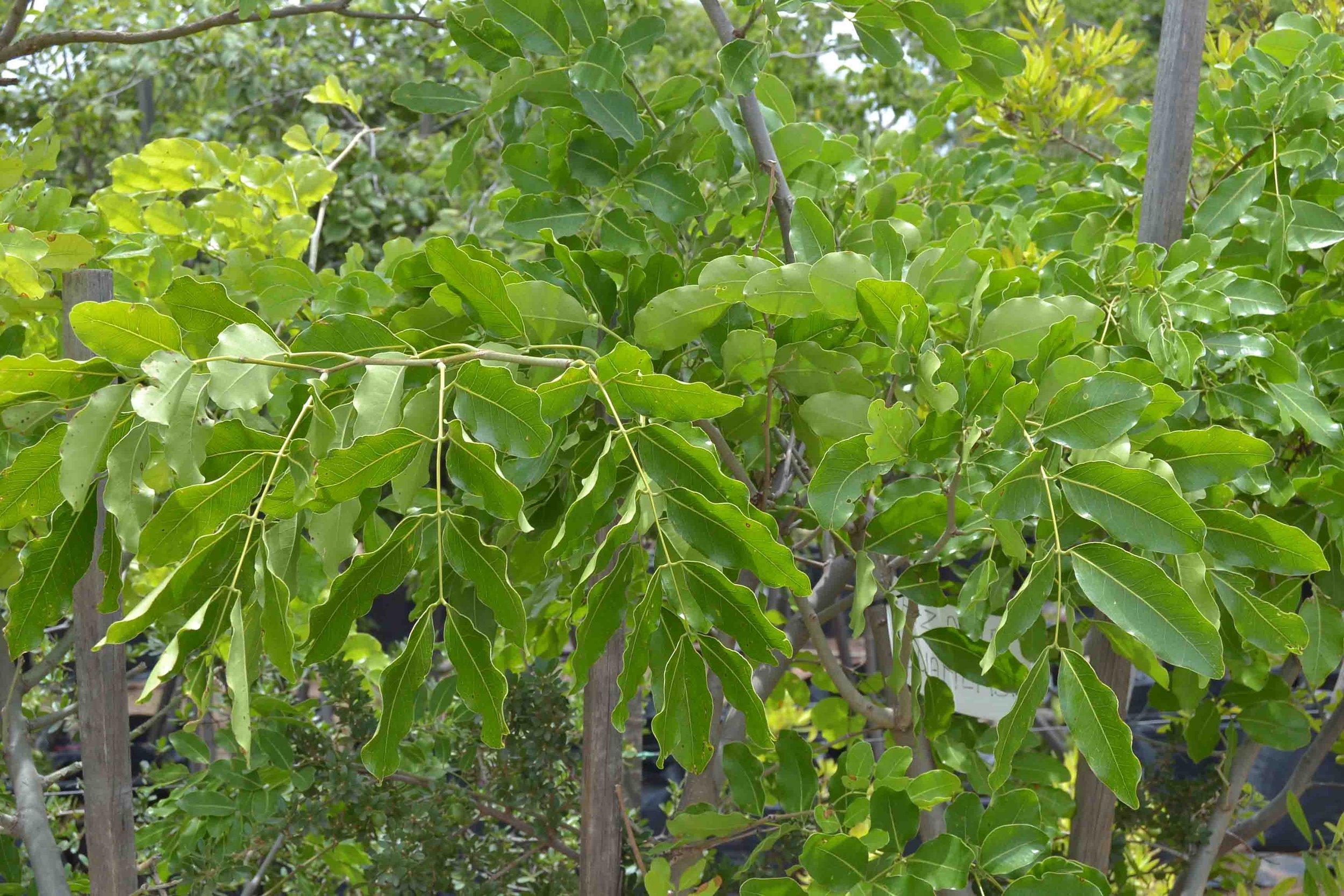
ML: And most probably that’s why we’ve got plane trees because somebody I walked with that seemed to be, he must’ve had a degree in botany and zoology and what have you, but he seemed to know all about plants, because we were talking about clivias and he’s talking about clivias, where you’ve got to plant them and all the rest of it and he was going on, but he told me that these plane trees exactly the same as the plane trees in England or something. Because I said, we used to call them maple trees, but they not maple trees they plane trees. No, he corrected me.
GS: London plane, ja.
ML: He says it’s a London plane. No, he asked me, “Has it got a white bark?” I said, “Yes.” He said, “No that’s a London plane, it’s not a maple tree at all.”
importance of memory
GS: Oh, okay. And okay, so… Why do you think it’s important personally to remember and think about history and appreciate history of a place?
ML: Oh well I don’t know, I’ve had this question answered by other people. They say, have you ever lived without a memory?
GS: Okay.
ML: They say, “Living without history is like living without a memory.”
GS: So it’s good to-
ML: So history is a absolute necessity. That’s what they tell me. Some expert psychologist told me that story. So it’s true in a way.
GS: Ja.
ML: So you know if the history of Greenside was blotted out, you’d have no memory of Greenside. Same as if your memory was blotted out, you would forget all your school days and everything.
GS: Oh Okay. Ja, so those are all my questions Mike.
ML: What is this for? Is this a…
GS: No, I just want to write a blog on my website about the history of Greenside.
ML: Yes.
GS: Then I thought as part of my research I could… I’m struggling because I went to the Parkview Library and they’ve got a few booklets on the history of Parkview but it doesn’t… No mention of Greenside. And obviously Emmarentia’s got that whole Louw Geldenhuys history and… but there’s not really a lot of specific… like even this Rand Nurseries. Finding out more information about it, it’s very hard to come by.
ML: Look, I suggest you go and see John Carstens.
GS: Maybe.
ML: Because he knows a lot more than I know I think. You see that Melville Koppies might’ve been a part of the farm, I’m not sure.
GS: Yes.
ML: I don’t know whether it stopped-
GS: Yes, I think it is part of that original-
ML: I don’t know. You see, the farm might’ve stopped at Judith Road and Melville Koppies is something else.
GS: Ja.
ML: The other hand the Melville Koppies might be part of the farm, I don’t know.
GS: Ja.
ML: But the farm house is in Orange Road. It’s quite well known.
GS: Okay. Is that where Emmarentia lived? I think I’ve read a bit about that.
ML: Yeah that’s where the farm was.
GS: I think they read about that.
ML: There’s not much history-
GS: -I’ll write something up.
ML: -on Greenside.
GS: Ja.
ML: But you learn from history. Well, you should learn but… Okay, are you finished then?
GS: Ja, thanks so much Mike. Thanks very much for your time and, all the insights.