Nature Experience

Kogelberg Nature Reserve

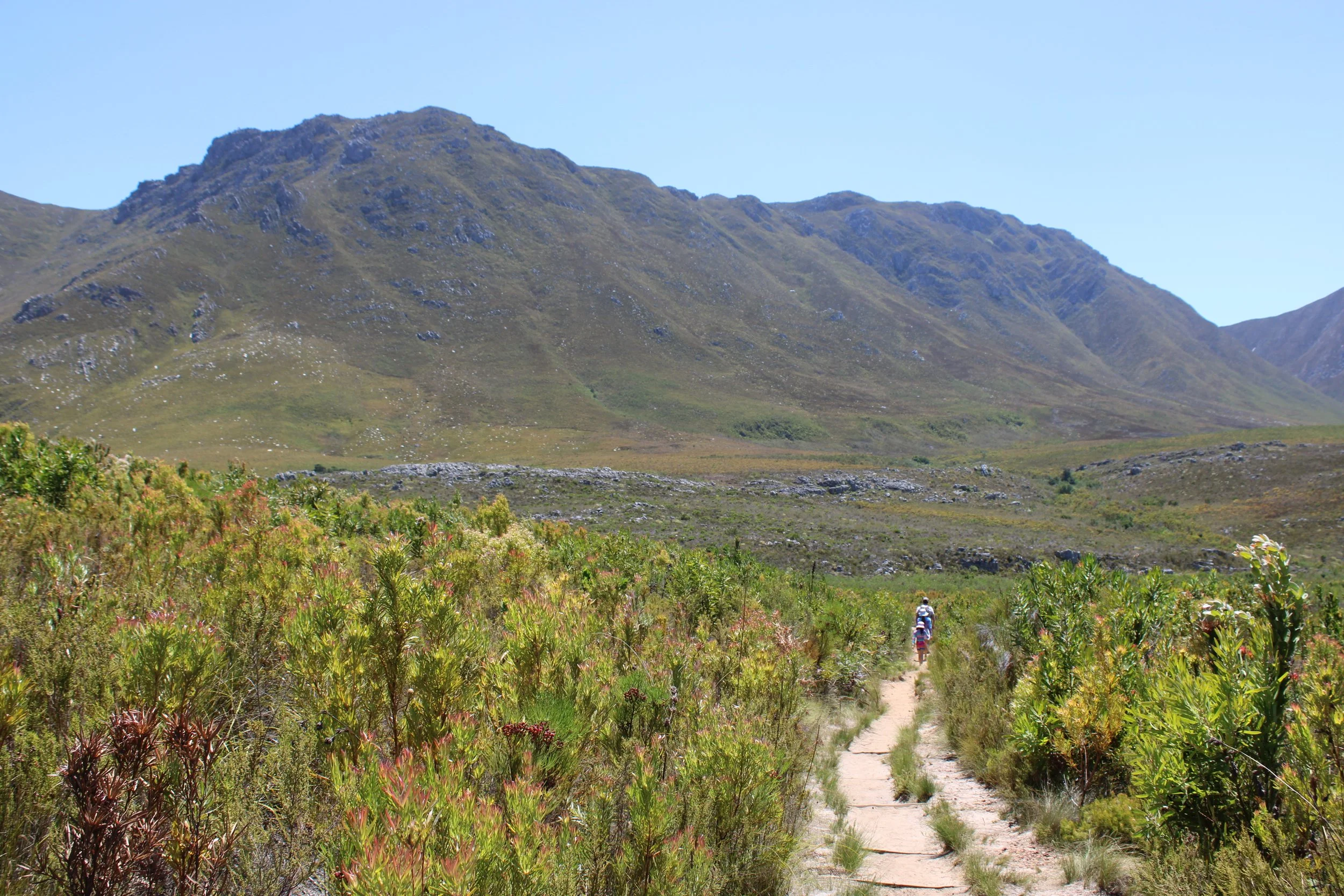
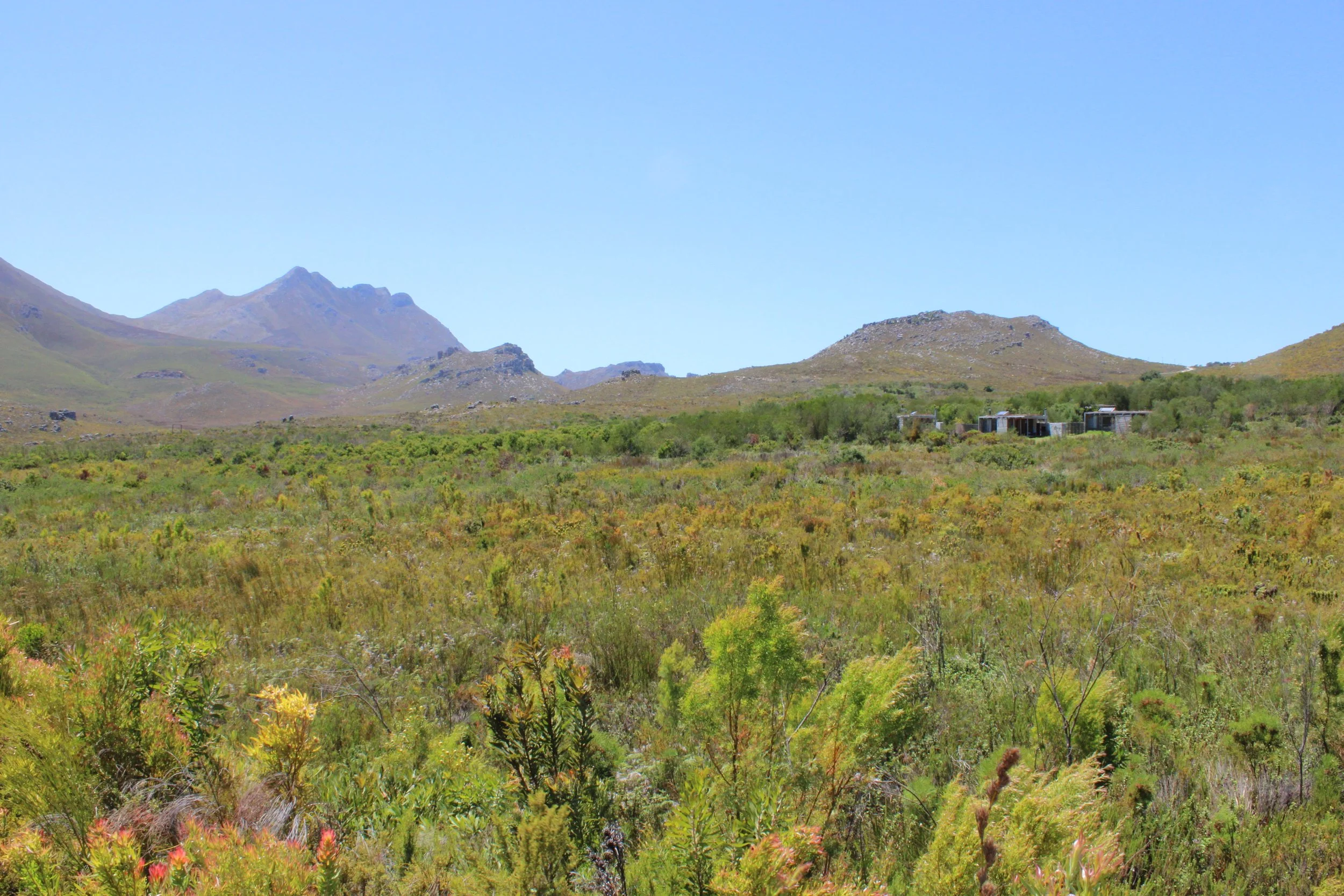
The Kogelberg Nature Reserve is situated about 90km south-east of Cape Town and comprises a core area of 18000ha as well as several smaller fragements. It lies within the Hottentots Holland Mountain Range and is often considered the heart of the Cape Floral Kingdom. It contains mountain peaks, steep kloofs, valleys and several tributaries of the prisitne Palmiet River that flows through the reserve, which makes it a paradise for hikers.

The whole area is inspirational and one of more than 400 biosphere reserves worldwide. Kogelberg was South Africa’s first registered biosphere reserve and it encompasses the entire coastal area from Gordon’s Bay to the Bot River estuary, and inland to Grabouw and the Groenland Mountain. 

Hiking

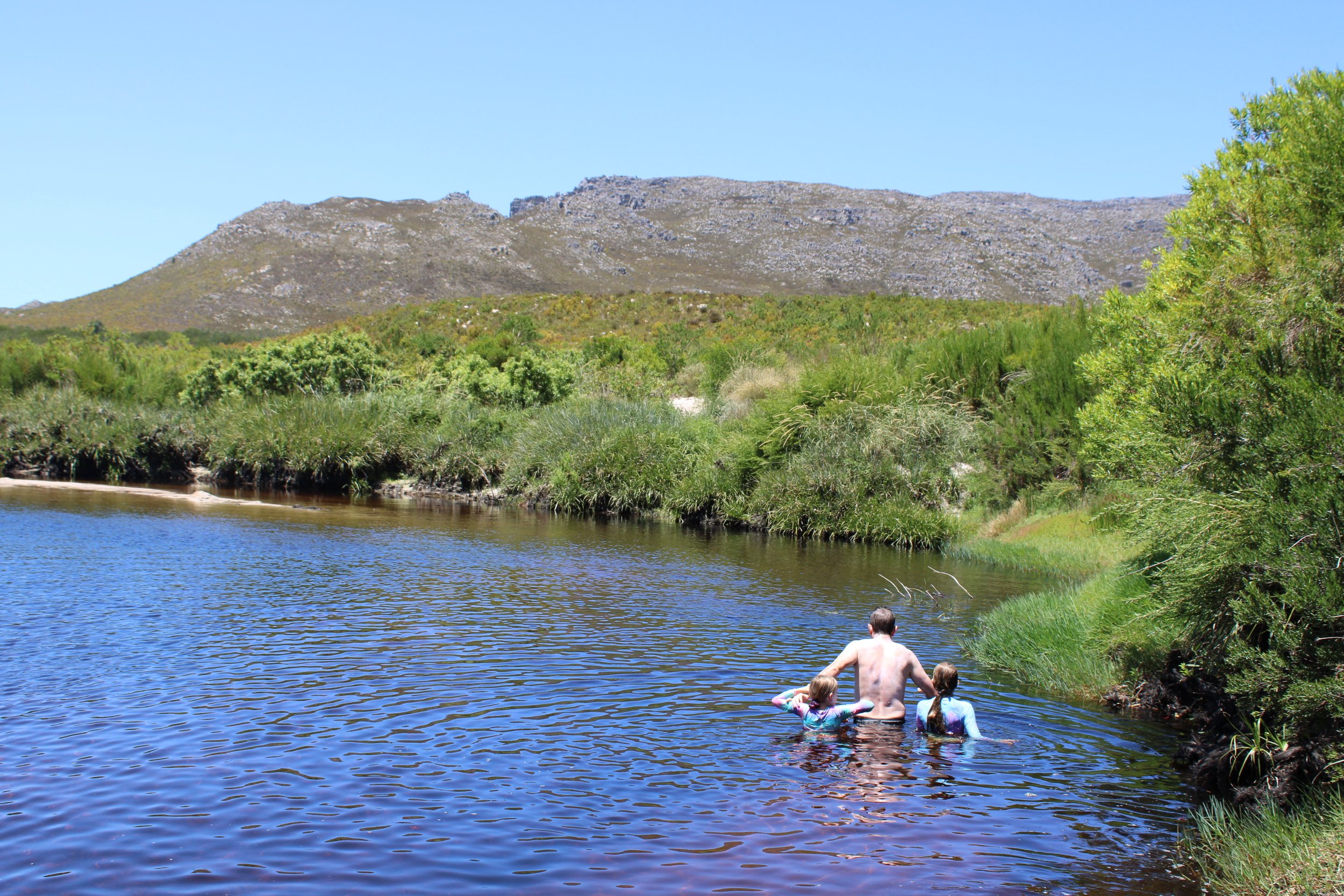
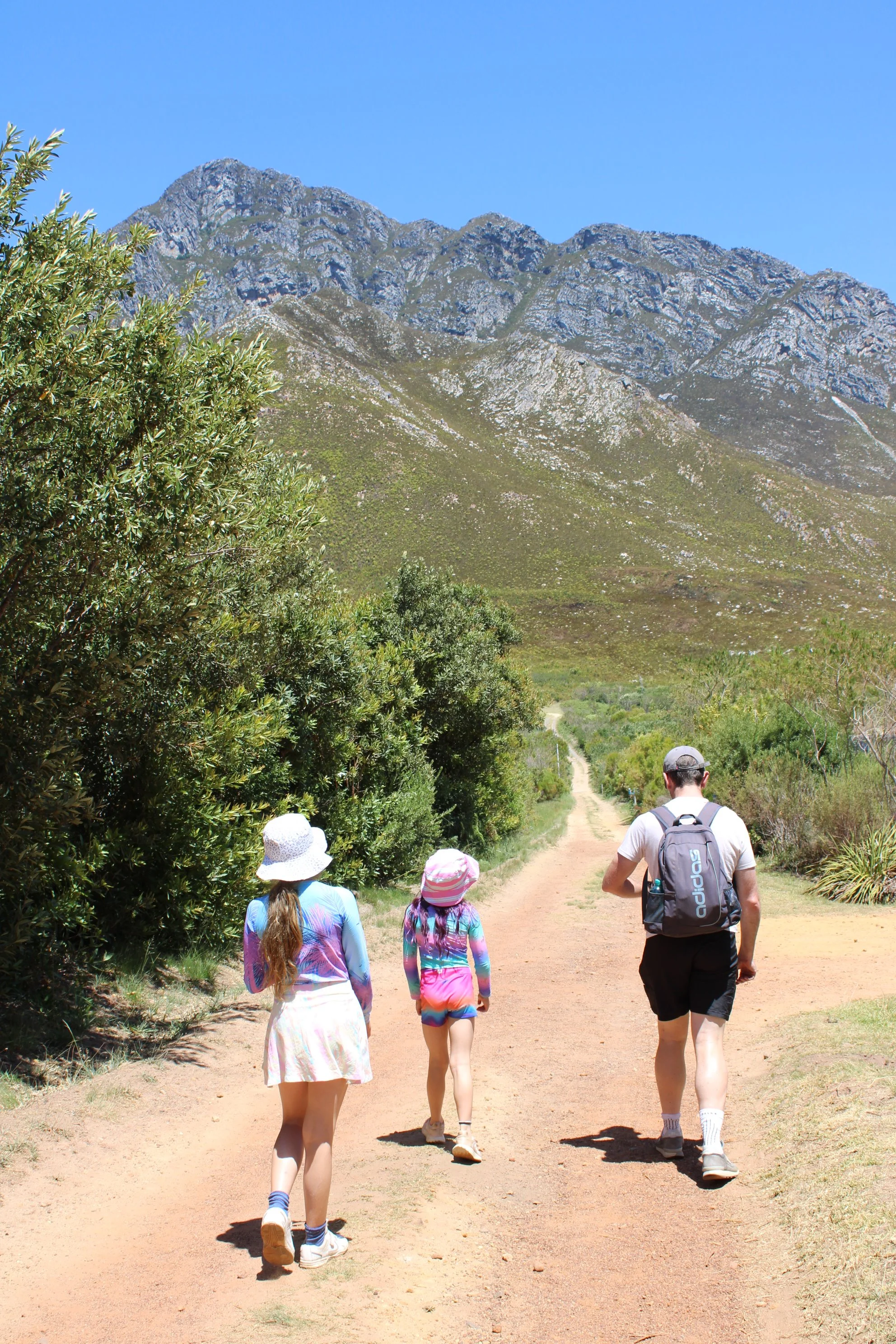
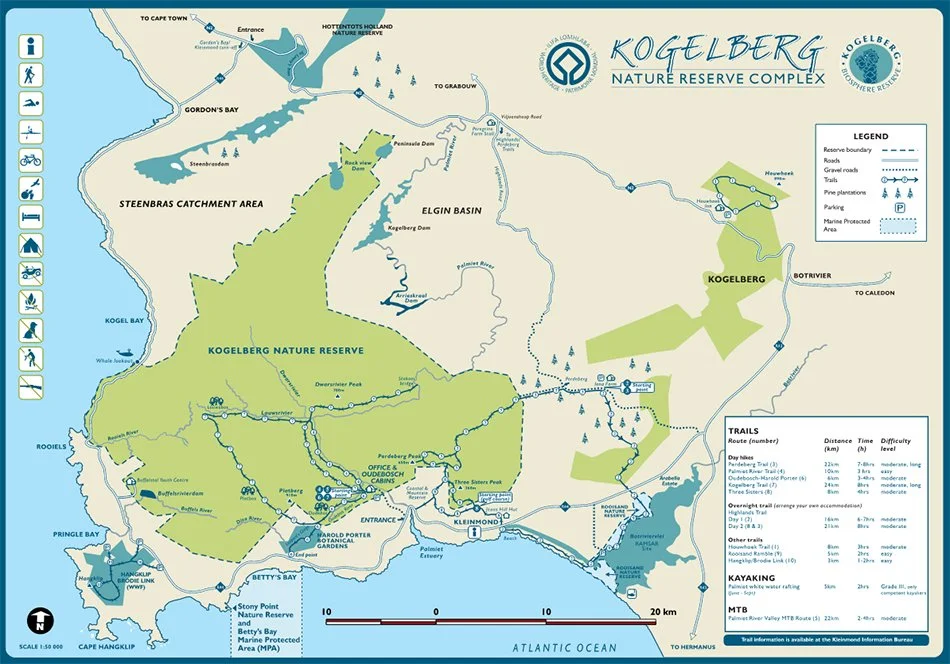
We visited the reserve as Day Visitors and walked a short portion of the Palmiet River Trail and swam at a few spots along the path. The full circular route for the Palmiet River hike is 10km. There are several longer hikes including the Oudebosch-Harold Porter (6km), Kogelberg Trail (24km), the Perdeberg Trail (22km), the Three Sisters Trail (8km). The Highlands Trail is a moderate two-day overnight hike that begins at the farm Iona. Permits can be purchased at the reserve office or bookings can be made via CapeNature Central Reservations office. Weather can be variable and unpredictable so hikers should be prepared. For more information see Cape Nature’s website.

Flora

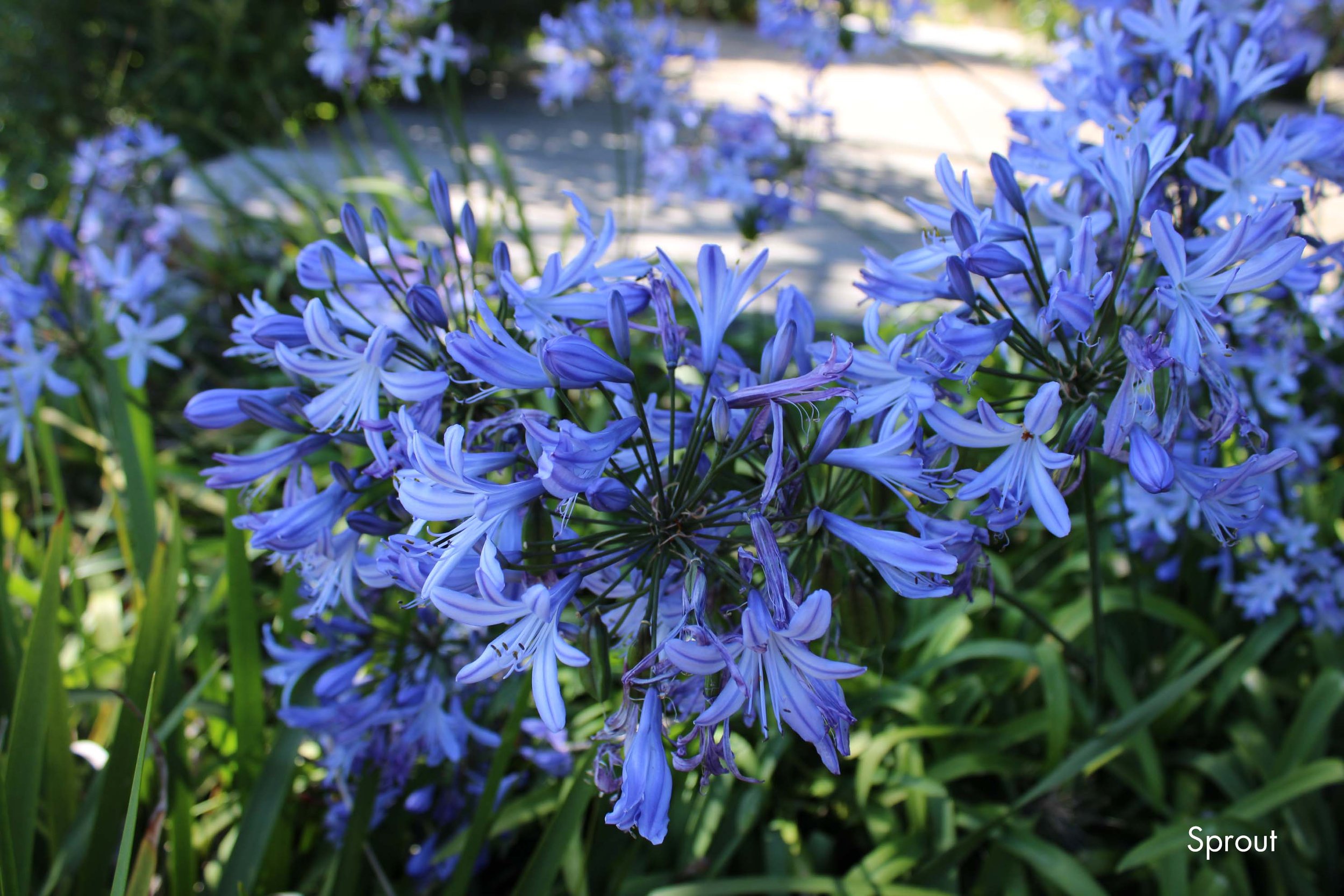
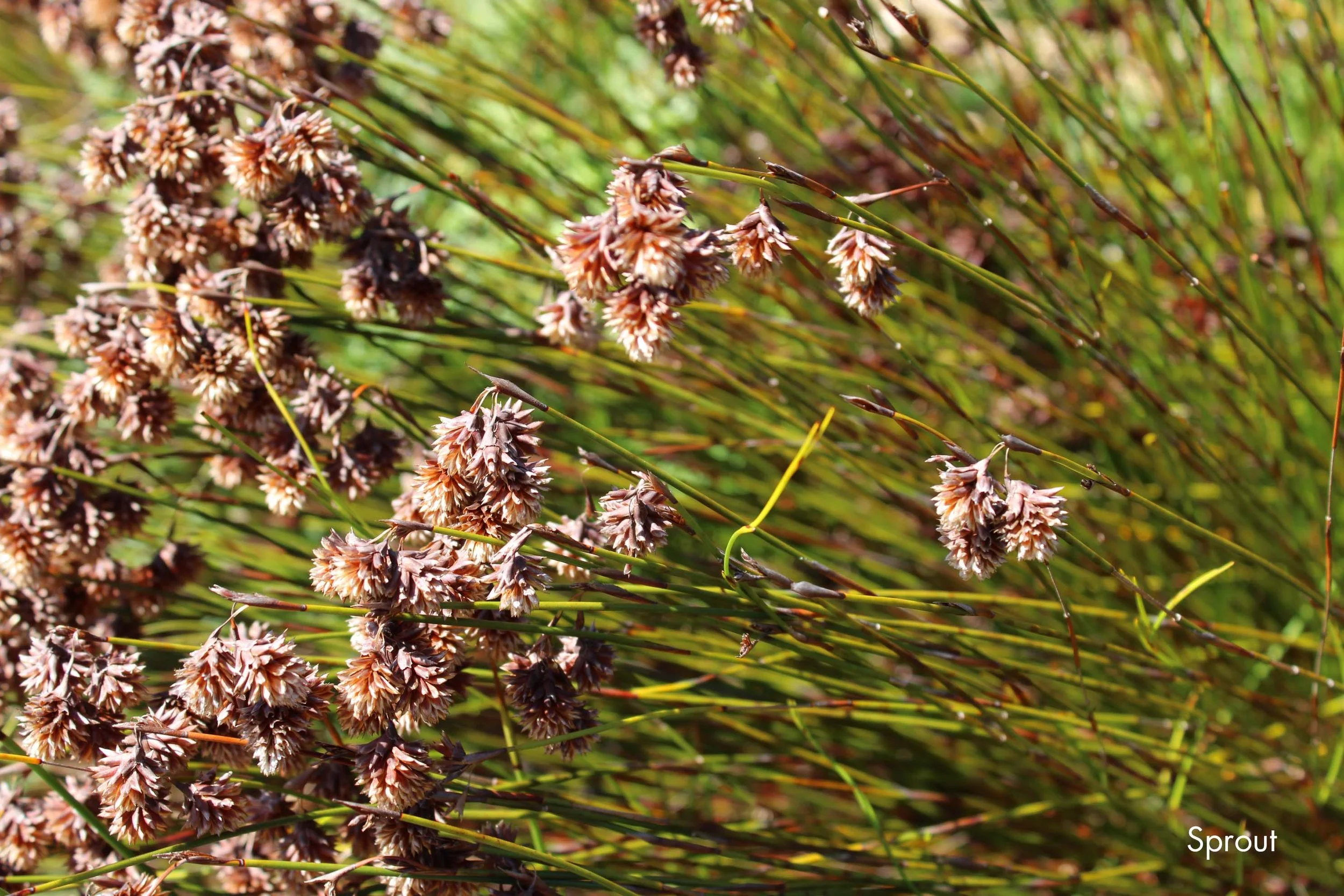
We loved the vast landscape, the beautiful Fynbos vegetation and swimming in the river. The reserve boasts 1800 plant species of which about 150 are endemic and noteworthy. Many spectacular members of the proea family occur in the reserve as well as three patches of indigneous forest (Loubos, Platbos and Oudebos) which are simialr to the Knysna forest and include yellowwood, stinkwood and boeenhout trees. The Palmiet River and its associated riparian vegetation is of the most pristine in the south-western Cape.

Accommodation

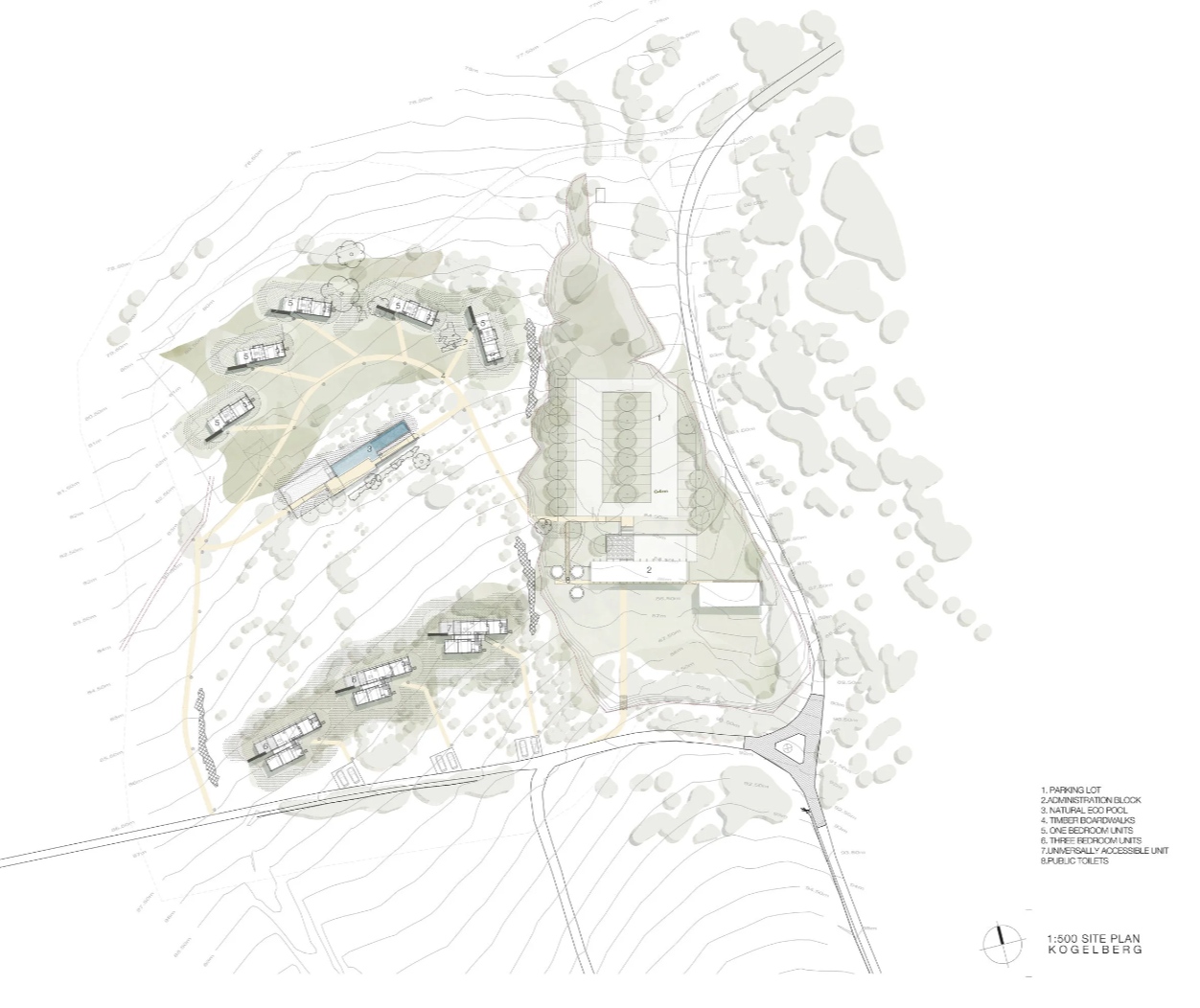
Accommodation is available at Oudebosch in the form of five self catering eco-cabins and the newer Mbali Collection which consists of eight glass fronted cabins. Camping and picnic services are not provided. The design of the cabins at Kogelberg Nature Reserve is a harmonious blend of sustainable architecture and environmental conservation. They have been designed to blend into the landscape and have as light an impact on the environment as possible.

Design by KLG Architects - image taken from www.klg.co.za/hospitality/kogelbergcabins

We really enjoyed our visit to the Kogelberg Nature Reserve and I hope to be back to explore more of what this beautiful place has to offer.

Map of Kogelberg Nature Reserve

Kirstenbosch Botanical Garden

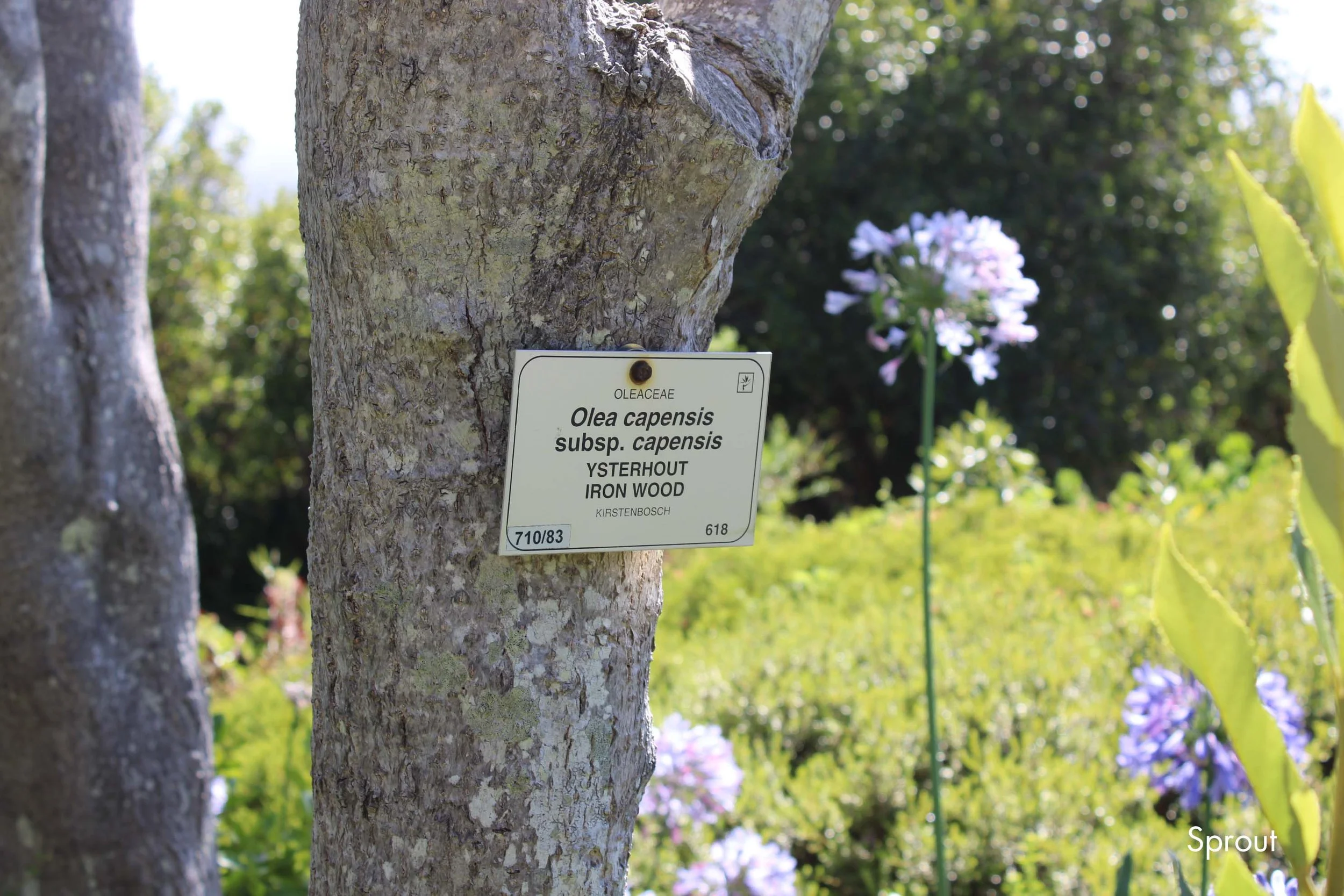
Kirstenbosch Botanical Garden

Kirstenbosch Botanical Garden

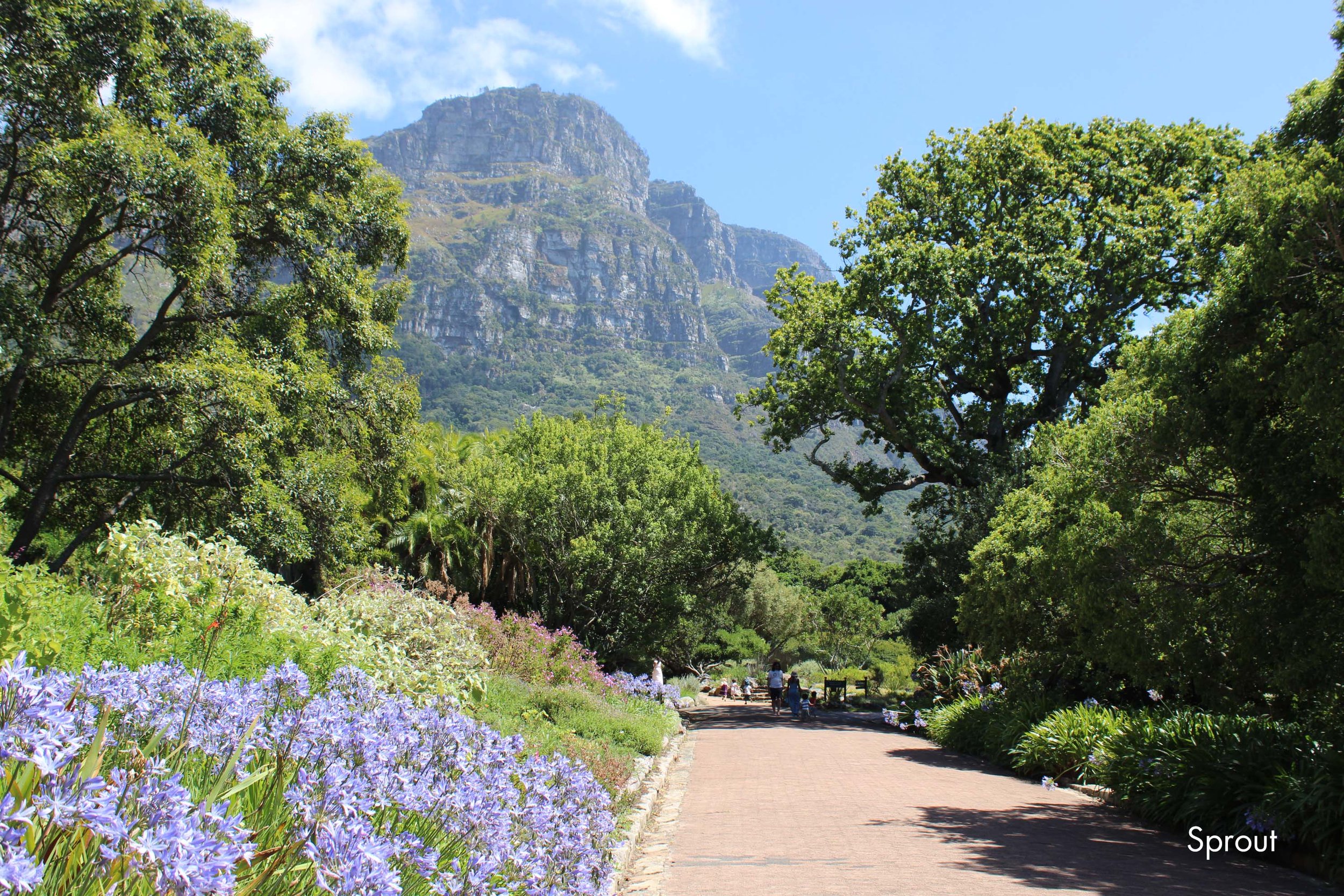
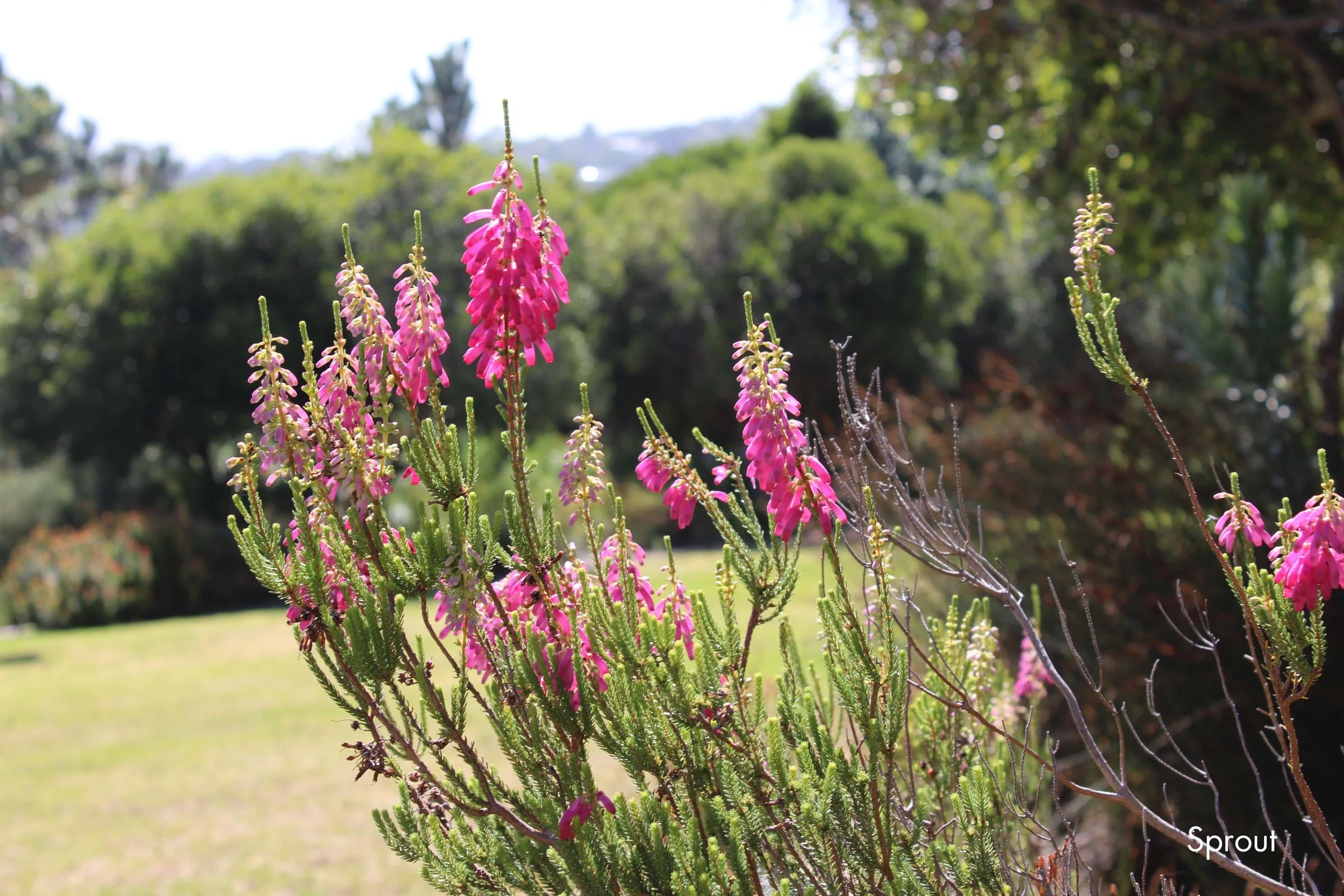
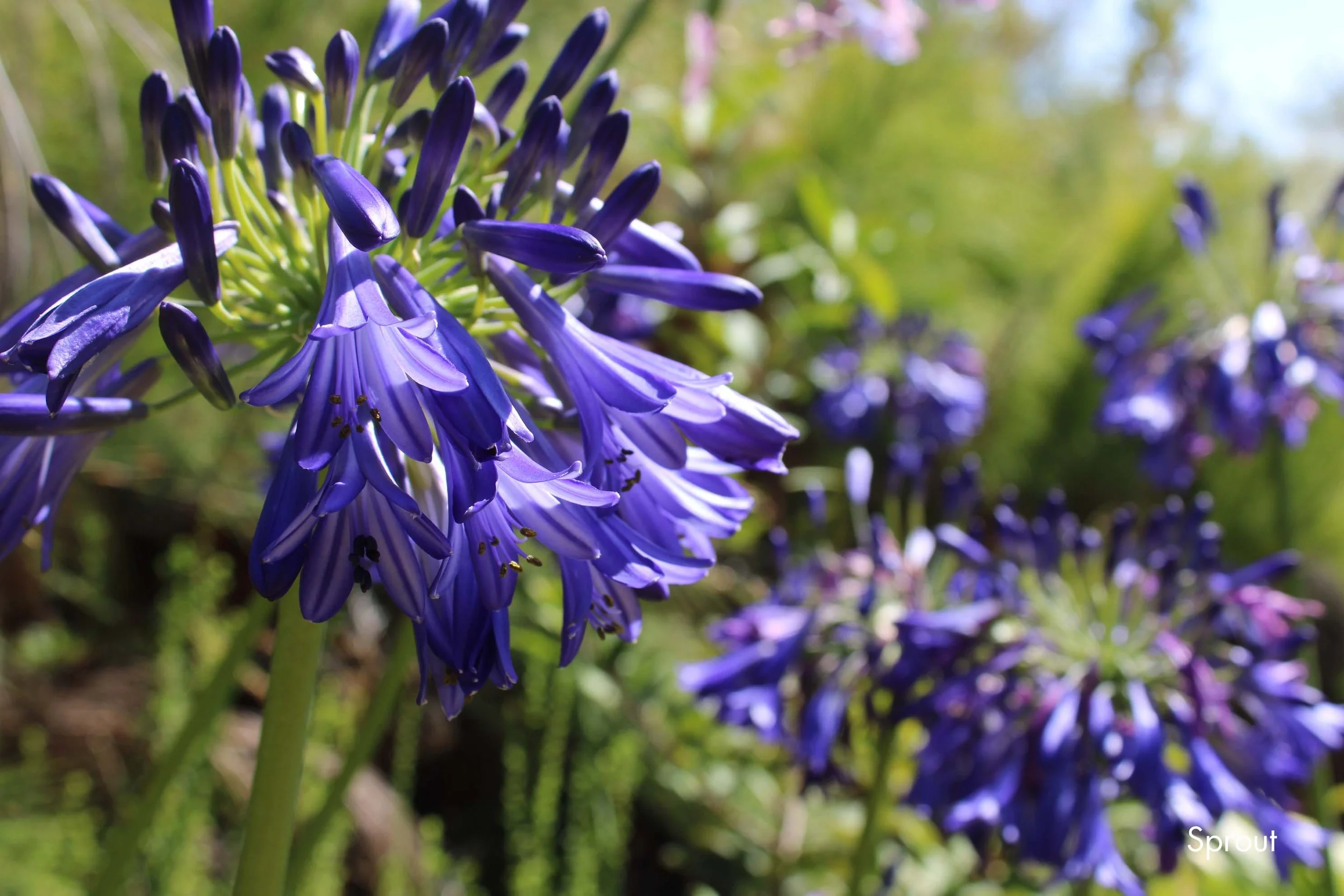
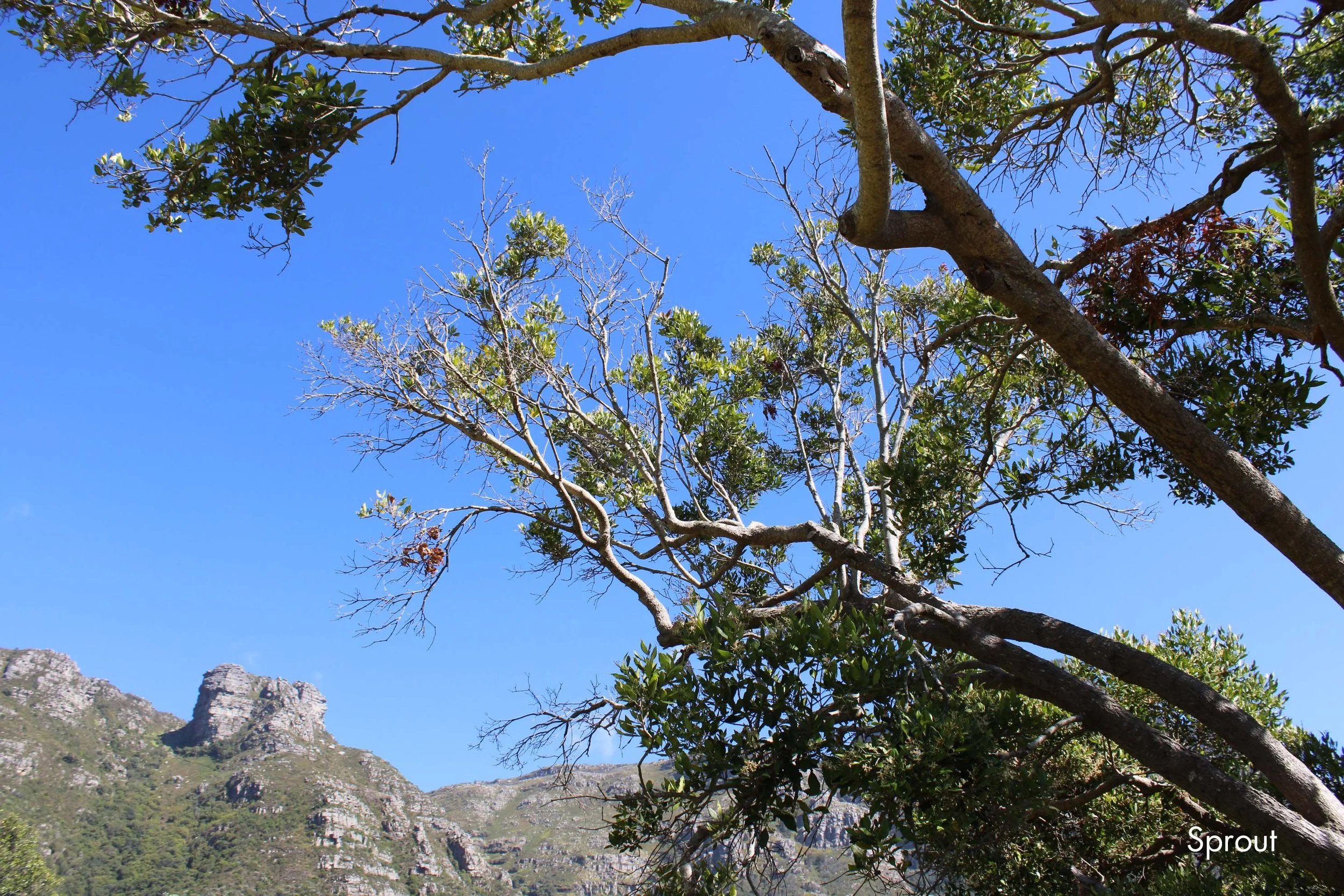
Kirstenbosch Botanical Gardens is internationally acclaimed as one of the greatest botanical gardens of the world. It is situated on the eastern slopes of Table Mountain in Cape Town, South Africa, and spans an area of 528 hectares. It was established in 1913 to conserve and promote the indigenous flora of southern Africa and is filled with traces from the past. Kirstenbosch and neighboring Table Mountain National Park both form part of the Cape Floristic Region Protected Area that was proclaimed a UNESCO World Heritage Site in 2004. It is a haven for nature lovers and filled with beauty and botanical delights.

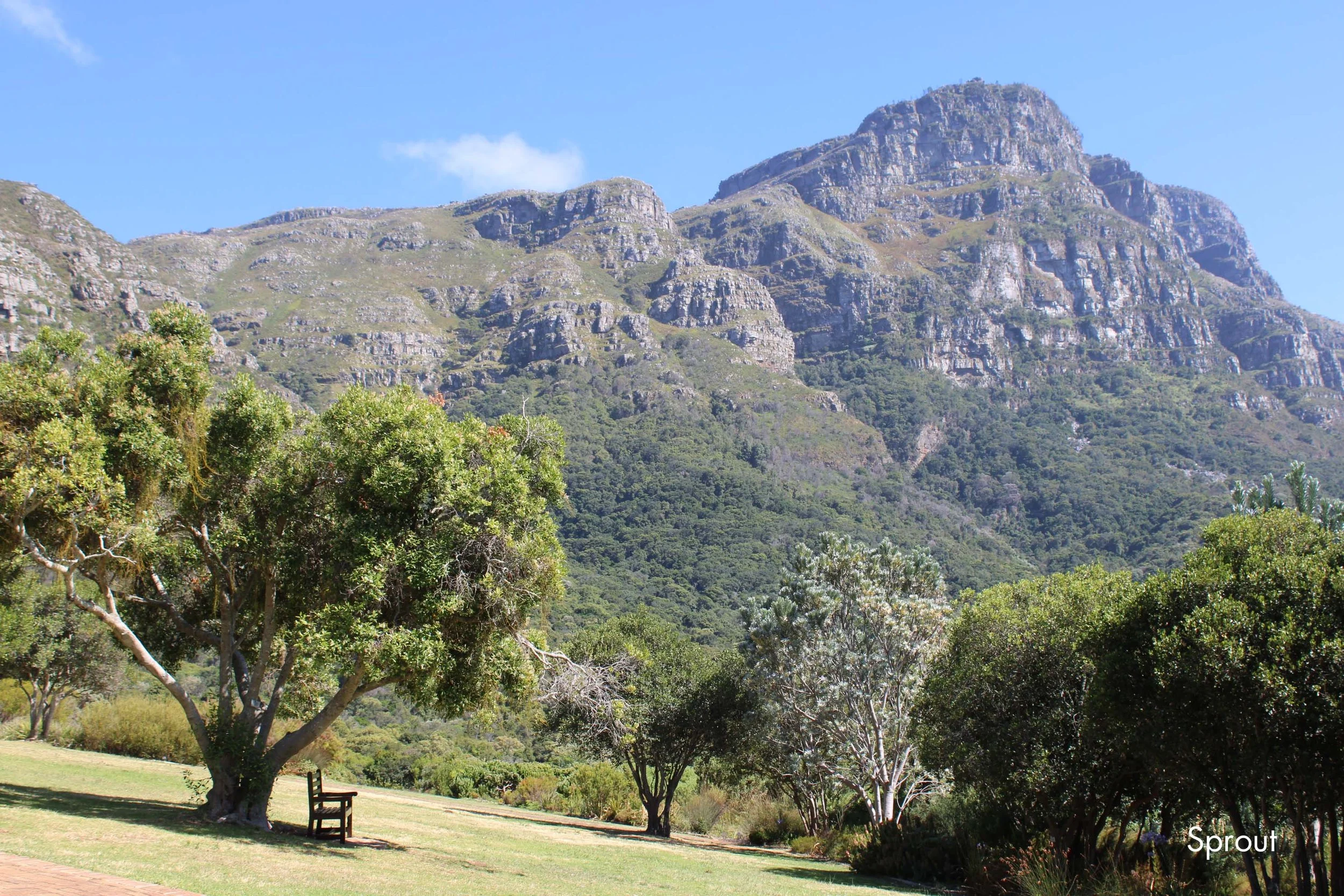
Kirstenbosch sits on the slopes of Table Mountain and has beautiful views of the surrounding mountains

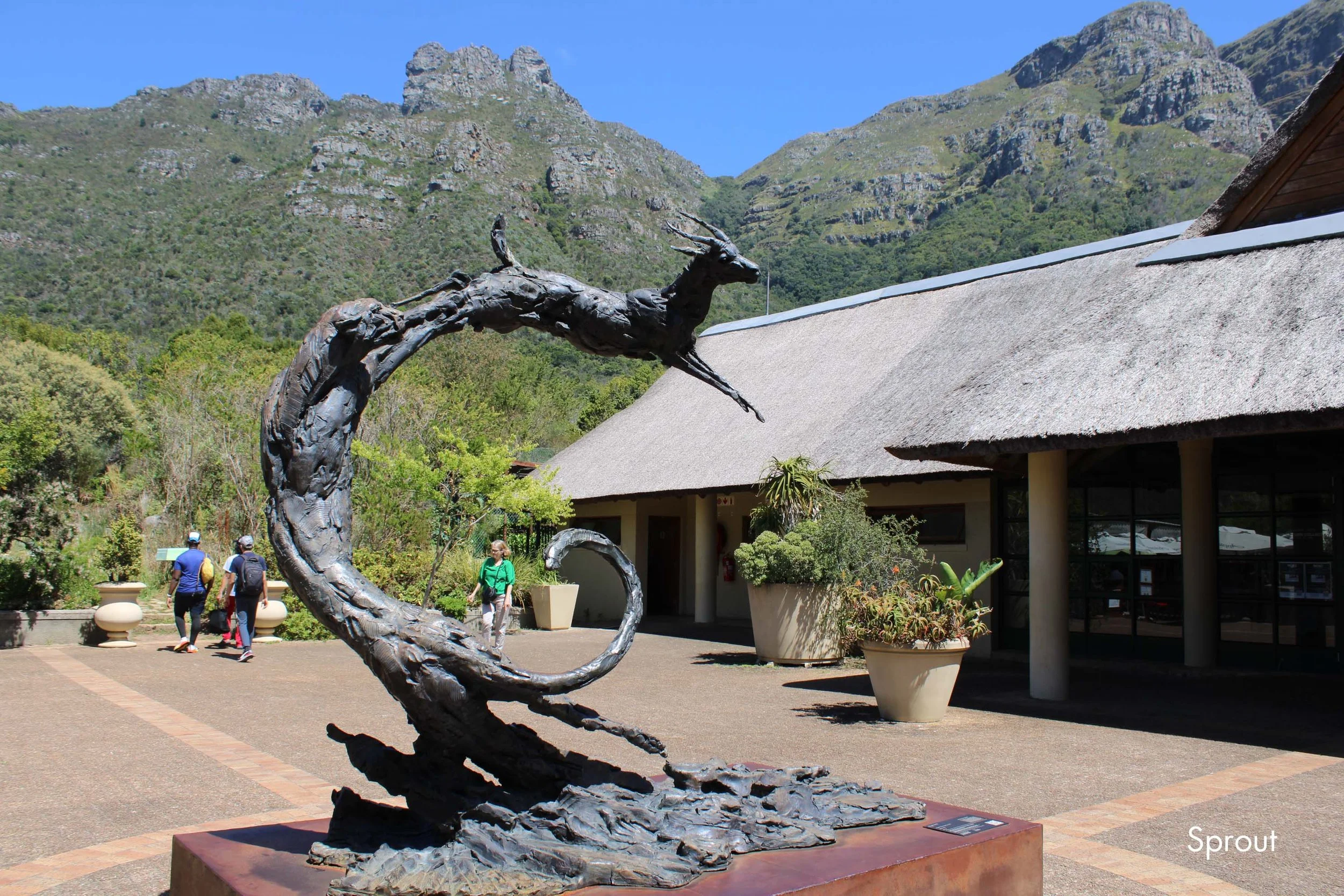
Sculpture by Dylan Lewis at the Centre for Home Gardening

Take Time to Explore and Enjoy

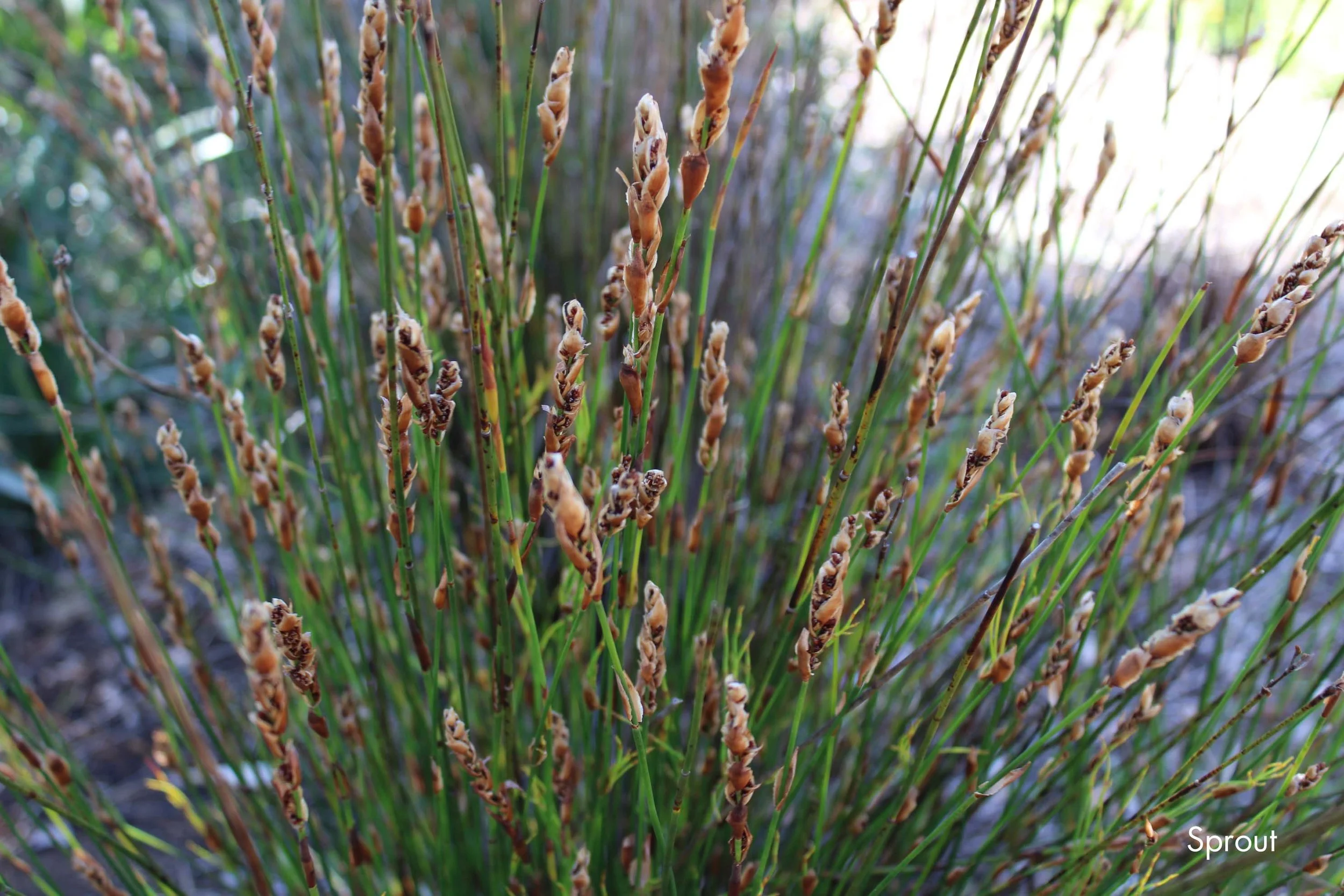
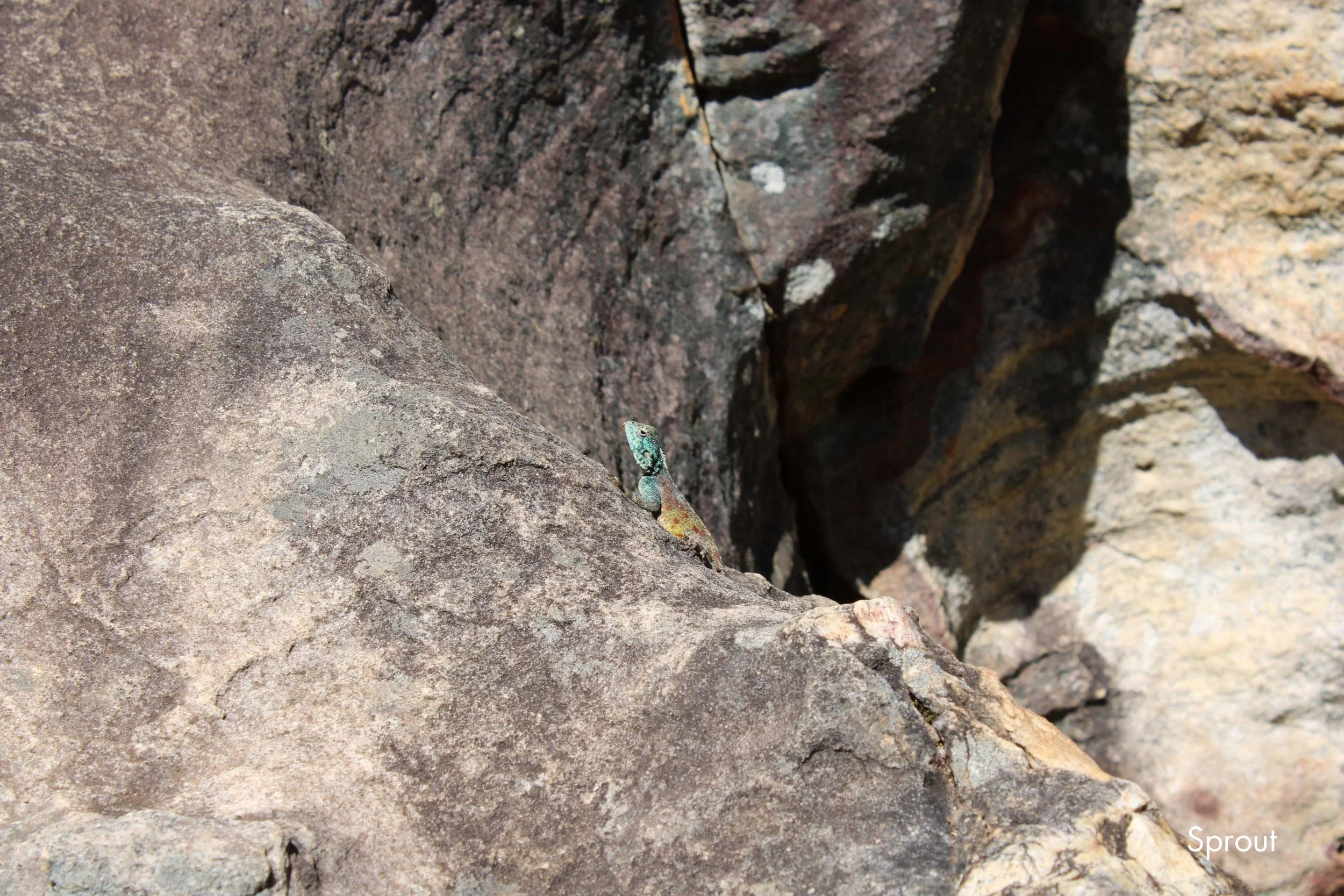
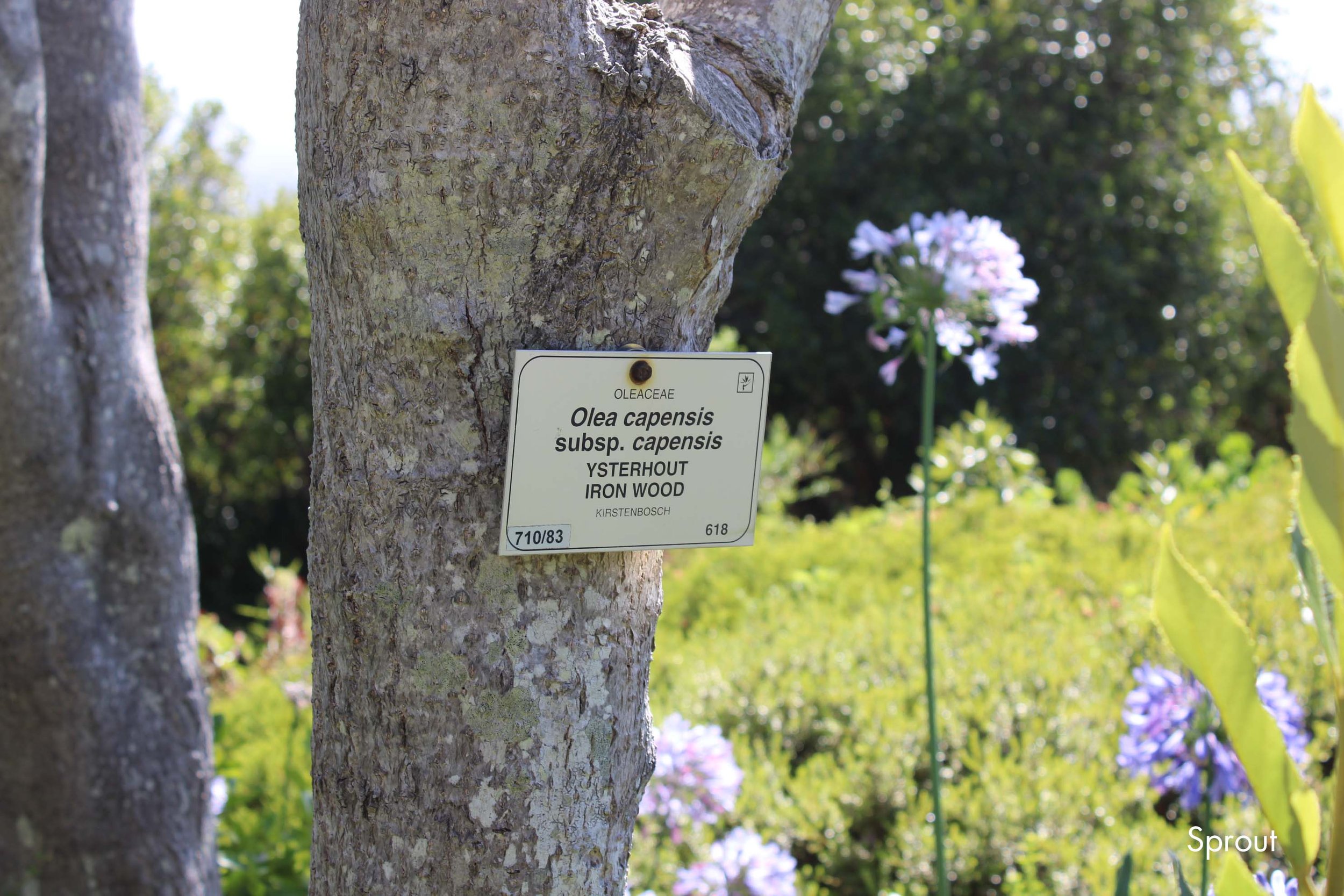
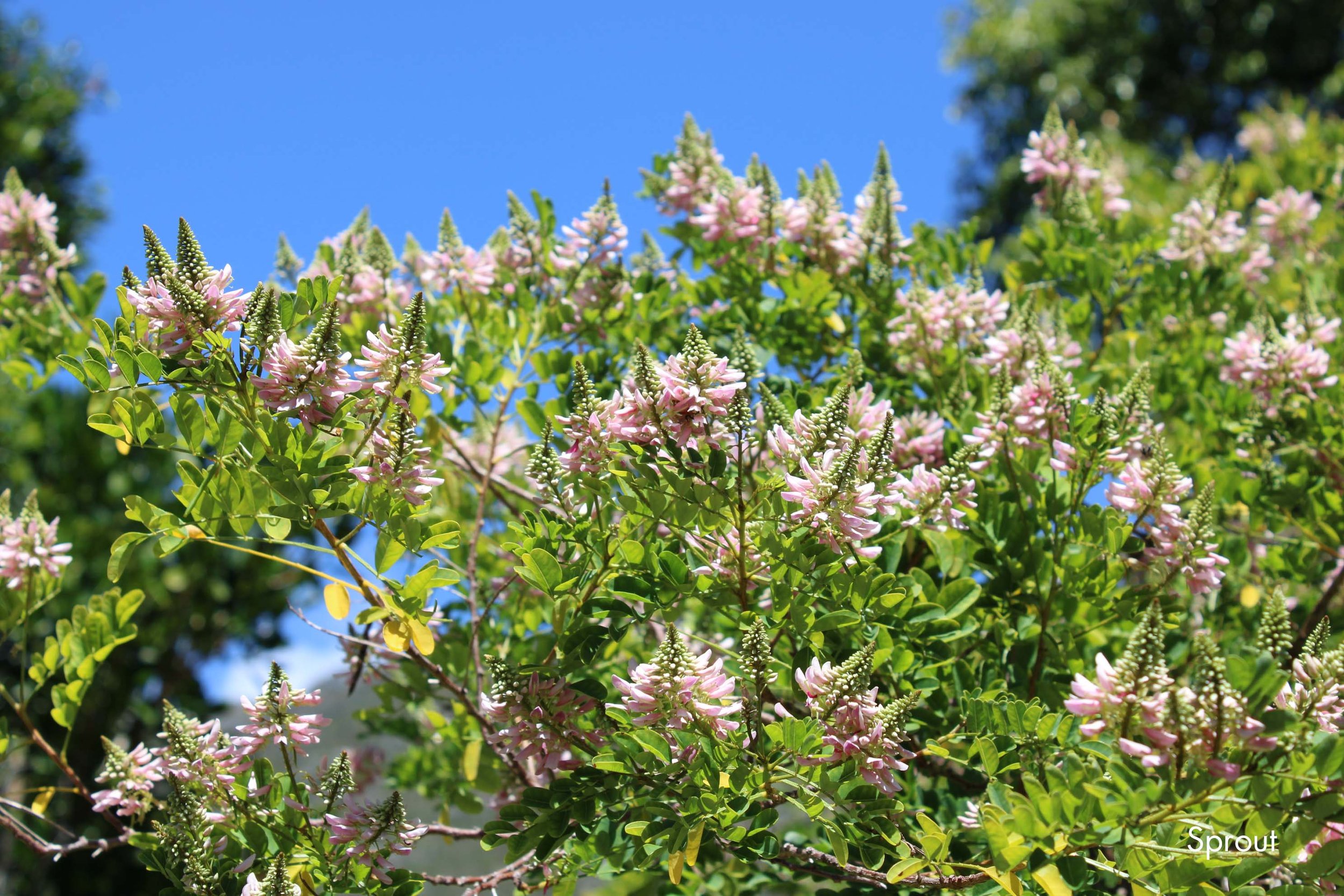
On my most recent visit I was lucky enough to have a whole morning to explore the gardens and it was truly a delight. I saw incredibly beautiful plants, abundant birdlife and even wildlife such as a snake, a shy Tortoise, several lizards and also giant tadpoles in the pond. Luckily I cam prepared with walking shoes, binoculars, camera and hat so I enjoyed hiking farther up the mountain than I have been before. The gardens are vast and it is impossible to see it all in only a few hours. I really enjoyed the Restio Garden, the Cycad Garden, the Fynbos Garden, Boomslang Canopy Walk, the Camphor Avenue and visiting the Shop at the Nursery at Gate1. I think this is a garden you can visit weekly and still make new discoveries each time. I love the link for ‘Seasons’ on the SANBI website where it details the different species that are flowering at different times of the year. (see below for link)

History

The Heritage Trail is a self-guided trail that takes one on a tour of the the oldest and most historic parts of the garden and icludes storyboards and old photographs. The trail is 2km long and takes approximately 2 hours to complete. While historical artefacts date back to the Stone Age, the more recent site history includes the forest being surveyed for the Dutch East India Company by Jan van Riebeeck in 1652. After the Second British Occupation in 1806 the land was bought by the Colonial Secretary Henry Alexander and his deputy Col. Christopher Bird, who built the brick bath at the spring in the Dell. (Colonel Bird Bath on the Map - see Map below) During the 1800s Kirstenbosch was a wine farm owned by the Cloete family. The last private owner was Cecil John Rhodes who bought it in 1895 for £9000 to protect the eastern slopes of Table Mountain from urban development. He planted the avenue of Camphor Trees. When Rhodes died in 1902 he left the land to the nation and in 1913 it became a botanical garden dedicated to the study and cultivation of indigenous plants of South Africa.

Visitor Information

Free guided tours of the garden take place – weather permitting – from Mondays to Fridays at 10h00, 11h00 and 14h00. Guided tours leave from the Visitor’s Centre (Gate 1). Each tour takes approximately 90 minutes. Each guide presents a unique tour, taking in the highlights of the season, exploring different areas of the garden while including some of its special features. The terrain is uneven at times and the tours are not wheelchair friendly. These guided walks are free, but garden entry fees apply. Entrance tickets can be bought online at Webtickets or at the Entrance Gates.

The garden is open every day from 08h00 to 19h00 during summer (Sep-Mar), 08h00 to 18h00 during winter (Apr-Aug).

I can’t wait to go back again!

~

see previous blog about Cape Town

see previous blog about Dylan Lewis Sculpture Park

See SANBI website Kirstenbosch (General)

See SANBI website Kirstenbosch (Seasons)

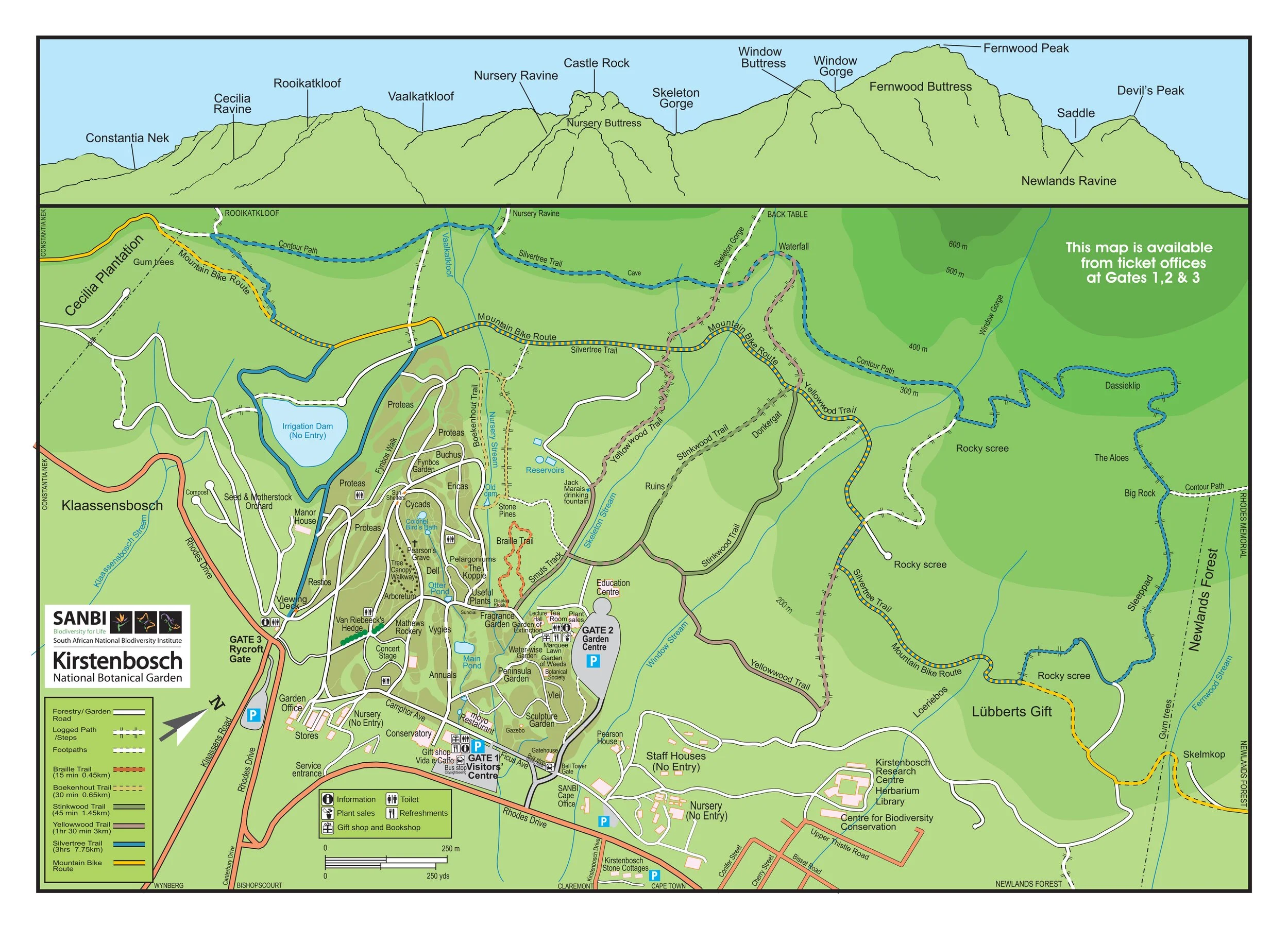
Map of Kirstenbosch

Blyde River Canyon and Swadini

Blyde River Canyon

We visited the Blyde River Canyon and stayed at the Swadini Forever Resort in Mpumalanga earlier this year and it was an amazing nature experience. The resort has a breathtaking setting as it sits at the foot of an impressive mountain and the Blyde River runs adjacent to the property.

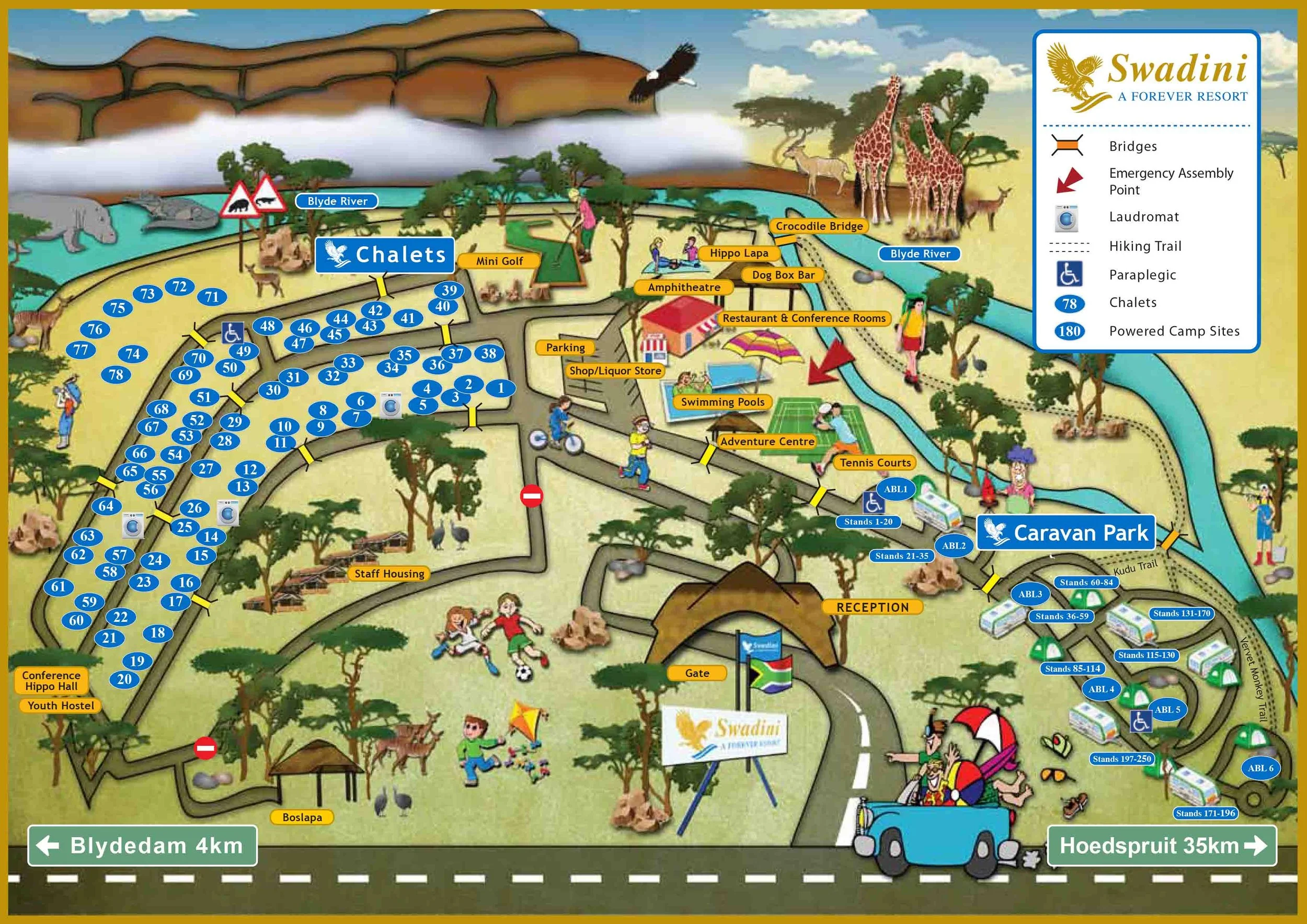
Swadini

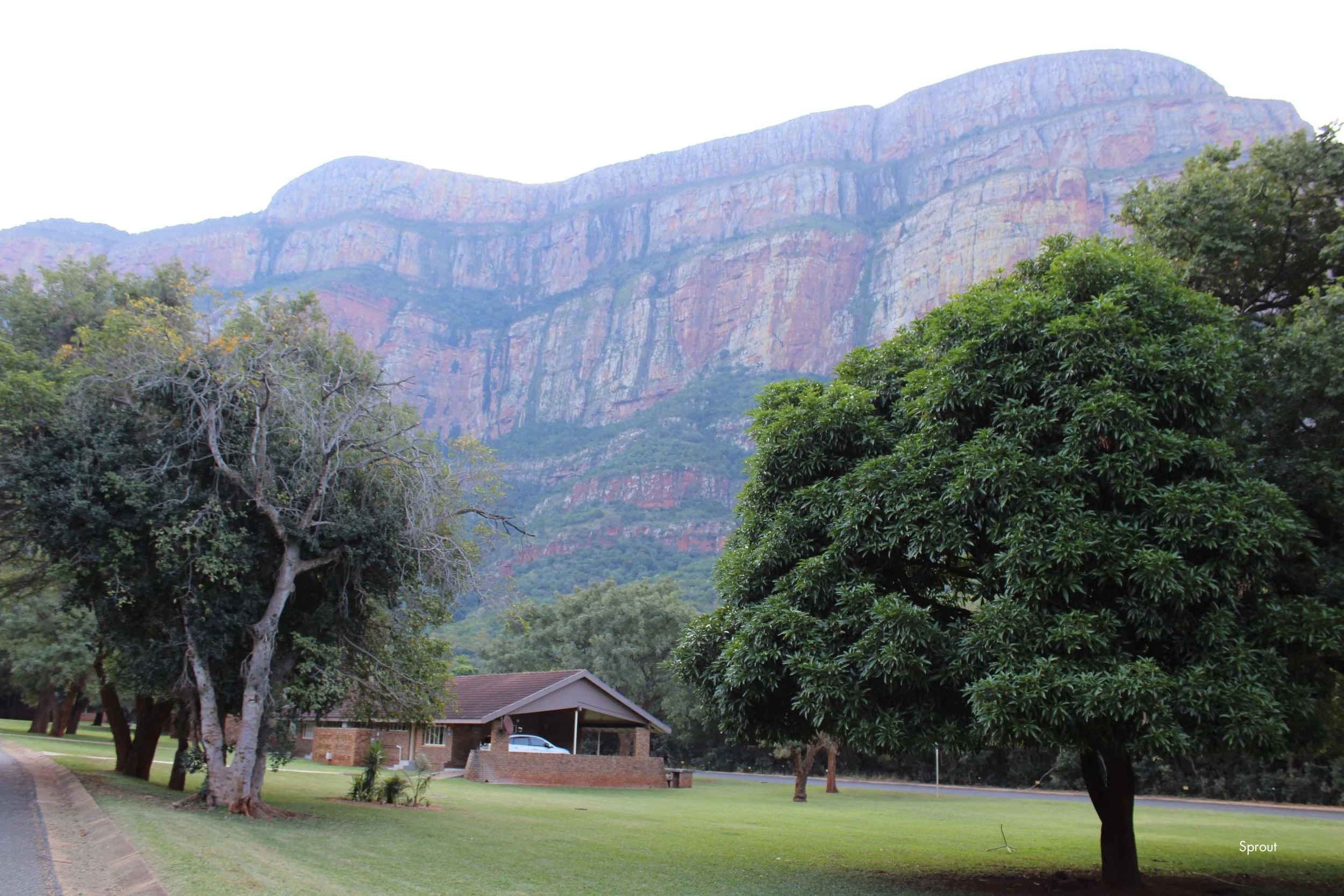
Swadini Forever Resort Chalets with mountain backdrop and beautiful trees

There is a lot to do at the resort including hiking, bird-watching, tree spotting, swimming, tennis and putt-putt. The Kudu hiking trail is a short walk along the Blyde River where you can often see hippos which are fortunately prevented from entering the resort with a low electric fence. Kudu can easily hop over the electric fence so they often roam the grounds. While it is exciting to see wild animals unfortunately baboons have become a problem and often come into the chalets to steal food. Visitors are advised to keep windows closed and food out of sight. There is a lovely pool area with a heated swimming pools and slides and we enjoyed our time at the pool. The well equipped convenience store meant we could stock up on firewood, ice and of course ice-creams.

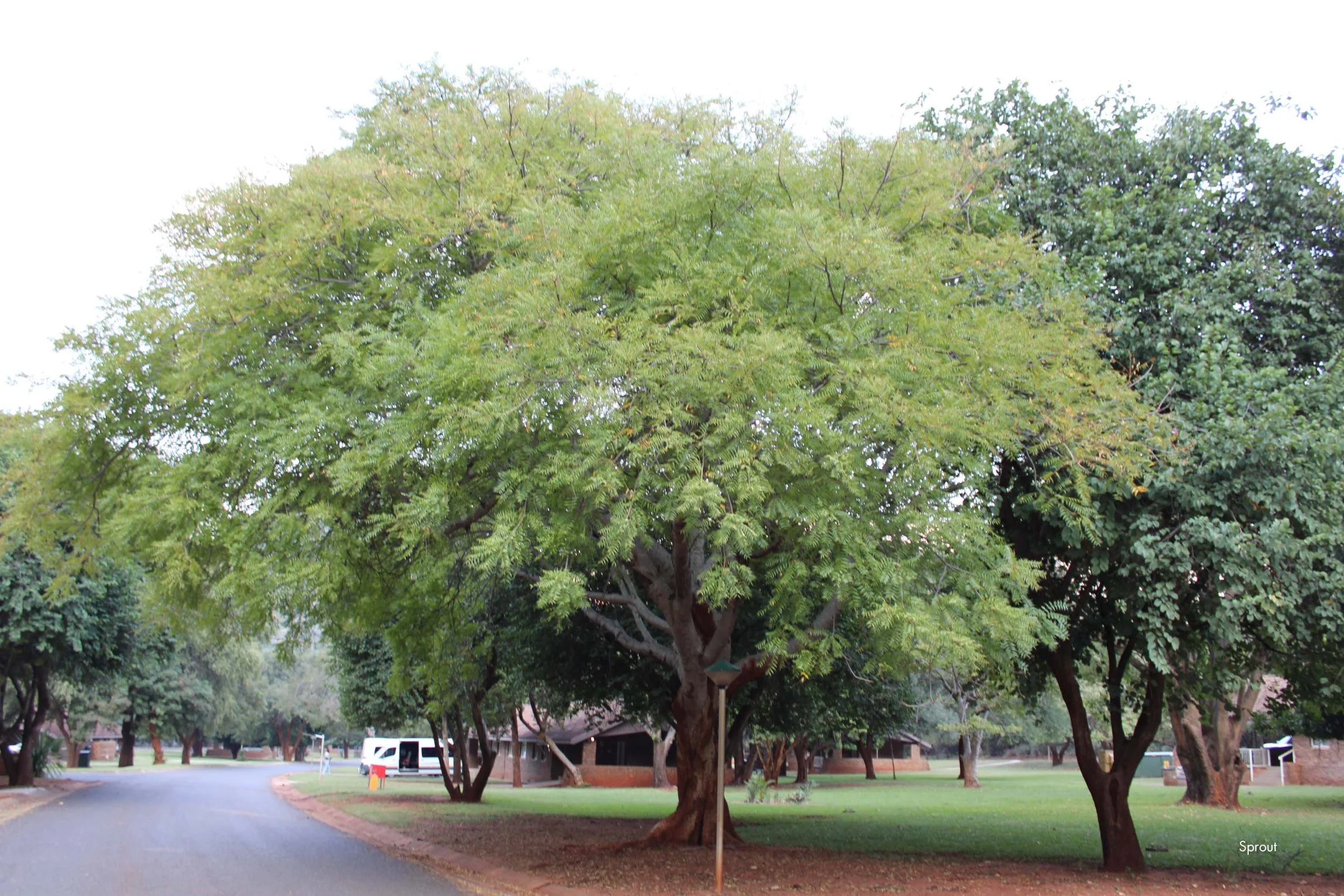
The resort has a bird list, butterfly list and tree list that is available from reception. Their tree list has 134 species recorded and there is a separate area which is called the Swadini Arboretum which has 52 species listed. Most of the trees on the grounds have tree tags on them which makes identifying and appreciating them all the more enjoyable.

Kirkia acuminata

Kirkia acuminata (White Seringa)

 Here is a list of the Trees to be seen at Swadini

Combretum hereroense (Russet Bushwillow)

Blyde River Canyon

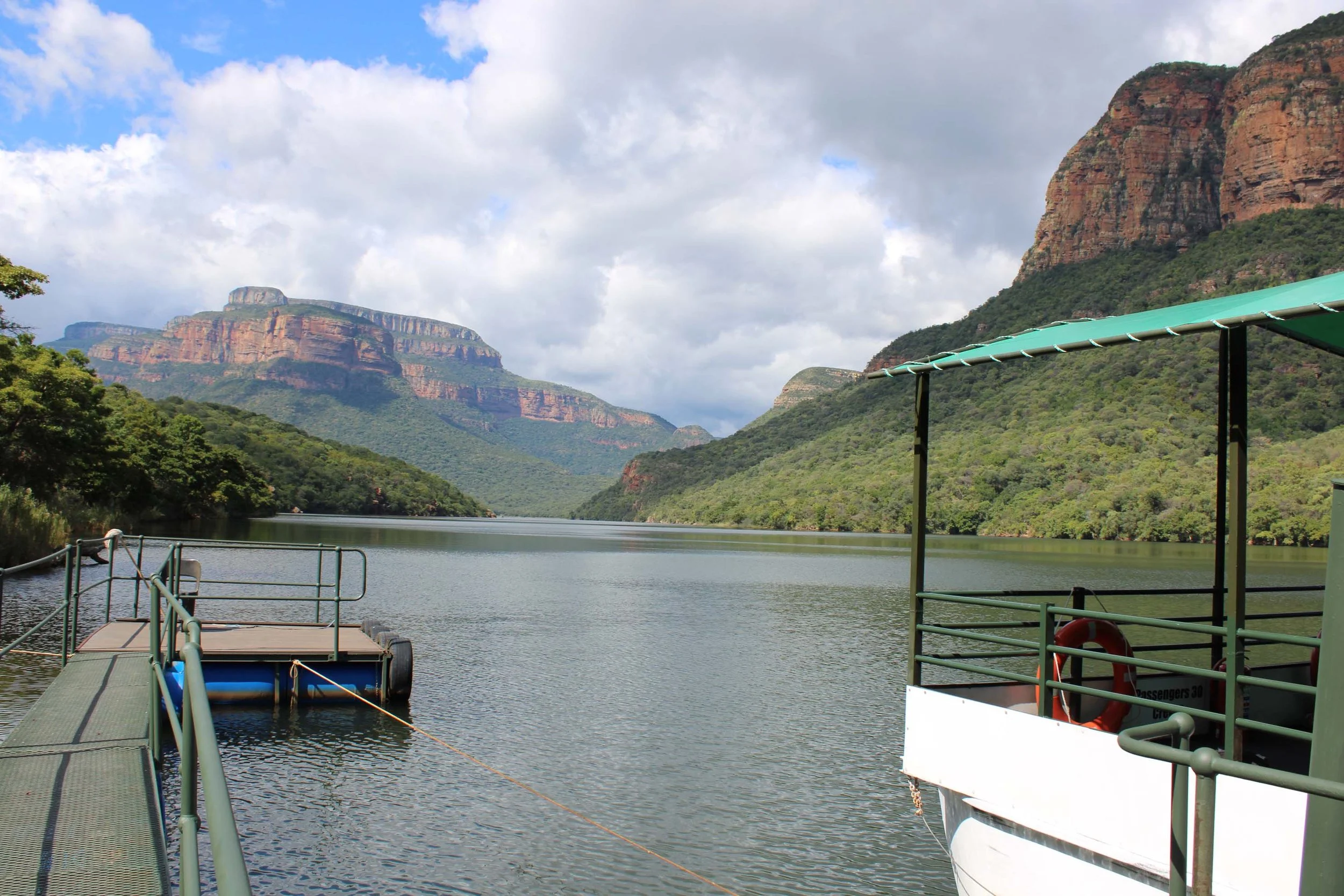
 A short drive down the hill from Swadini Forever Resort is the Blyde River Canyon where you can book a boat cruise to go on the Blyde River Dam. We thoroughly enjoyed the boat trip through the Blyde River Canyon which was a unique and beautiful experience. The Blyde River Canyon is the third largest Canyon in the world after the Grand Canyon in America and the Fish River Canyon in Namibia. The boat trip takes about an hour and you can bring your own refreshments along (no alcohol). Our tour guide shared informative facts with us about the canyon as well as the Three Rondawels and the unique Tufa Waterfall. The area surrounding the canyon is the Blyde River Nature Reserve which means that the wildlife and birdlife is prolific. We saw crocodiles, hippos, a leguaan and lovely birds from our boat including Trumpeter Hornbill, HalfCollared Kingfisher and Fish Eagle.

Remember that for the Boat Cruise you need to book and pay in advance as internet signal is not the best once you are there. You can choose between morning or afternoon time slots. There is a conservation fee that needs to be paid at the entrance to the Blyde River Nature Reserve. We came back later that same day (the entrance fee gives you access for the full day) to visit the Waterfall which is a short walk along a lovely forest path. The water was ice cold but some people were brave enough to swim! I highly recommend doing the boat cruise and waterfall hike for an unforgettable nature experience.

 So if you visit Swadini be sure to:

1.      Explore the resort and see its impressive trees (spot the Euphorbia growing out of the Cussonia)

2.      Walk along the BlydeRiver on the Kudu Trail and try and spot some hippos

3.      Book a Boat Cruise on the Blyde River Canyon

Montagu Herb Festival

We visited the quaint town of Monatgu in the Western Cape over the Heritage day weekend in September this year. Montagu is situated in the Breede River Valley at the foot of the majestic Langeberg mountains and surrounded by beautiful fynbos vegetation, lush vineyards and fruit orchards. It is known for its location on the famous Route 62 and for the numerous outdoor activities on offer including hiking, rock climbing and mountain biking. Interestingly Montagu boasts the most number of national monuments in one street than any other town in the country and the town has a rich cultural and architectural history.

 While the main aim of our visit was to have a relaxing getaway (i.e. fun-filled girls weekend) in a beautiful part of the country, we discovered much to our delight, that it serendipitously coincided with the annual Montagu Herb Festival or Kruiefees.

Exploring Montagu

Doing the Scavenger Hike by Bike!

The Herb Festival is in it’s 4th year of existence and is organised by the Montagu Museum which has a long standing history of documenting knowledge about medicinal plants. Since I love all things botanical this was an event I was so excited to experience and I thoroughly enjoyed it. The festival included: exhibitions, cooking demos, workshops, plant discovery walks and enlightening talks on medicinal herbs, mushrooms, and healing traditions.

The Fynbos Healing Plant Discovery Walk was on Sunday morning

I thoroughly enjoyed learning more about the local flora on the Fynbos walk with Liana Muller from Fijn Botanicals. She shared on the medicinal and healing properties of the plants in the area that she uses to create Botanical perfumes, creams and other skin products.

Liana Jansen from Fijn Botanicals sharing her knowledge about the Fynbos plants she uses in her products

We also enjoyed the Herb Walk in the Montagu Nature Garden with curator Hugo de Wet and Patti van Dyk. The Nature Garden is an indigenous wildflower reserve with plants of the Klein Karoo and contains numerous walking trails which offer lovely views of the town below as you make your way up the hill.   

Hiking through the Montagu Nature Garden

Montagu Nature Garden

The exhibition at the Montagu Museum consisted of companies that make use of botanical products and included the following: Canna Gold, Chivas Oils, Dagga Farmacy, Earthwell Pet Products, Eporia, Fell Flora, Fijn Botanicals, Folio Books, Gentle Rain Traditional Healing, Greyton Candles, Grow Folk, Indikaap, Karoo Mantis, Khoe Cure, Montagu Museum Herbs, Shop@Yamu Botanicals and Therapeutic Naturals.

See image of Herb Festival Program for 2024:

 I had just walked through fynbos for a few hours - studying and learning about the medicinal plants of this region - so when I saw dried plants in jars on the table of Khoe Cure I wanted to try them out for myself. I bought their Herbal Tonic which contains the following plants: Sutherlandia frutescens, Artemesia afra, Dicoma capensis, Lobostemon fruticosus, Agathosma, Aucalyptus globulus, Bulbine natalensis, Hypoxis hemerocallidea, Tulbaghia violacea, Chrysocoma ciliata, Cissampelos, Clychrrhiza glabra and Cannabis. The tonic has a strong garlic taste from the Tulbaghia violacea, which makes it a bit hard to swallow, but Megan suggested I mix it with tonic water and that has definitely helped.

While there are certainly many beautiful accommodation options in the area I highly recommend the self-catering cottage we stayed in called Exhale Cottage. The cottage is well equipped and in the most breathtakingly beautiful location. The hosts were incredibly gracious and generous and went out of their way to make our stay unforgettable. Here are some pics of our accommodation:

We had a really memorable weekend!

Montagu's Herb Festival is a must-visit for anyone who is interested in medicinal plants or who just wants to enjoy the beautiful scenery and relaxed atmosphere of this charming town.

Some reference links: 

https://montagumuseum.co.za/
https://www.sahistory.org.za/place/montagu-route-62

https://www.south-africa-info.co.za/country/town/227/montagu

Mapungubwe National Park

For several years I have wanted to visit Mapungubwe National Park, but it was always a bit far (5 hours from Johannesburg) and I was worried about Malaria for my young children. This year we made it happen and visited in May which was surprisingly warm and we were really taken aback by the incredible beauty of this park.

Location

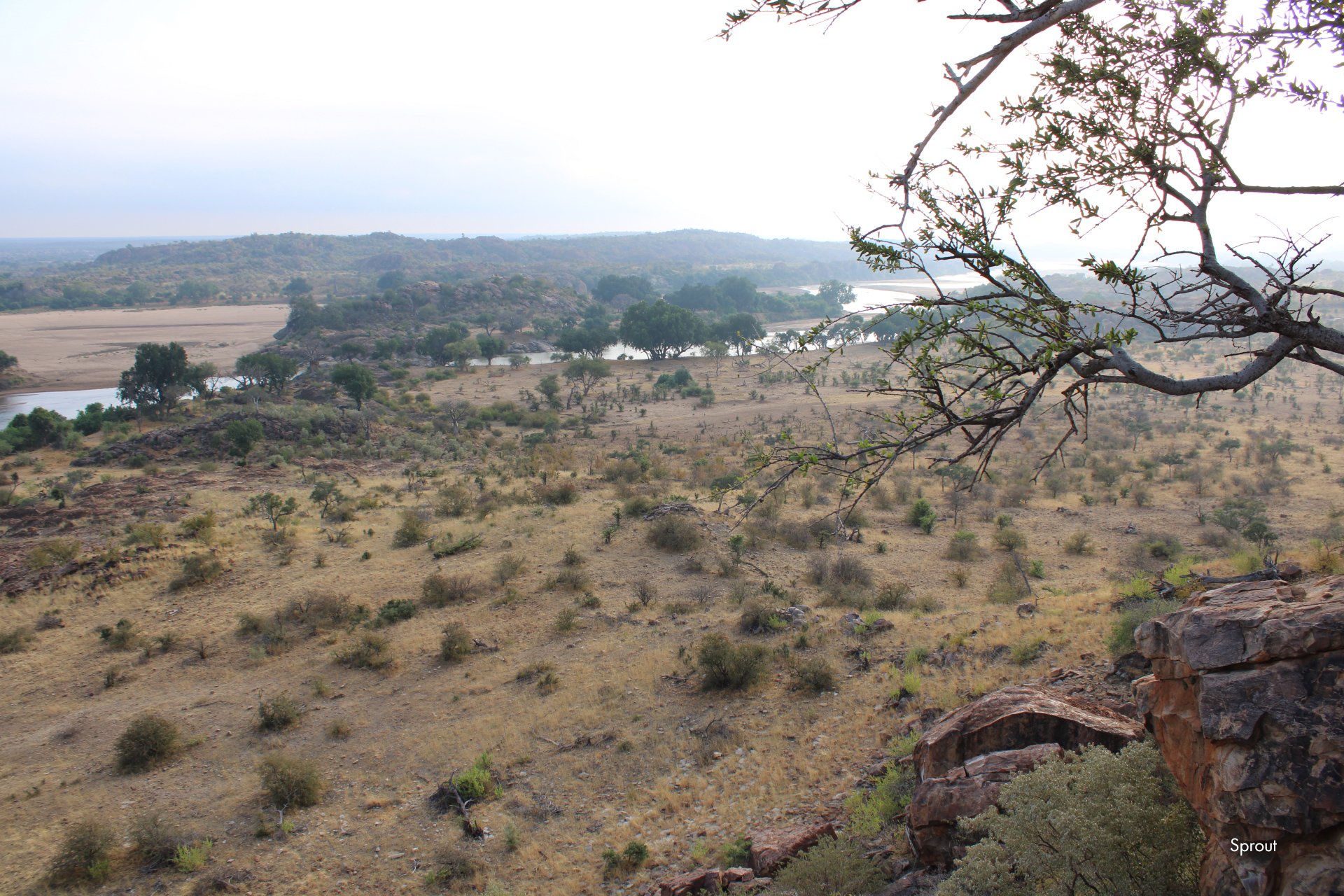
Mapungubwe is located on the border between South Africa, Zimbabwe and Botswana. It is on the South African side of the confluence between the Shashe and Limpopo Rivers. The reserve is actually bisected into two parts - the Eastern and Western Sections - with private land in between. It also forms part of a greater reserve that extends into the neighbouring countries called the Greater Mapungubwe Transfrontier Conservation Area.

Maps from SANParks website

History

“In December 1932, Ernst van Graan, his son Jerry and three other men searched the farm Greefswald, where both Mapungubwe and K2 are located, for a sacred hill rumoured to hold the treasure of kings. Arriving eventually at the steep-sided and seemingly unscaleable hill, a local man, known only as Mowena, reluctantly pointed the way to a narrow path well concealed in a cleft in the rock. Reaching the top of the hill, the men found remnants of stone walls and large quantities of potsherds, some iron tools and copper and glass beads scattered on the ground. They returned the next day with spades and soon unearthed ancient graves, three which were different and probably belonged to royalty.”

Several graves were uncovered including precious artefacts such as a golden bowl, scepter and the famous golden rhino. The Golden Rhino has become a symbol for Mapungubwe.

Architecture

I first heard about Mapungubwe while studying at the University of Pretoria when architect Peter Rich came to give a guest lecture on his award-winning Interpretive Centre. The visuals he showed stuck in my mind - brick vaulted domes clad in sandstone. I really wanted to visit this building. He explained how unemployed people from the local community were trained in making the clay tiles and in the tile-vaulting construction technique.

The Mapungubwe Interpretive Centre functions as a museum and holds a smallish collection of artefacts with historical information on the story of Mapungubwe. (Note that Museum entrance needs to be paid at Reception, a short drive away). There is also a cafeteria and small curio shop.

The architect clearly intended the experience of the museum to include exiting the building and walking on the rocky mesa to overlook the dramatic landscape below. Unfortunately, there is not even a signpost to indicate that you should go on the short walk to see this incredible view, so if you visit make sure that find a small dirt track from the cafeteria to the top of the hill.

link to architect’s page: https://www.peterricharchitects.com/mapungubwe-interpretation-centre

Cultural Landscape

The Mapungubwe Cultural Landscape has been occupied by diverse peoples over thousands of years. It demonstrates the rise and fall of the first powerful indigenous kingdom in Southern Africa between 900 and 1,300 AD and laid the foundation for subsequent settlement patterns in the region. In the 21st century Mapungubwe has been embraced as a site of significance by South Africans as well as the international community. The Mapungubwe Cultural Landscape (MCL) was declared as a National Heritage Site in 2001 and it was inscribed on the World Heritage List in 2003.

The MCL was inscribed on the World Heritage List in 2003 because it is believed to be of outstanding universal value for the following reasons:

  • The MCL contains evidence for an important interchange of human values that led to far-reaching cultural and social changes in southern Africa between AD 900 and 1300.

  • The remains in the MCL are a remarkably complete testimony to the growth and subsequent decline of the Mapungubwe State which at its height was the largest kingdom on the African subcontinent.

  • The establishment of Mapungubwe as a powerful state trading through the East African ports with Arabia and India was a significant stage in the history of the African sub-continent.

  • The remains in the MCL graphically illustrate the impact of climate change and record the growth, and then decline, of the Kingdom of Mapungubwe as a clear record of a culture that became vulnerable to irreversible change.

Take the time to contemplate the landscape. Marvel at the wonder of Nature and the layers of memory and history in this place.

Vegetation

The Park comprises Subtropical Alluvial Vegetation, Musina Mopane Bushveld and Limpopo Ridge Bushveld vegetation types. The Mopani trees were particularly striking when we visited - all golden shades of yellow, orange and red and I also loved the Large Leaved Rock Figs (Ficus abutilifolia) clinging to the dramatic rock formations. But the highlight for me must be the magnificent Baobabs (Adansonia digitata). They are so enormous that you can’t help be in awe of them. They are even more dramatic without leaves and their grey bark almost shimmers like a snake’s skin in the sunlight. The Park has tried to protect many of the larger trees with a type of wire mesh wrapped around the trunk to protect the trees from elephants.

Large leaved Rock Fig
Mapungubwe Baobab

Geology

The landscape is really poetic. I wanted to do some research on the geology of the area and found this incerpt in the Integrated Management Plan for the period of 2019 - 2028, prepared by Dr Andre Spies, found on the SANParks website: “The park comprises of an attractive semi-arid landscape with varying geological structures and formations, including extremely old Archaean rocks, metamorphics of intermediate age, karoo sandstone / conglomerate uplands that are about 200 million years old, and recent alluvium and sands. Kimberlites about 100 million years old are found in the region, which explains the existence of a large diamond mine at Venetia, about 50 km south of the park boundary. ” (https://www.sanparks.org/wp-content/uploads/2023/08/integrated-management-plan-3.pdf)

Animals & Birds

We saw lovely general game in Mapungubwe. My kids enjoyed seeing Spring Hares for the first time!

Birdlife is abundant and there are some amazing specials that can be found here. I really wanted to see Pel’s Fishing Owl, this bird attracts many birding fanatics countrywide, but unfortunately I did not see it. I did see Meyer’s Parrot and Meve’s (Longtailed) Starling for the first time. This place is a Birder’s Paradise!

Giraffe in Leokwe Rest Camp

Accommodation

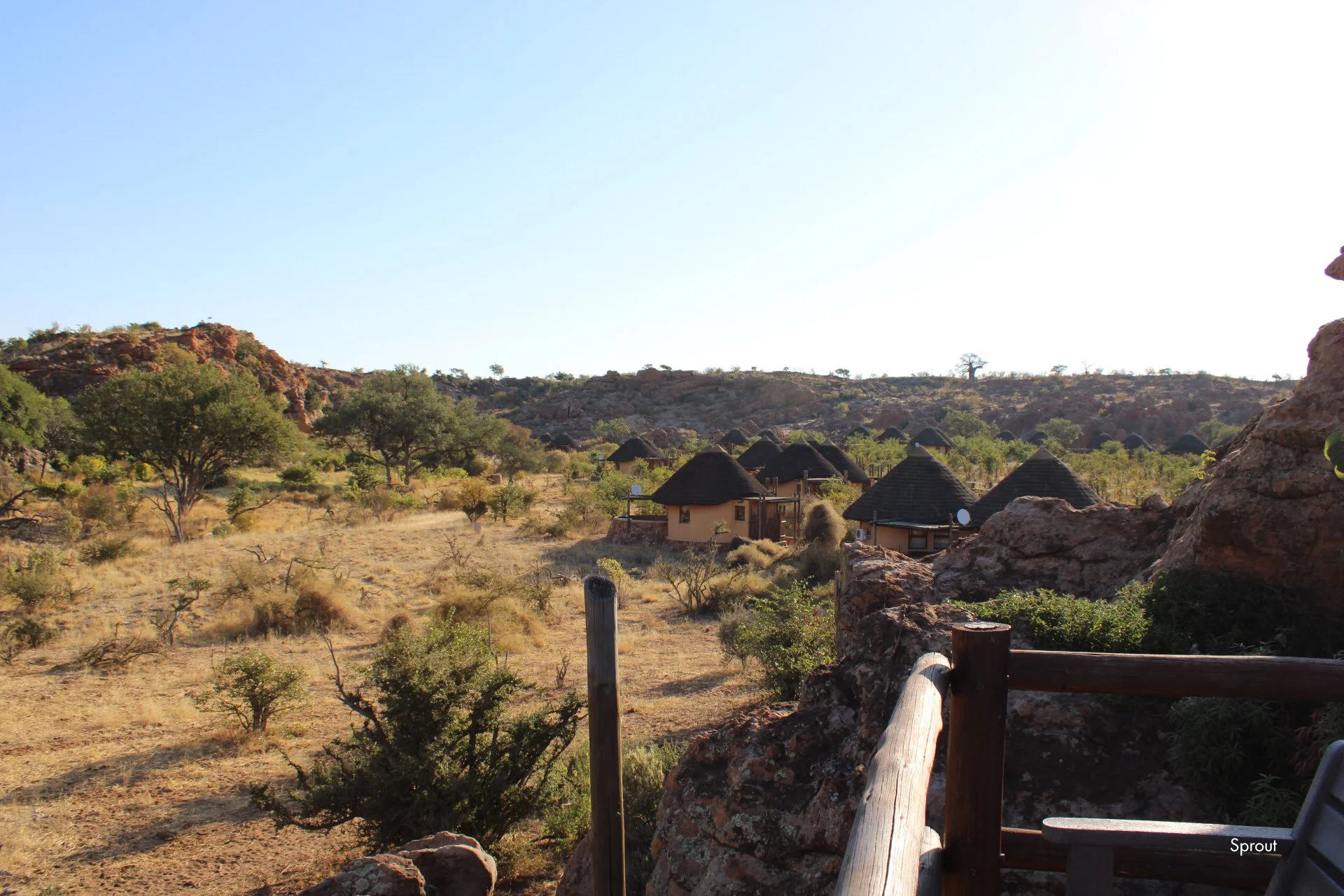
There are several accommodation options available at Mapungubwe National Park: Well equipped Chalets at Leokwe Camp; Tented huts at Limpopo Forest Tented Camp; Campsites at Mazhou Campsite; Tshugulu Lodge caters for larger groups and also there are also cabins at Vhembe Wilderness Camp. I have only stayed at Leokwe Rest Camp so unfortunately can’t give more information about the other options. Our rondawel at Leokwe was very spacious and we loved braaiing on the patio with a beautiful view over the indigenous bush. The camp is not fenced off so animals roam freely but I believe there are not a lot of lions in the reserve, but even so they ask you to refrain from walking in the camp after nightfall.

View of Leokwe Camp from Pool Area

Pool at Leokwe Rest Camp

For bookings go to SANParks website

References:

  • SANParks website - Mapungubwe National Park – SANParks https://www.sanparks.org/parks/mapungubwe

  • Mapungubwe National Park and World Heritage Site Integrated Management Plan, 2019 - 2028, by Andre Spies, Integrated Management Plan

  • MAPUNGUBWE NATIONAL PARK AND WHS Heritage and Palaeontological Impact Assessment for the Overnight Youth Facility (Dormitories) & Mapungubwe Valley Orientation Centres January 2020, by Stephan Gaigher, Heritage Impact Assessment

  • https://whc.unesco.org/en/list/1099/

Doornkop Fish & Wildlife Reserve

Friends of ours introduced us to Doornkop Nature Reserve which is situated between Carolina and Mashadodorp in Mpumalanga. It was the ideal location for us to spend a few nights on route to Nelspruit in December. I was really impressed with the accommodation (there are several homes available to rent on AirBnB) and the estate facilities on offer. The clubhouse has a small shop, tennis courts, a games room with pool table and wonderful swimming pool. There is beautiful wildlife to be seen, amazing bird life and stunning vegetation to explore. I loved this place and will definitely go back! Their website is very comprehensive, and you will find a lot of detail about the reserve there: https://doornkopresort.co.za/

There are many hiking trails and mountain bike routes on offer. We enjoyed hiking to a beautiful waterfall which even the kids managed. The reserve also offers special activities for kids during holiday seasons, and we took our kids to free horse-riding lessons which they loved. There were other activities on offer so you can join in organised events or just relax and enjoy the surrounding beauty.

Pony rides for kids at Doornkop

Dung beetles near the horses paddocks

We saw these beautiful cows on the way to the reserve and I had to stop and photograph them!

~ G.S

Mkhambathi Nature Reserve

It is undeniable that South Africa is filled with incredible nature destinations, and I love visiting them and discovering the beauty that our country holds. One of these destinations is a hidden gem called Mkhambathi Nature Reserve in the Eastern Cape.

location

Mkhambathi Nature Reserve is situated on the coast between Port Edward and Port St Johns and while it is an effort to get there it is definitely worth it. The roads to get there are riddled with potholes and the 40km dirt road stretch from Flagstaff can be challenging. The reserve is bounded by two rivers, the Mtentu to the north and Msikaba to the south.

Information

The reserve covers an area of over 8000ha and consists of open grasslands dotted with forest patches and swamp forests making it a unique landscape to experience. It forms part of the greater Pondoland Marine Protected Area and the Pondoland Centre of Endemism, making it one of the most important centres of plant diversity and endemism in Africa. The reserve is managed by the Eastern Cape Parks and Tourism Agency (ECPTA) and accommodation bookings can be made through their website.

I have added a map here from the information we gathered on our trip as the map they provided isn’t very clear, it is not very detailed but gives you an idea of where the main points of interest are located

History

In 1922 people were moved out of the area and a leper colony with a hospital was established on 18 000 ha of rolling coastal grassland. When leprosy was cured, the facility became a TB hospital. In 1977 a provincial nature reserve was proclaimed in a third of the 18 000 ha. A land claim for the reserve, including the surrounding area, was lodged and granted in 2004 and the applicants were constituted as the Mkhambathi Land Trust (MLT), with the condition that Mkhambathi Nature Reserve be maintained as a reserve and co-managed with ECPTA. The reserve has remained in an untransformed state and there are few settlements in close proximity to it. The adjacent grassland areas are just as valuable in terms of biodiversity and there is a possibility that more land will be incorporated into the reserve in future. (https://www.birdlife.org.za/iba-directory/mkhambathi-nature-reserve/)

Vegetation

Some extremely important vegetation types are protected in Mkhambathi. Examples of the Pondoland-Ugu Sandstone Coastal Sourveld grasslands in this reserve are the only ones under formal conservation, while its Pondoland Scarp Forests are some of the most significant forests in South Africa. The false water-berry Rhynchocalyx lawsonioides and the endangered Pondo palm Jubaeopsis caffra are endemic to this area.

Things to Do

While you may want to relax, there is a lot to keep visitors busy including: fishing in designated areas (with a permit), swimming, mountain biking, birdwatching and self driving to see animals - a 4x4 is necessary especially in the rainy season. We did not have a 4x4 and made use of the game drive service which I highly recommend (enquire at reception for pricing). Most visitors enjoy hiking through the reserve especially along the coast and the trail from Mkhambathi Falls to Horseshoe Falls. There is no dangerous game which makes it safe to explore and we especially enjoyed swimming in the many rock pools - see video below.

Accommodation

When we visited the reserve several years ago, we stayed in GweGwe Rondawels which is an incredible location right at the foot of the ocean. People who visited Mkhambahti in the past would have fond memories of those huts. Apparently these rondawels have been demolished to make way for a new boutique hotel which is said to open in 2024. The current accommodation options are basic but functional cottages.

We loved visiting this reserve and would love to return again as there is a lot to explore!

2 x Stone Cottages while Cottage no.6 is an old house

Tips: Remember that is it is far away from everything with no cellphone signal so you really do relax, but that also means you need to plan well in advance and take everything that you may need. Perhaps the boutique lodge is up and running sometime this year and then you can stay there in luxury!

~ G.S

References:

https://www.birdlife.org.za/iba-directory/mkhambathi-nature-reserve/

https://visiteasterncape.co.za/parks/mkhambathi/

http://bookonline.ecpta.co.za/?q=node/45 - website to book accommodation

Storm's River Mouth

I have been wanting to return to the Garden Route National Park to share this beautiful part of the world with my kids for a few years now. Although they are still too young to do the Otter Trail I knew they would love the scenery and surroundings. It is really a nature lover’s paradise.

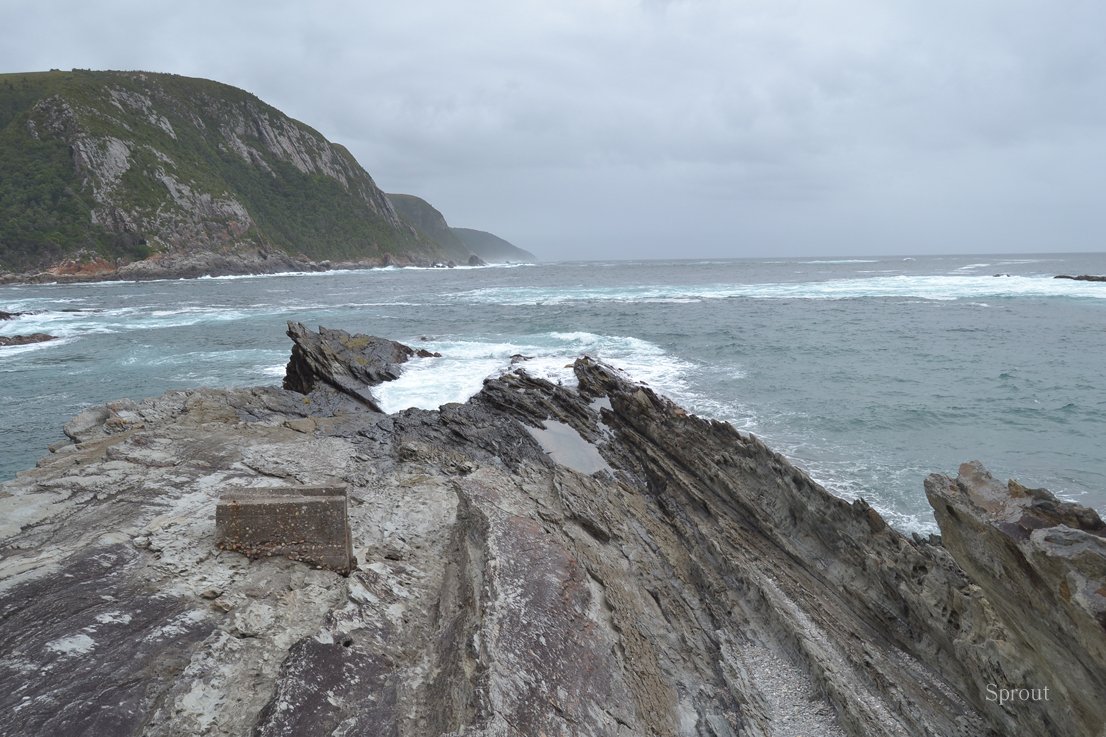
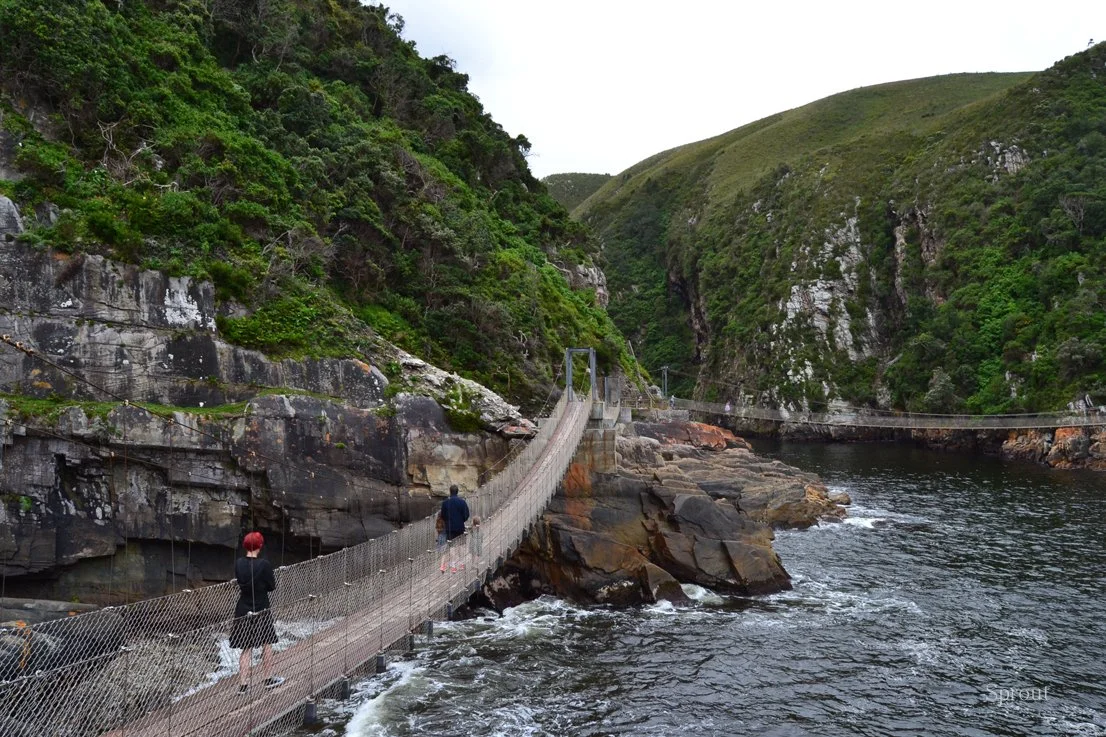
Dramatic scenery at Storm’s River Mouth

We spent a wonderful long weekend there with family and enjoyed the lilo adventure up the gorge. I didn’t want to risk my camera falling in the water so unfortunately I don’t have any pics of that experience!

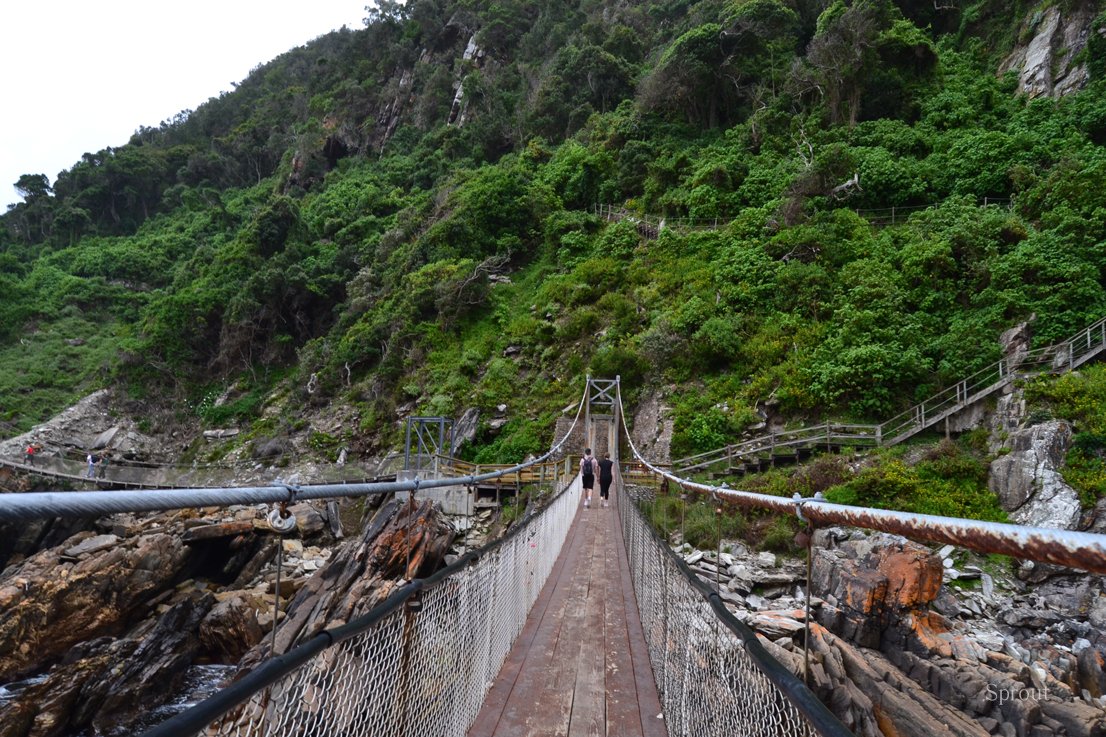
Suspension bridge

We enjoyed the hike to suspension bridge as well as the short Lourie Trail inside the Storms River Mouth Restcamp. Some of the more energetic also did the Waterfal hike which is the first part of the Otter Trail. See further trail information on the SANParks website .

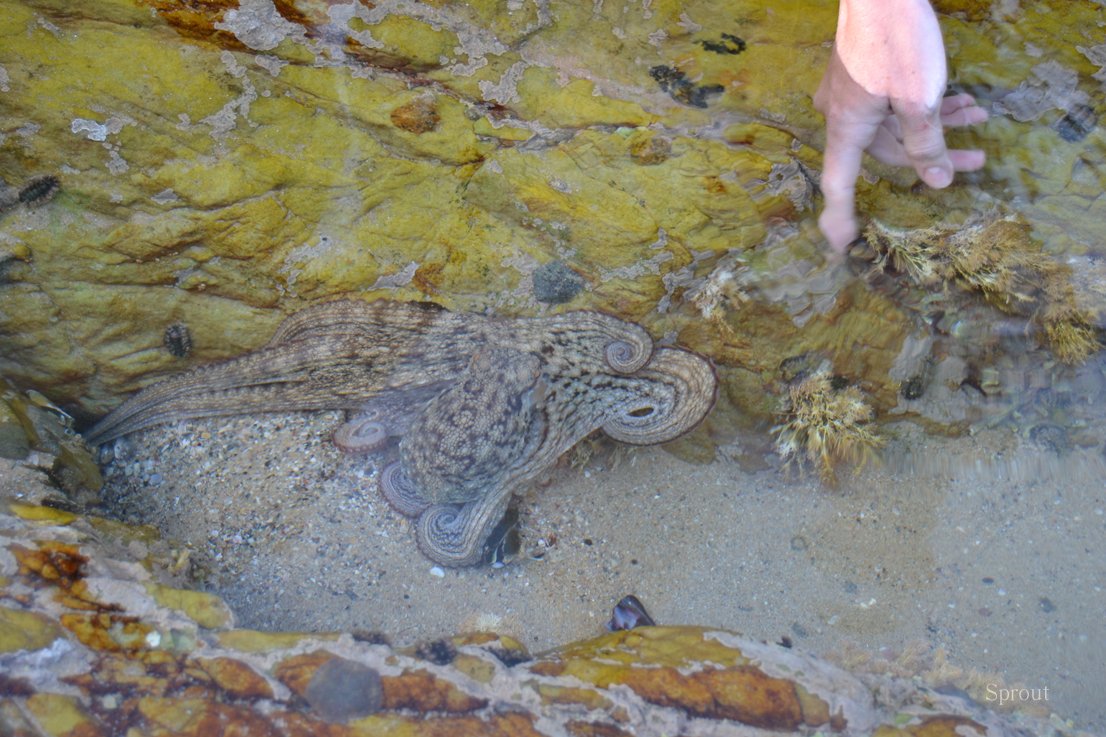
One of the highlights of the trip was finding and interacting with a beautiful Octopus as well as several starfish in one of the rock pools. We enjoyed watching whales, birdwatching and even spotted an otter.
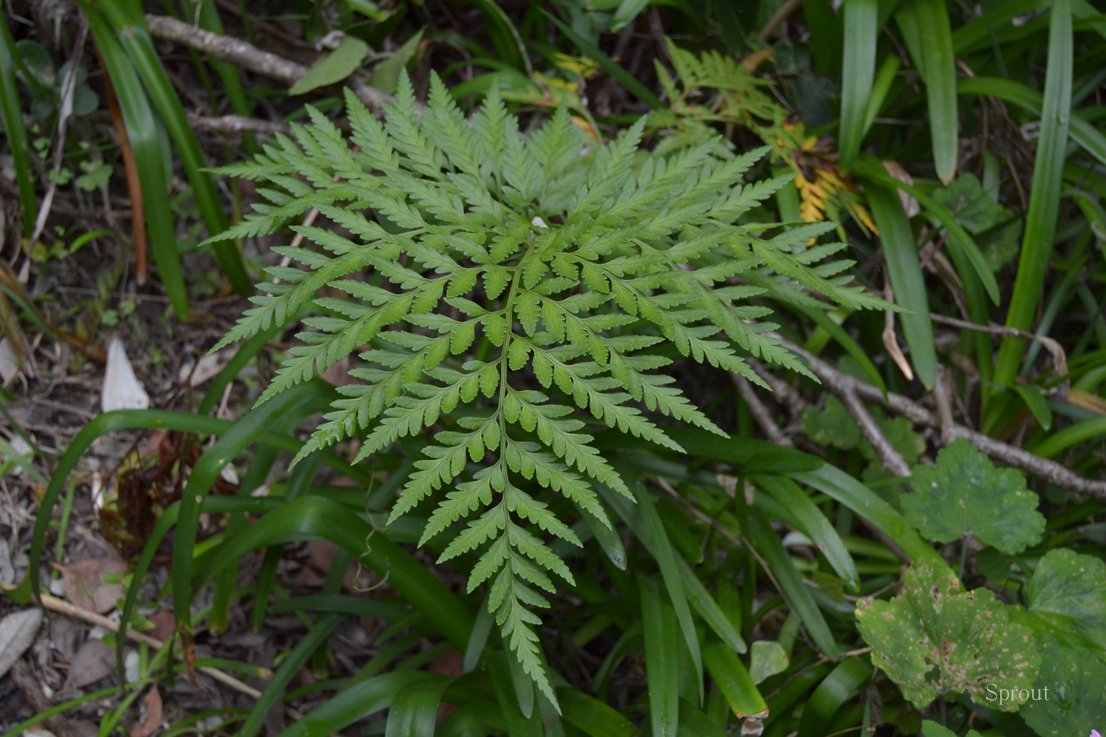
The beautiful forests are an experience in themselves and I loved seeing the natural beauty and vegetation. Because the reserve is in a protected area you don’t see any ships on the ocean and the natural environment is pristine.

Inquisitive Octopus

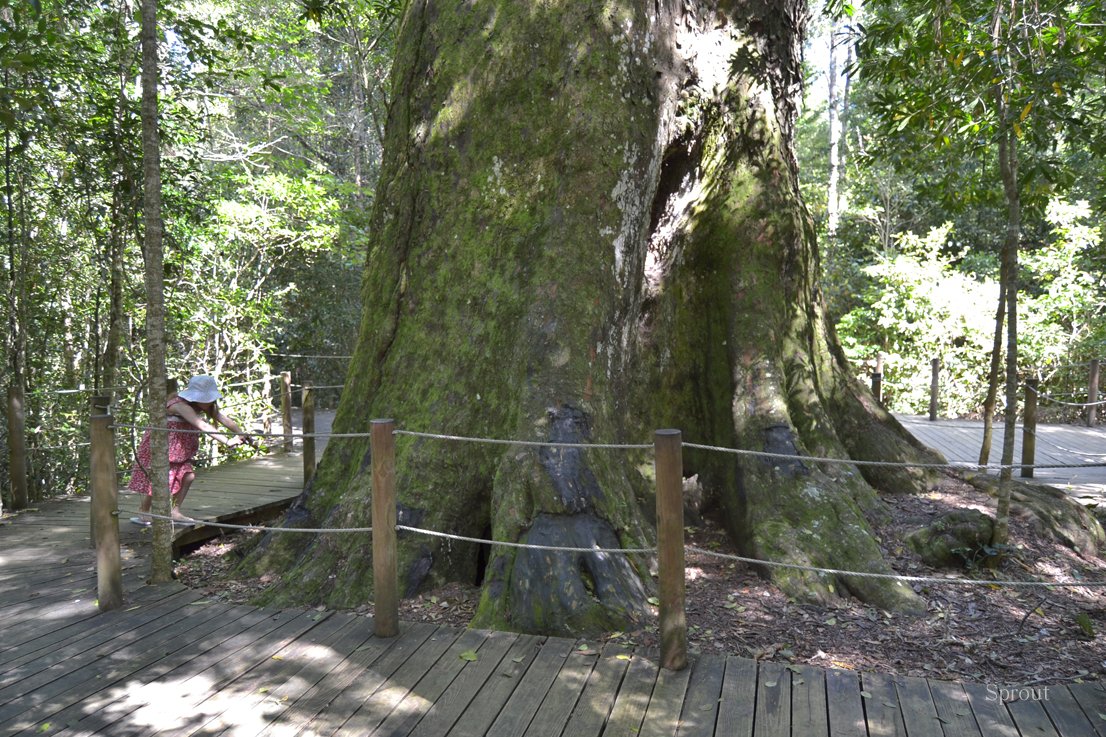
We visited the Big Tree just off the N2 highway where a lovely forest walk leads you to the impressive tree. The Outeniqua Yellowwood boasts an age of over 1000 years, height of 36 metres, main trunk length of 18.3 metres, crown spread of 33 metres and average circumference of 8.5 metres.

We had an amazing visit to the beautiful part of South Africa and look forward to visiting again whenever we get another chance!

Benvie Gardens, Midlands

Benvie Gardens

Tucked away along a dirt track in the mountains of Karkloof in the Midlands is a magical forest filled  with flowers and birdsong. The trees reach up to the sky and you feel as if you are transported to another world. It is a garden flowing with Azaleas, Hydrangeas, Camellias and other shade loving plants and the circular walk around its perimeter encourages you to come up close to these botanical beauties.

Trees

The garden is a generous 31 hectares in size and consists of a wide selection of species and impressive trees that make you feel very small because of their size and stature. If you contemplate the life of a tree and how stoic, steadfast and sure it stands for so many years (some of these trees are over a hundred years old) it makes you consider your life and its brevity. There is something very contemplative about spending time around these majestic monuments.

History

The founder John Geekie (1836- 1908) came from Dundee Scotland and settled in Pietermartizburg in 1860. He because a successful businessman and was able to realise his dream of recreating his garden in Scotland by purchasing the farm “Nooitgedacht”. He imported seeds, seedlings and plants from around the world. The imported stock travelled by boat to Durban Harbour and was then taken by rail to Merrivale before finally being driven by ox wagon up to Benvie.

Seeds and seedlings were imported from Howdens & Co in Inverness, Scotland while further seedlings of Conifer trees, Fruit trees and Hydrangeas came from Berkman’s Nursery in Georgia, USA. He received the nucleus stock of Azaleas, Camellias and Rhododendrons from the Botanical Gardens in Durban. During this time he requested the help of his relative Bill Marriott, who had worked at Kew Gardens, to assist him with the garden layout and planning. He began planting the garden around 1889 and it took him 6 years to establish. All trees were planted to the required distance apart to enable them to grow to their full capacity.

Birds

If you are a birdwatcher you may have already heard of this location as it is where the seldom spotted Orange Ground Thrush can be seen. Benvie has the most dense population of the Orange Ground Thrush in South Africa.

Visiting the Garden

The garden is open to the public for certain times of the year and the generous lawns allow for lovely picnics. It is best to call them ahead of the time to check if it is open. An entrance fee is charged (check for latest rates). The Rhododendron come into flower between October and December and this is an especially beautiful time to visit. The Clivias start flowering in the first week of September.

Benvie Gardens

A signboard encased in glass depicts the history of the garden and even shows the receipt for some of the plants purchased. Maintenance is an ongoing process and includes collecting seeds and propagating them from the existing trees in the garden and replanting when older trees are removed. The property is still maintained by the Geekie family with the 6th generation now enjoying their time at Benvie.

This garden is a delight for anyone who appreciates botanical beauty and is definitely something to put on your list of places to visit! ~ G.S.


Contact: John and Jenny Robinson 082 443 3805

Facebook: @BenvieOpenGarden

Directions from the N3 at Howick:

Take either the Midmar Dam or Tweedie turnoff. Both these roads lead to Howick. Travel along Main Street through Howick until you reach the Rietvlei/Karkloof Road. Continue on tar until road becomes gravel. Your next landmark will be the Mbona gate on your right. Carry straight on as you wind up the hill. Look for the 32 km stone. Then turn right onto the New Hanover/York Road which is signposted. Travel downhill for 3 kilometres. Turn left onto District Road 583. Benvie is signposted at this point and the home is 200m away.

Kruger National Park (Southern) Overview

Lion in Kruger Park

King of the Beasts - always a highlight to see a Lion in the Kruger Park

Hundreds, if not thousands, of books, guides and references have been written about this incredible place and so I was wondering if I should even write a blog about it? I realised that I like to write and share about places (gardens, landscapes, parks, nature experiences) that inspire me whether these are well known or not. So even though you may know the Kruger Park very well perhaps this post will inspire you to visit it again in the near future.

Quick Historical Fact

The park was first proclaimed in 1898 as the Sabie Game Reserve by the then president of the Transvaal Republic, Paul Kruger. He first proposed the need to protect the animals of the Lowveld in 1884, but his revolutionary vision took another 12 years to be realised when the area between the Sabie and Crocodile Rivers was set aside for restricted hunting. On 31 May 1926 the National Parks Act was proclaimed and with it the merging of the Sabie and Shingwedzi Game Reserves into the Kruger National Park.
The first motorists entered the park in 1927 for a fee of one pound. (https://www.sanparks.org/parks/kruger/tourism/history.php)

The Place to Go for Nature Lovers

Visiting the Kruger Park is a memorable experience and especially so for nature lovers - the sounds, smells, birds, trees and wildlife are what many South Africans love about the Bush . The Kruger is a special place to visit as each time can be completely different depending on what time of year you visit as well as which parts you go to. It is a very large reserve and with the slow speed limit it can take hours of travelling between camps. Talk to people who have visited before get good tips and plan accordingly. Don’t forget your Mosquito repellent, Binocs, Birdbook, Camera and the essential Snake-Bite Kit (Cooler box of drinks and snacks).

Southern Kruger, Map where sightings can be shared at most stops in the Park

Restcamps

We have stayed at three of the camps in the Southern part of the Kruger Park over the past while and here is a bit more detail about each of them. In most of the camps the accommodation is basic but clean and there are different options to choose from. You can walk around the camps to see birds and small animals and most of the trees have nametags. In all the camps the area for Overnight Guests is normally separated from the area where Day Visitors can access. The pools are reserved for people staying over but the restaurant and shops are open for all.

 Berg en Dal Restcamp

Berg en Dal is the most Southern camp and located very close to the Malelane Gate entrance. A highlight is always stopping on the bridge when entering at Malelane Gate to look down onto the Crocodile River and spot all the birds, crocs and hippos in the waters below. Berg en Dal camp has many beautiful trees and a small museum dedicated to Rhinos. The restaurant overlooks a small dam and there is a walk a short way along the river with braille signage boards. The Rhino walk through the camp is a lovely trail that has information boards and a great way to experience nature while walking safely.

Berg en Dal (Afrikaans for Hill and Valley) is named after the undulating hills in the area

Lower Sabie Restcamp

One of the best camps in Kruger in my opinion. This part of the Park is always filled with abundant game as the animals are drawn to the Lower Sabie River that runs adjacent to the camp. There are also magnificent trees to be found along the road that follows the river as well as in the camp. The restaurant at the camp where the shop is located is built out onto a large deck that overlooks the river and it is lovely to sit here and have a drink or ice-cream while game watching the riverbed below. Sunset Dam, just outside the restcamp, is a wonderful dam for seeing game including hippos and crocodiles (and herons surfing on crocodiles!) and there are nice game drive options from the camp.

Pretoriouskop Restcamp

Pretoriuskop is located on the South Western side of the park and is nearest to Numbi Gate. One of the highlights of this camp is the beautiful swimming pool. The pool is built into the rocks and is a great way to cool down from the heat of the Lowveld. There are several routes to take as an afternoon drive from the camp and walking through the camp to see the beautiful trees and birds is also recommended.

Like so many others, I love the experience of visiting the Kruger Park - the animals, the birds, the trees and the closeness to nature. I also want my children to grow up experiencing the beauty of the Bushveld and hope they will appreciate the complexity of plant and animal communities functioning together where every creature is part of a greater system. We don’t go only to see the big 5, we go to see the animals less seen and often the sightings of snakes, tortoises, chameleons and birds have been our most exciting.

Visiting Kruger with Kids

I have been careful to not take my kids while they were too young for fear of malaria. Now that they are old enough where I am comfortable to stay over in the Park I am so excited to share the experience of the Bush with them. Most kids hate the hours of driving but the novelty of going seatbelt-free is one that they love. We normally put a mattress in the boot of the car so they can climb back and forth and read their books when they get bored looking for animals. I keep activity books and loads of snacks ready to keep them entertained. One of the joys of sharing the Kruger with young kids is that every sighting is exciting. We try to limit the amount of time driving and spend more time exploring the restcamp and stopping wherever possible.

Do you know what my favourite part of visiting the Kruger Park is? The Sunsets.. and the Trees.

Sterculia murex (Lowveld Chestnut)

Sterculia murex (Lowveld Chestnut)

Rhigozum obovatum (Yellow Pomegranate)

What do you love about the Bush or what has been one of your favourite Kruger Park Experiences?

To Book: https://www.sanparks.org/