Hiking

Kogelberg Nature Reserve

The Kogelberg Nature Reserve is situated about 90km south-east of Cape Town and comprises a core area of 18000ha as well as several smaller fragements. It lies within the Hottentots Holland Mountain Range and is often considered the heart of the Cape Floral Kingdom. It contains mountain peaks, steep kloofs, valleys and several tributaries of the prisitne Palmiet River that flows through the reserve, which makes it a paradise for hikers.

The whole area is inspirational and one of more than 400 biosphere reserves worldwide. Kogelberg was South Africa’s first registered biosphere reserve and it encompasses the entire coastal area from Gordon’s Bay to the Bot River estuary, and inland to Grabouw and the Groenland Mountain. 
Hiking

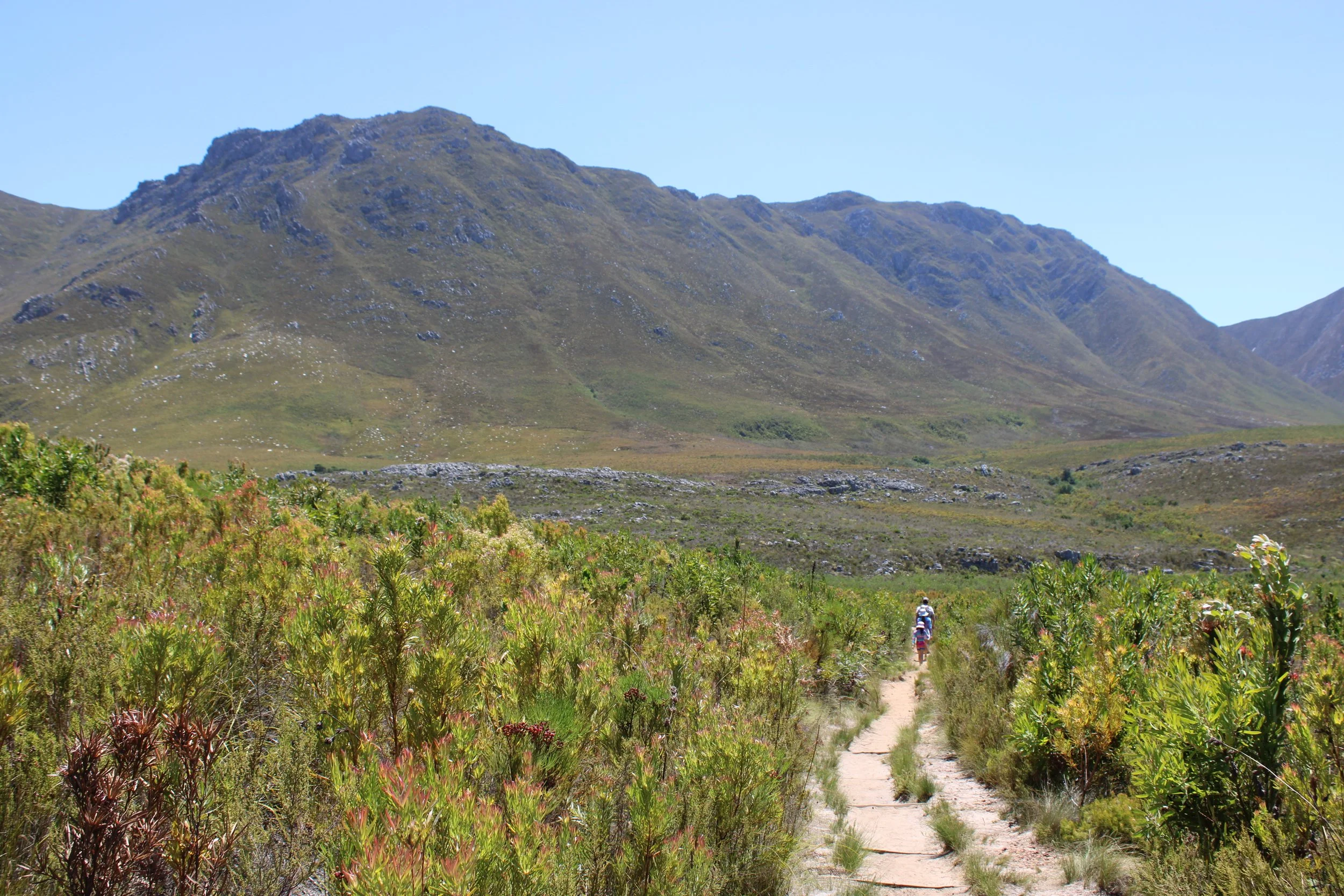
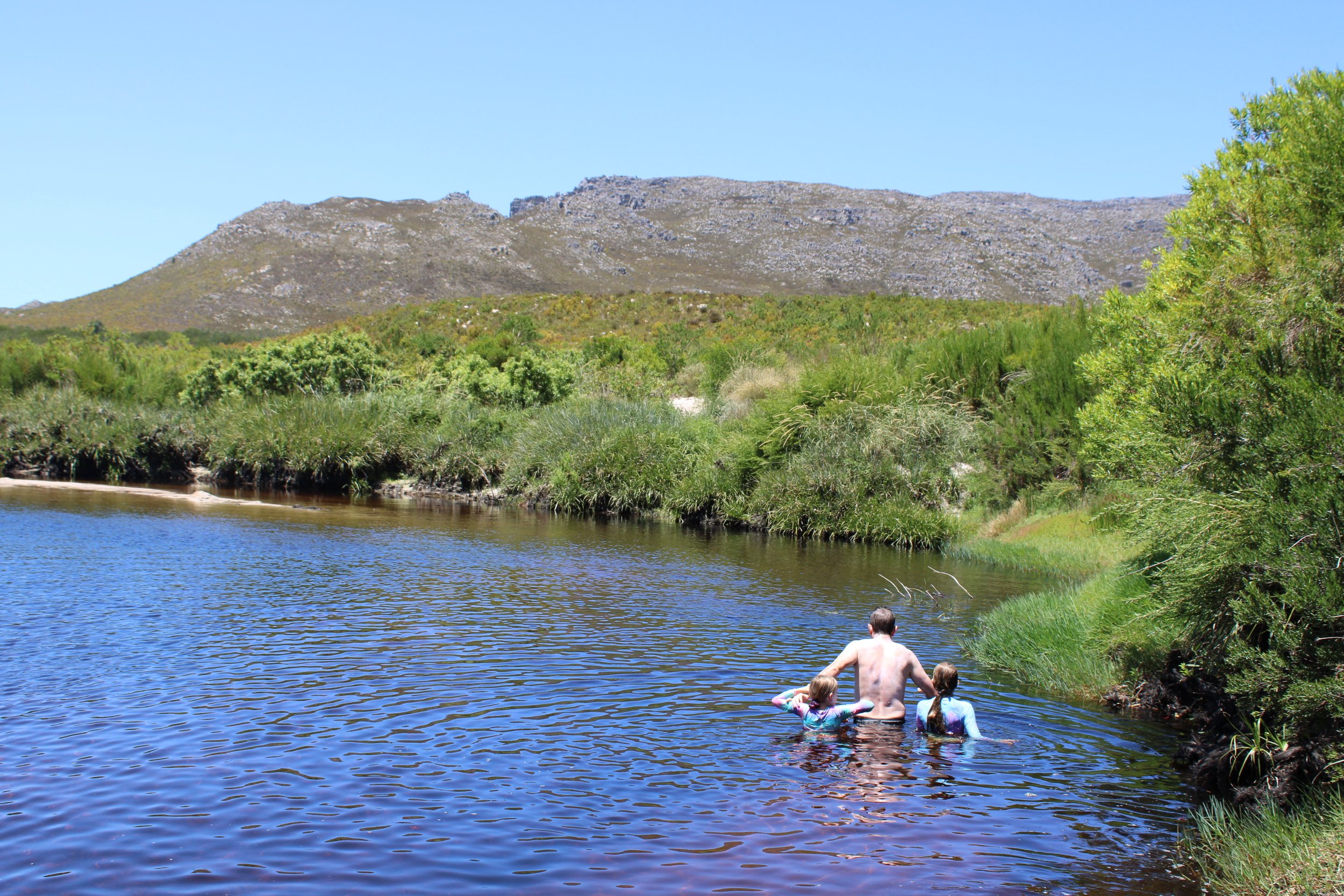
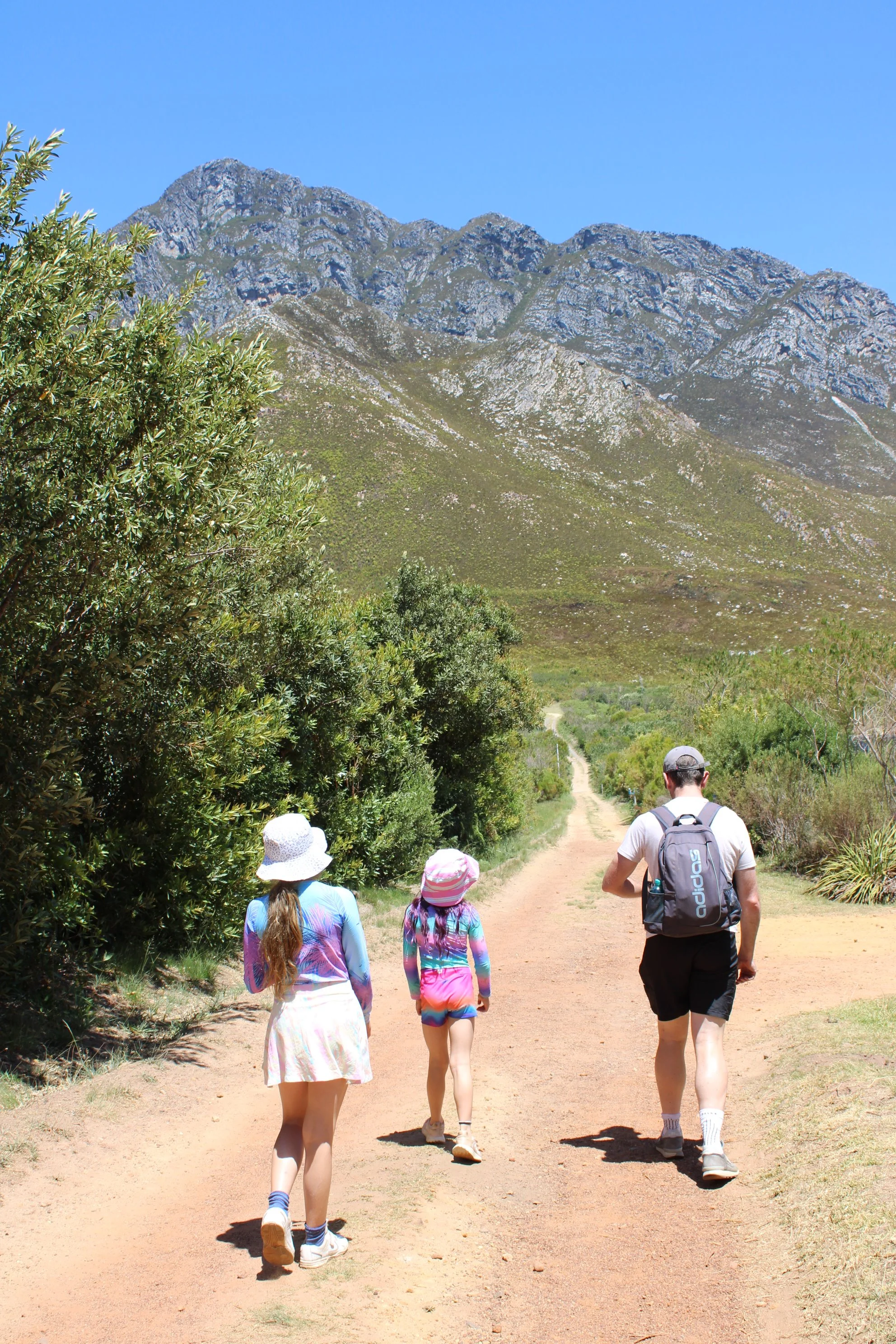
We visited the reserve as Day Visitors and walked a short portion of the Palmiet River Trail and swam at a few spots along the path. The full circular route for the Palmiet River hike is 10km. There are several longer hikes including the Oudebosch-Harold Porter (6km), Kogelberg Trail (24km), the Perdeberg Trail (22km), the Three Sisters Trail (8km). The Highlands Trail is a moderate two-day overnight hike that begins at the farm Iona. Permits can be purchased at the reserve office or bookings can be made via CapeNature Central Reservations office. Weather can be variable and unpredictable so hikers should be prepared. For more information see Cape Nature’s website.
Flora

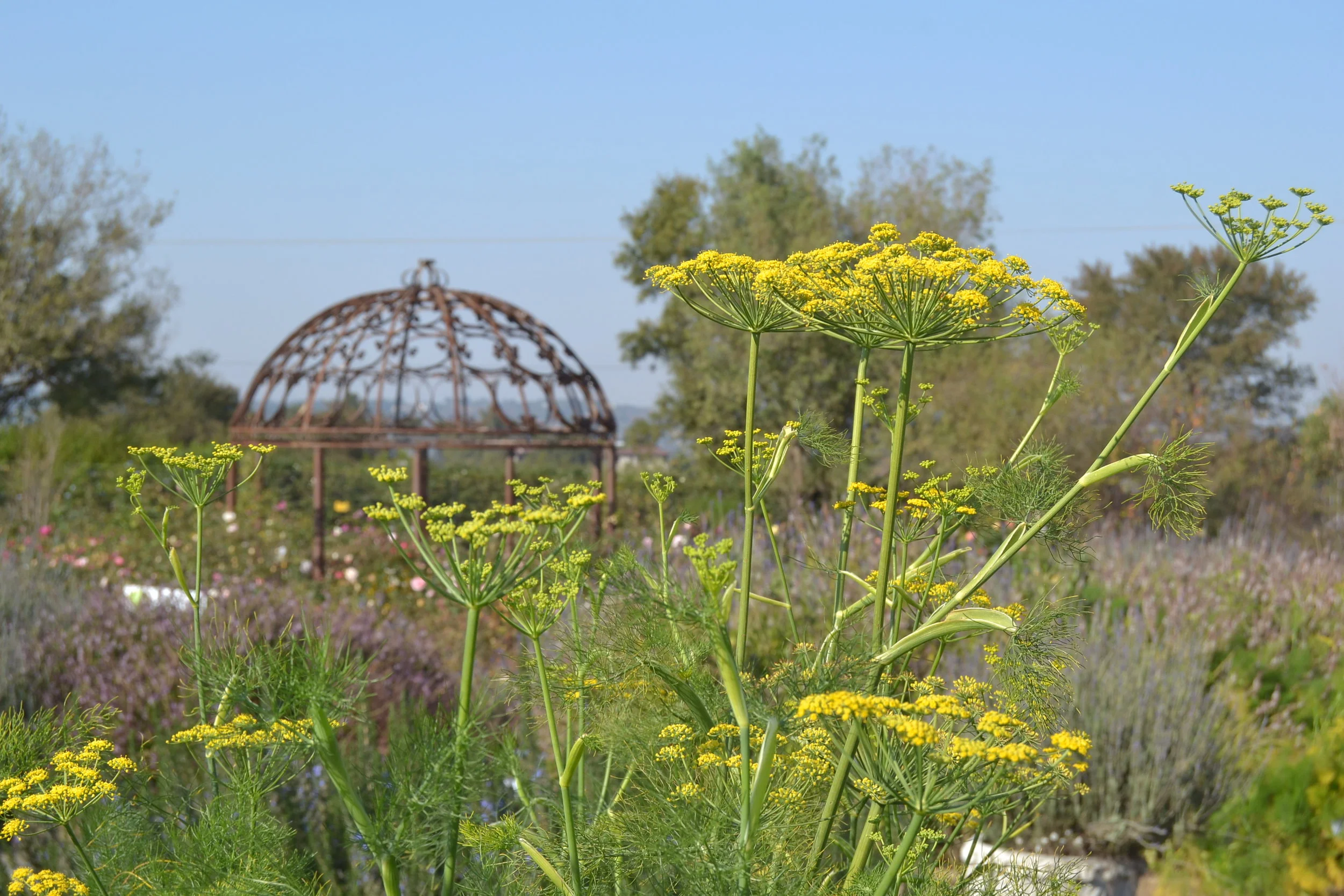
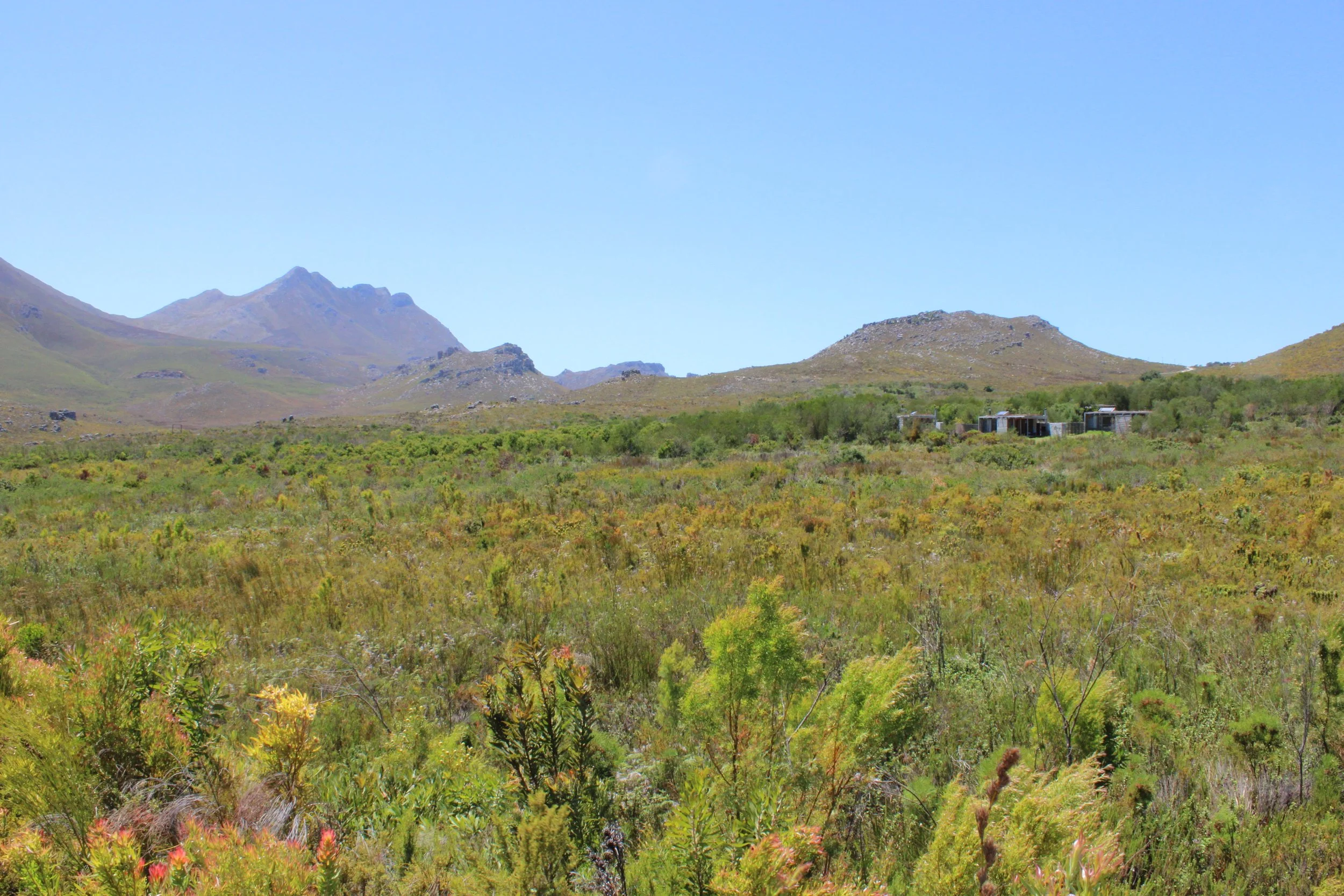
We loved the vast landscape, the beautiful Fynbos vegetation and swimming in the river. The reserve boasts 1800 plant species of which about 150 are endemic and noteworthy. Many spectacular members of the proea family occur in the reserve as well as three patches of indigneous forest (Loubos, Platbos and Oudebos) which are simialr to the Knysna forest and include yellowwood, stinkwood and boeenhout trees. The Palmiet River and its associated riparian vegetation is of the most pristine in the south-western Cape.
Accommodation

Accommodation is available at Oudebosch in the form of five self catering eco-cabins and the newer Mbali Collection which consists of eight glass fronted cabins. Camping and picnic services are not provided. The design of the cabins at Kogelberg Nature Reserve is a harmonious blend of sustainable architecture and environmental conservation. They have been designed to blend into the landscape and have as light an impact on the environment as possible.
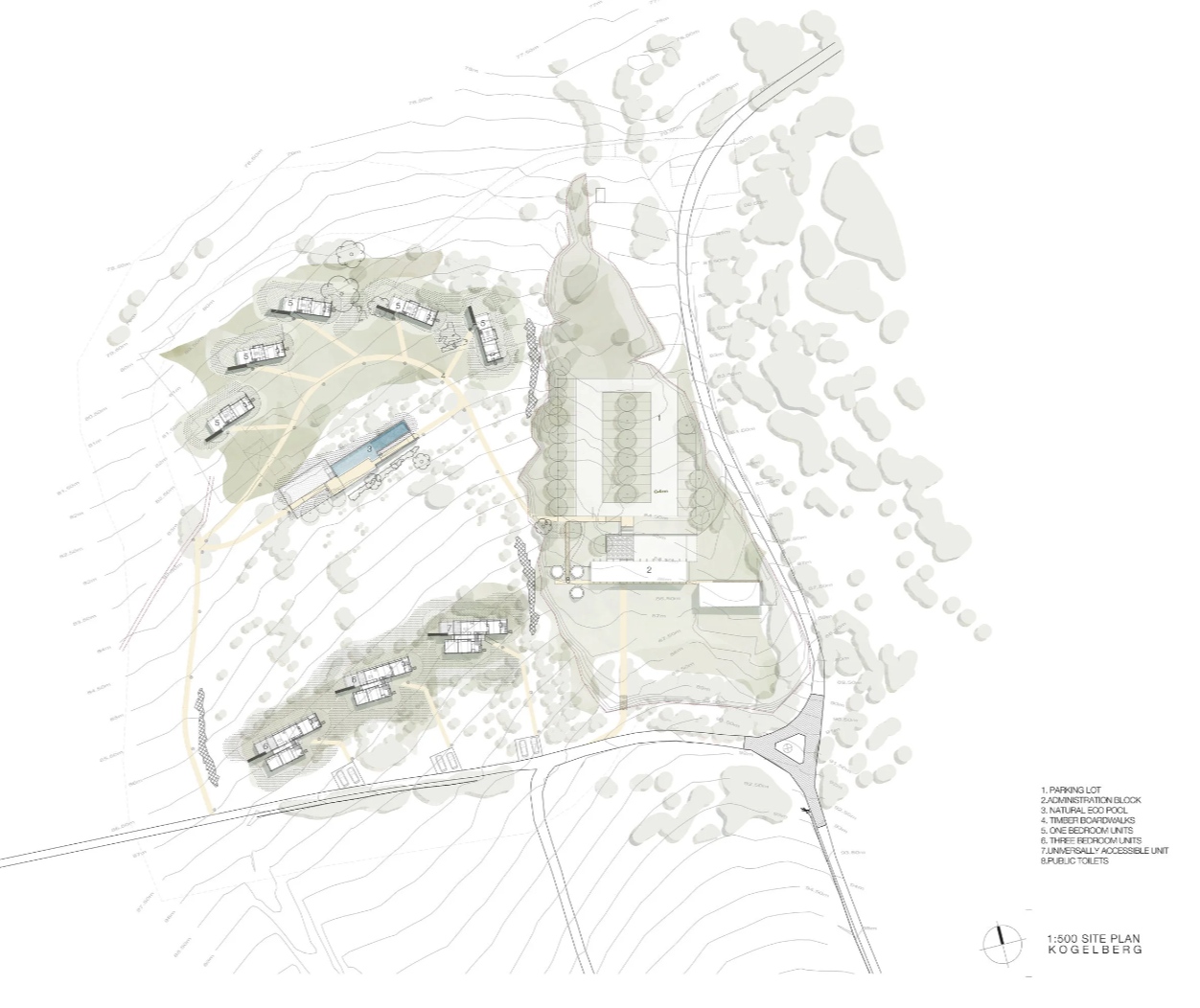
Design by KLG Architects - image taken from www.klg.co.za/hospitality/kogelbergcabins

We really enjoyed our visit to the Kogelberg Nature Reserve and I hope to be back to explore more of what this beautiful place has to offer.
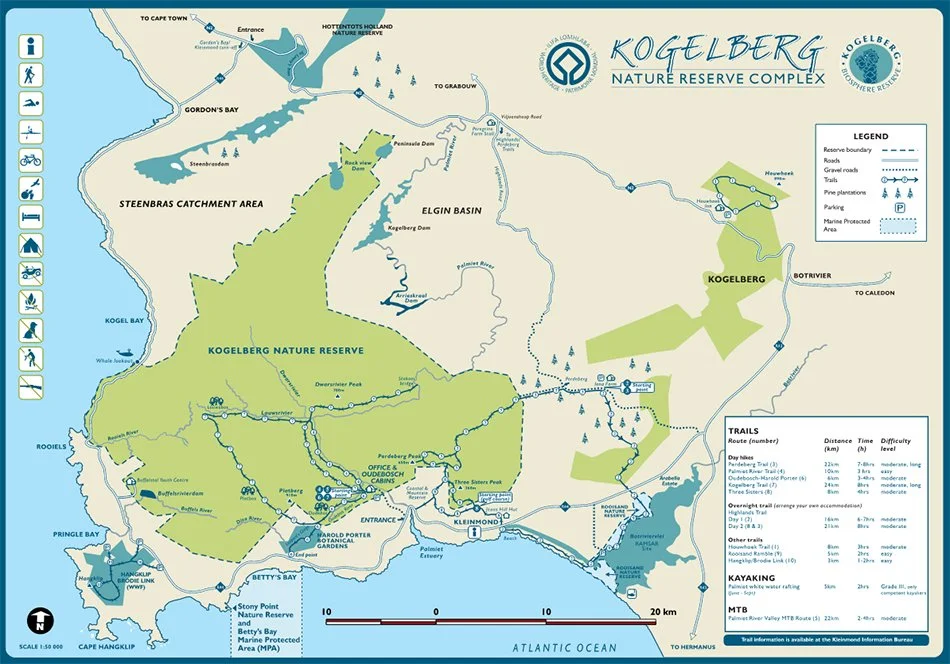
Map of Kogelberg Nature Reserve

Mkhambathi Nature Reserve

It is undeniable that South Africa is filled with incredible nature destinations, and I love visiting them and discovering the beauty that our country holds. One of these destinations is a hidden gem called Mkhambathi Nature Reserve in the Eastern Cape.

location

Mkhambathi Nature Reserve is situated on the coast between Port Edward and Port St Johns and while it is an effort to get there it is definitely worth it. The roads to get there are riddled with potholes and the 40km dirt road stretch from Flagstaff can be challenging. The reserve is bounded by two rivers, the Mtentu to the north and Msikaba to the south.

Information

The reserve covers an area of over 8000ha and consists of open grasslands dotted with forest patches and swamp forests making it a unique landscape to experience. It forms part of the greater Pondoland Marine Protected Area and the Pondoland Centre of Endemism, making it one of the most important centres of plant diversity and endemism in Africa. The reserve is managed by the Eastern Cape Parks and Tourism Agency (ECPTA) and accommodation bookings can be made through their website.

I have added a map here from the information we gathered on our trip as the map they provided isn’t very clear, it is not very detailed but gives you an idea of where the main points of interest are located

History

In 1922 people were moved out of the area and a leper colony with a hospital was established on 18 000 ha of rolling coastal grassland. When leprosy was cured, the facility became a TB hospital. In 1977 a provincial nature reserve was proclaimed in a third of the 18 000 ha. A land claim for the reserve, including the surrounding area, was lodged and granted in 2004 and the applicants were constituted as the Mkhambathi Land Trust (MLT), with the condition that Mkhambathi Nature Reserve be maintained as a reserve and co-managed with ECPTA. The reserve has remained in an untransformed state and there are few settlements in close proximity to it. The adjacent grassland areas are just as valuable in terms of biodiversity and there is a possibility that more land will be incorporated into the reserve in future. (https://www.birdlife.org.za/iba-directory/mkhambathi-nature-reserve/)

Vegetation

Some extremely important vegetation types are protected in Mkhambathi. Examples of the Pondoland-Ugu Sandstone Coastal Sourveld grasslands in this reserve are the only ones under formal conservation, while its Pondoland Scarp Forests are some of the most significant forests in South Africa. The false water-berry Rhynchocalyx lawsonioides and the endangered Pondo palm Jubaeopsis caffra are endemic to this area.

Things to Do

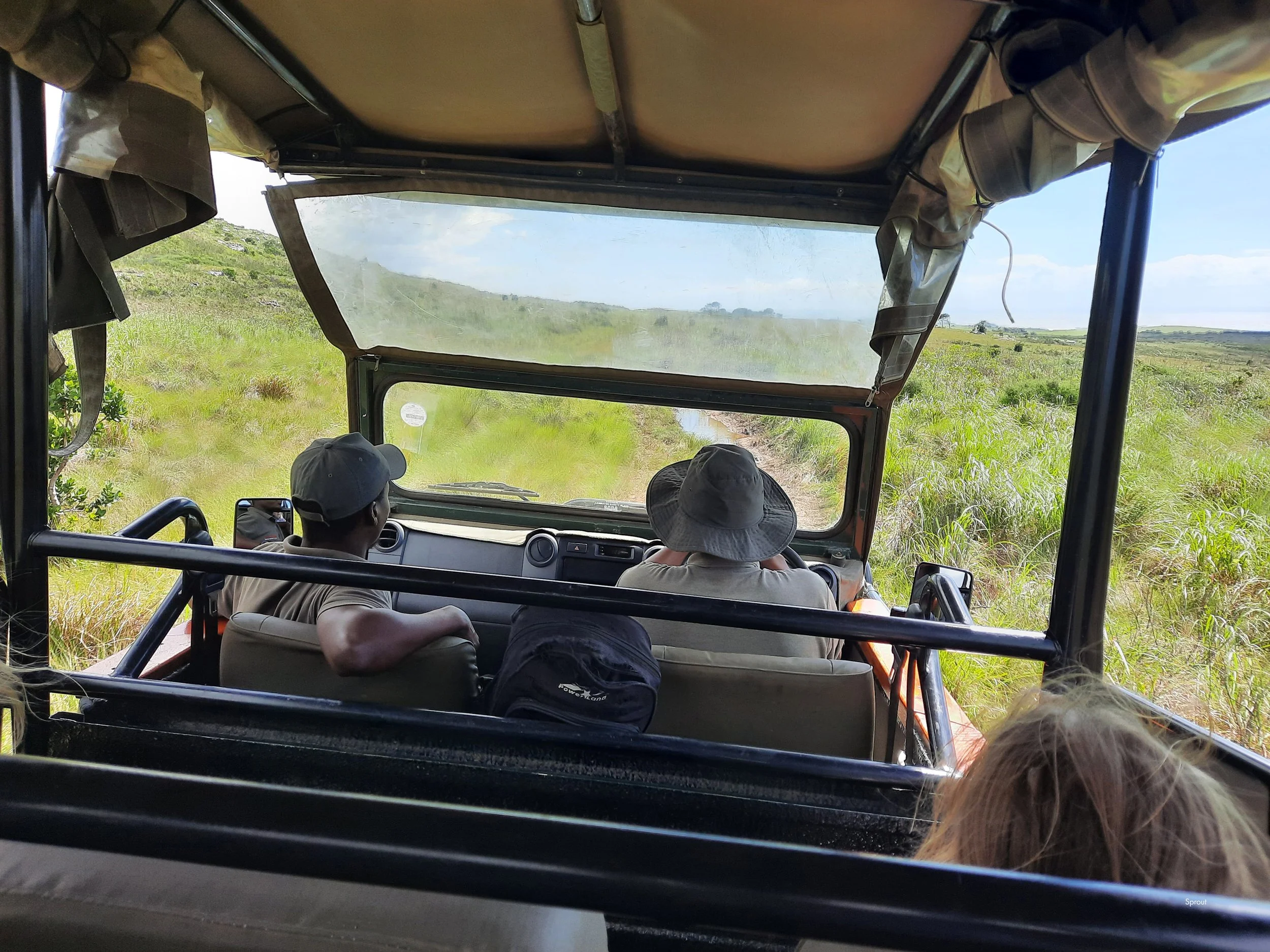
While you may want to relax, there is a lot to keep visitors busy including: fishing in designated areas (with a permit), swimming, mountain biking, birdwatching and self driving to see animals - a 4x4 is necessary especially in the rainy season. We did not have a 4x4 and made use of the game drive service which I highly recommend (enquire at reception for pricing). Most visitors enjoy hiking through the reserve especially along the coast and the trail from Mkhambathi Falls to Horseshoe Falls. There is no dangerous game which makes it safe to explore and we especially enjoyed swimming in the many rock pools - see video below.

Accommodation

When we visited the reserve several years ago, we stayed in GweGwe Rondawels which is an incredible location right at the foot of the ocean. People who visited Mkhambahti in the past would have fond memories of those huts. Apparently these rondawels have been demolished to make way for a new boutique hotel which is said to open in 2024. The current accommodation options are basic but functional cottages.

We loved visiting this reserve and would love to return again as there is a lot to explore!

2 x Stone Cottages while Cottage no.6 is an old house

Tips: Remember that is it is far away from everything with no cellphone signal so you really do relax, but that also means you need to plan well in advance and take everything that you may need. Perhaps the boutique lodge is up and running sometime this year and then you can stay there in luxury!

~ G.S

References:

https://www.birdlife.org.za/iba-directory/mkhambathi-nature-reserve/

https://visiteasterncape.co.za/parks/mkhambathi/

http://bookonline.ecpta.co.za/?q=node/45 - website to book accommodation