Madagascar is a country I have wanted to visit for as long as I can remember, and it was really a dream come true when we visited it this year. Often called the "Eighth Continent," this island off the coast of East Africa is unlike anywhere else on earth — over 80% of its wildlife is found nowhere else, and the landscapes shift from turquoise lagoons to razor-sharp limestone pinnacles to cool volcanic rainforest, sometimes all within a single day's drive. We spent just over a week exploring the north of the island, and I am still processing how much diversity we packed into so few days. The whole family loved every minute of it.
Nosy Sakatia
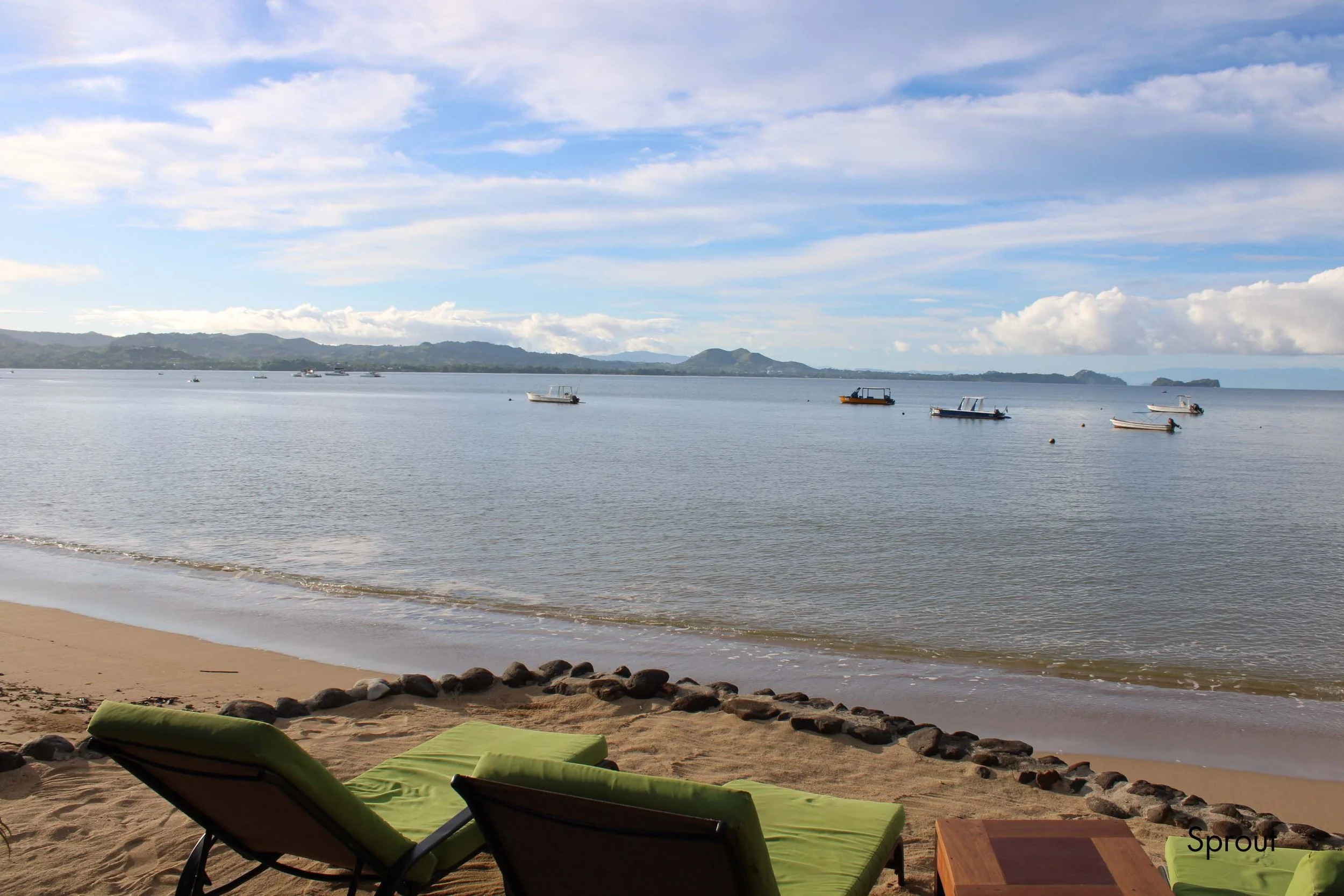
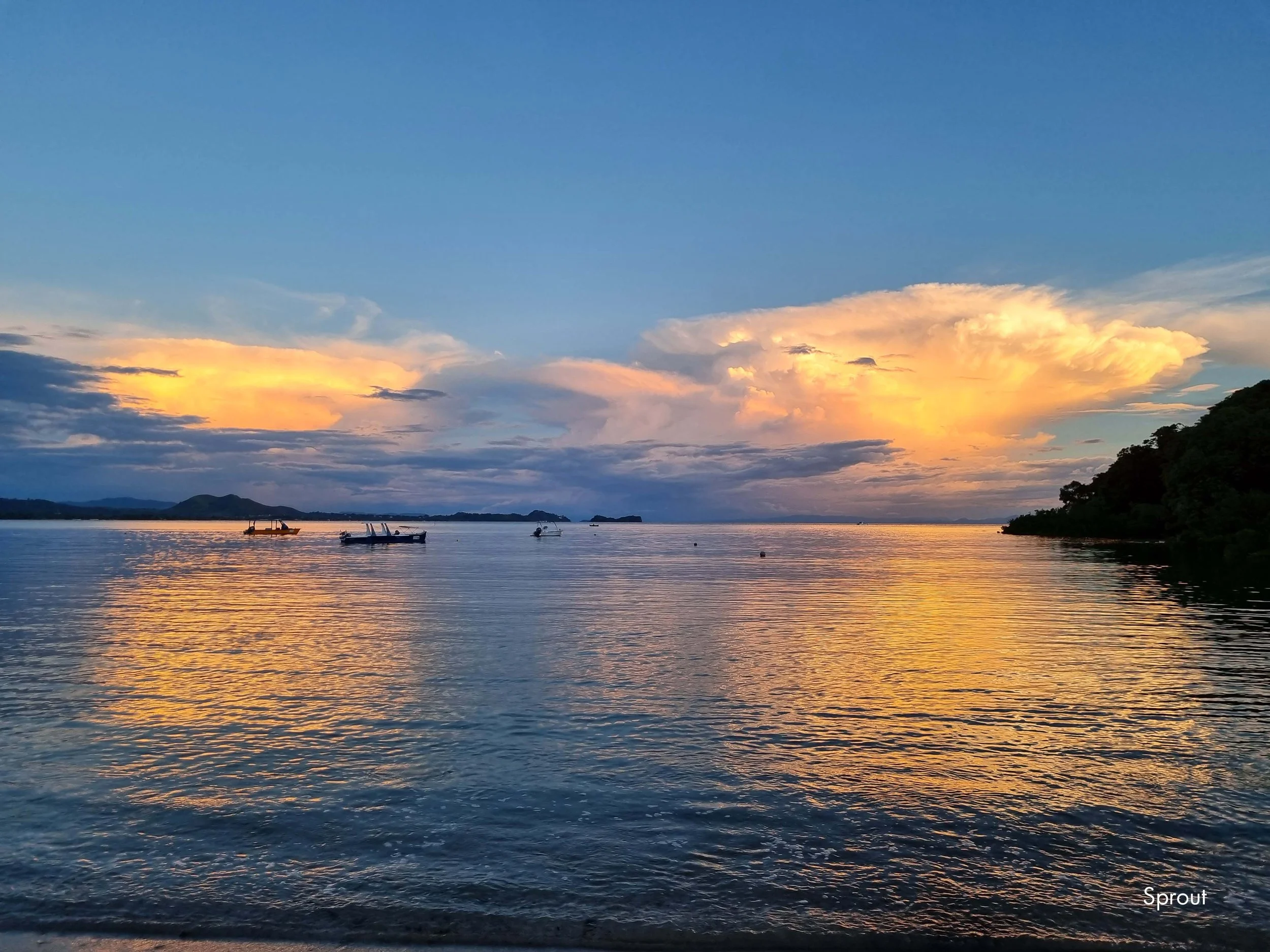
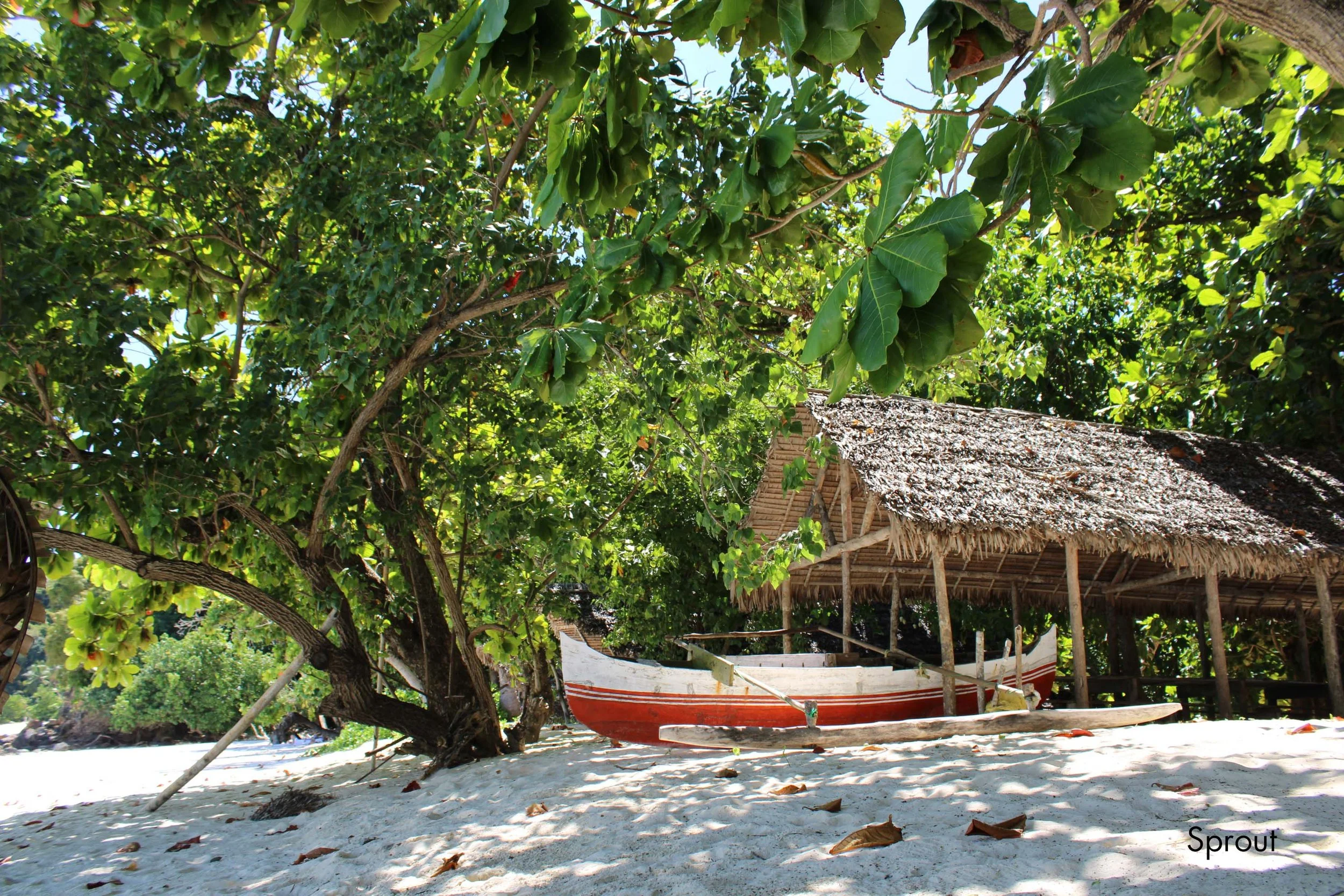
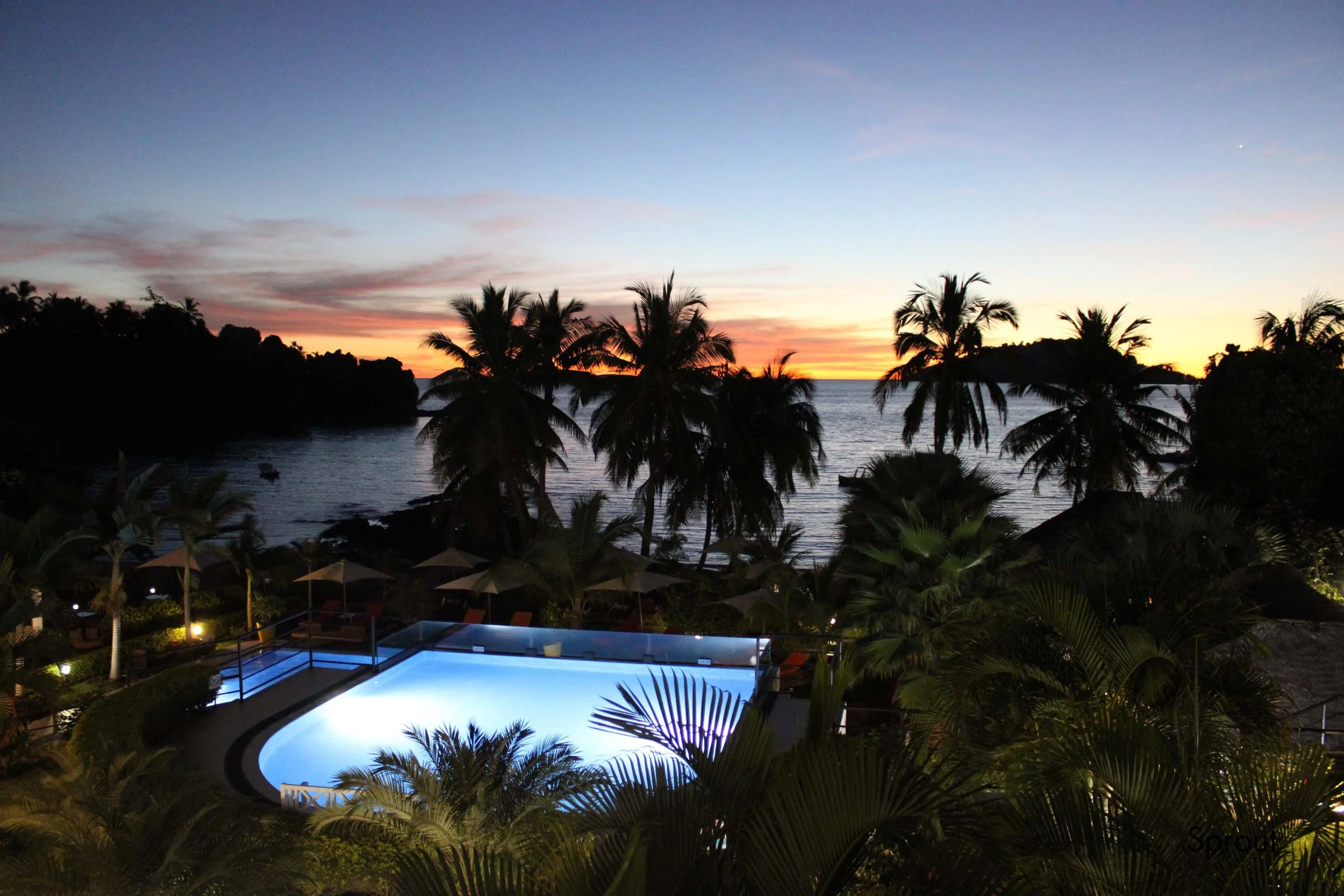
We began our trip on the small island of Nosy Sakatia, just off Nosy Be, where we spent a few days settling into island time. Sakatia is a tranquil island fringed by coral reef, and it is best known for its resident population of green sea turtles. Swimming alongside them, watching them glide past unbothered by our presence, was one of those travel moments that stays with you.
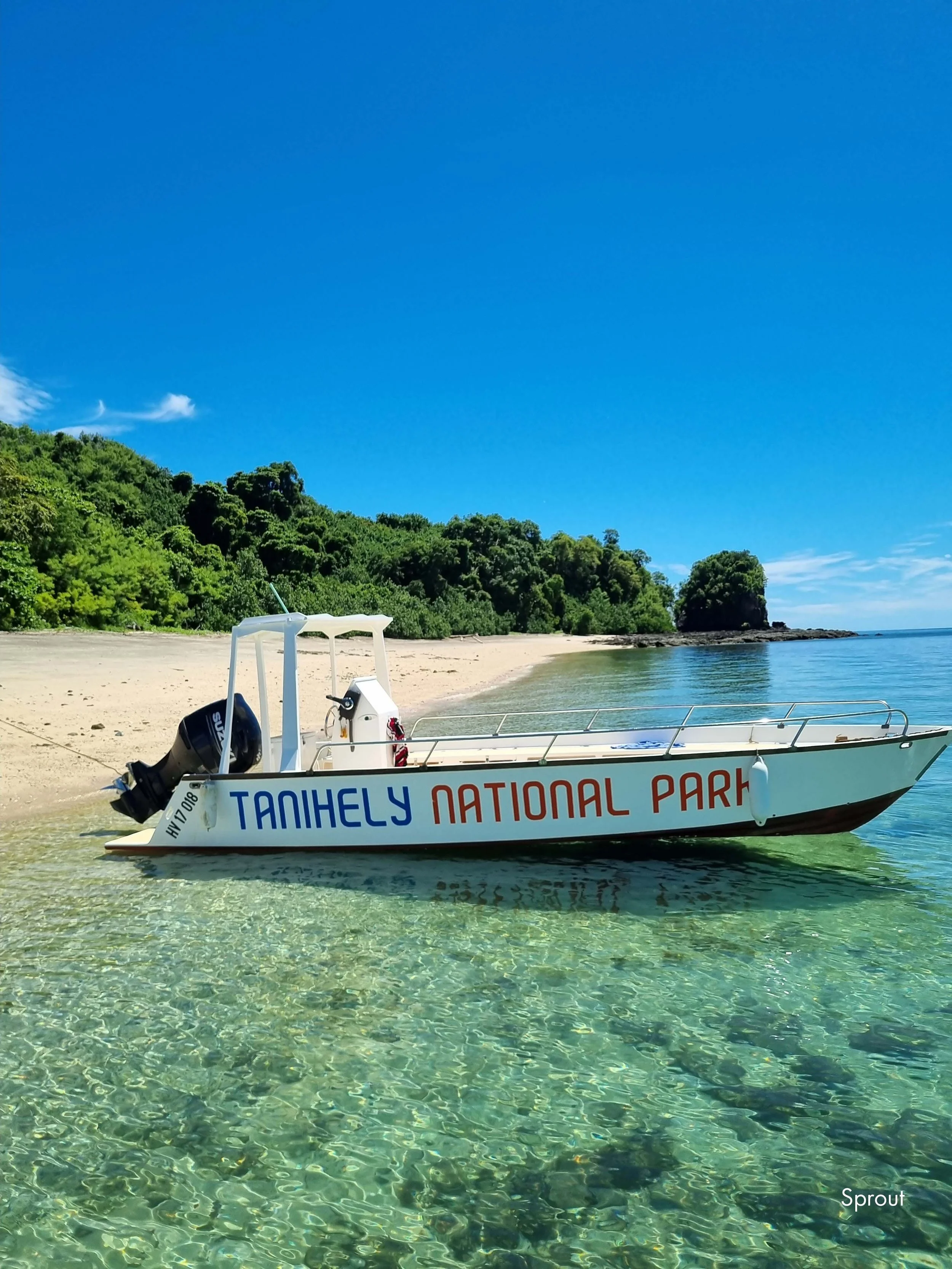
From Sakatia we took a boat out to Nosy Tanikely, a small marine reserve island, for what turned out to be some of the best snorkelling of the whole trip. The water is exceptionally clear and alive with reef fish, and it is easy to see why the reserve is so protected.
Nosy Be and Nosy Naranja
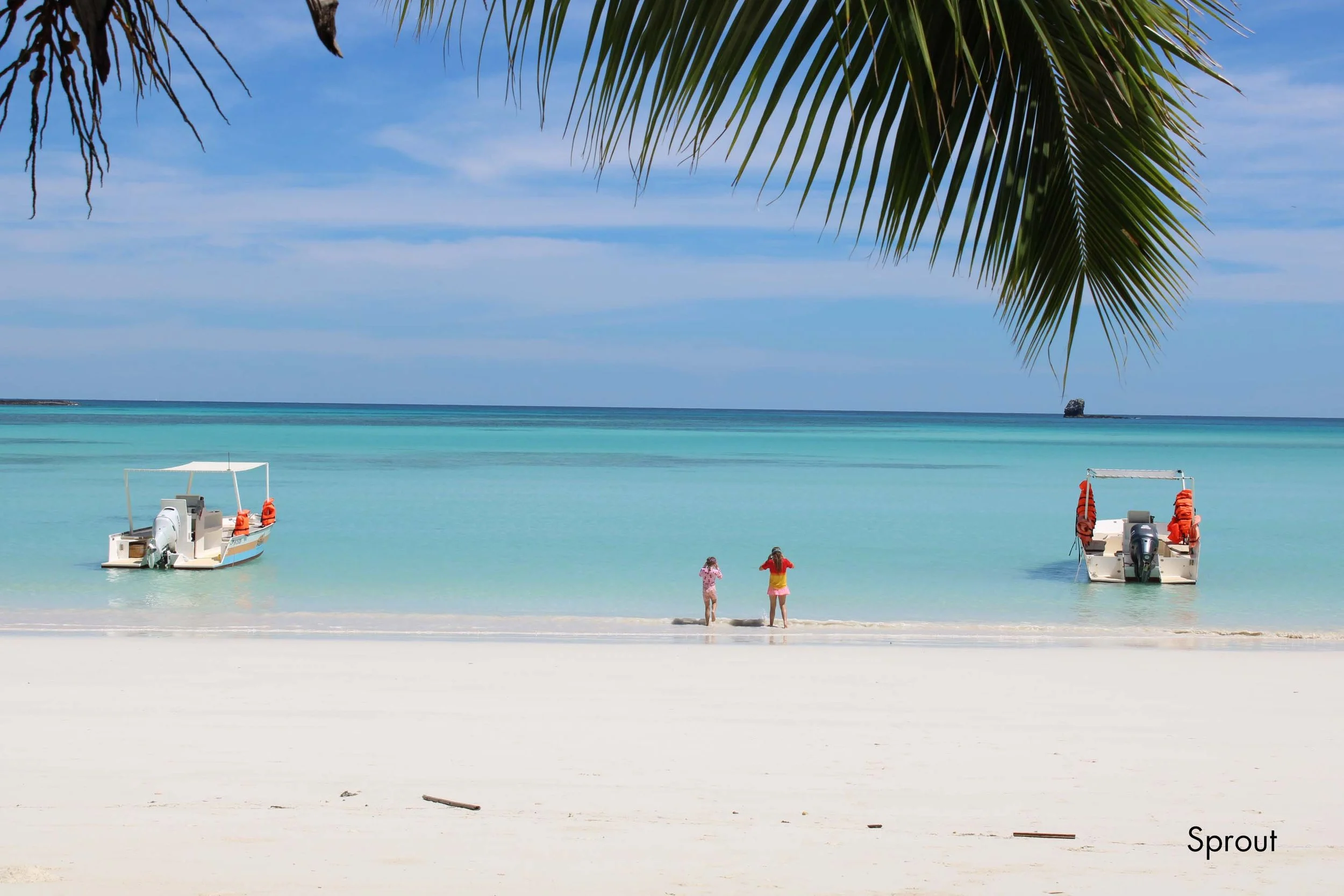
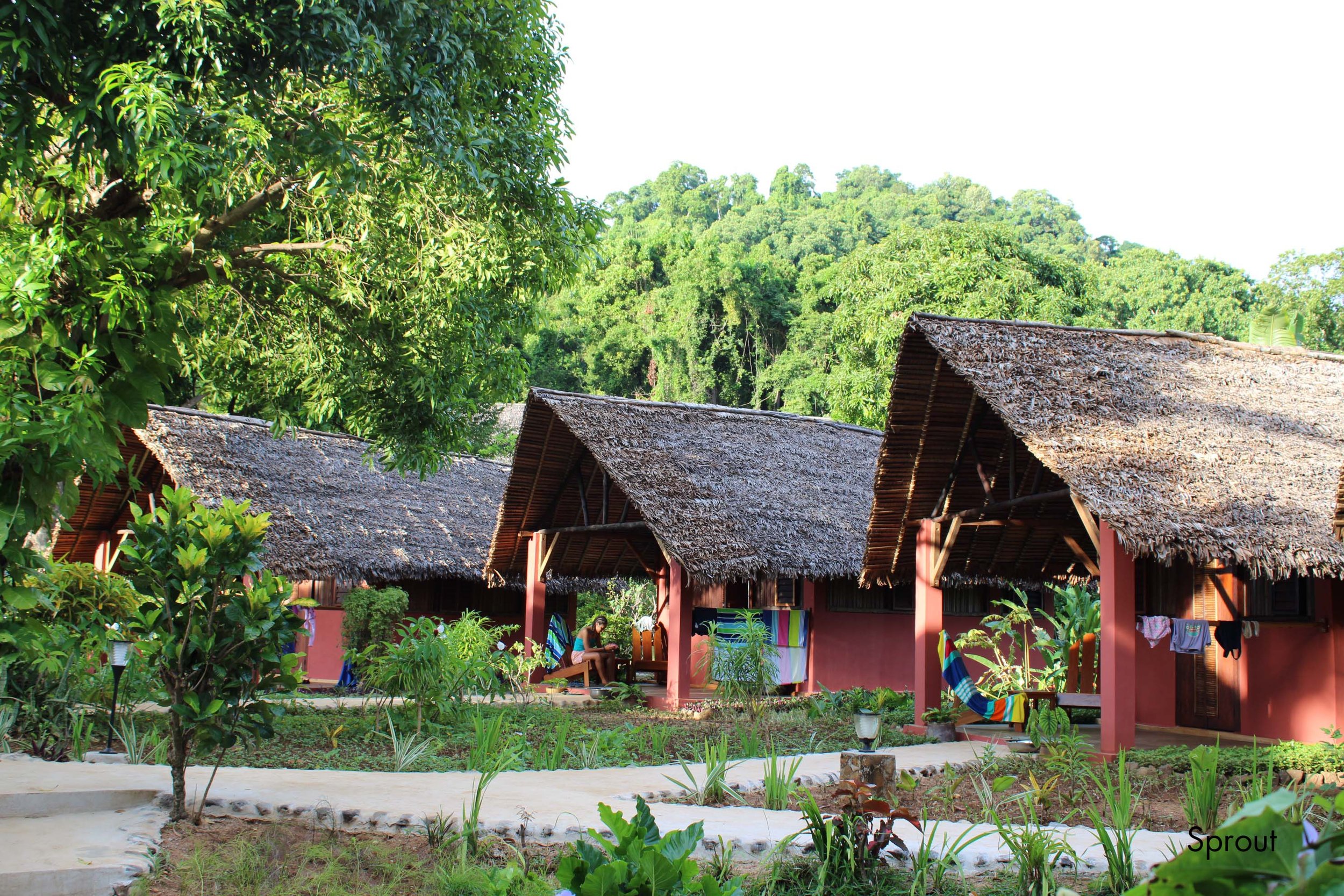
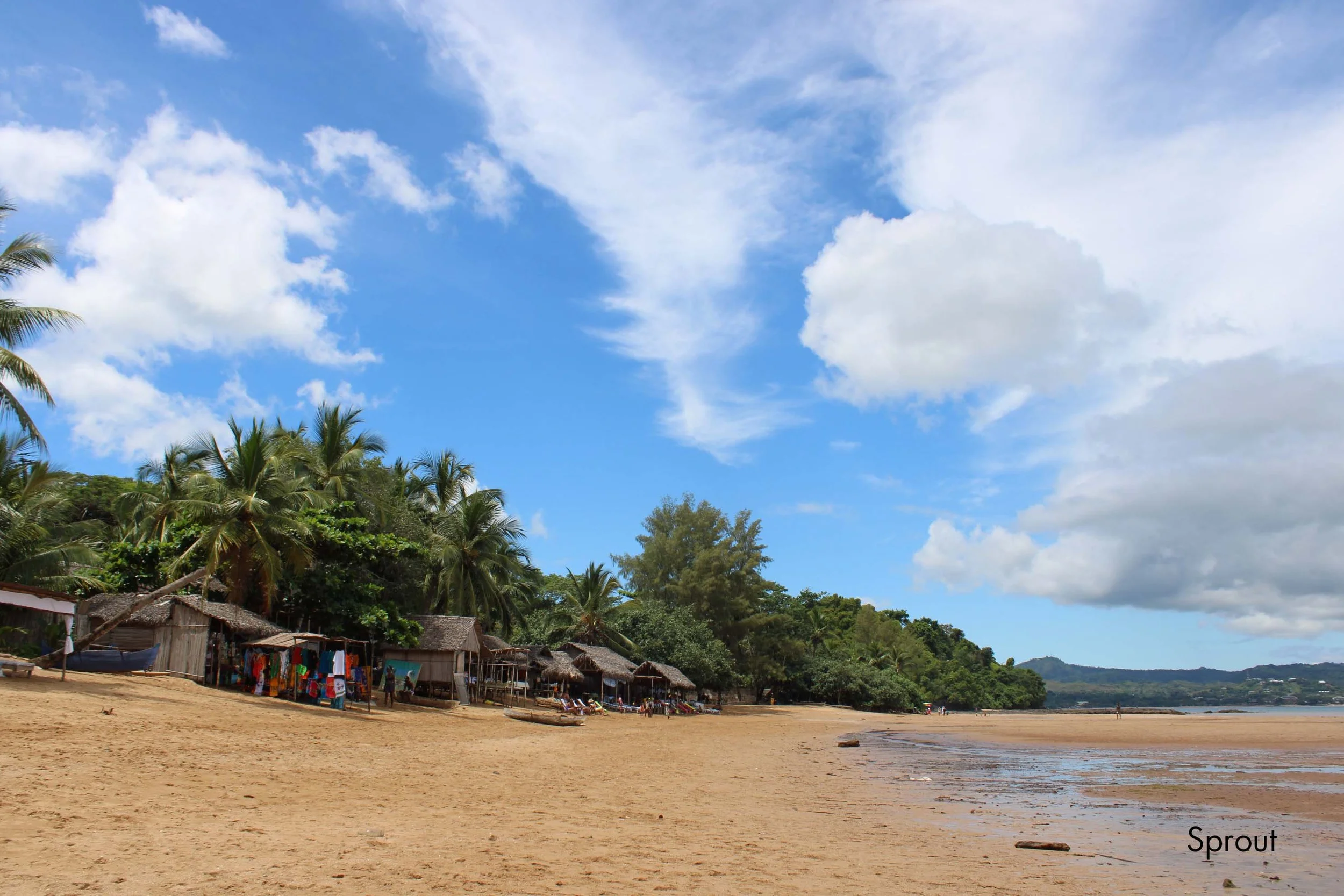
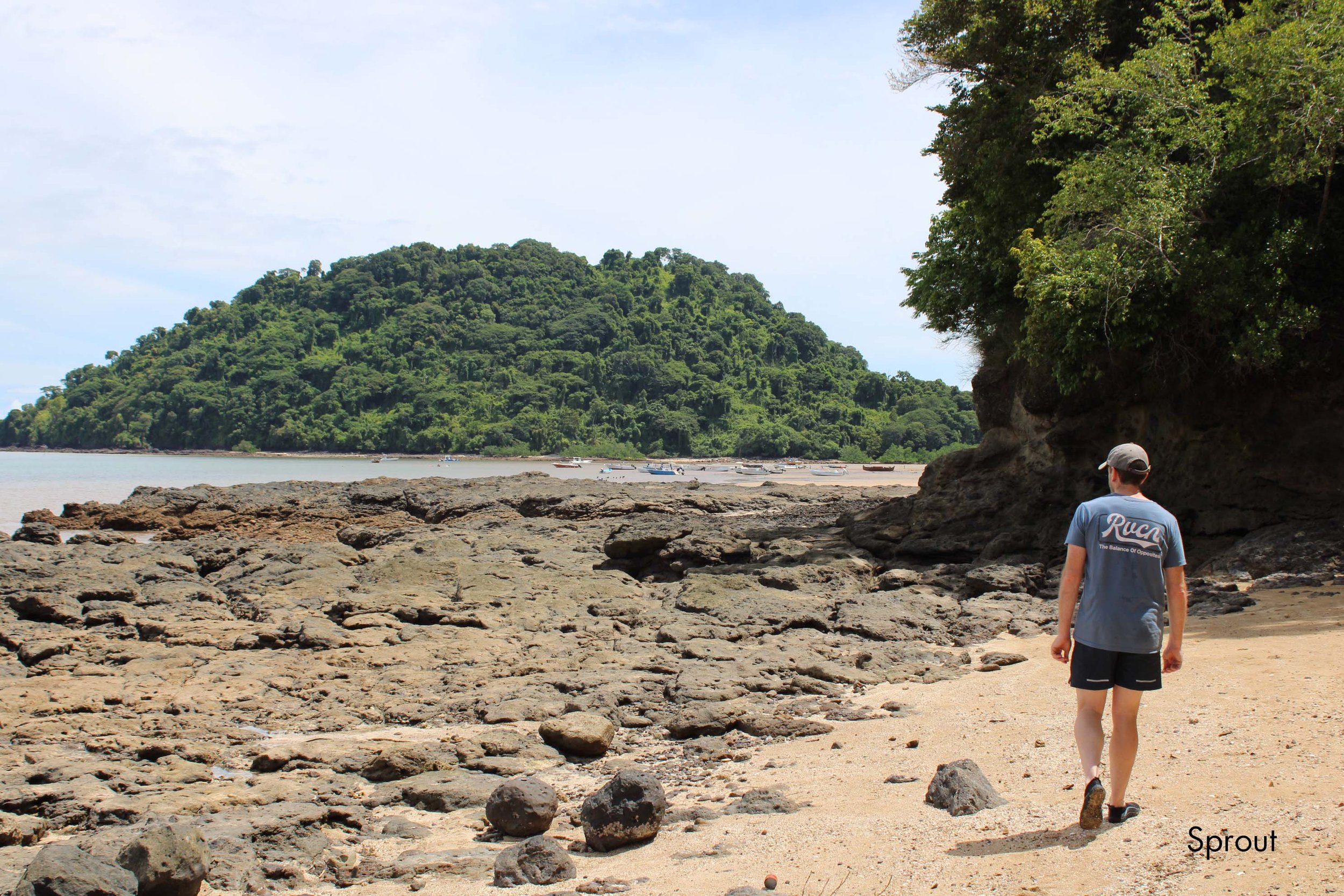
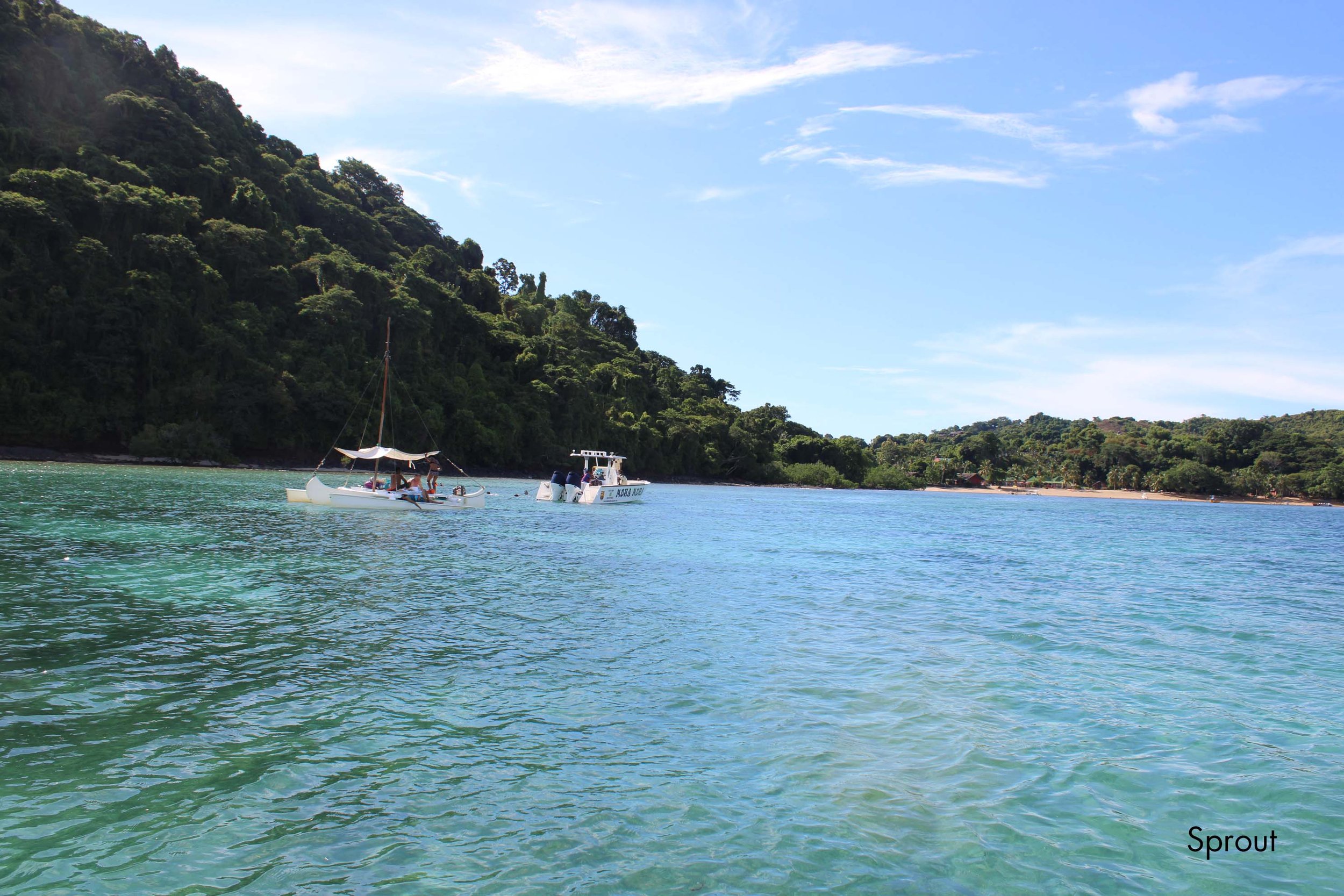
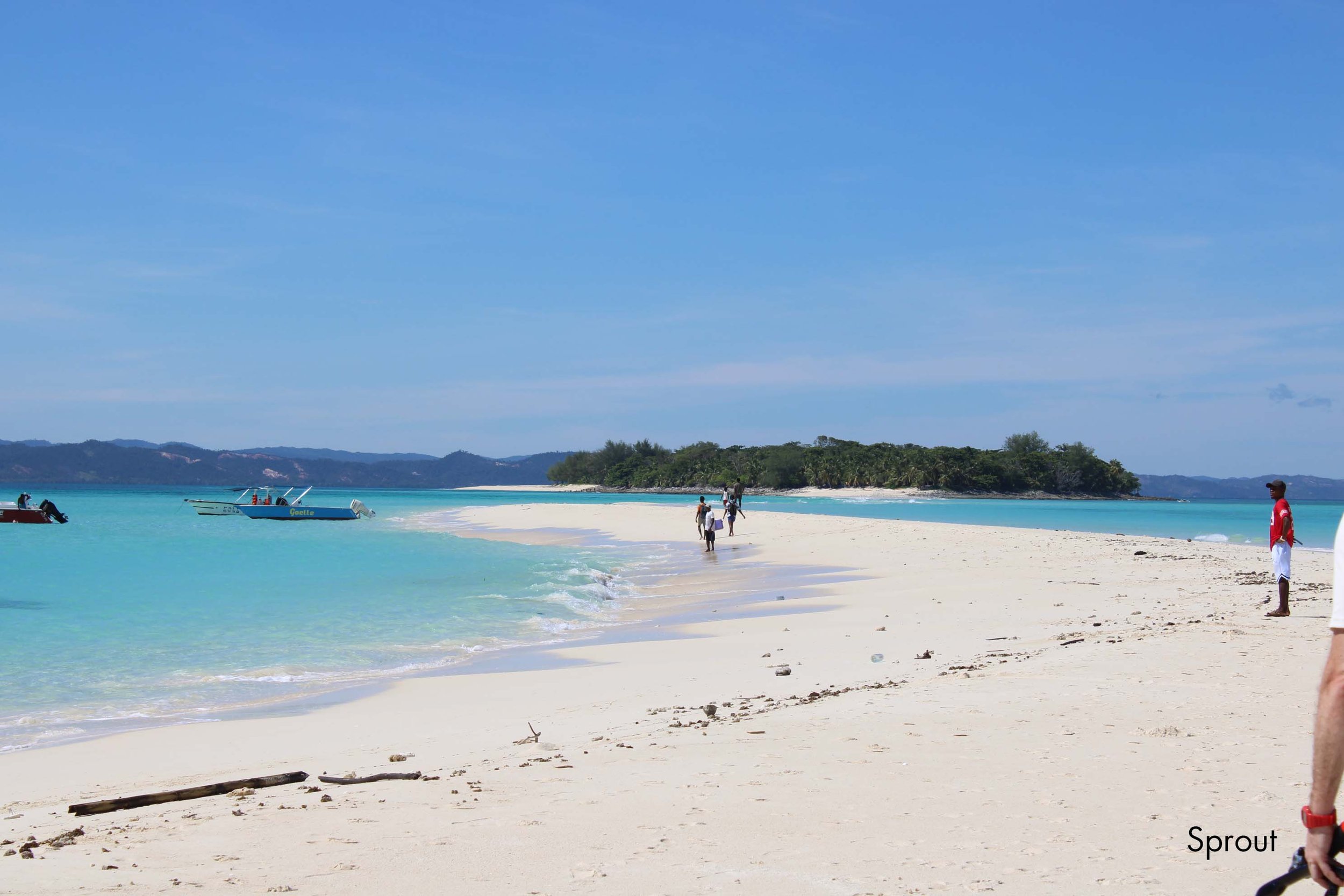
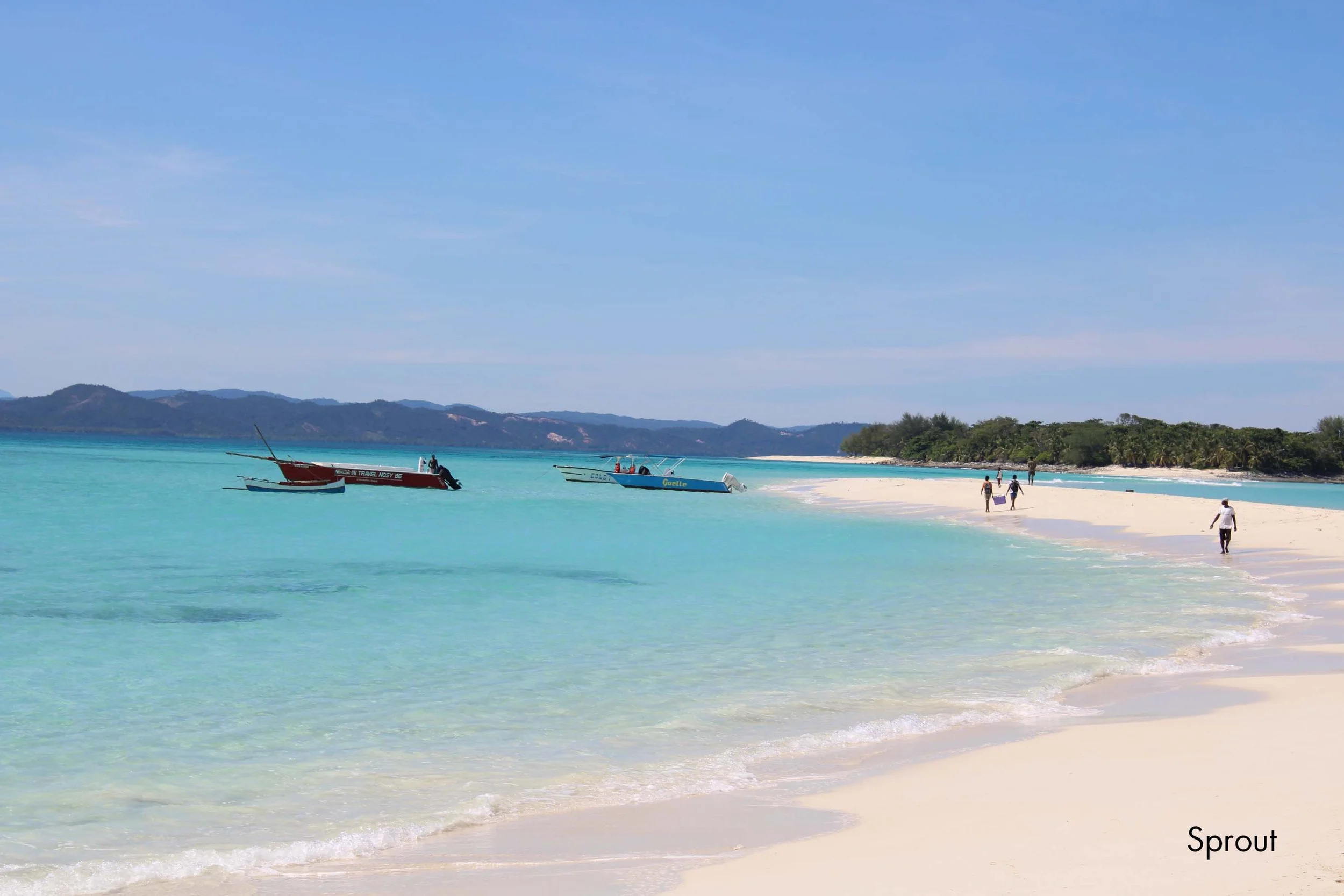
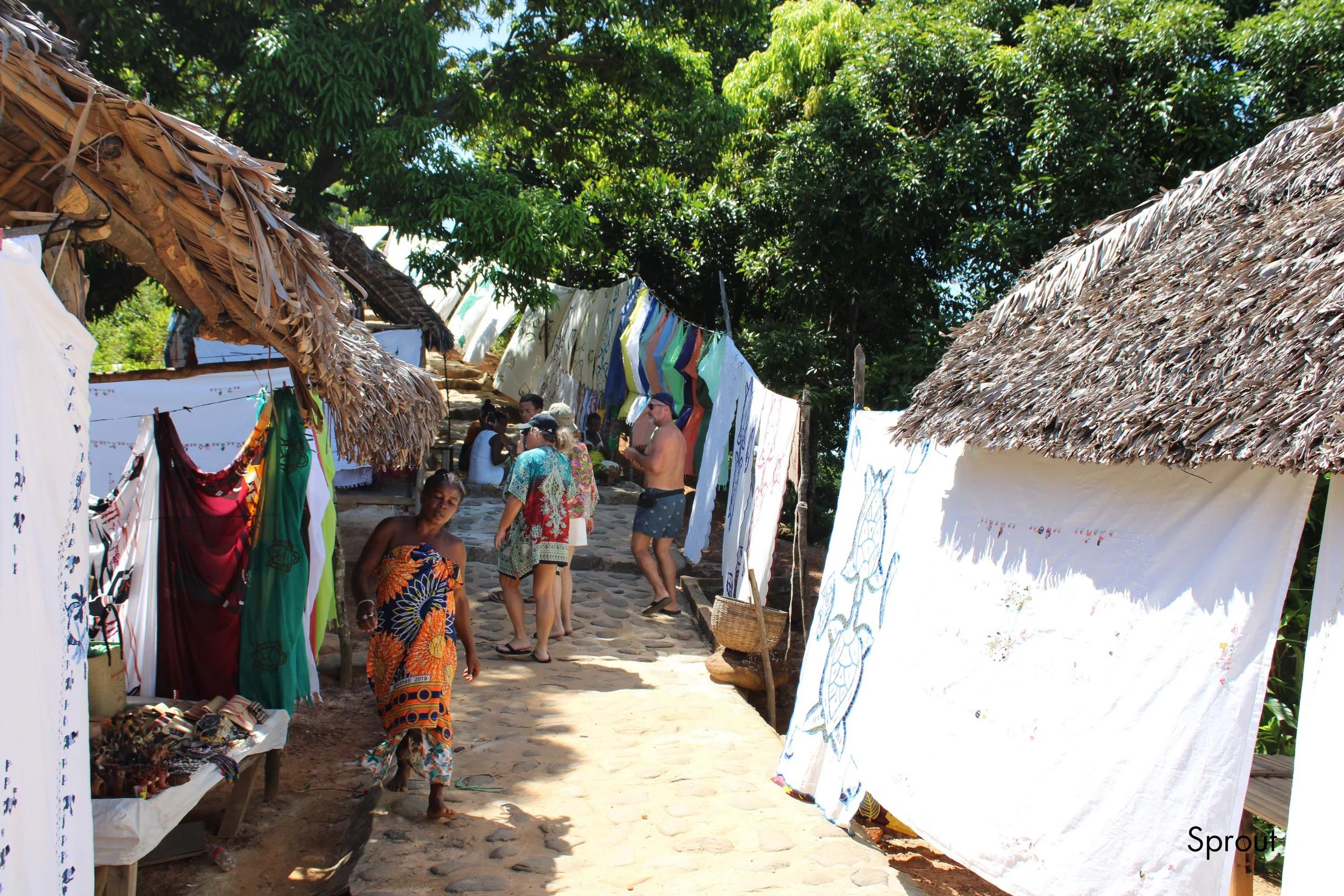
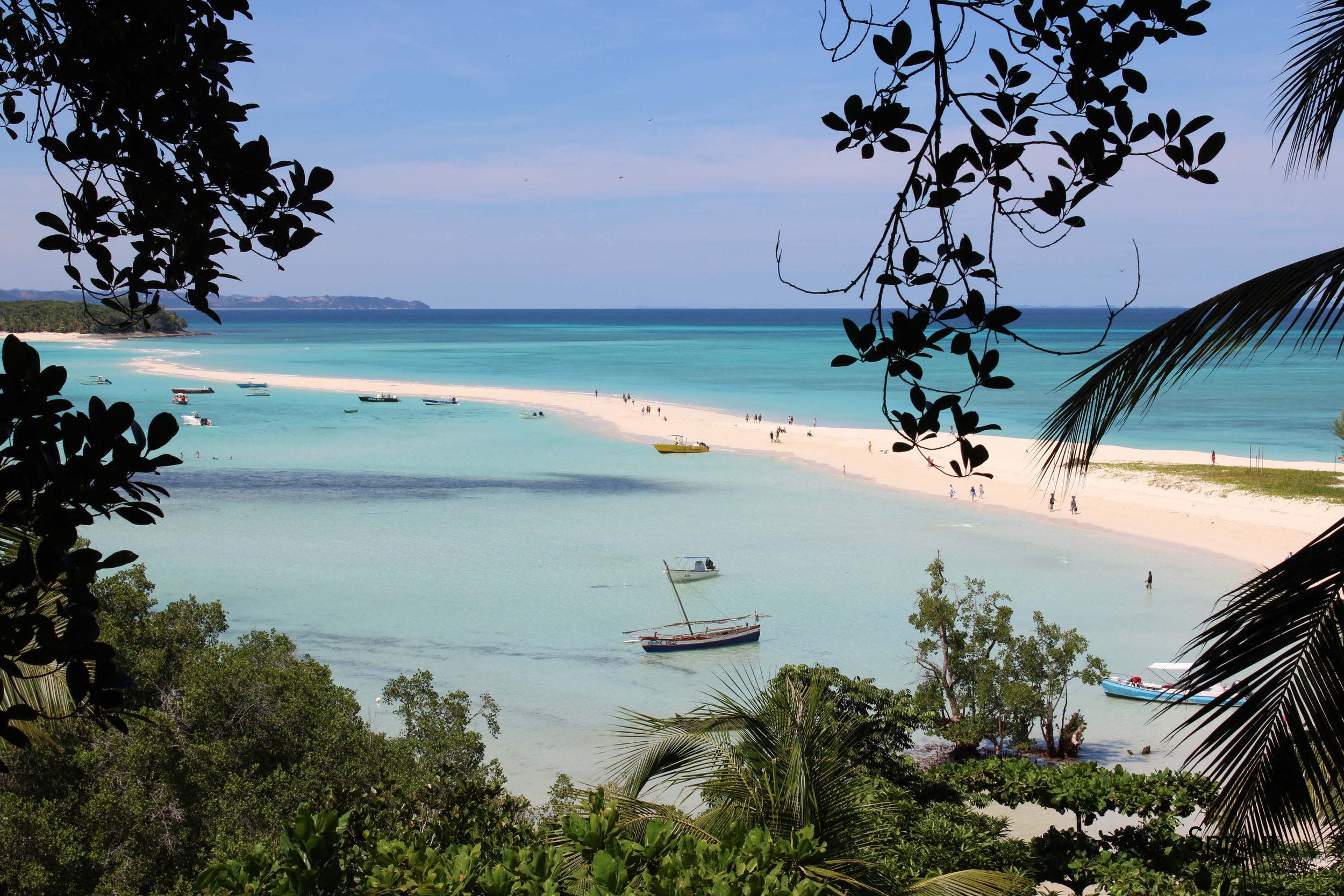
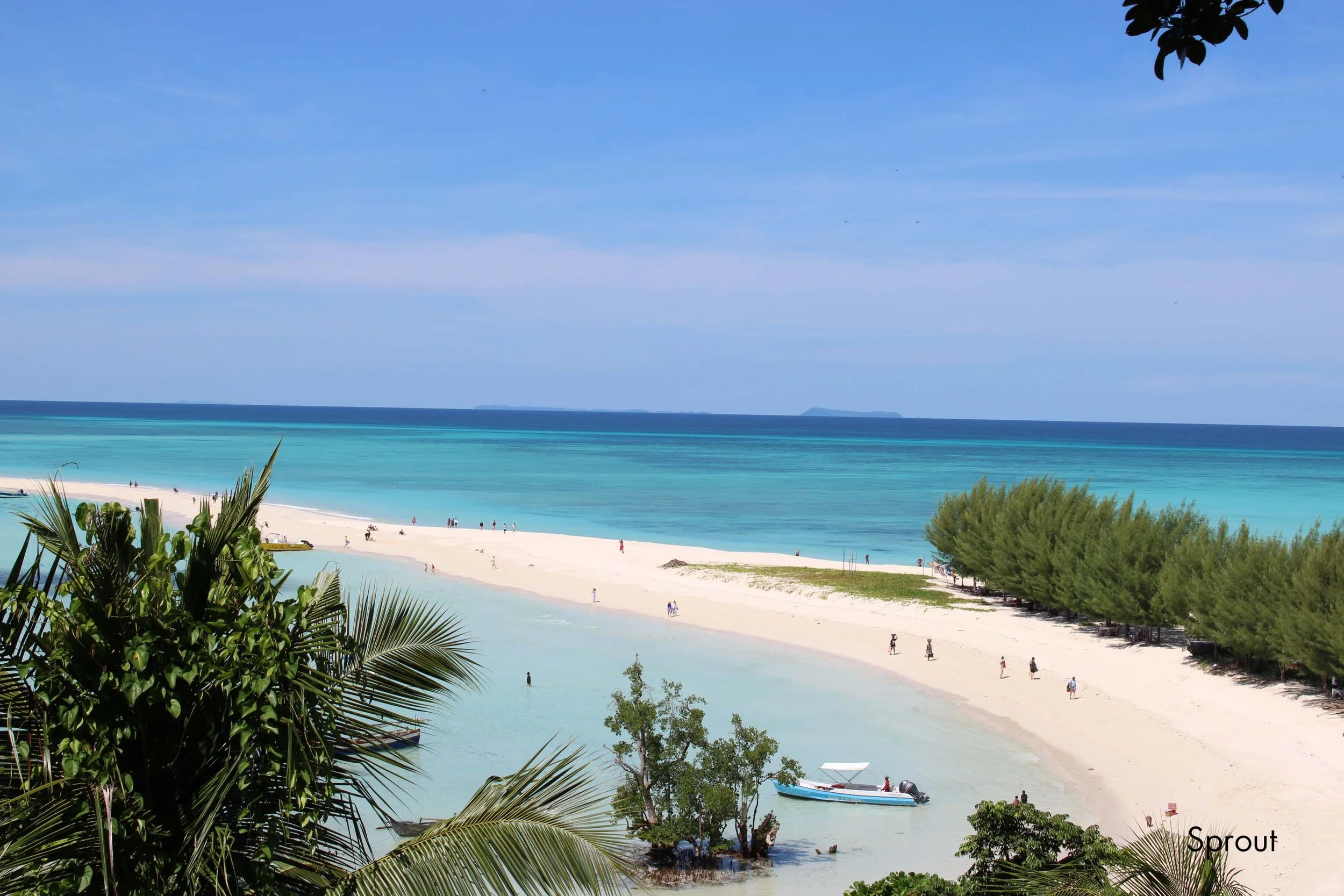
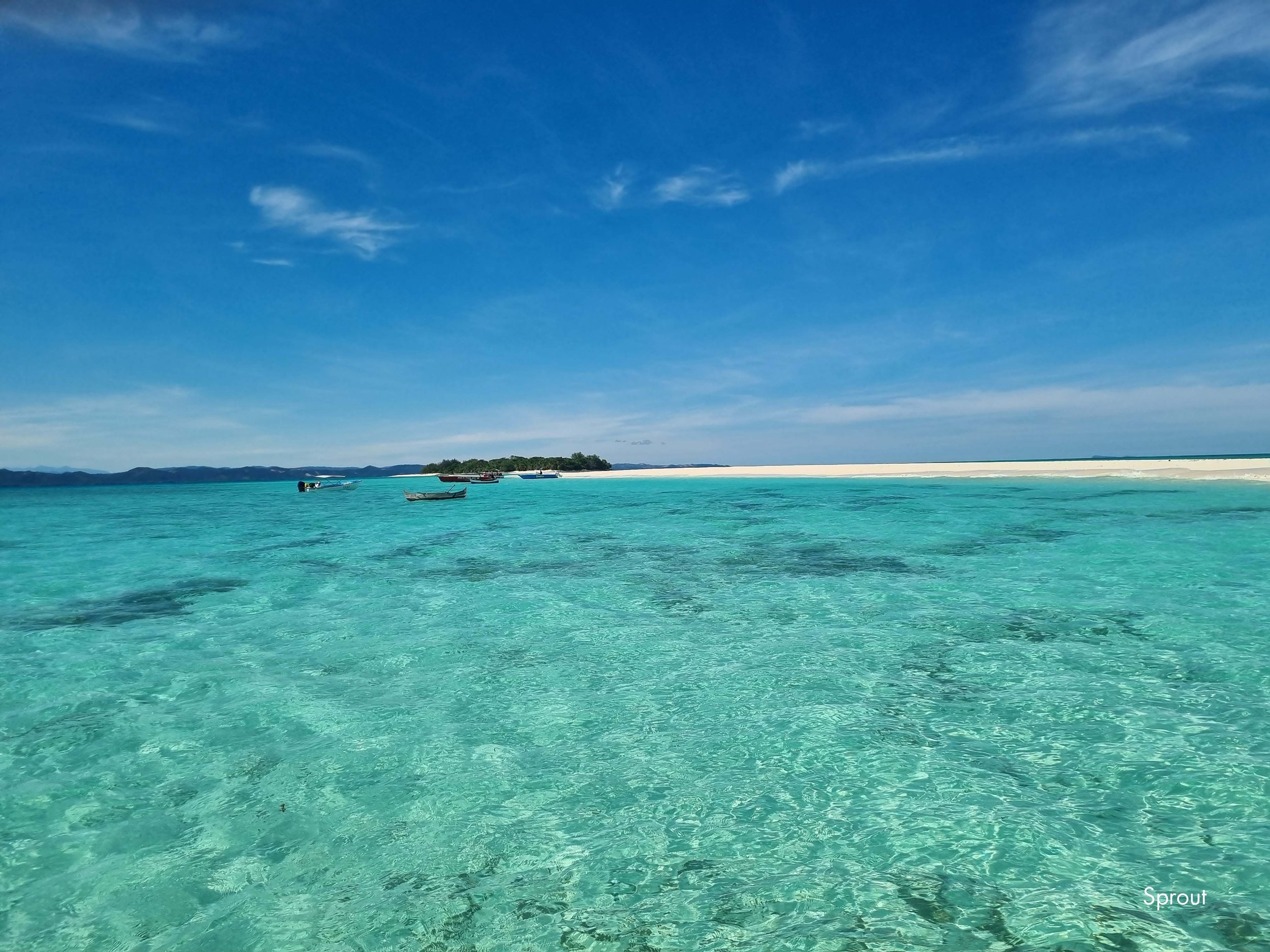
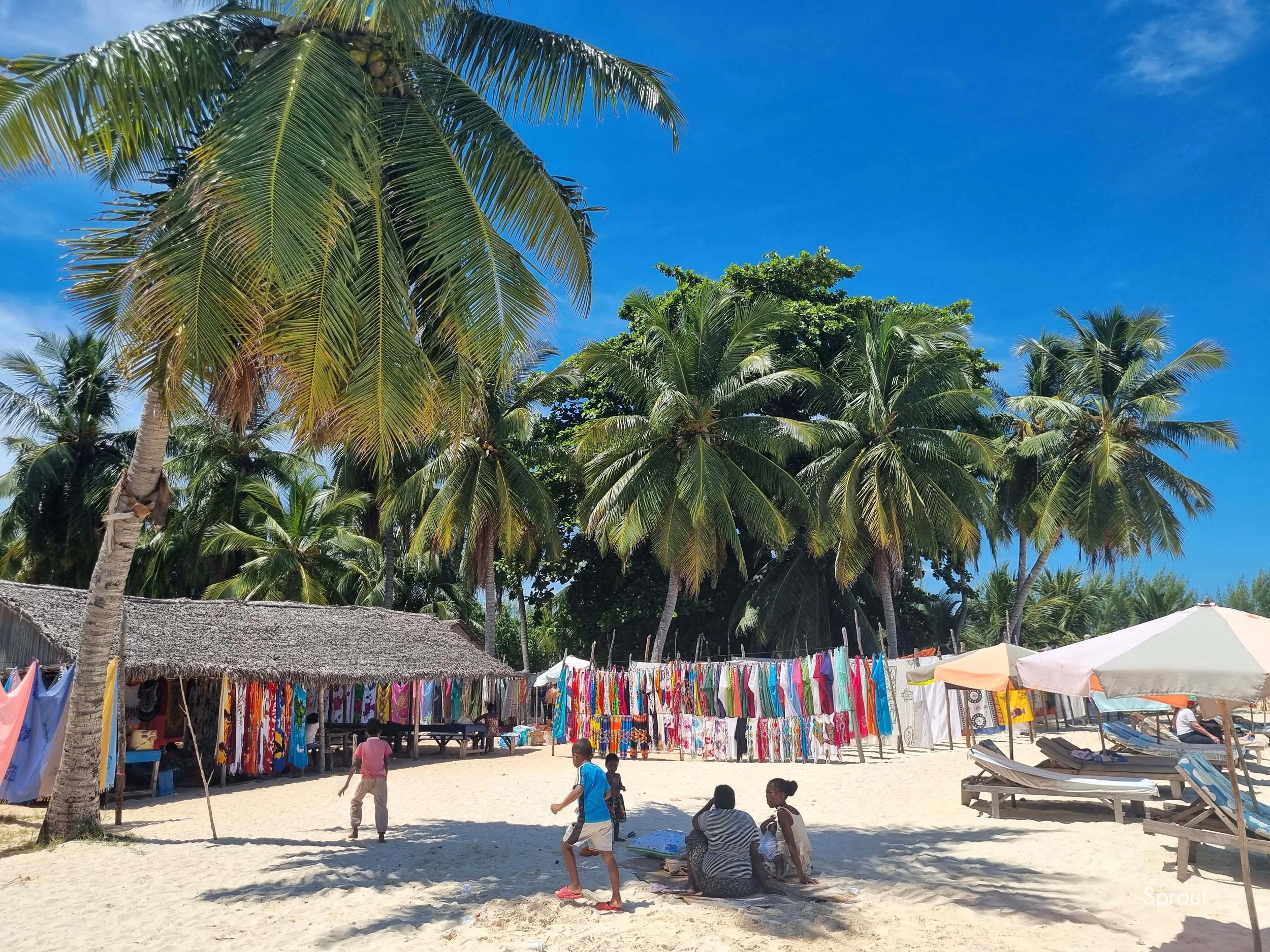
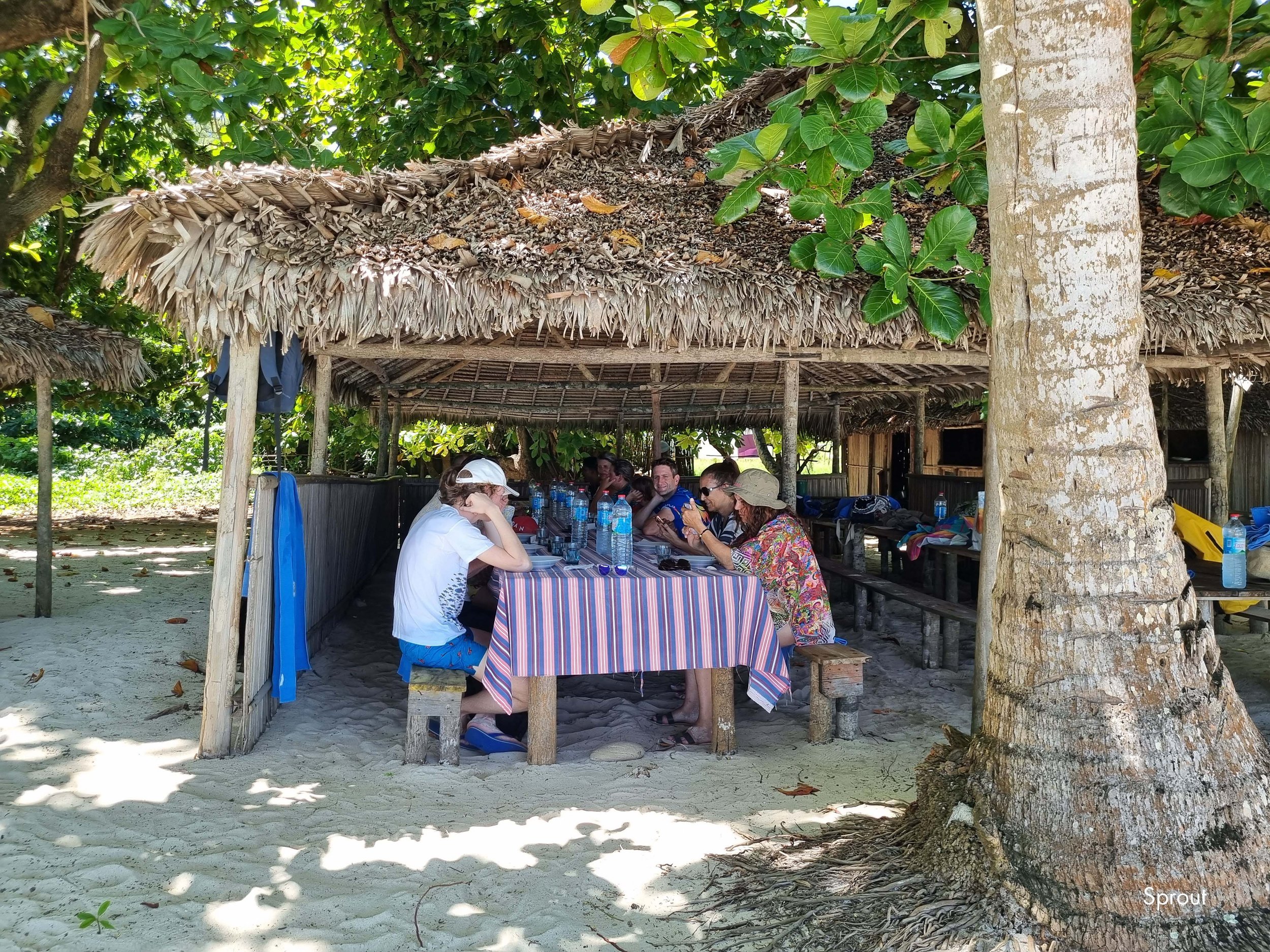
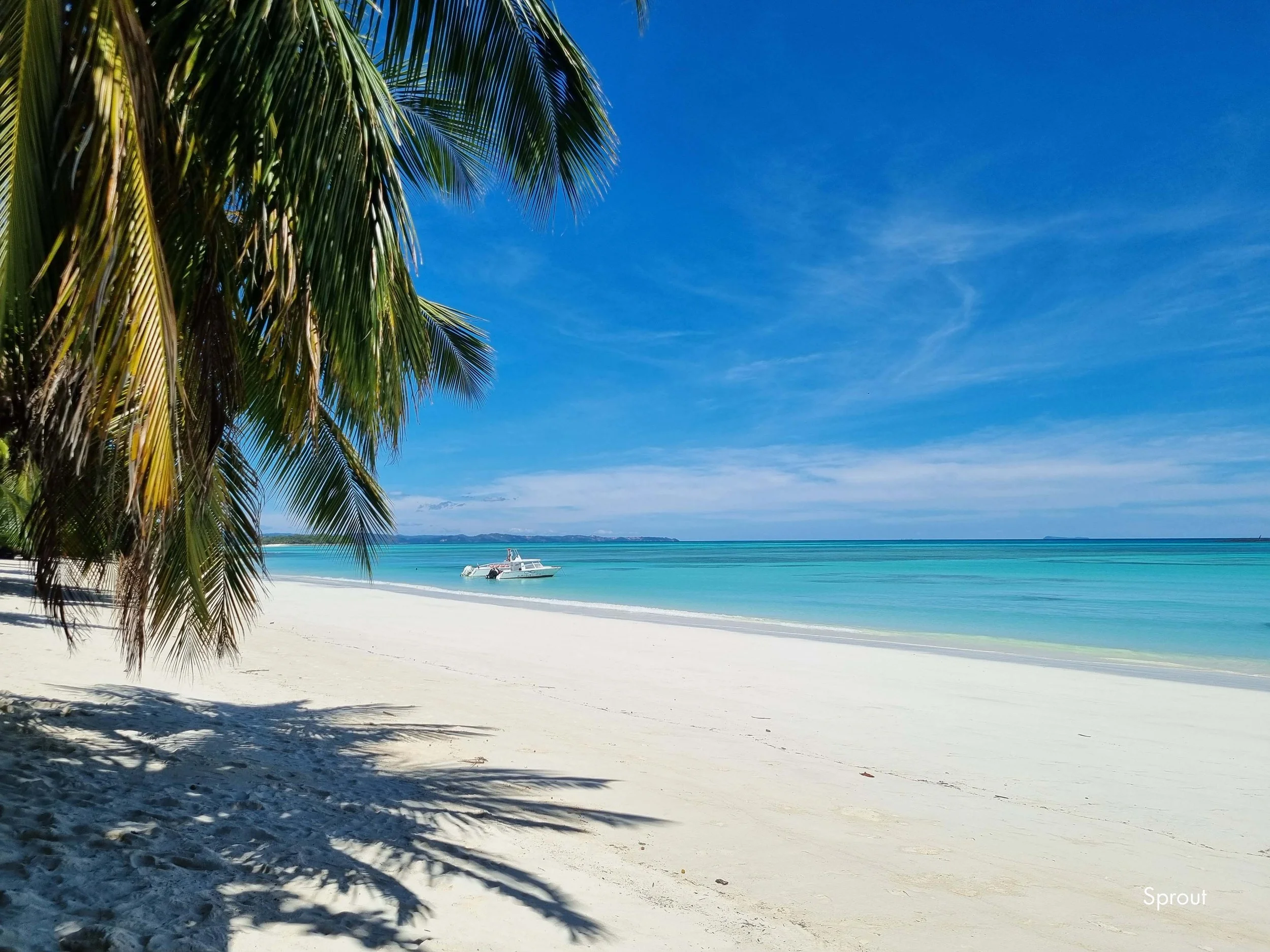
We then based ourselves on Nosy Be itself for two nights, and it was here that we did a day trip that quickly became a highlight of the whole holiday — Nosy Naranja. We swam and snorkelled in impossibly clear, calm water, walked along a stretch of perfect white sand, and had a long lazy lunch at an authentic beach restaurant with our feet practically in the sea. We also spent some time wandering the local market, taking in the colour, the spices and the everyday rhythm of island life.
Into the North — Tsingy and Rainforest
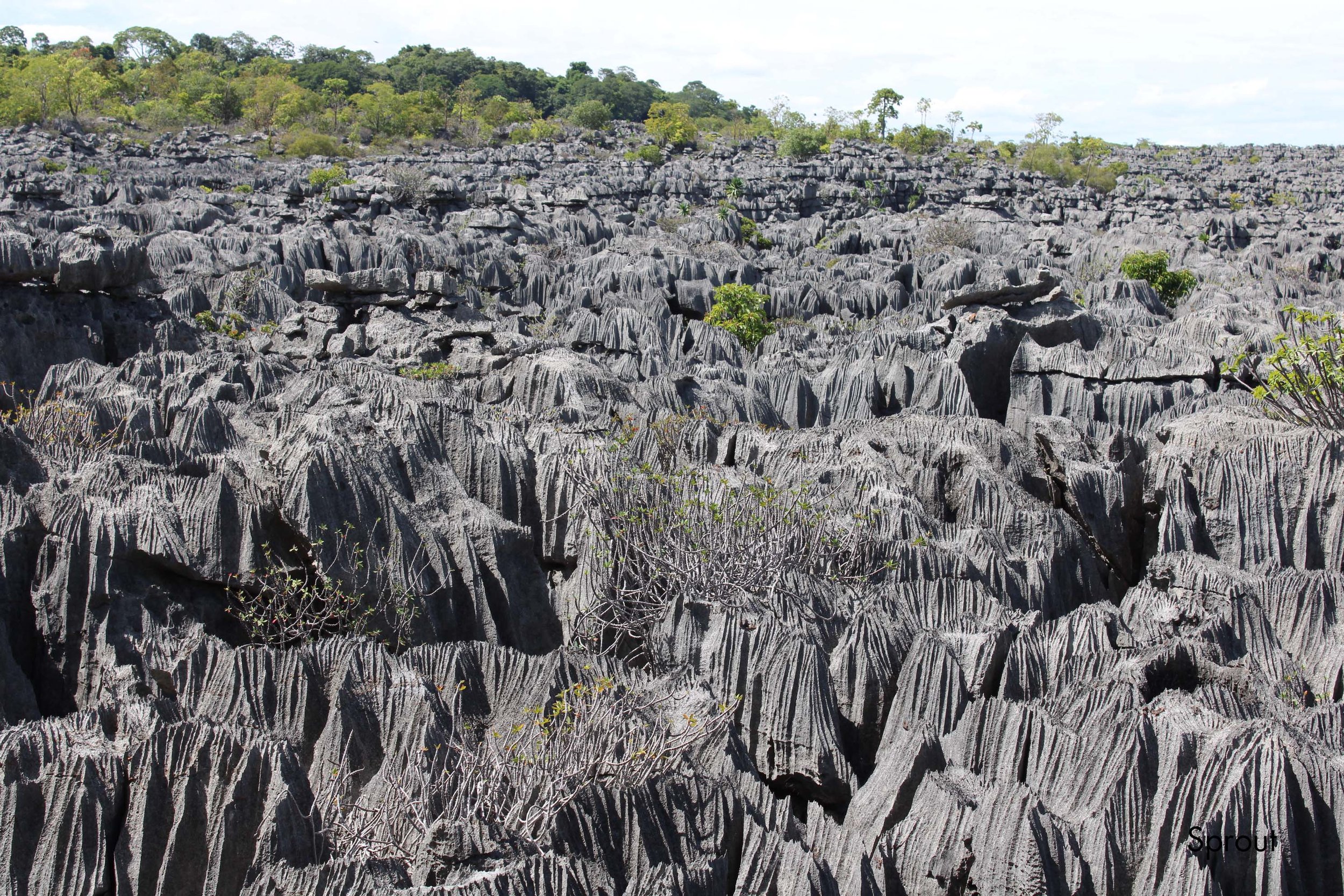
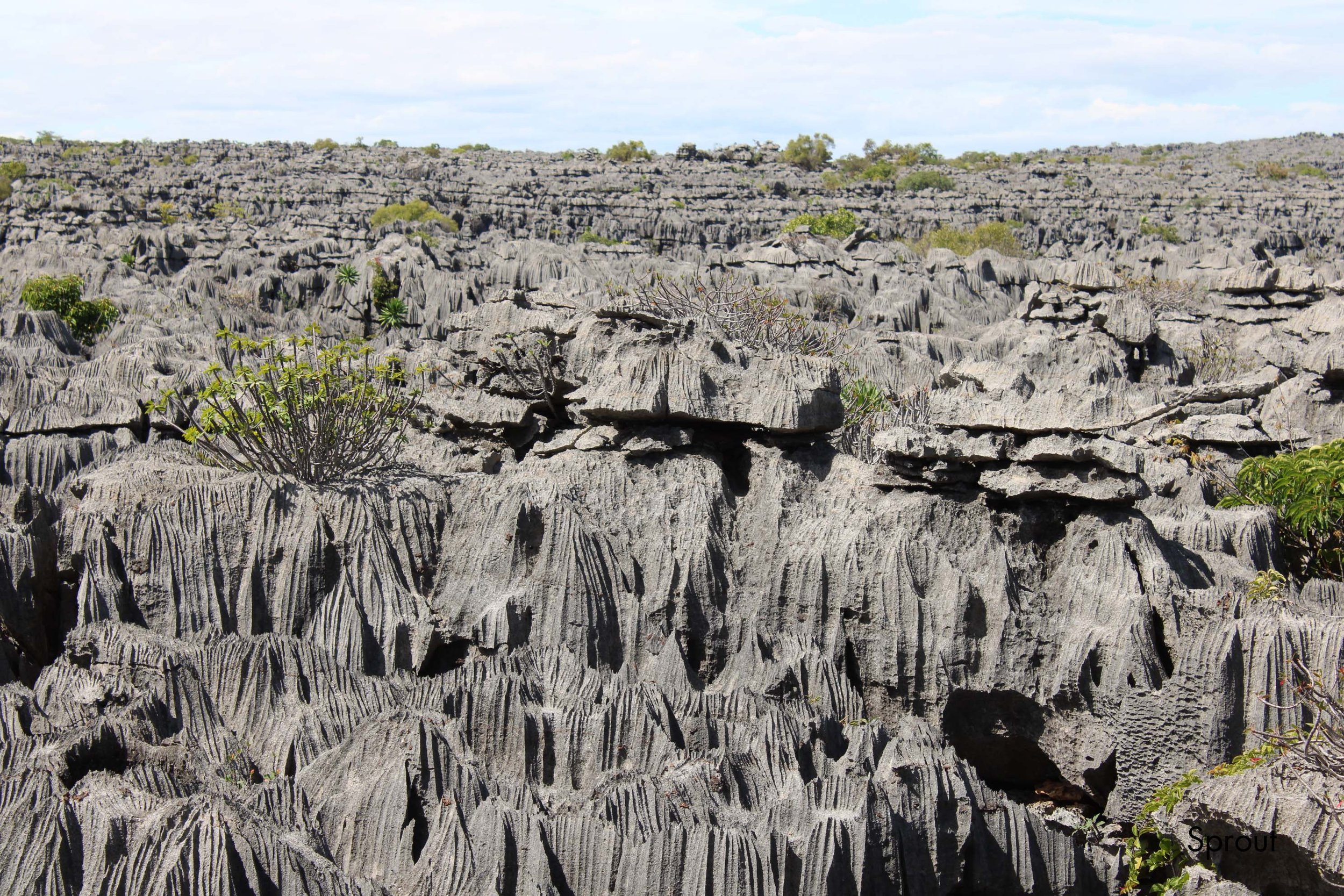
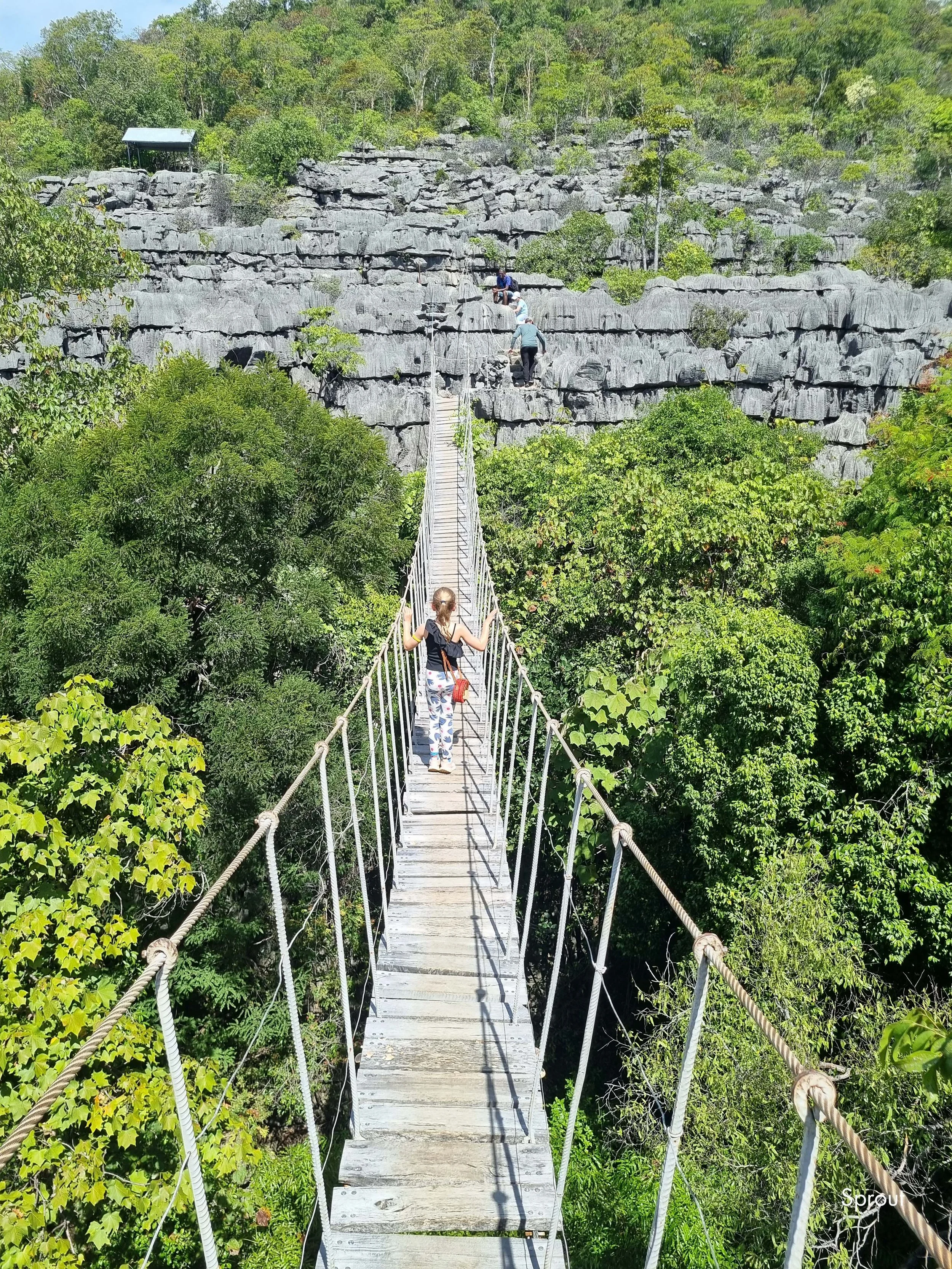
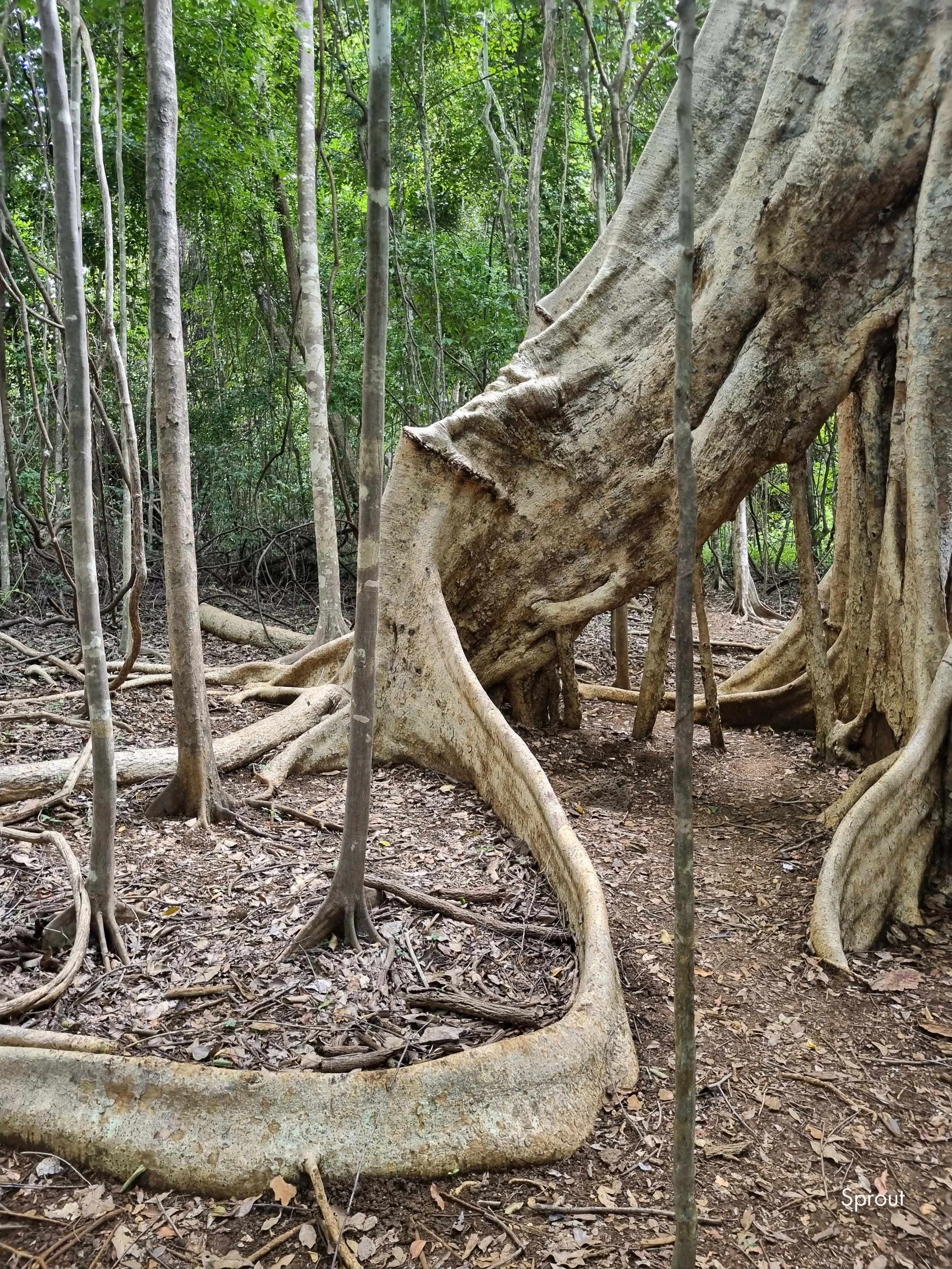
From the coast we headed inland for a completely different side of Madagascar, and this is where having a guide and driver became essential — the roads are not something you would want to attempt on your own. Our first stop was Ankarana National Park to see the Black Tsingy, a dramatic limestone karst landscape of sharp grey pinnacles riddled with caves and underground rivers, home to several species of lemur found nowhere else. Walking across the suspension bridges strung between the rock formations, with the tsingy dropping away beneath us, was equal parts thrilling and beautiful.
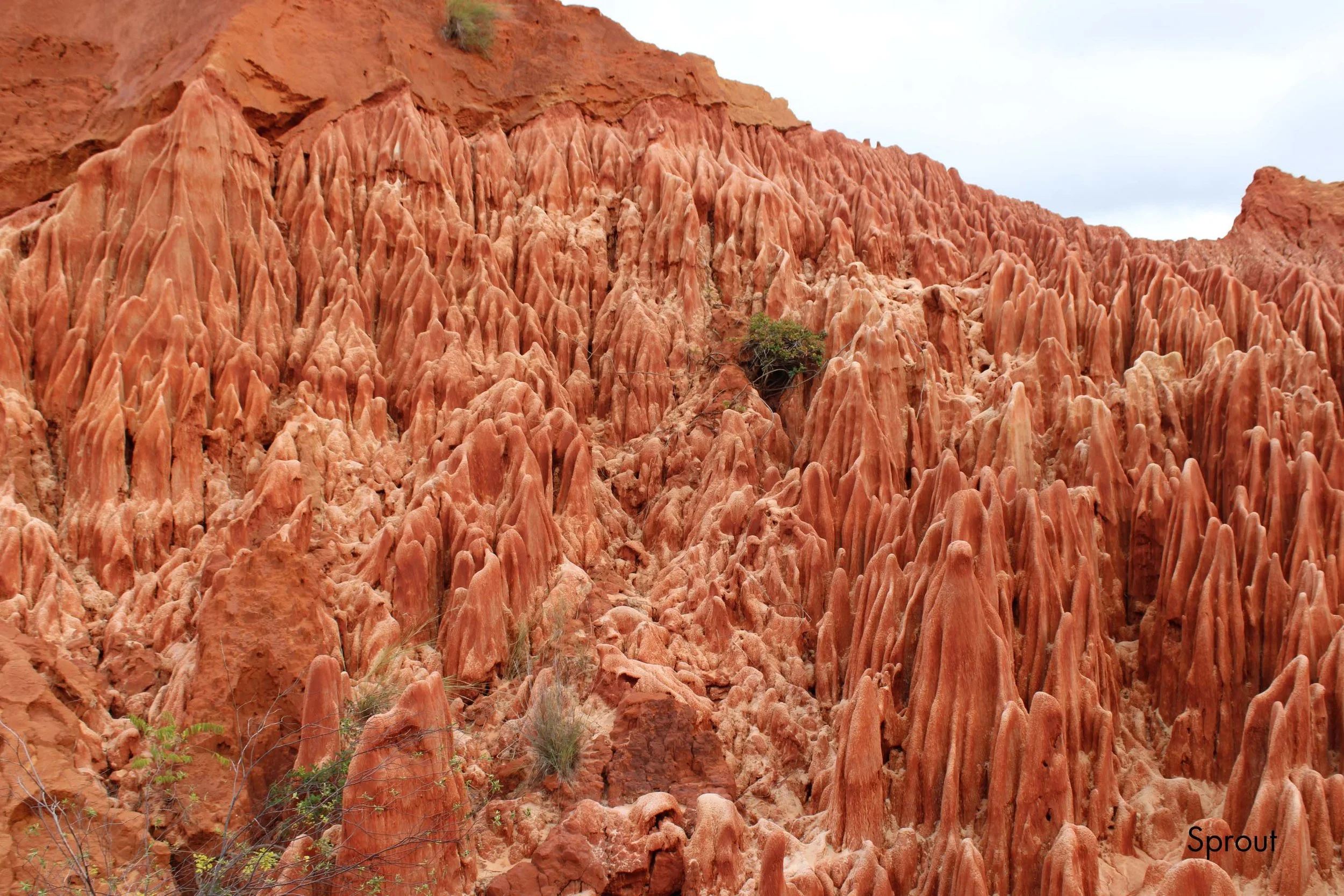
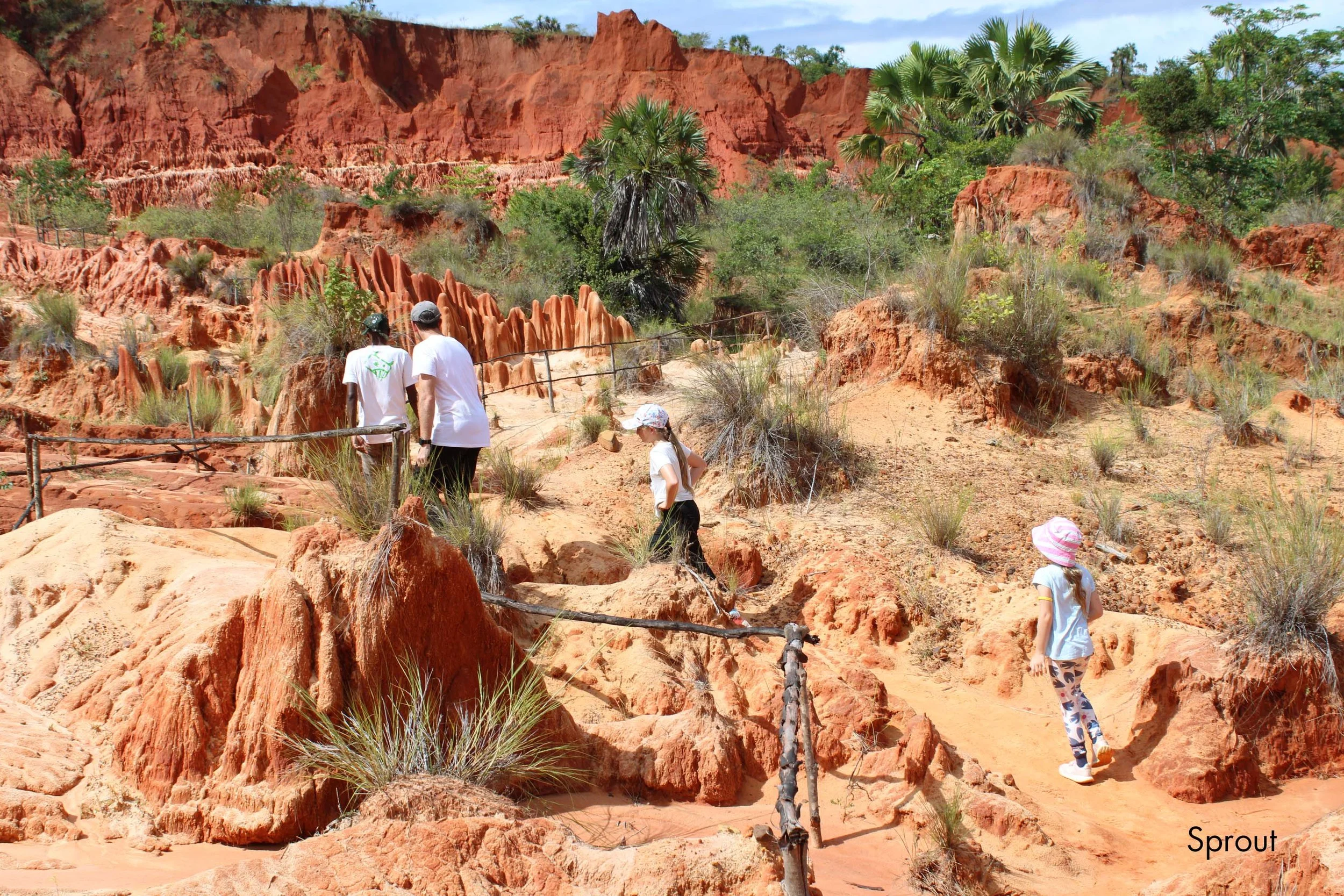
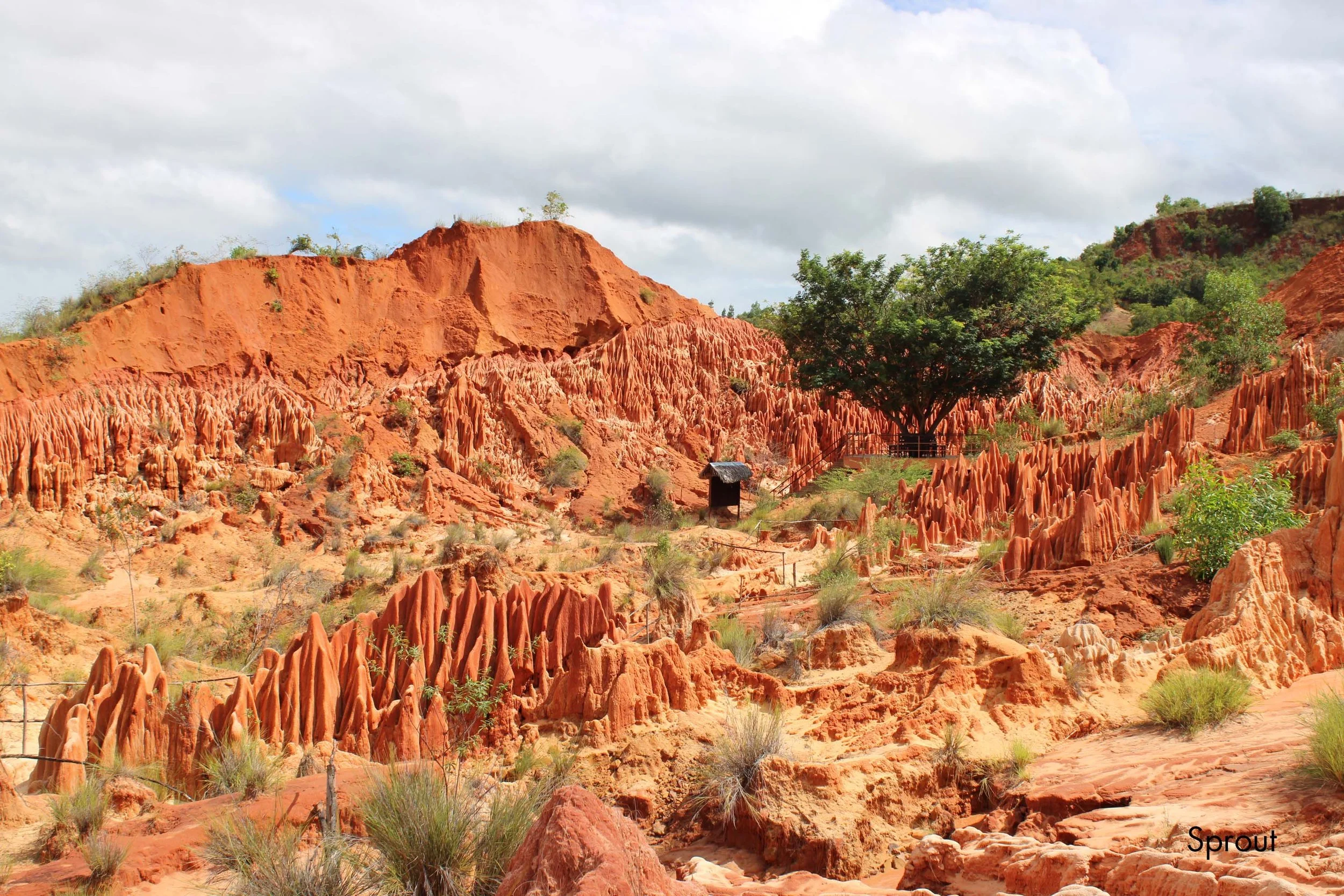
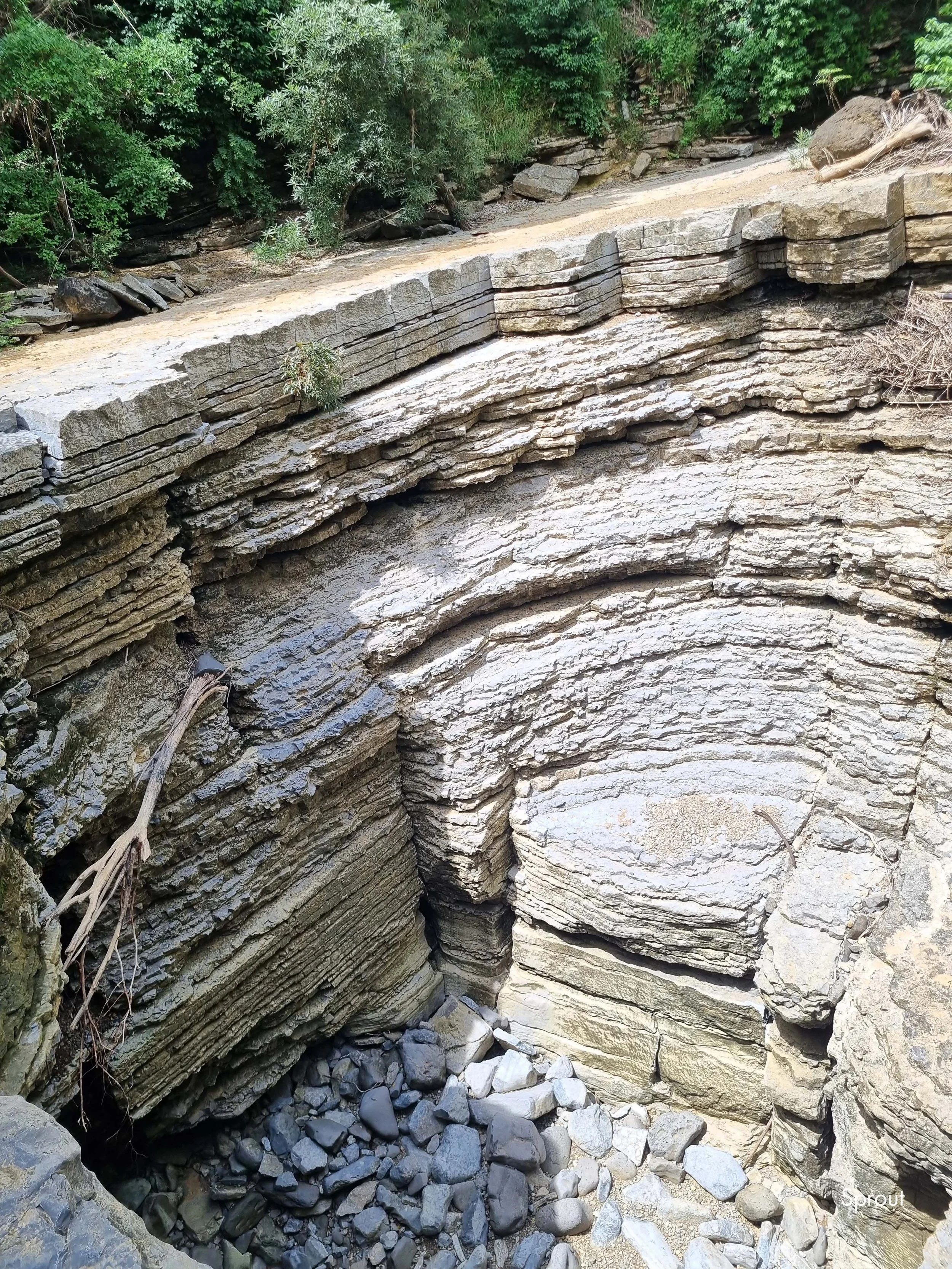
The next day we drove on to see the Red Tsingy, a completely different geological world — soft, eroded formations of red laterite and sandstone carved into spires and "fairy chimneys" in shades of ochre and vermilion. It felt almost otherworldly, and constantly changing, since the soft material is still being reshaped by wind and rain.
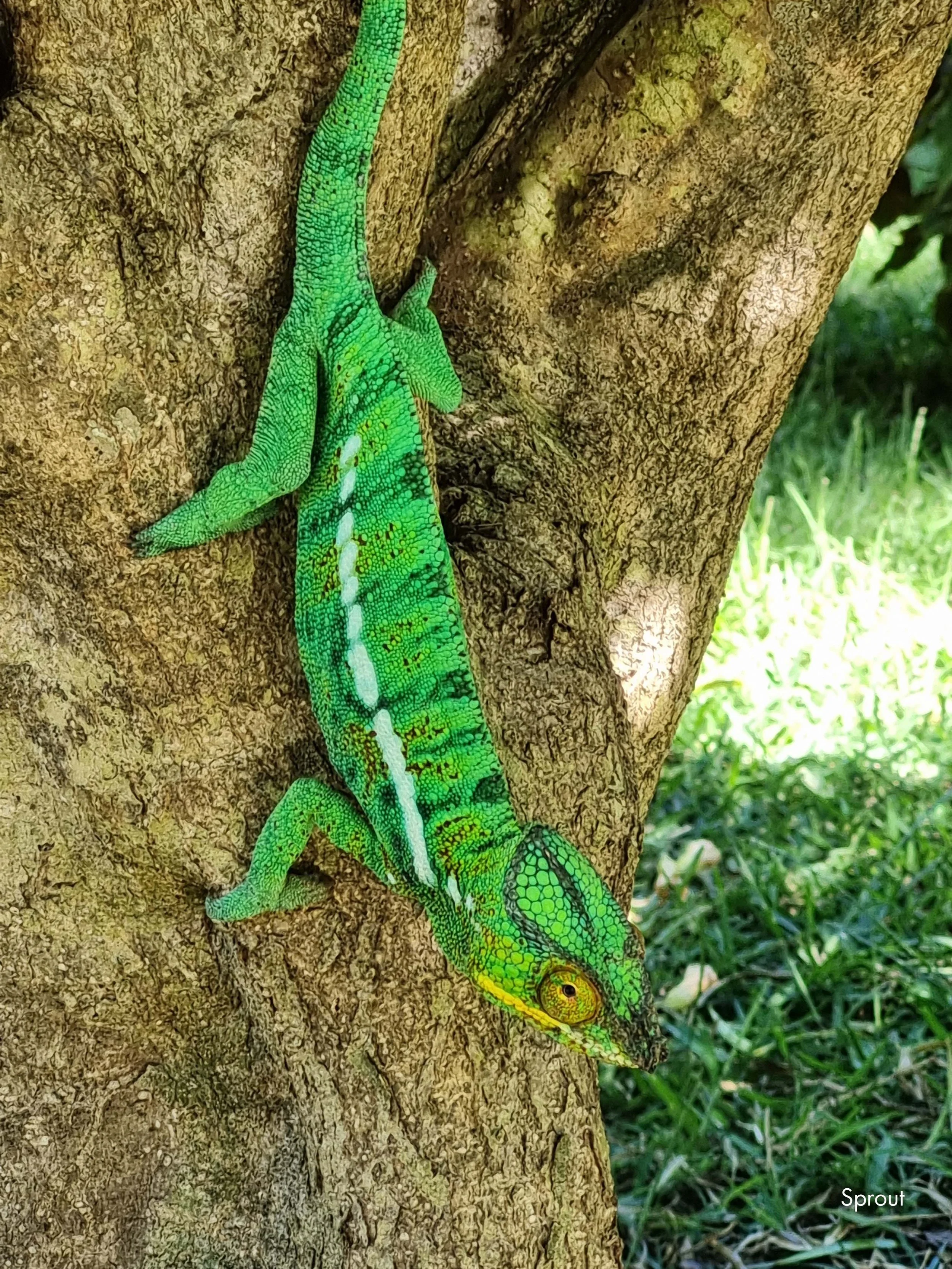
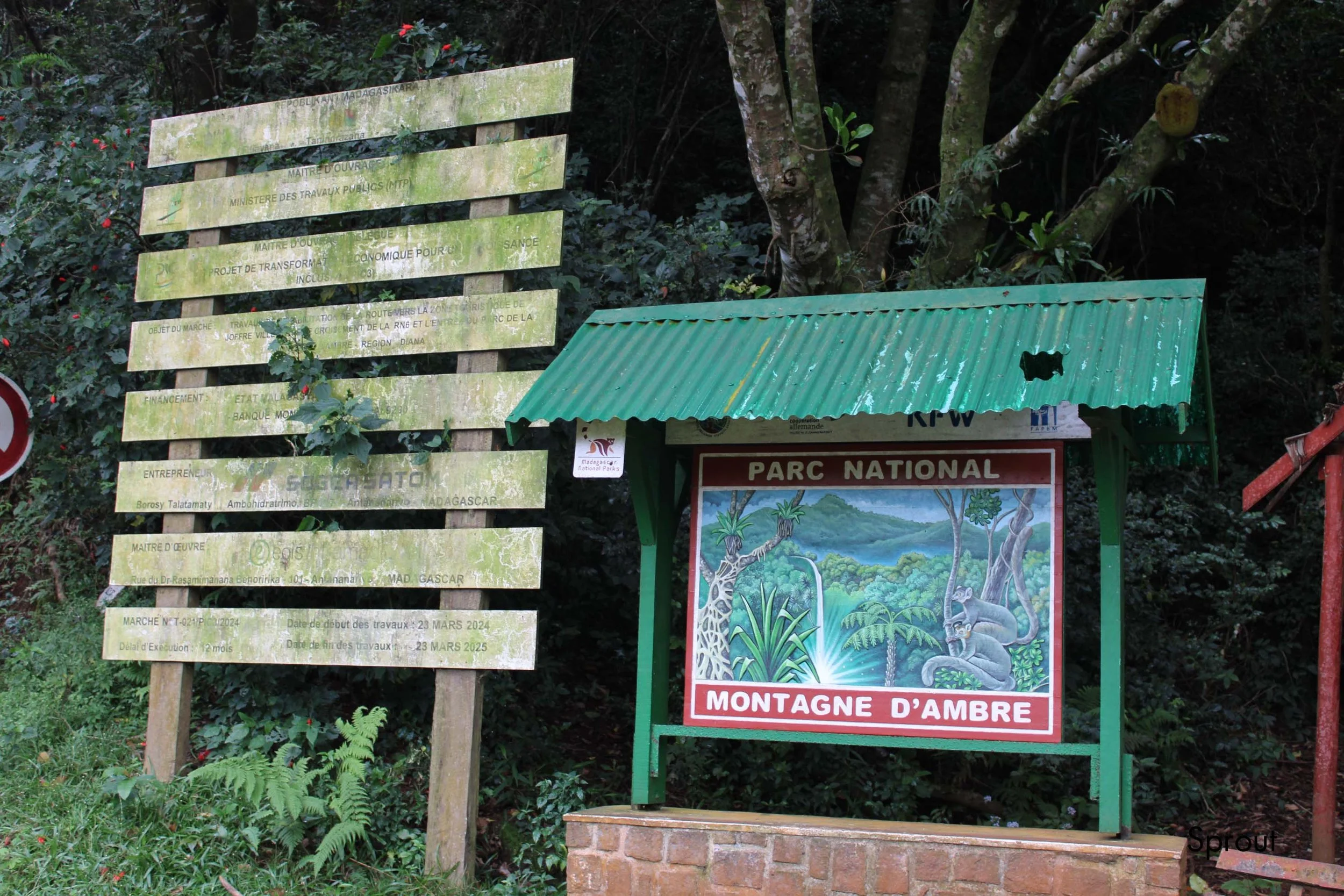
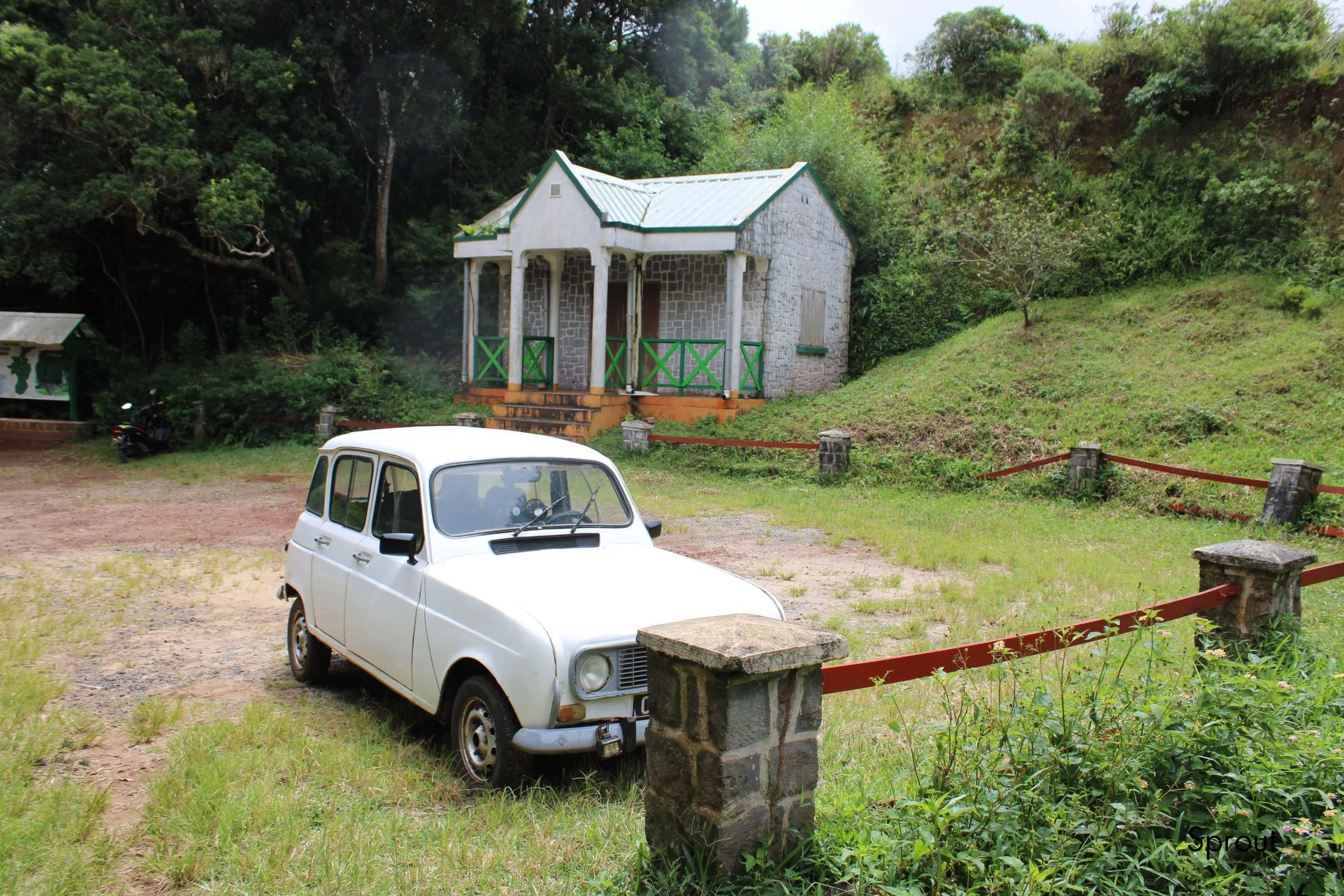
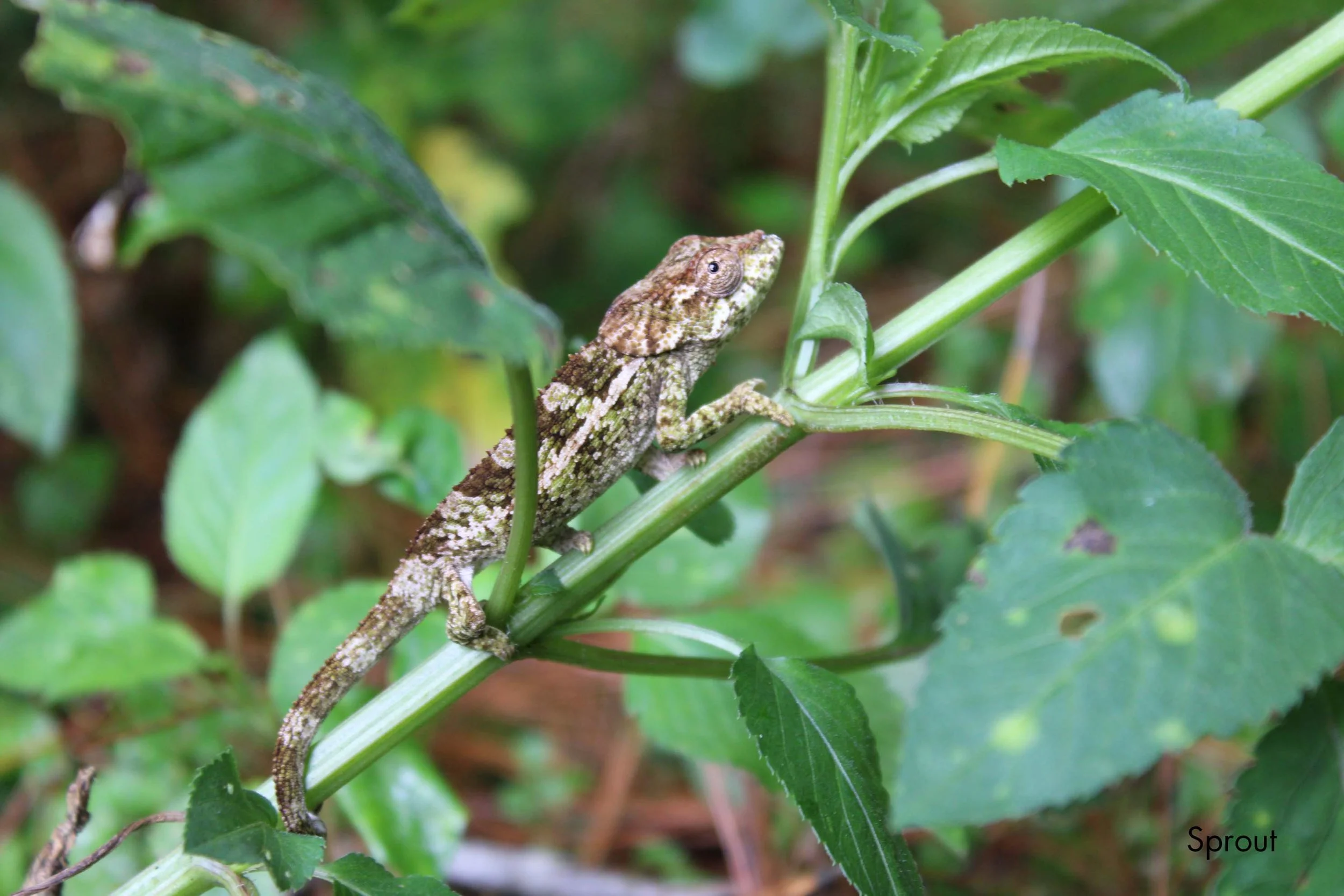
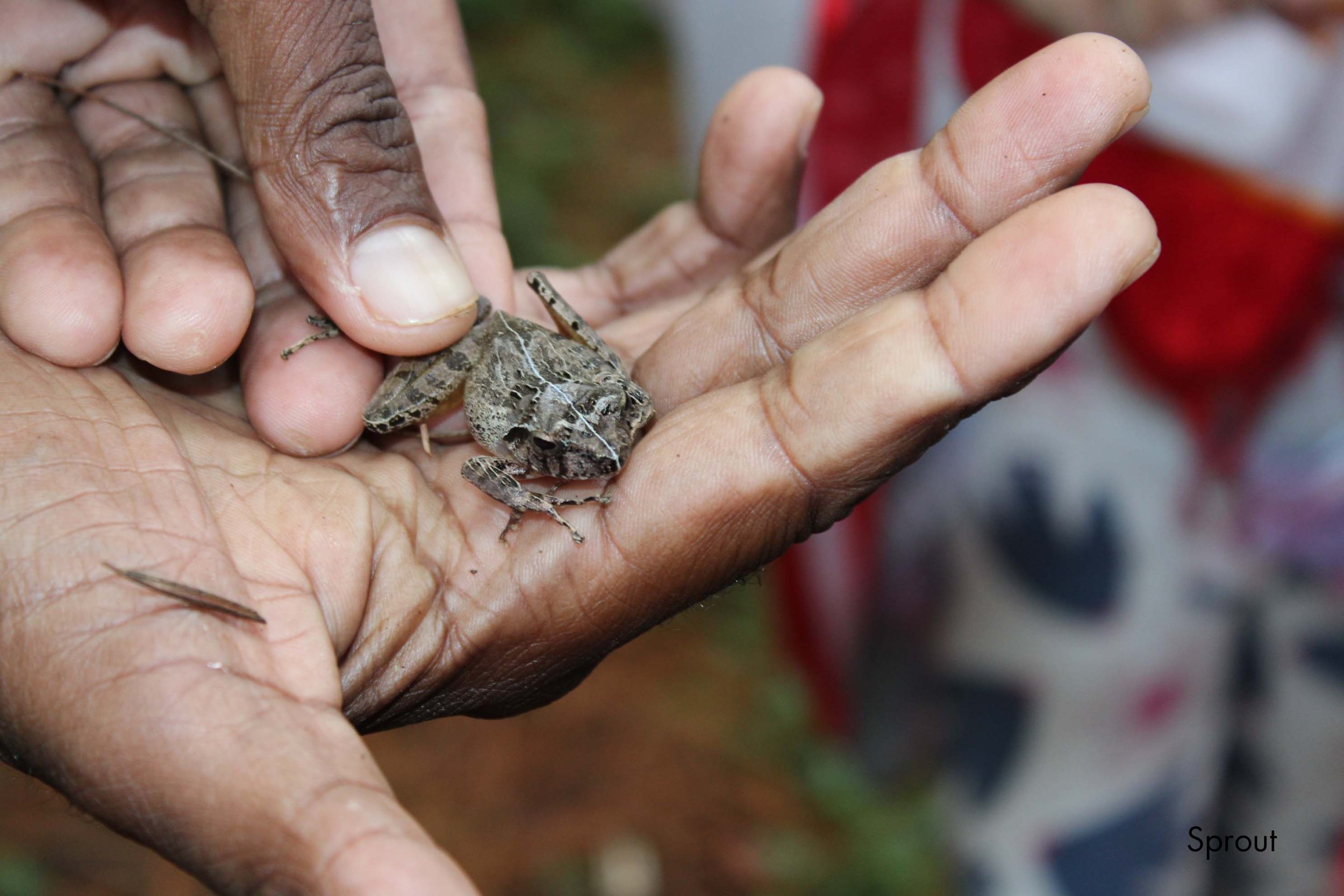
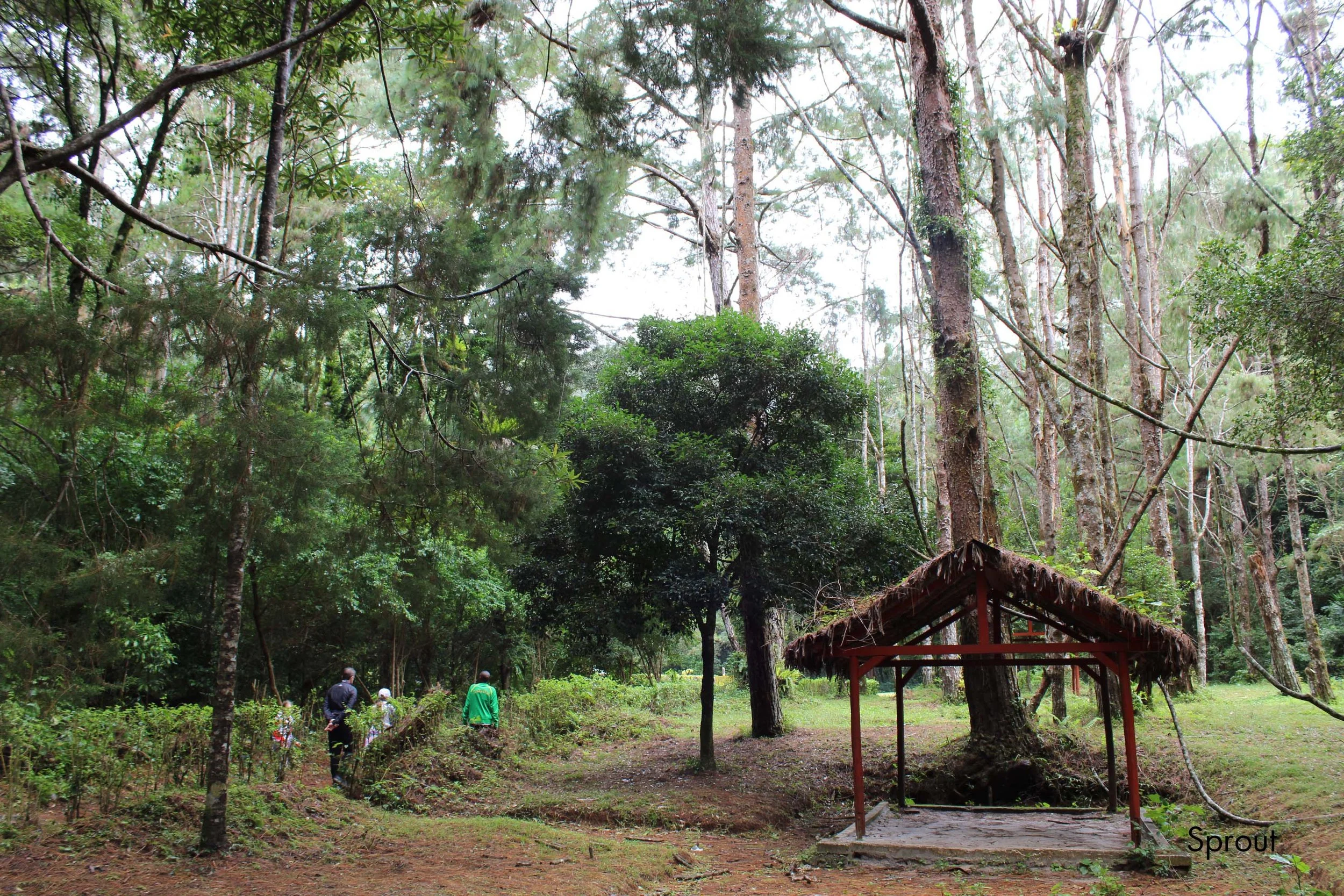
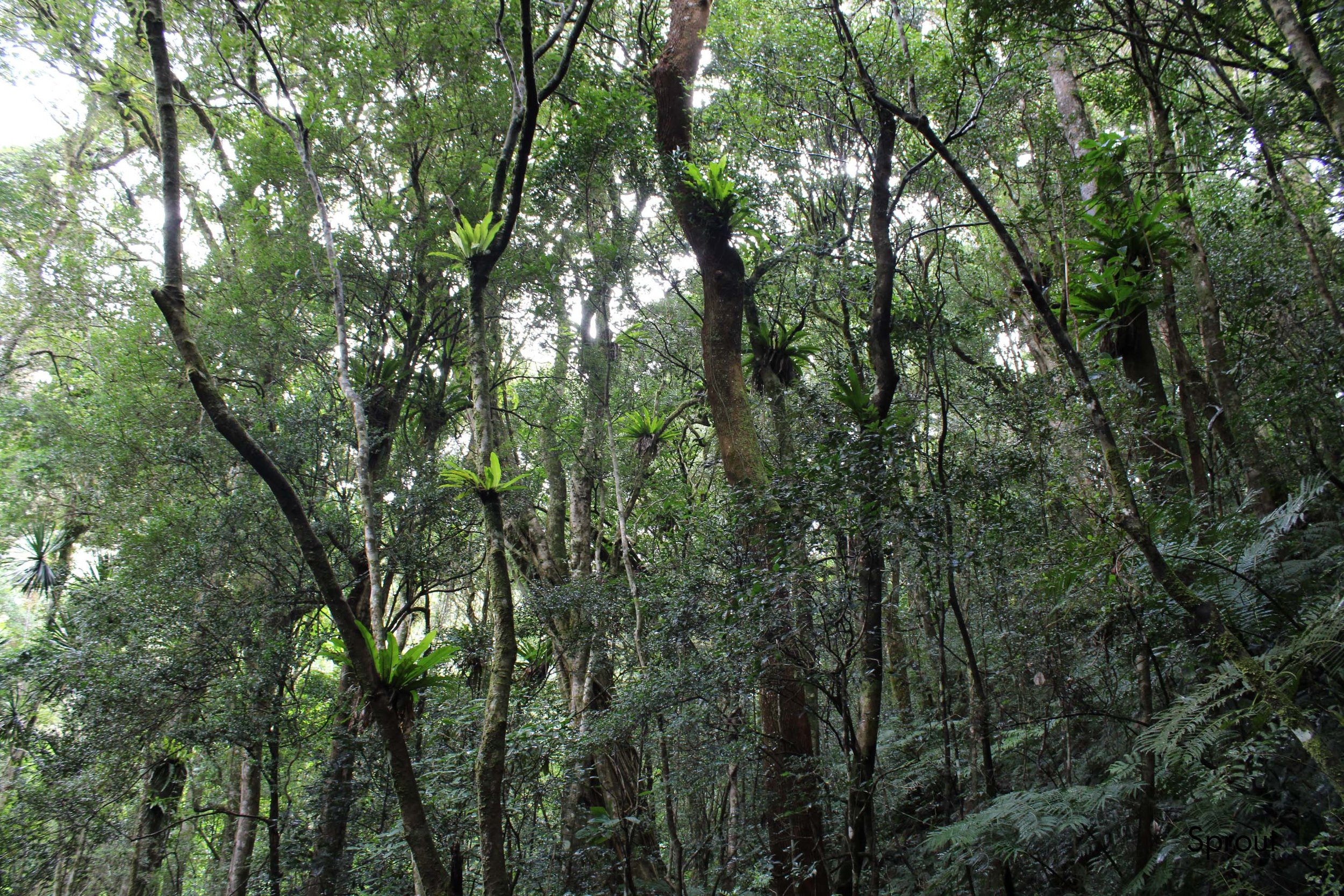
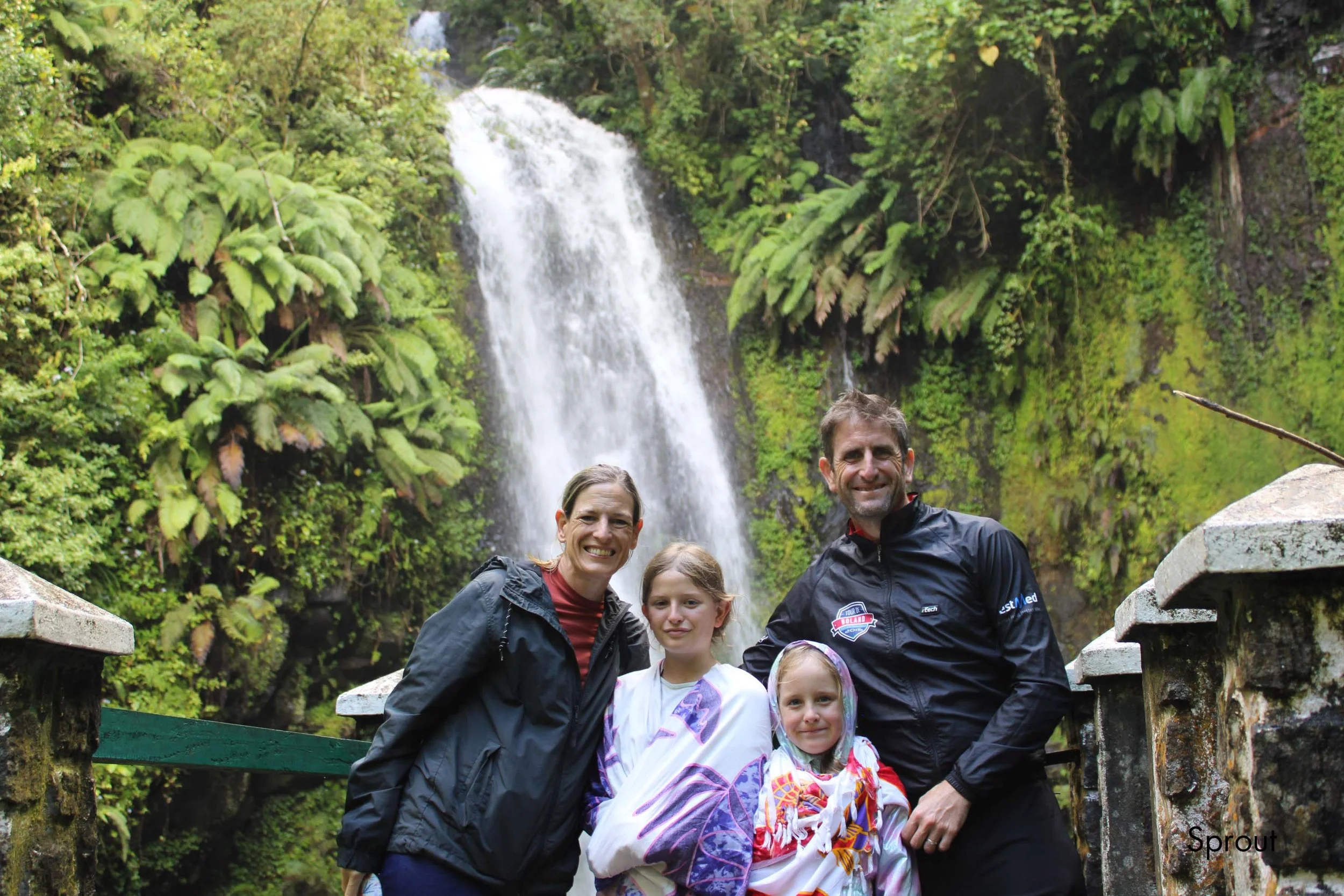
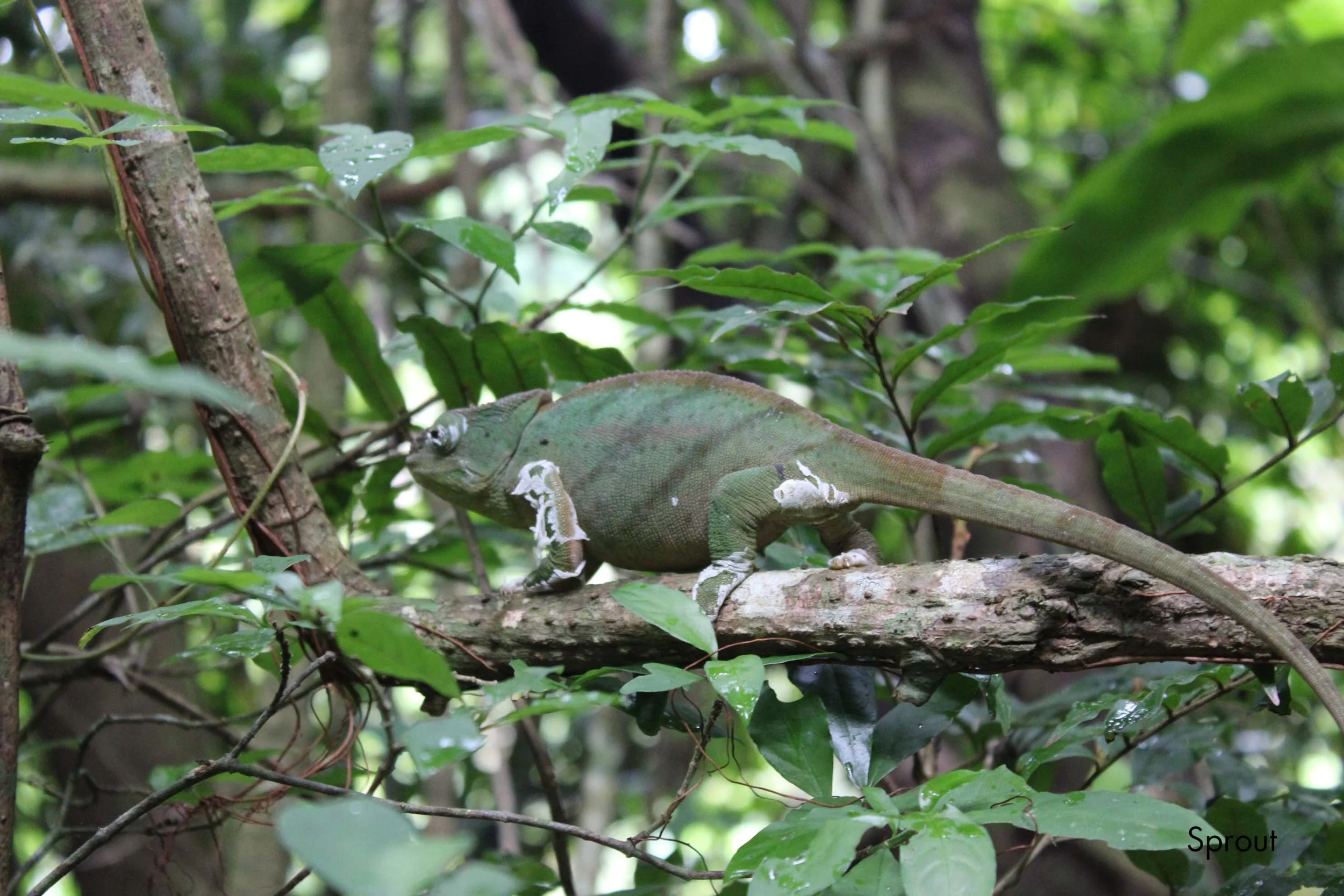
We finished our time in the north at Amber Mountain, an extinct volcanic massif that rises into cool, misty rainforest — a striking contrast to the dry plains below. We wandered trails past crater lakes and waterfalls, on the hunt for the tiny Brookesia chameleon, one of the smallest reptiles in the world, and were lucky enough to spot several along the way.
Antananarivo — History and Culture
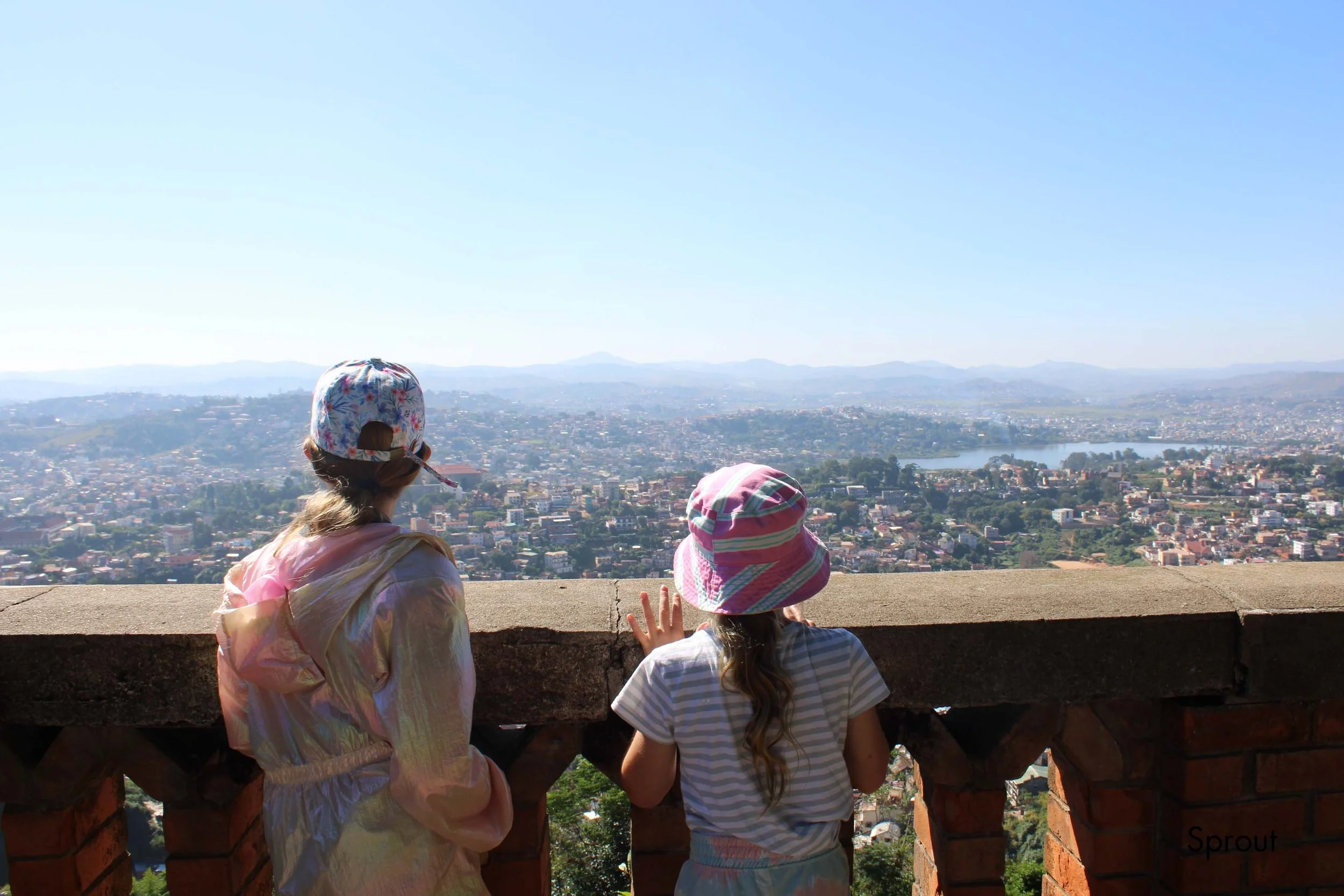
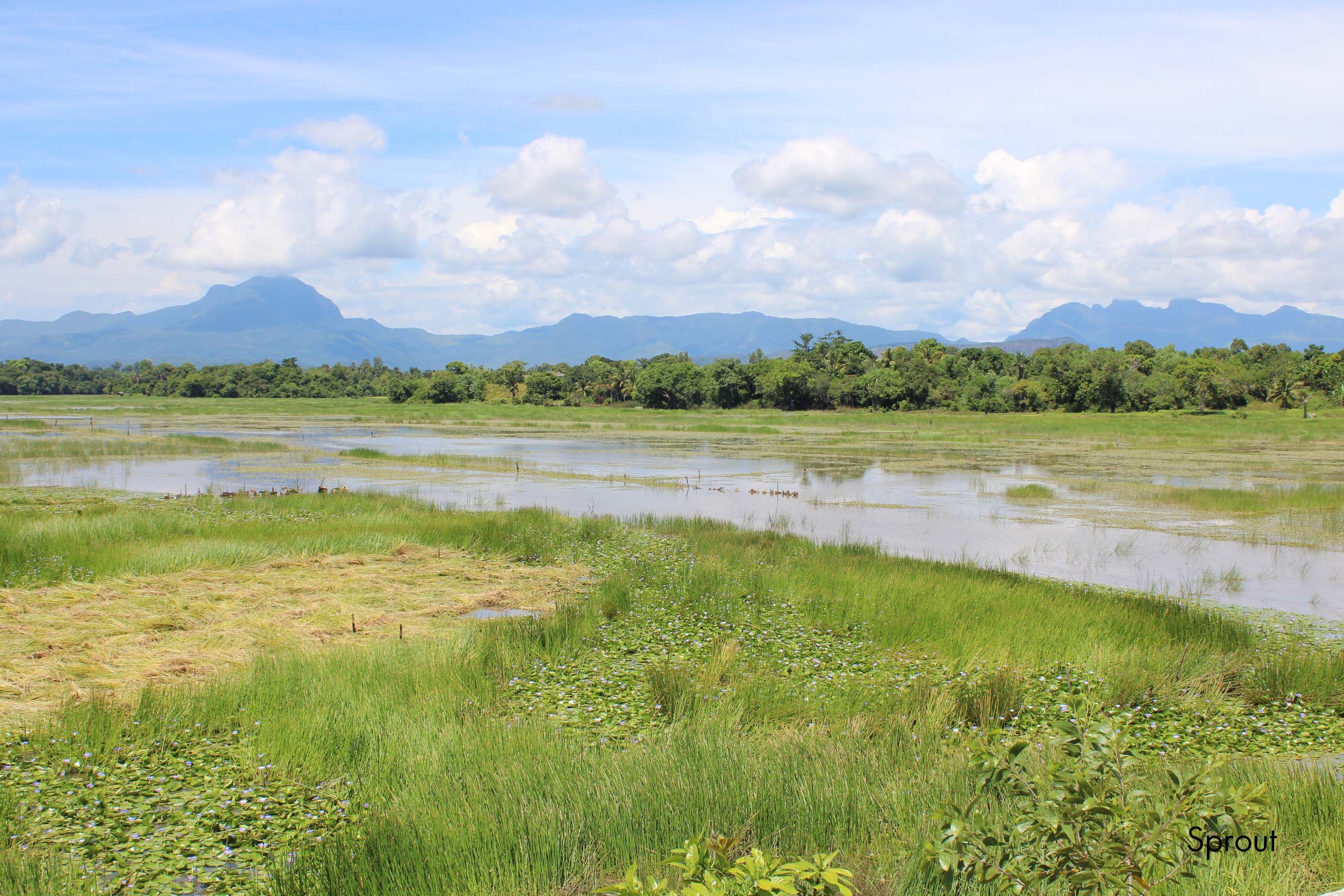
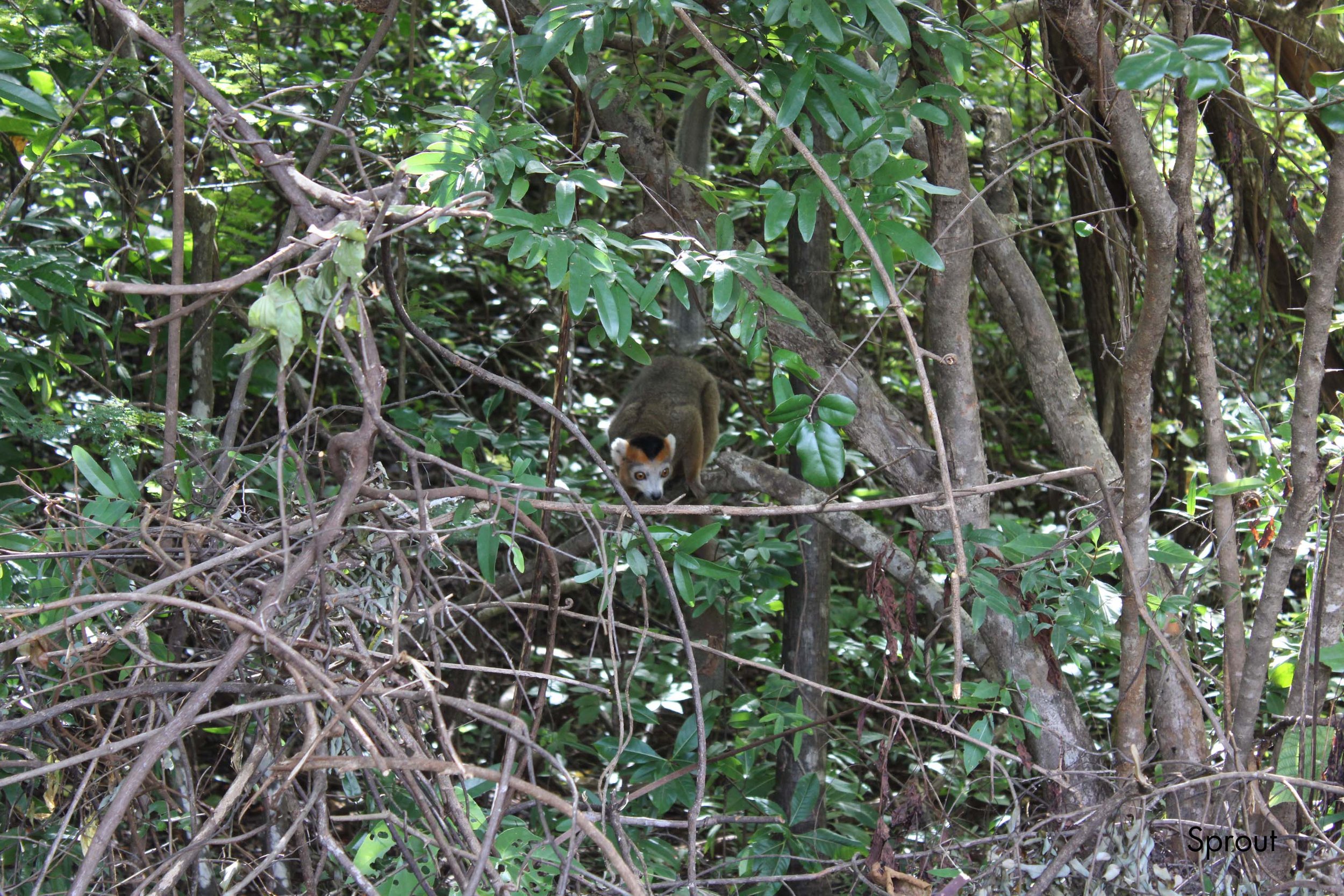
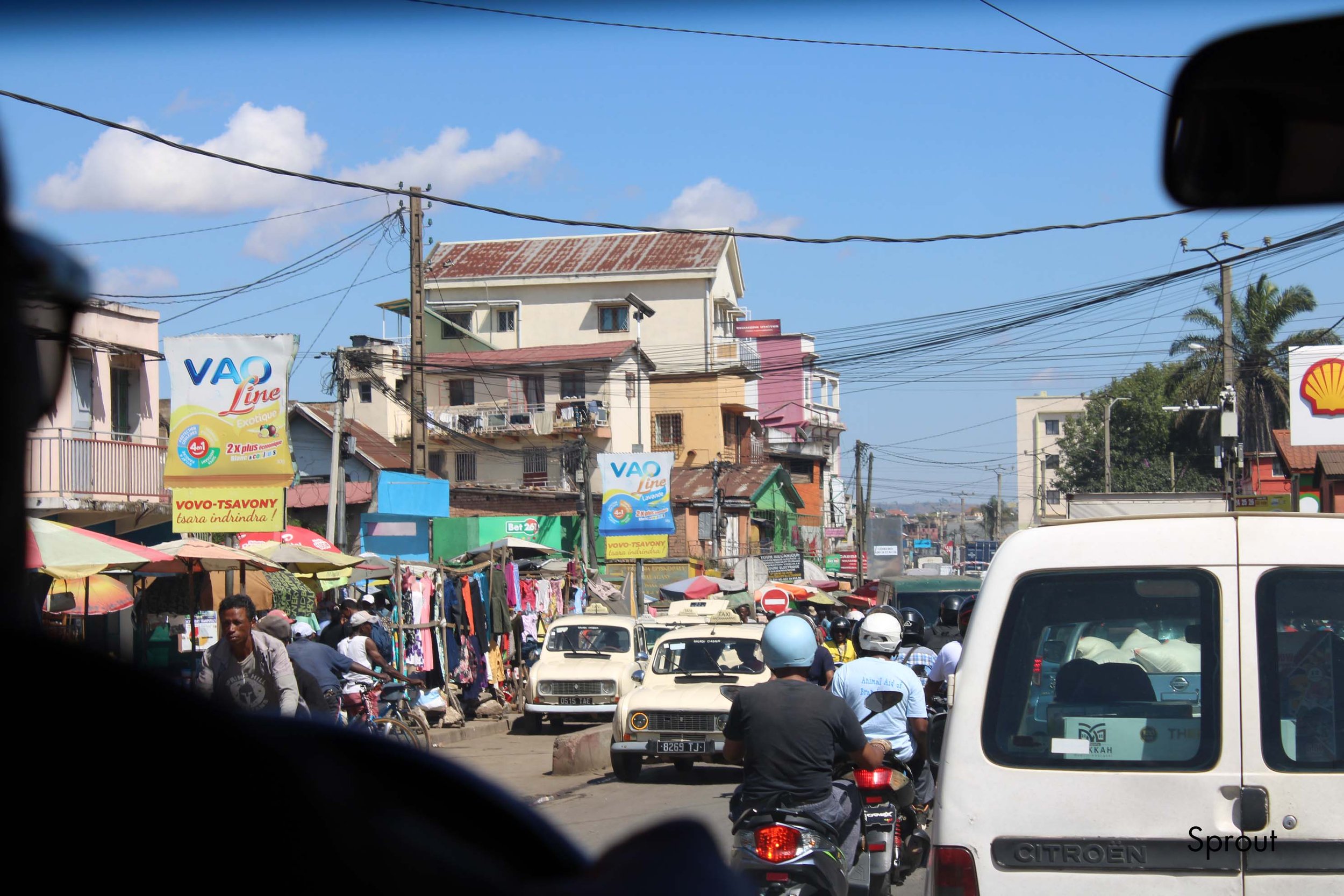
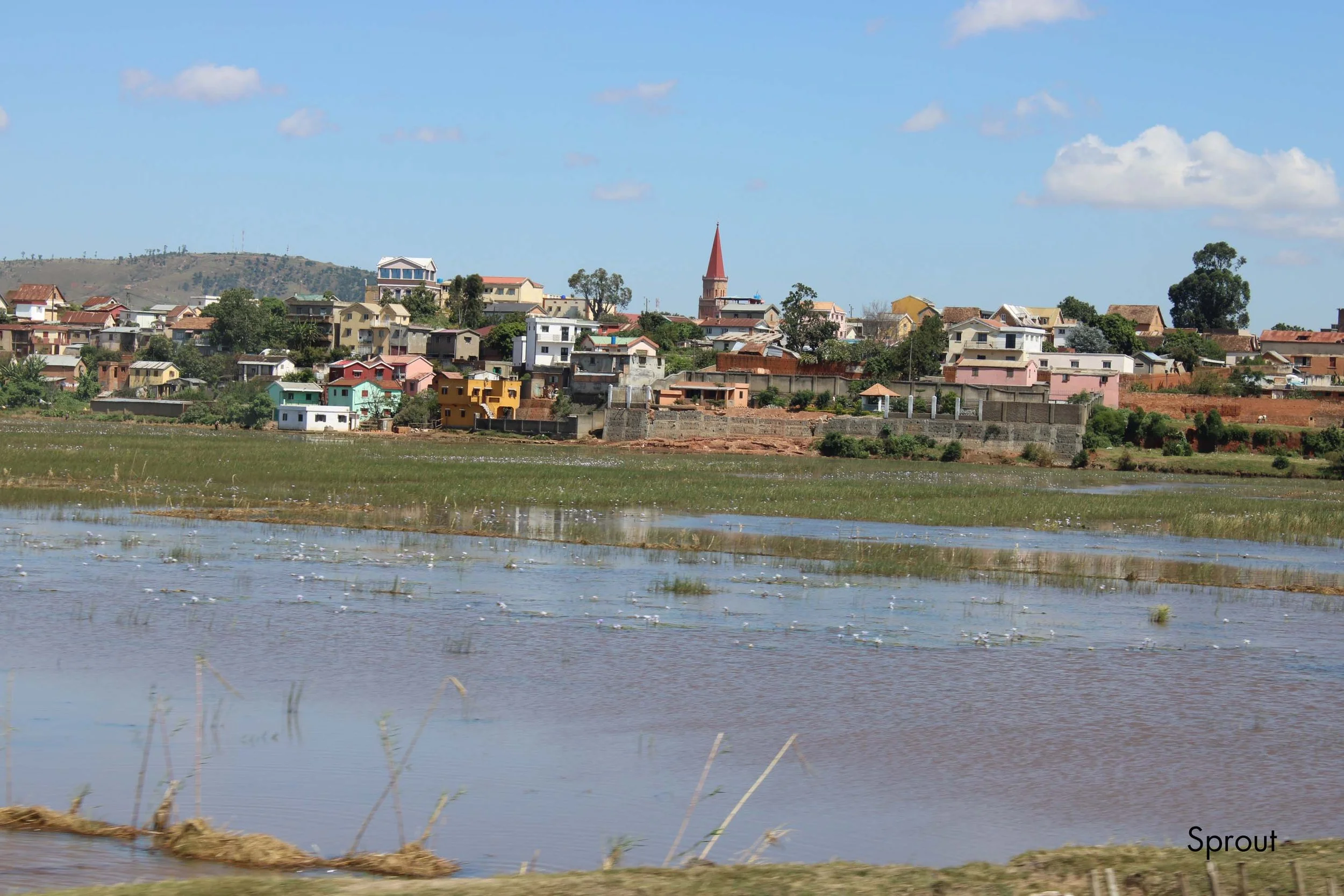
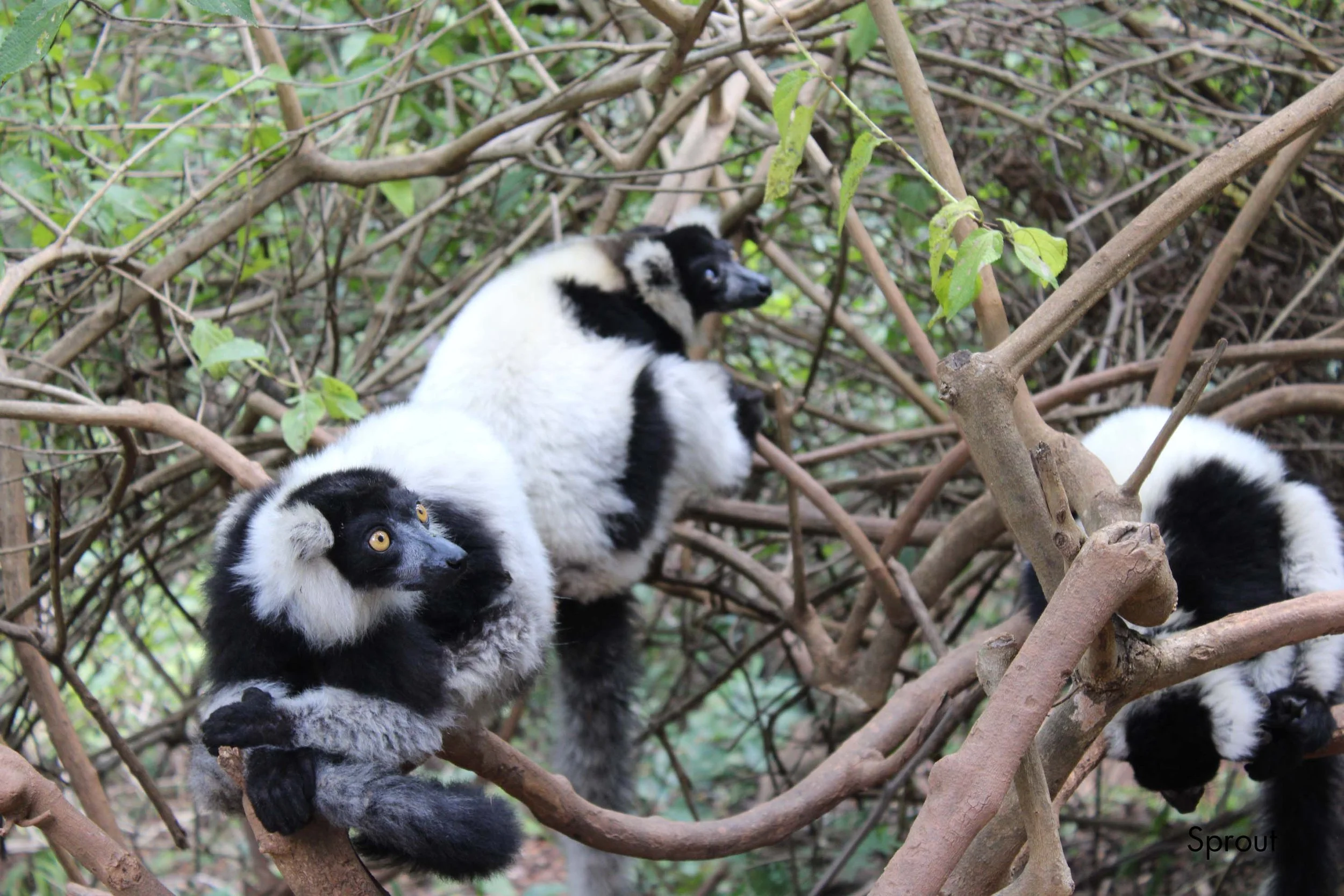
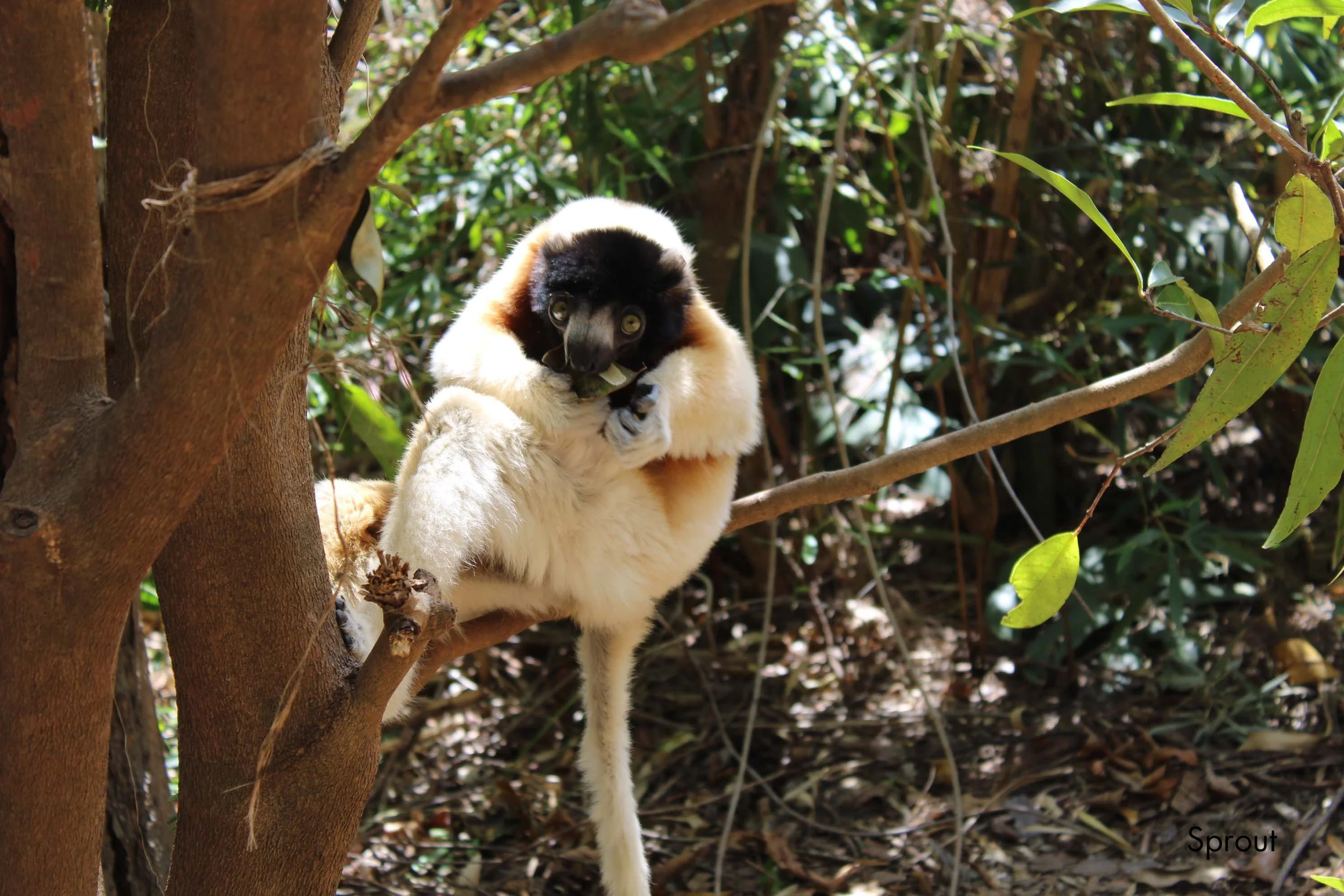
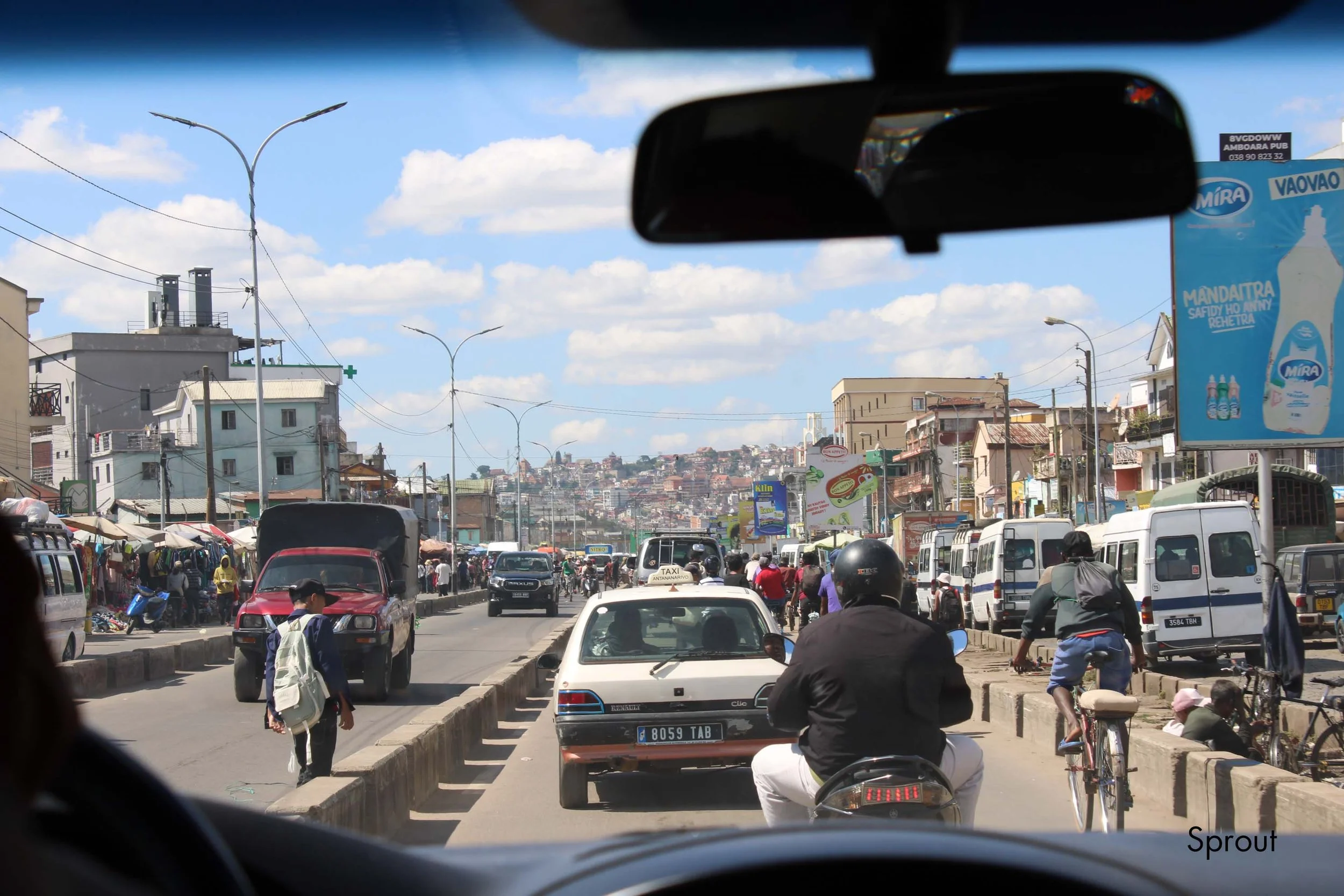
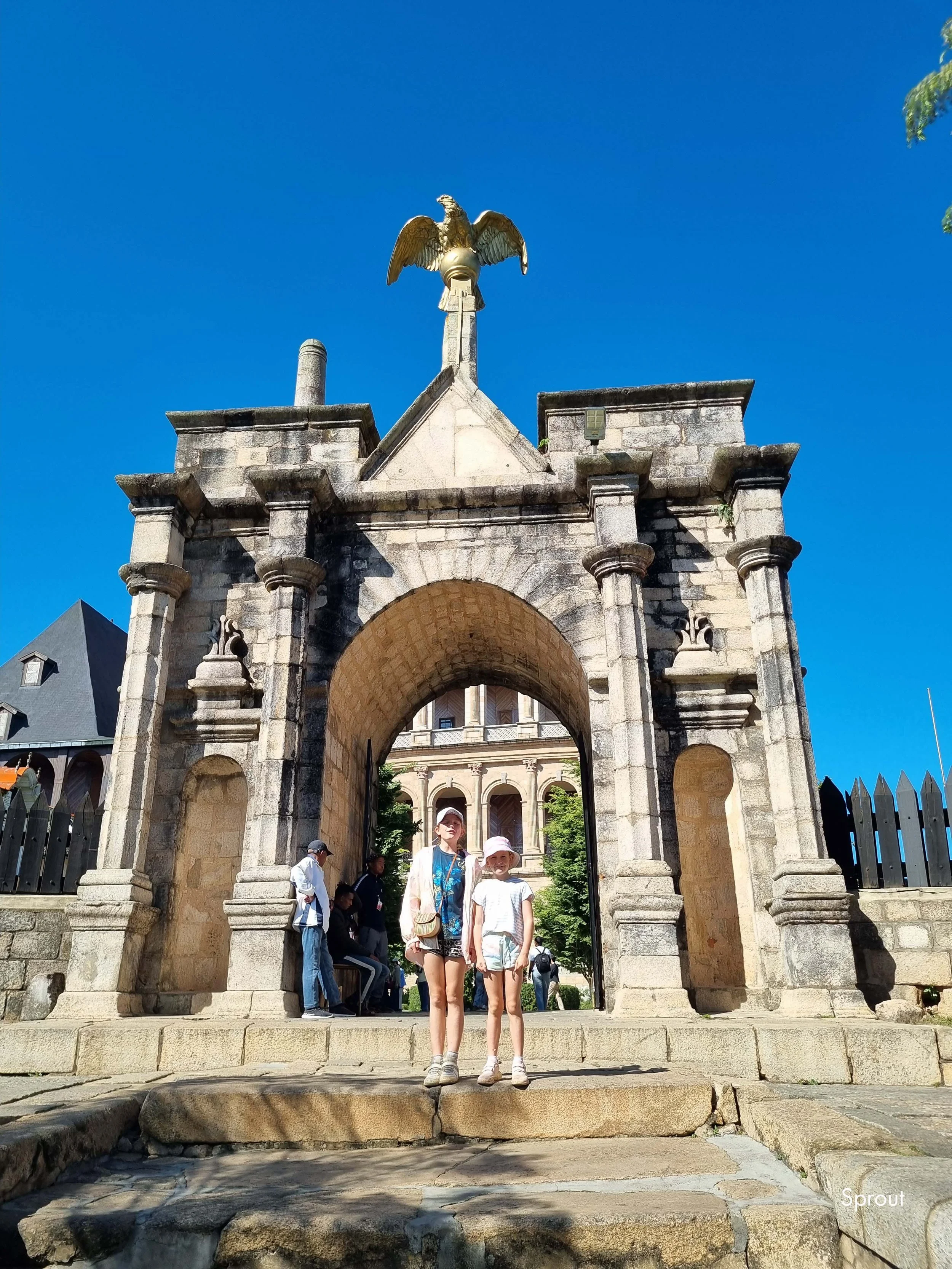
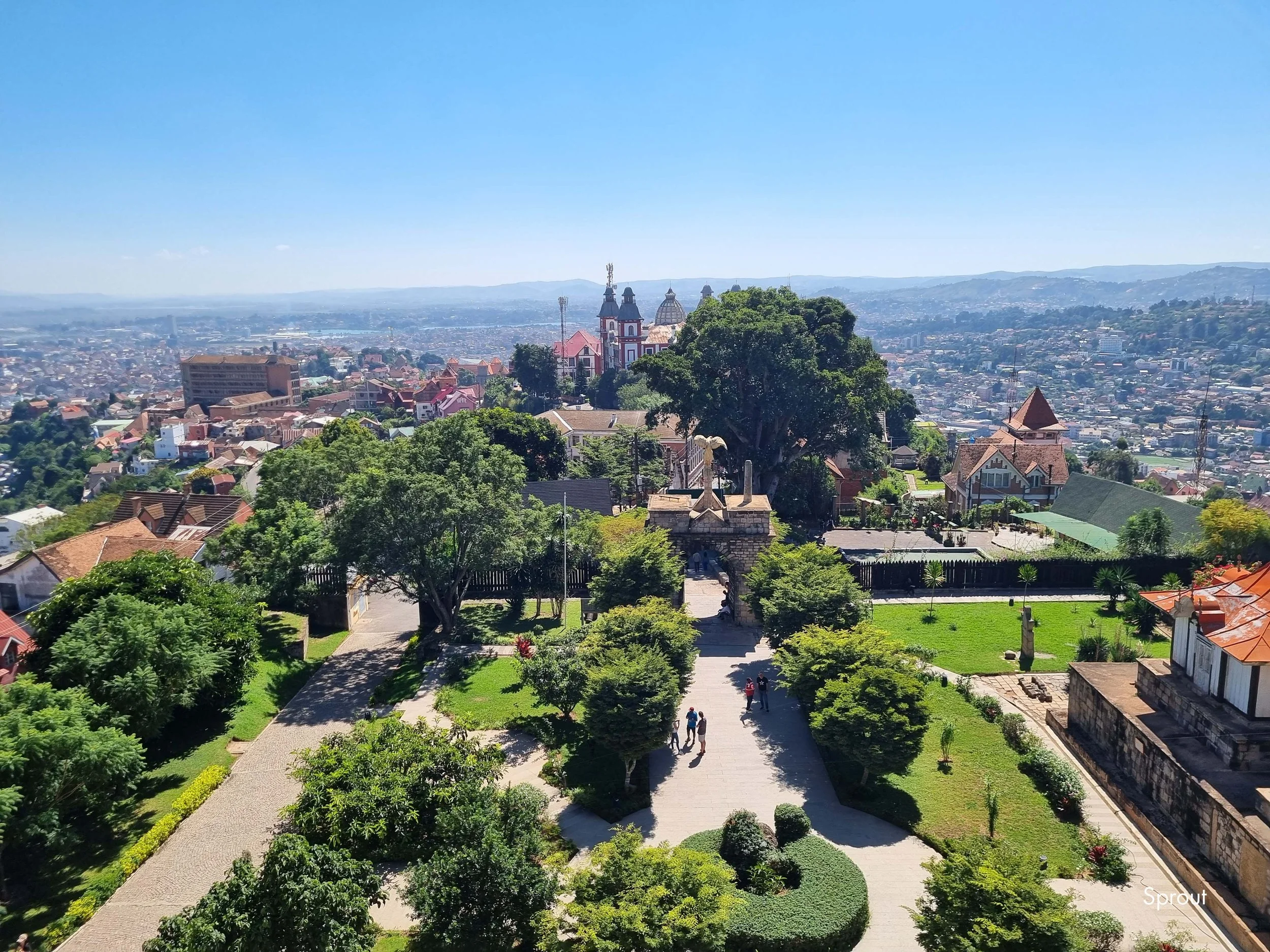
From Diego Suarez in the far north we flew down to Antananarivo, the capital, for a very different kind of experience. We spent our time there exploring the Haute-Ville, the historic upper city built on the ridges where Merina royalty once ruled, and visited the Queen's Palace, with its sweeping views over the city and its centuries of royal history. We also visited a lemur park just outside the city, a lovely, gentle way to end the trip and see several more of Madagascar's iconic lemur species up close before flying home.
Final Thoughts
Madagascar gave us everything — turtles and coral reefs, ancient limestone forests, glowing red canyons, misty rainforest, royal history and warm island hospitality, all within one relatively short trip. It is a country of extraordinary layers, both natural and cultural, and one I will treasure and remember forever.
~ G.S