Parks & Playgrounds

Kirstenbosch Botanical Garden

Kirstenbosch Botanical Garden

Kirstenbosch Botanical Garden

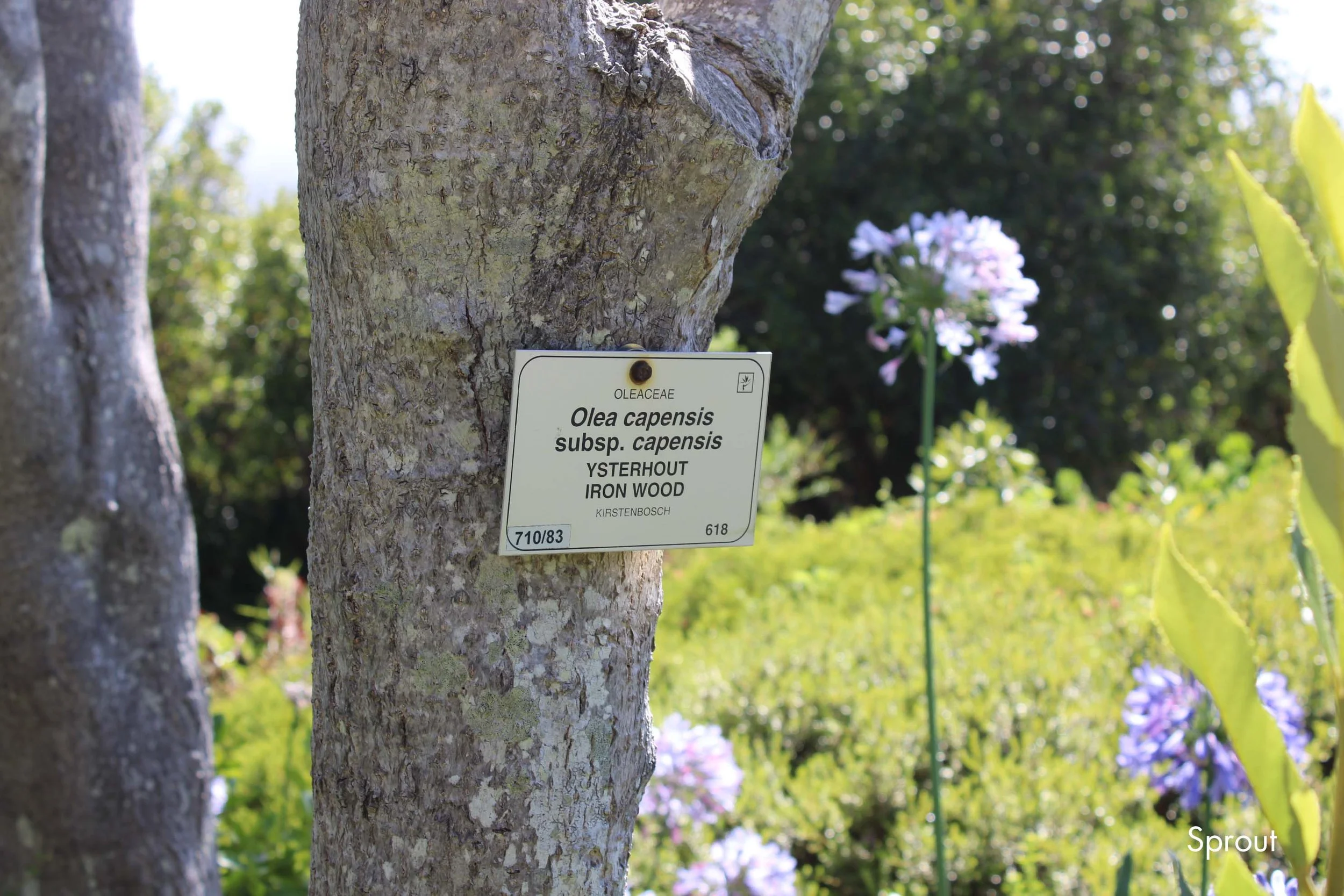
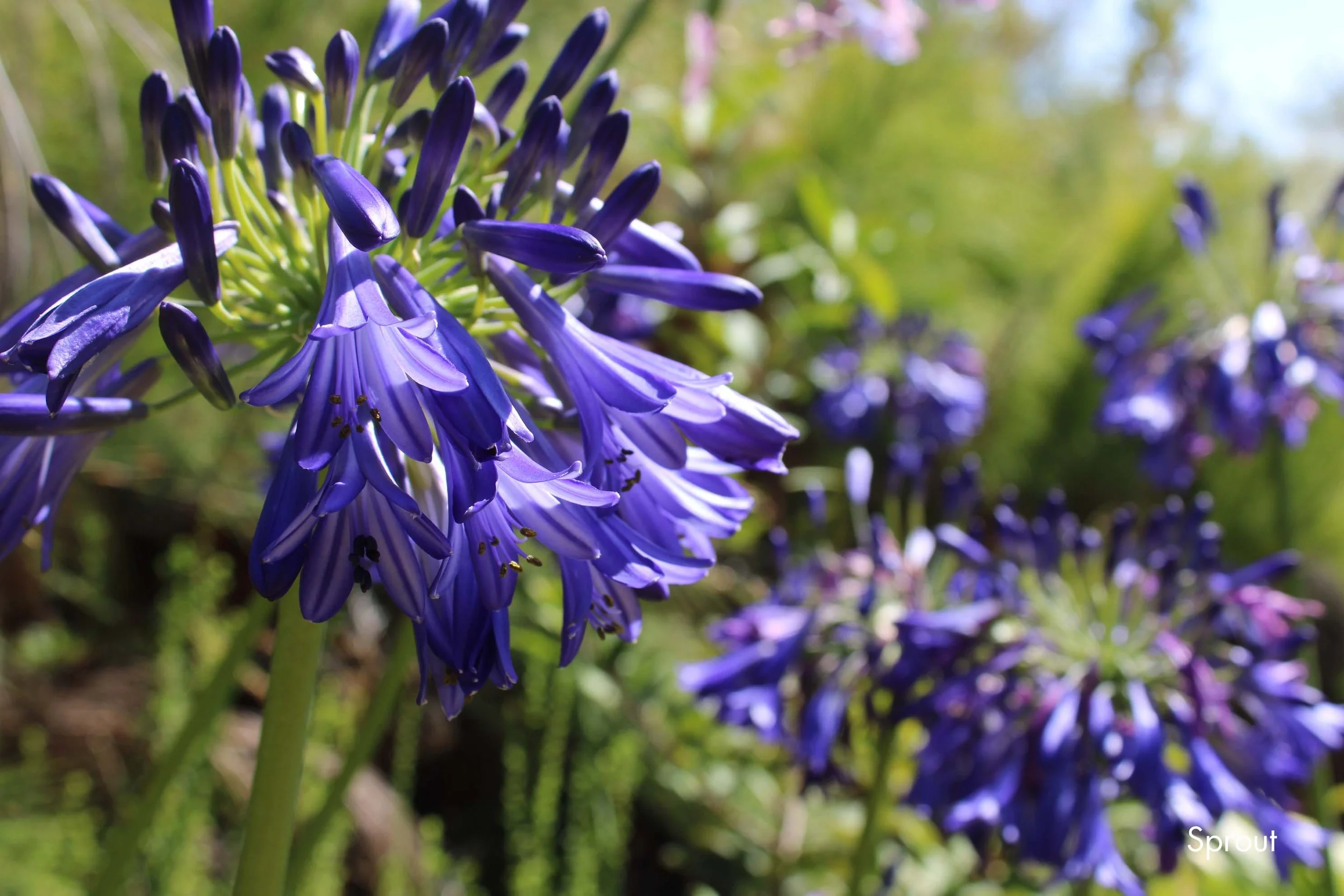
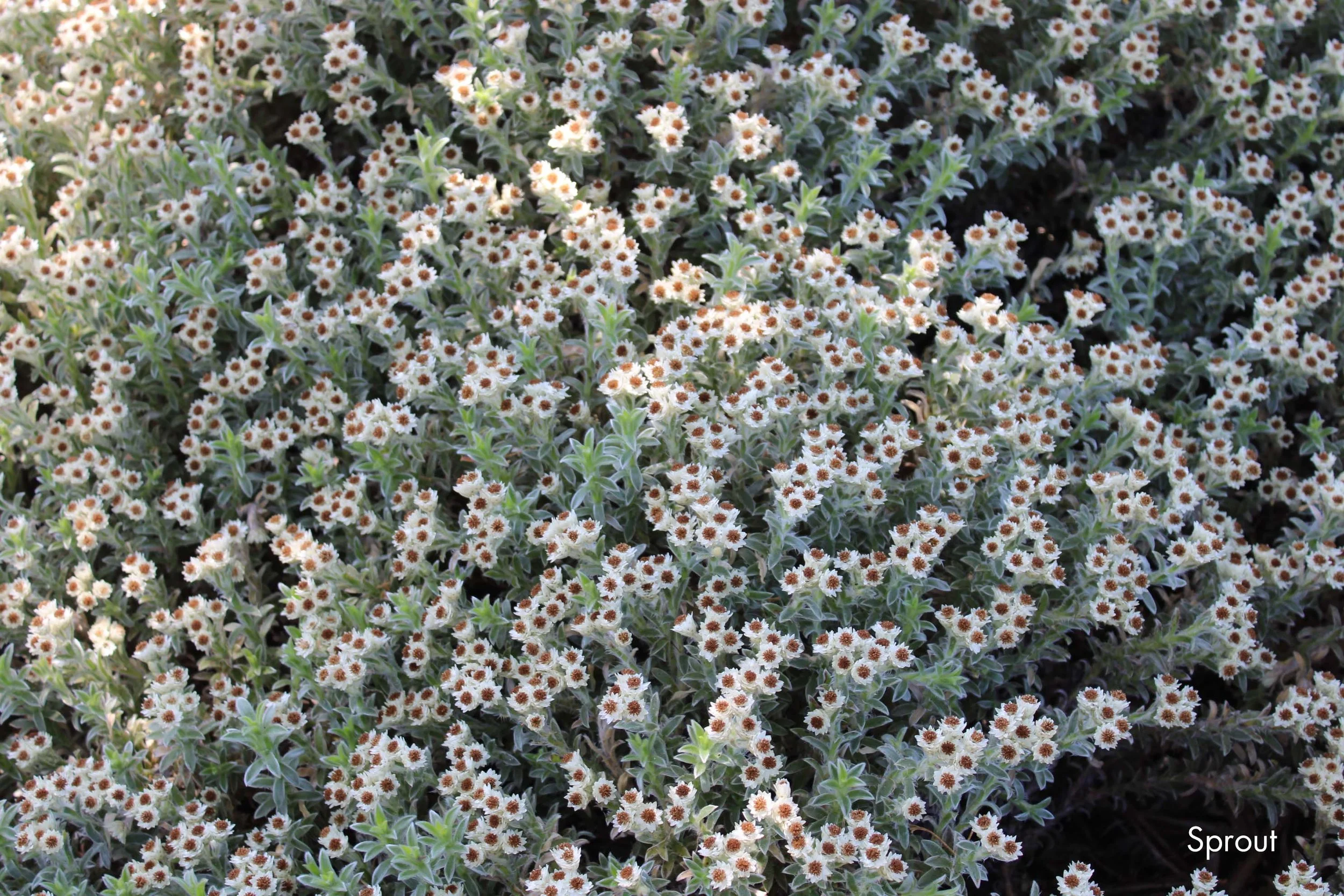
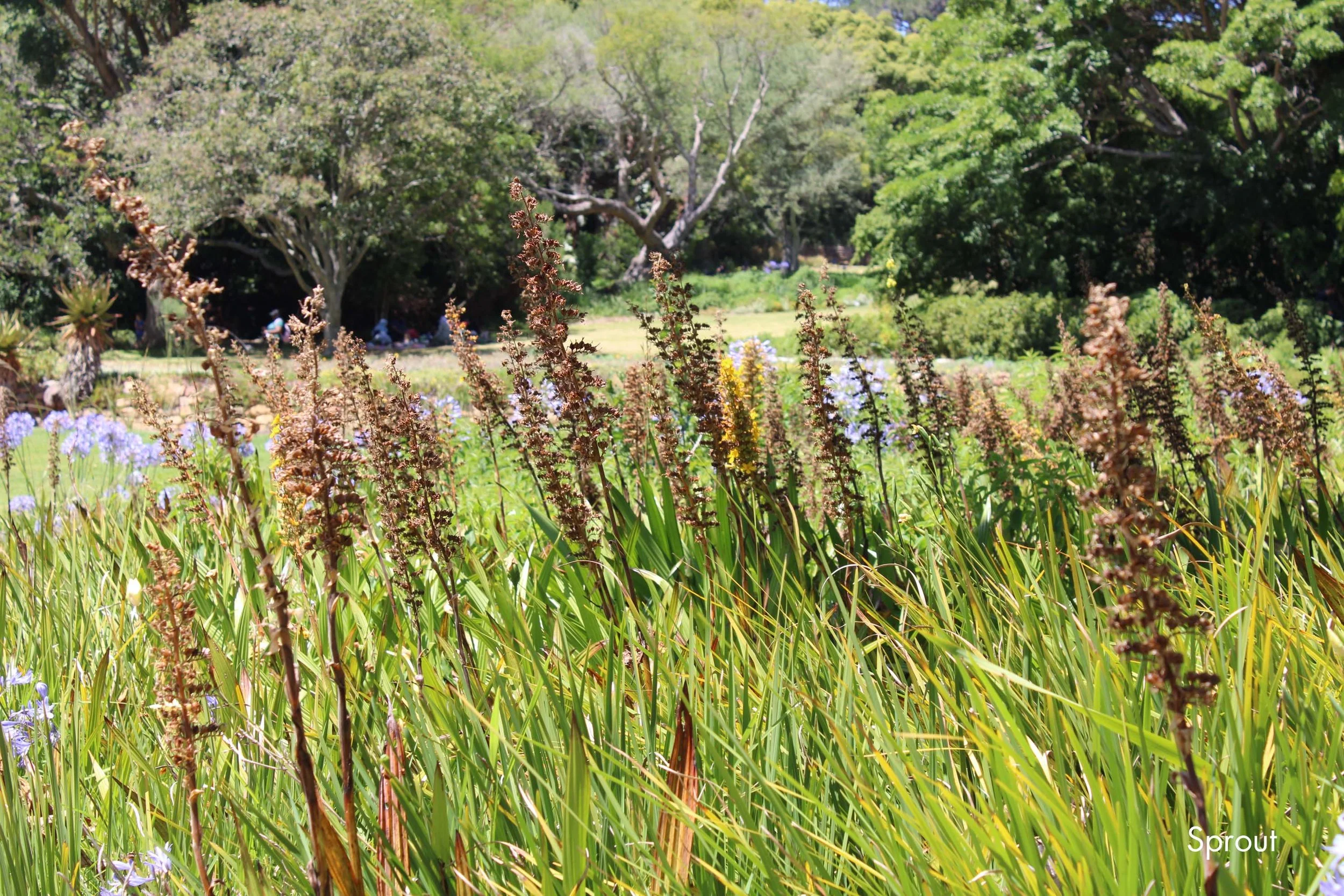
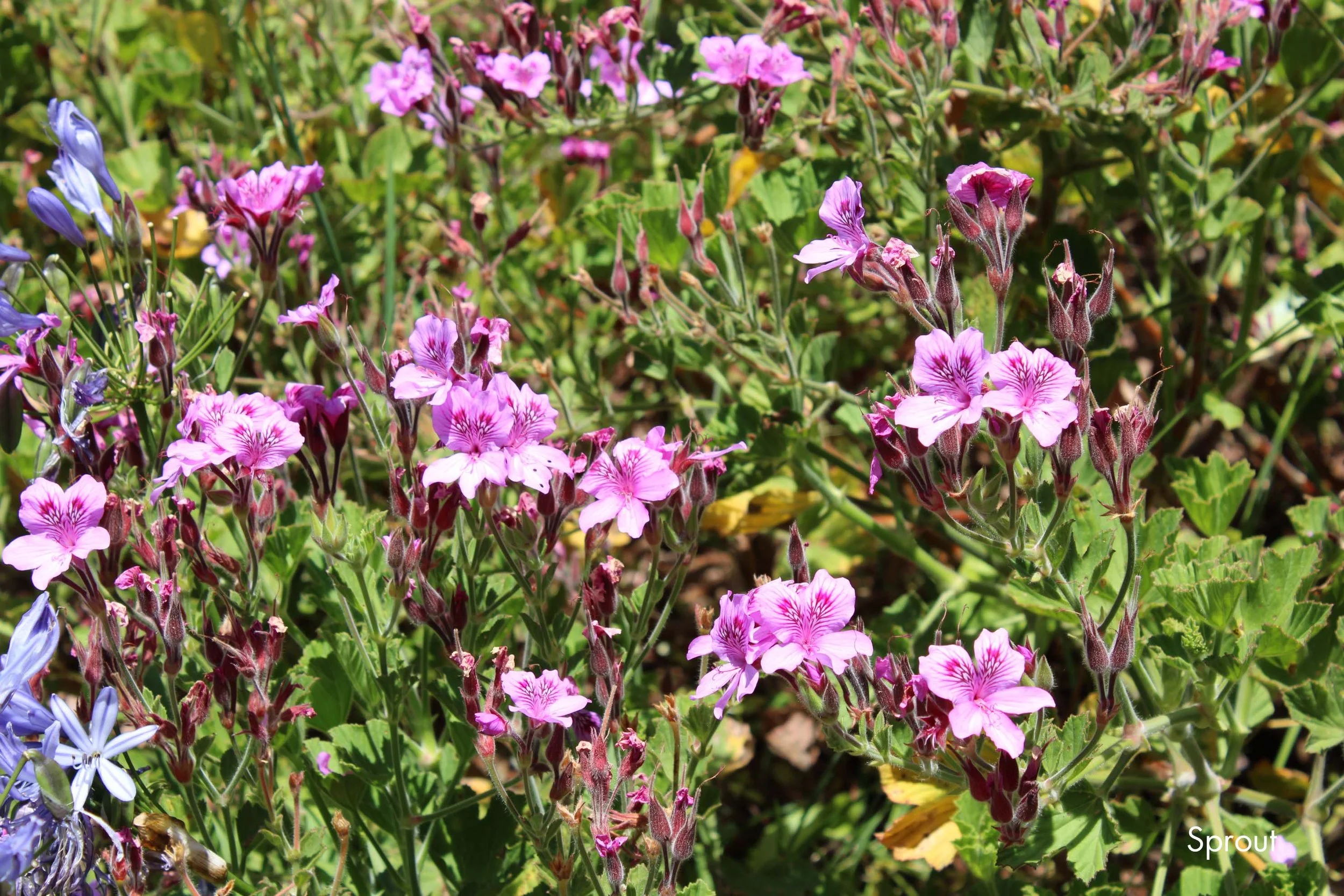
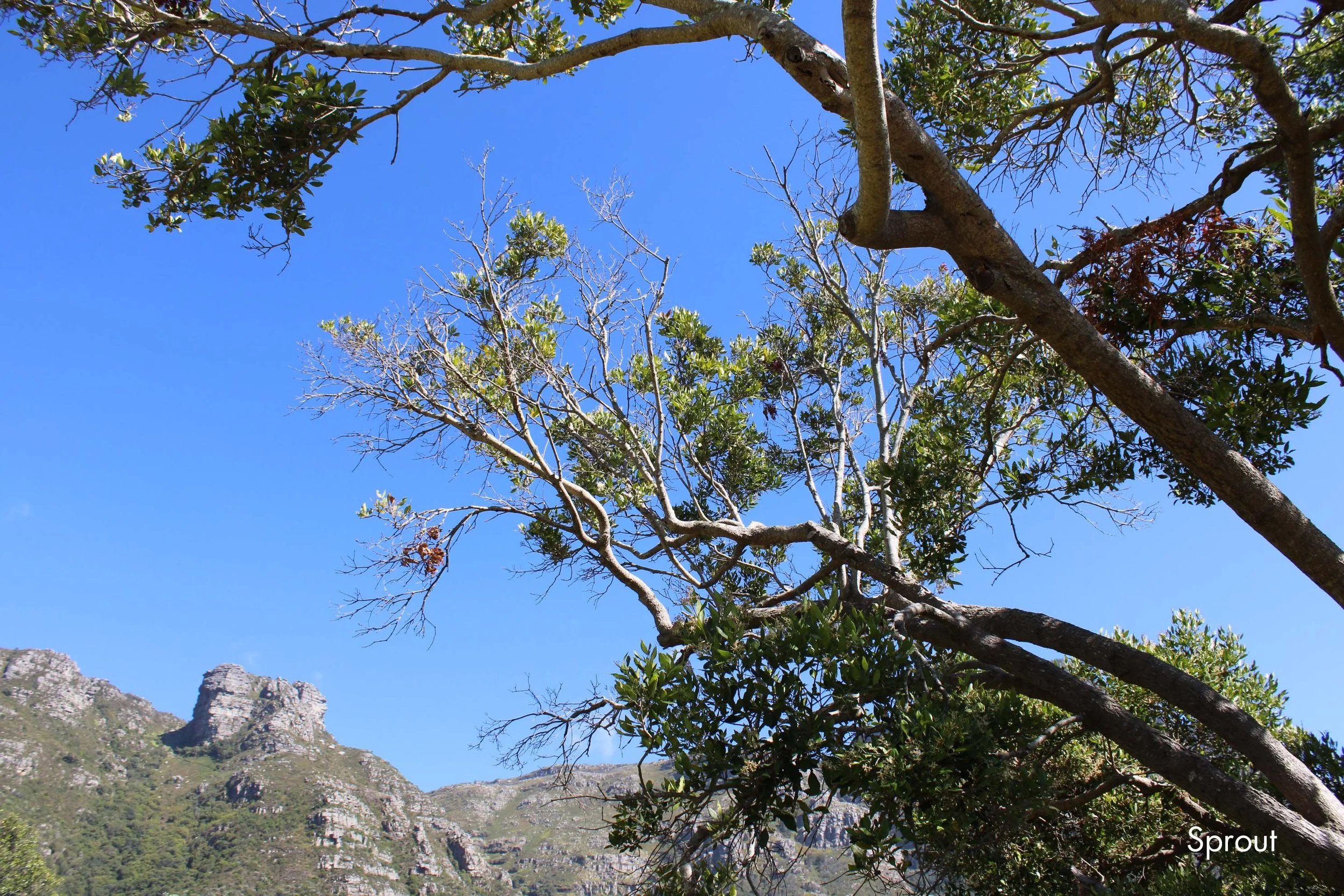
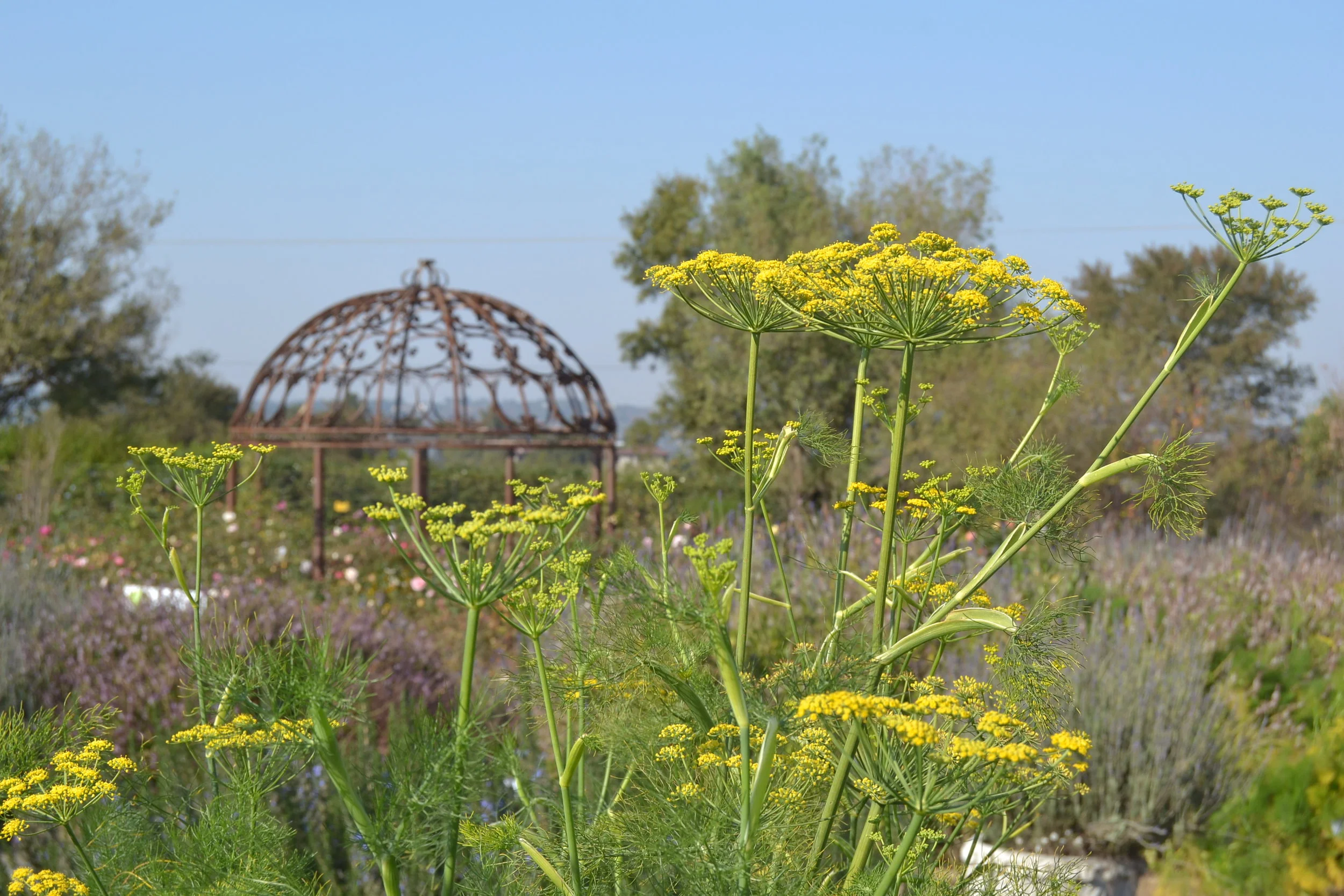
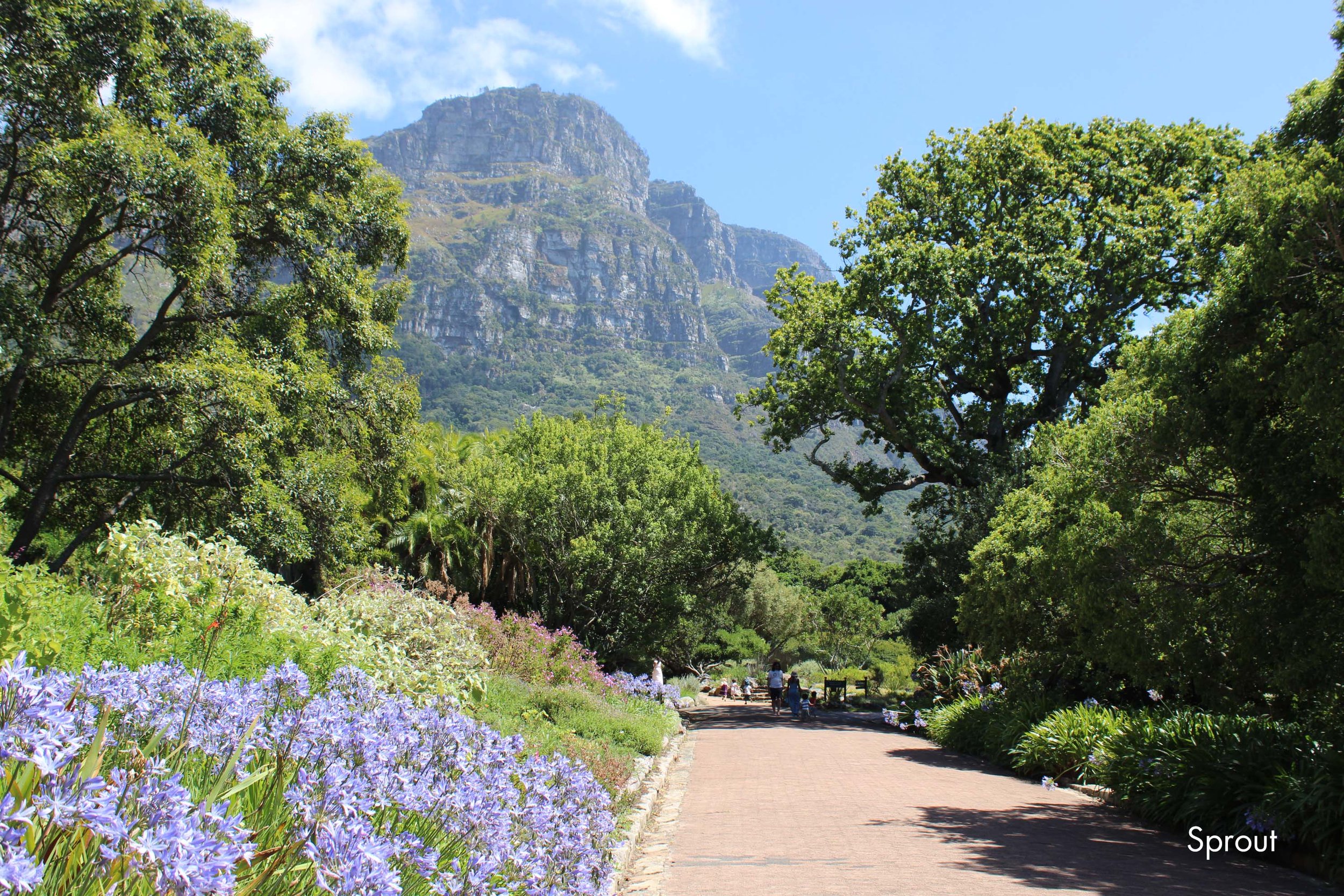
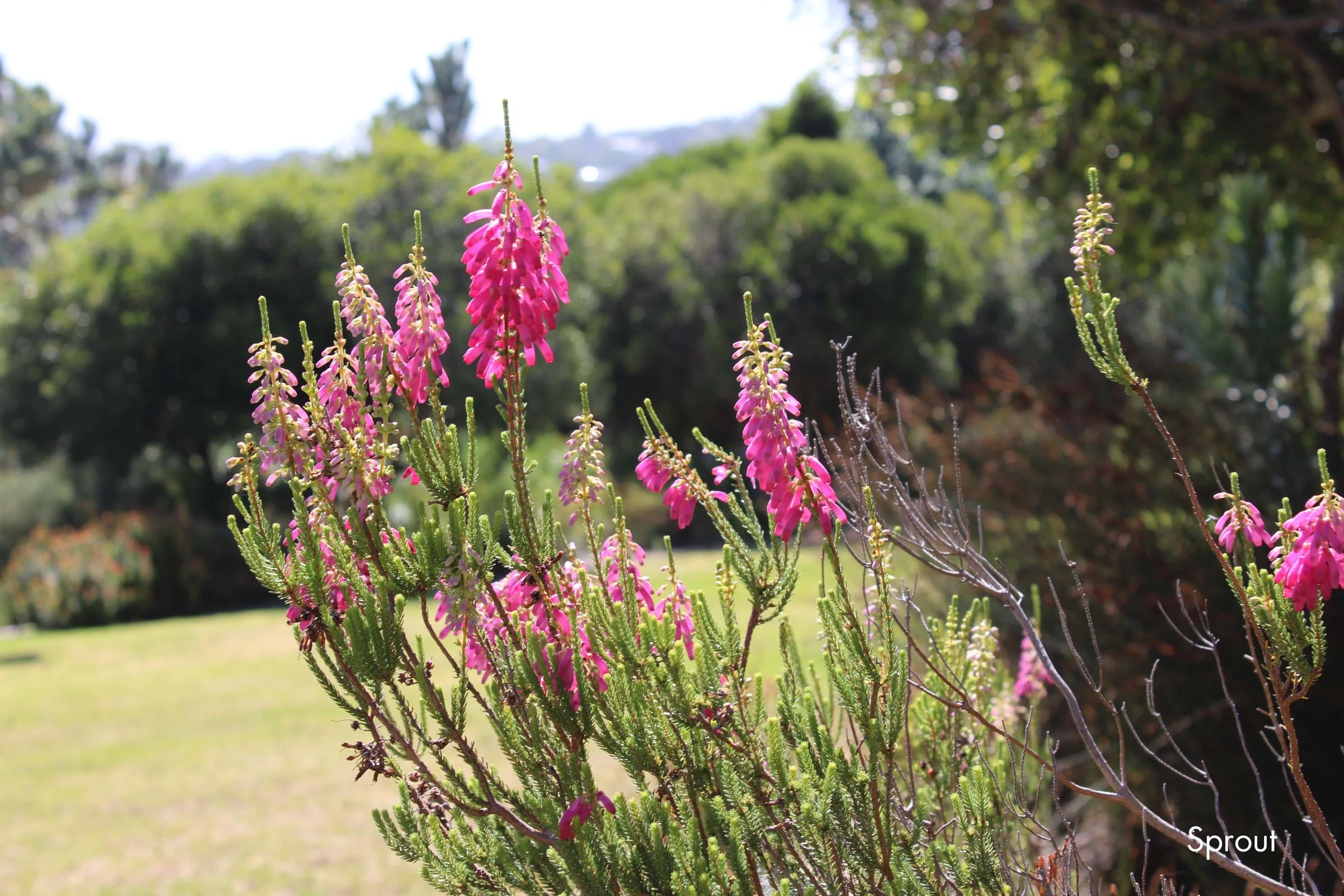
Kirstenbosch Botanical Gardens is internationally acclaimed as one of the greatest botanical gardens of the world. It is situated on the eastern slopes of Table Mountain in Cape Town, South Africa, and spans an area of 528 hectares. It was established in 1913 to conserve and promote the indigenous flora of southern Africa and is filled with traces from the past. Kirstenbosch and neighboring Table Mountain National Park both form part of the Cape Floristic Region Protected Area that was proclaimed a UNESCO World Heritage Site in 2004. It is a haven for nature lovers and filled with beauty and botanical delights.
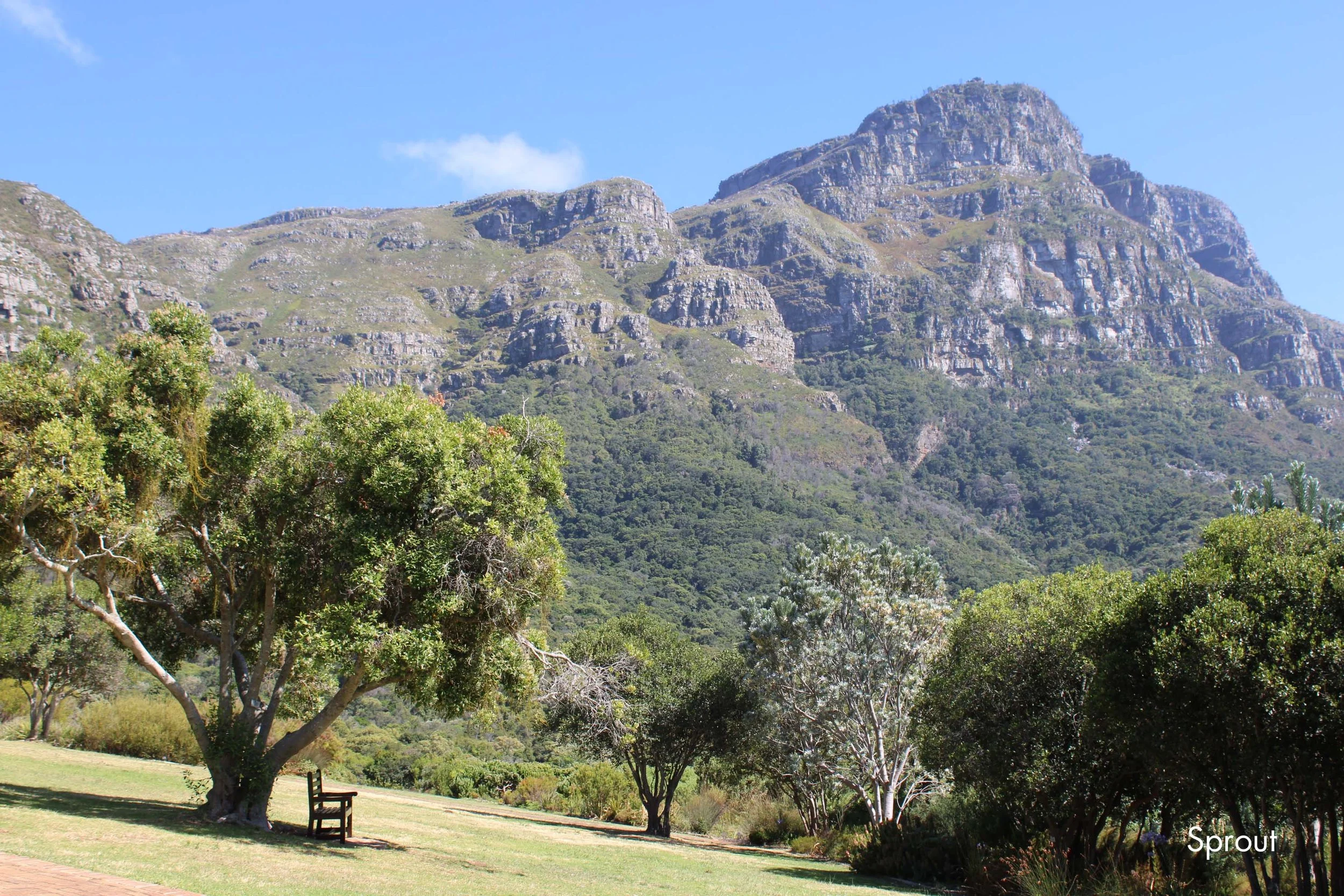
Kirstenbosch sits on the slopes of Table Mountain and has beautiful views of the surrounding mountains
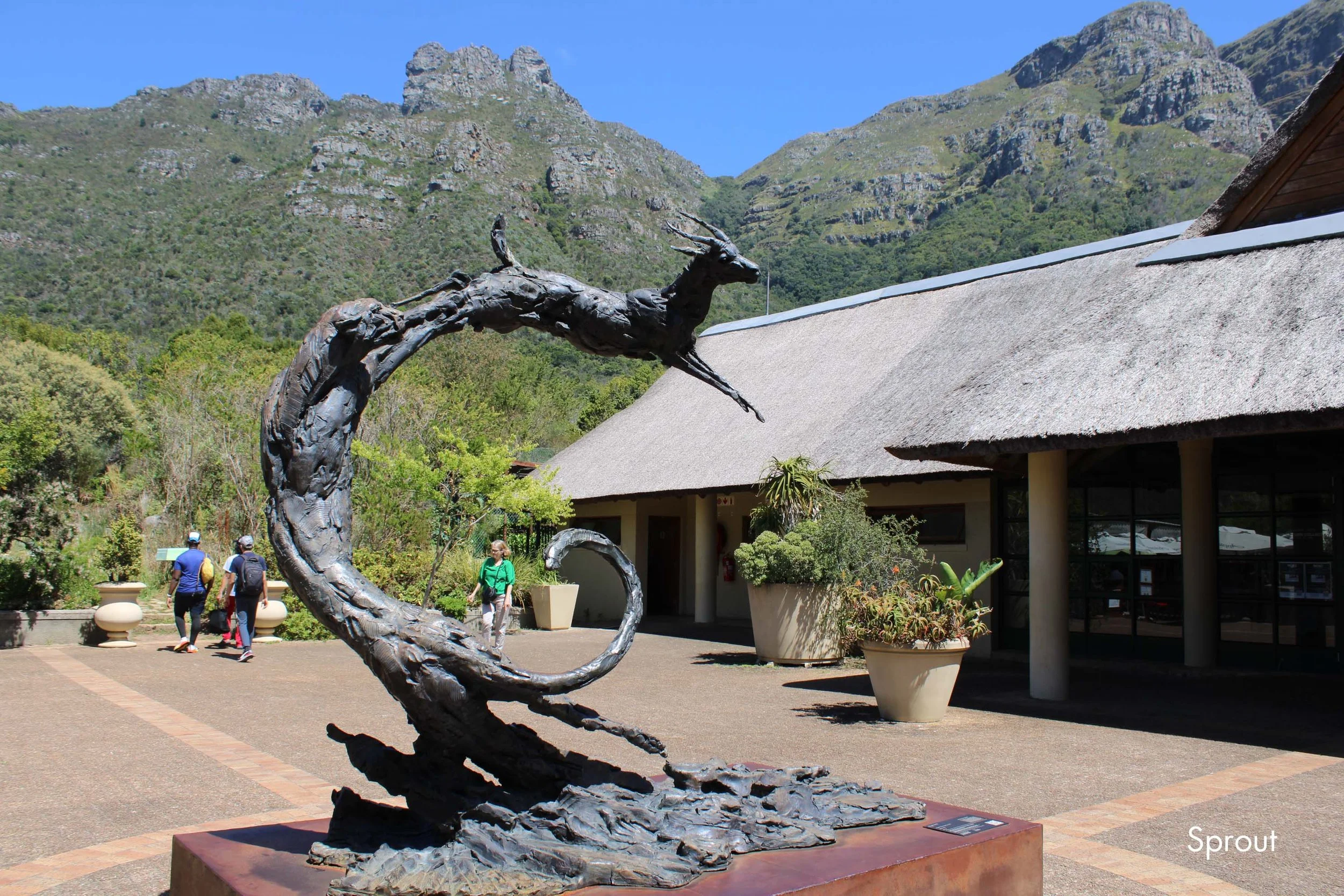
Sculpture by Dylan Lewis at the Centre for Home Gardening
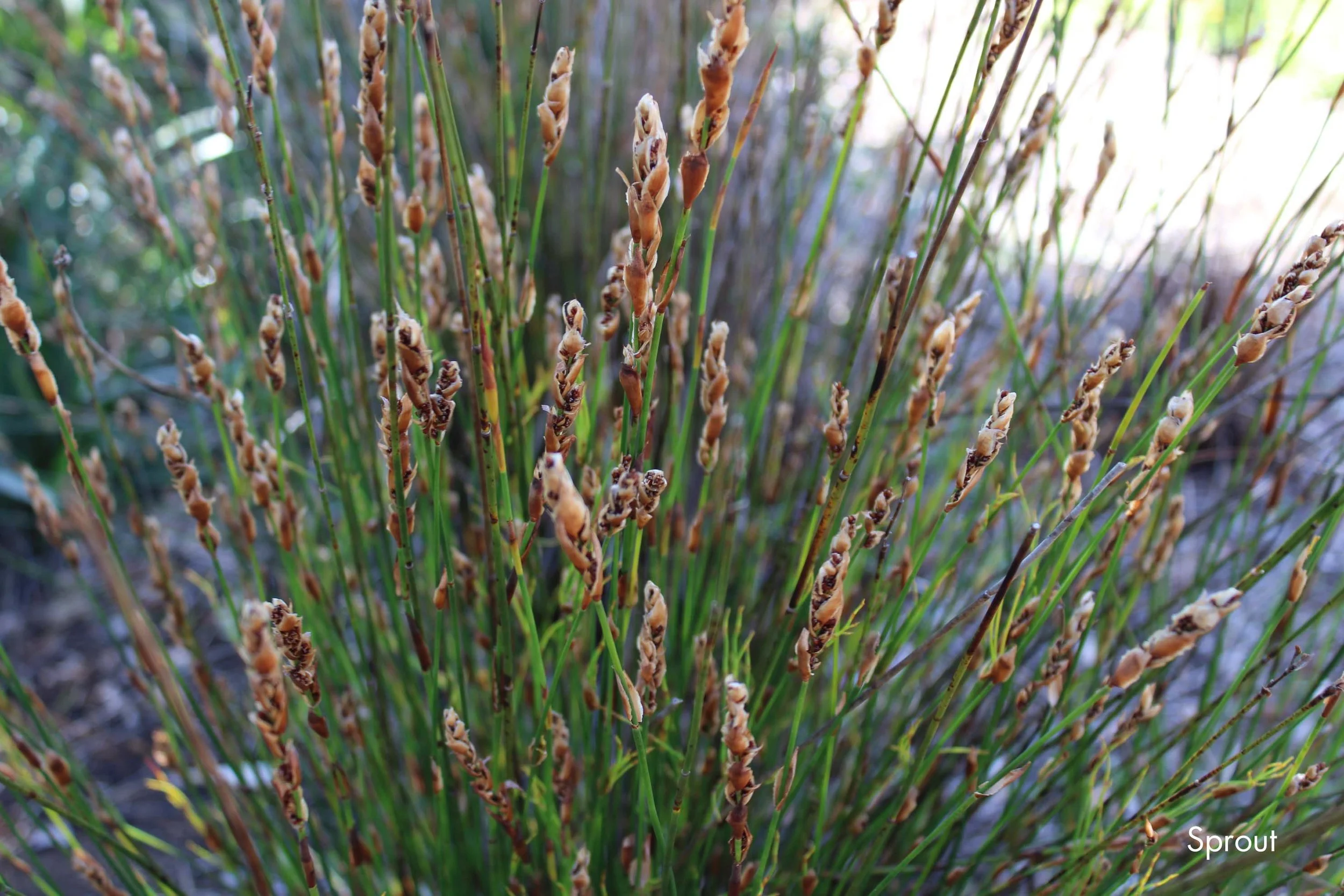
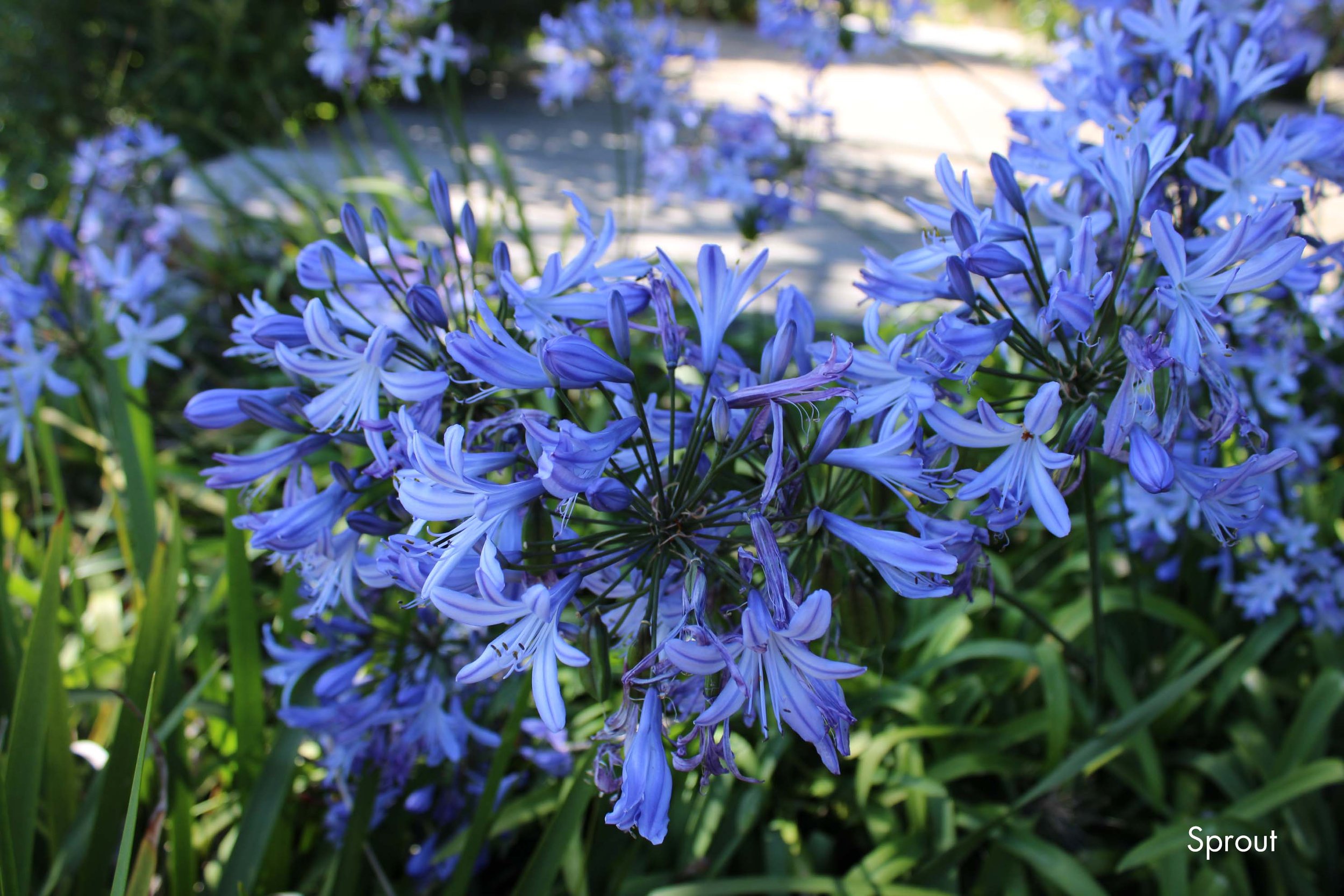
Take Time to Explore and Enjoy

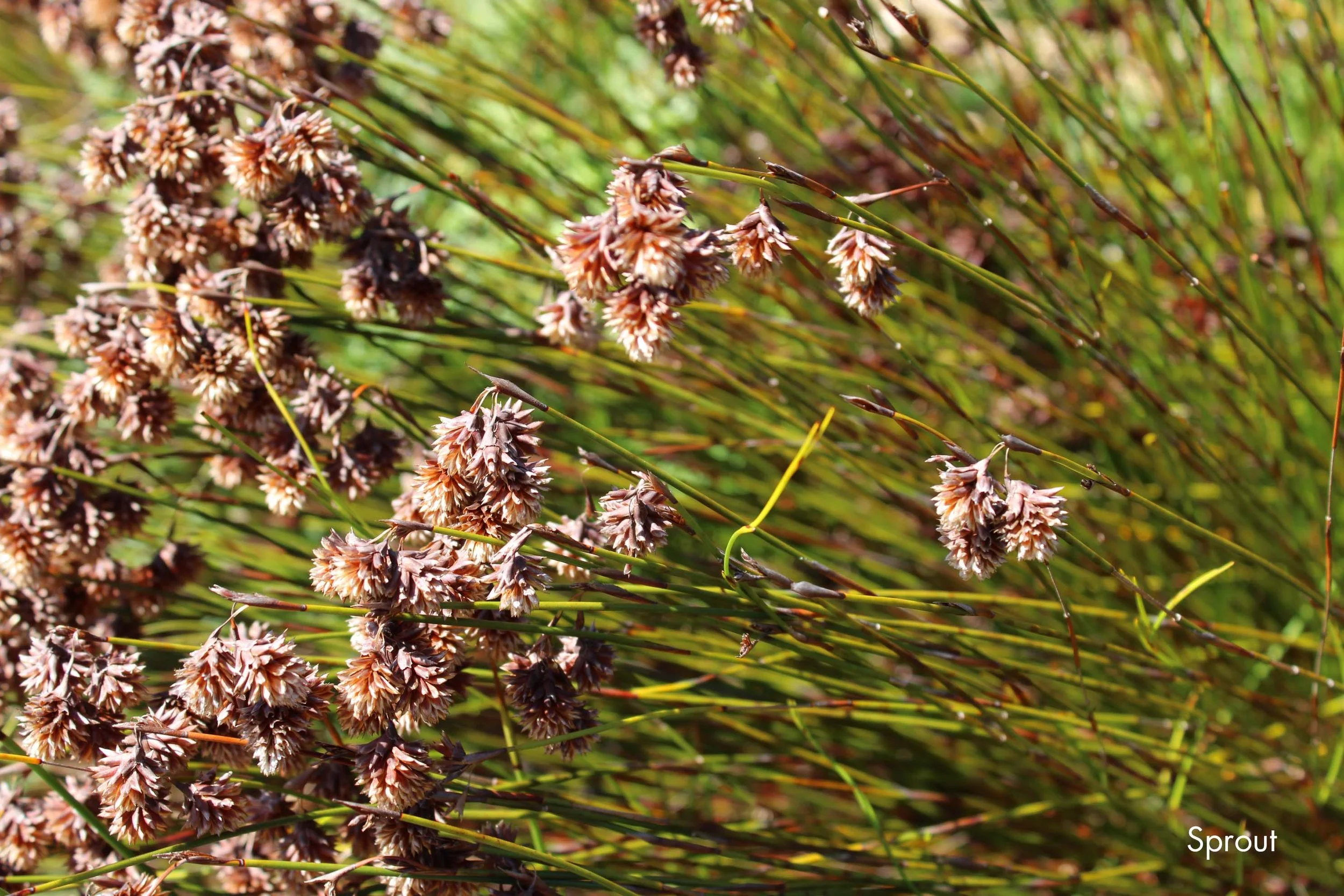
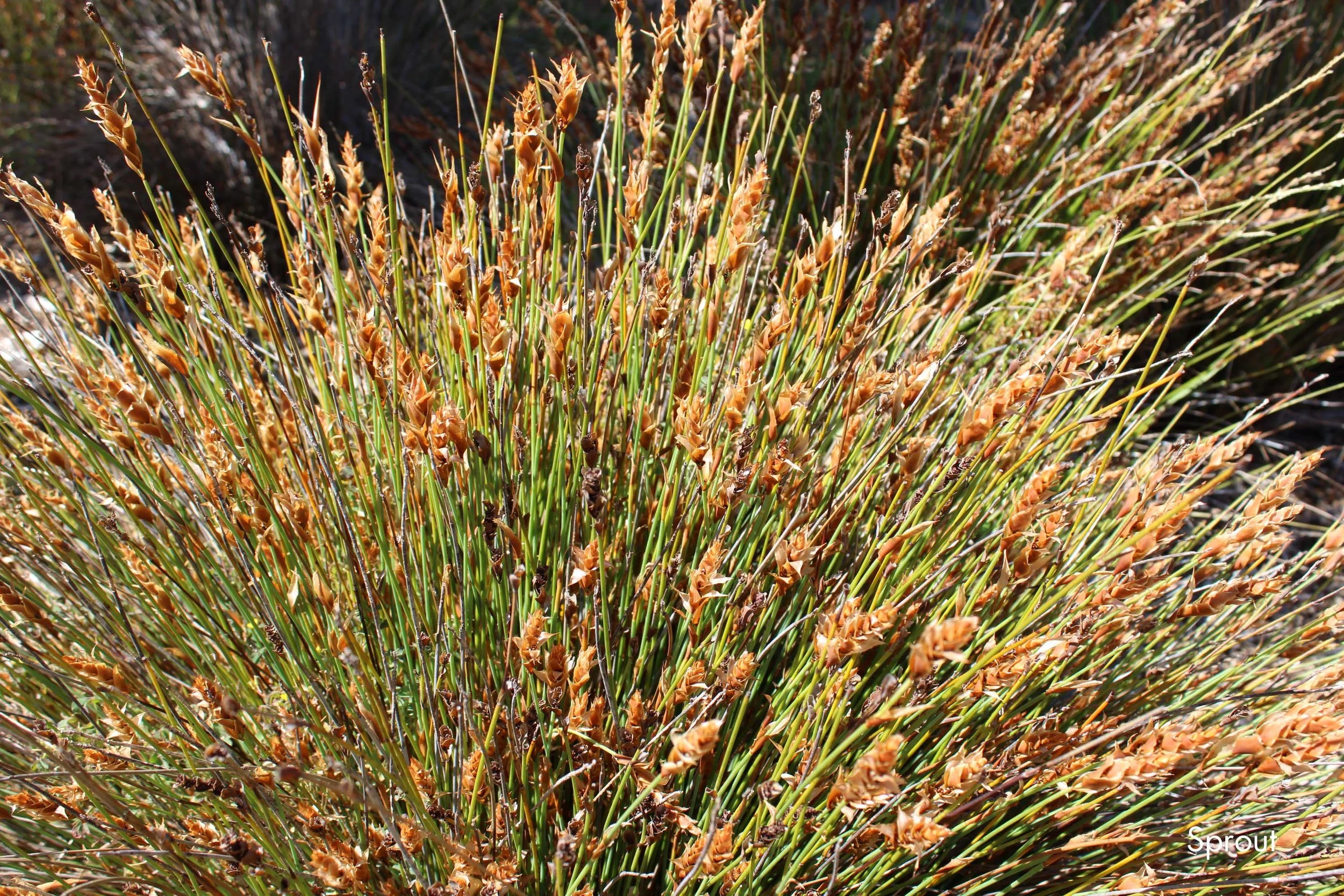
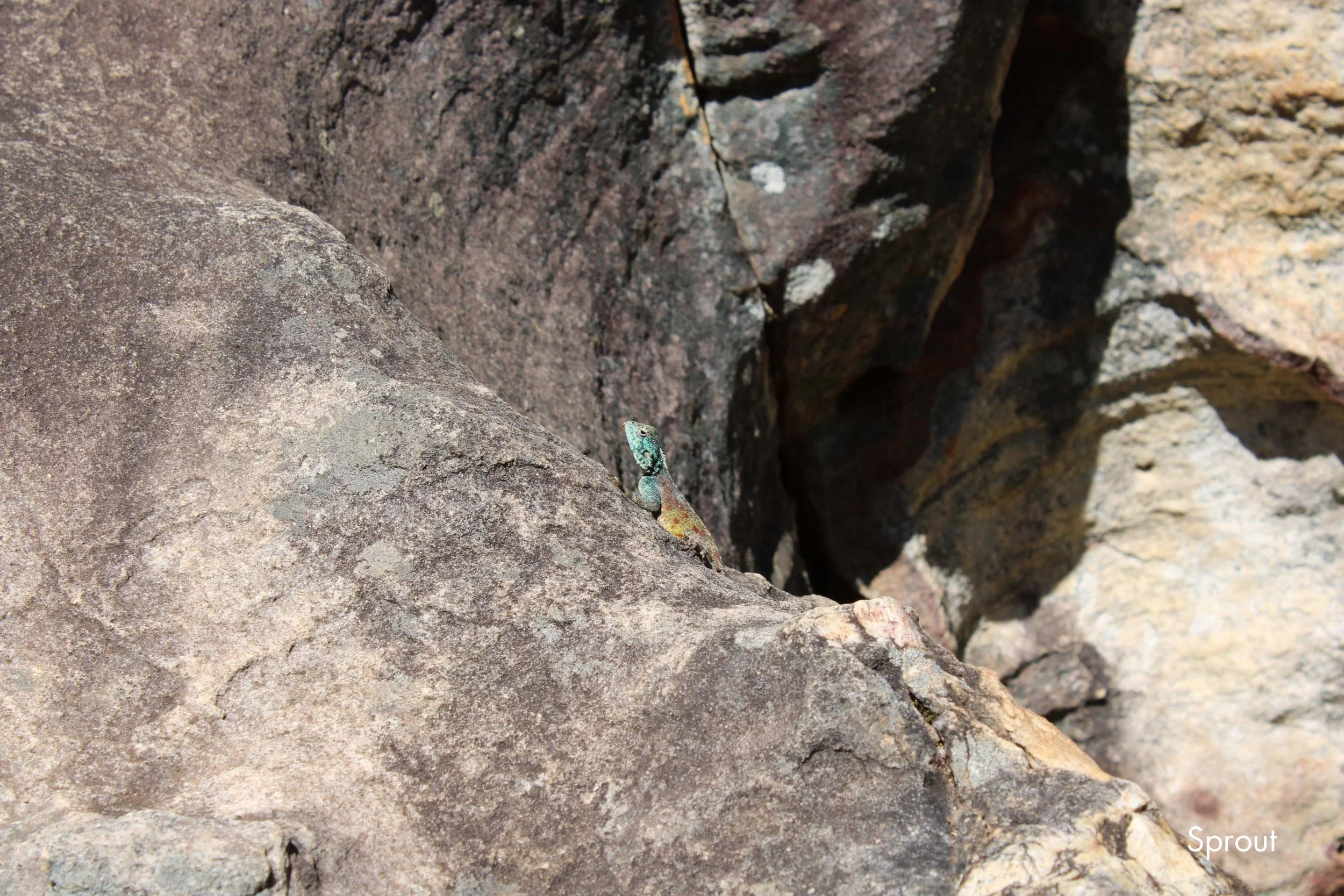
On my most recent visit I was lucky enough to have a whole morning to explore the gardens and it was truly a delight. I saw incredibly beautiful plants, abundant birdlife and even wildlife such as a snake, a shy Tortoise, several lizards and also giant tadpoles in the pond. Luckily I cam prepared with walking shoes, binoculars, camera and hat so I enjoyed hiking farther up the mountain than I have been before. The gardens are vast and it is impossible to see it all in only a few hours. I really enjoyed the Restio Garden, the Cycad Garden, the Fynbos Garden, Boomslang Canopy Walk, the Camphor Avenue and visiting the Shop at the Nursery at Gate1. I think this is a garden you can visit weekly and still make new discoveries each time. I love the link for ‘Seasons’ on the SANBI website where it details the different species that are flowering at different times of the year. (see below for link)
History

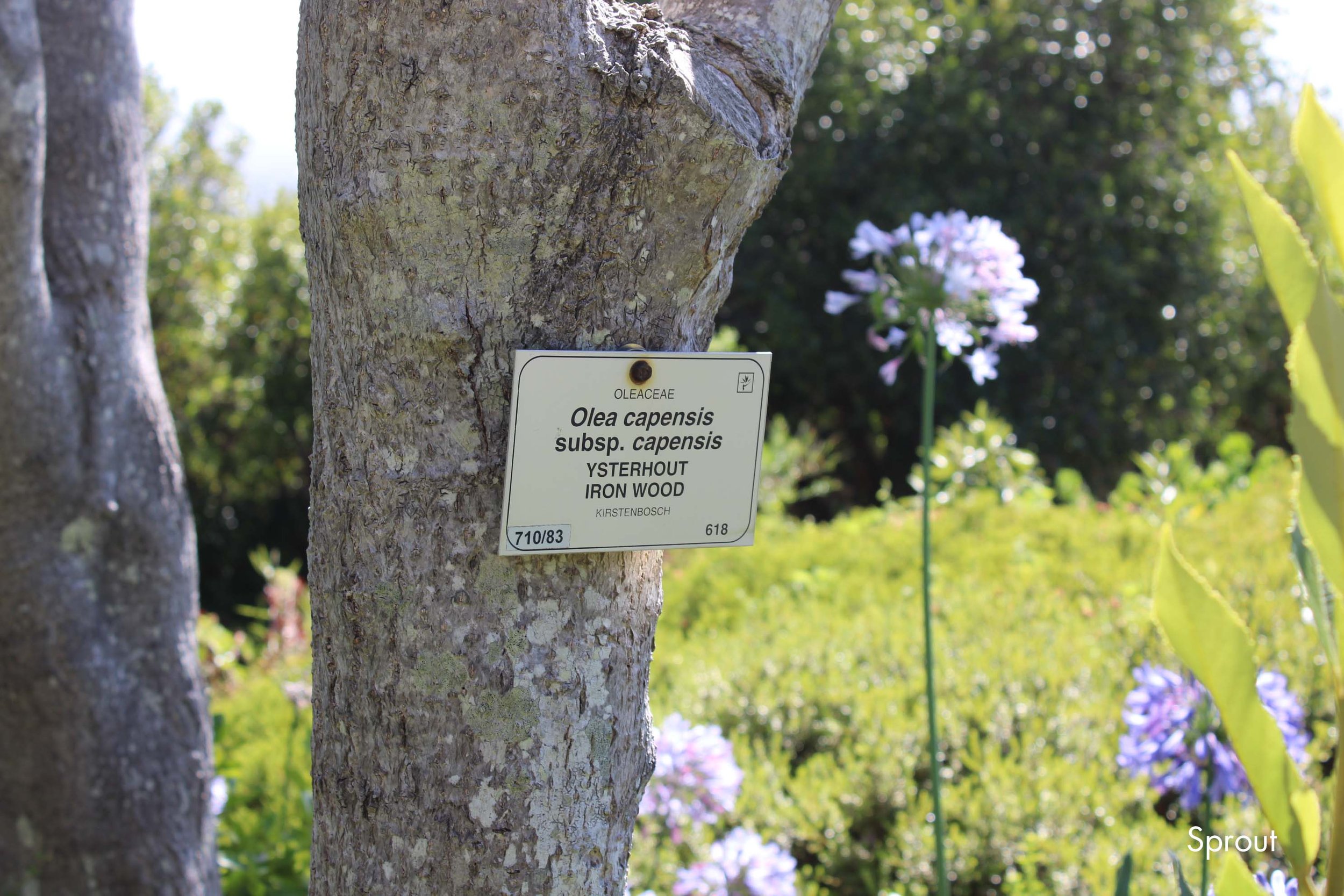
The Heritage Trail is a self-guided trail that takes one on a tour of the the oldest and most historic parts of the garden and icludes storyboards and old photographs. The trail is 2km long and takes approximately 2 hours to complete. While historical artefacts date back to the Stone Age, the more recent site history includes the forest being surveyed for the Dutch East India Company by Jan van Riebeeck in 1652. After the Second British Occupation in 1806 the land was bought by the Colonial Secretary Henry Alexander and his deputy Col. Christopher Bird, who built the brick bath at the spring in the Dell. (Colonel Bird Bath on the Map - see Map below) During the 1800s Kirstenbosch was a wine farm owned by the Cloete family. The last private owner was Cecil John Rhodes who bought it in 1895 for £9000 to protect the eastern slopes of Table Mountain from urban development. He planted the avenue of Camphor Trees. When Rhodes died in 1902 he left the land to the nation and in 1913 it became a botanical garden dedicated to the study and cultivation of indigenous plants of South Africa.

Visitor Information

Free guided tours of the garden take place – weather permitting – from Mondays to Fridays at 10h00, 11h00 and 14h00. Guided tours leave from the Visitor’s Centre (Gate 1). Each tour takes approximately 90 minutes. Each guide presents a unique tour, taking in the highlights of the season, exploring different areas of the garden while including some of its special features. The terrain is uneven at times and the tours are not wheelchair friendly. These guided walks are free, but garden entry fees apply. Entrance tickets can be bought online at Webtickets or at the Entrance Gates.

The garden is open every day from 08h00 to 19h00 during summer (Sep-Mar), 08h00 to 18h00 during winter (Apr-Aug).

I can’t wait to go back again!

~

see previous blog about Cape Town

see previous blog about Dylan Lewis Sculpture Park

See SANBI website Kirstenbosch (General)

See SANBI website Kirstenbosch (Seasons)
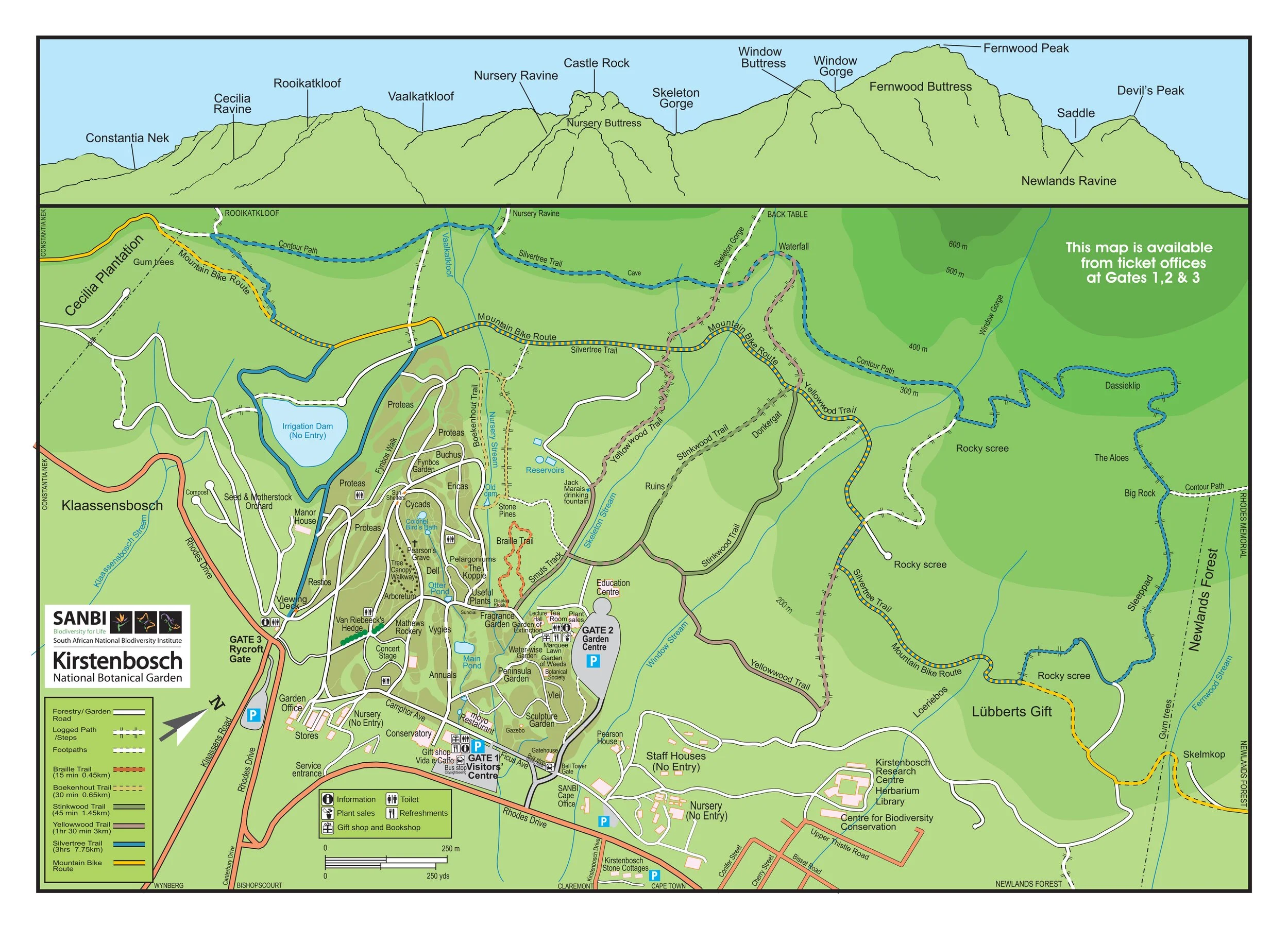
Map of Kirstenbosch

Mapungubwe National Park

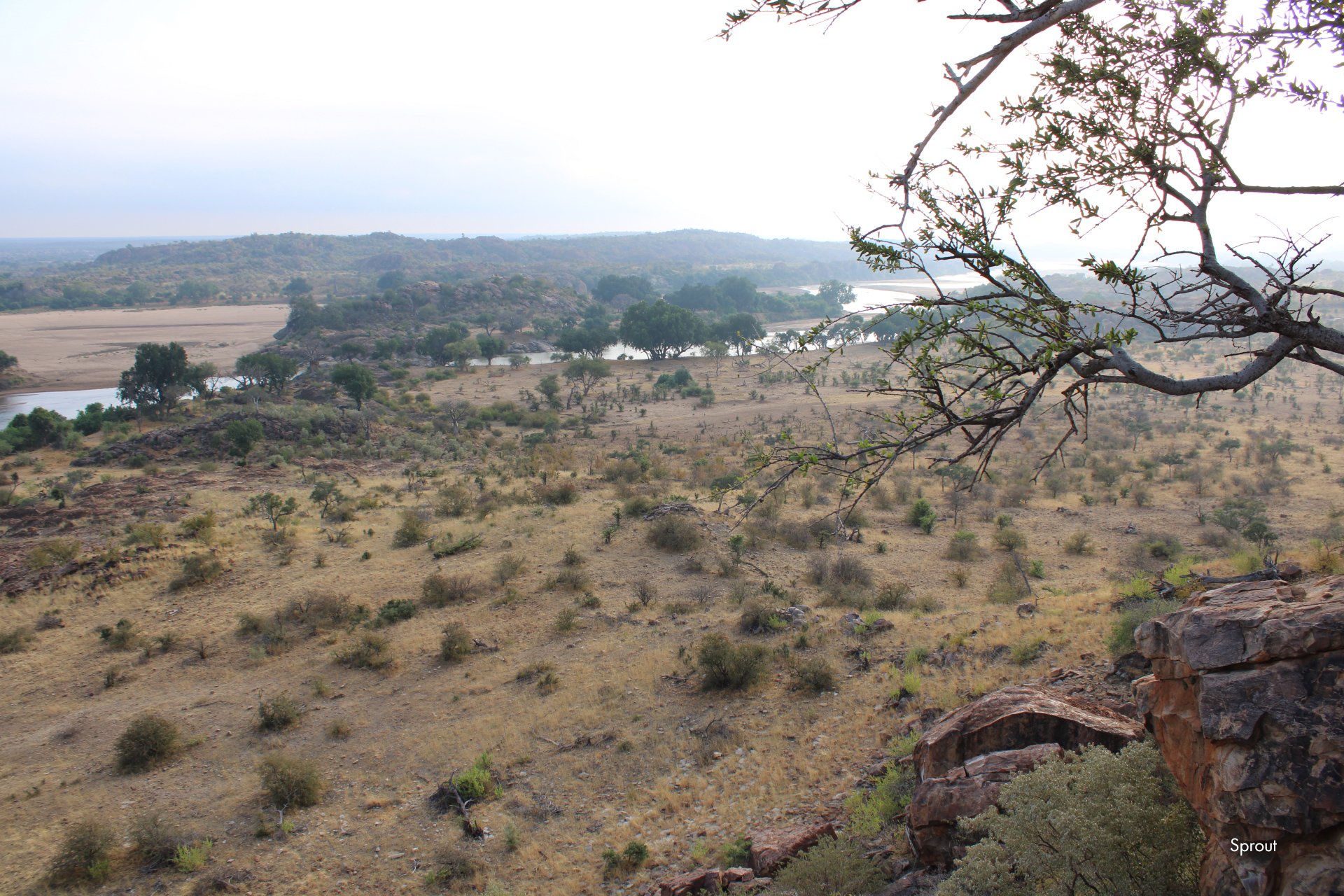
For several years I have wanted to visit Mapungubwe National Park, but it was always a bit far (5 hours from Johannesburg) and I was worried about Malaria for my young children. This year we made it happen and visited in May which was surprisingly warm and we were really taken aback by the incredible beauty of this park.

Location

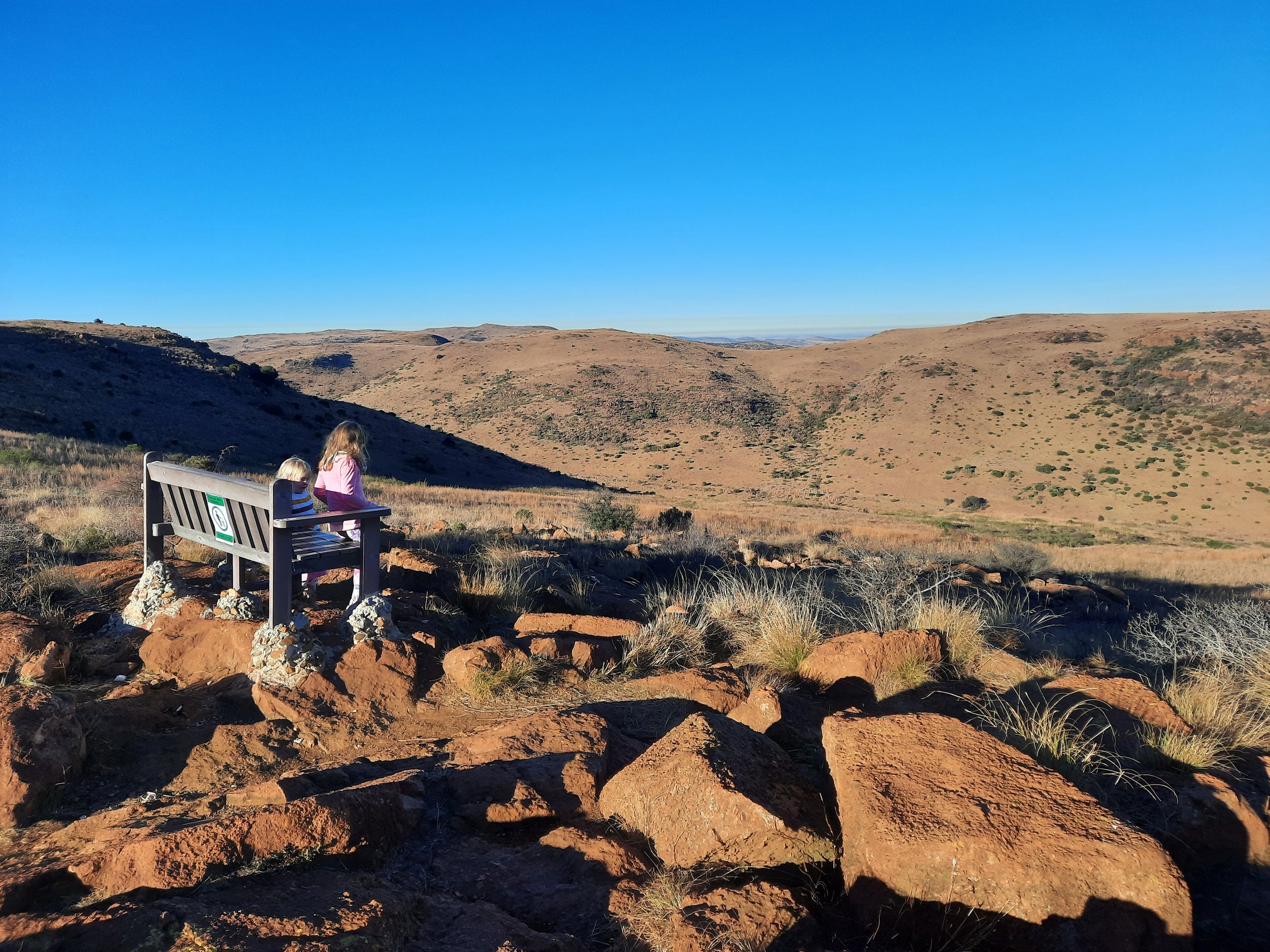
Mapungubwe is located on the border between South Africa, Zimbabwe and Botswana. It is on the South African side of the confluence between the Shashe and Limpopo Rivers. The reserve is actually bisected into two parts - the Eastern and Western Sections - with private land in between. It also forms part of a greater reserve that extends into the neighbouring countries called the Greater Mapungubwe Transfrontier Conservation Area.

Maps from SANParks website

History

“In December 1932, Ernst van Graan, his son Jerry and three other men searched the farm Greefswald, where both Mapungubwe and K2 are located, for a sacred hill rumoured to hold the treasure of kings. Arriving eventually at the steep-sided and seemingly unscaleable hill, a local man, known only as Mowena, reluctantly pointed the way to a narrow path well concealed in a cleft in the rock. Reaching the top of the hill, the men found remnants of stone walls and large quantities of potsherds, some iron tools and copper and glass beads scattered on the ground. They returned the next day with spades and soon unearthed ancient graves, three which were different and probably belonged to royalty.”

Several graves were uncovered including precious artefacts such as a golden bowl, scepter and the famous golden rhino. The Golden Rhino has become a symbol for Mapungubwe.

Architecture

I first heard about Mapungubwe while studying at the University of Pretoria when architect Peter Rich came to give a guest lecture on his award-winning Interpretive Centre. The visuals he showed stuck in my mind - brick vaulted domes clad in sandstone. I really wanted to visit this building. He explained how unemployed people from the local community were trained in making the clay tiles and in the tile-vaulting construction technique.

The Mapungubwe Interpretive Centre functions as a museum and holds a smallish collection of artefacts with historical information on the story of Mapungubwe. (Note that Museum entrance needs to be paid at Reception, a short drive away). There is also a cafeteria and small curio shop.

The architect clearly intended the experience of the museum to include exiting the building and walking on the rocky mesa to overlook the dramatic landscape below. Unfortunately, there is not even a signpost to indicate that you should go on the short walk to see this incredible view, so if you visit make sure that find a small dirt track from the cafeteria to the top of the hill.

link to architect’s page: https://www.peterricharchitects.com/mapungubwe-interpretation-centre

Cultural Landscape

The Mapungubwe Cultural Landscape has been occupied by diverse peoples over thousands of years. It demonstrates the rise and fall of the first powerful indigenous kingdom in Southern Africa between 900 and 1,300 AD and laid the foundation for subsequent settlement patterns in the region. In the 21st century Mapungubwe has been embraced as a site of significance by South Africans as well as the international community. The Mapungubwe Cultural Landscape (MCL) was declared as a National Heritage Site in 2001 and it was inscribed on the World Heritage List in 2003.

The MCL was inscribed on the World Heritage List in 2003 because it is believed to be of outstanding universal value for the following reasons:

  • The MCL contains evidence for an important interchange of human values that led to far-reaching cultural and social changes in southern Africa between AD 900 and 1300.

  • The remains in the MCL are a remarkably complete testimony to the growth and subsequent decline of the Mapungubwe State which at its height was the largest kingdom on the African subcontinent.

  • The establishment of Mapungubwe as a powerful state trading through the East African ports with Arabia and India was a significant stage in the history of the African sub-continent.

  • The remains in the MCL graphically illustrate the impact of climate change and record the growth, and then decline, of the Kingdom of Mapungubwe as a clear record of a culture that became vulnerable to irreversible change.

Take the time to contemplate the landscape. Marvel at the wonder of Nature and the layers of memory and history in this place.

Vegetation

The Park comprises Subtropical Alluvial Vegetation, Musina Mopane Bushveld and Limpopo Ridge Bushveld vegetation types. The Mopani trees were particularly striking when we visited - all golden shades of yellow, orange and red and I also loved the Large Leaved Rock Figs (Ficus abutilifolia) clinging to the dramatic rock formations. But the highlight for me must be the magnificent Baobabs (Adansonia digitata). They are so enormous that you can’t help be in awe of them. They are even more dramatic without leaves and their grey bark almost shimmers like a snake’s skin in the sunlight. The Park has tried to protect many of the larger trees with a type of wire mesh wrapped around the trunk to protect the trees from elephants.

Large leaved Rock Fig
Mapungubwe Baobab

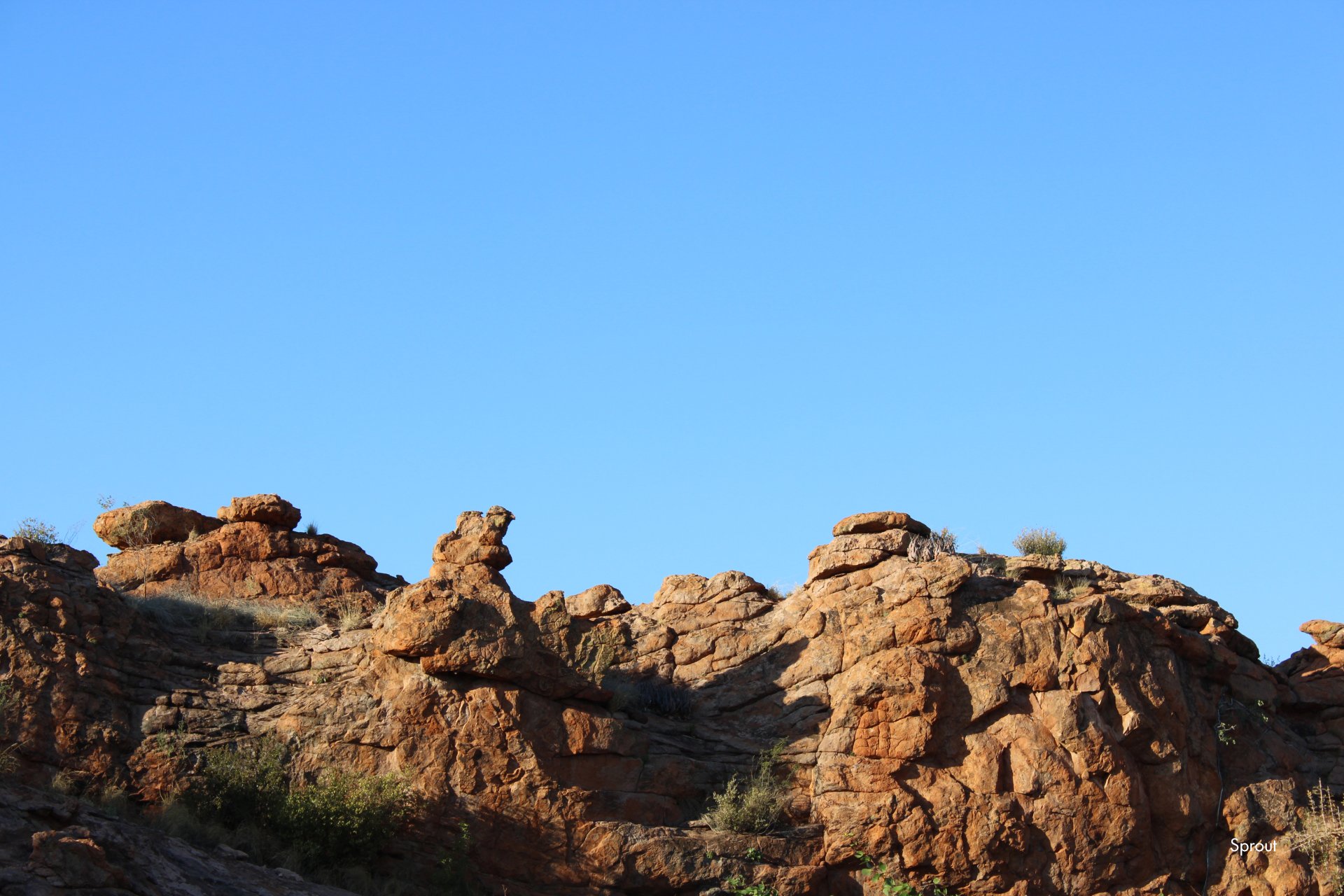
Geology

The landscape is really poetic. I wanted to do some research on the geology of the area and found this incerpt in the Integrated Management Plan for the period of 2019 - 2028, prepared by Dr Andre Spies, found on the SANParks website: “The park comprises of an attractive semi-arid landscape with varying geological structures and formations, including extremely old Archaean rocks, metamorphics of intermediate age, karoo sandstone / conglomerate uplands that are about 200 million years old, and recent alluvium and sands. Kimberlites about 100 million years old are found in the region, which explains the existence of a large diamond mine at Venetia, about 50 km south of the park boundary. ” (https://www.sanparks.org/wp-content/uploads/2023/08/integrated-management-plan-3.pdf)

Animals & Birds

We saw lovely general game in Mapungubwe. My kids enjoyed seeing Spring Hares for the first time!

Birdlife is abundant and there are some amazing specials that can be found here. I really wanted to see Pel’s Fishing Owl, this bird attracts many birding fanatics countrywide, but unfortunately I did not see it. I did see Meyer’s Parrot and Meve’s (Longtailed) Starling for the first time. This place is a Birder’s Paradise!

Giraffe in Leokwe Rest Camp

Accommodation

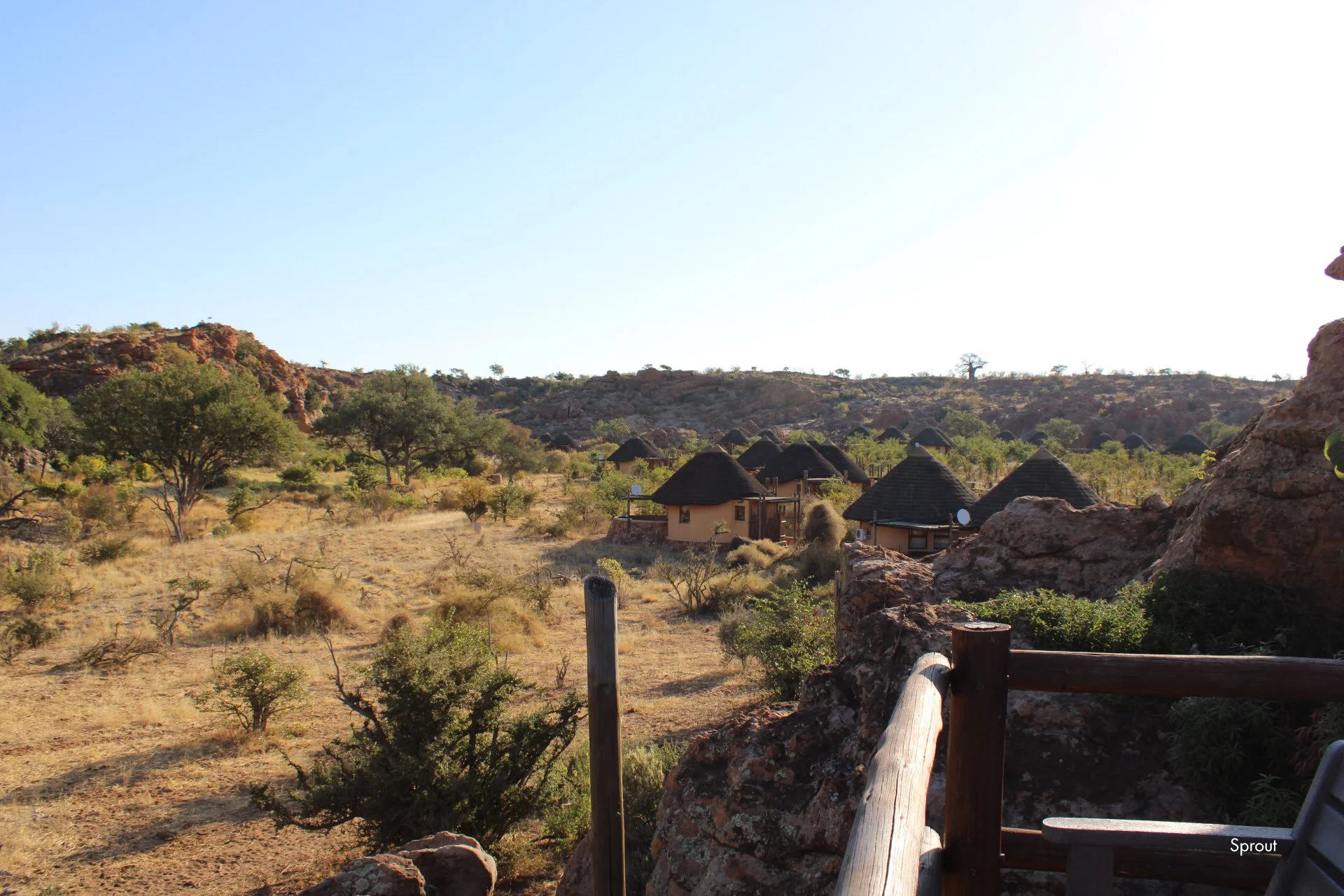
There are several accommodation options available at Mapungubwe National Park: Well equipped Chalets at Leokwe Camp; Tented huts at Limpopo Forest Tented Camp; Campsites at Mazhou Campsite; Tshugulu Lodge caters for larger groups and also there are also cabins at Vhembe Wilderness Camp. I have only stayed at Leokwe Rest Camp so unfortunately can’t give more information about the other options. Our rondawel at Leokwe was very spacious and we loved braaiing on the patio with a beautiful view over the indigenous bush. The camp is not fenced off so animals roam freely but I believe there are not a lot of lions in the reserve, but even so they ask you to refrain from walking in the camp after nightfall.

View of Leokwe Camp from Pool Area

Pool at Leokwe Rest Camp

For bookings go to SANParks website

References:

  • SANParks website - Mapungubwe National Park – SANParks https://www.sanparks.org/parks/mapungubwe

  • Mapungubwe National Park and World Heritage Site Integrated Management Plan, 2019 - 2028, by Andre Spies, Integrated Management Plan

  • MAPUNGUBWE NATIONAL PARK AND WHS Heritage and Palaeontological Impact Assessment for the Overnight Youth Facility (Dormitories) & Mapungubwe Valley Orientation Centres January 2020, by Stephan Gaigher, Heritage Impact Assessment
  • https://whc.unesco.org/en/list/1099/

Chicago (1 of 3) - ATMOSPHERE
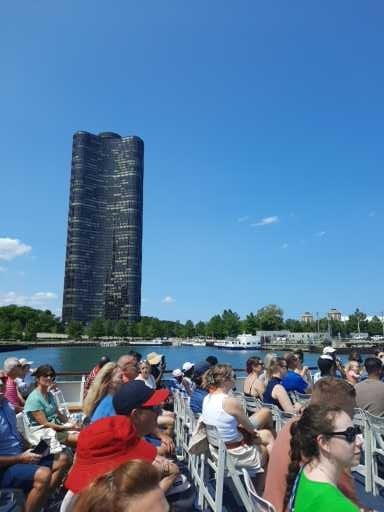
In July this year I had an amazing opportunity to visit the United States of America for the first time. I travelled solo for the first part (Chicago) and then met up with a friend for the second part (Colorado). It was an incredible experience and I enjoyed every moment!

I realised that I have to write a three-part series on my visit as there is so much to say (and so many photos) - otherwise it will end up being a ten page blog!

Part 1 - Atmosphere

Part 2 - Architecture

Part 3 - Art

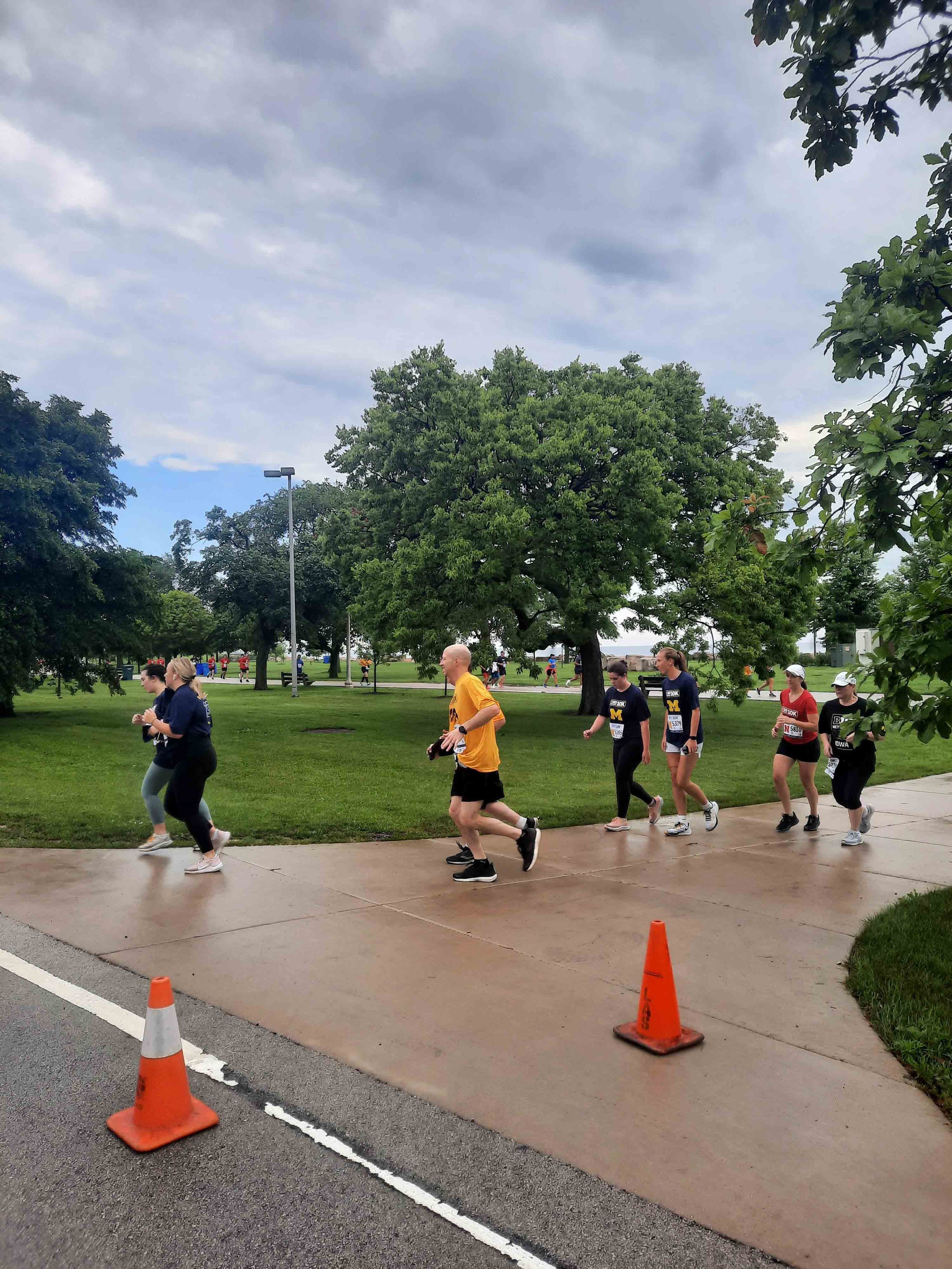
Lakeshore Trail stretches for miles along Lake Michigan and is used by pedestrians, cyclists and runners

Why Chicago?

I chose Chicago over New York City as it looked to be a destination for people interested in Architecture and the views over Lake Michigan always look so stunning. I had also listened to a landscape architecture lecture on the Chicago Riverwalk and how through successful landscape architecture and urban design intervention they had positively contributed to the city and created the connection between people and the water. (Something that is not very successful in South Africa)

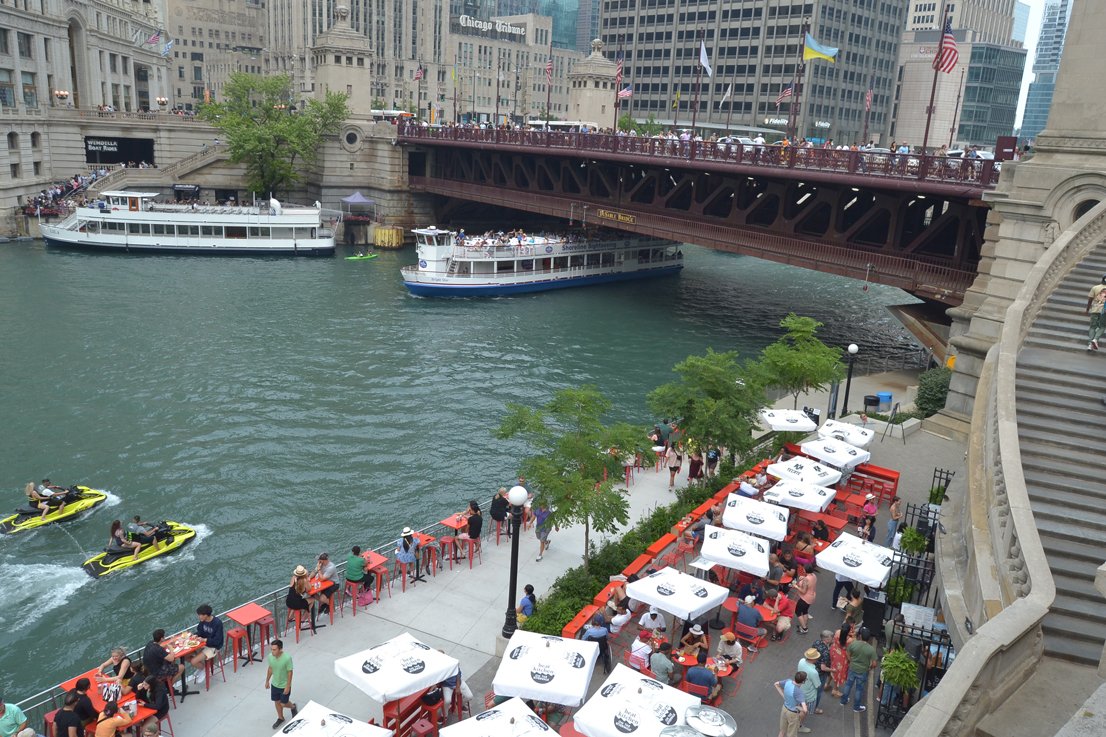
The Chicago Riverwalk is a 1.5-mile-long promenade that revitalizes an underutilized industrial area into an active public space featuring restaurants, cultural activities, and amenities while reconnecting the Chicago River to the urban fabric of the city. The plaza, consisting of a terraced lawn, ramps, and a memorial, was designed in 2009 by Ross Barney architects. You can read more about the project here.

Chicago Riverwalk - a precedent study every landscape architect should see

Millenium Park

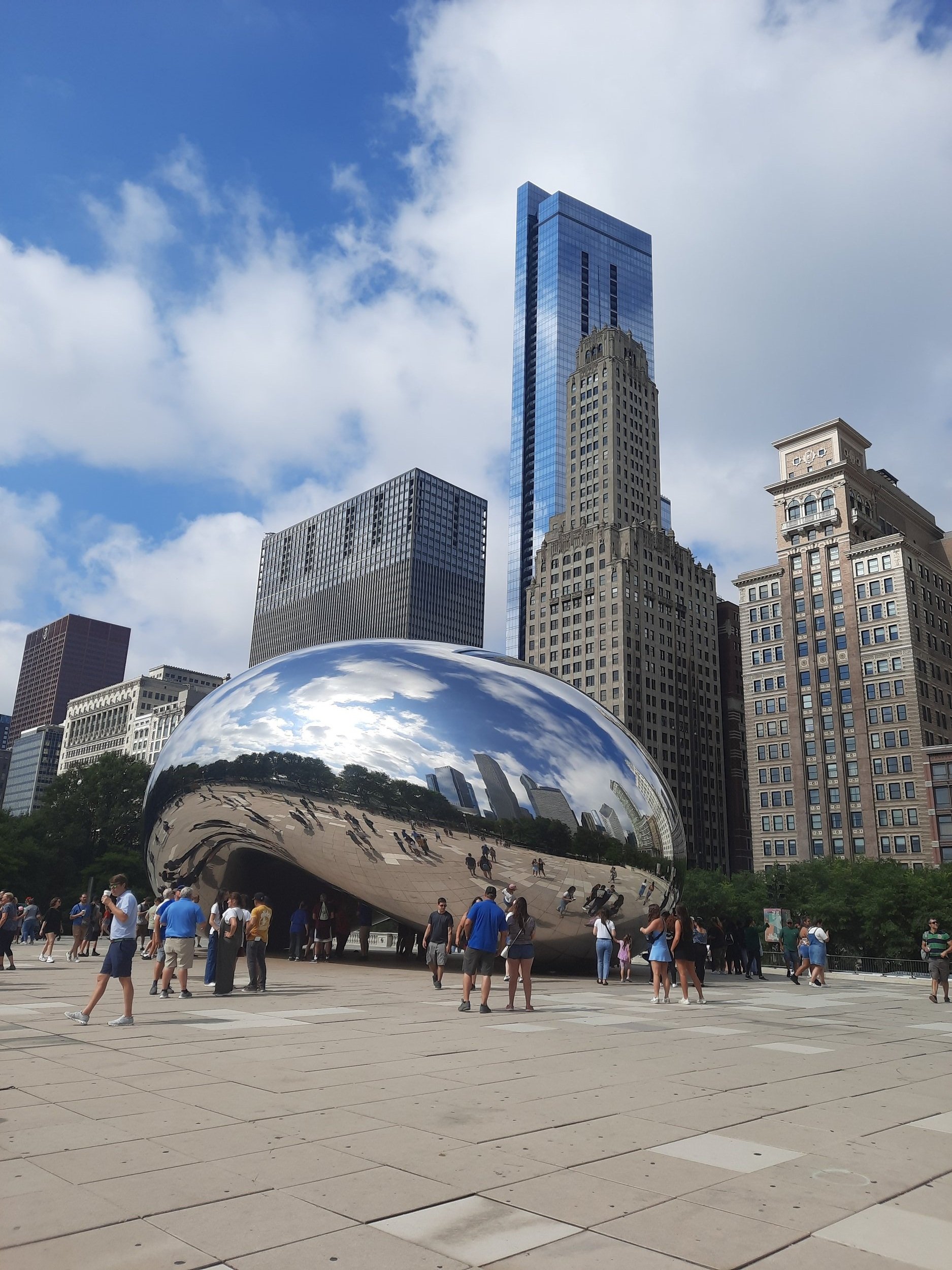
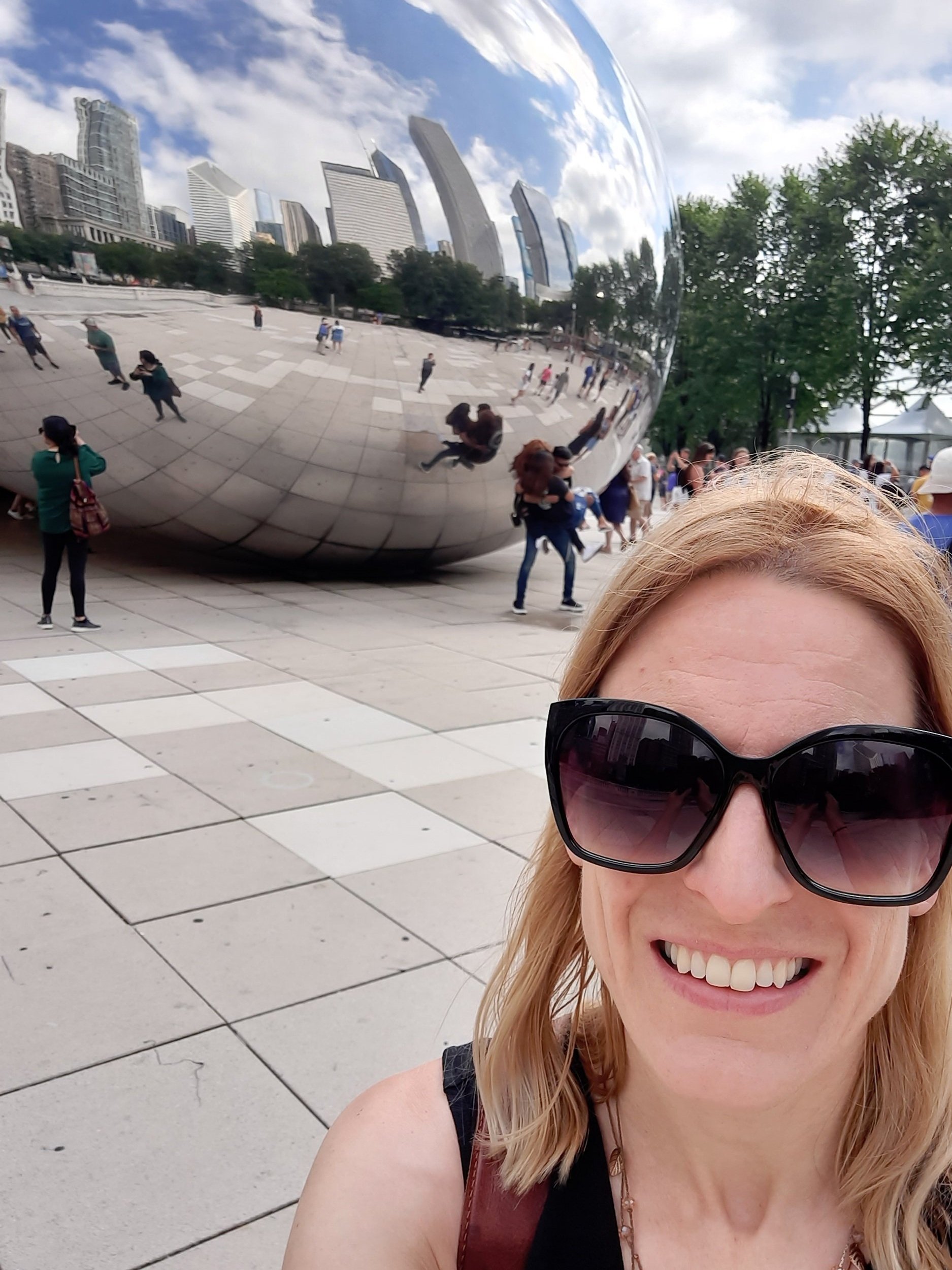
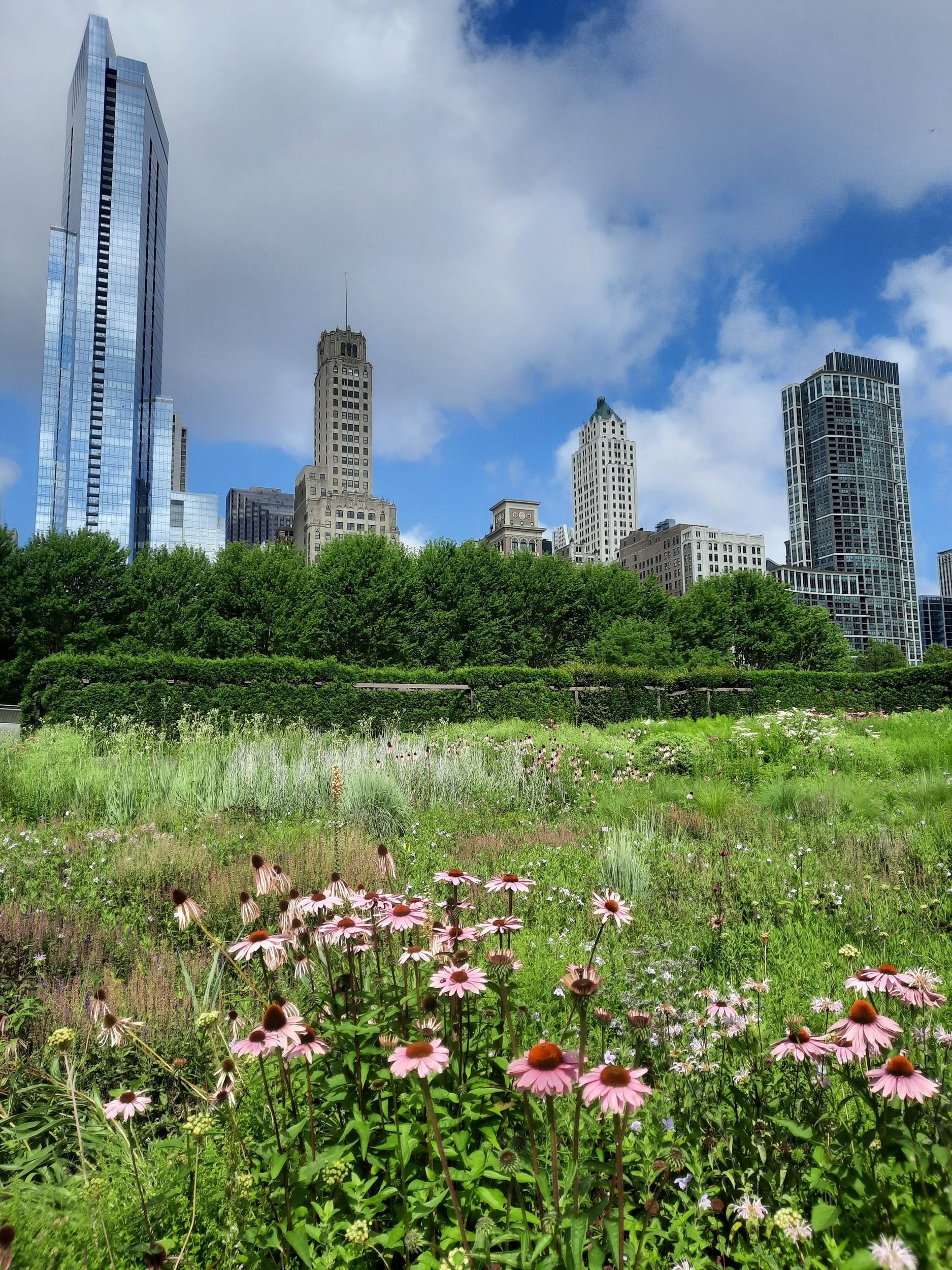
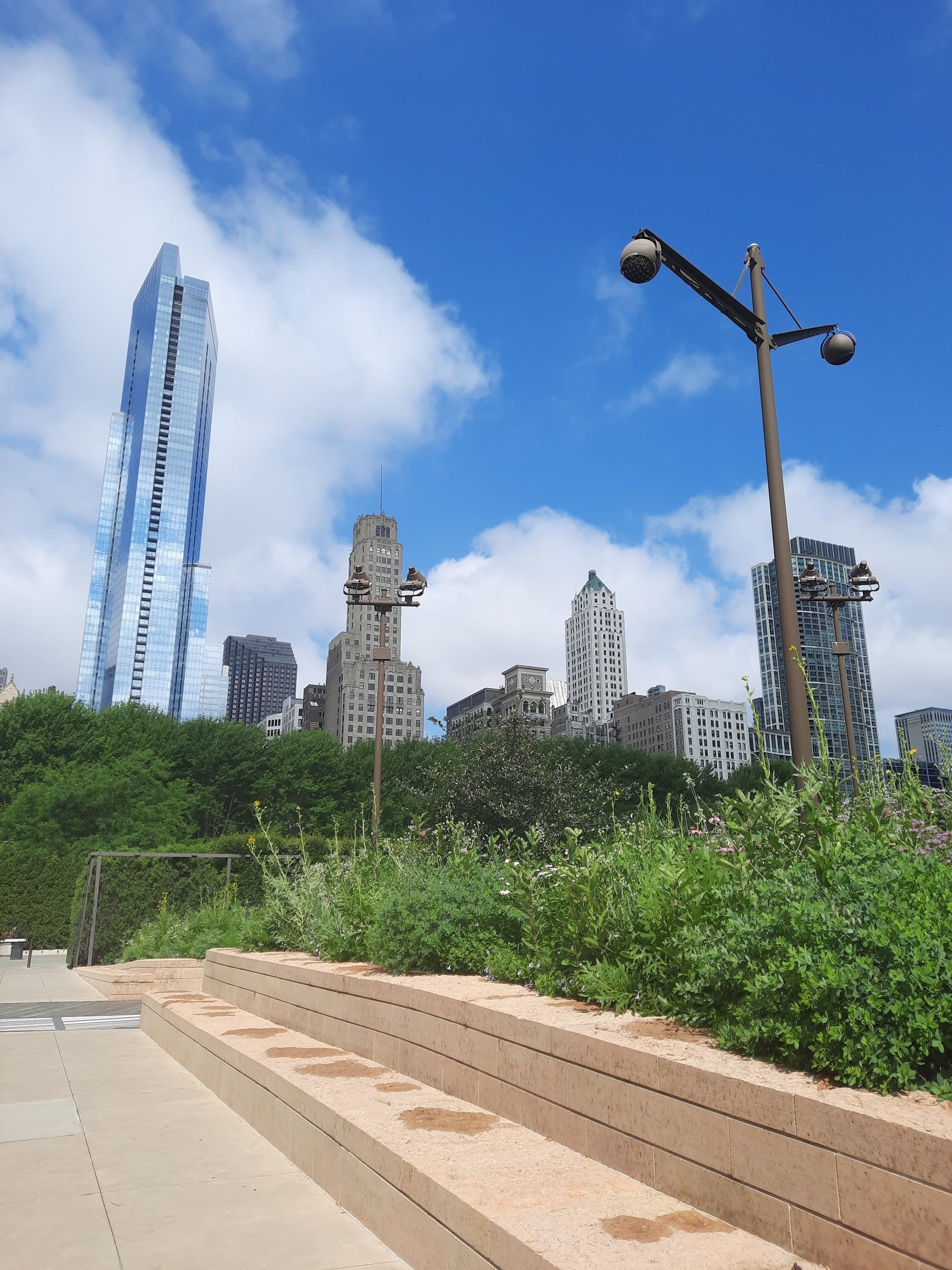
I also wanted to see the Bean :) And take a selfie with it (because some people call me Bean and so I feel a connection to it, call me crazy, or call me Bean). Apparently people get upset that it gets called The Bean and would prefer people to call it by its official name - Cloud Gate. Millenium Park is also a wonderful place for a landscape architect to visit. I loved Lurie Garden and the public and green spaces in the city are so well designed and maintained.

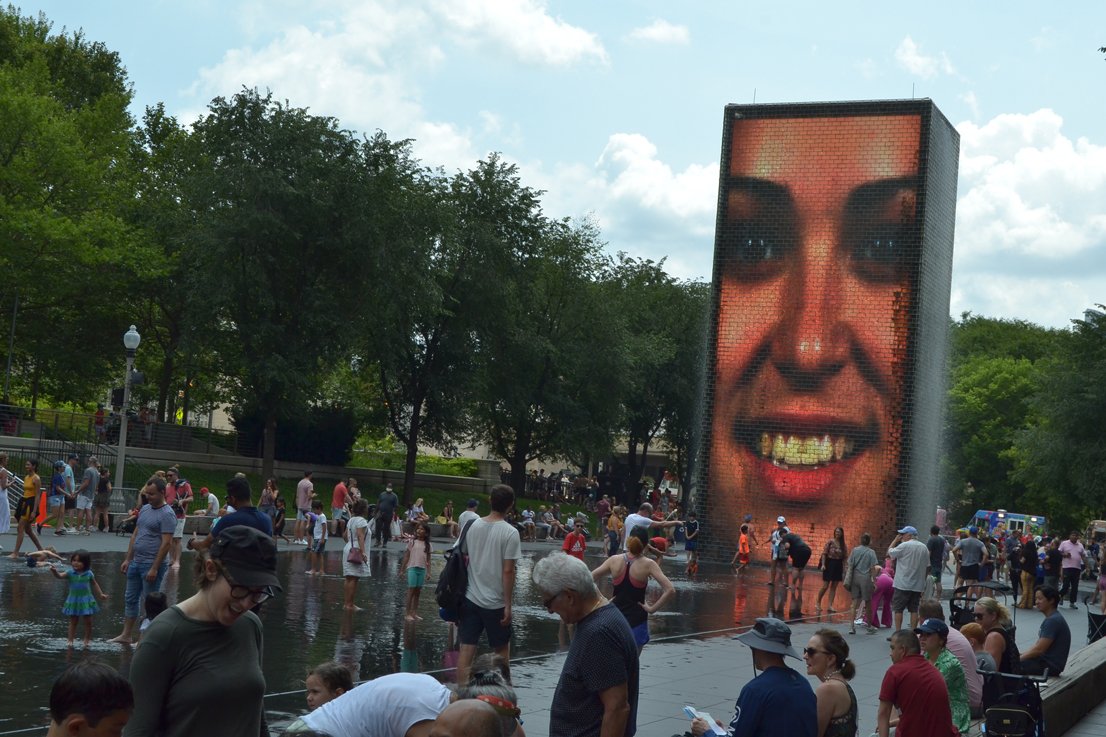
Crown Fountain - an interactive water feature in Millenium Park

Summer in Chicago

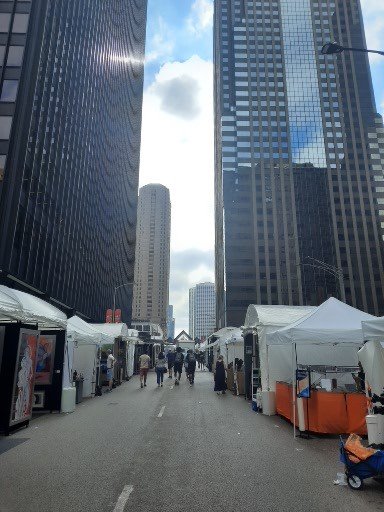
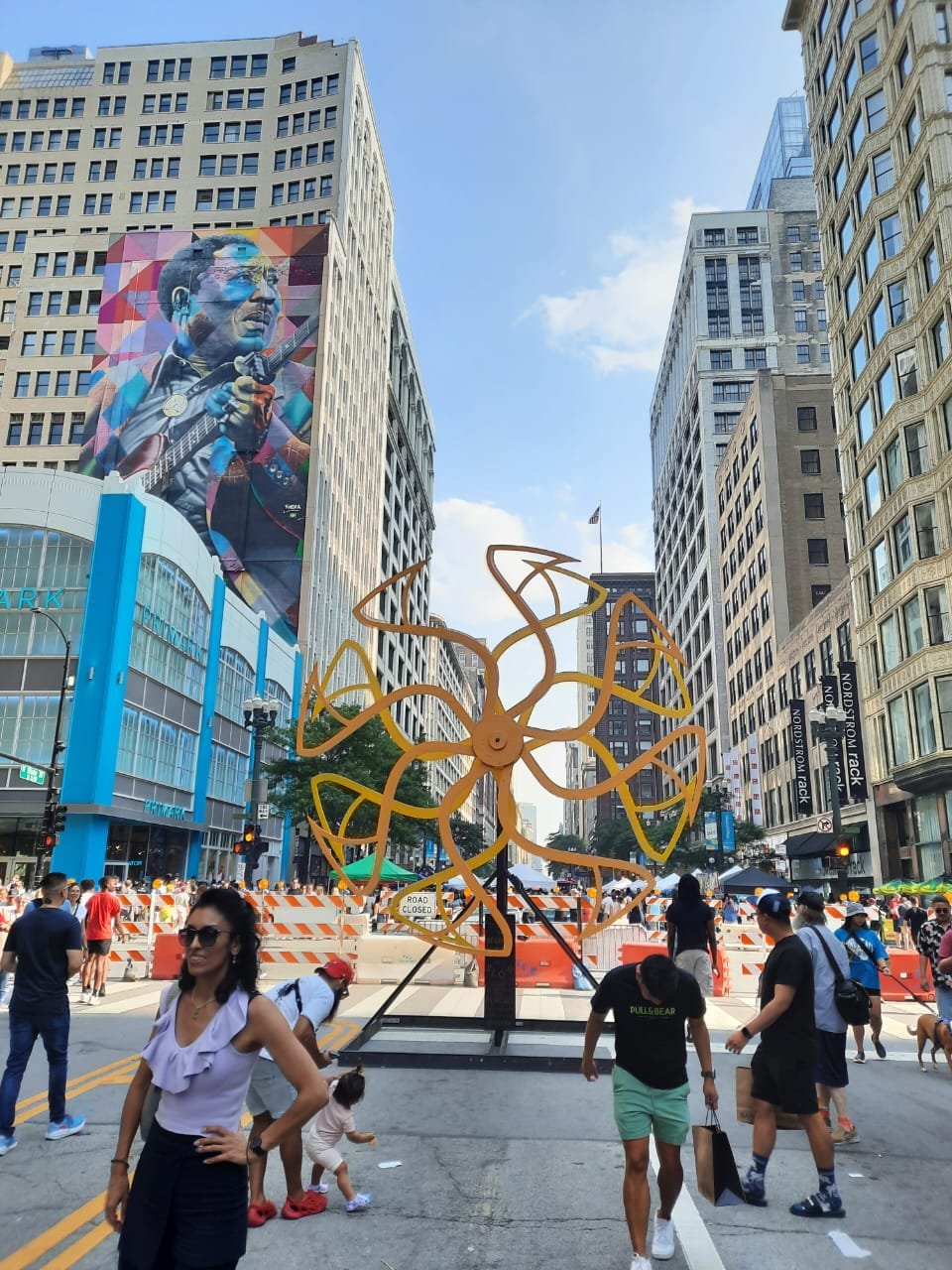
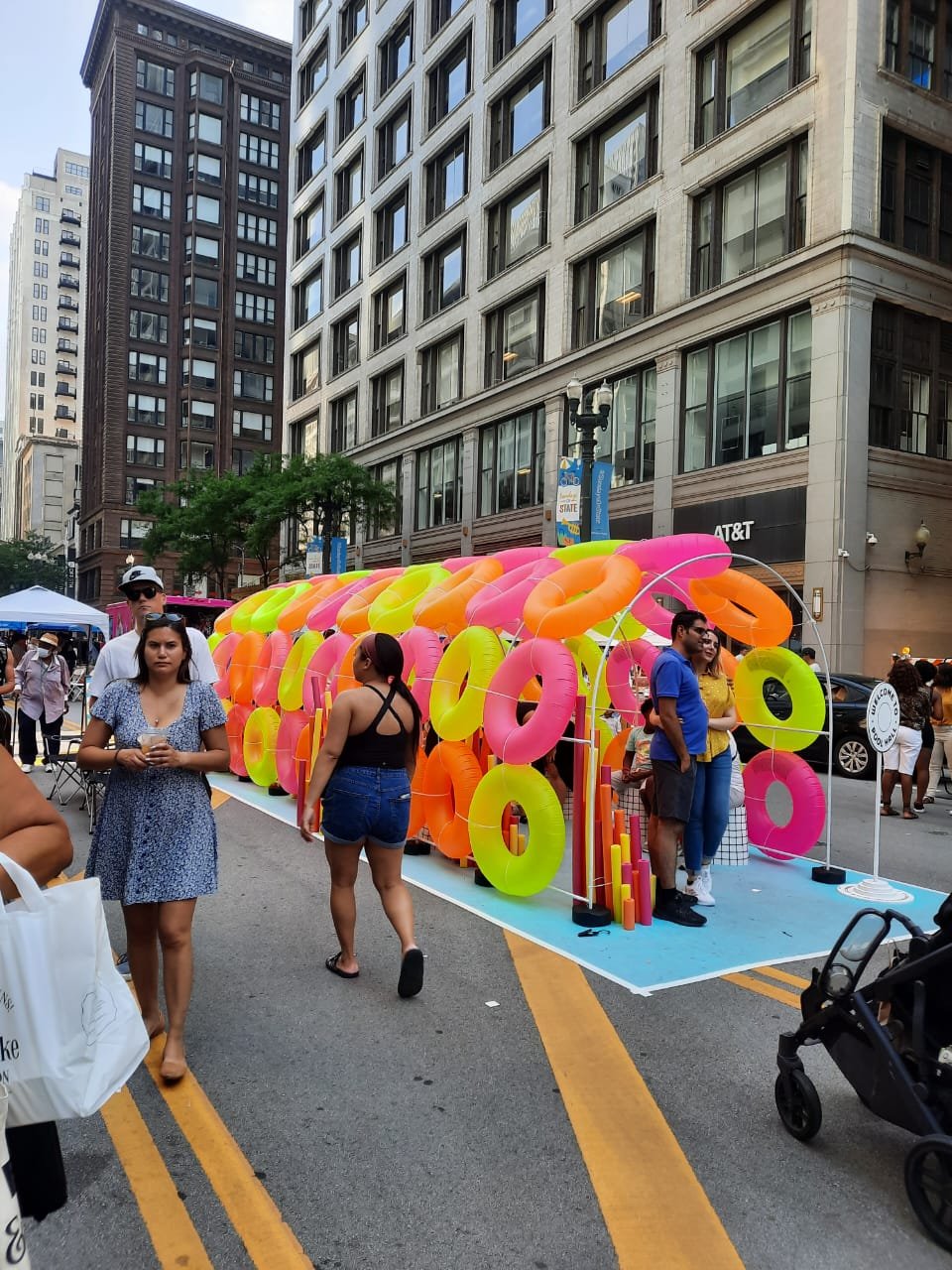
Chicago is known to have brutal winters so when summer comes Chicagoans make the most of the fine weather and spend as much time outdoors and on the Lake as they can. I visited in July when summer was in full swing so it really felt like there was a constant party vibe and I saw tons of gatherings and social events. It really appeared to me that the city took initiative in organising fun events and opportunities for the city to come alive. One such event was the market along State Street called Sundays on State. I also saw a rave concert at North Avenue Beach. The whole atmosphere of the city was fun and festive!

Cycling

I used the Divvy communal bike sharing system to get around and enjoyed the freedom of exploring this city at my own pace and saw and did whatever I felt like. The perks of solo travel! Cycling along the Lakefront Trail was really a highlight - stunning views of the Lake and the City.

There is so much to see in Chicago, I felt like I only scratched the surface after my few days there. I would highly recommend travelling there, especially if you love inspiring gardens, art and architecture!

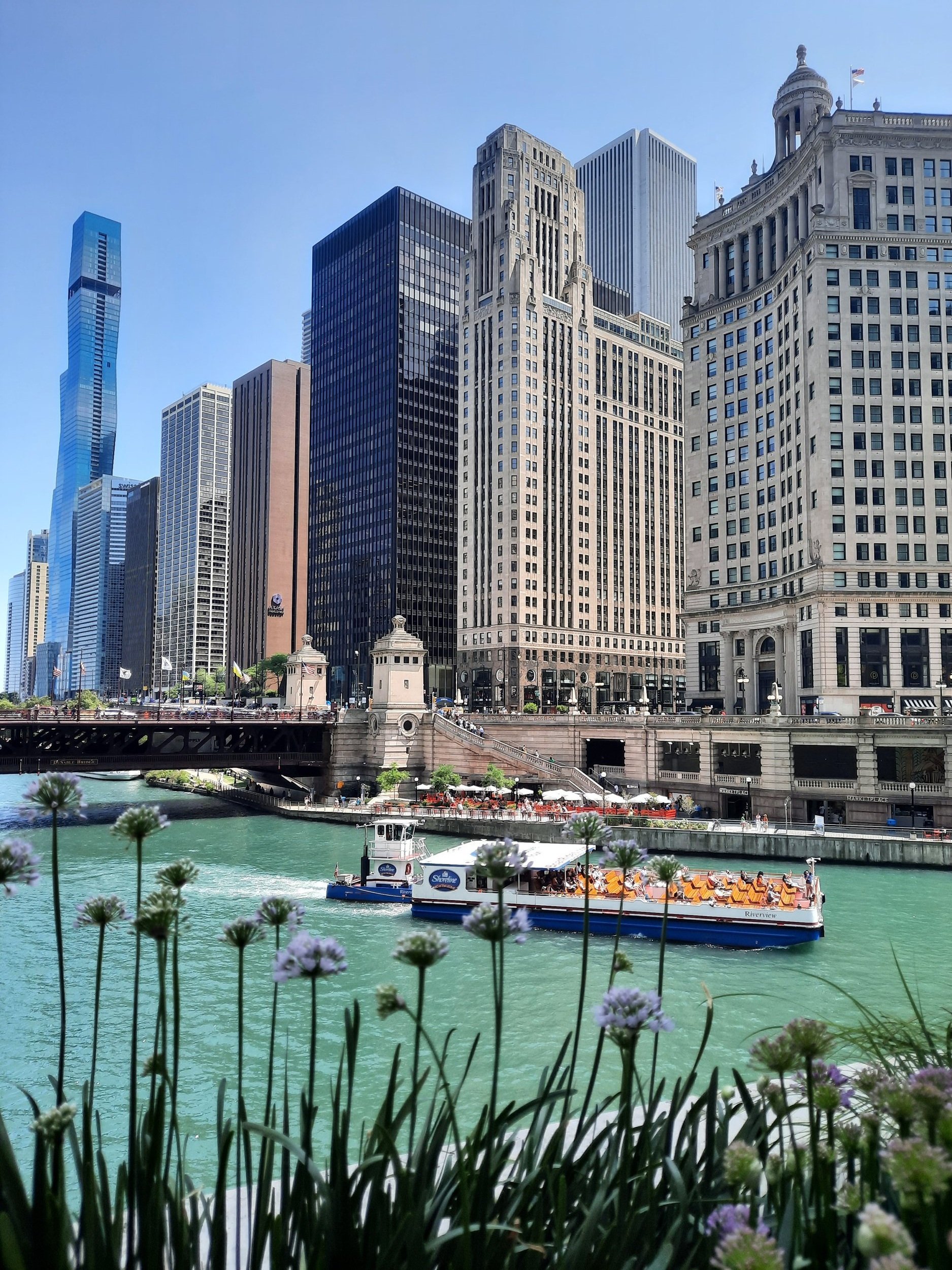
See these Onion/ Chive like plants in the front of this picture - this is what is assumed to be where the name of the city is derived from. The name “Chicago” is derived from a Native American word. The generally accepted theory is that the name was derived from a Miami-Illinois word “shikaakwa” or the “smelly onion.” The Miami-Illinois Indians named natural landmarks after the plants found nearby. The area around the mouth of the Chicago River was known as “Shikaakwa” by the local population because smelly onions grew around the watershed. French explorers “Frenchified” the word and turned it into “Shecaugo” for their reference

Sculpture on the Riverwalk Promenade of ‘the Chive’ where the name Chicago originates

Until Part 2,

~G.S

Storm's River Mouth

I have been wanting to return to the Garden Route National Park to share this beautiful part of the world with my kids for a few years now. Although they are still too young to do the Otter Trail I knew they would love the scenery and surroundings. It is really a nature lover’s paradise.

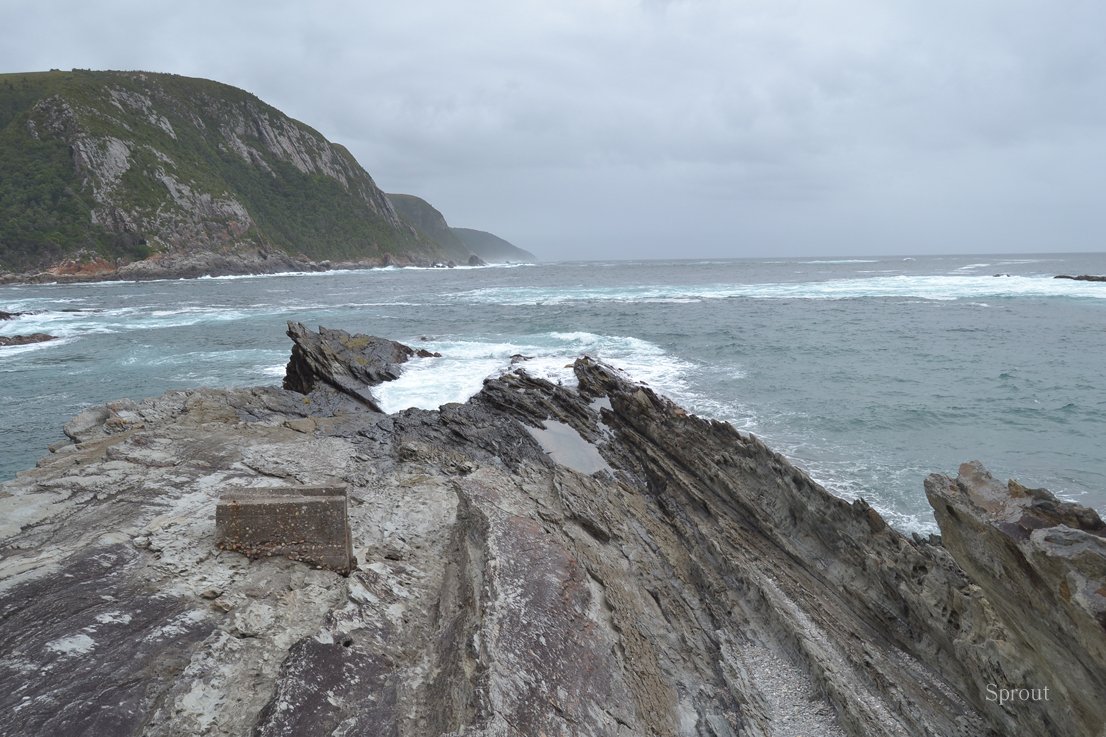
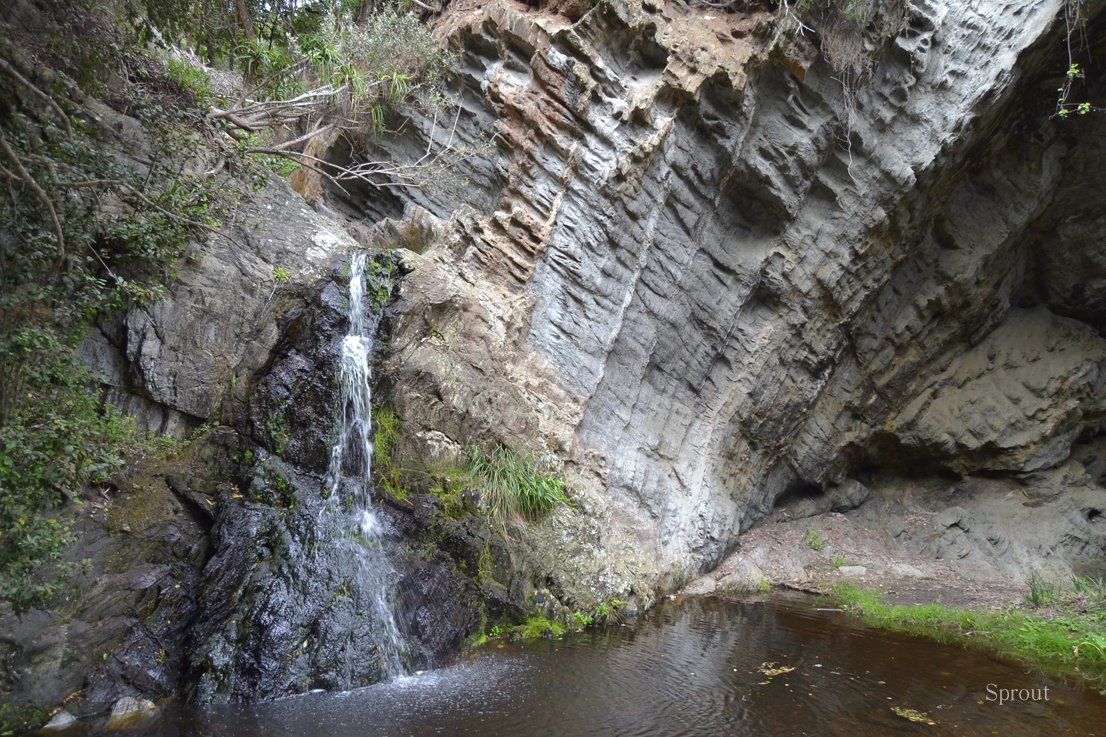
Dramatic scenery at Storm’s River Mouth

We spent a wonderful long weekend there with family and enjoyed the lilo adventure up the gorge. I didn’t want to risk my camera falling in the water so unfortunately I don’t have any pics of that experience!

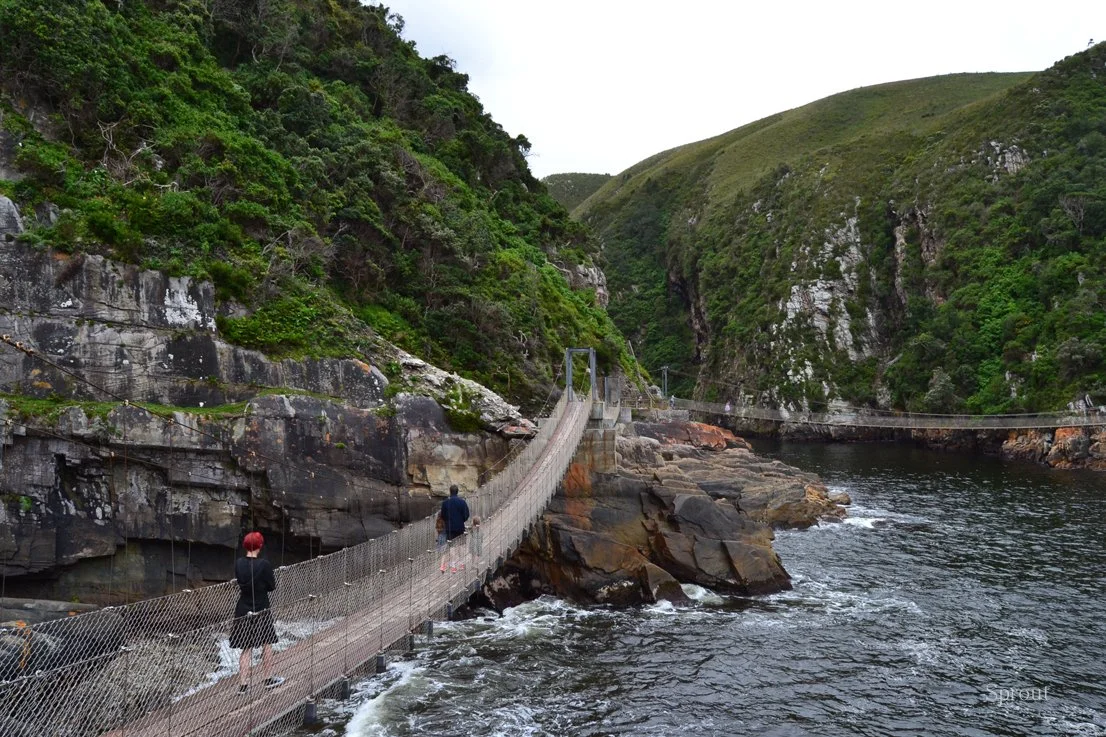
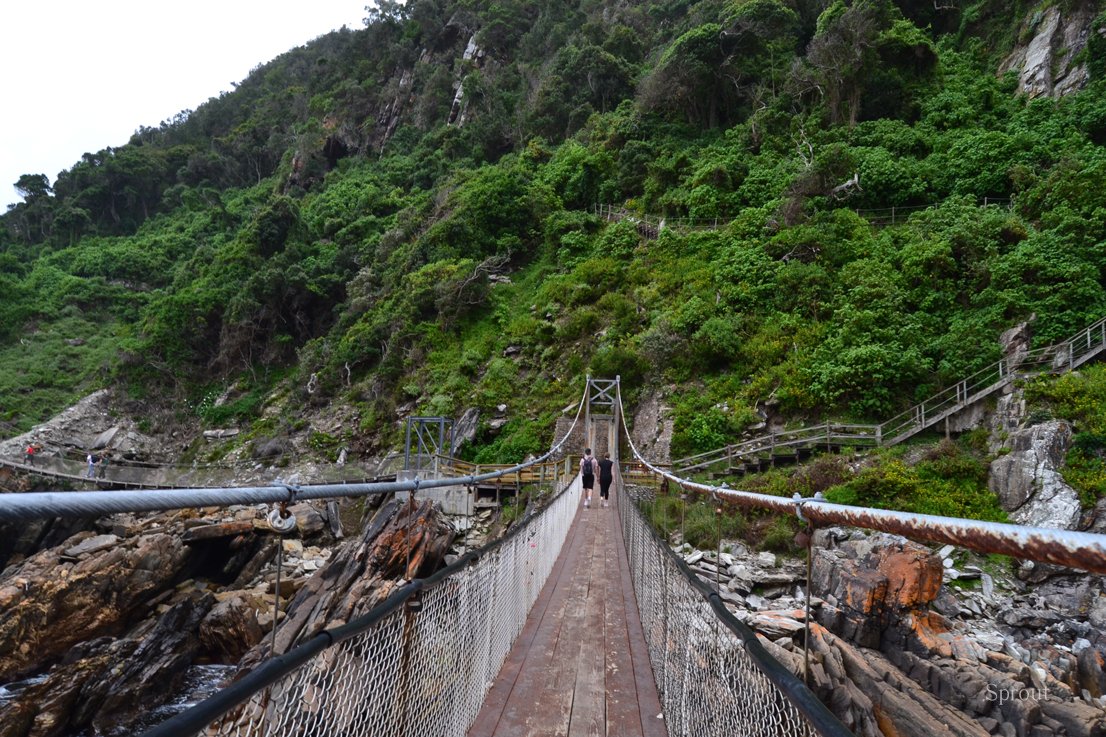
Suspension bridge

We enjoyed the hike to suspension bridge as well as the short Lourie Trail inside the Storms River Mouth Restcamp. Some of the more energetic also did the Waterfal hike which is the first part of the Otter Trail. See further trail information on the SANParks website .

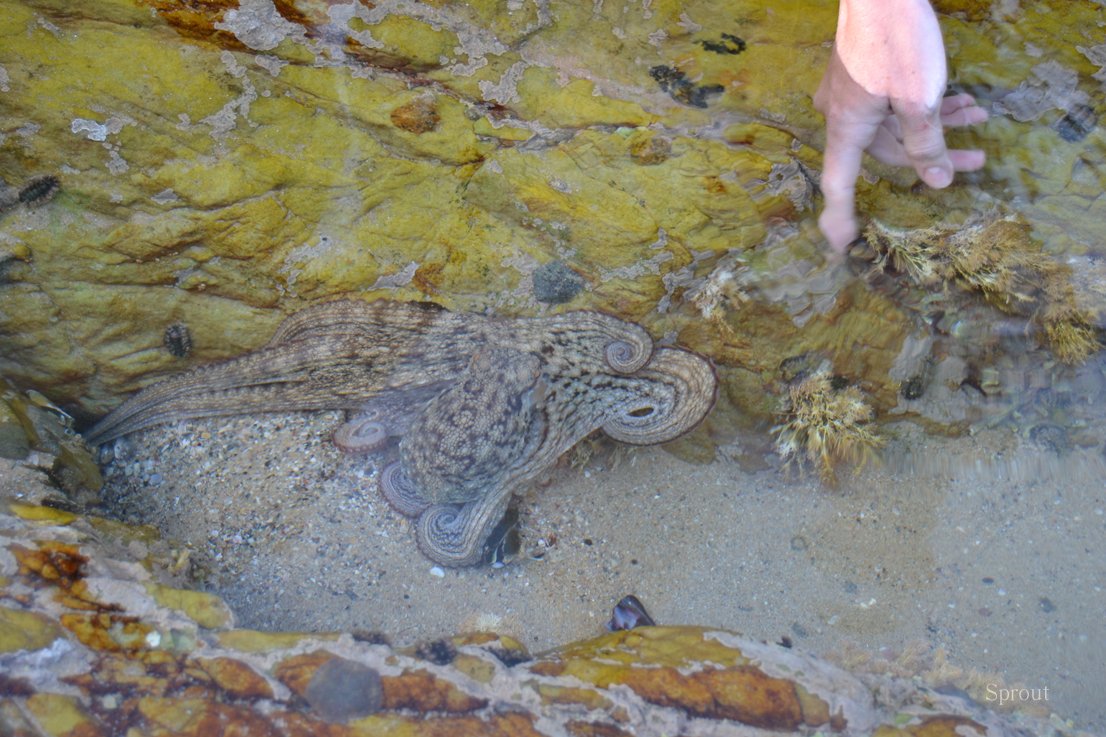
One of the highlights of the trip was finding and interacting with a beautiful Octopus as well as several starfish in one of the rock pools. We enjoyed watching whales, birdwatching and even spotted an otter.
The beautiful forests are an experience in themselves and I loved seeing the natural beauty and vegetation. Because the reserve is in a protected area you don’t see any ships on the ocean and the natural environment is pristine.

Inquisitive Octopus

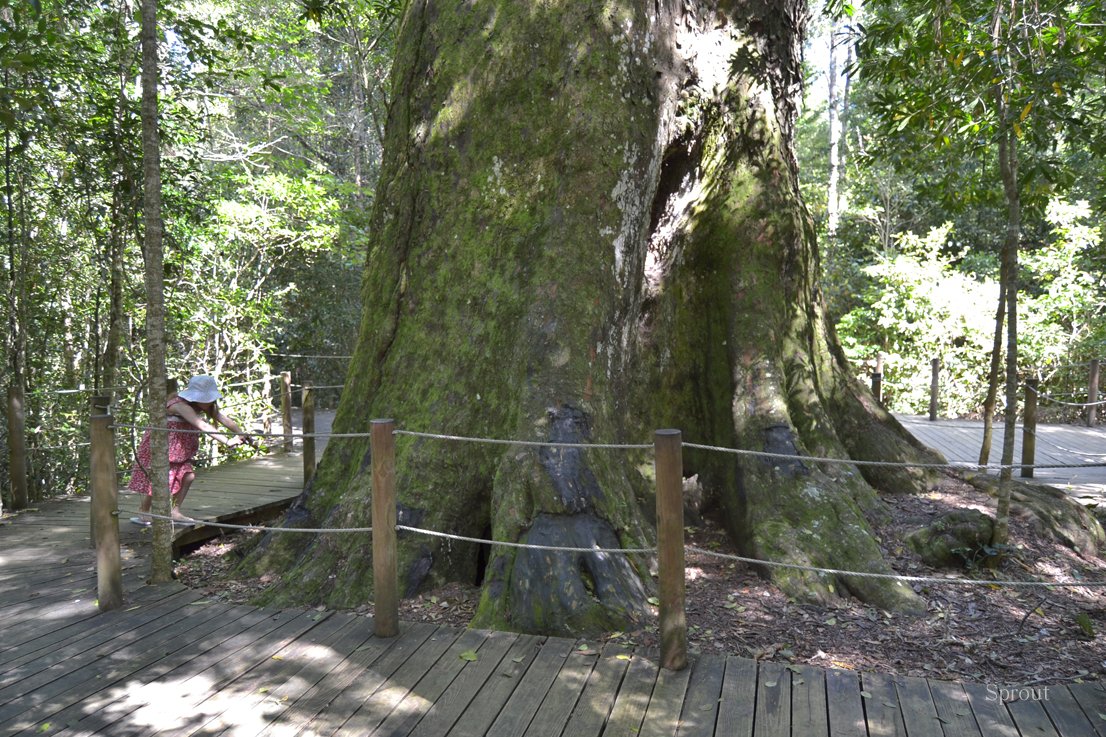
We visited the Big Tree just off the N2 highway where a lovely forest walk leads you to the impressive tree. The Outeniqua Yellowwood boasts an age of over 1000 years, height of 36 metres, main trunk length of 18.3 metres, crown spread of 33 metres and average circumference of 8.5 metres.

We had an amazing visit to the beautiful part of South Africa and look forward to visiting again whenever we get another chance!

Suikerbosrand Nature Reserve

Situated about an hours drive to the South of Johannesburg lies a nature reserve that is well known to birders, hikers and cyclists. The reserve is named after the Transvaal Sugar-bush (Protea caffra), which occurs chiefly in the eastern and south-eastern parts. The basic objectives of the nature reserve are to “conserve the natural environment ensuring that plant and animal species diversity is maintained and provide open-air outside recreation, environmental education and research opportunities”.

There are several trails in the reserve and more information can be found on the website. The Cheetah Trail is 4km and takes approximately 1.5hours. The Bokmakierie Day Trail is 10 or 11.5km. There are overnight huts along the hiking trail if you would like to do an overnight hike (self-guided and plan your own route).

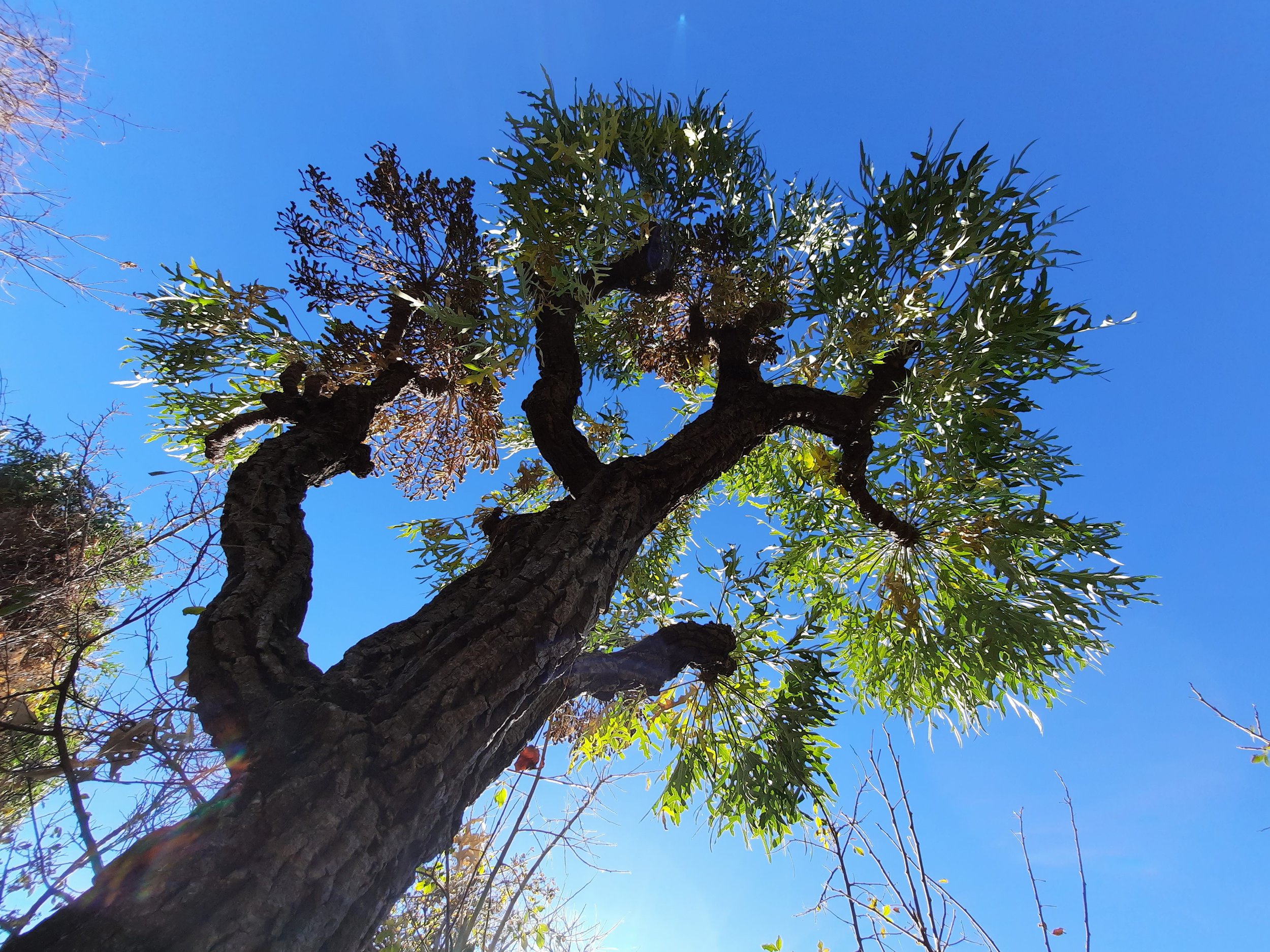
Cussonia paniculata towering above us on the Toktokkie Trail

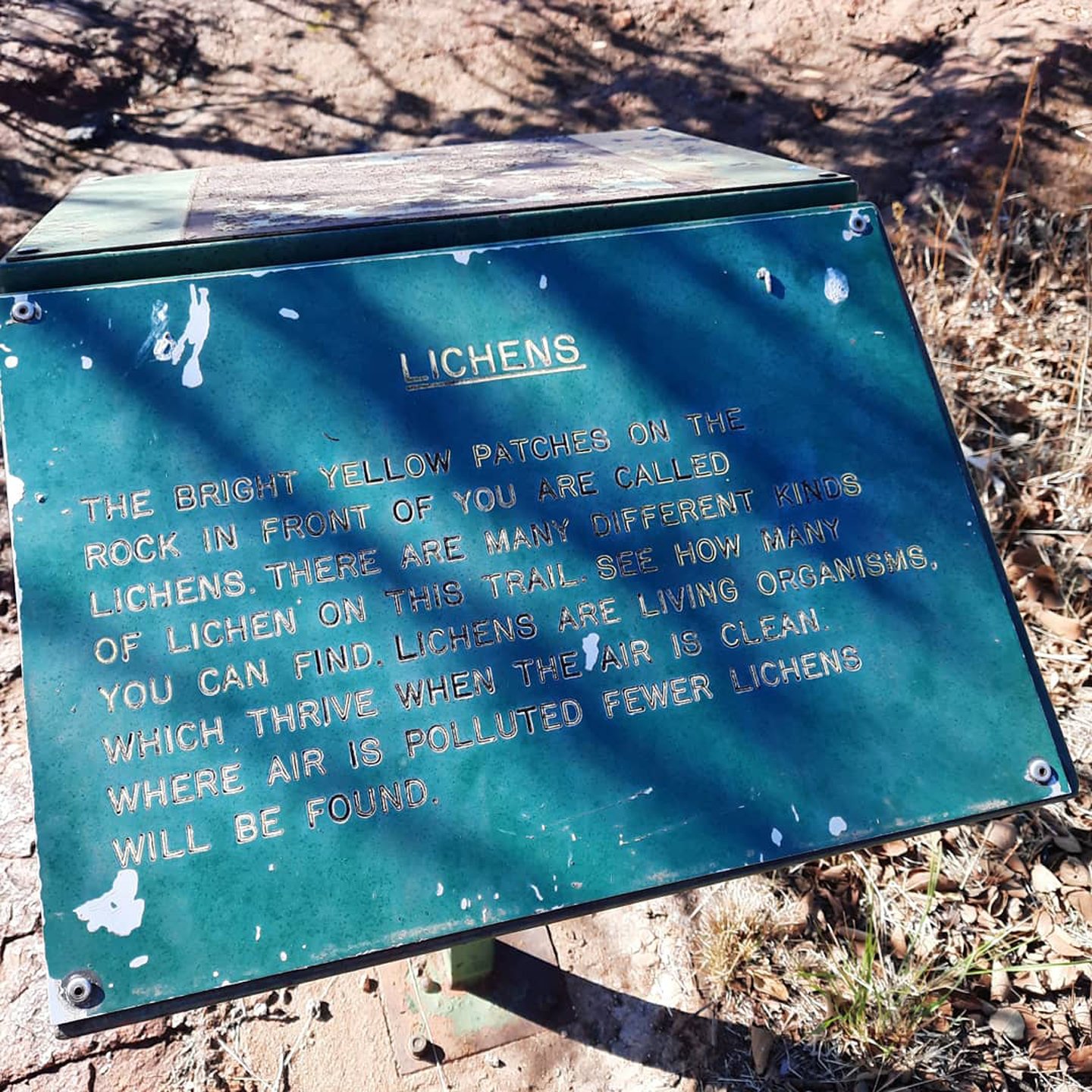
The tar road through the reserve provides the ideal challenge for cyclists as a single loop is 60 km and if you are even fitter you can add the second loop. We drove (this time, hopefully more cycling in the future) and enjoyed the views, stopping to walk short distances to look out points. Once back at the Base Camp (Diepkloof Picnic Area) we walked the short 700m Toktokkie Trail that winds up a gentle hill and provides a lovely view over the reserve. The trail is wheelchair friendly and the paved pathway has several signage boards along the route. The boards provide insights into nature that can be seen along the trail such as cabbage trees, aloes and lichen covered rocks. We also spotted several birds and some zebra.

Toktokkie Trail with Information Boards

We visited the reserve in winter so you can see the grasses are all yellow and the veld often burnt. In summer this reserve is all shades of green and filled with birdsong.

The vegetation is grassland with two grassland types namely Moist Cool Grassland and Rocky Highveld Grassland. Clumps of trees, especially White stinkwood (Celtis africana), Highveld cabbage tree (Cussonia paniculata), Ouhout (Leucosidea sericea), Sweet Thorn (Acacia karroo), the Highveld Protea (Protea caffra), and the Common Guarri (Euclea undulata) can be found.

The reserve boasts small and large game such as zebra, wildebees and antelope as well as excellent birdlife. A variety of habitats (high altitude grassland, rocky outcrops, wooded valleys, protea woodland and wetlands) provide excellent opportunities to see the abundant birdlife and over 270 species have been recorded (See Birdlife South Africa Post). We even spotted a snake warming itself on the tar road and climbed out to get a closer look.

Large parking area for cyclists and hikers

After exploring we enjoyed a picnic at the children’s play area next to the parking area. There are jungle gyms, a trampoline and trees with benches below to sit on.

Visiting this reserve is certainly a memorable nature experience and you may even find yourself singing “Suikerbos Ek wil jou he” on your way home.


https://www.friendsofsuikerbosrand.co.za/

COHEN, C. SPOTTISWOODE, C. & ROSSOUW, J. 2006 Southern African Birdfinder. Cape Town: Struik Nature

Walter Sisulu Botanical Garden

Walter Sisulu Botanical Garden

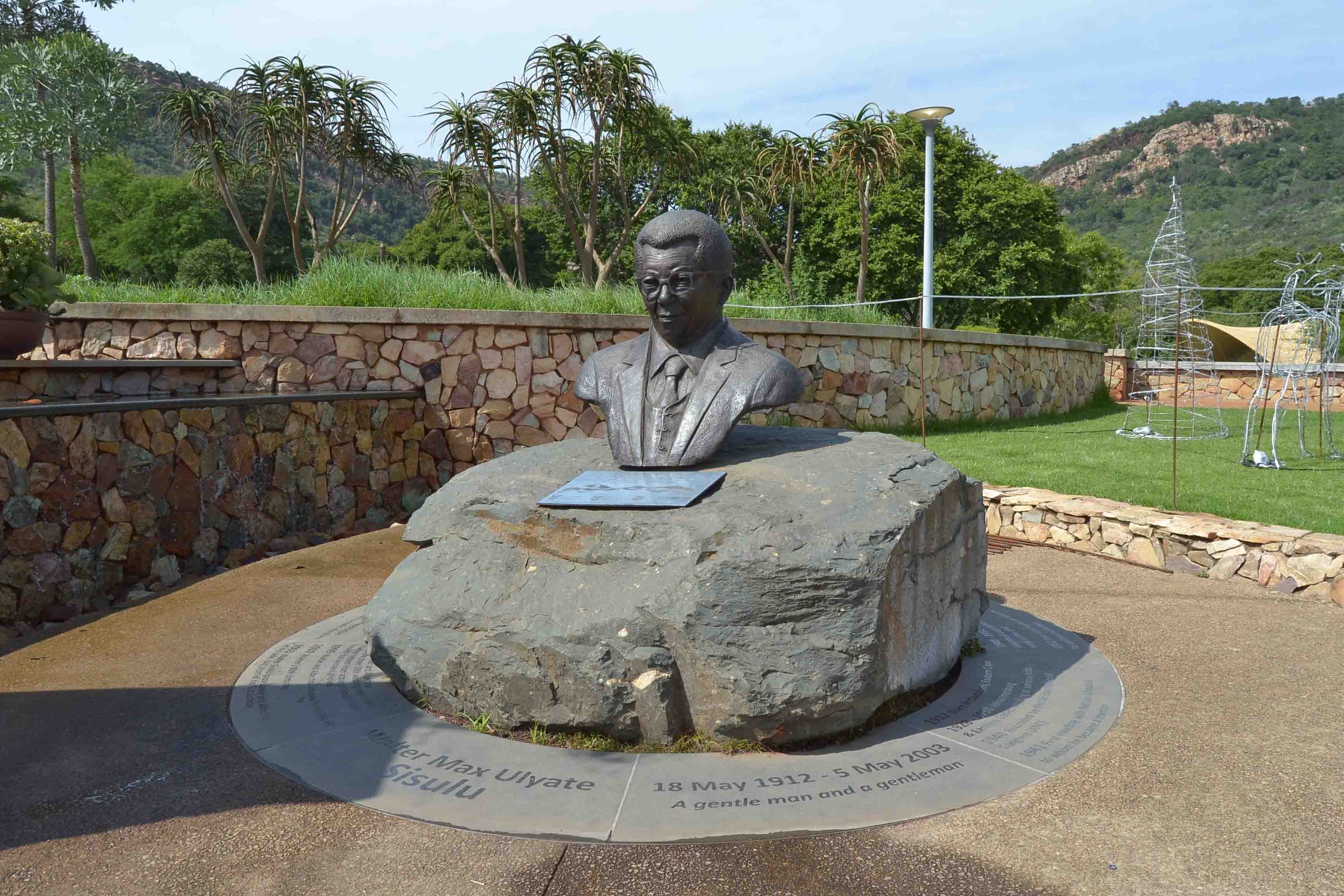
Sculpture of Walter Sisulu at the Walter Sisulu National Botanical Gardens

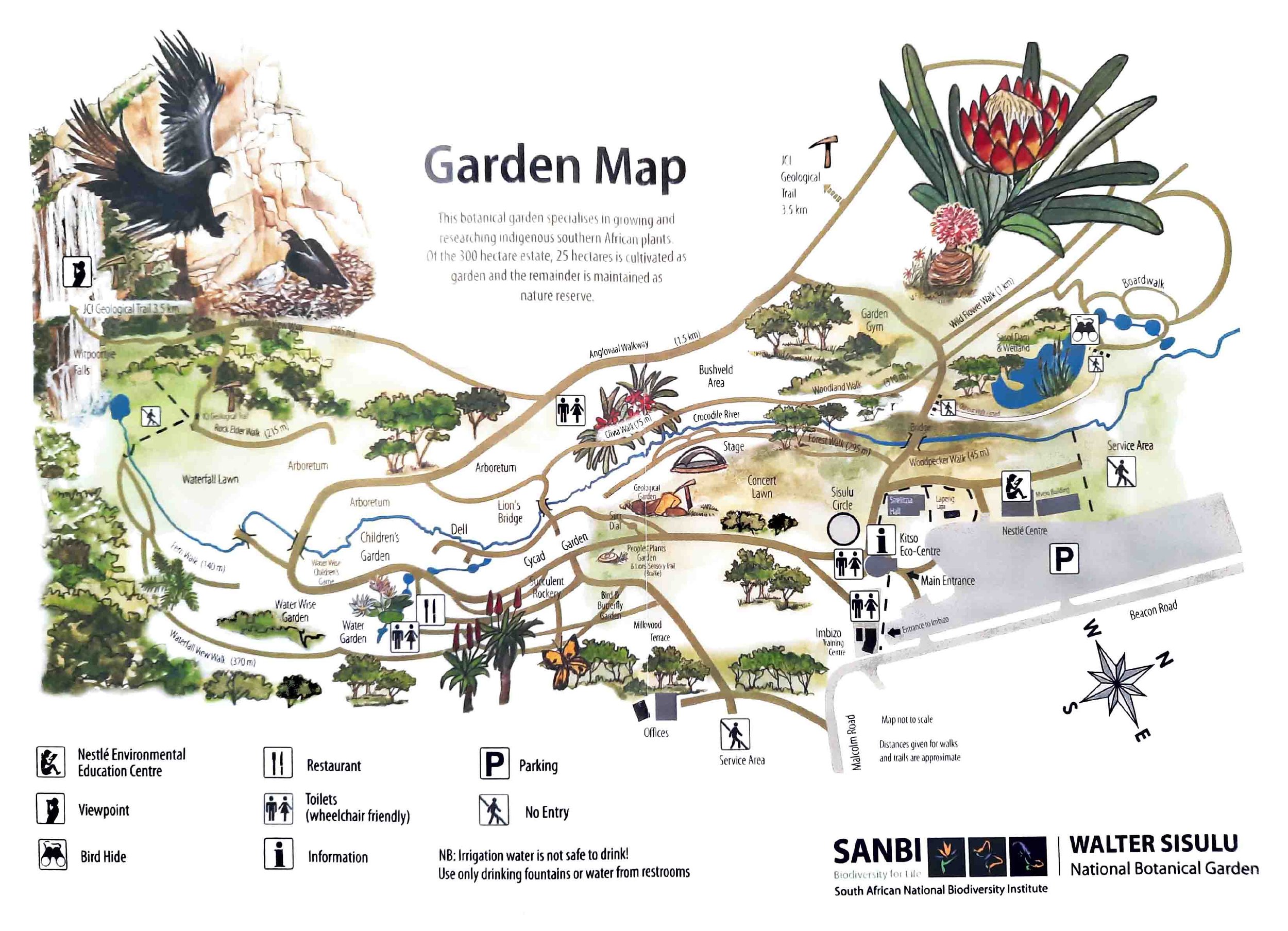
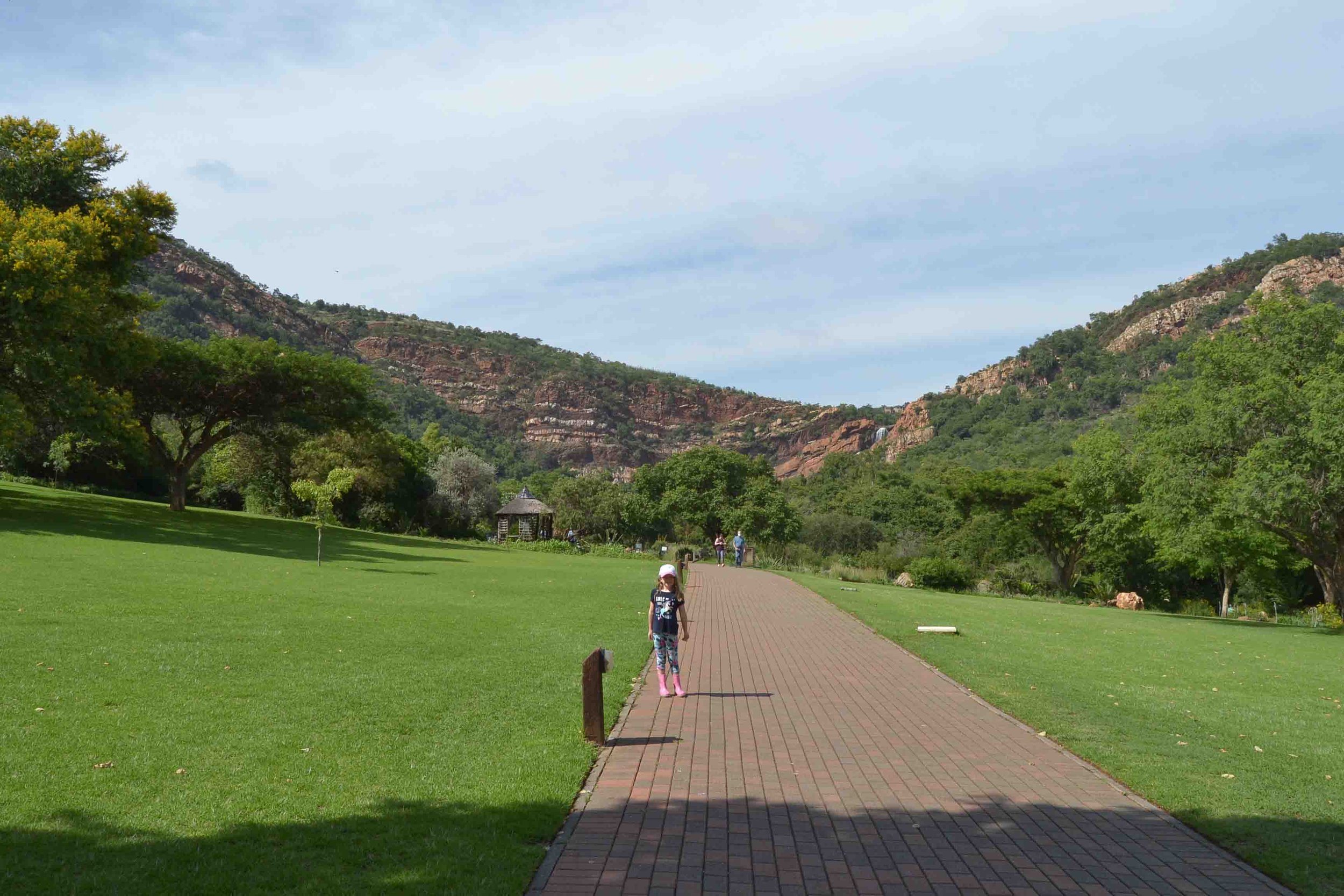
Walter Sisulu National Botanical Gardens (WSNBG), located in Roodepoort Johannesburg, is an incredibly beautiful garden filled with indigenous gardening inspiration. The nature reserve covers over 300 hectares and was established in 1982. While there are several hikes and trails through the reserve the 25 hectares that are cultivated as gardens gives one ample opportunity to explore this botanical beauty. A highlight of visiting this garden is the beautiful Witpoortjie Waterfall which cascades into a calm stream that meanders through the gardens.

History

In the later 1800s the nearest stop for people to visit the gardens was the railway station in Krugersdorp named Witpoortjie Railway Station, which is believed to be where the waterfall received its name. The gardens were first known as the Transvaal National Botanic Garden and could only be visited by special arrangement. In 1987 it was opened to the public daily as the Witwatersrand National Botanical Garden. In March 2004 it was renamed the Walter Sisulu National Botanical Garden in honour of the late ANC stalwart Mr Walter Sisulu (1912-2003). Walter Sisulu is best known for leading the struggle for a democratic South Africa together with former president Nelson Mandela. (SANBI)

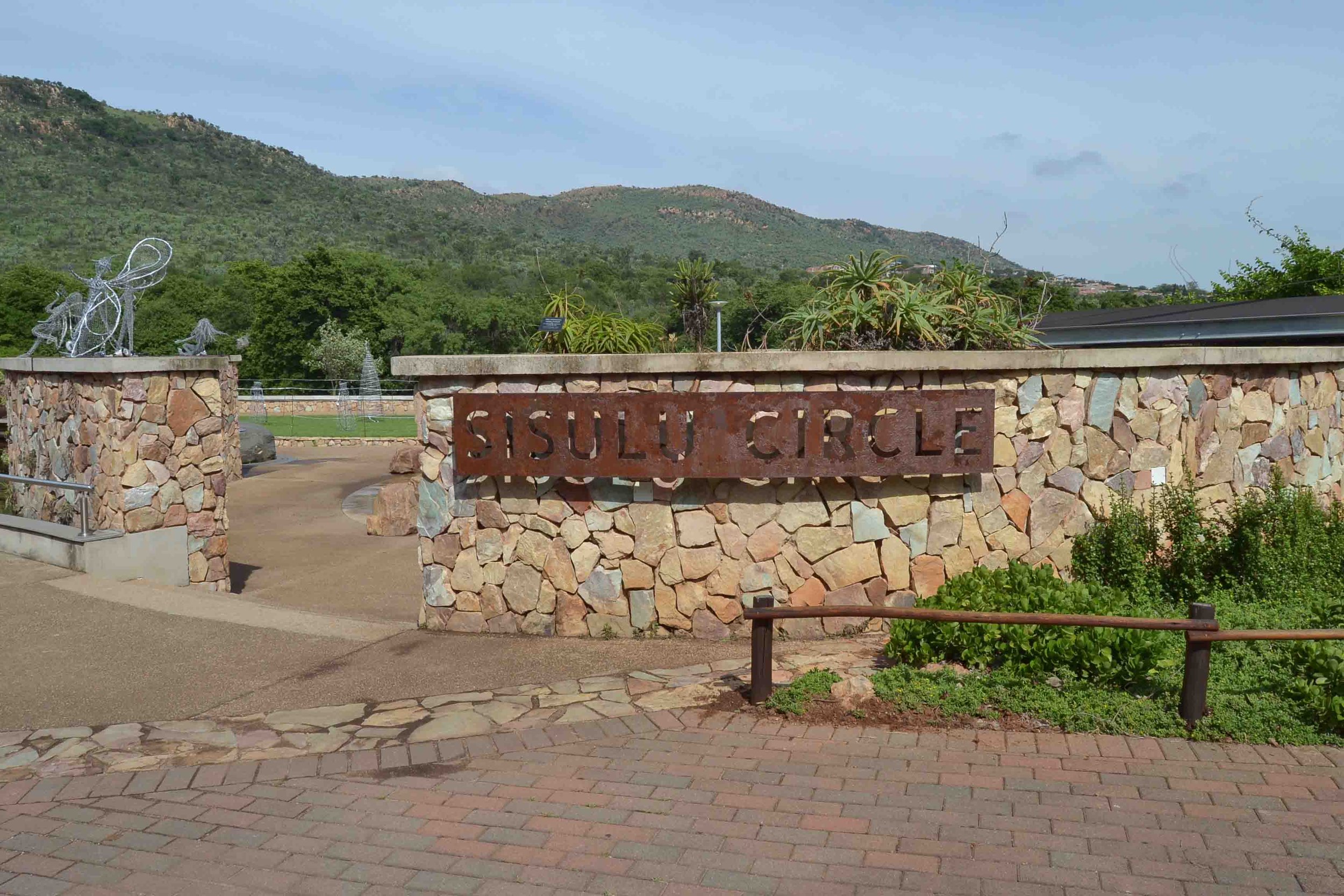
Upon entering the WSNBG one is welcomed by circular stone clad walls surrounding a water feature and statue of Walter Sisulu. We visited in December when they had festive light displays and you could visit the garden in the evening to see the Christmas lights. They often have other events and festivals which are popular and well attended.

Gardens

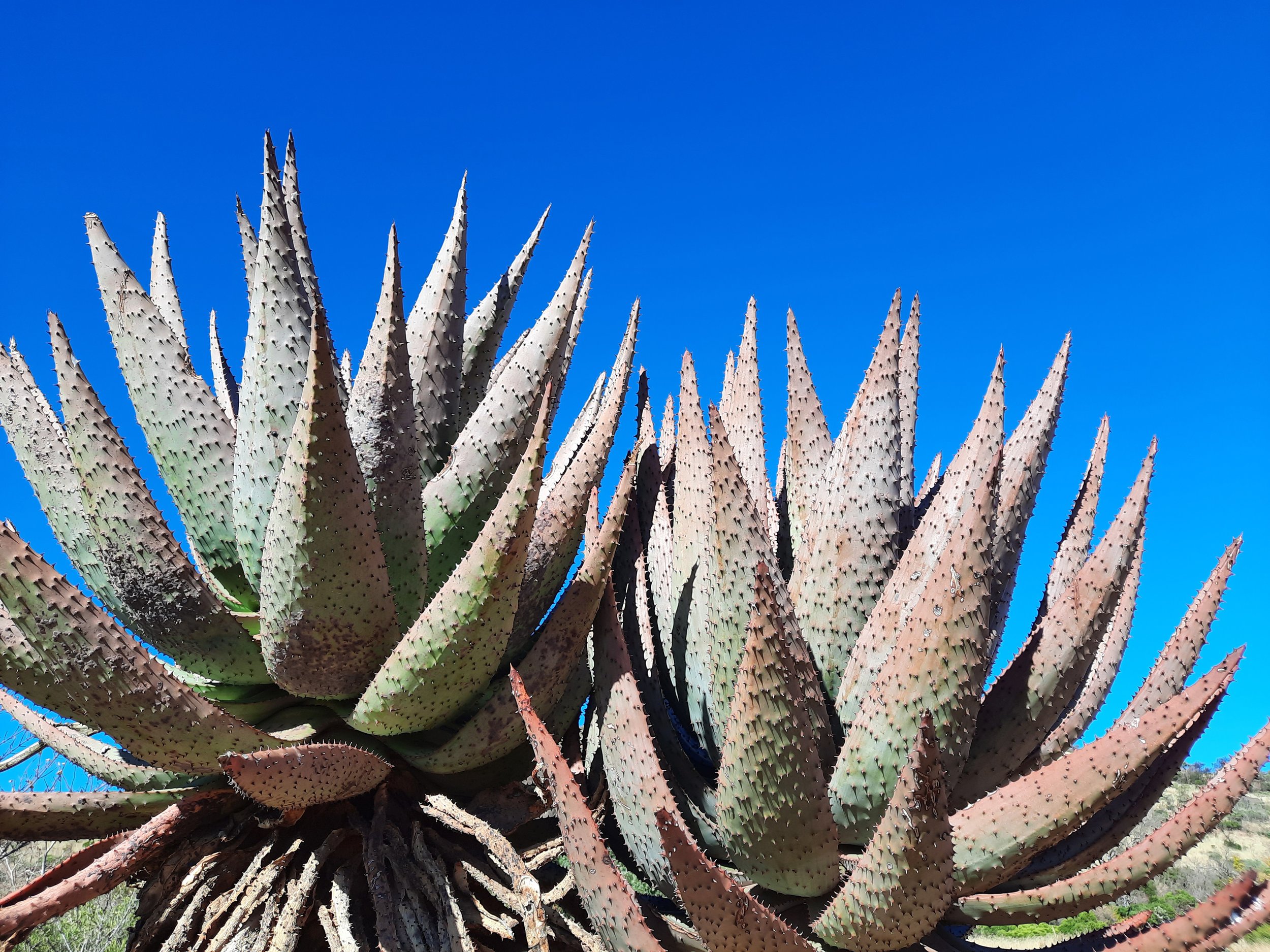
Following the path past the concert lawn you will be enticed to explore several planted areas off the main path including the Geological Garden, People’s Plants Garden and the Succulent Rockery. The Geological Garden has some interesting and beautiful rocks on display. In the Succulent Rockery you will find many different types of succulents. with stone pathways meandering its way through. Throughout the garden there are information boards with explanations to learn from. The Waterwise Garden also has educational information on how to conserve water in your garden.

Restaurant

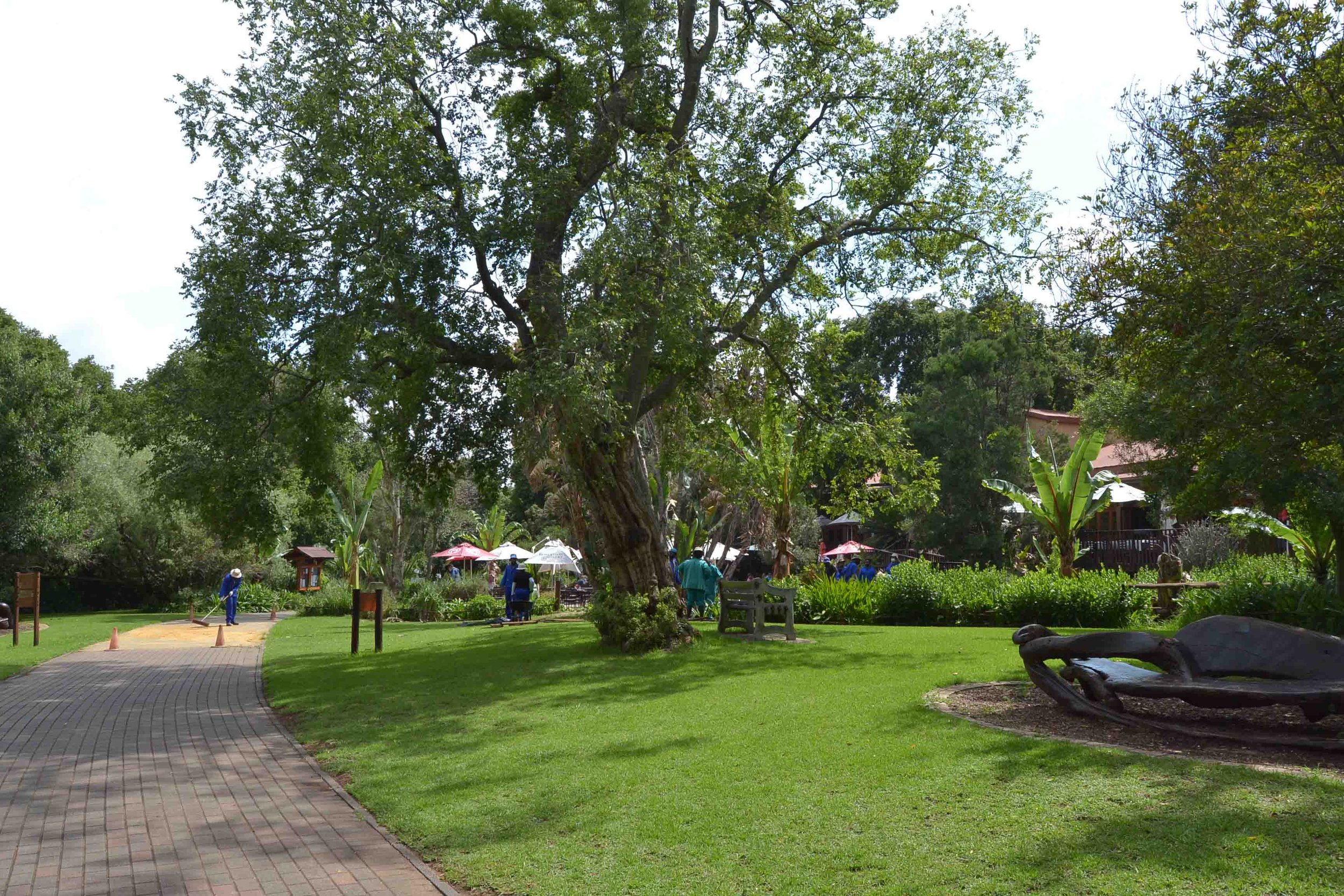
If you continue on the main path you will arrive at the restaurant on your left and children’s play area on your right and if you carry on further you will reach the waterfall area. The restaurant has a tea garden where you can sit and relax and this venue can also be hired for functions. This is a lovely place for a picnic below the large trees.

Restaurant

Children’s Playground

Waterfall

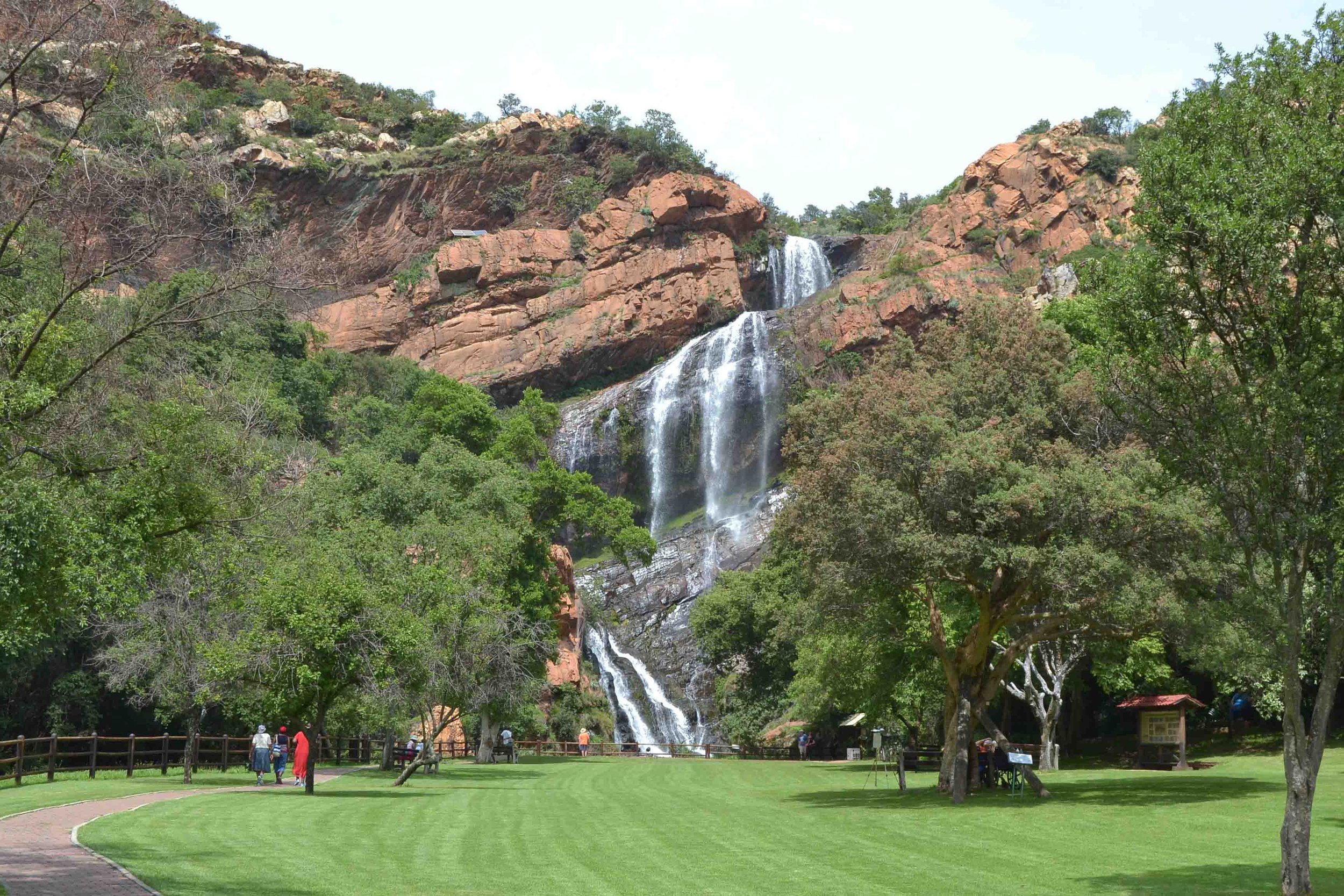
The Witpoortjie Waterfall is a natural waterfall fed by springs upstream and is 70m high. It is regarded as the source of the Crocodile River which flows into Hartebeespoort Dam. Picnicking on the lawn at the waterfall is not allowed because of the high foot traffic in this area. A remarkable Olinia emarginata (Mountain Hard Pear) is in the centre of the lawn and although struck by lightning several years ago it is still alive and being supported to prevent it from falling over.

Birdlife

Over 240 bird species have been recorded in the gardens and it is a renowned breeding spot for Verreaux's Eagles (formerly known as Black Eagles) and popular with birding enthusiasts. The bird list can be requested from sisulugarden@sanbi.org.za

Vegetation

The Garden consists of three main natural vegetation types: Northern Afrotemperate Forest, Egoli Granite Grassland and Gold Reef Mountain Bushveld. This variety of habitats includes over 600 naturally occurring plant species. There are incredible specimens of trees throughout the garden and some impressive examples of Celtis africana and Combretum erythrophyllum can be seen along the Forest Walk that follows the Crocodile River running through the reserve.

If you are interested in indigenous gardening (and I hope you are!) then you will not leave this garden without learning something new or seeing something inspiring. There is always something new to discover.

Visiting the Gardens

The garden is open every day from 08h00 to 17h00.

Remember that there are no bins and you need to take everything that you bring home with you again and No Cash Payments are accepted.

Read more about other Botanical Gardens:

SANBI Website - Walter Sisulu - SANBI

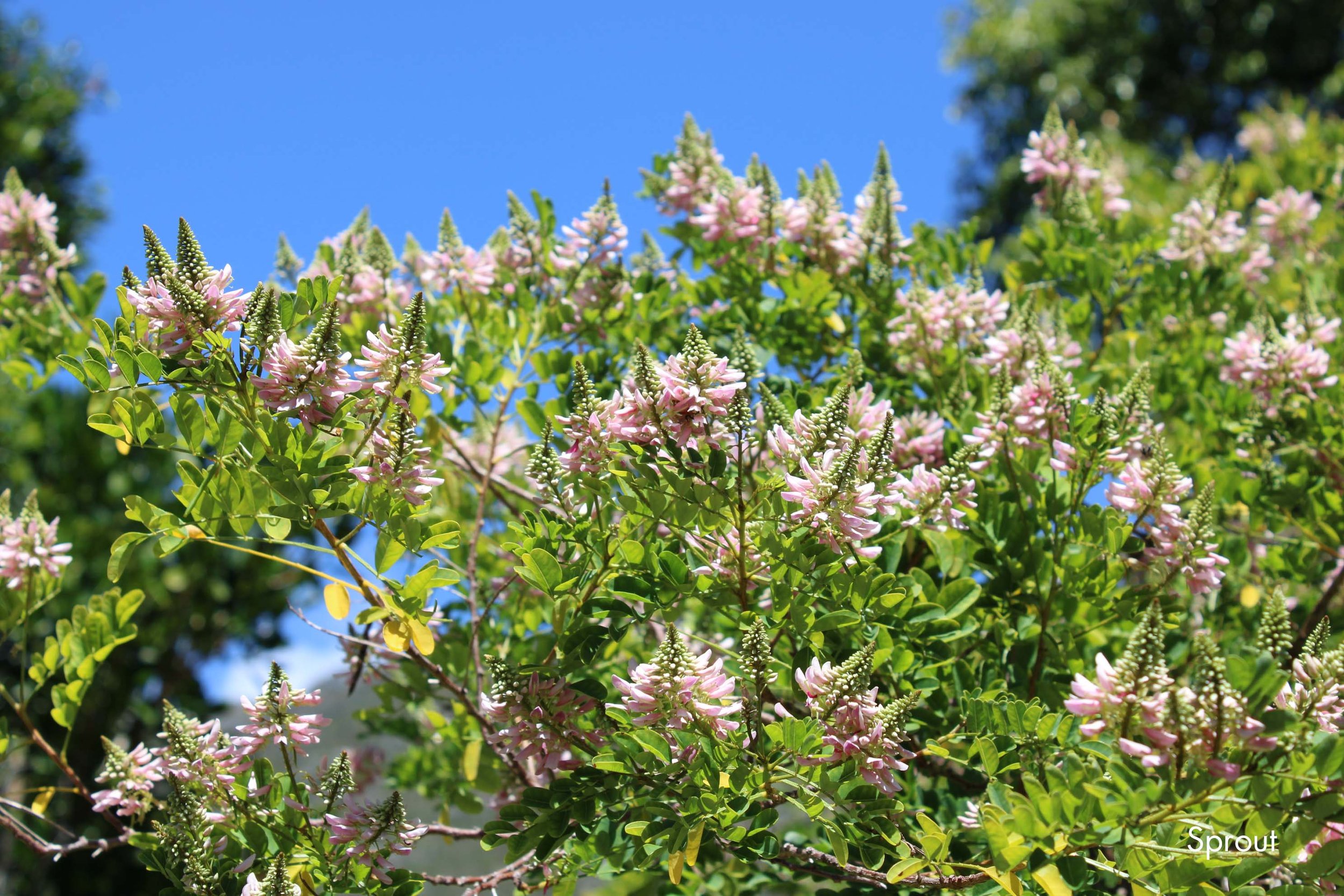
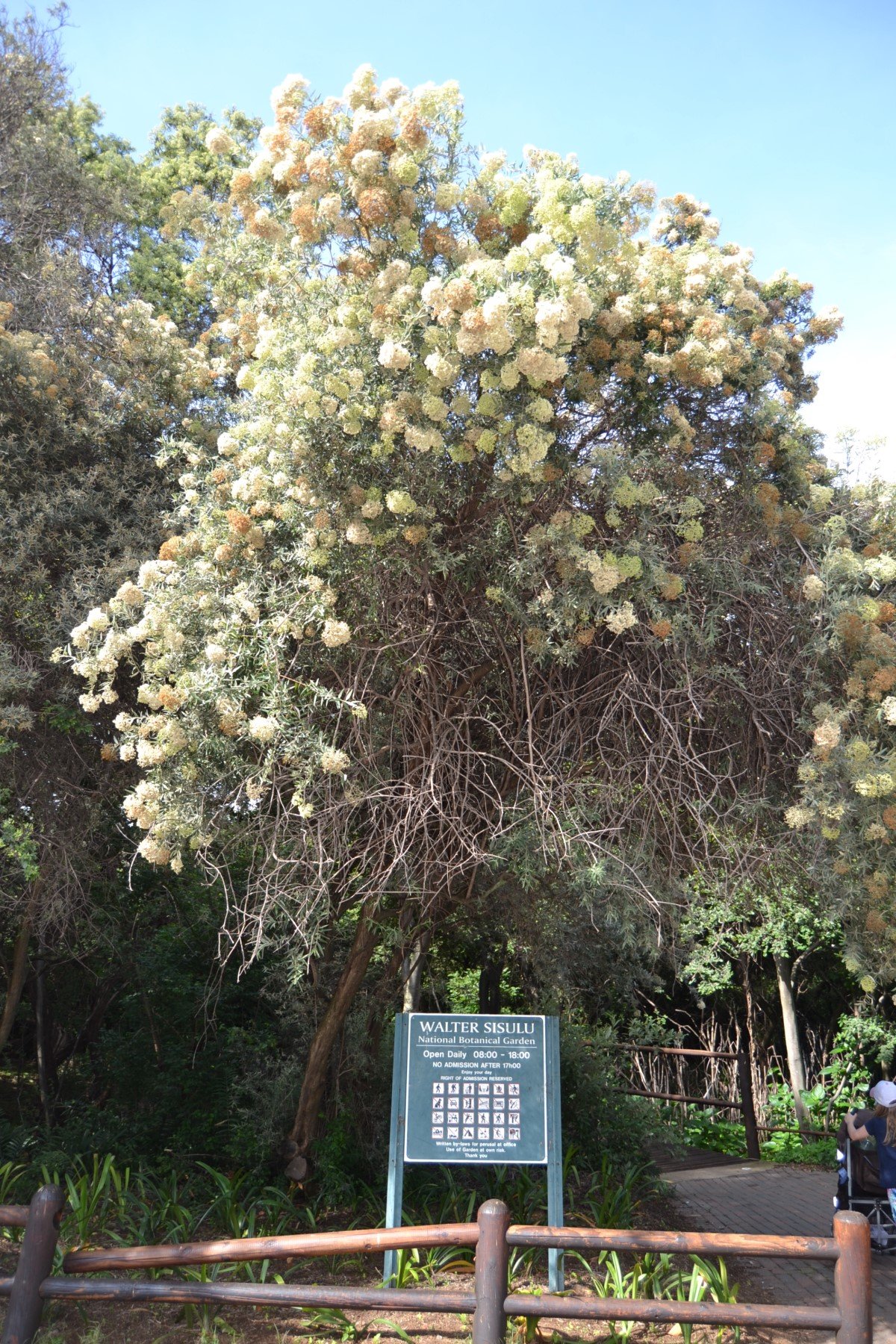
Beautiful Buddleja saligna (False Olive) in flower

5 Outdoor Nature Activities to do with Kids in Cape Town

371.JPG

Spending time outdoors is healthy, fun and educational and in Cape Town you are spoilt for choice when it comes to outdoor nature activities. With kids there are some limitations to where you can go and how much you can do so it’s always good to know which activities are good options to choose from. We visited in April for a few days and decided on these things according to the time we had available and close proximity to our accommodation so that we could come home to re-energize between outings. Thanks to our local guide Juli for all the tips and insights!

cape town map.jpg
  1. Table Mountain

A visit to the top of this beautiful and iconic landmark by CableCar is exciting and memorable (or if your kids are older and fitter you could hike up to the top). It is advisable to check the weather forecast beforehand and remember that afternoon rates are lower than morning rates. If you present your South African ID to show it is your birthday month you get free entry. Once at the top you can buy a drink from the restaurant and enjoy the scenery or a walk along the various trails on offer. See Table Mountain’s official website.

359.JPG
360.JPG
There are lots of signage and information boards for you to learn from

There are lots of signage and information boards for you to learn from

2. Walk along the Promenade

This broad walkway runs along the coastline at Seapoint and is a popular outdoor space for people to exercise, do yoga, picnic, or walk their dogs. There is a lot to see and it makes for a lovely afternoon outing. There are several restaurants along the route and places to stop and enjoy the view. If you are not up for walking there is the fun option of renting bikes.

385.JPG

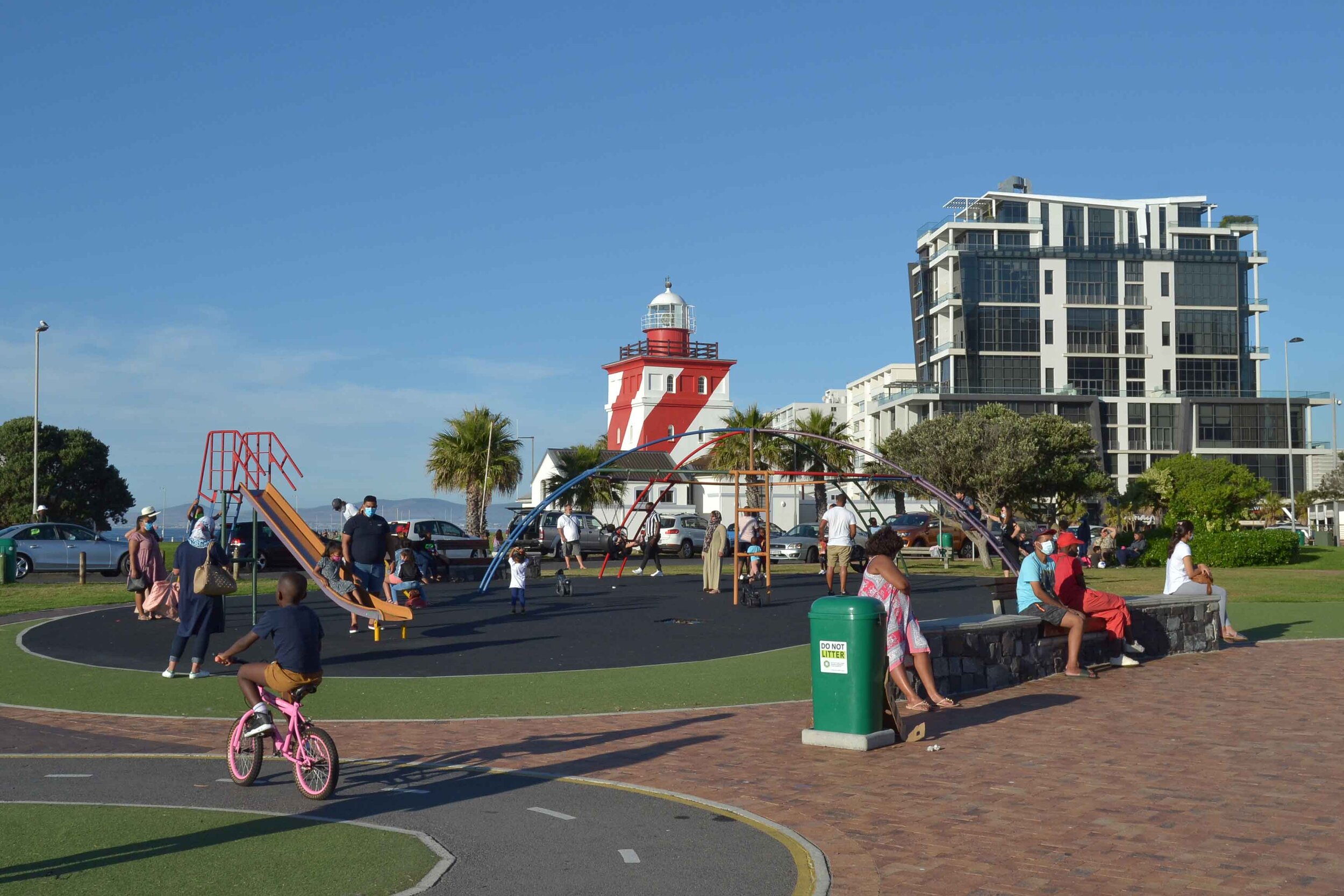
The Mouille Point Park, located along the Promenade next to the Mouille Point Lighthouse, is a great playground with a variety of play equipment and the most beautiful setting of the sea and Lion’s Head behind.

375.JPG

3. Green Point Park

We made sure to park in Park Road near an entrance to Green Point Park so that we could get ice-cream from the amazing Creamery Cafe in Mouille Point (we even went back the next day!). Green Point Park has several biodiversity and educational gardens as well as age appropriate playgrounds that are well maintained and well used by residents of the City of Cape Town. The park is beautifully laid out (it was designed by OvP Landscape Architects) and has a series of scenic waterways that are filled with birds and pathways that highlight the surrounding scenery of Stadium, Lion’s Head and Mouille Point Lighthouse.

398.JPG

4. The Beach

Yes, this one had to be on the list! Kids love the sand and sea (even if it is freezing cold) and there are several options to choose from. We went to Glen Beach, Camps Bay Beach and Camps Bay Tidal Pool. Llandadno is a bit more of a drive but more sheltered if weather isn’t the best.

20210417_105406.jpg

5. Signal Hill

Watching the sunset from this vantage point is a beautiful way to end the day. You can drive relatively close to the picnic area so it not a far walk (depending on how busy and how many cars are parked along the road). Take a blanket with drinks and snacks and enjoy the amazing view over the ocean and Robben Island. Remind your children of the sacrifices people made to live in a free and democratic South Africa and how we continue to live with hope for a better future despite the challenges we face.

20210418_180809.jpg

We weren’t able to visit Kirstenbosch National Botanical Garden, but this will definitely be on our list for the next time we visit!

Melville Koppies

melville.jpeg

Like many people who have lived in Johannesburg for many years (some even their whole lives!) I had never visited the nature reserve in the heart of Johannesburg.

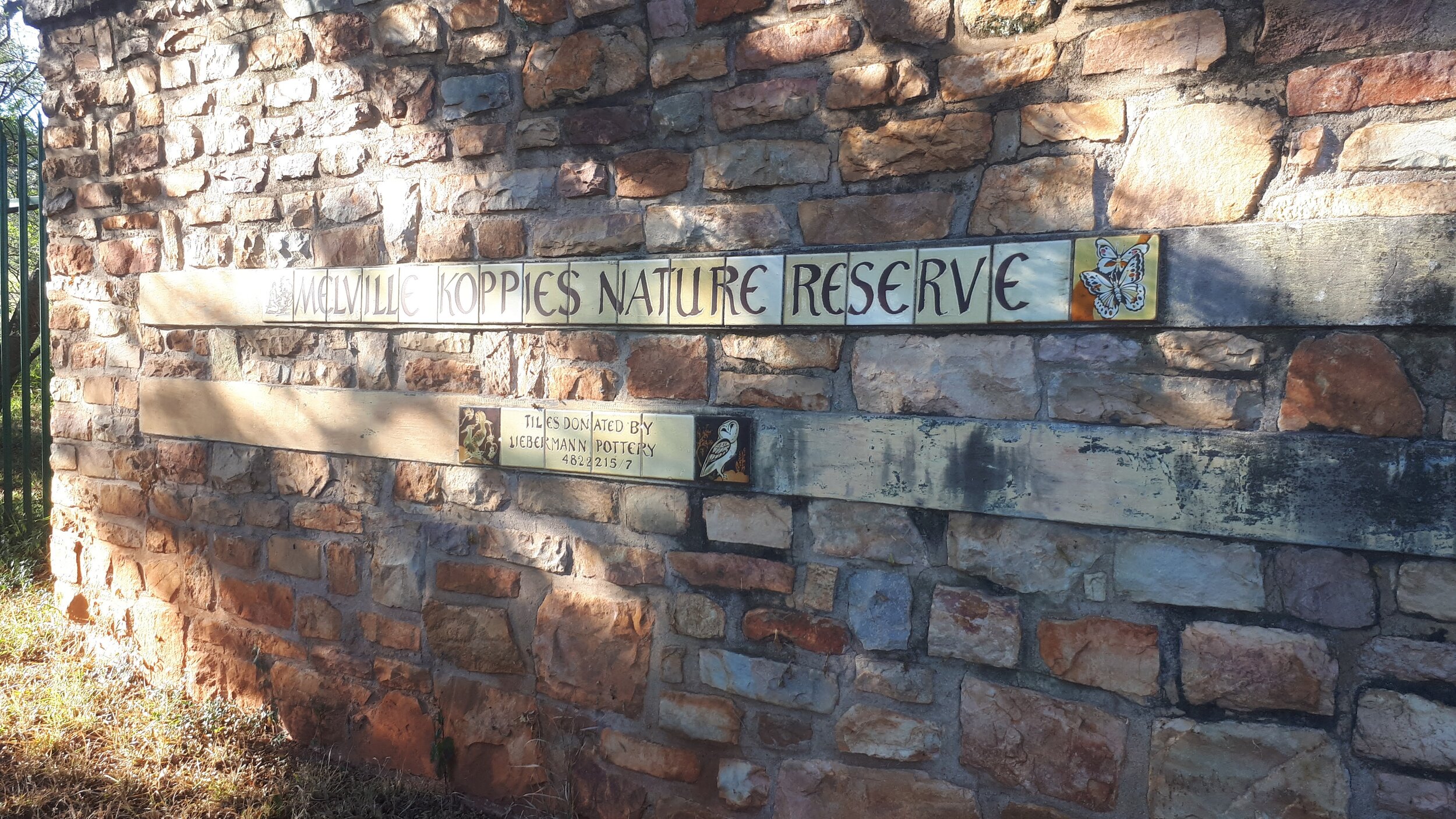
I had heard so much about it - the beautiful views, the amazing birdlife (over 200 spp), the incredible flora and the rich history that this nature reserve held so I was so excited to finally visit it. I met with a group of friends in the Marks Park Sport Club parking lot off Judith Road and we crossed carefully to enter the Main Gates framed by stone walls.

The reserve has recently changed its opening times to every Sunday morning from 8 to 11.30am. Visitors are welcomed on arrival by volunteers and given a map so that they can explore the trails at their own pace. The cost is R80 per adult and R40 per child and all proceeds are used towards the maintenance of the Park. Guided tours for small groups can be arranged.

The Central section was proclaimed a nature reserve in 1959 and is a declared national heritage site. The 50ha area can be explored through pathways and there are information boards detailing the heritage and history of the area as well as the fauna and flora to be found there.

20210411_080930.jpg

The reserve is made up of three sections namely Melville Koppies Central, Melville Koppies East and Melville Koppies West. The East and West sections are open public space and access is not controlled. The East side is only 10ha in size and is frequented by dog walkers while the West section is 100ha large and borders the Westpark Cemetery. There are security issues here so it is advisable to only hike in groups with security. I was surprised to see security guards actively patrolling the nature reserve (Central) when we visited on Sunday and this really added to a sense of safety which is always a concern when visiting public spaces in Johannesburg.

Map from the Melville Koppies Website (www.mk.org.za/mkcal.htm)

Map from the Melville Koppies Website (www.mk.org.za/mkcal.htm)

Map of Melville Koppies Central Walking Paths

Map of Melville Koppies Central Walking Paths

More information on the geology of the reserve can be found on their website www.mk.org.za

More information on the geology of the reserve can be found on their website www.mk.org.za

Vegetation

The vegetation of the Koppies is entirely indigenous and is a remarkable example of the richness of highveld grasses, flowers, and trees so close to a city centre. The variety of the flora can be seen in the 500 identified species within the eight undisturbed plant communities that have been identified. There are also 56 species of grass recorded and the dominant trees include Acacia robusta, Acacia caffra, Euclea crispa (Blue Guarri), Celtis africana (White Stinkwood), Brachylaena rotundata and (Mountain Silver-oak). The Protea caffra and Mundelea sericea (Corkbush) were also lovely to see.

Along the western boundary where the Westdene Spruit flows a beautiful riverine forest can be found with large Celtis africana (White Stinkwood), Combretum erythrophyllum (River Bushwillows), Olea europea (Wild Olive), and Kiggelaria africana (Wild Peach). The trees were planted in the 1960s to show people how beautiful our indigenous trees are. This part of the reserve is known as the Arboretum and was a highlight for me - the flowing water is calming and the trees beautiful and shady.

20210411_090134.jpg

Water

This stream, the Westdene Spruit, is one of the many streams flowing north from the Witwatersrand watershed. Among them are the Braamfontein Spruit and the Jukskei, and they all eventually join the Limpopo River, which enters the Indian Ocean at Xai-Xai in Mozambique.

History

Melville Koppies carries evidence of ancient hunter-gatherers, early farmers as well as the first iron-age miners of the Witwatersrand. In 1989 Professor R J Mason published a "Guide to Archaeology Sites: Johannesburg". The purpose of the paper was as much to inform and educate the public as to make a plea for greater awareness of the heritage we are losing.

He identified seven archaeological sites on what we call Melville Koppies Central: African Iron Furnace Models; A second Tswana Iron Furnace; Tswana hut floor and pottery - 300 years old; 1880s gold prospecting; 1900s gun emplacement and Early 1900s quarries. There are information boards and examples of some of the tools and implements on display at the lecture hall.

The fascinating history of how the original Braamfontein farm passed to Louw Geldenhuis during the gold rush in 1886 and how the northern suburbs evolved out of this can also be viewed on an information board at the lecture hall.

pano.jpg

Volunteers

The nature reserve would not be what it is today without the involvement of passionate and dedicated volunteers. The Melville Koppies Management Committee works hard to maintain the paths, control alien invasive vegetation, pick up litter and control illegal access to maintain the reserve on an ongoing basis. They also are always looking for ways to raise money for the reserve so that the salaries of the staff they employ can be paid as well as the additional security they hire.

Richard Hall devoted over 25 years to the maintenance of Melville Koppies and together with David Mpilo, a Council worker they tackled projects of cleaning, weeding and restoring the reserve. Wendy Carstens began to work with Richard Hall from 1997 and is still actively involved today. She received the honorary Ellen Kuzwayo award from the University of Johannesburg for ‘Her commitment to conservation and tourism at Melville Koppies’.

How can you help

You can help firstly by visiting (have you?) and also by making donations to Melville Koppies (bank details on their website) or by registering them as a MySchoolMyVillageMyPlanet beneficiary.

Contact Wendy Carstens wendavid@mweb.co.za for further information. www.mk.org.za

We loved our time spent at Melville Koppies and will definitely be back again! Thank you to all those involved in the upkeep and running of this historical and ecological gem.

Modderfontein Bird and Sculpture Park

20210113_123031.jpg

One benefit of the slower start to the year was a exploring a few outdoor spaces I wouldn’t normally have visited. One such place is the Modderfontein Bird and Sculpture Park. If you don’t live nearby it is a bit of a drive but the name was intriguing and I wanted to discover it for myself.

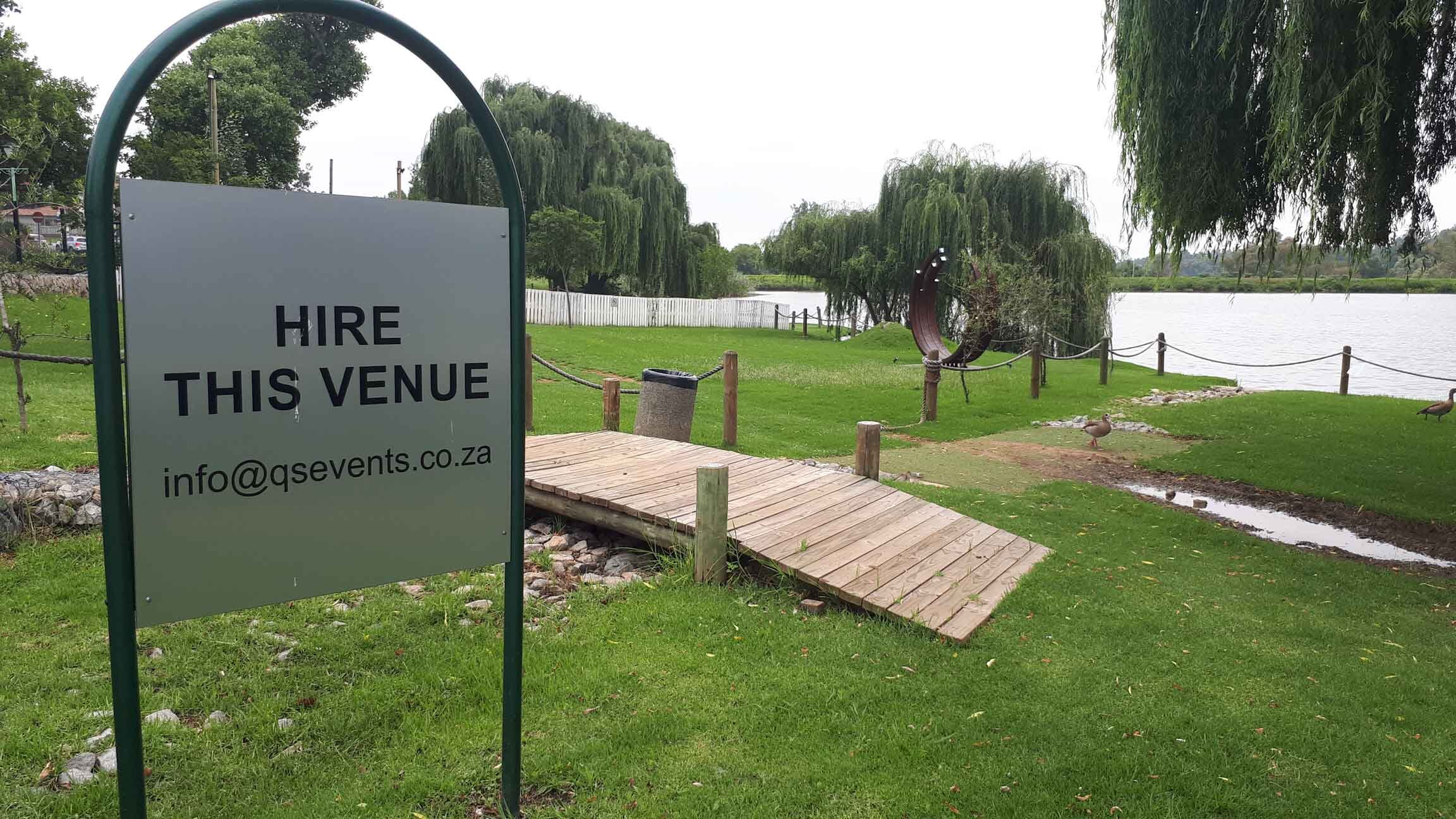
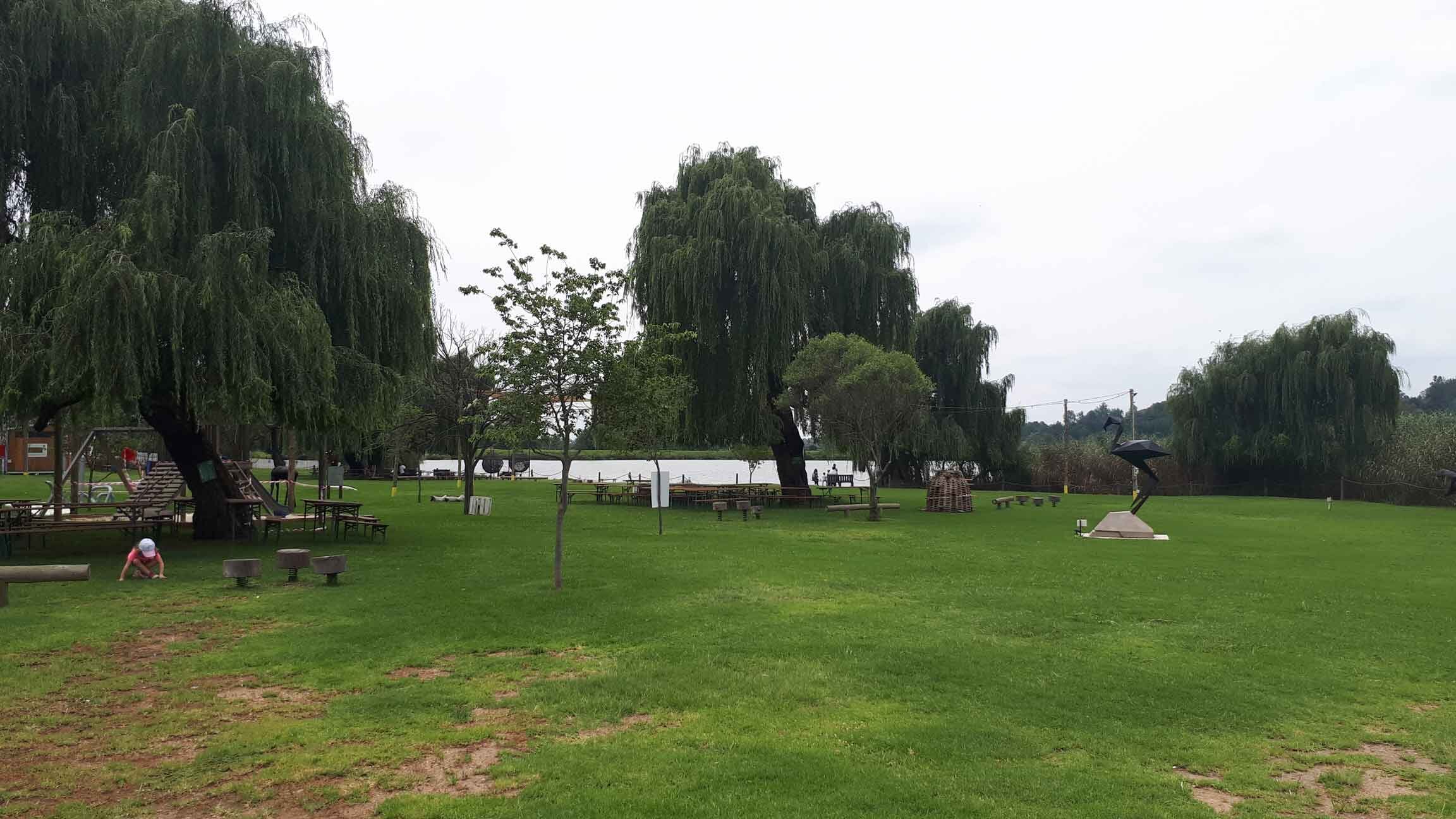
The Modderfontein Bird and Sculpture Park is a family picnic park in the heart of Modderfontein, opposite the Flamingo Shopping Centre on the banks of the Flamingo Dam.

This wetland park is maintained and serviced by Nevada Group, ensuring that the park is clean, secure and monitored at all times. The local community and visitors from all over Johannesburg enjoy visiting the park to connect with friends and family in a safe environment.

Resident flocks of flamingos, ducks, geese and more provide both a picturesque and educational environment.

DOGGY PARK

A new additional Doggy Park section has been added to the greater Bird & Sculpture Park where your pups can enjoy off-leash fun, obstacle courses and more.

(https://theflamingo.co.za/modderfontein-bird-sculpture-park/)

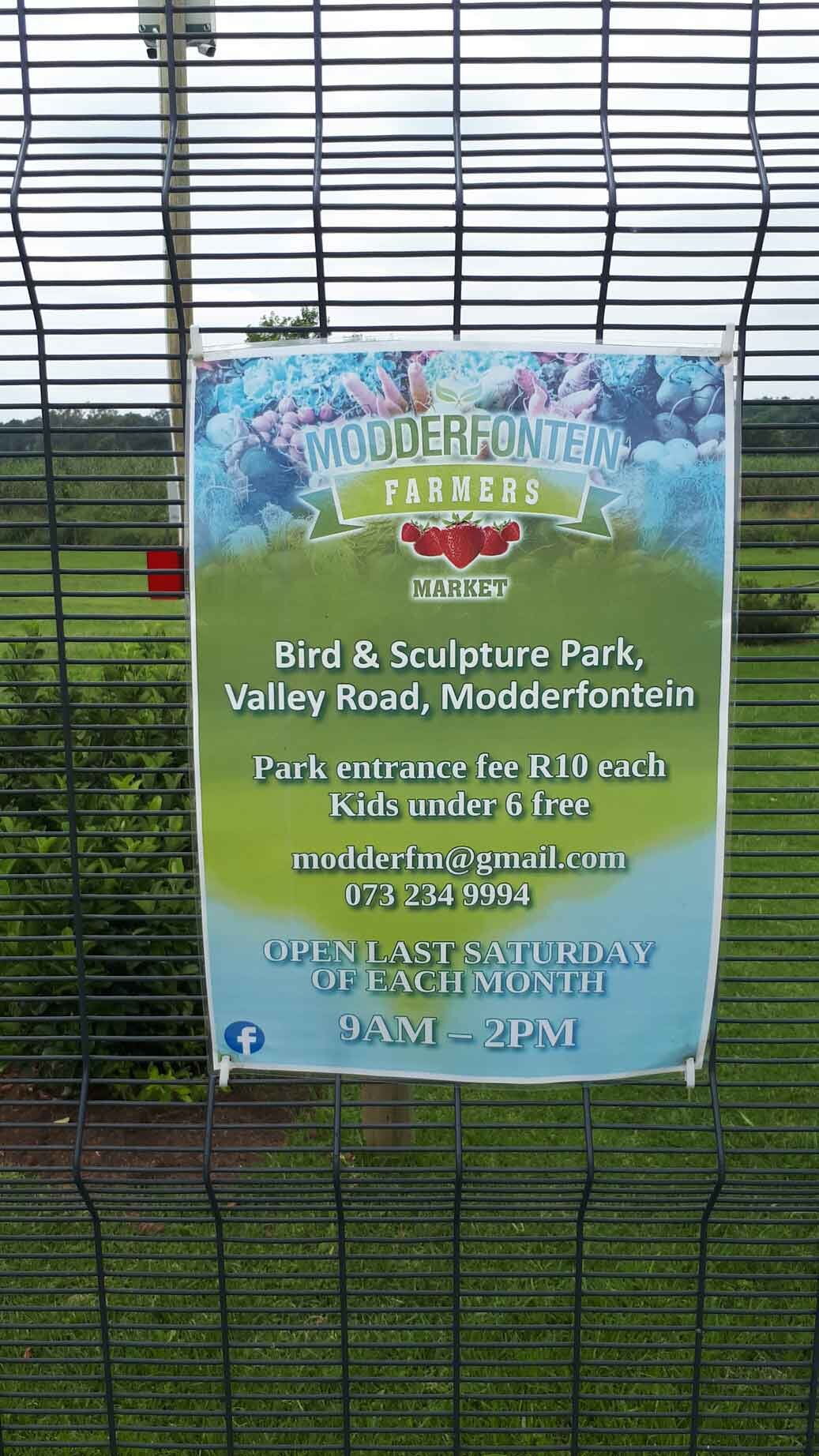
I was impressed by the private partnership of the neighbouring shopping centre. As well as the community engagement that is evident through small plaques indicating the name of the person who sponsored that tree. There is also a Farmer’s Market held in the park and opportunities for community participation.

tree planting plaque

The Park has a strong identity that is reinforced through the Flamingo logo used throughout as well as the sculpture of the Flamingo in the centre of the lawn.

20210113_122729.jpg

 There is a spacious parking lot opposite the church and at the entrance you pay a small fee which goes towards maintenance of the park. The venue, I can imagine during non-covid days must be a wonderful space when filled with people for functions, markets and celebrations. The facilities include new bathrooms in a container, seating spaces, small jungle gyms for children and some sculptures dotting the landscape.

20210113_122834.jpg
modderfontein sculpture park


I was however disappointed that you couldn’t walk all the way around the dam and for such a large green space only a small part of it is accessible. But certainly worth a visit if you are in the area and looking for a lovely spot to picnic.

Location:

Cnr Queens St & Valley Rd,

Modderfontein, 1609.

Some More Pics of the Park:

If you know of any beautiful green spaces in and around Johannesburg please let me know! I would love to visit them and write a post about them.

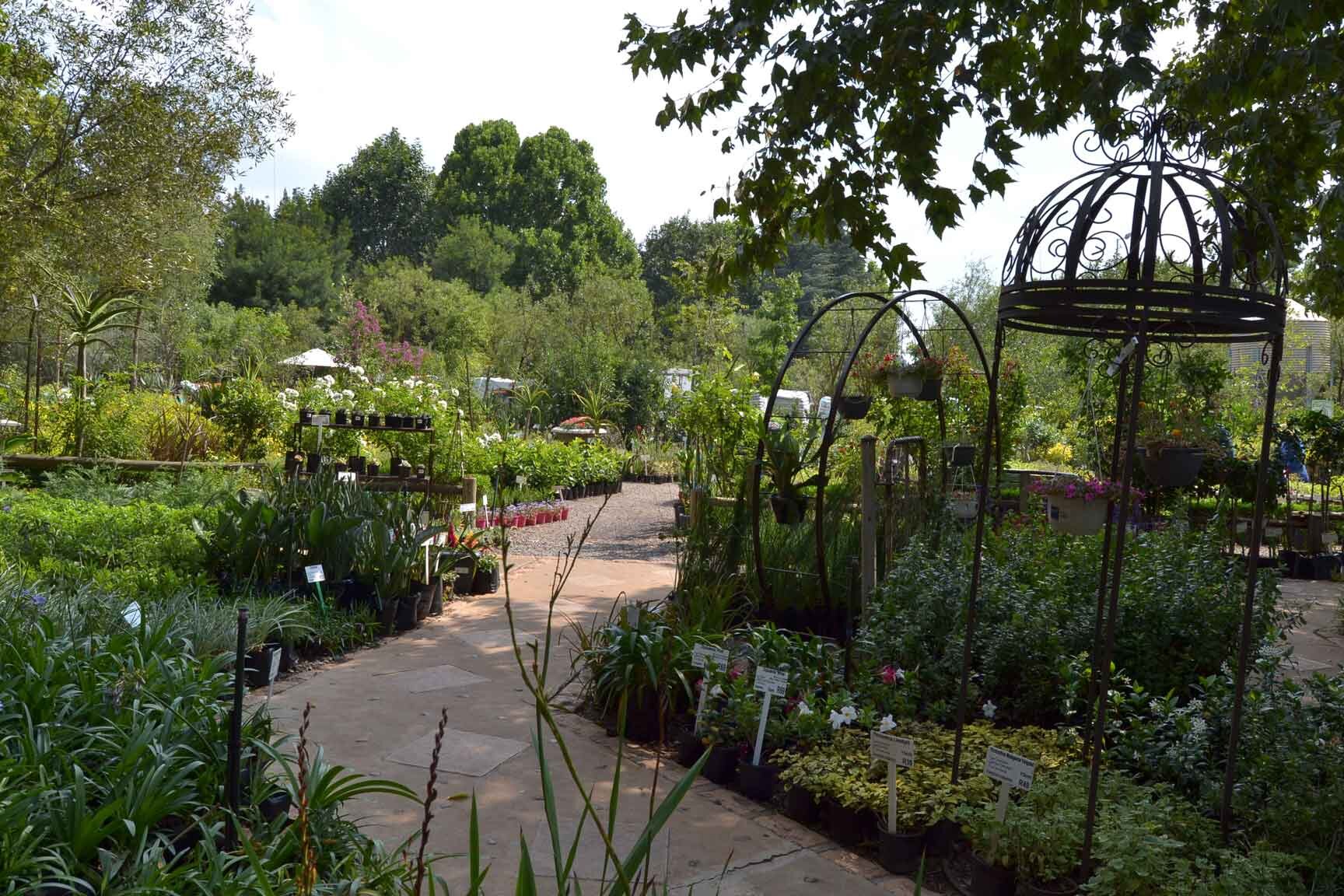
Willow Feather Farm, Nursery with Farmyard

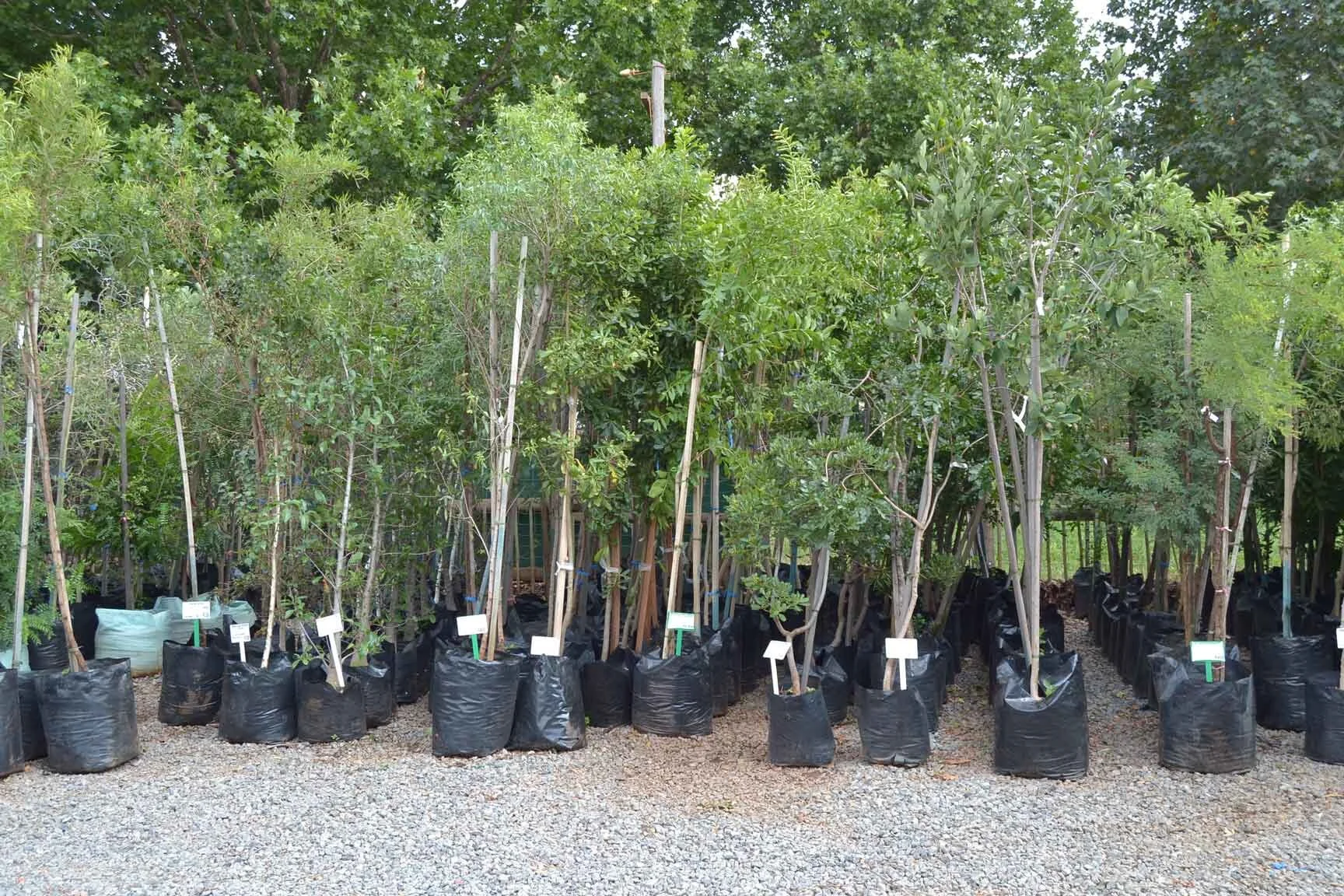
Willow Feather Farm is a nursery located in Irene Pretoria, near the Rietvlei Nature Reserve. It specialises in the growing and supply of frost hardy indigenous trees to the wholesale market. Their main lines of indigenous trees that they grow include: Wild Olive (Olea africana), River Bush Willow (Combretum erythrophyllum), Sweet Thorn (Acacia karoo), Karee (Rhus / Searsia Lancea), White Karee (Rhus / Searsia Pendulina) and White Stinkwood (Celtis africana). These are available in 20, 50, 100, 250 and 500 liter bags. Trees and plants can also be bought from their retail nursery and garden centre.

trees in nursery

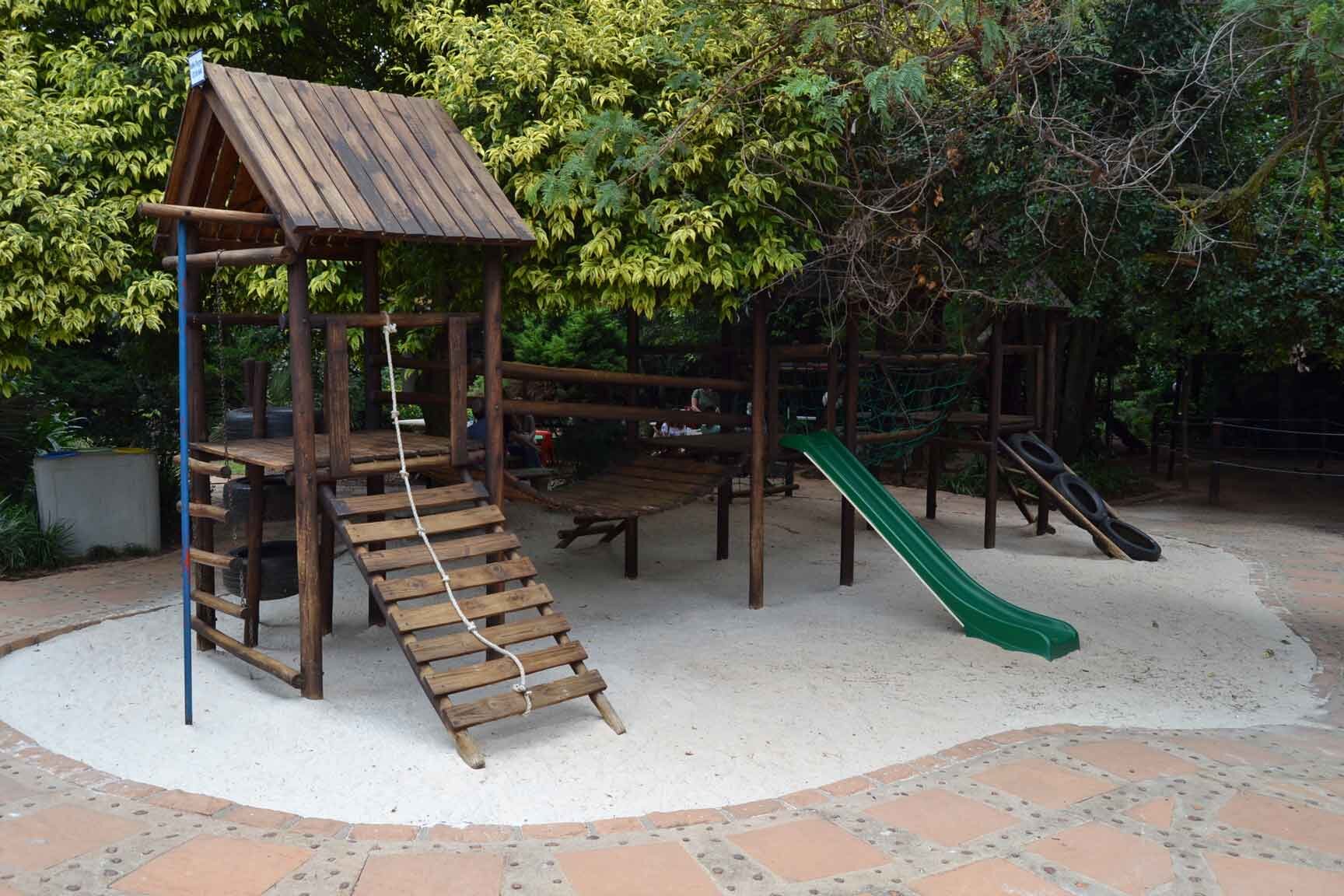
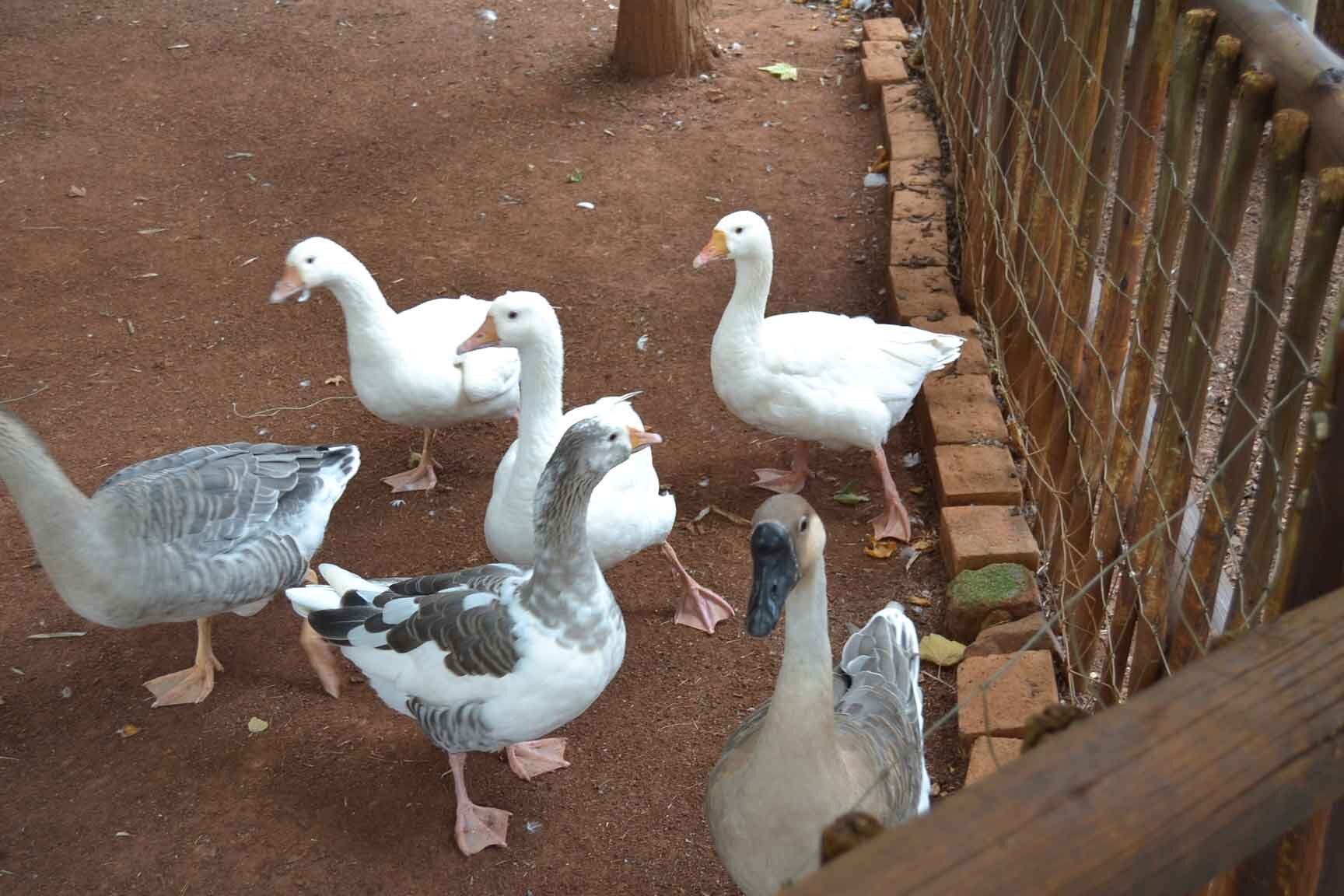
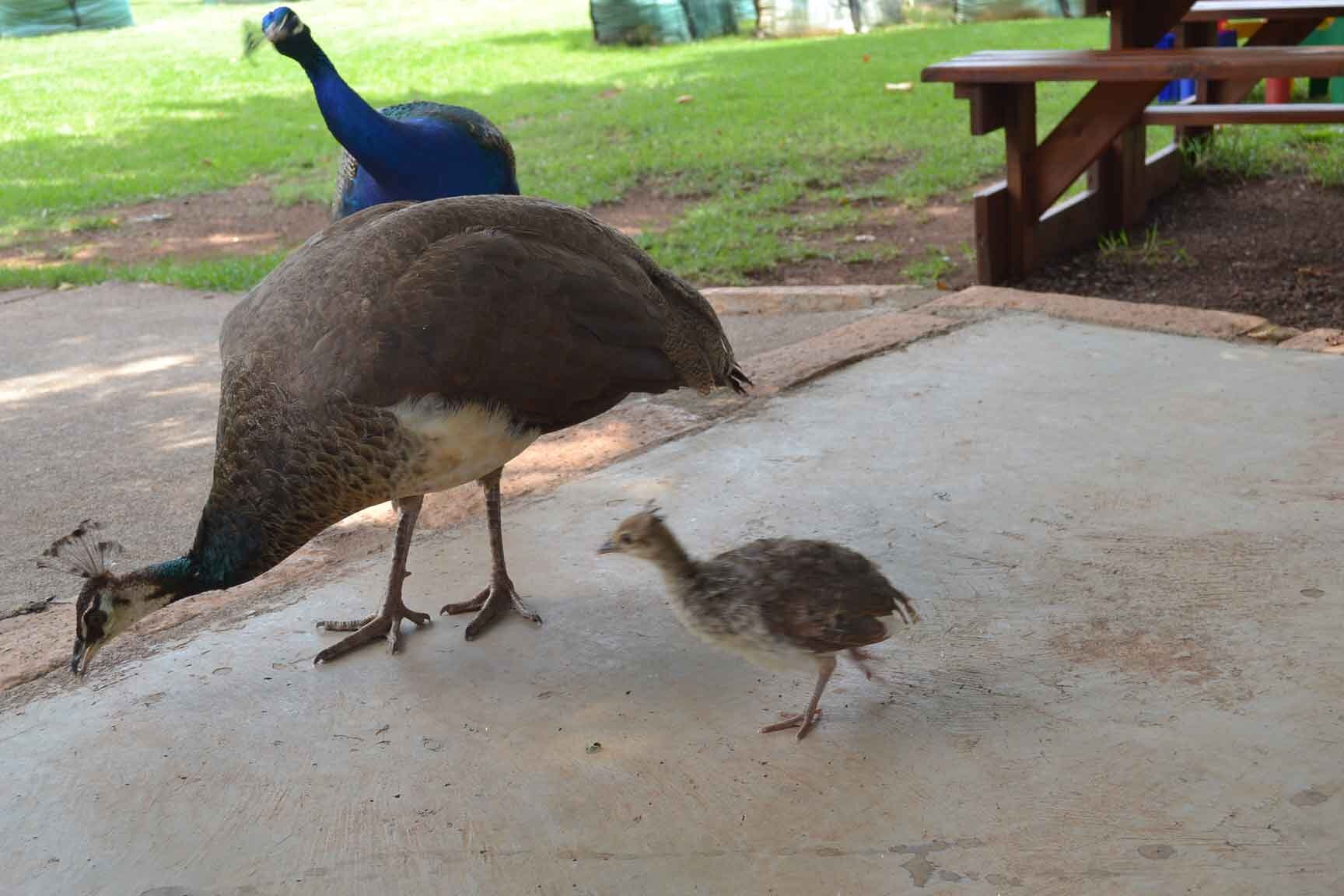
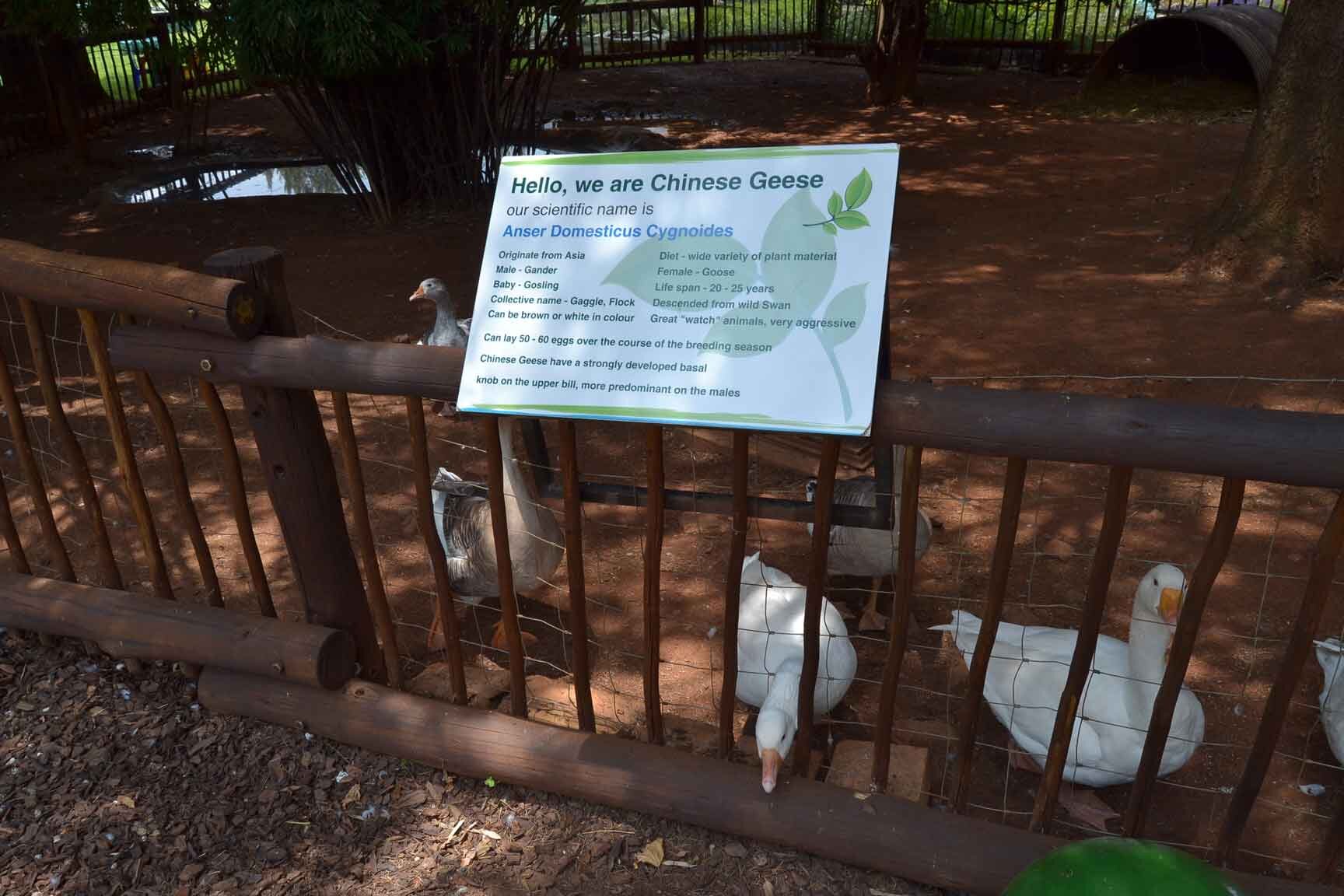
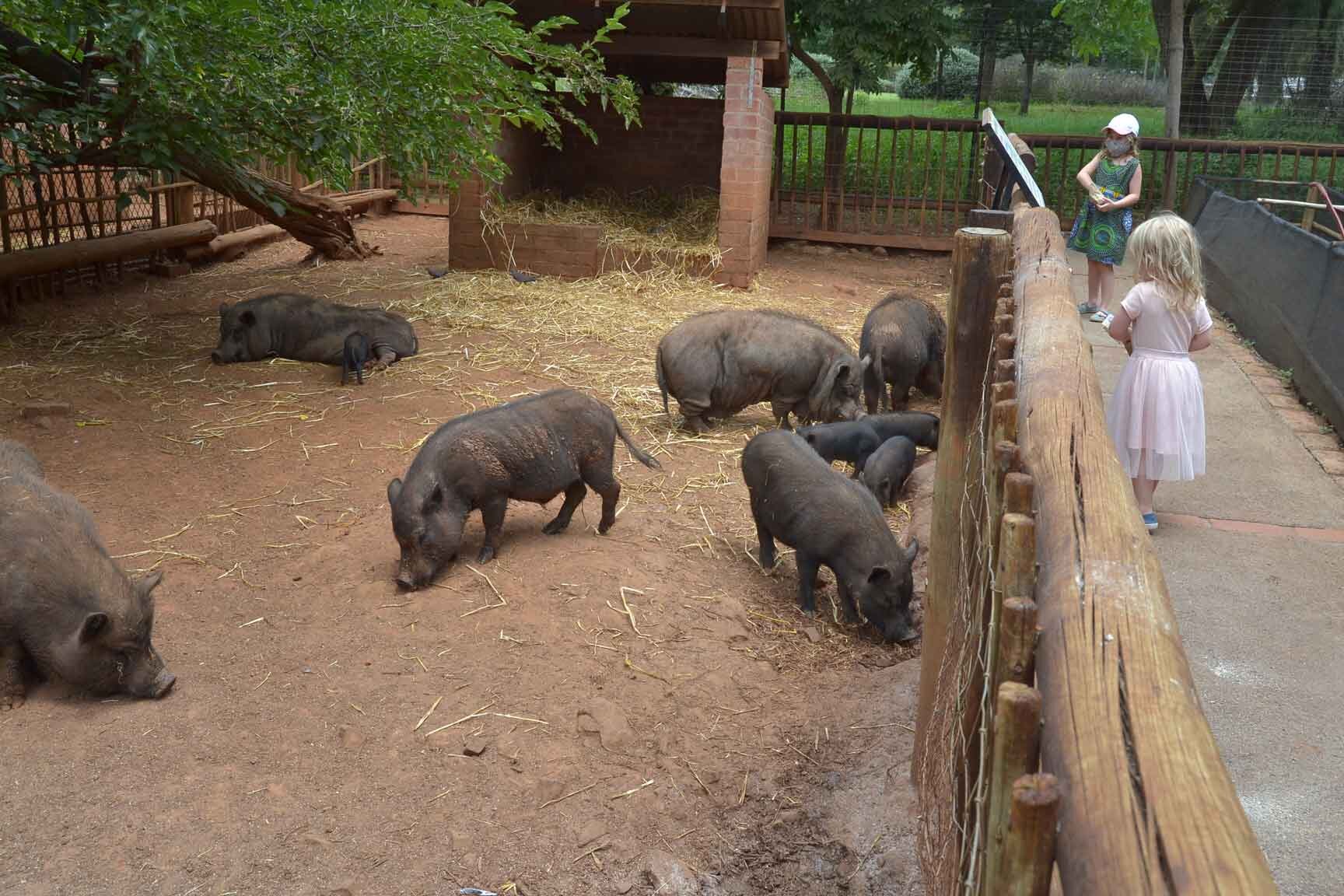
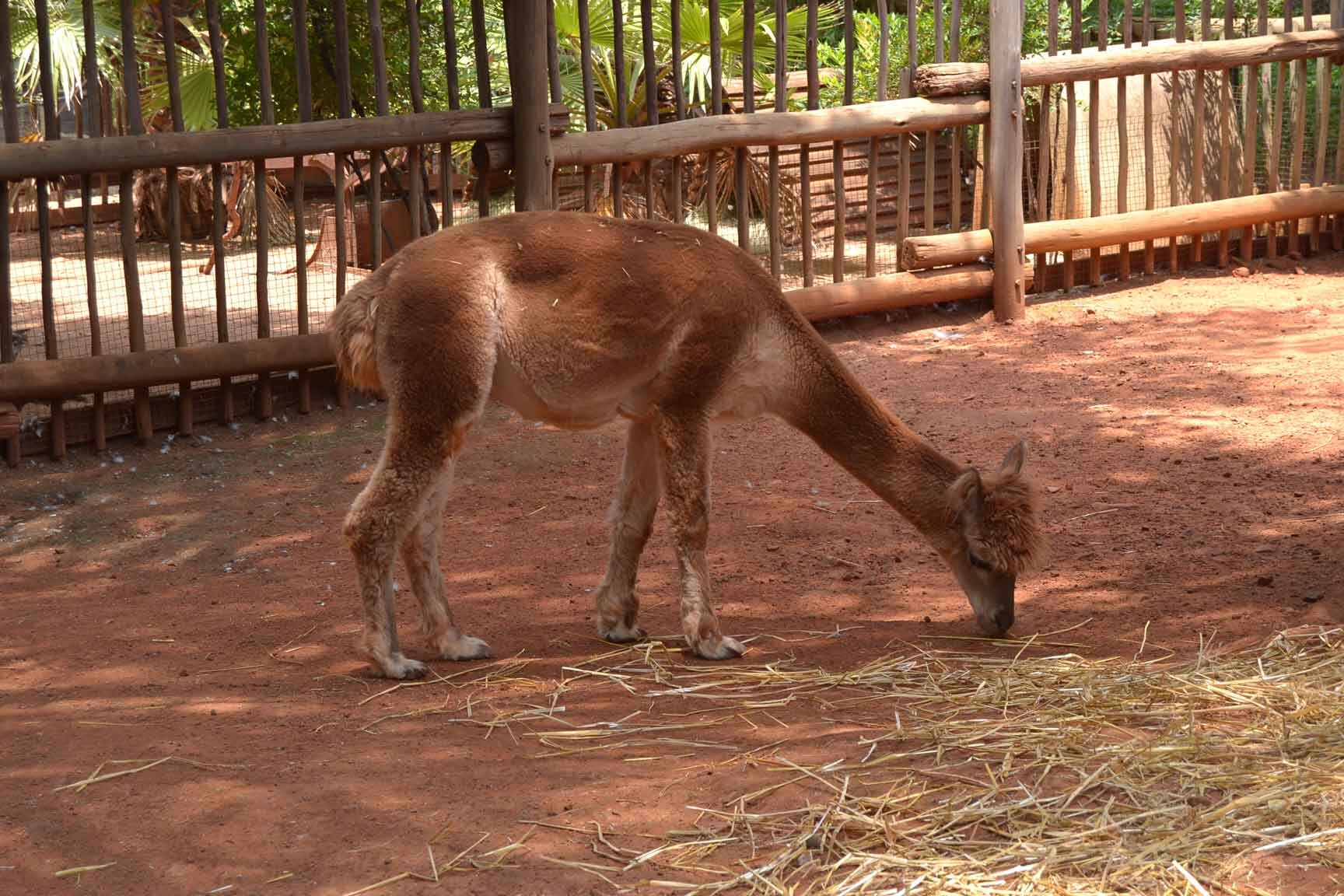
The first time I visited this nursery (actually every time I visit this nursery!) is not to look at their plants but rather to visit their farmyard and tea garden with my kids. This garden and farmyard is a haven for children because there are not only animals to see and feed but also several jungle gyms throughout the shady garden to play on. The farm animals are a highlight and are kept in neat timber enclosures. A wide variety of animals can be seen including sheep, pigs, goats, cows, chicken, geese, peacocks, guinea pigs, rabbits  and even alpacas. For a small amount you can buy the feed which comes in small brown packets and which are labelled so that you can give each animal the correct food.

Our most recent visit to the farmyard was in January 2021 and although the restaurant was closed we could buy drinks from the cafe inside. Entrance is regulated and the small entrance fee of R50 on weekdays and R70 on weekends (no cash payments) ensures the garden is well maintained and children are safely contained within it.

On their website they describe visiting the garden like this “We would like to recreate the experiences and moments that we had on our farm as children. Many children of today do not have the opportunity to run and play in a large established garden, interact with a variety of farm animals, or have a picnic on the grass. We provide a venue where children can experience all of this in the safety and serenity of our farm. Bring your own picnic baskets, drinks and snacks and relax while the kids play.” (https://willowfeather.co.za/)

willow feather farm