5 Outdoor Nature Activities to do with Kids in Cape Town

371.JPG

Spending time outdoors is healthy, fun and educational and in Cape Town you are spoilt for choice when it comes to outdoor nature activities. With kids there are some limitations to where you can go and how much you can do so it’s always good to know which activities are good options to choose from. We visited in April for a few days and decided on these things according to the time we had available and close proximity to our accommodation so that we could come home to re-energize between outings. Thanks to our local guide Juli for all the tips and insights!

cape town map.jpg
  1. Table Mountain

A visit to the top of this beautiful and iconic landmark by CableCar is exciting and memorable (or if your kids are older and fitter you could hike up to the top). It is advisable to check the weather forecast beforehand and remember that afternoon rates are lower than morning rates. If you present your South African ID to show it is your birthday month you get free entry. Once at the top you can buy a drink from the restaurant and enjoy the scenery or a walk along the various trails on offer. See Table Mountain’s official website.

359.JPG
360.JPG
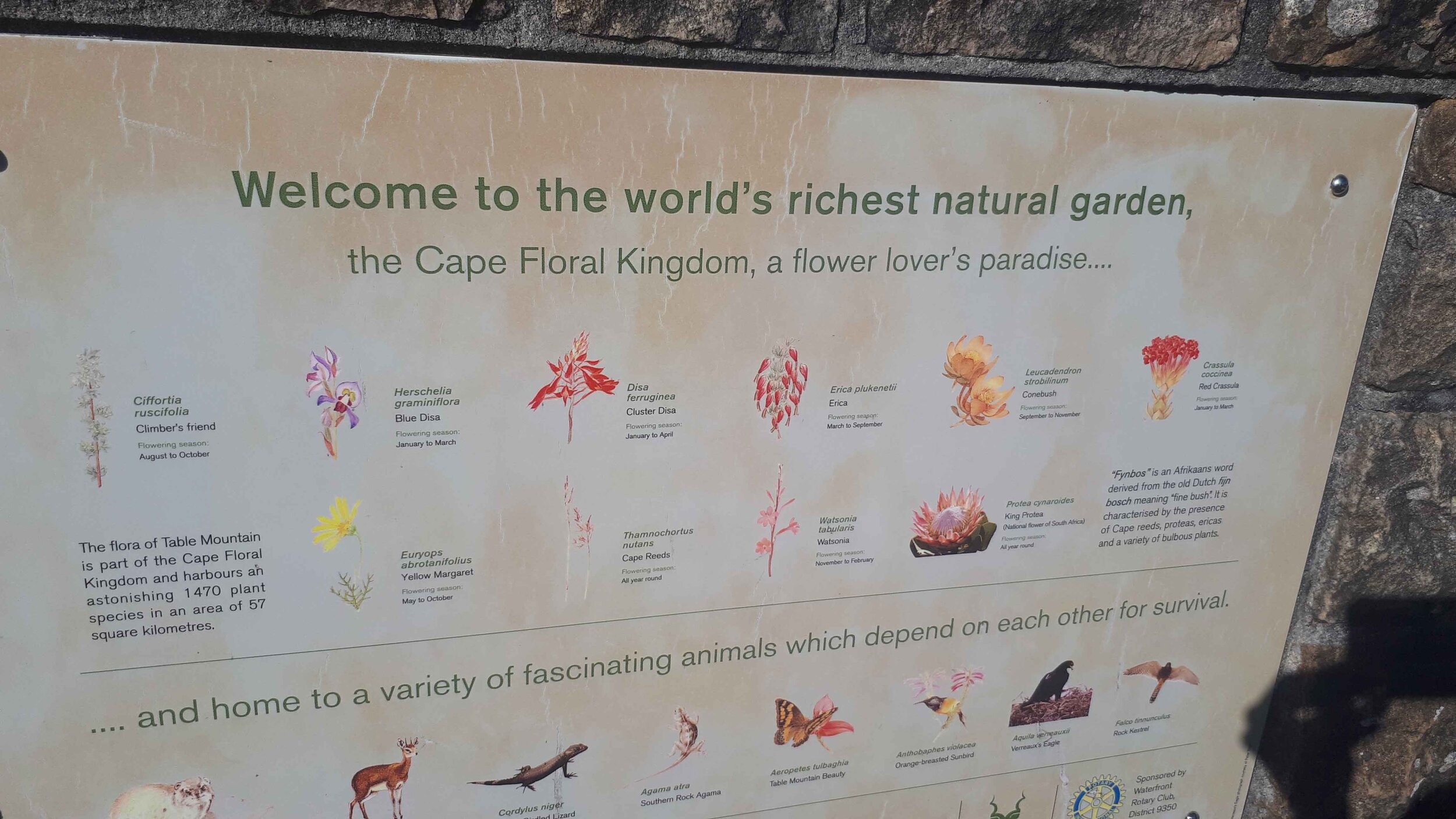
There are lots of signage and information boards for you to learn from

There are lots of signage and information boards for you to learn from

2. Walk along the Promenade

This broad walkway runs along the coastline at Seapoint and is a popular outdoor space for people to exercise, do yoga, picnic, or walk their dogs. There is a lot to see and it makes for a lovely afternoon outing. There are several restaurants along the route and places to stop and enjoy the view. If you are not up for walking there is the fun option of renting bikes.

385.JPG

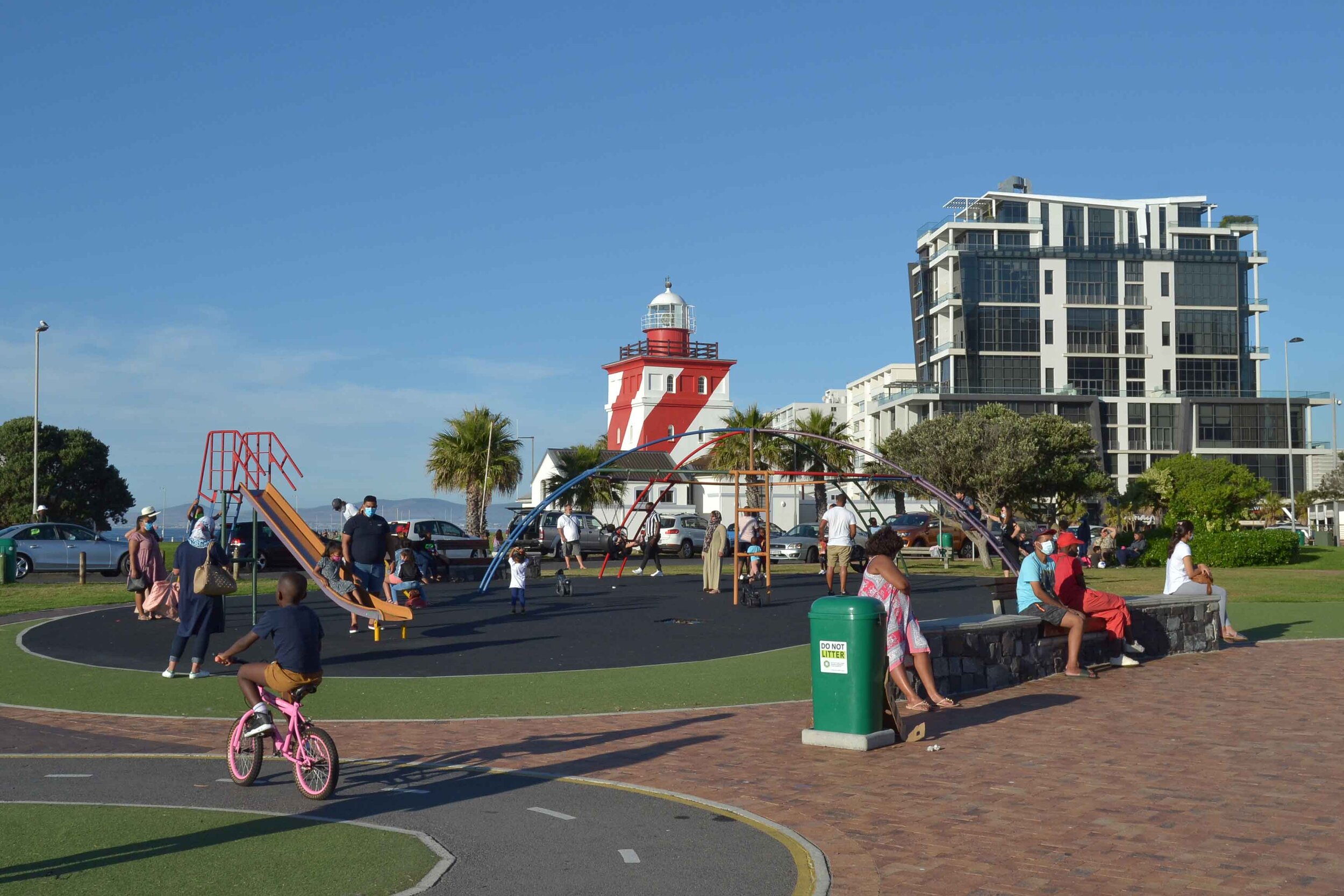
The Mouille Point Park, located along the Promenade next to the Mouille Point Lighthouse, is a great playground with a variety of play equipment and the most beautiful setting of the sea and Lion’s Head behind.
375.JPG

3. Green Point Park

We made sure to park in Park Road near an entrance to Green Point Park so that we could get ice-cream from the amazing Creamery Cafe in Mouille Point (we even went back the next day!). Green Point Park has several biodiversity and educational gardens as well as age appropriate playgrounds that are well maintained and well used by residents of the City of Cape Town. The park is beautifully laid out (it was designed by OvP Landscape Architects) and has a series of scenic waterways that are filled with birds and pathways that highlight the surrounding scenery of Stadium, Lion’s Head and Mouille Point Lighthouse.

398.JPG

4. The Beach

Yes, this one had to be on the list! Kids love the sand and sea (even if it is freezing cold) and there are several options to choose from. We went to Glen Beach, Camps Bay Beach and Camps Bay Tidal Pool. Llandadno is a bit more of a drive but more sheltered if weather isn’t the best.

20210417_105406.jpg

5. Signal Hill

Watching the sunset from this vantage point is a beautiful way to end the day. You can drive relatively close to the picnic area so it not a far walk (depending on how busy and how many cars are parked along the road). Take a blanket with drinks and snacks and enjoy the amazing view over the ocean and Robben Island. Remind your children of the sacrifices people made to live in a free and democratic South Africa and how we continue to live with hope for a better future despite the challenges we face.

20210418_180809.jpg

We weren’t able to visit Kirstenbosch National Botanical Garden, but this will definitely be on our list for the next time we visit!

Trees to fall in love with in the Cape

Amazing Camphor Forest to explore at Vergelegen Wine Estate

Amazing Camphor Forest to explore at Vergelegen Wine Estate

Trees are amazing - immovable, peaceful, serene, fearless, stoic, content, connected, grounded, complex and beautiful. Here are a few I enjoyed seeing on our holiday to the Cape in April:

The Camphor Forest at Vergelegen Wine Estate

These are really some of the most spectacular trees I have seen and a whole forest of them is something to witness. Visitors are able to enjoy classical picnics in the camphor forest from November - April by pre-booking (no private picnics). The five enormous camphor trees in front of the Homestead are over 300 years old and were planted by WIllem Adriaan van der Stel in 1700. (See previous post on Vergelegen as well as Vergelegen’s Website)

5 Enormous Trees in front of the Homestead at Vergelegen Estate

5 Enormous Trees in front of the Homestead at Vergelegen Estate

Royal Oak Tree at Vergelegen Wine Estate

Another beauty on the same estate is the Royal Oak which was planted in 1928 and was grown from one of the last acorns of King Alfred’s Oak at Blenheim Palace, England. It has an emormous crown diameter and stand majestically in the lawn. The plaque below the tree reads “Acorns from this tree were personally collected on 23rd of April 1947 by His Majesty King George VI for replanting in Windsor Park” as well as “Her Majesty Queen Elizabeth II unveiled this plaque on 21 March 1995 in commemoration of her visit to Vergelegen”. The oldest Oak tree to be recorded (planted around 1700) is a stone’s throw away but is not nearly as spectacular.

195.JPG

Ficus at Natte Valleij Wine Farm

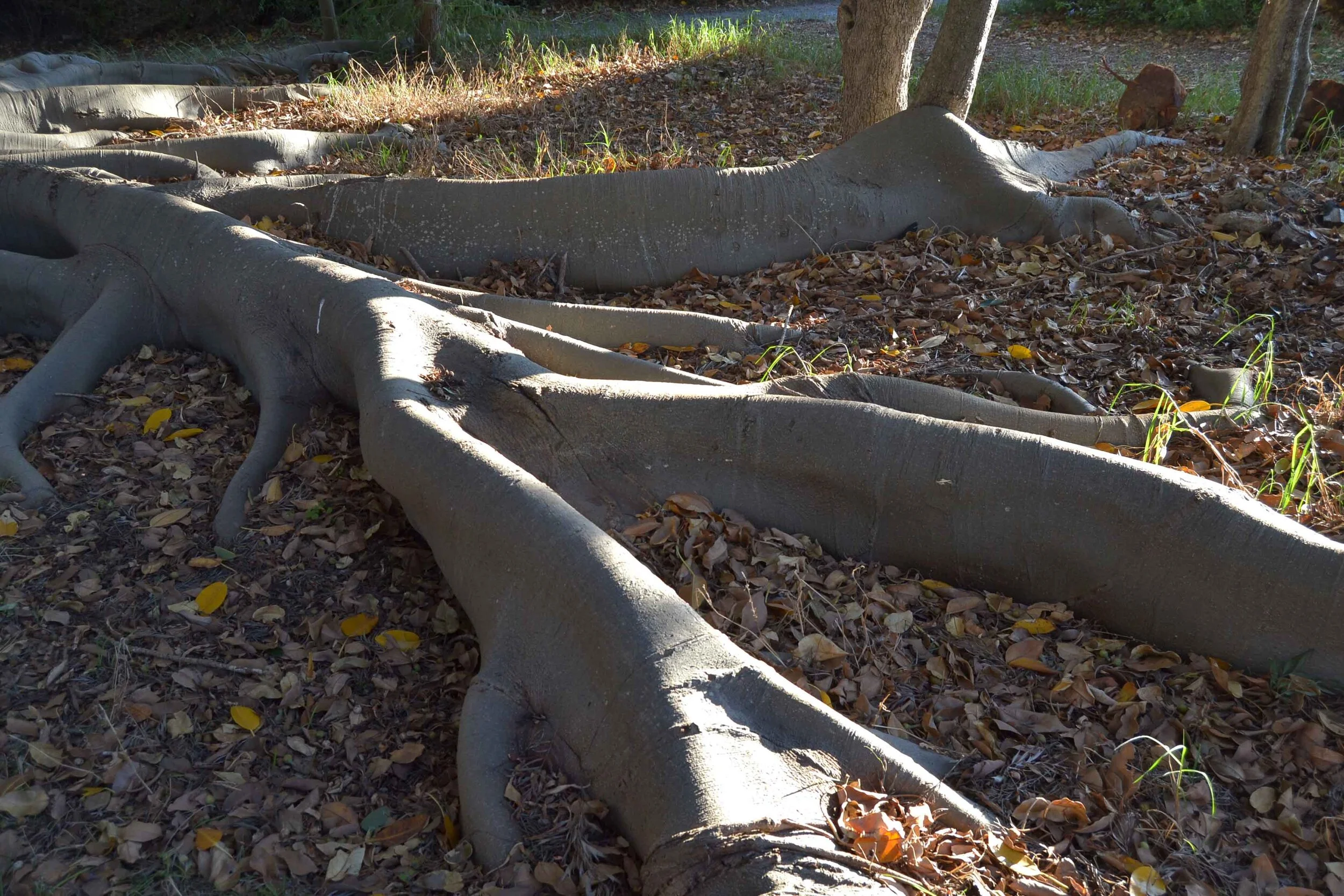
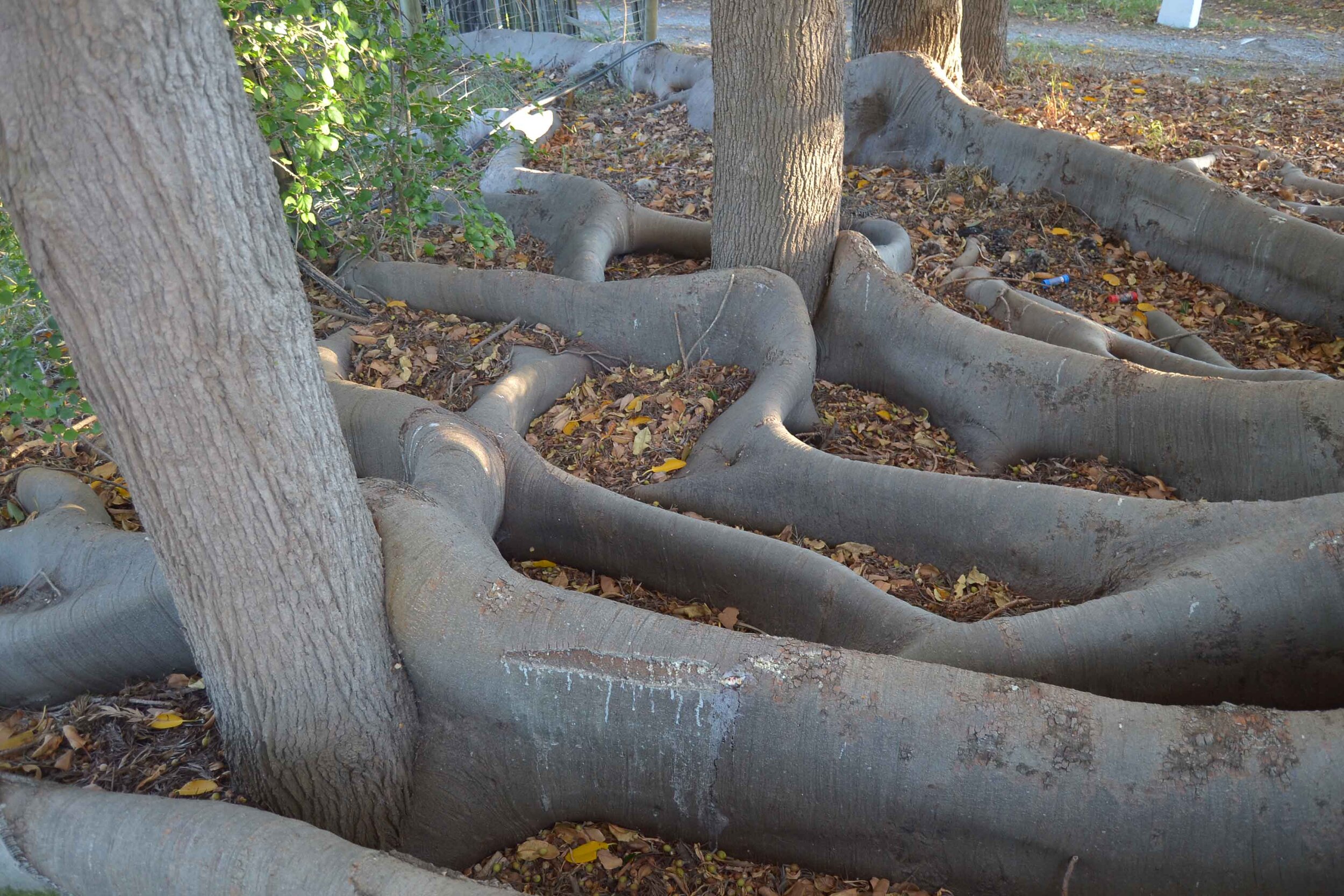
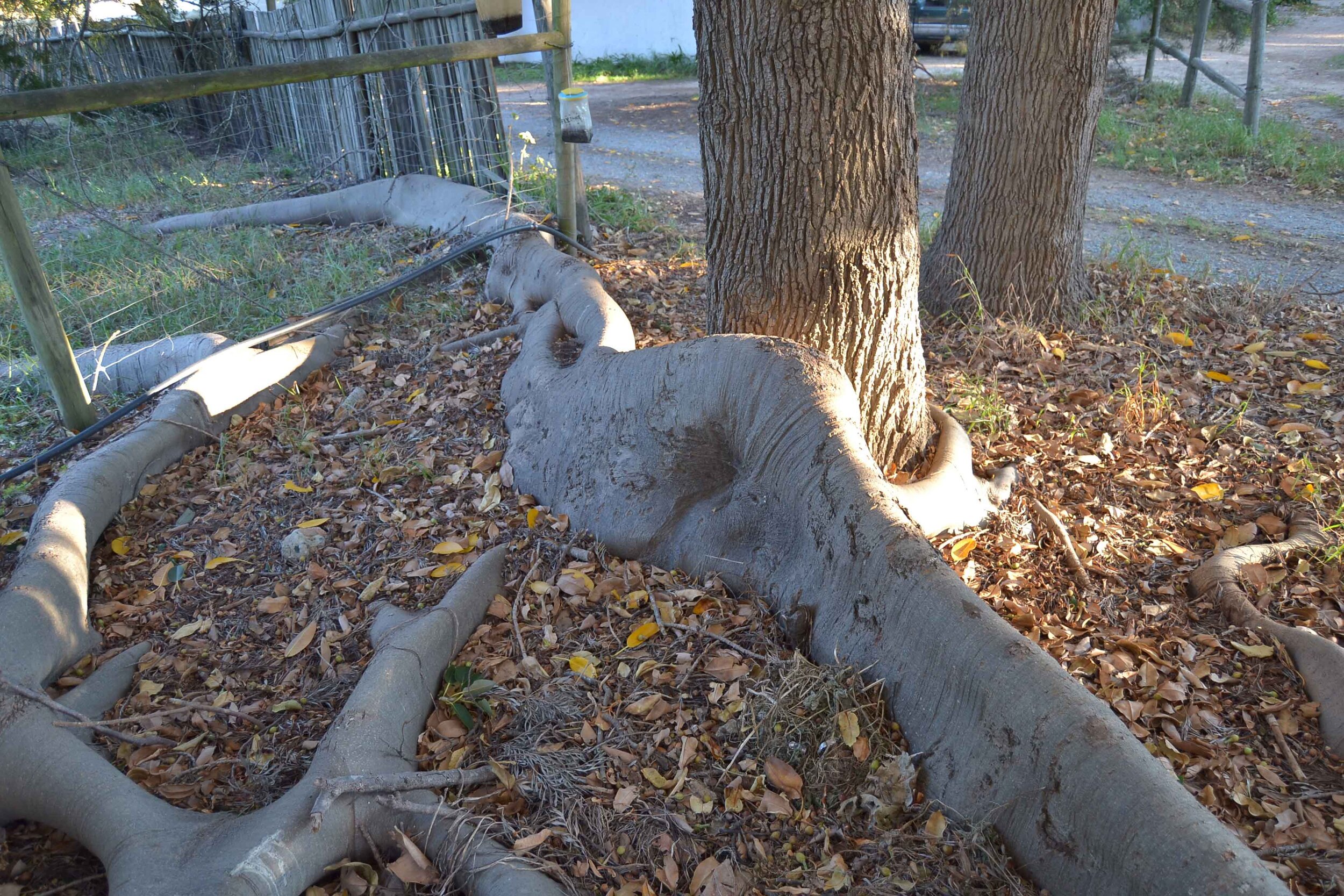
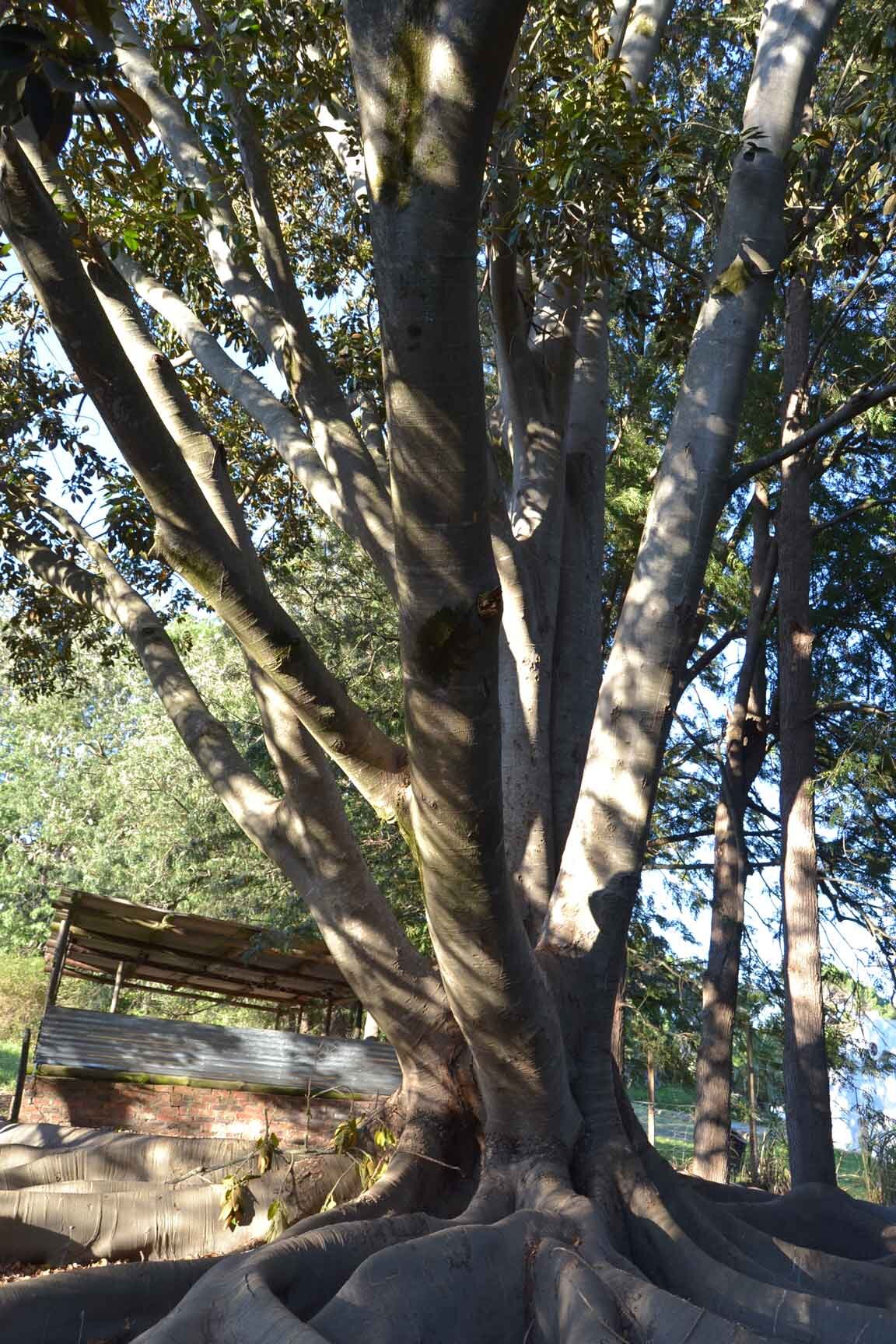
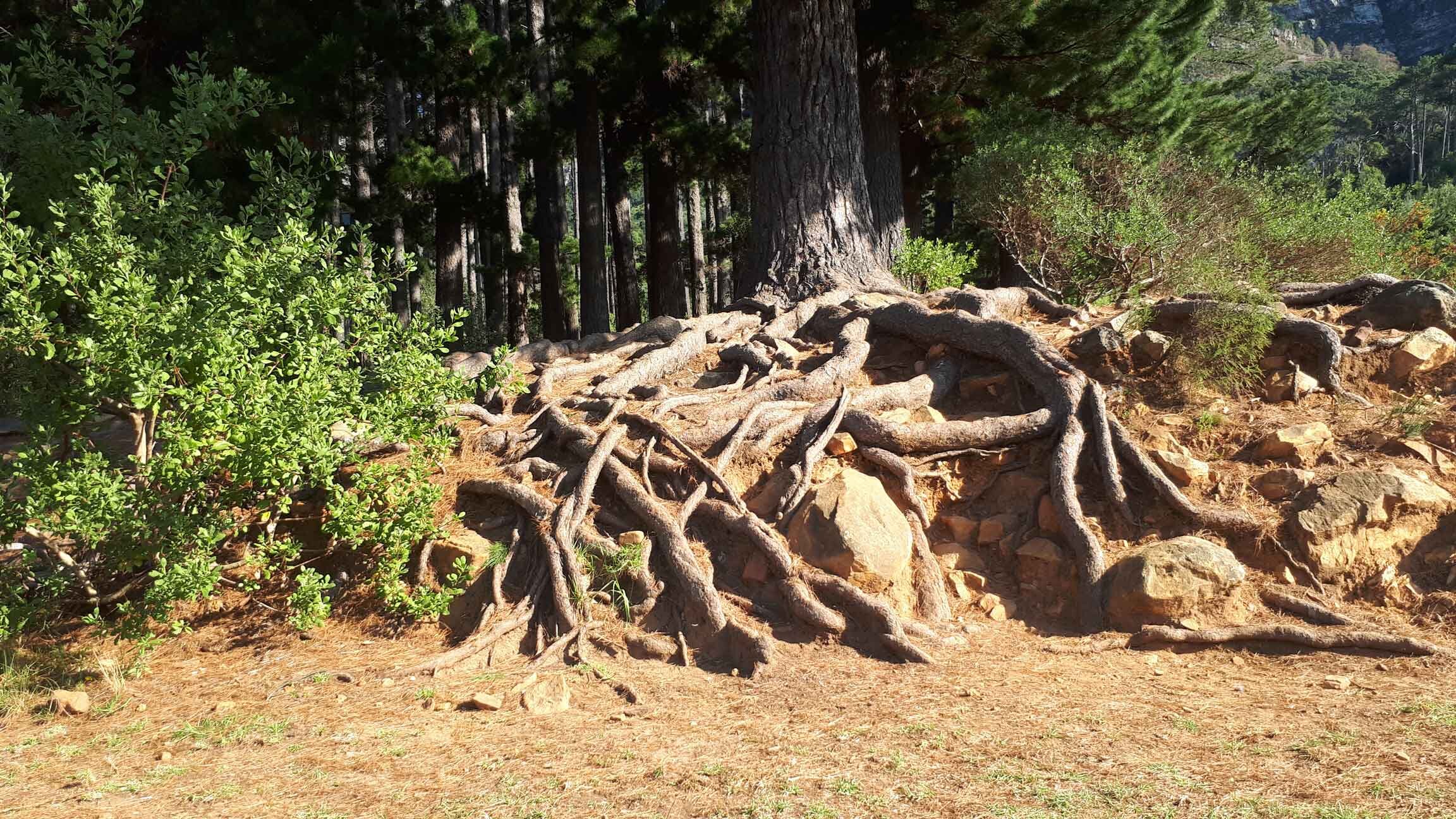
I discovered this tree while we stayed at accommodation (the Hen House) on Natte Valleij wine farm in Stellenbosch. The wine farm is not very large or well known so the tree is a bit off the beaten track. The buttress roots are as thick as any average tree trunk and they snake their way across the ground like large limbs. The smooth grey roots are thick enough to sit on and we had fun jumping our way around the main trunk.

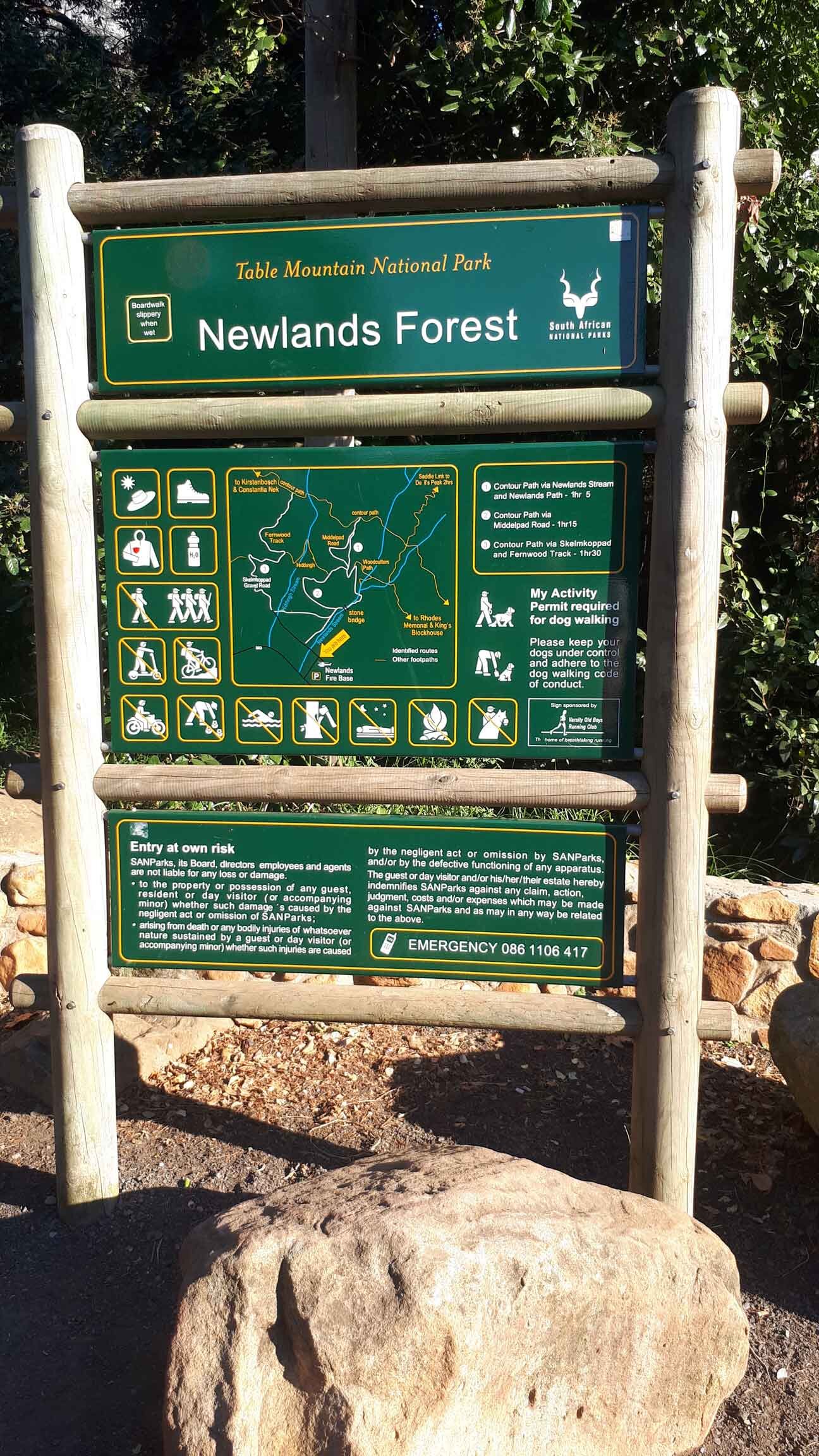
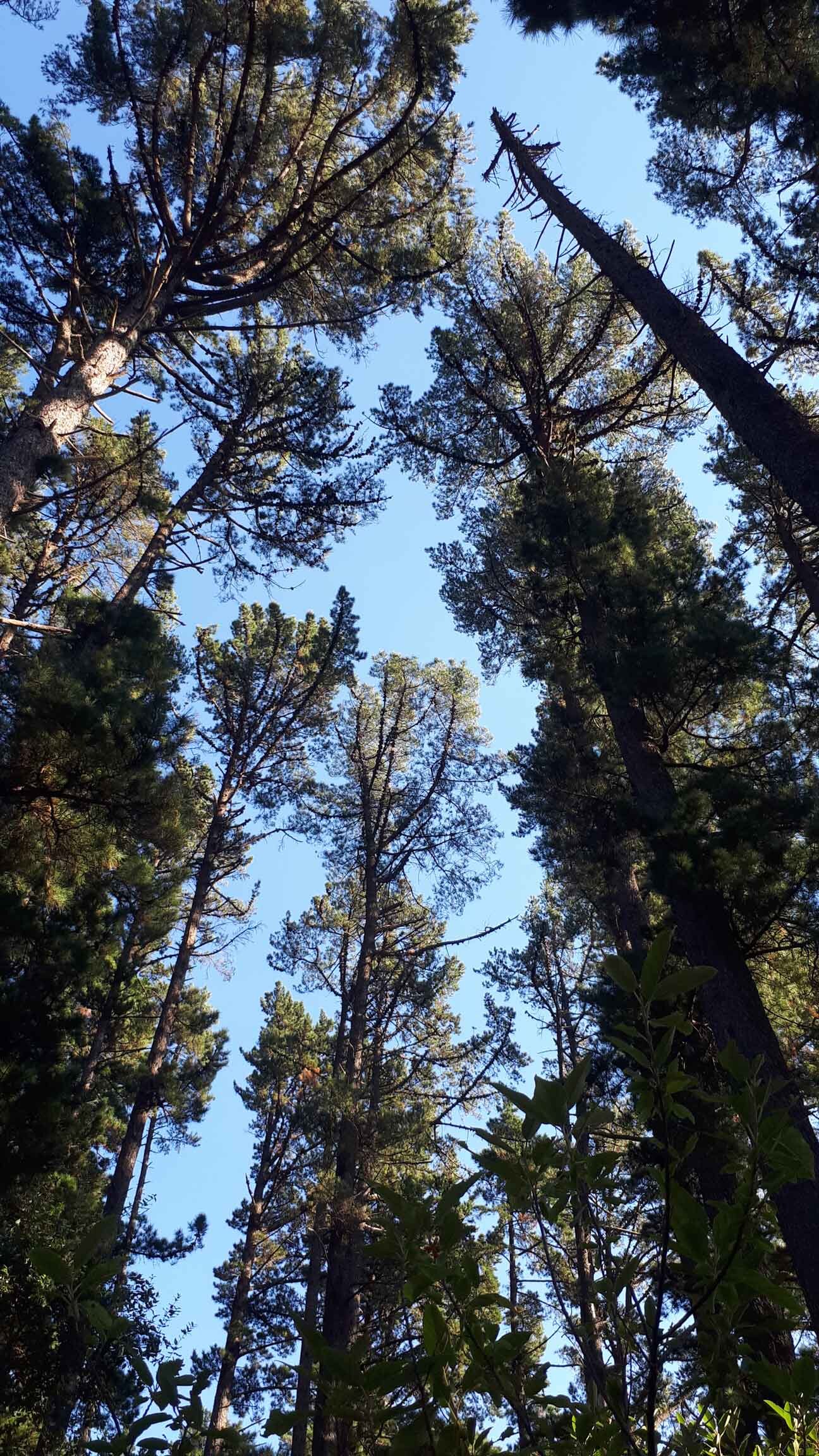
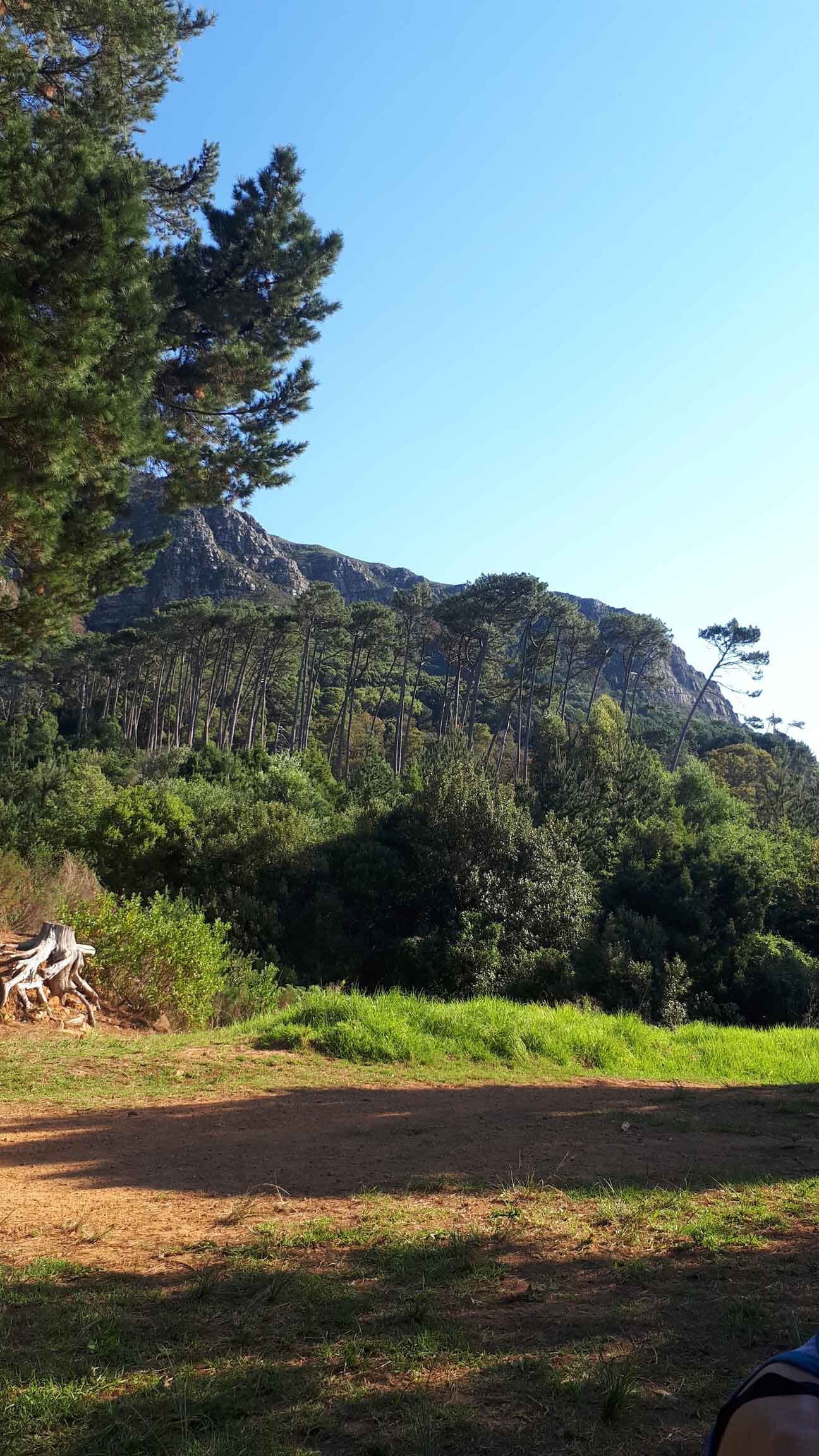
Trees at Newlands Forest

While many of these species are Pine trees there are clumps of indigenous vegetation along the hiking routes and if you are a tree lover you will appreciate any beautiful tree whether they are exotic or indigneous.

Also worth visiting is The Company Gardens in the city centre where an enormous Rubber Tree can be seen as well as several other historic and beautiful trees. There are so many more to talk about, some we pass by each day without really noticing them. Open your eyes to the wonder all around you!
Melville Koppies

melville.jpeg

Like many people who have lived in Johannesburg for many years (some even their whole lives!) I had never visited the nature reserve in the heart of Johannesburg.

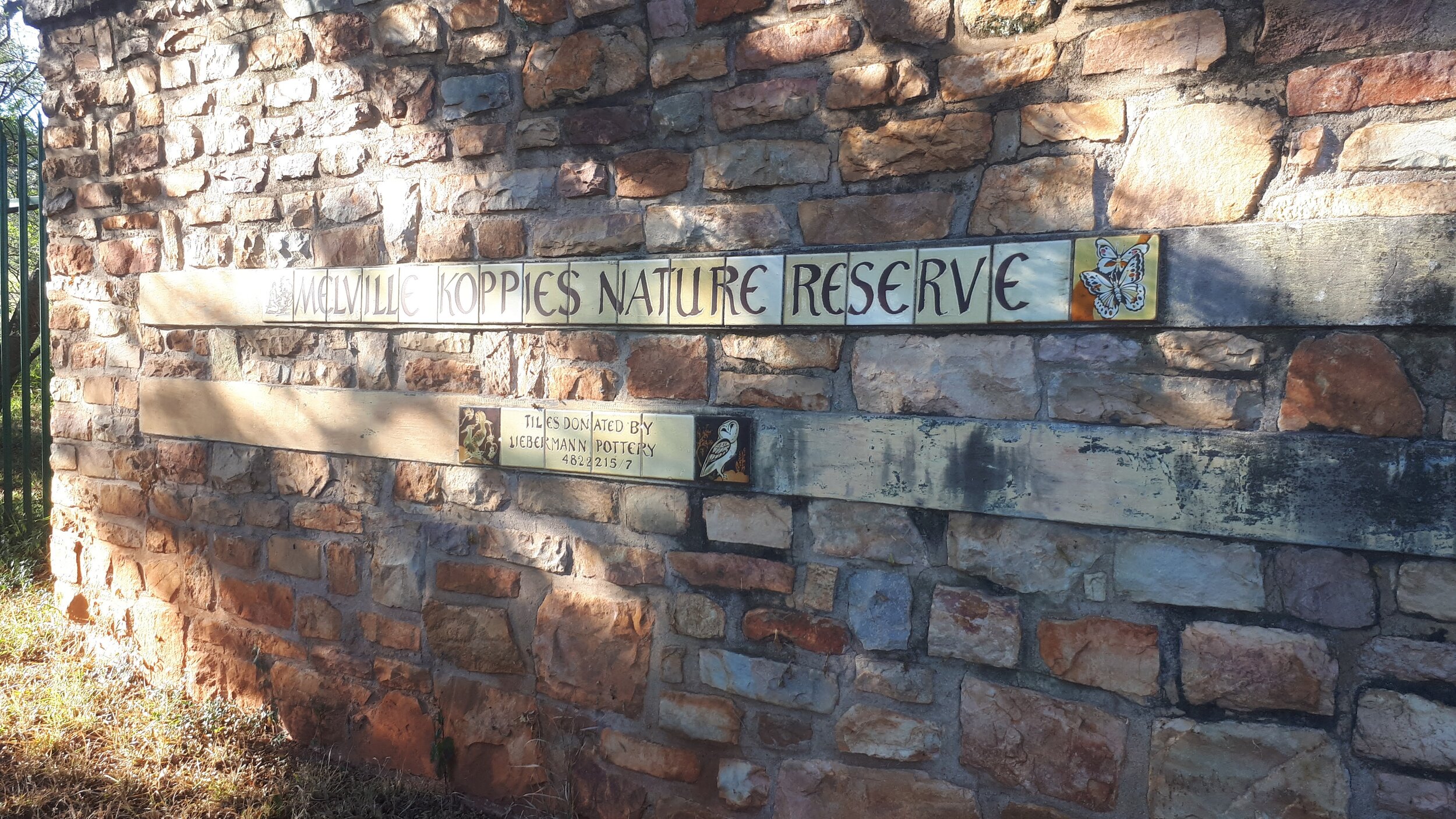
I had heard so much about it - the beautiful views, the amazing birdlife (over 200 spp), the incredible flora and the rich history that this nature reserve held so I was so excited to finally visit it. I met with a group of friends in the Marks Park Sport Club parking lot off Judith Road and we crossed carefully to enter the Main Gates framed by stone walls.

The reserve has recently changed its opening times to every Sunday morning from 8 to 11.30am. Visitors are welcomed on arrival by volunteers and given a map so that they can explore the trails at their own pace. The cost is R80 per adult and R40 per child and all proceeds are used towards the maintenance of the Park. Guided tours for small groups can be arranged.

The Central section was proclaimed a nature reserve in 1959 and is a declared national heritage site. The 50ha area can be explored through pathways and there are information boards detailing the heritage and history of the area as well as the fauna and flora to be found there.

20210411_080930.jpg

The reserve is made up of three sections namely Melville Koppies Central, Melville Koppies East and Melville Koppies West. The East and West sections are open public space and access is not controlled. The East side is only 10ha in size and is frequented by dog walkers while the West section is 100ha large and borders the Westpark Cemetery. There are security issues here so it is advisable to only hike in groups with security. I was surprised to see security guards actively patrolling the nature reserve (Central) when we visited on Sunday and this really added to a sense of safety which is always a concern when visiting public spaces in Johannesburg.

Map from the Melville Koppies Website (www.mk.org.za/mkcal.htm)

Map from the Melville Koppies Website (www.mk.org.za/mkcal.htm)

Map of Melville Koppies Central Walking Paths

Map of Melville Koppies Central Walking Paths

More information on the geology of the reserve can be found on their website www.mk.org.za

More information on the geology of the reserve can be found on their website www.mk.org.za

Vegetation

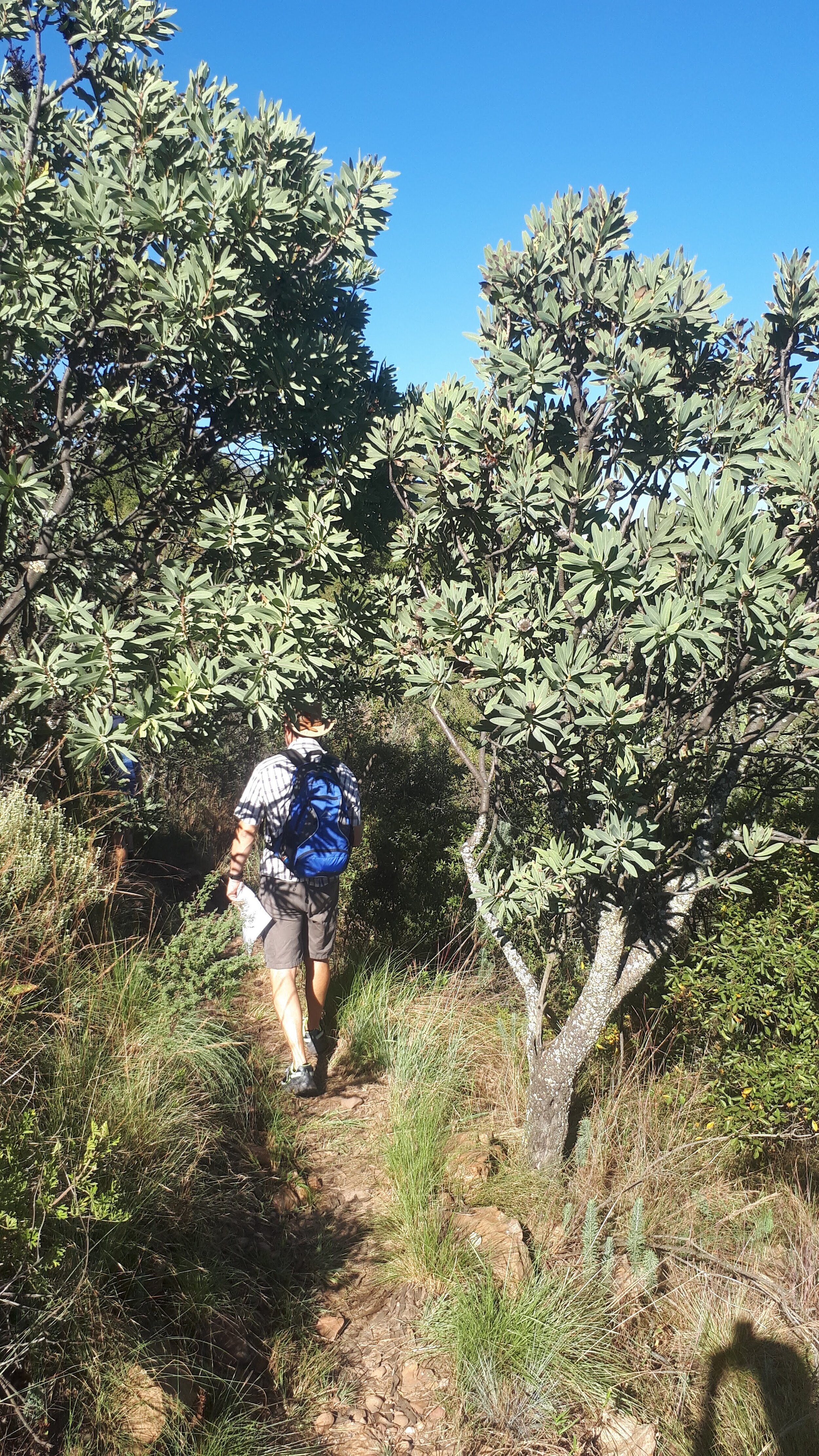
The vegetation of the Koppies is entirely indigenous and is a remarkable example of the richness of highveld grasses, flowers, and trees so close to a city centre. The variety of the flora can be seen in the 500 identified species within the eight undisturbed plant communities that have been identified. There are also 56 species of grass recorded and the dominant trees include Acacia robusta, Acacia caffra, Euclea crispa (Blue Guarri), Celtis africana (White Stinkwood), Brachylaena rotundata and (Mountain Silver-oak). The Protea caffra and Mundelea sericea (Corkbush) were also lovely to see.

Along the western boundary where the Westdene Spruit flows a beautiful riverine forest can be found with large Celtis africana (White Stinkwood), Combretum erythrophyllum (River Bushwillows), Olea europea (Wild Olive), and Kiggelaria africana (Wild Peach). The trees were planted in the 1960s to show people how beautiful our indigenous trees are. This part of the reserve is known as the Arboretum and was a highlight for me - the flowing water is calming and the trees beautiful and shady.

20210411_090134.jpg

Water

This stream, the Westdene Spruit, is one of the many streams flowing north from the Witwatersrand watershed. Among them are the Braamfontein Spruit and the Jukskei, and they all eventually join the Limpopo River, which enters the Indian Ocean at Xai-Xai in Mozambique.

History

Melville Koppies carries evidence of ancient hunter-gatherers, early farmers as well as the first iron-age miners of the Witwatersrand. In 1989 Professor R J Mason published a "Guide to Archaeology Sites: Johannesburg". The purpose of the paper was as much to inform and educate the public as to make a plea for greater awareness of the heritage we are losing.

He identified seven archaeological sites on what we call Melville Koppies Central: African Iron Furnace Models; A second Tswana Iron Furnace; Tswana hut floor and pottery - 300 years old; 1880s gold prospecting; 1900s gun emplacement and Early 1900s quarries. There are information boards and examples of some of the tools and implements on display at the lecture hall.

The fascinating history of how the original Braamfontein farm passed to Louw Geldenhuis during the gold rush in 1886 and how the northern suburbs evolved out of this can also be viewed on an information board at the lecture hall.

pano.jpg

Volunteers

The nature reserve would not be what it is today without the involvement of passionate and dedicated volunteers. The Melville Koppies Management Committee works hard to maintain the paths, control alien invasive vegetation, pick up litter and control illegal access to maintain the reserve on an ongoing basis. They also are always looking for ways to raise money for the reserve so that the salaries of the staff they employ can be paid as well as the additional security they hire.

Richard Hall devoted over 25 years to the maintenance of Melville Koppies and together with David Mpilo, a Council worker they tackled projects of cleaning, weeding and restoring the reserve. Wendy Carstens began to work with Richard Hall from 1997 and is still actively involved today. She received the honorary Ellen Kuzwayo award from the University of Johannesburg for ‘Her commitment to conservation and tourism at Melville Koppies’.

How can you help

You can help firstly by visiting (have you?) and also by making donations to Melville Koppies (bank details on their website) or by registering them as a MySchoolMyVillageMyPlanet beneficiary.

Contact Wendy Carstens wendavid@mweb.co.za for further information. www.mk.org.za

We loved our time spent at Melville Koppies and will definitely be back again! Thank you to all those involved in the upkeep and running of this historical and ecological gem.

4 Inspiring Spaces and Places in Johannesburg

When you think of Johannesburg there are many pictures that may come to mind - highways with fast cars (or very slow ones with the terrible traffic!), tall flashy buildings housing the headquarters of the top companies in the country or materials such as concrete, glass and asphalt along with the accompanying noise and pollution. A fast paced city with people on the move and money to be made.

While I agree that there are negative sides to Johannesburg, like all cities, I have made a point of exploring some of the lesser known hideouts, especially those that have a strong nature and beauty component, to discover the hidden gems and softer side of the city that we don’t always see.

View over Johannesburg (Image credit pixabay.com)

View over Johannesburg (Image credit pixabay.com)

Here are a few spaces that I’ve discovered and are well worth visiting:

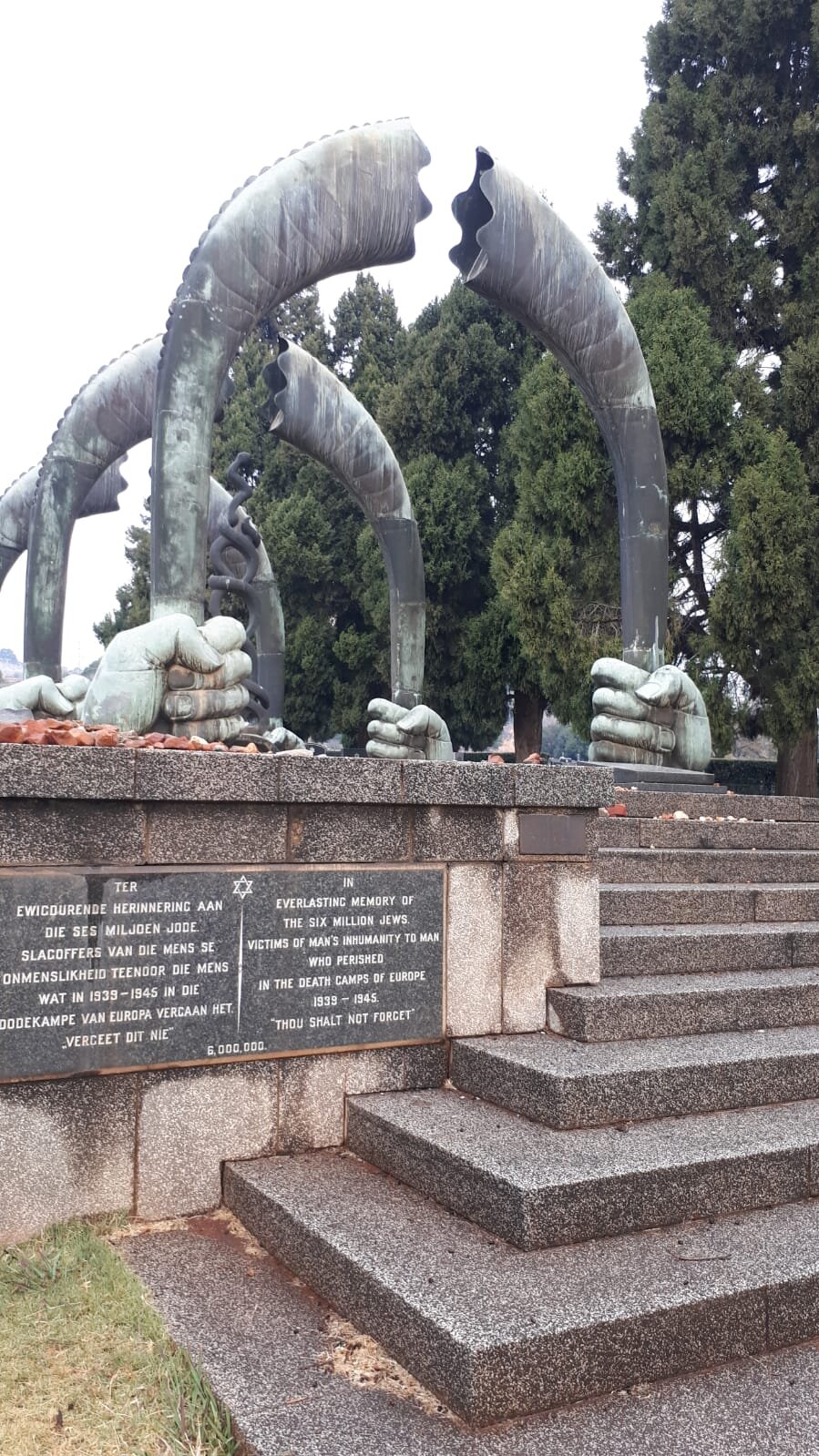
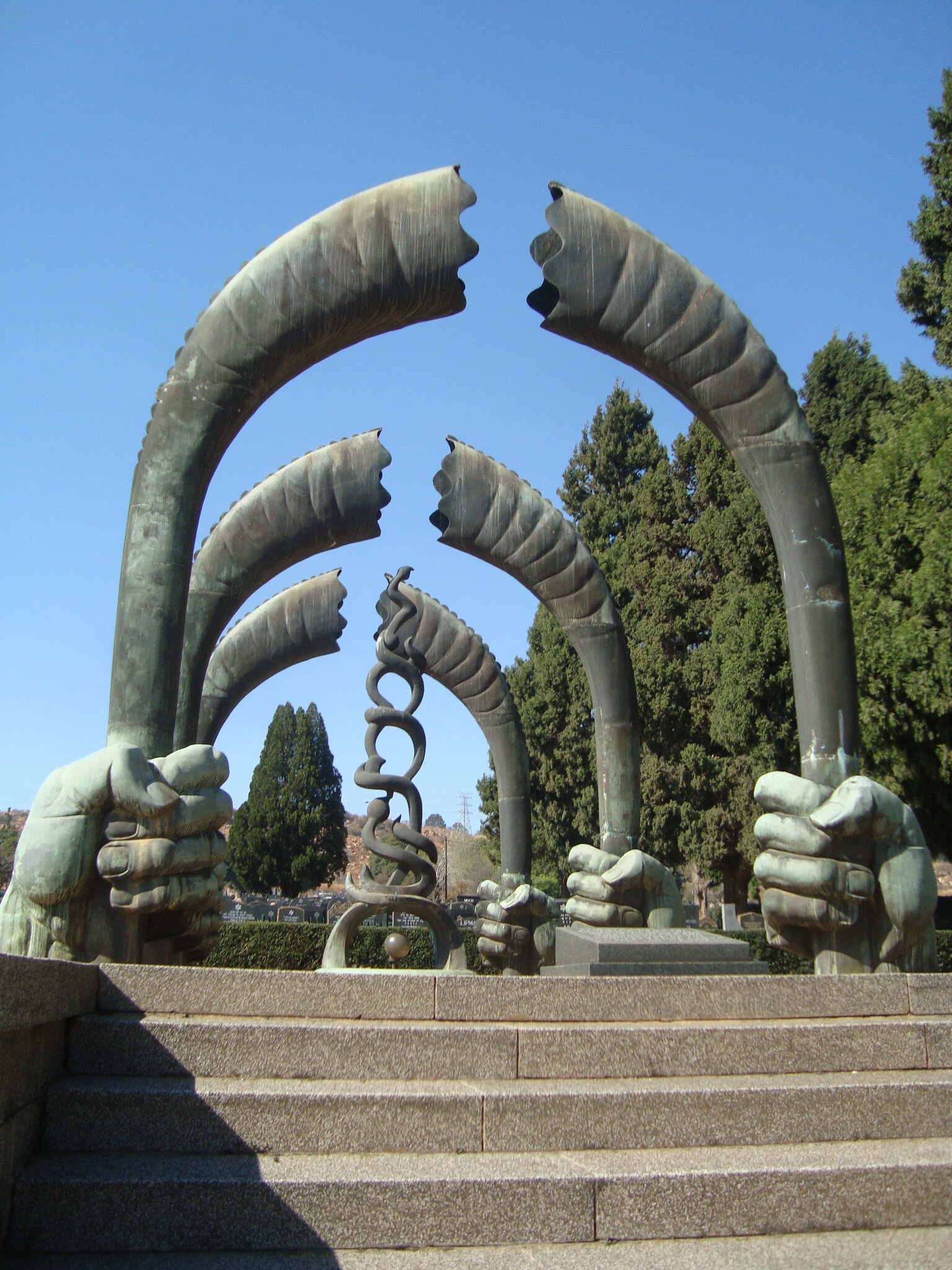
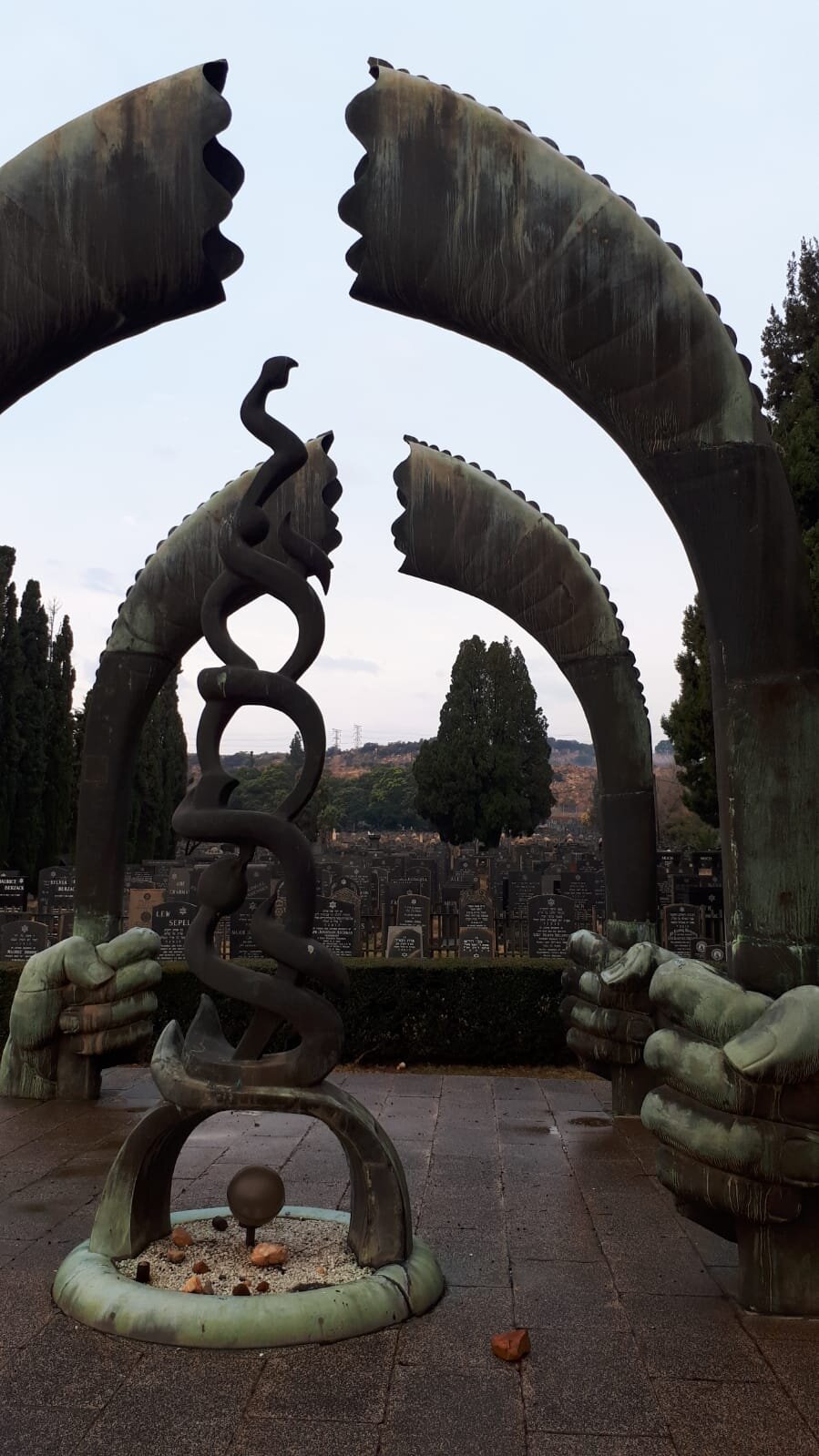
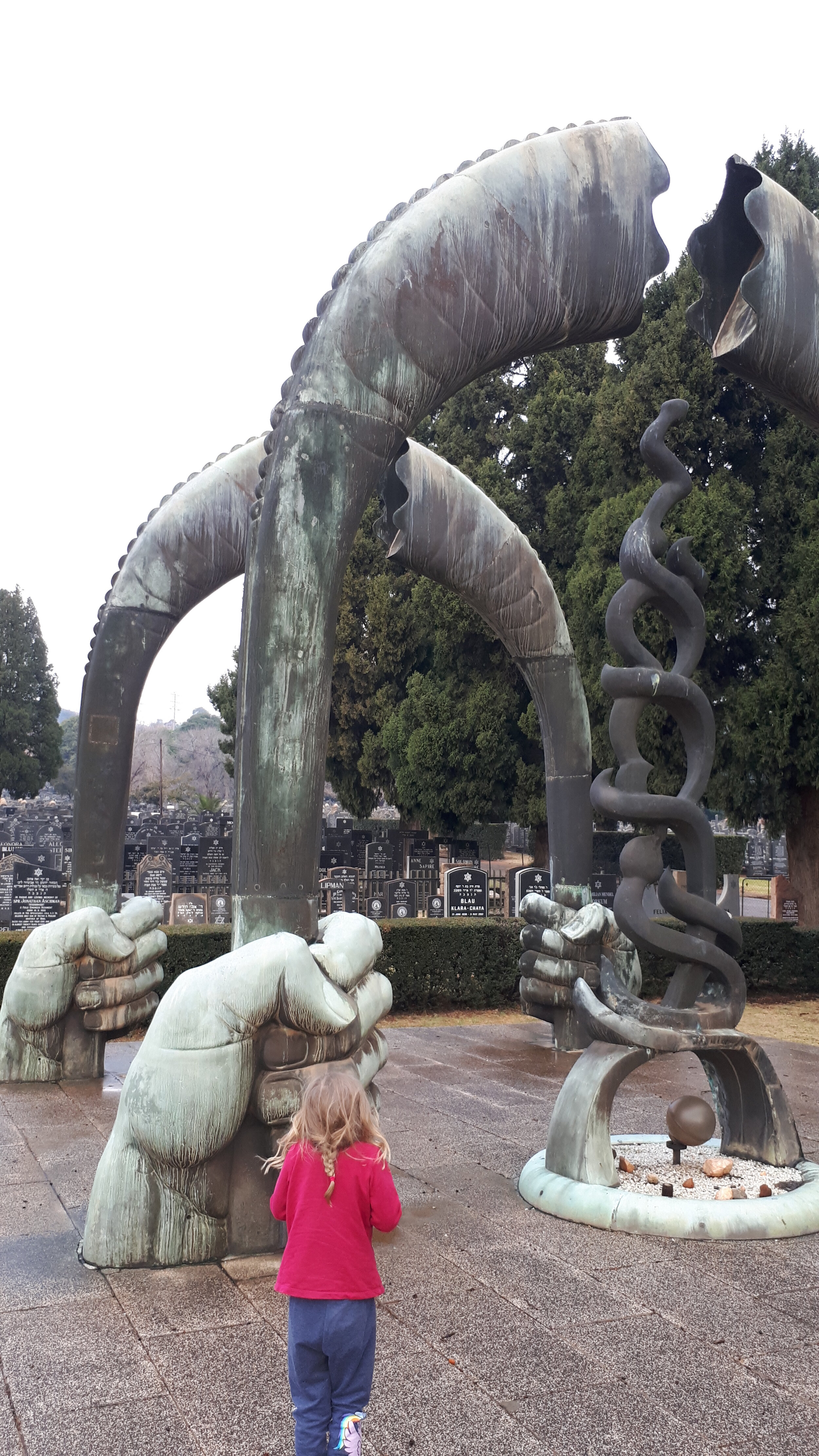
1. Monument to 6 Million Jewish Martyrs in Europe

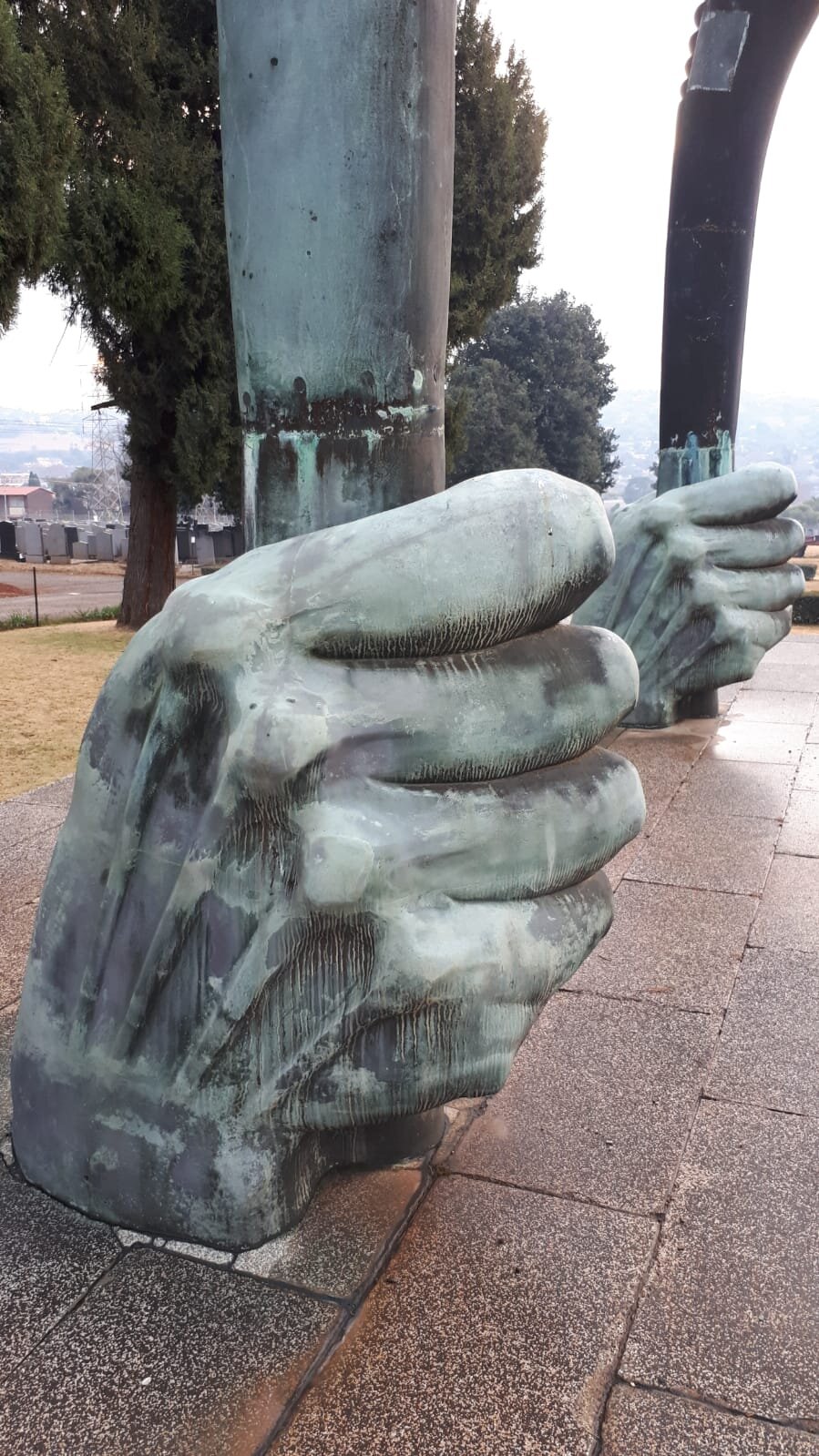
An impressive sculpture designed by Herman Wald can be visited at the Jewish quarter of the Westpark Cemetery. It consists of six bronze fists each 1.5m high holding shofars which stand a further 6m tall. A twisting ‘Eternal flame’ sits in the centre of the three arches that the sculpture creates. It was unveiled on the the 10th of May 1959 by Rabbi M. Neurock, member of the Israeli parliament who specially travelled to S.A for that purpose. The inscription on the plaque at the foot of the memorial reads “In everlasting memory of the six million Jews. Victims of man’s inhumanity to man who perished in the death camps of Europe 1939-1945. ‘Thou Shalt Not Forget’ “

See a previous Blog post on this Sculpture here.

For further information and historical references see Herman Wald’s website.

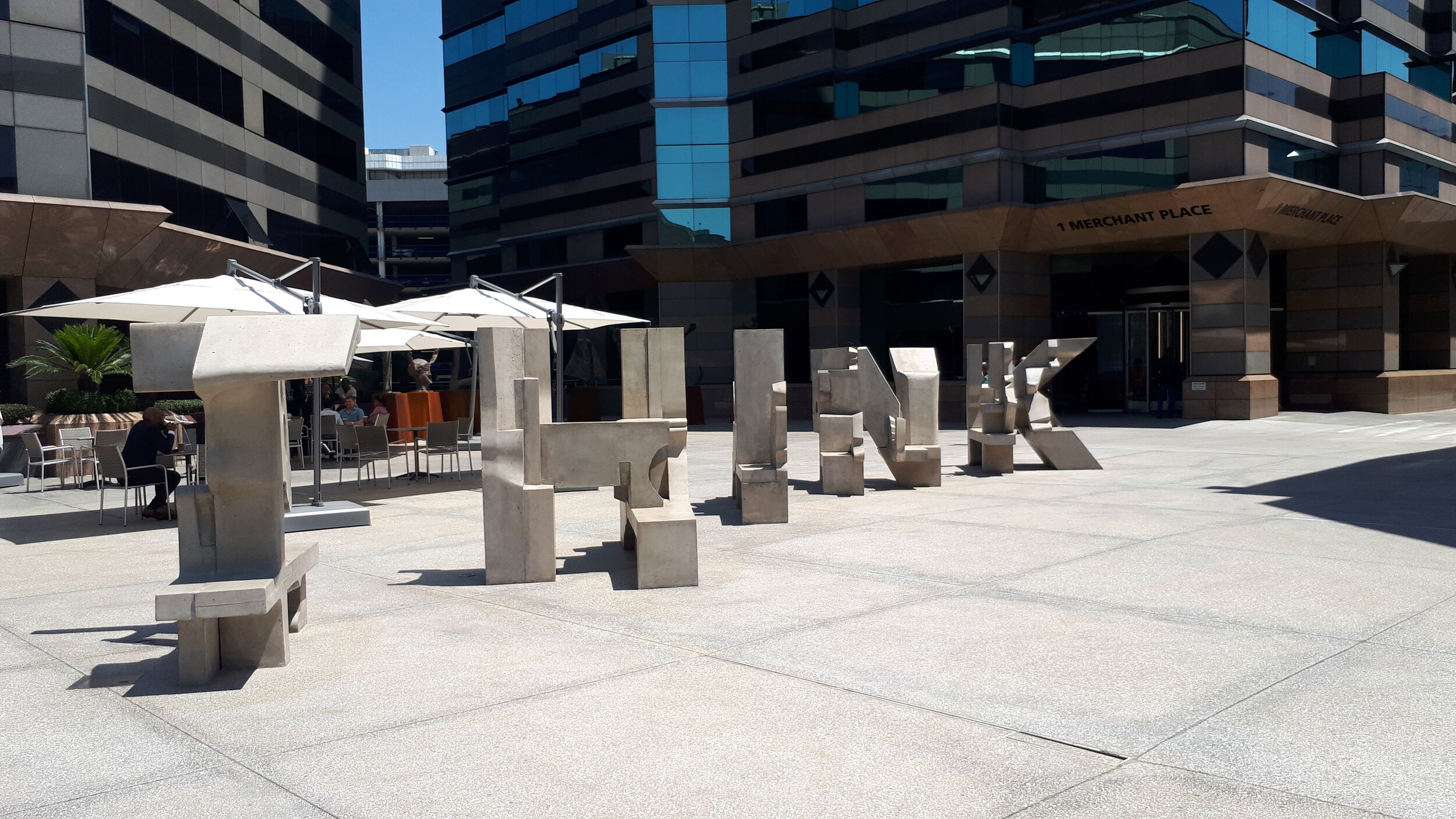
2. RMB Think Precinct

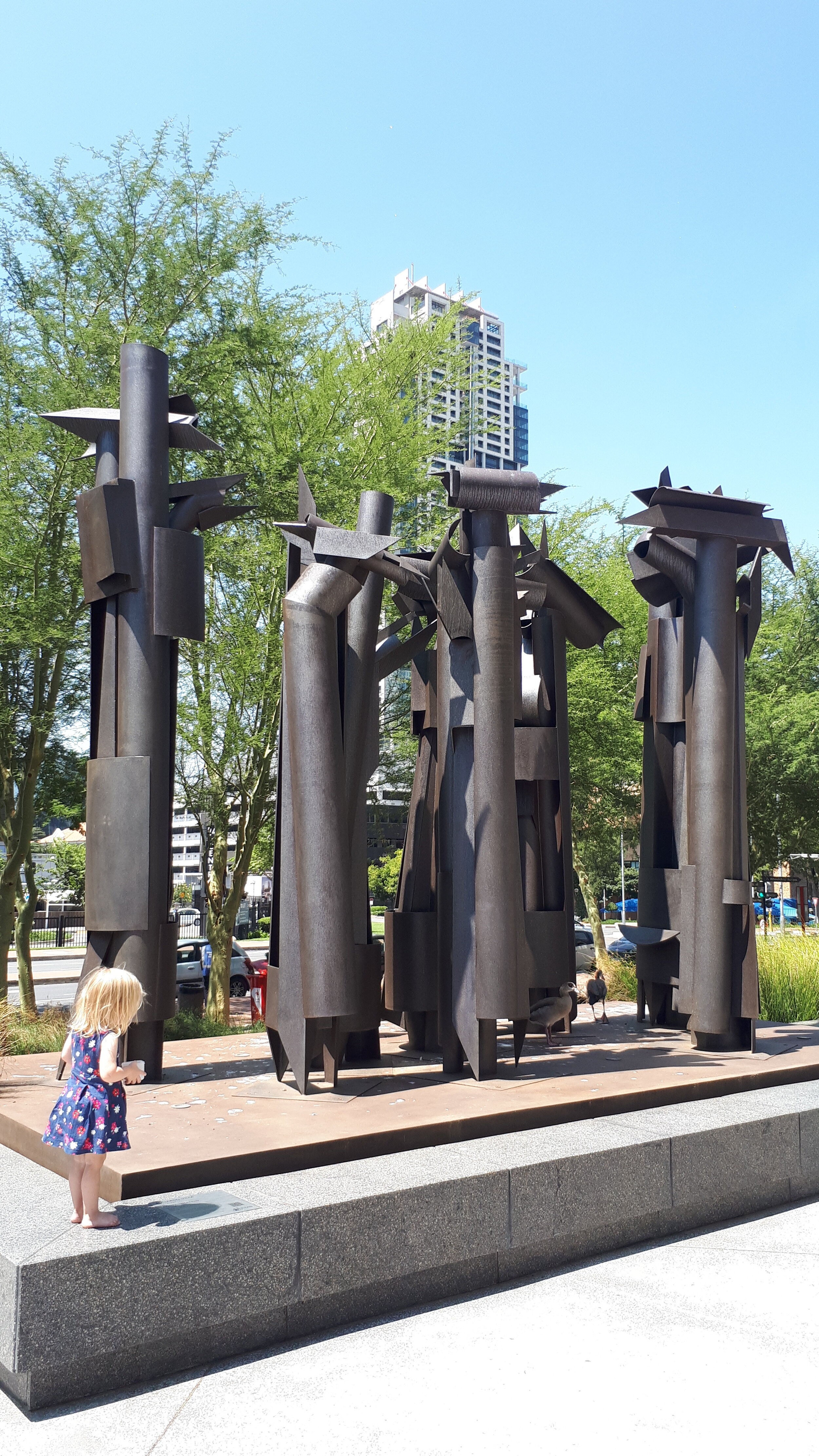
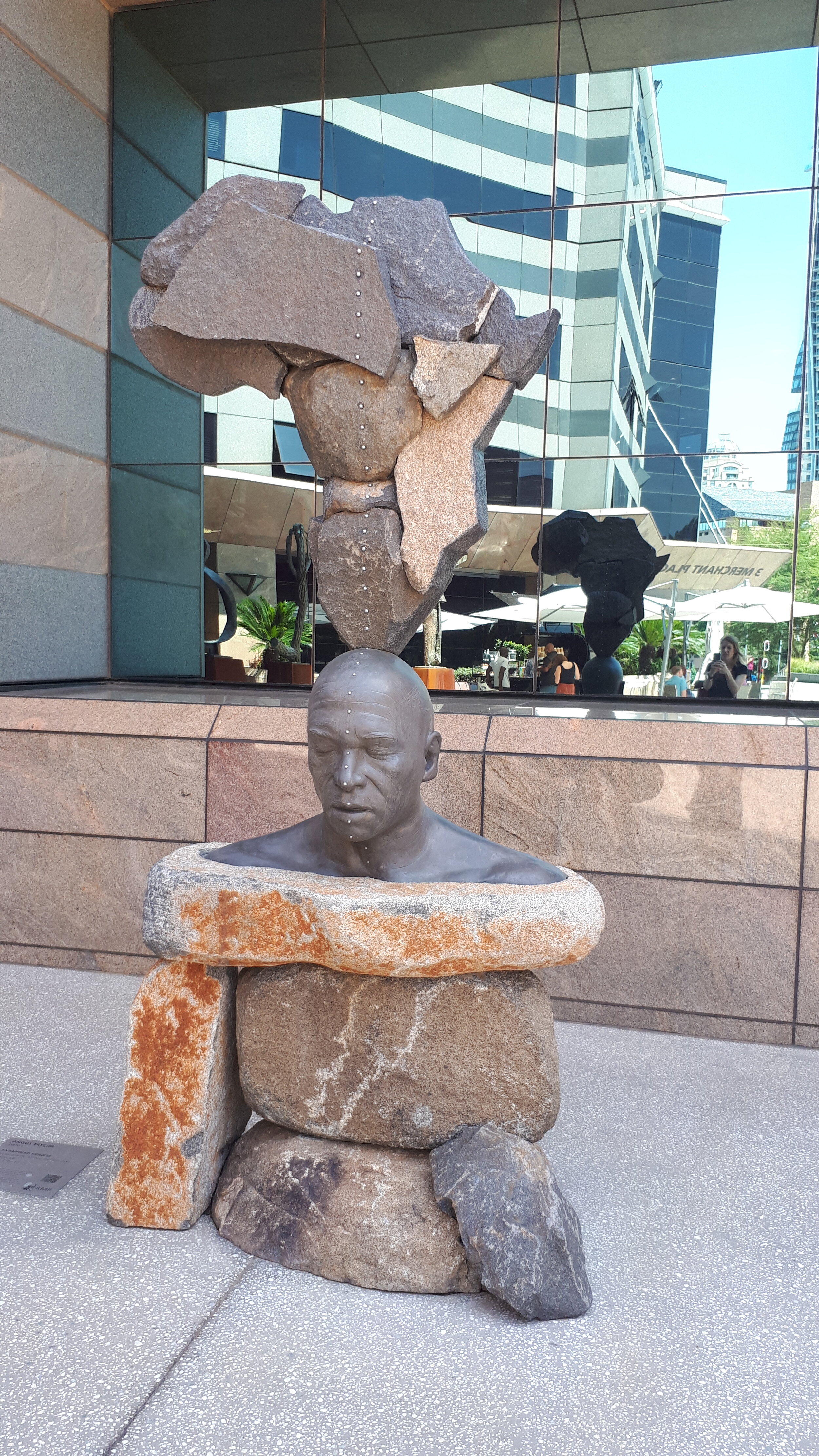
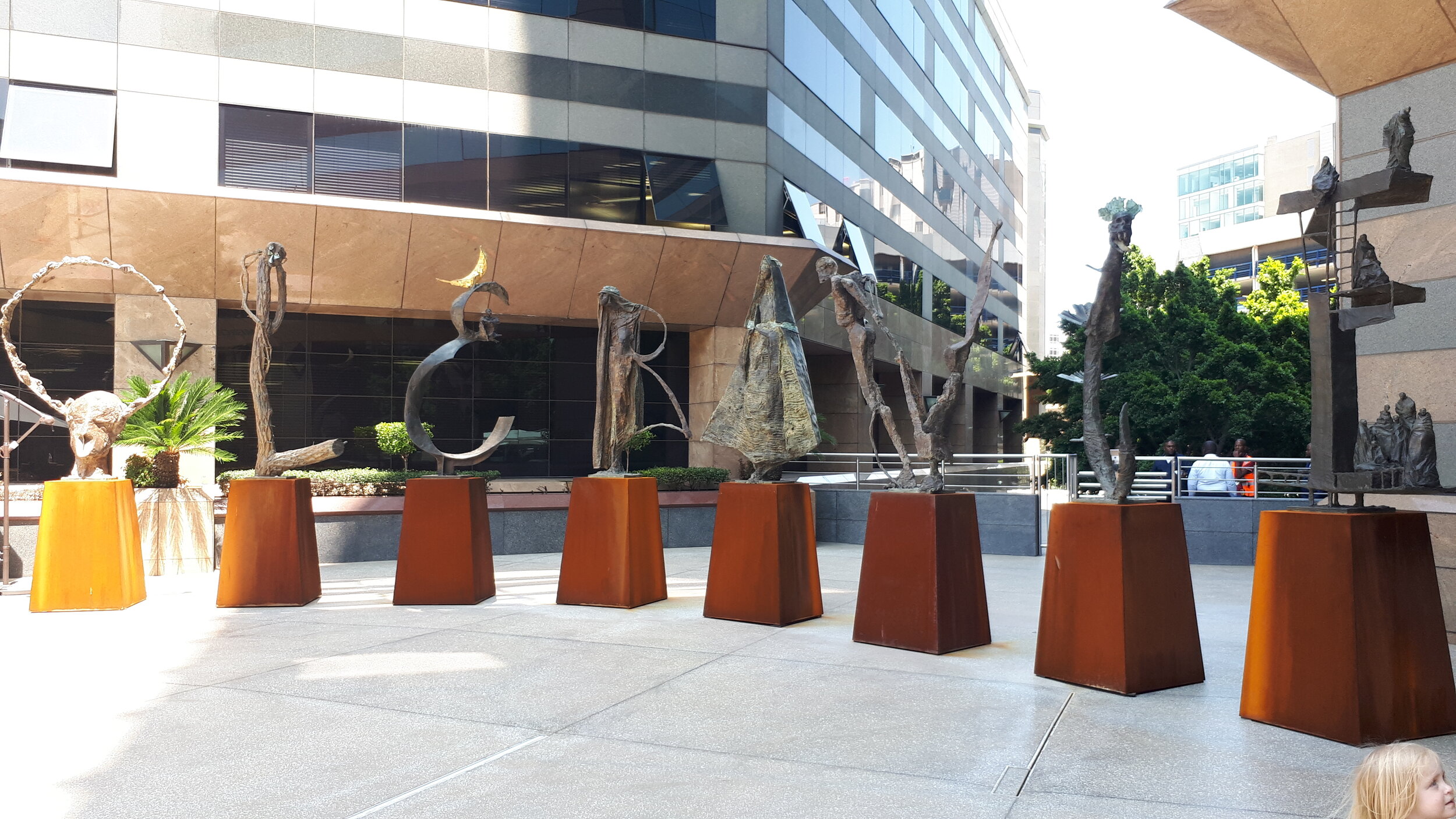
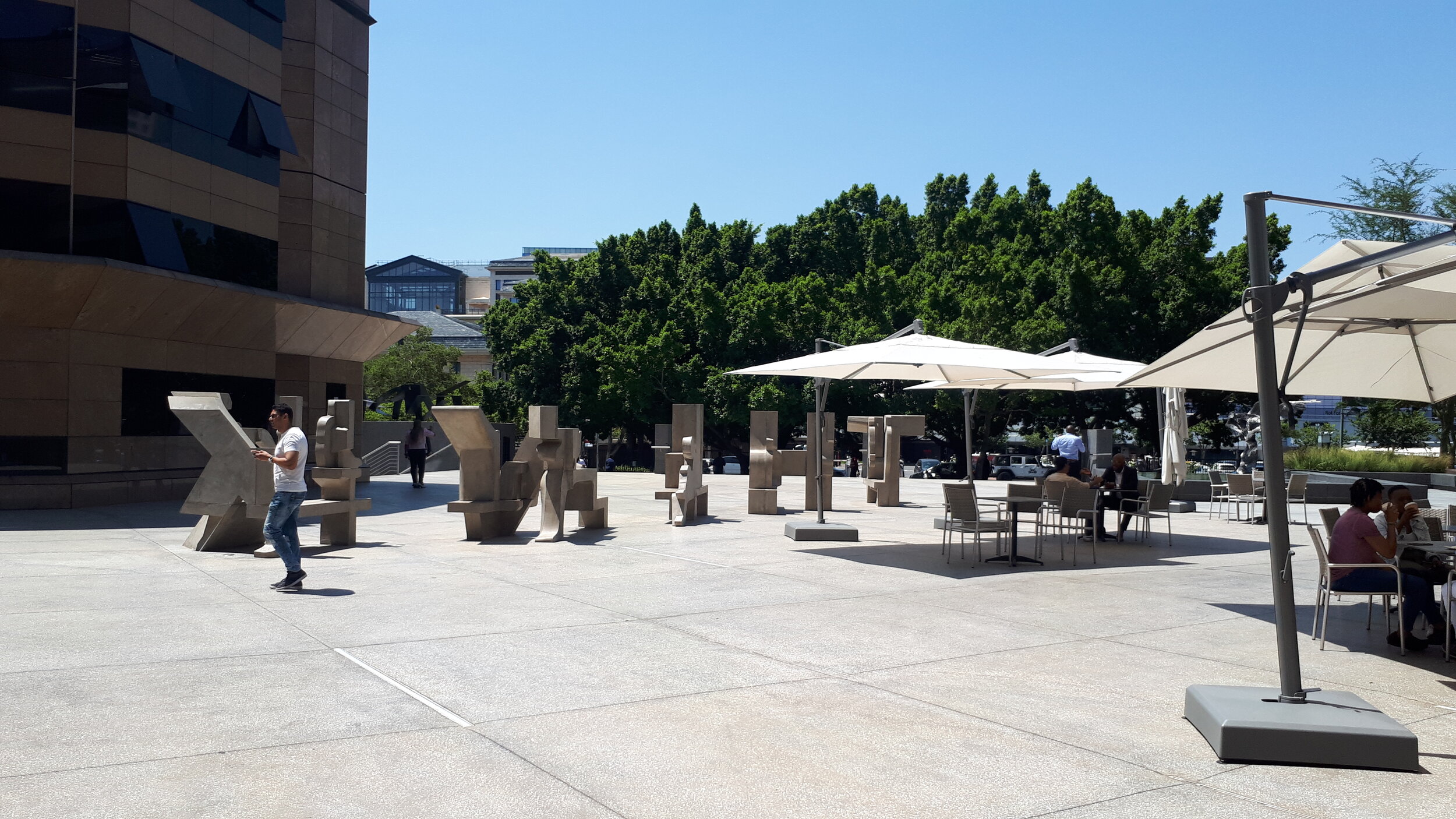
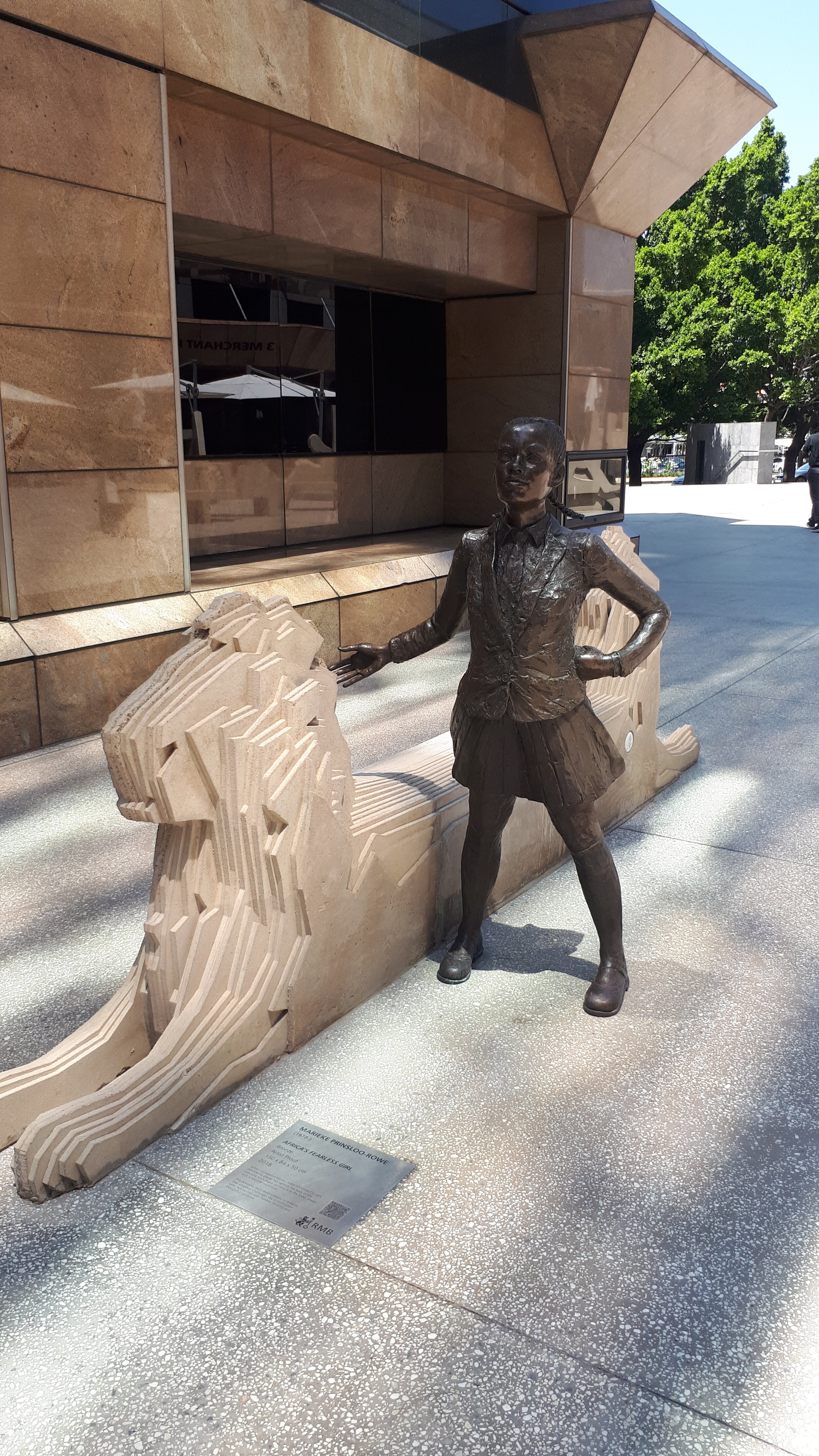
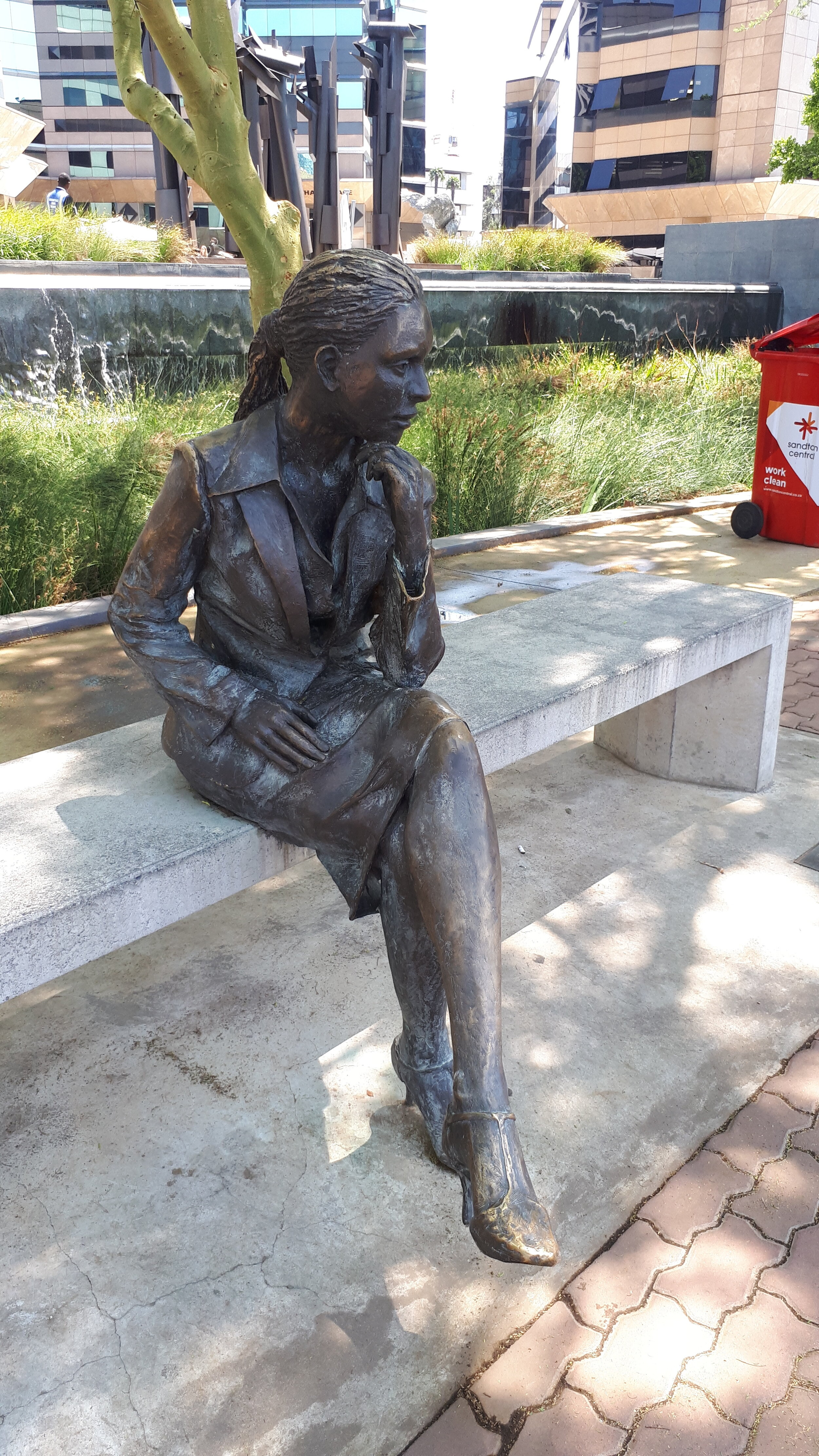
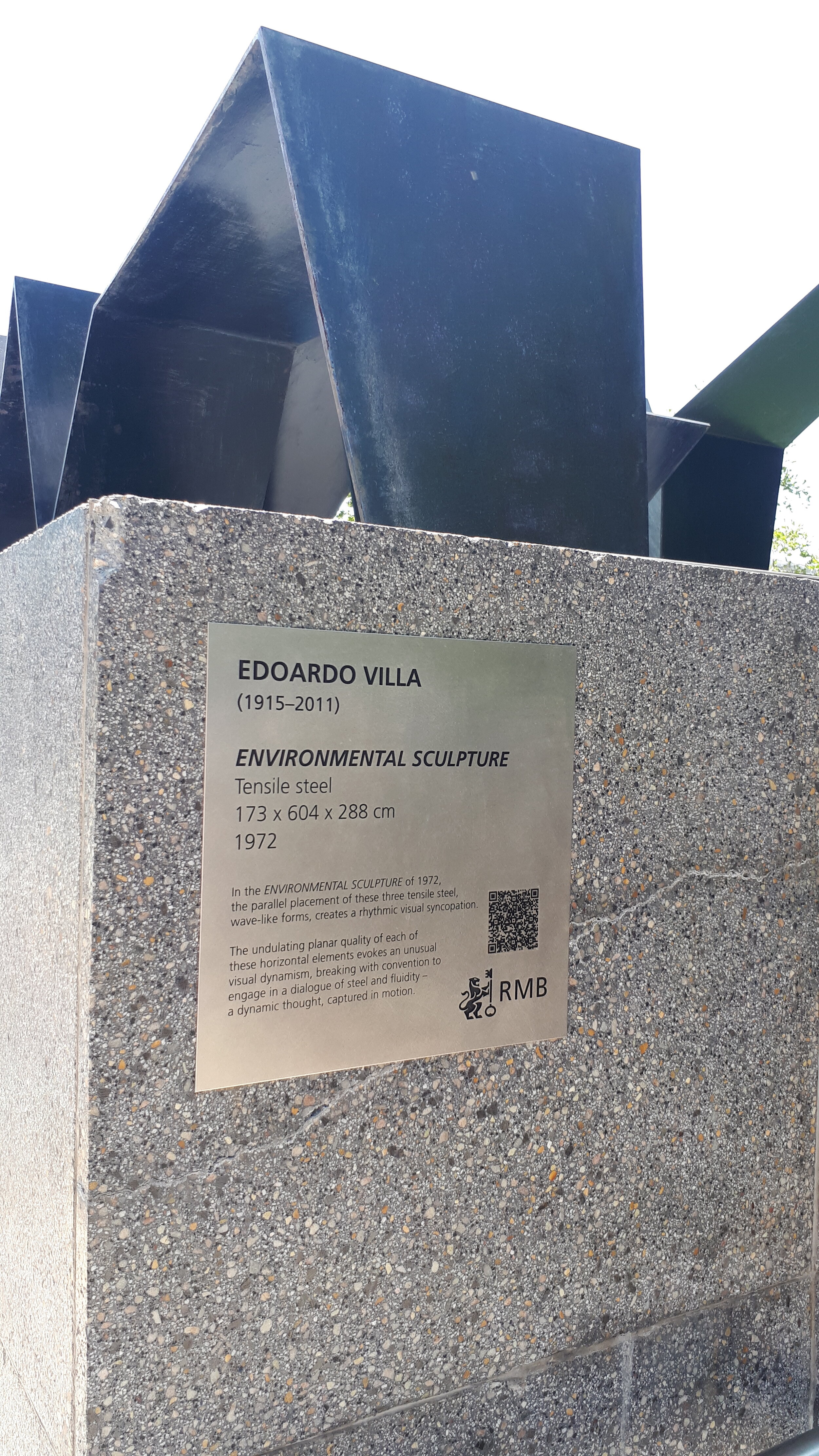
This urban square, located on the corner of Fredman Drive & Gwen Lane in Sandton Central also functions as an outdoor art gallery. It is situated at the entrance to the Rand Merchant Bank (RMB) headquarters and houses several of RMB’s artworks by famous South African artists including Eduardo Villa, Pieter Greyvensteyn, Angus Taylor, Guy Pierre Du Toit and Marieke Prinsloo-Rowe. The Think Bench by Louis Olivier which is on display here can also be seen at the University of Pretoria and the University of Stellenbosch.

Art captures the spirit of the time, transform lives and bind together, not only hearts and souls, but entire societies and nations. Having a Corporate Art Collection on-site helps to reflect the culture of the company in an unspoken way. For example, Africa’s 'Fearless Girl' expresses how diversity and gender equality are valued and embraced. Our people and clients have always had easy access to the palpable energy that original creativity exudes. Artworks are generously displayed across workspaces and our newly refurbished Think Precinct hosts our most extraordinary sculptures in one central, outdoor area, for all to engage,” says RMB CEO, James Formby (www.rmb.co.za/page/rmb-welcomes-africas-fearless-girl)

If you are visiting Sandton be sure to also see the iconic statue of Nelson Mandela at the Sandton City Shopping Centre. The only statue that you will see of this hero that is larger can be found in front of the Union Buildings in Pretoria.

Urban-Slimeline-4.jpg

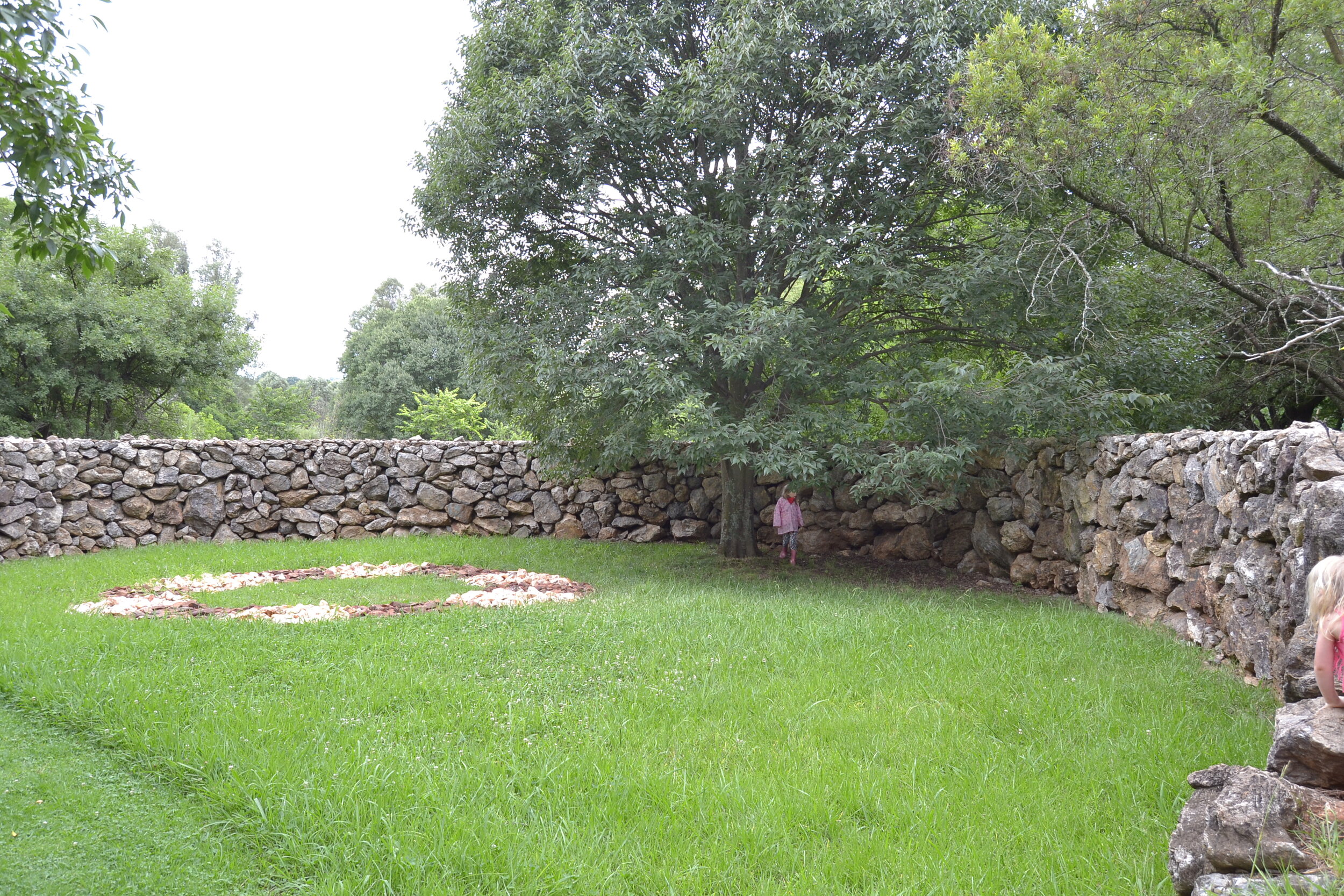
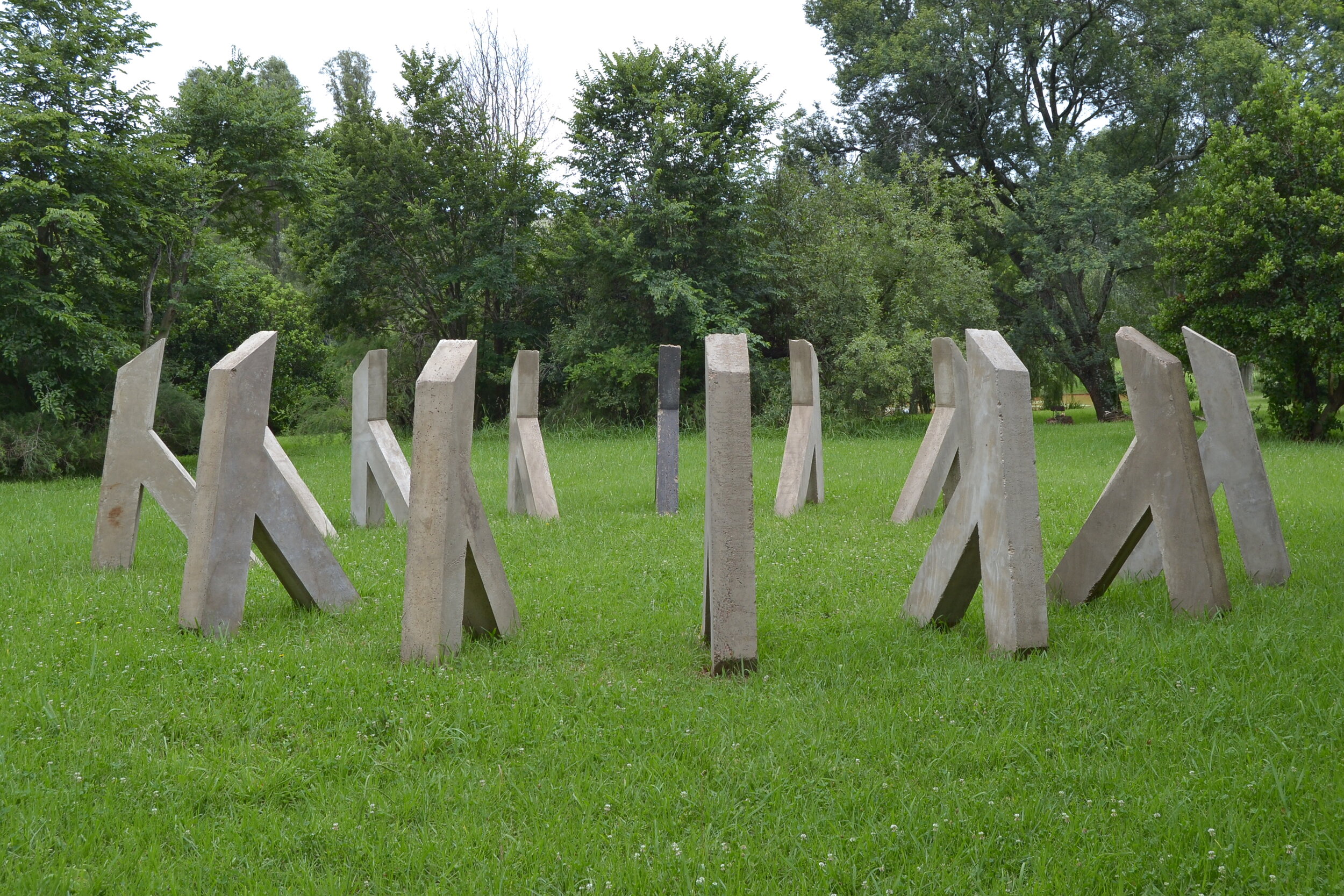
3. Nirox Sculpture Park

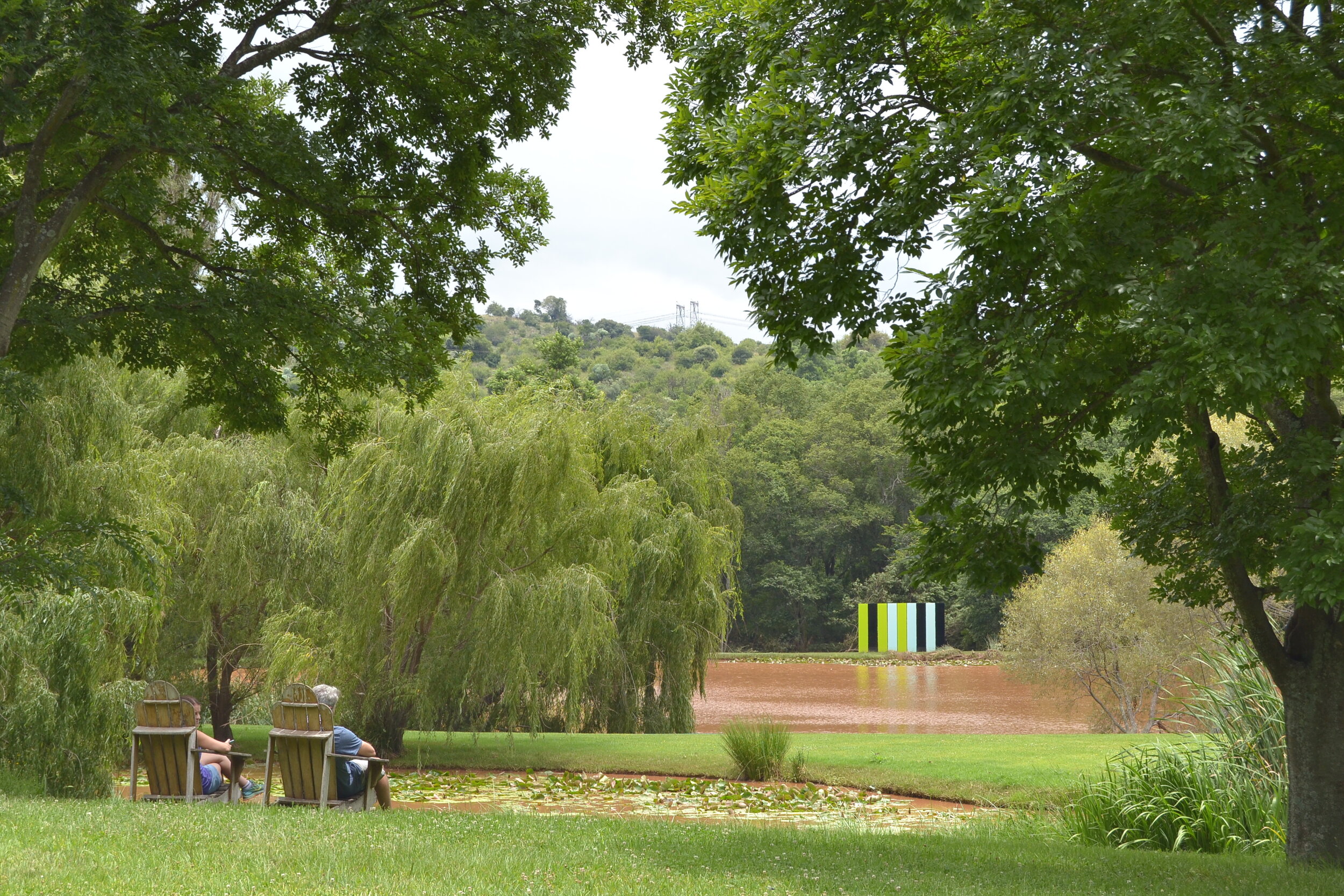
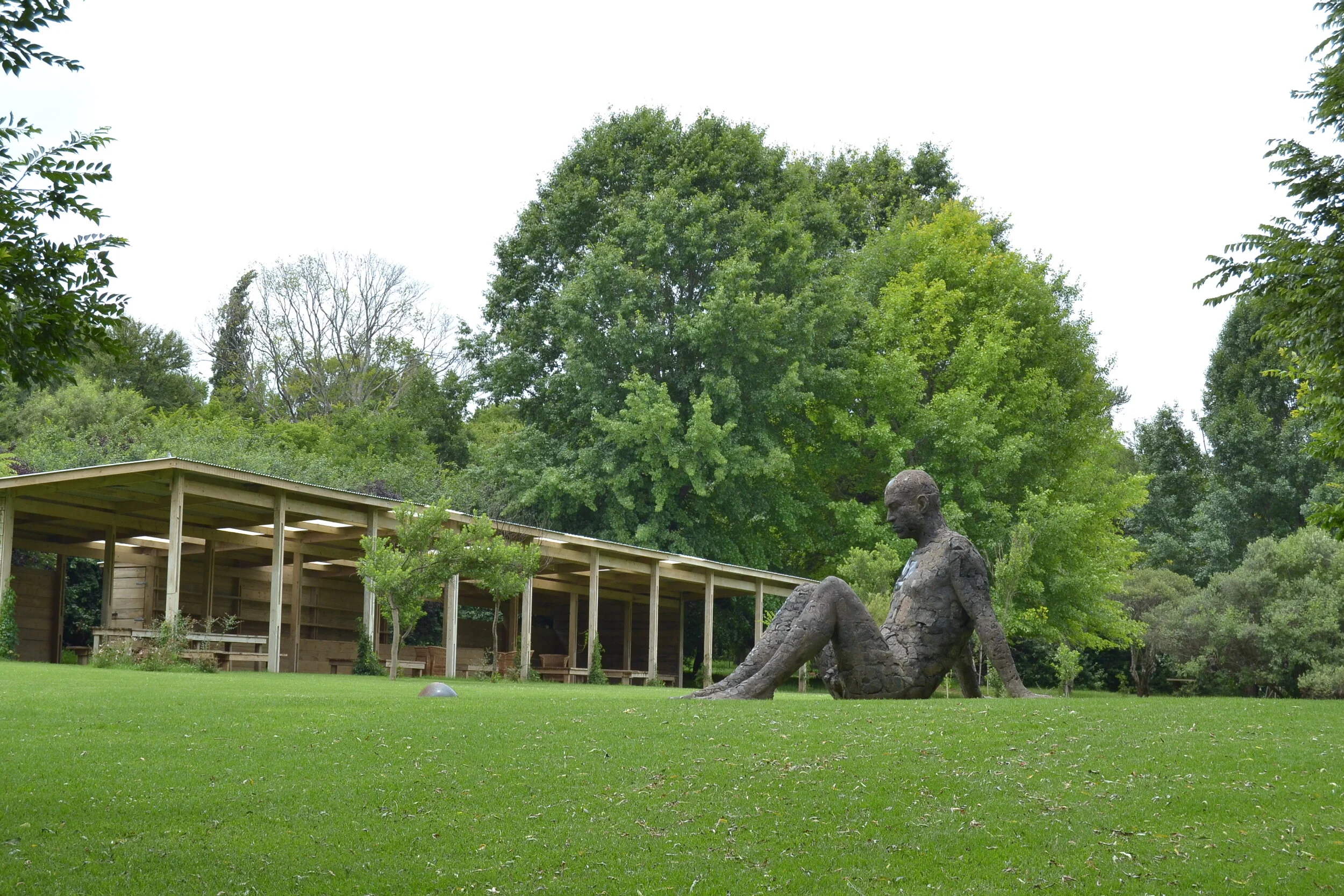
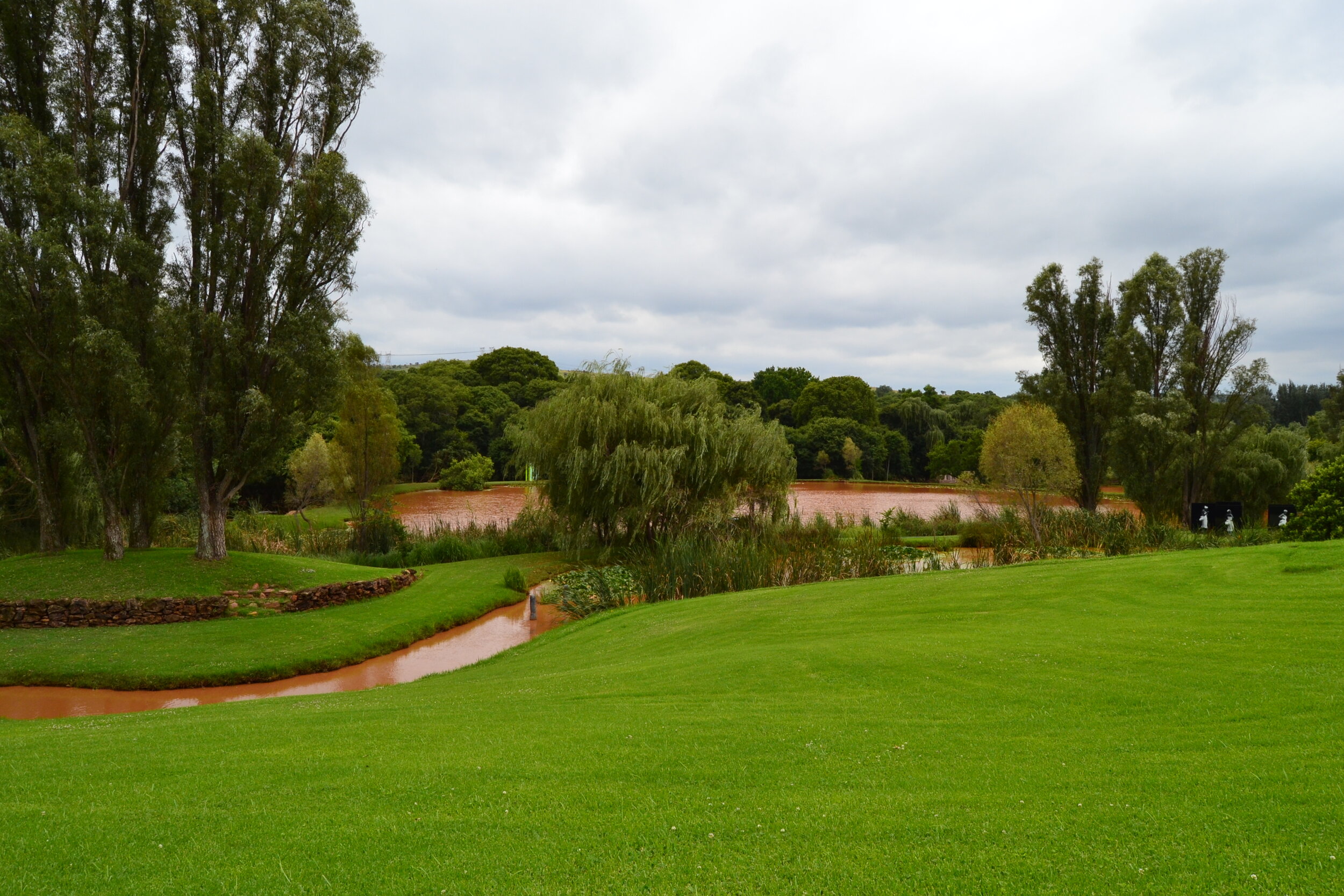
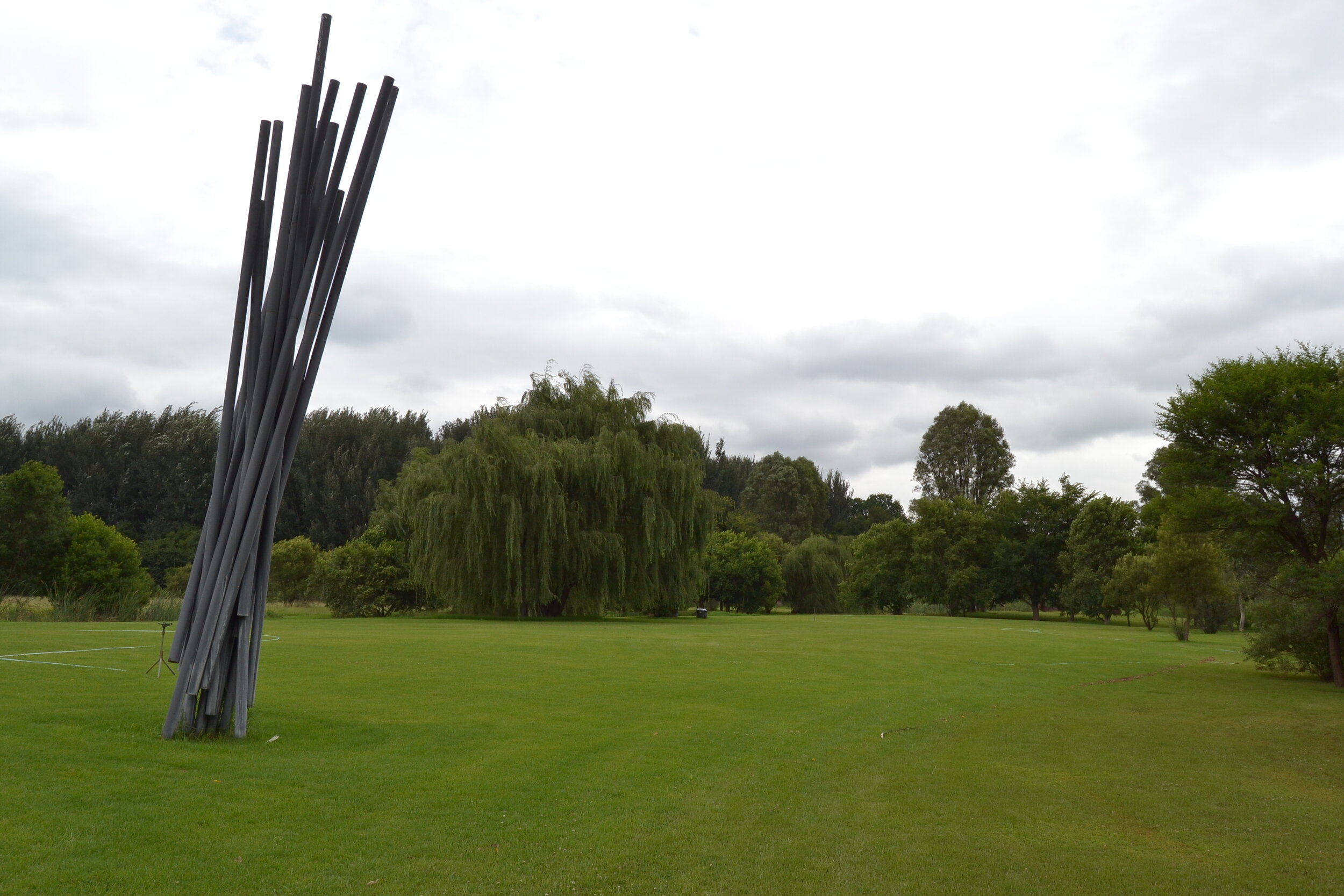
A most inspiring expanse of beautiful trees, lakes and waterways located in the Cradle of Humankind about 45 minutes from Johannesburg. You can discover something new every time you visit this park . The Park is open to the public on weekends and public holidays 10:00-16:00, or by special arrangements during the week.

Their aim to support the arts in all its forms can be clearly seen expressed in the numerous exhibitions and functions they have hosted there. Since NIROX’ beginnings in 2006, we continue to create and share an atmosphere that empowers, inspires and becalms artists; where visitors continue to be nourished with art in nature. (www.niroxarts.com/copy-of-sculpture-park)

360.JPG

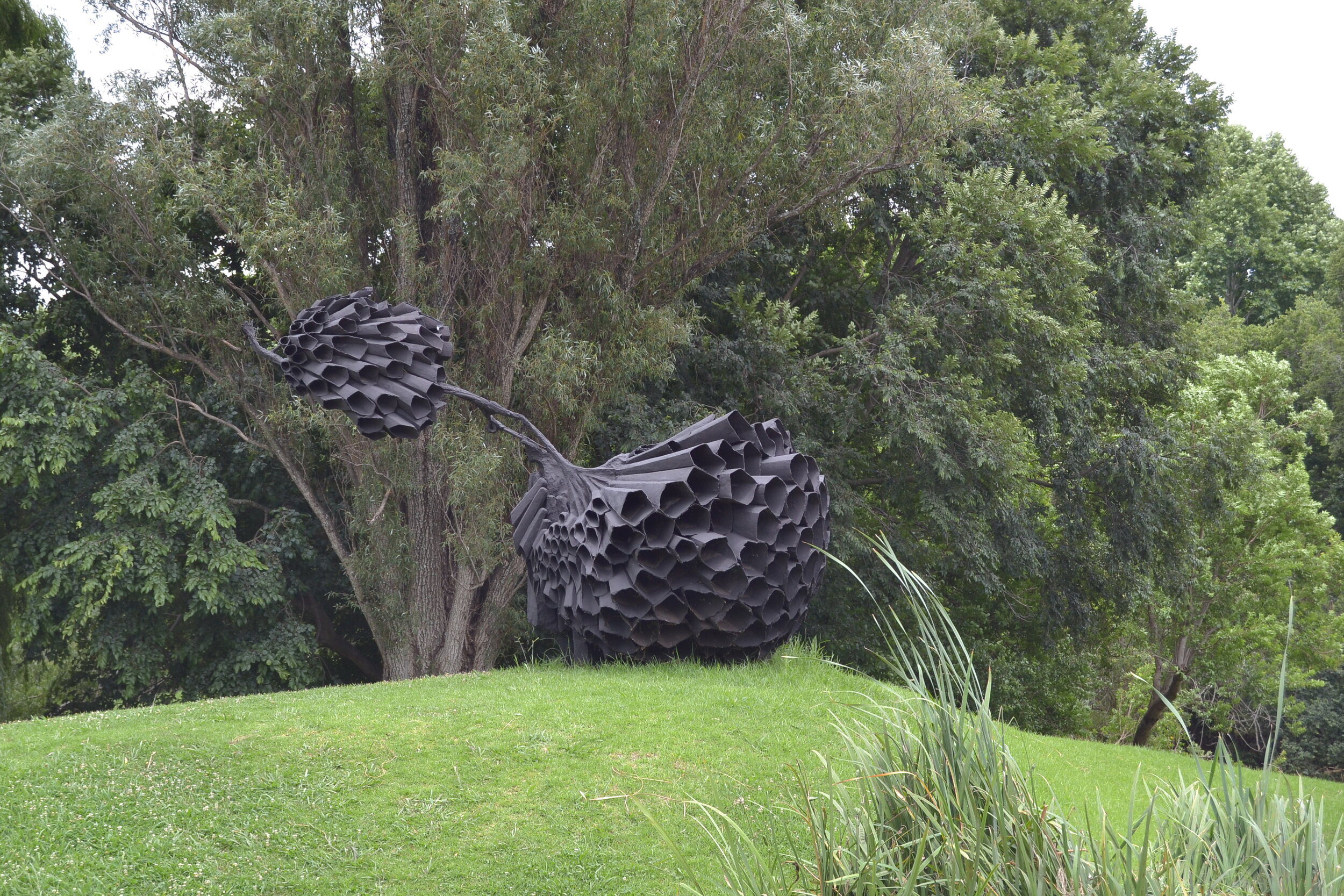
The Sculpture Park regularly hosts independently curated exhibitions, functions, concerts and performances. They have hosted more than 300 resident artists and their aim is to encourage engagement and promotion of the arts in all forms. The restaurant on site is called ‘And then there was Fire’ and serves woodfire grill “We want to share with you the atmosphere of this place, the food that the earth provides and the beauty that surrounds us.” (www.andthentherewasfire.com)

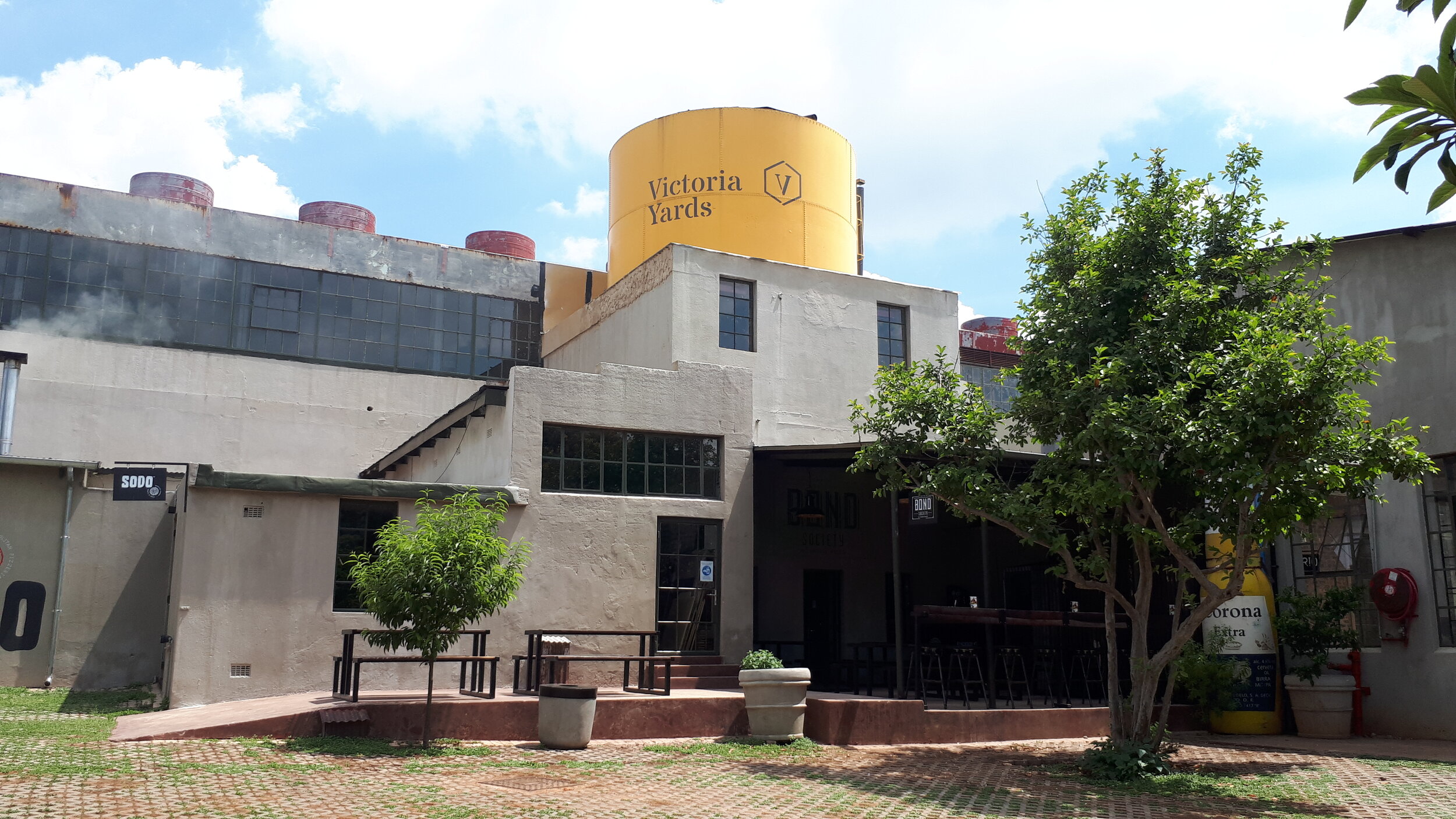
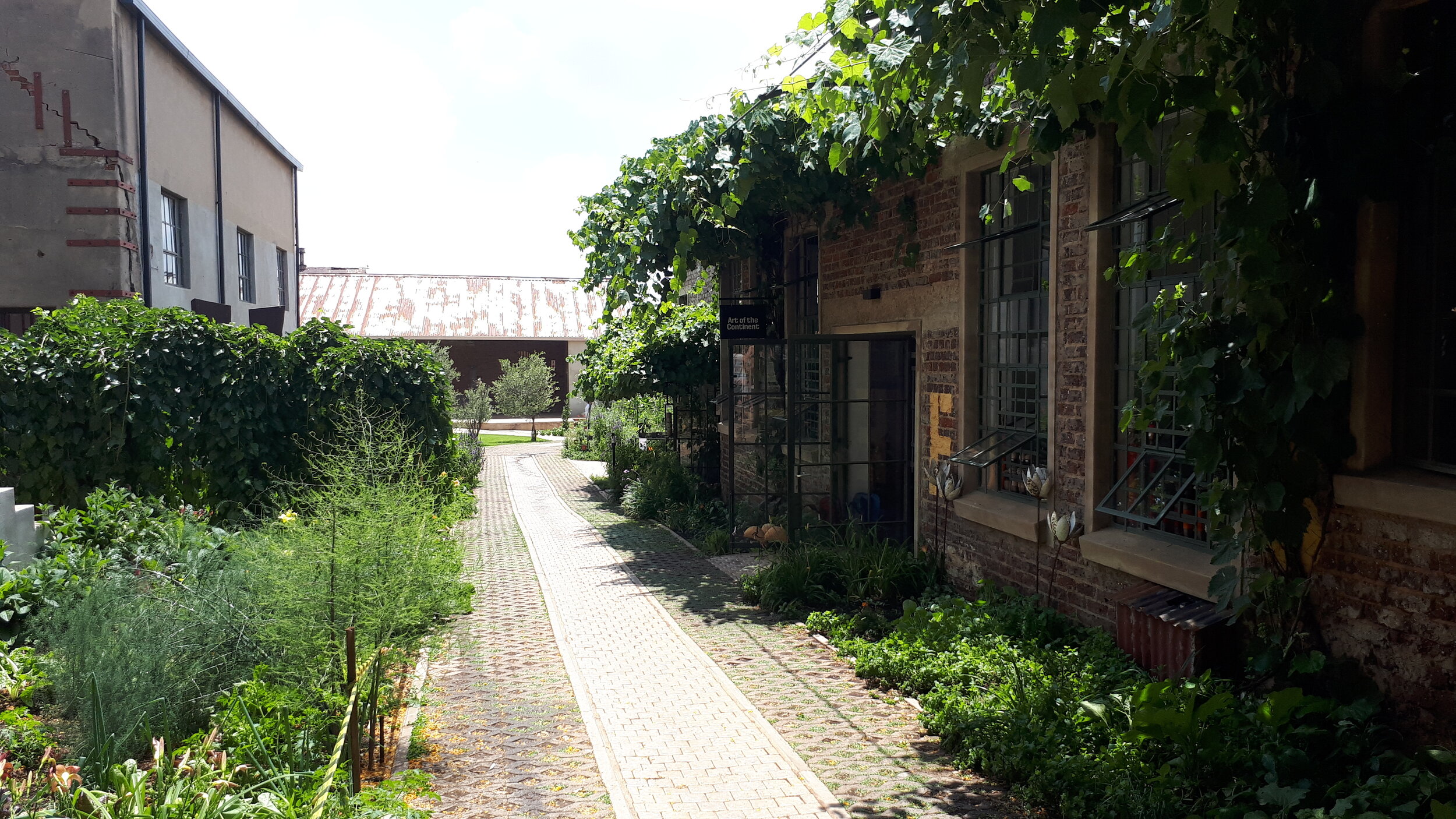
4. Victoria Yards

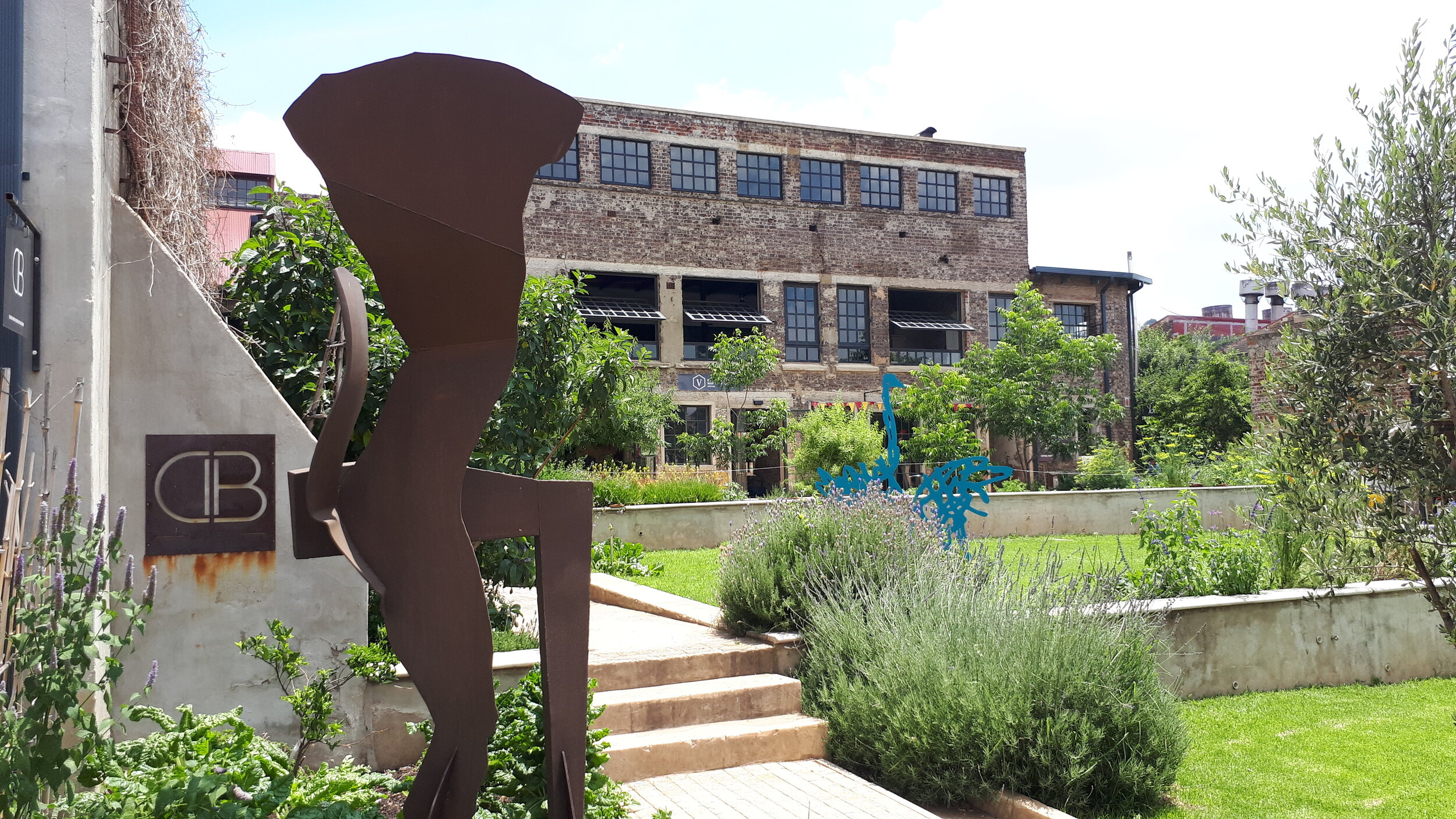
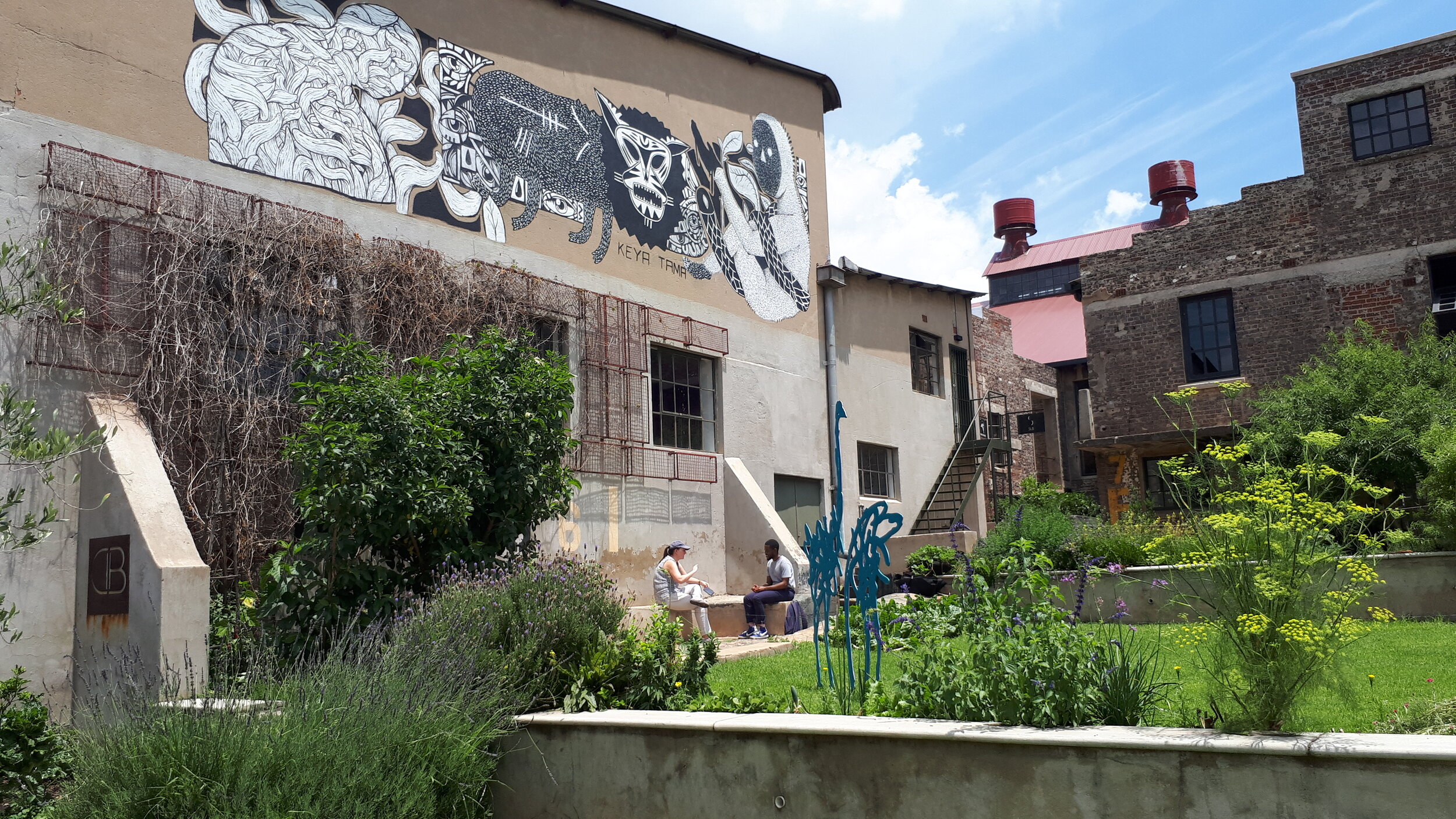
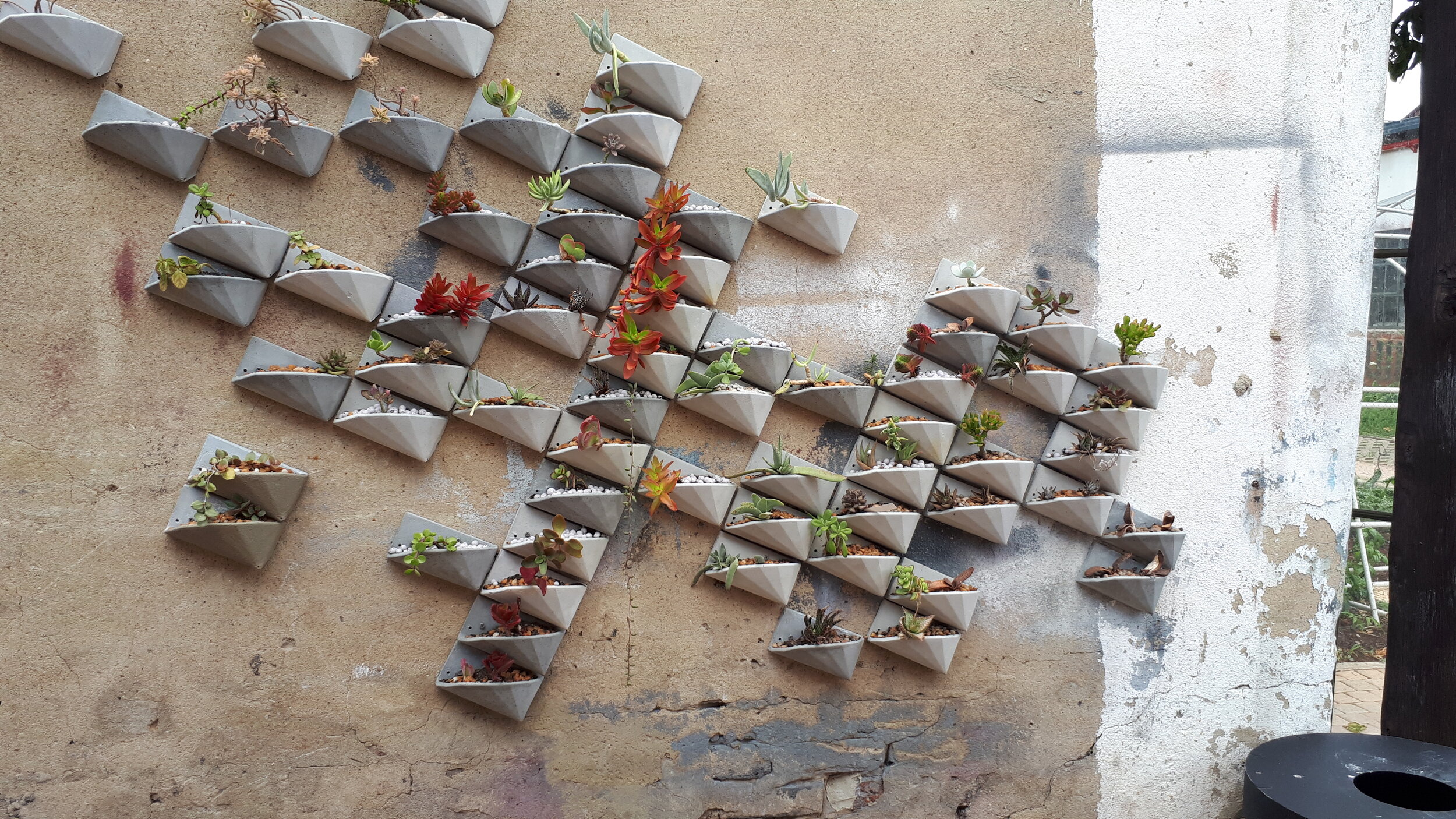
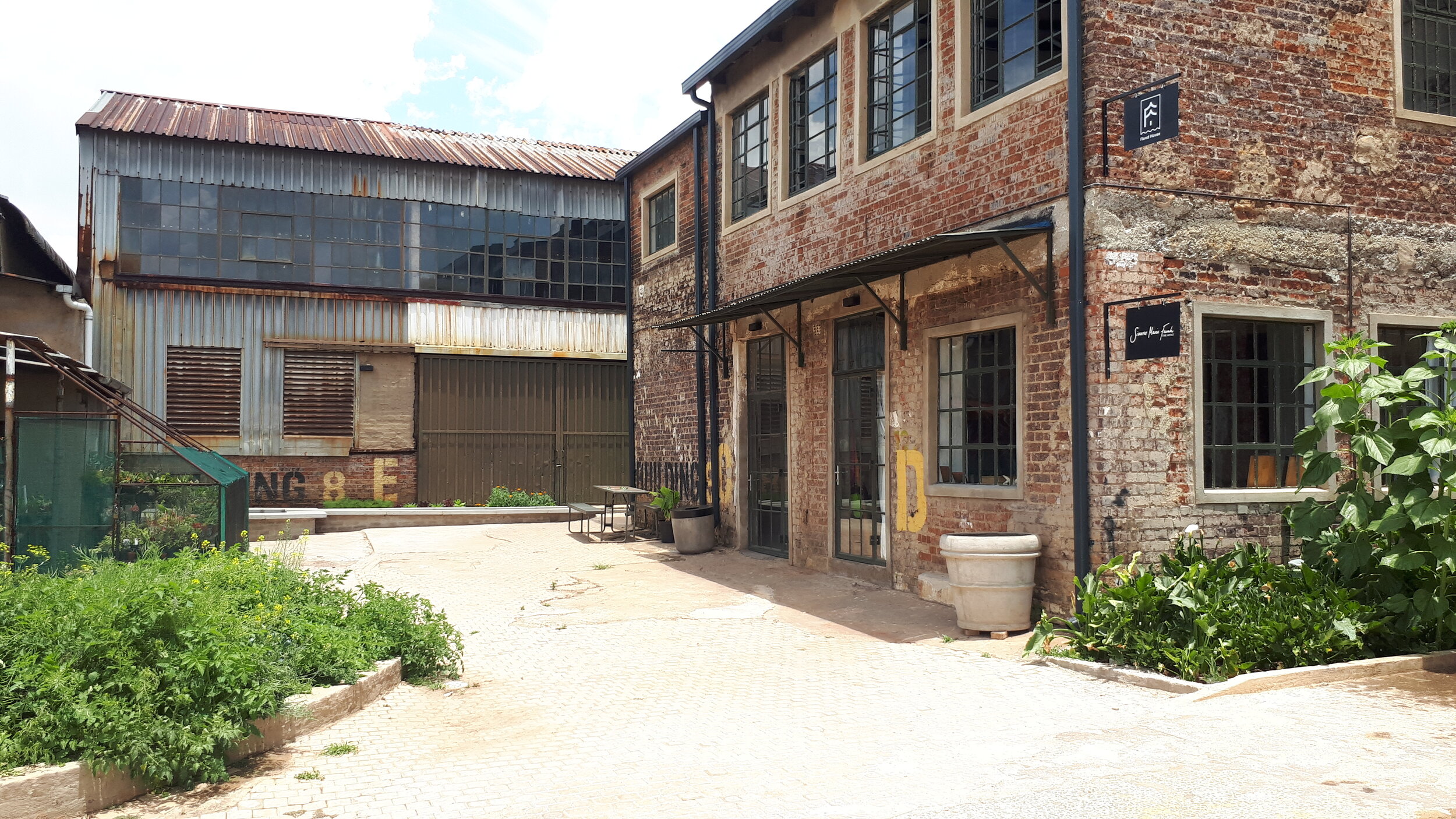
The redevelopment of this sprawling light industrial site (30,000m2) is the brainchild of the developer behind 44 Stanley. A once derelict and mostly abandoned complex of buildings has been redeveloped and transformed into a haven for artists and creatives with a strong emphasis on skill sharing and community empowerment. The buildings are interconnected with spaces that are filled with vegetables and fruit trees making these areas both beautiful and functional. Urban agriculture is one of the many elements of this hub of creativity where community is encouraged to engage.

The project has won several awards: “The Urban Land Institute’s inaugural ULI Europe Awards for Excellence, which recognise outstanding urban development projects in the EMEA region. Developer and owner: Mr Brian Green – lead developer and consultant/planner. Architect: Boom Architects: Victoria Yards is a unique regeneration project that has risen from the ashes of a derelict industrial site to become an entrepreneurial incubation centre providing space at cost to social and artistic enterprises from the neighbourhood and beyond. It is an outstanding example of how creative thinking, community engagement and strong leadership can deliver immediate and evolving commercial, social and environmentally sustainable developments. Victoria Yards has created a thriving community that is as much about social cohesion and learning as it is a commercial enterprise. (www.victoriayards.co.za)

The project is a precedent for urban regeneration and gentrification while at the same time the developers have clearly been sensitive to the heritage of the site. The buildings have a raw beauty and several sculptures are dotted throughout the landscape. Some of the sculptures are by James Delaney who has his studio there and is known for his involvement in The Wilds. (Click here to read a previous post about The Wilds)

Visitors are welcome everyday. See Facebook for updates on their markets and upcoming events.


There are many beautiful and inspiring spaces in Johannesburg. Tell me about your favourite?

Modderfontein Bird and Sculpture Park

20210113_123031.jpg

One benefit of the slower start to the year was a exploring a few outdoor spaces I wouldn’t normally have visited. One such place is the Modderfontein Bird and Sculpture Park. If you don’t live nearby it is a bit of a drive but the name was intriguing and I wanted to discover it for myself.

The Modderfontein Bird and Sculpture Park is a family picnic park in the heart of Modderfontein, opposite the Flamingo Shopping Centre on the banks of the Flamingo Dam.

This wetland park is maintained and serviced by Nevada Group, ensuring that the park is clean, secure and monitored at all times. The local community and visitors from all over Johannesburg enjoy visiting the park to connect with friends and family in a safe environment.

Resident flocks of flamingos, ducks, geese and more provide both a picturesque and educational environment.

DOGGY PARK

A new additional Doggy Park section has been added to the greater Bird & Sculpture Park where your pups can enjoy off-leash fun, obstacle courses and more.

(https://theflamingo.co.za/modderfontein-bird-sculpture-park/)

I was impressed by the private partnership of the neighbouring shopping centre. As well as the community engagement that is evident through small plaques indicating the name of the person who sponsored that tree. There is also a Farmer’s Market held in the park and opportunities for community participation.

tree planting plaque

The Park has a strong identity that is reinforced through the Flamingo logo used throughout as well as the sculpture of the Flamingo in the centre of the lawn.

20210113_122729.jpg

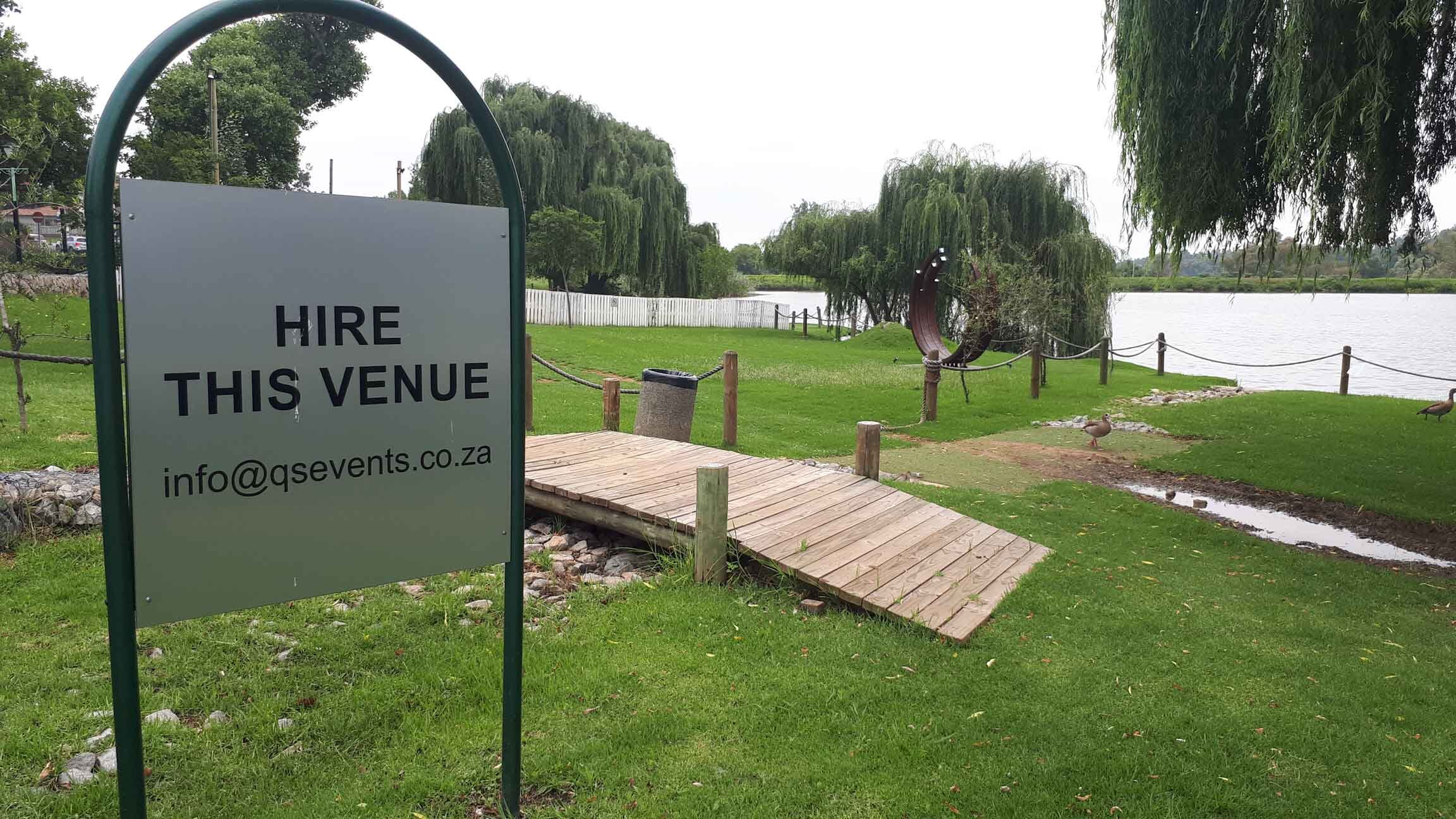
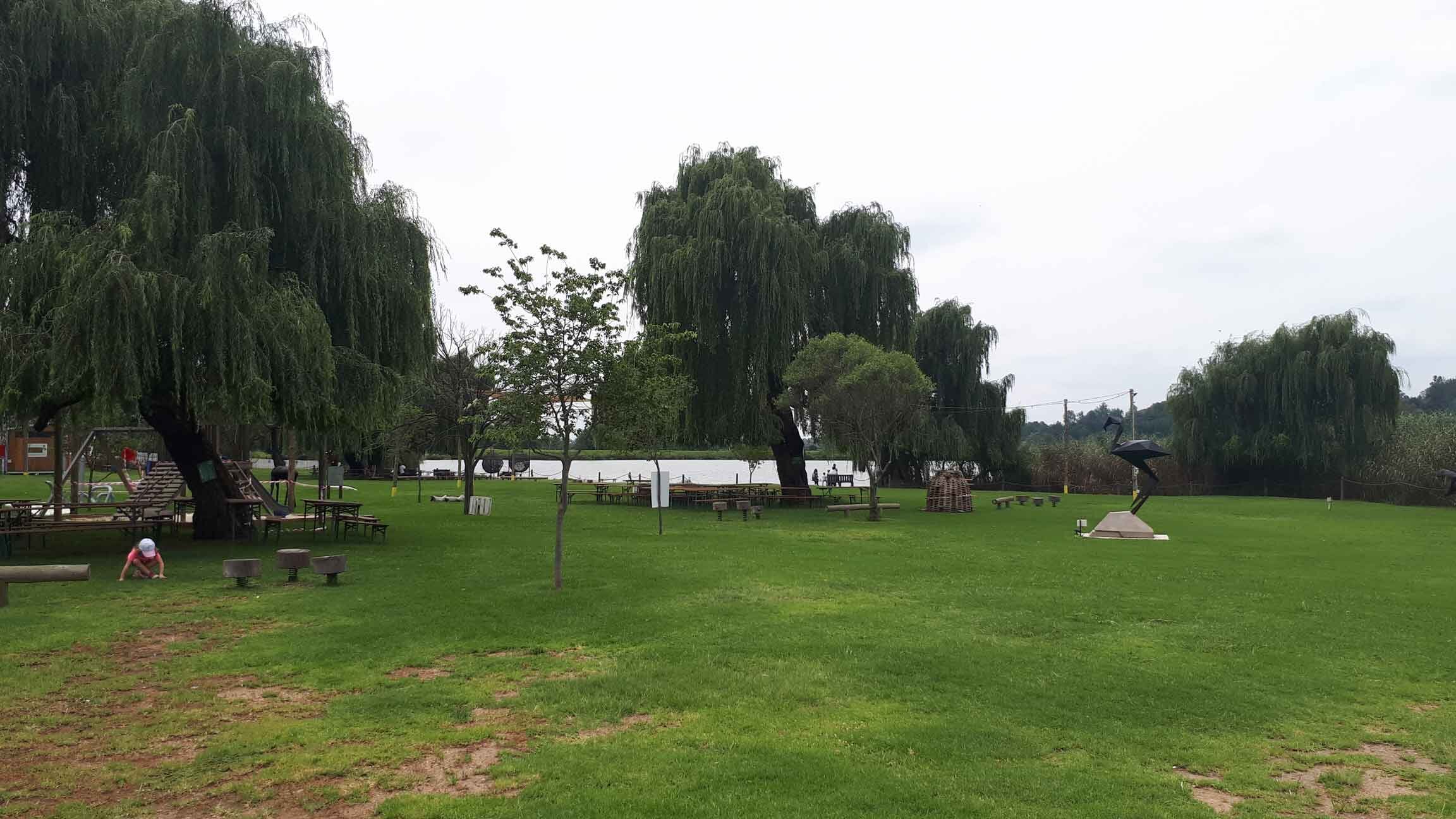
 There is a spacious parking lot opposite the church and at the entrance you pay a small fee which goes towards maintenance of the park. The venue, I can imagine during non-covid days must be a wonderful space when filled with people for functions, markets and celebrations. The facilities include new bathrooms in a container, seating spaces, small jungle gyms for children and some sculptures dotting the landscape.

20210113_122834.jpg
modderfontein sculpture park


I was however disappointed that you couldn’t walk all the way around the dam and for such a large green space only a small part of it is accessible. But certainly worth a visit if you are in the area and looking for a lovely spot to picnic.

Location:

Cnr Queens St & Valley Rd,

Modderfontein, 1609.

Some More Pics of the Park:

If you know of any beautiful green spaces in and around Johannesburg please let me know! I would love to visit them and write a post about them.

Hennops Hiking Trail

20201230_081035.jpg

Only 30km from Pretoria and Johannesburg lies a gem of a nature experience called the Hennops Hiking Trail. It is a private farm that offers hiking routes, mountain bike routes as well as accommodation for overnight hikers. Please call ahead to confirm costs and make reservations although day hikes do not need to book in advance.

hennops map.jpg
Map images are not very clear - best to get copy of map/brochure from Hadeda Camp where the trails start from

Map images are not very clear - best to get copy of map/brochure from Hadeda Camp where the trails start from

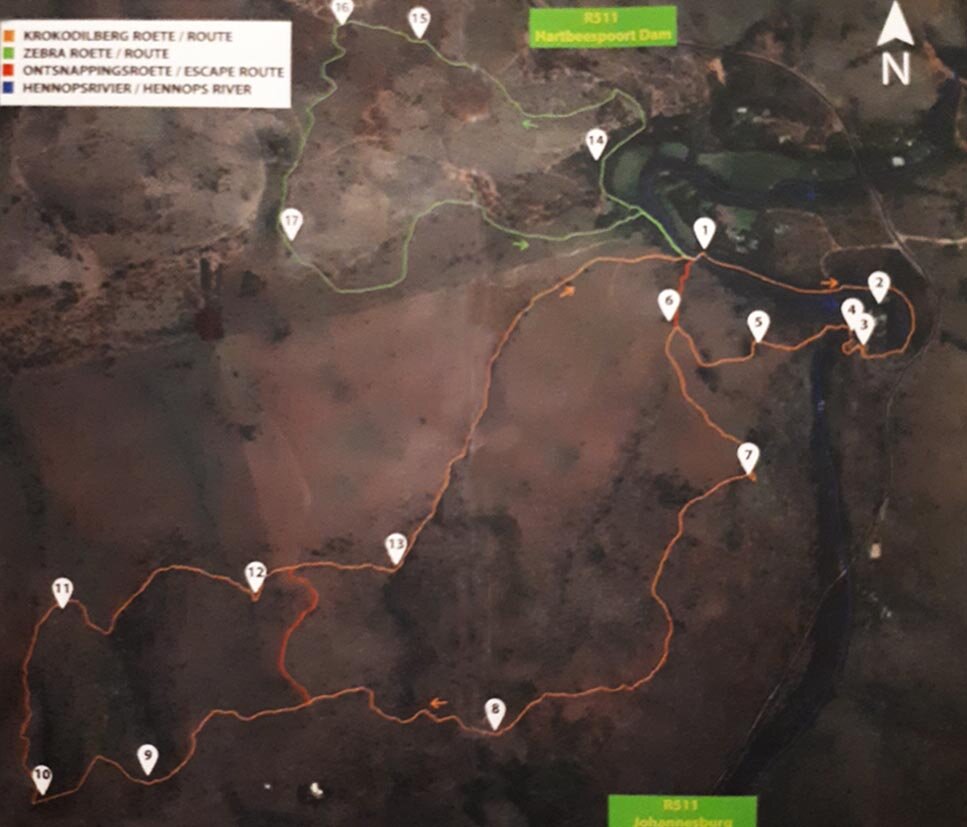
There are three hiking route options to choose from, depending on your level of fitness and time allowance. The Dassie Route of 2.5km is an easy route (1-2hr duration) designed for parents to introduce their children to hiking. The 5km Zebra trail (2hrs) can be considered easy - average and a variety of game can be seen on this walk. The 10km Krokodilberg Route (4-5hrs) is an average-dfficult hike that is not recommended for children under 12 or unfit adults. It covers a broad part of the farm and beautiful views of the surrounding areas can be seen as you traverse the terrain. There is a variety of beautiful plants and trees to be seen as well as birdlife and small animals.

Dont forget: Comfortable day backpack, strong shoes and hat are essential. Pack snacks, wear sunblock and carry at least 1l. of water per person for every 2 hours of walking.

After your hike you can stay for lunch at the Hennops Picnic Spot (Loerie Camp) which has two swimming pools and braai facilities (closed during COVID so call ahead to check if you want to use these facilities).

Reservations and Enquiries:

Call 082 825 9205 or email info@hennops.co.za

Website: www.hennopstrails.co.za

GPS Co-ordinates: S25 47.887 E27 59.404

Any other great Hikes you know about? Please let me know!

Everard Read Art Gallery on Keyes Art Mile, Rosebank

Keyes Art Mile
keyes art mile map

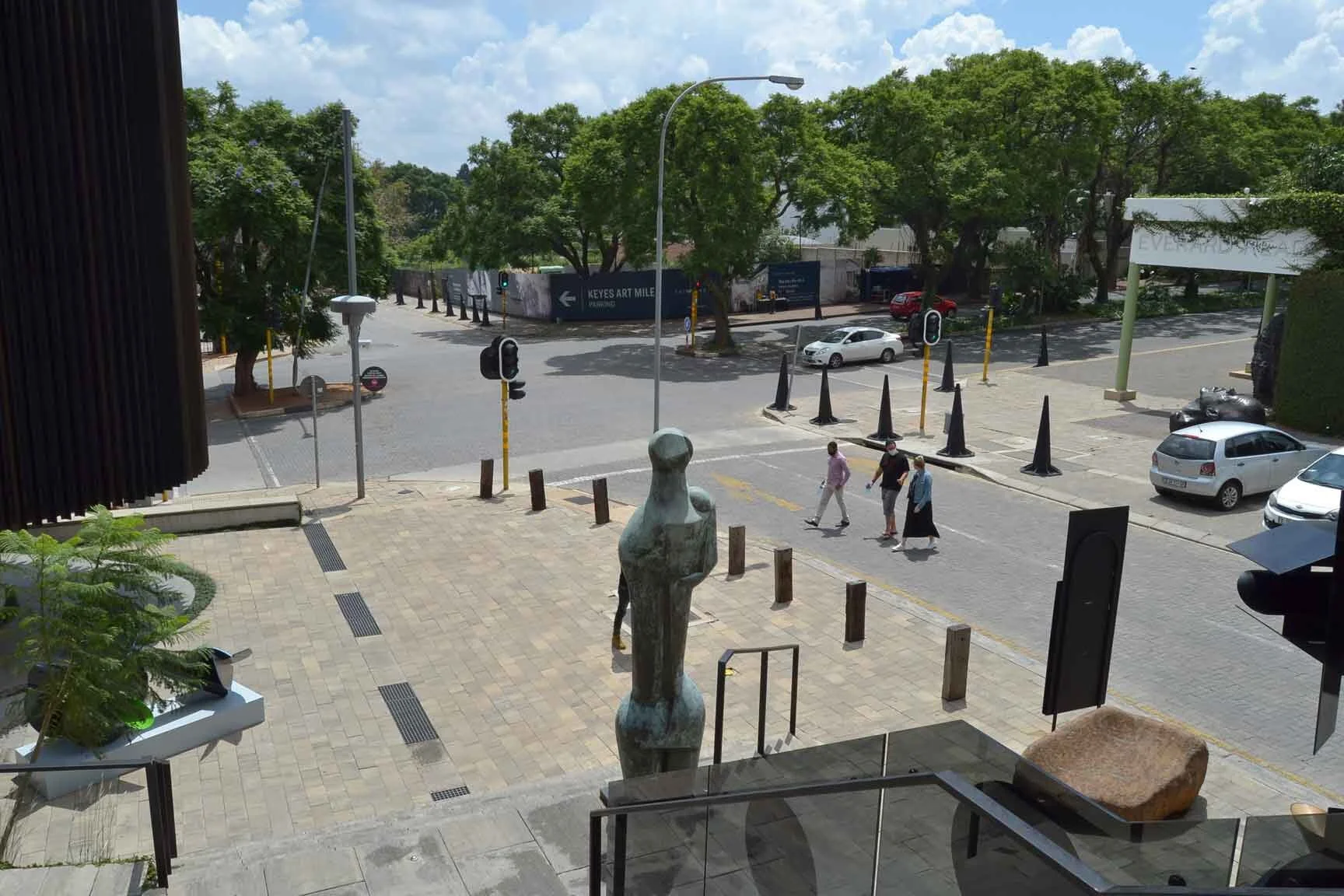
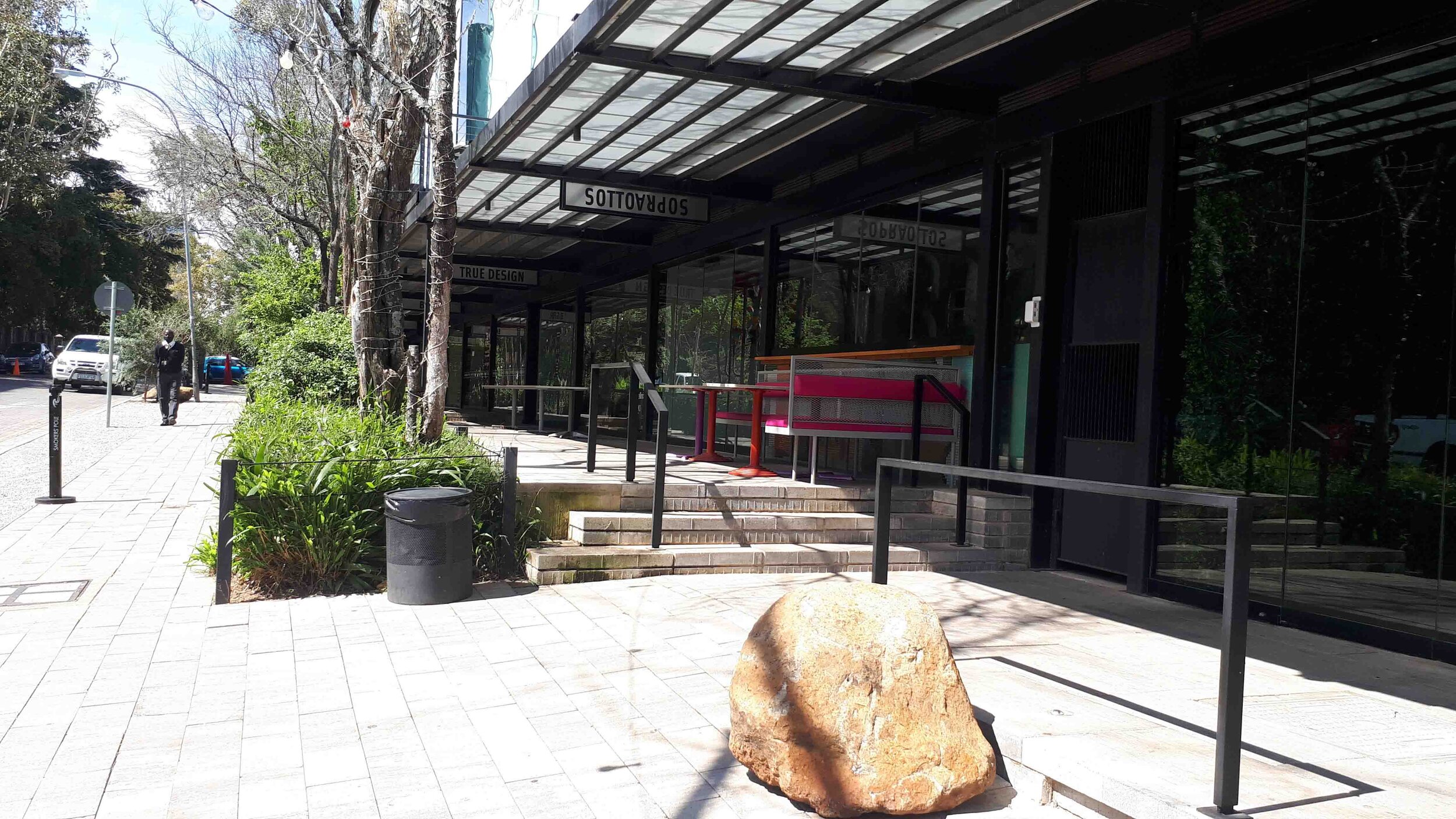
The Everard Read Art Gallery is located on what is know as the ‘Keyes Art Mile’ and is surrounded be several other art destinations. The Circa Art Gallery is directly over the road, the building an artwork in itself, while the Goodman Gallery and Gallery MOMO are both a few kilometres away.

Green Wall St Teresas

While driving down the one way street of Keyes Avenue it is hard to miss the Green Wall Façade on the right hand side as part of St Teresa’s School. Here is a link to an article written about this Project by Johan Wentzel from Wildflower Nursery who assisted in selecting the plant species, all of which are endemic (only locally found) to the Highveld. All species are found in the Egoli Granite Grassland Vegetation Type and would have been likely to be found in the area before the urban intervention of city development.

keyes art mile

My visit also reminded me of the last botanical art exhibition I went to at this gallery (In May 2018) and I rediscovered the notes I took at one of the evening lectures I attended by Reinier Tereblanche on Butterflies. What stood out for me was the interdependence of butterflies and plants and reminded me again how important it is to plant indigenous and create gardens with diversity. Did you know there are 660 species of Butterfly in South Africa, second only to the tropics. This lecture was actually where I first heard about Tswalu Foundation.

Botanical Art Exhibition

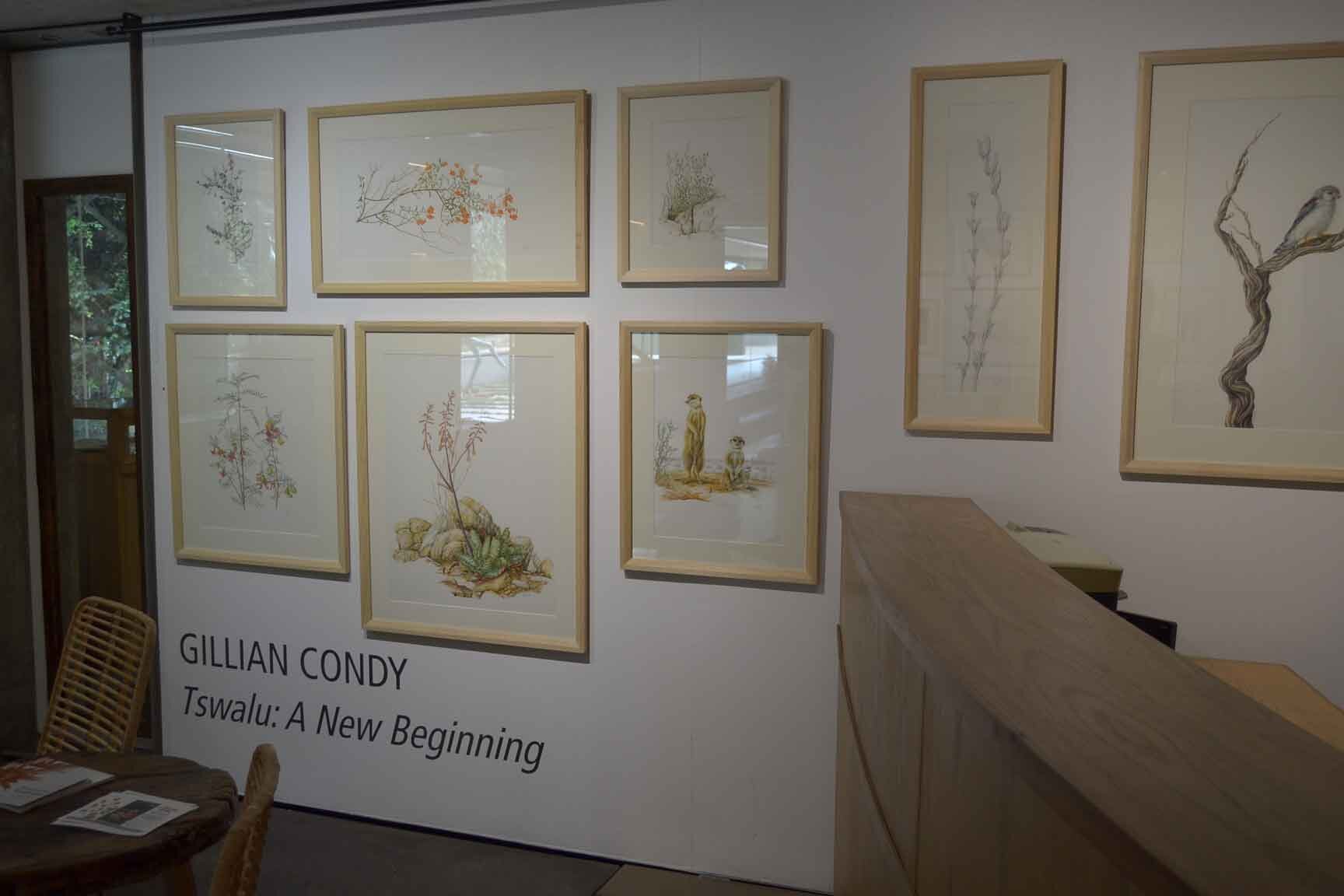
As I love all things botanical I was keen to view the current botanical art exhibition by Gillian Condy. I had the privilege of seeing Gillian Condy in action when I did a botanical art course at The Cavern with Elsa Pooley which they run annually (See Post about The Cavern Here). Gillian is a renown botanical artist and she was appointed Artists in Residence (AiR) at the Tswalu Kalahari Reserve and made eight trips to the reserve over 14 months to illustrate the plants.

The exhibition is a beautiful reflection of the natural flora of the Tswalu reserve and really highlights the beauty, intricacy and marvel you can find in nature. It also reminded me that the Pangolin is one of the animals on the endangered list that few people know about. I remember growing up someone brought one in to my Dad’s veterinary practice and he called us to specially come see it. I don’t think I appreciated at the time what a rare event it was to see this animal.

tswalu botanical art

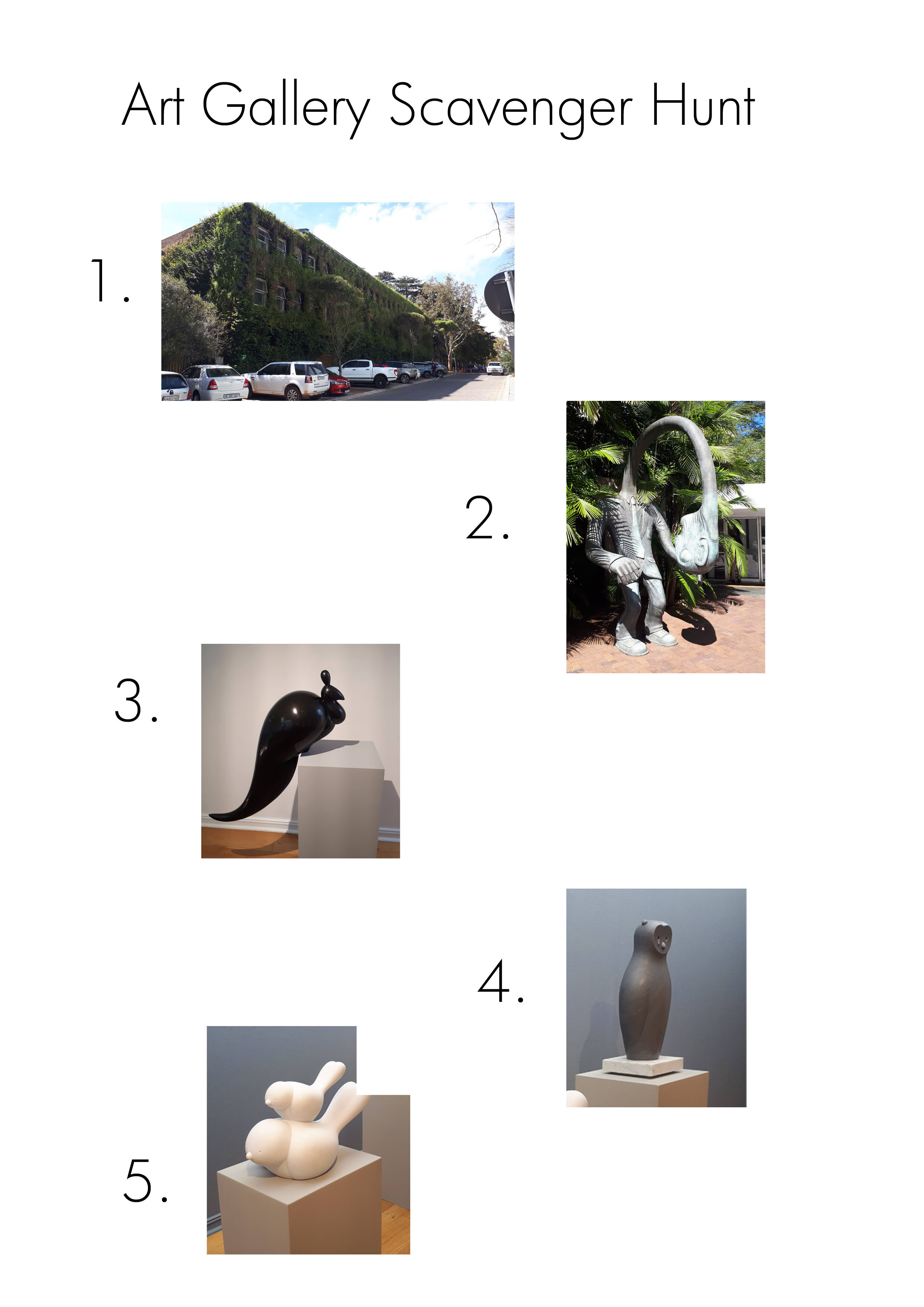
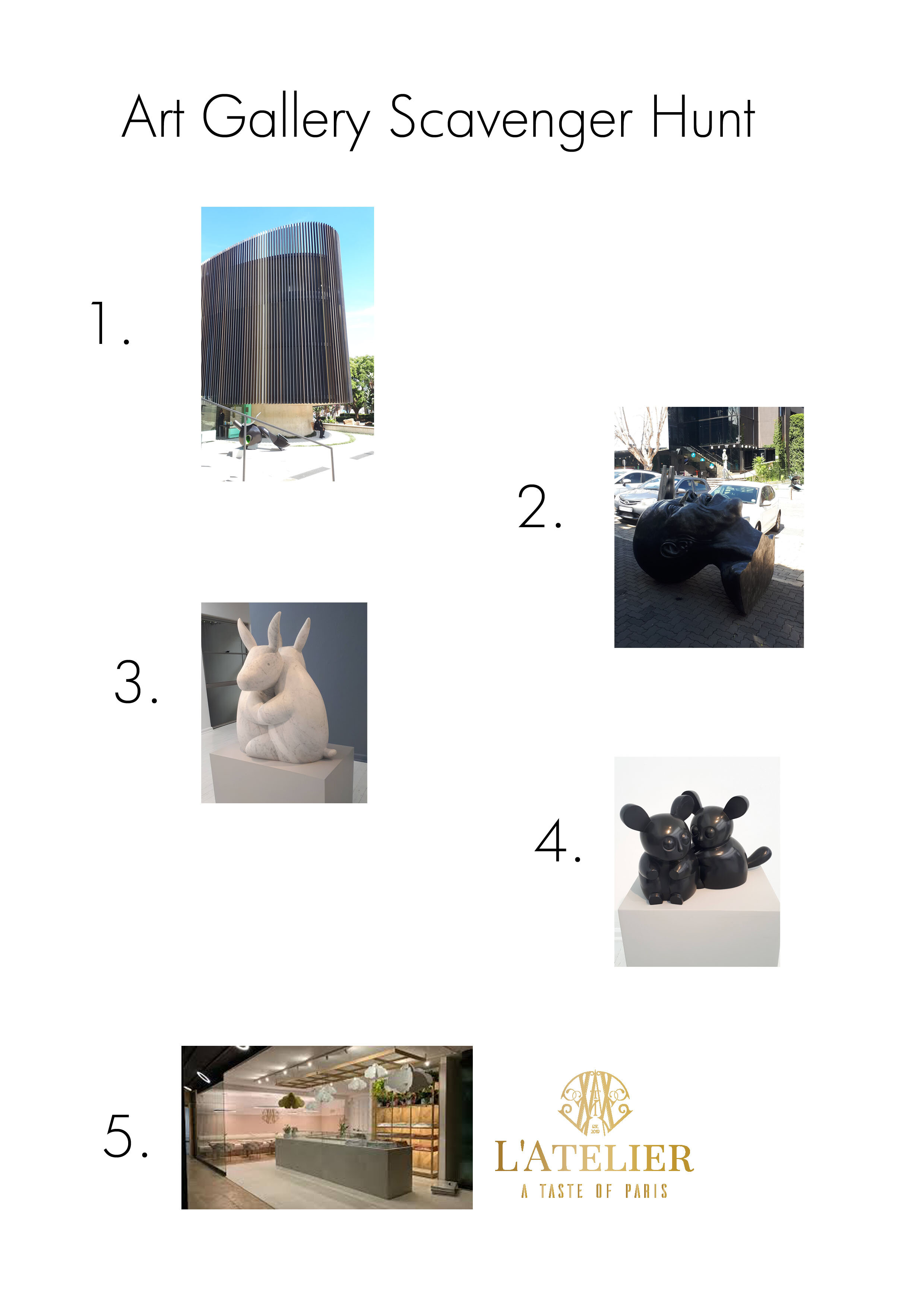
The first time my friend and I tried to visit the gallery there was a production on in Circa which is where the botanical art is on display so we explored the Brett Murray exhibition in the Everard Read building, followed by a delicious coffee and croissant at L’Atelier Bakery. The second time we visited I brought my two kids along (3 and 6 yrs) and to make it more exciting for them I drew up a scavenger hunt with photos so that they had things to find and discover (attached at the end if you want to take your kids). We explored the galleries followed by another visit to L’Atelier Bakery for their amazing pastries. I will need to find another excuse to visit again!

L’ Atelier Bakery

L’ Atelier Bakery

I was very moved by the exhibition by John Meyer of iconic moments in Nelson Mandela’s life and think that those paintings are an incredible reminder of what an amazing leader he was and what he did for our country. I highly recommend you visit Circa over the next while, not only to see the beautiful botanical artworks but also the stunning images of Nelson Mandela by John Meyer.

https://lifeofmandela.com/about-the-collection/

https://lifeofmandela.com/about-the-collection/


Gariep Nursery, Pretoria

20210206_141152.jpg

This small nursery can be found tucked away in the suburb of Faerie Glen, Pretoria. It specializes in succulent plants and claims to be one of the first nurseries in the country to make the rare Pachypodium namaquanum (the so-called Halfmens) more readily available. Other rare plants that they can supply include the Spiral Aloe from Lesotho, Aloe polyphylla, many Madagascan Pachypodium species, and Madagascan and Arabian Aloe species.

20210206_141408.jpg

I visited the nursery a few weeks back on a Sunday afternoon after following them on Instagram. I wanted to buy a specific plant - Haemanthus humilis spp. hirsutus - but it was unfortunately unavailable. (note to self - call ahead to book plants you want to specifically buy)

20210206_142605.jpg

I enjoyed visiting and exploring the garden which is filled with succulents and a wide range of indigenous plants, including species of Eucomis, Haemanthus, Hypoxis, Ledebouria, Scilla and Scadoxus. The gardens have great potential to be a beautiful destination where one can sit and enjoy the surrounding plants and birdlife.

​I am sure that the best time to visit is in the winter months when most of the aloe species and are in flower, I’ll definitely come back to see them!


Address: 309 Cliffendale Drive, Faerie Glen

Some text taken from Website: https://www.gariepplants.com/

Instagram: @gariepplants

Willow Feather Farm, Nursery with Farmyard

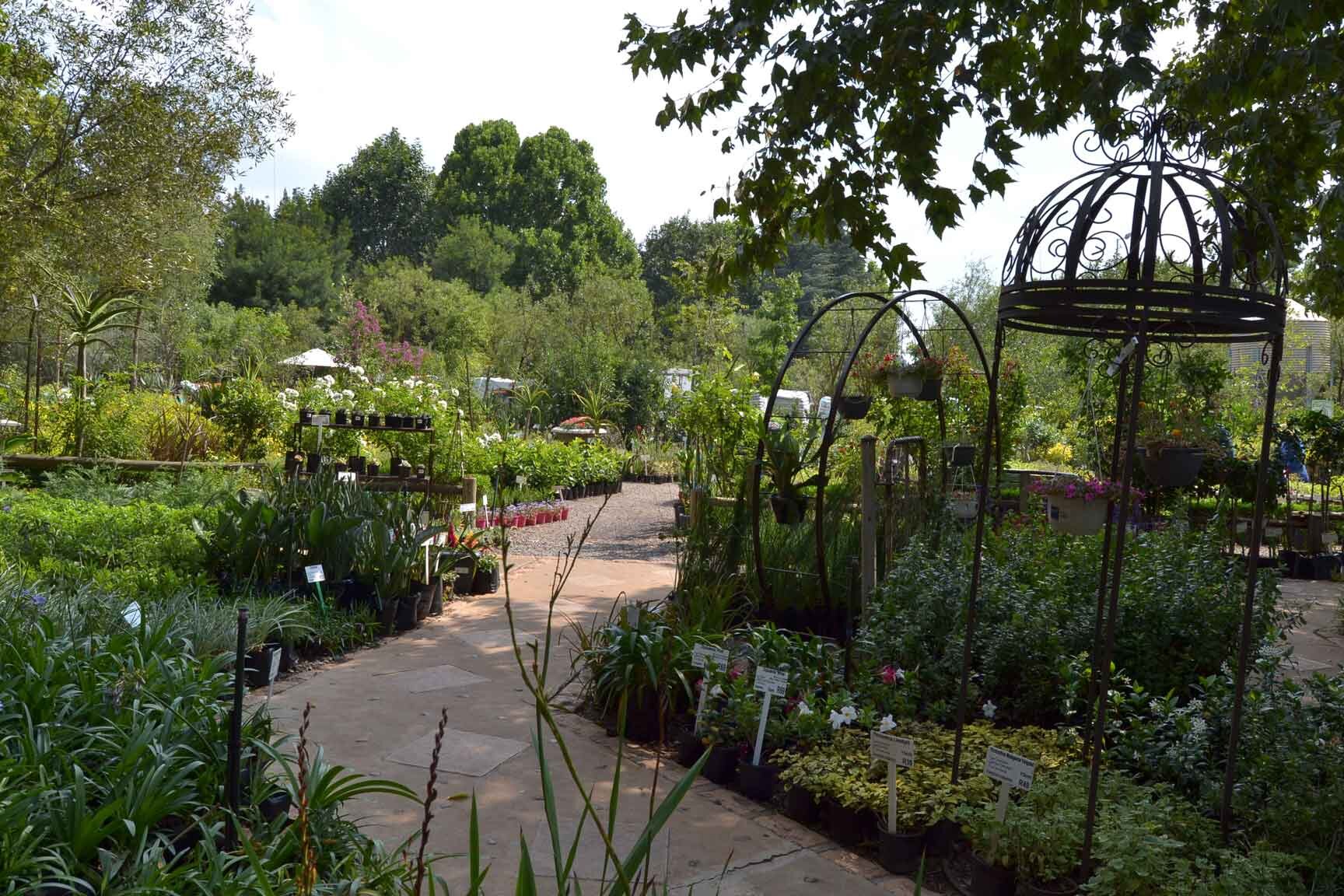
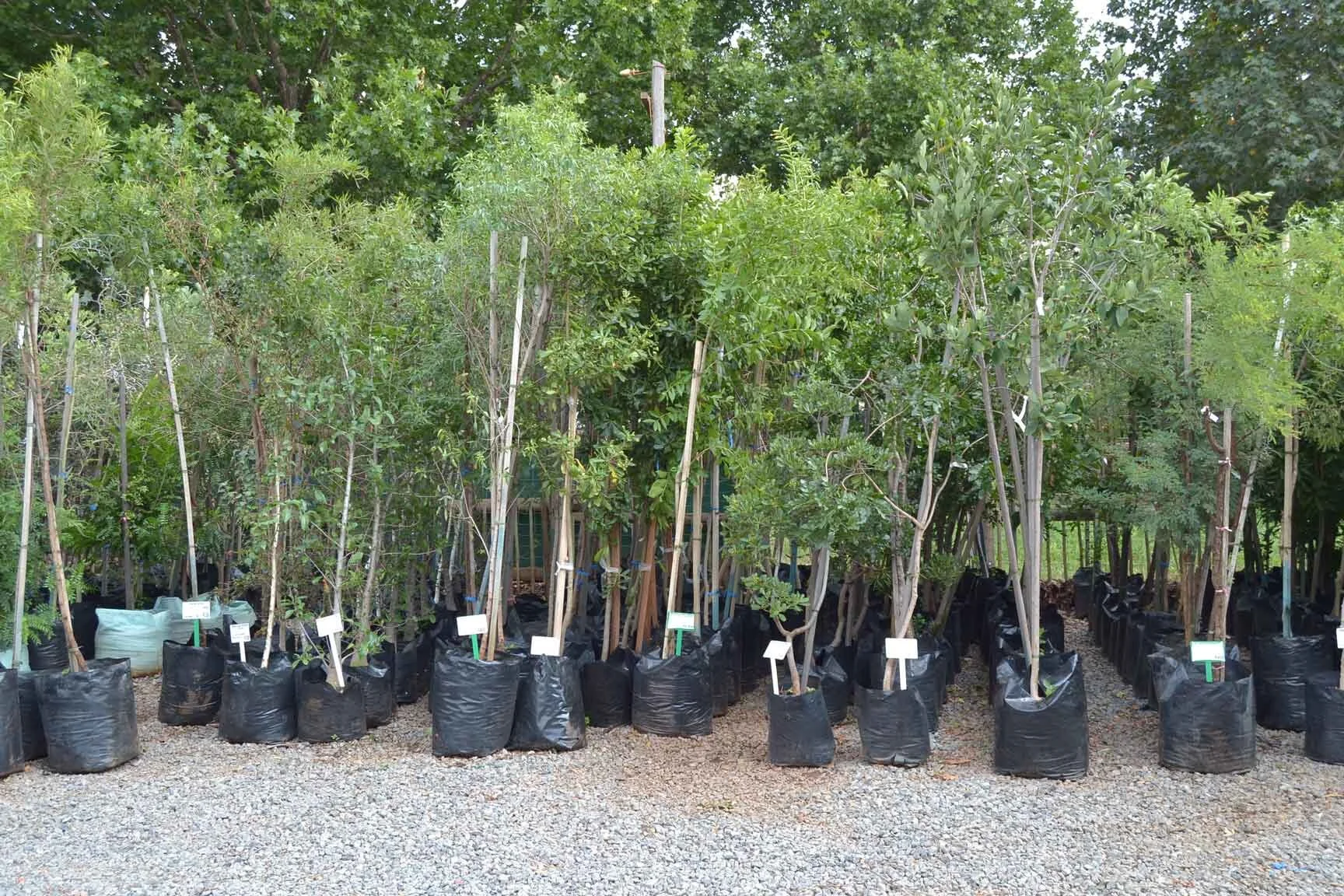
Willow Feather Farm is a nursery located in Irene Pretoria, near the Rietvlei Nature Reserve. It specialises in the growing and supply of frost hardy indigenous trees to the wholesale market. Their main lines of indigenous trees that they grow include: Wild Olive (Olea africana), River Bush Willow (Combretum erythrophyllum), Sweet Thorn (Acacia karoo), Karee (Rhus / Searsia Lancea), White Karee (Rhus / Searsia Pendulina) and White Stinkwood (Celtis africana). These are available in 20, 50, 100, 250 and 500 liter bags. Trees and plants can also be bought from their retail nursery and garden centre.

trees in nursery

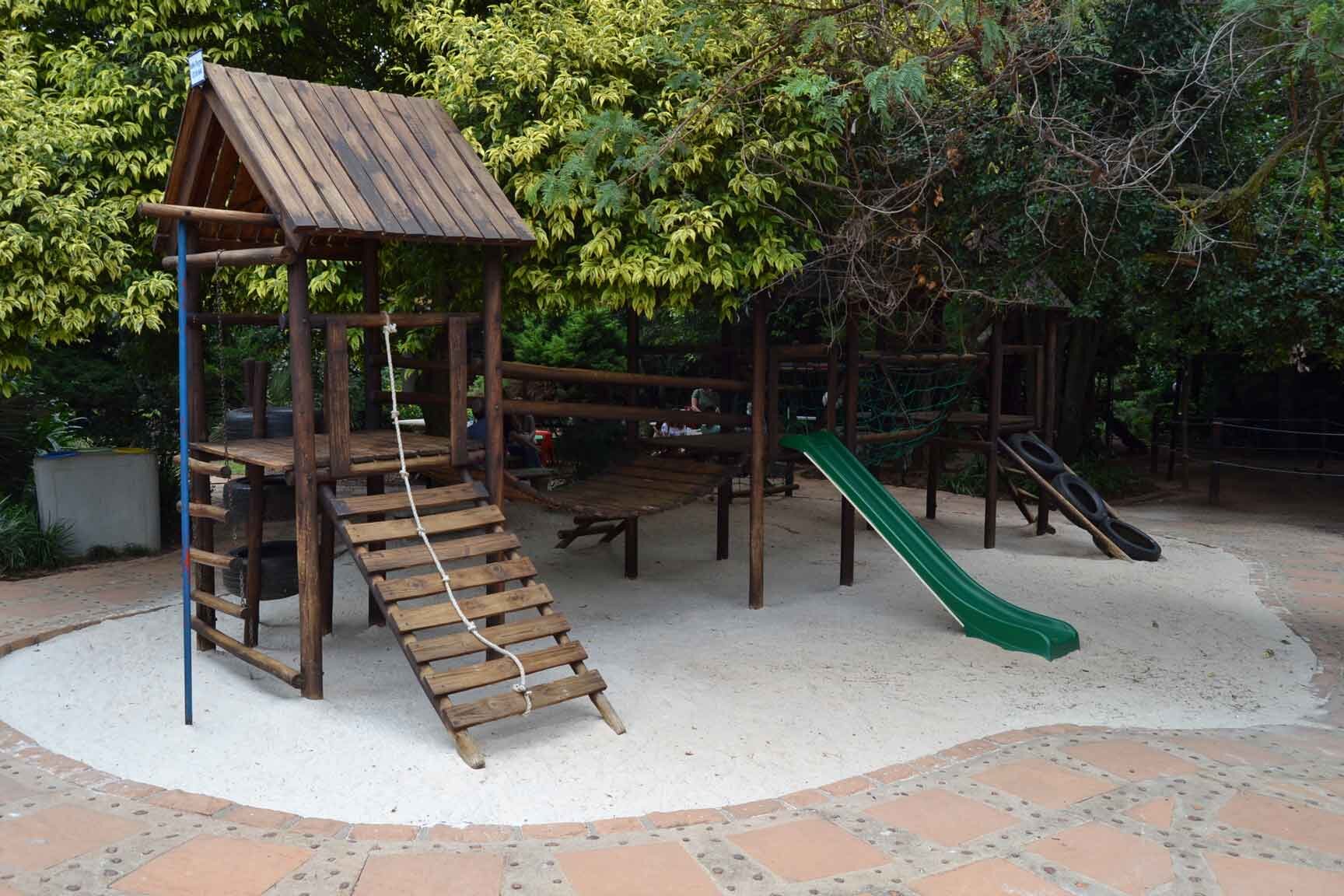
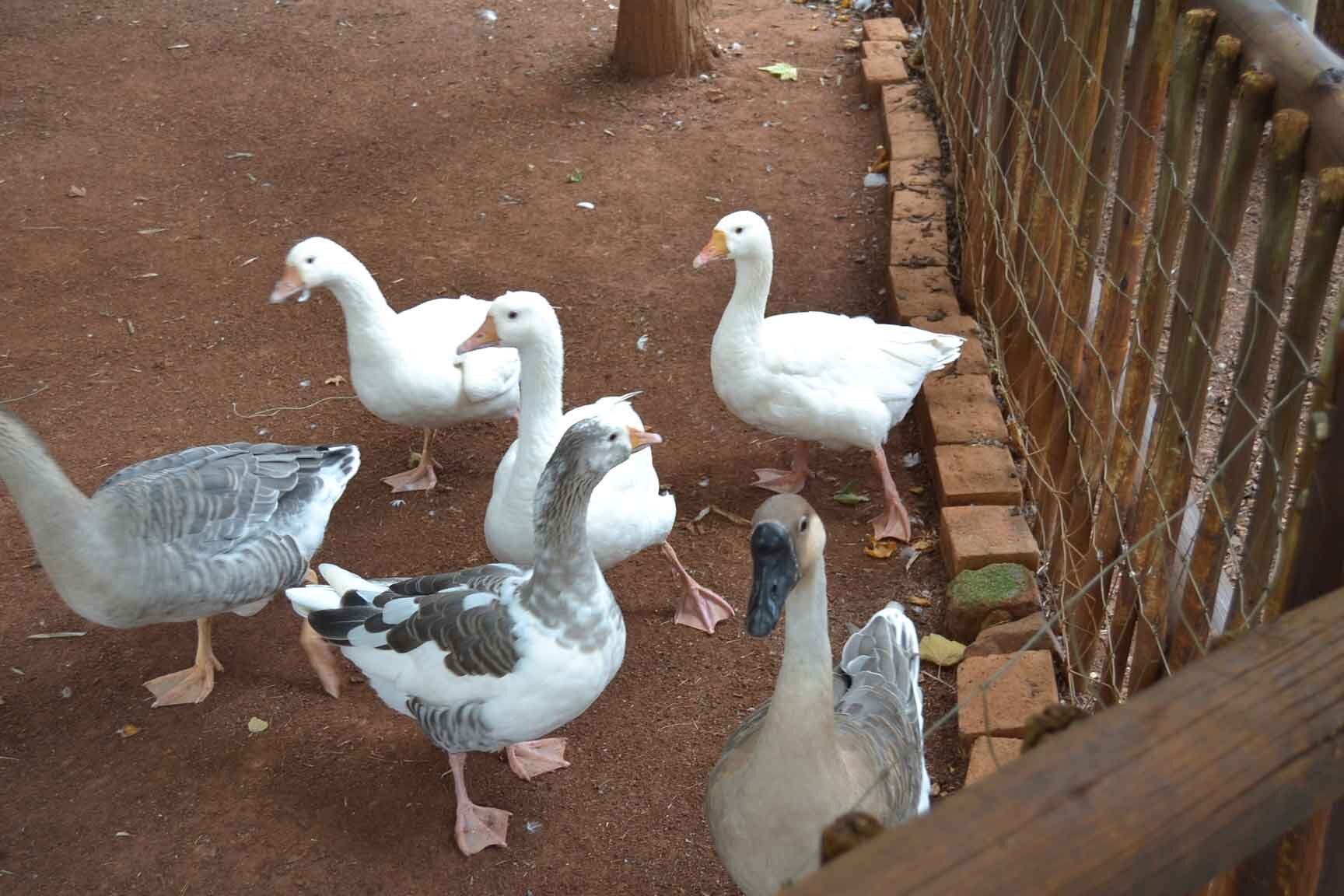
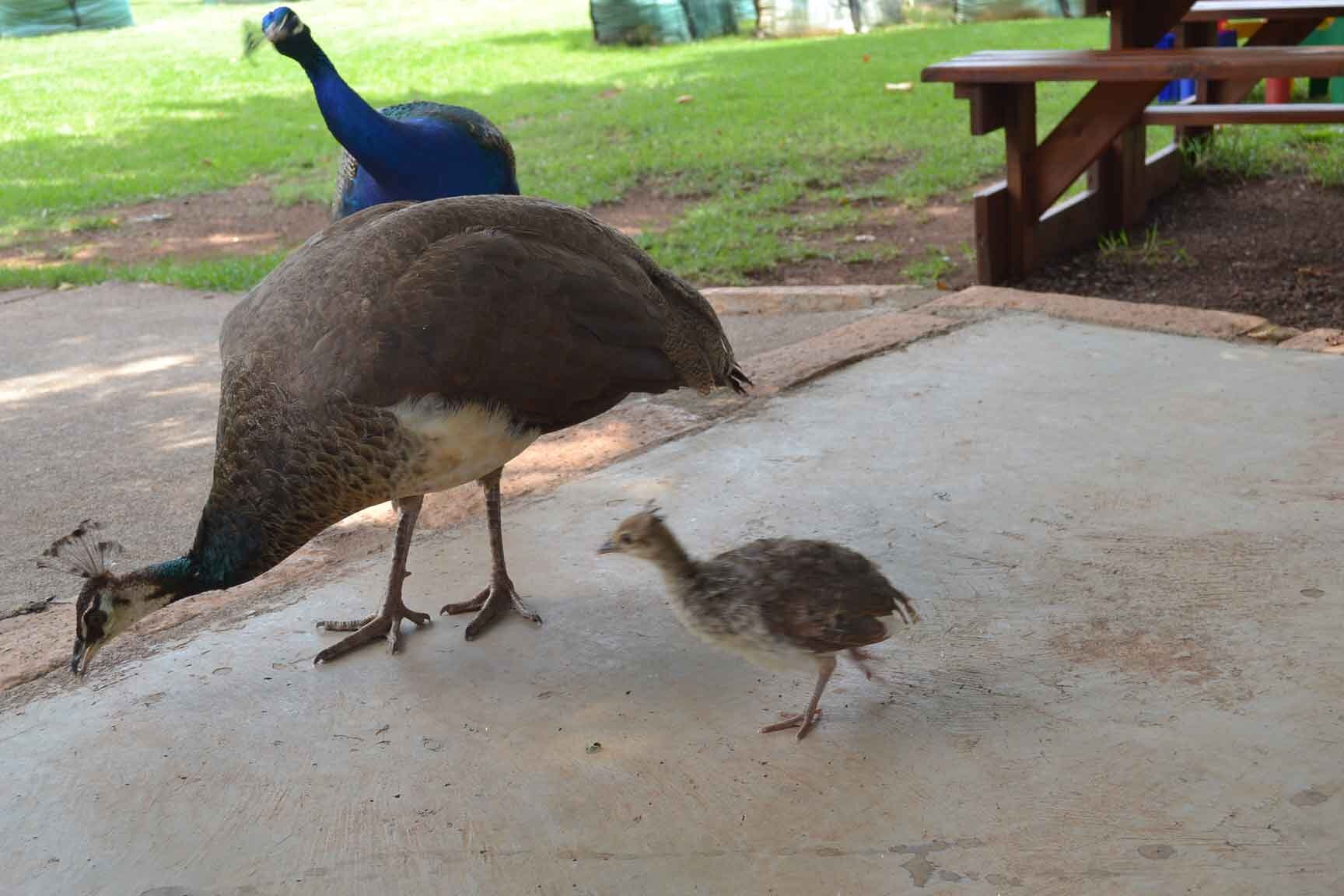
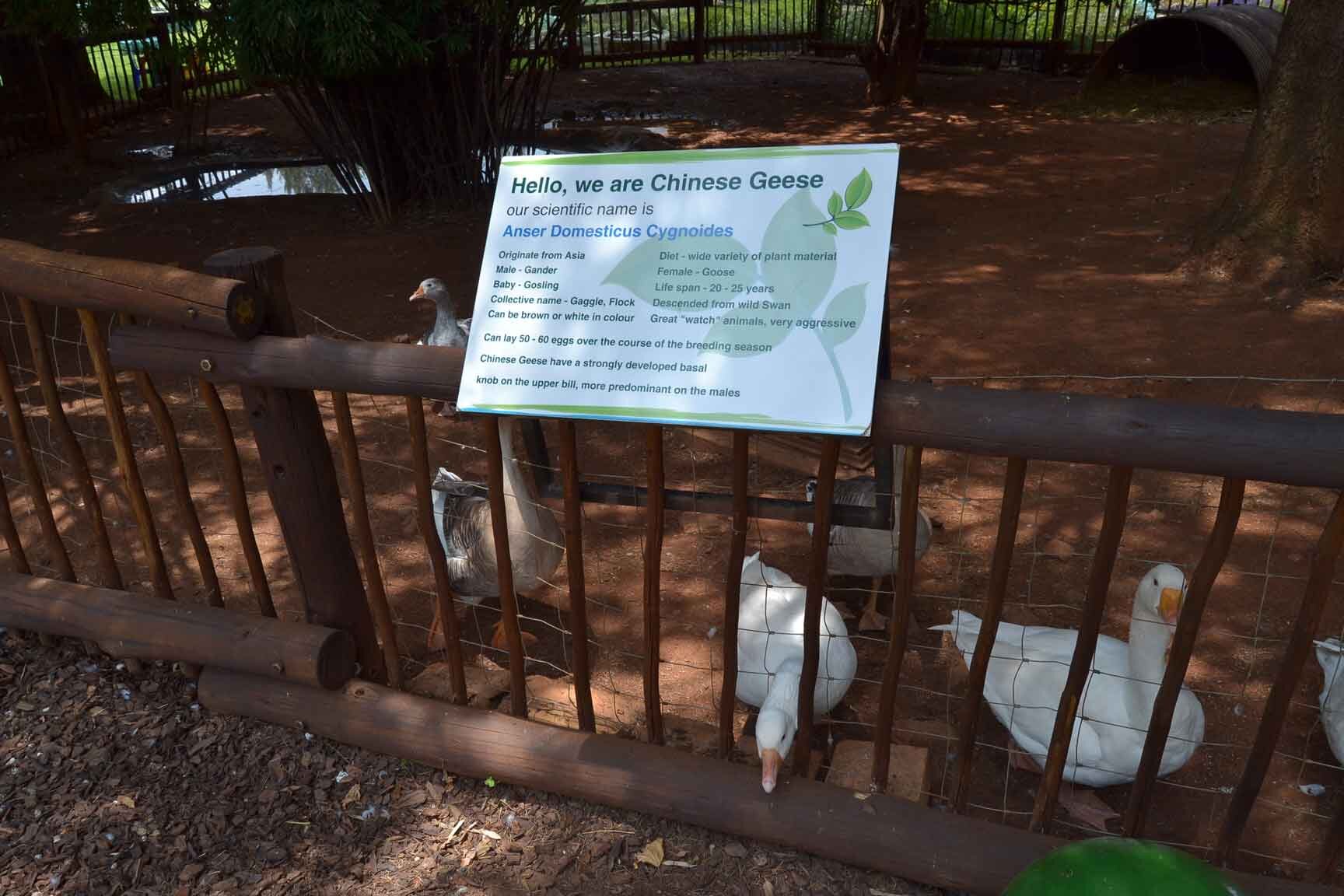
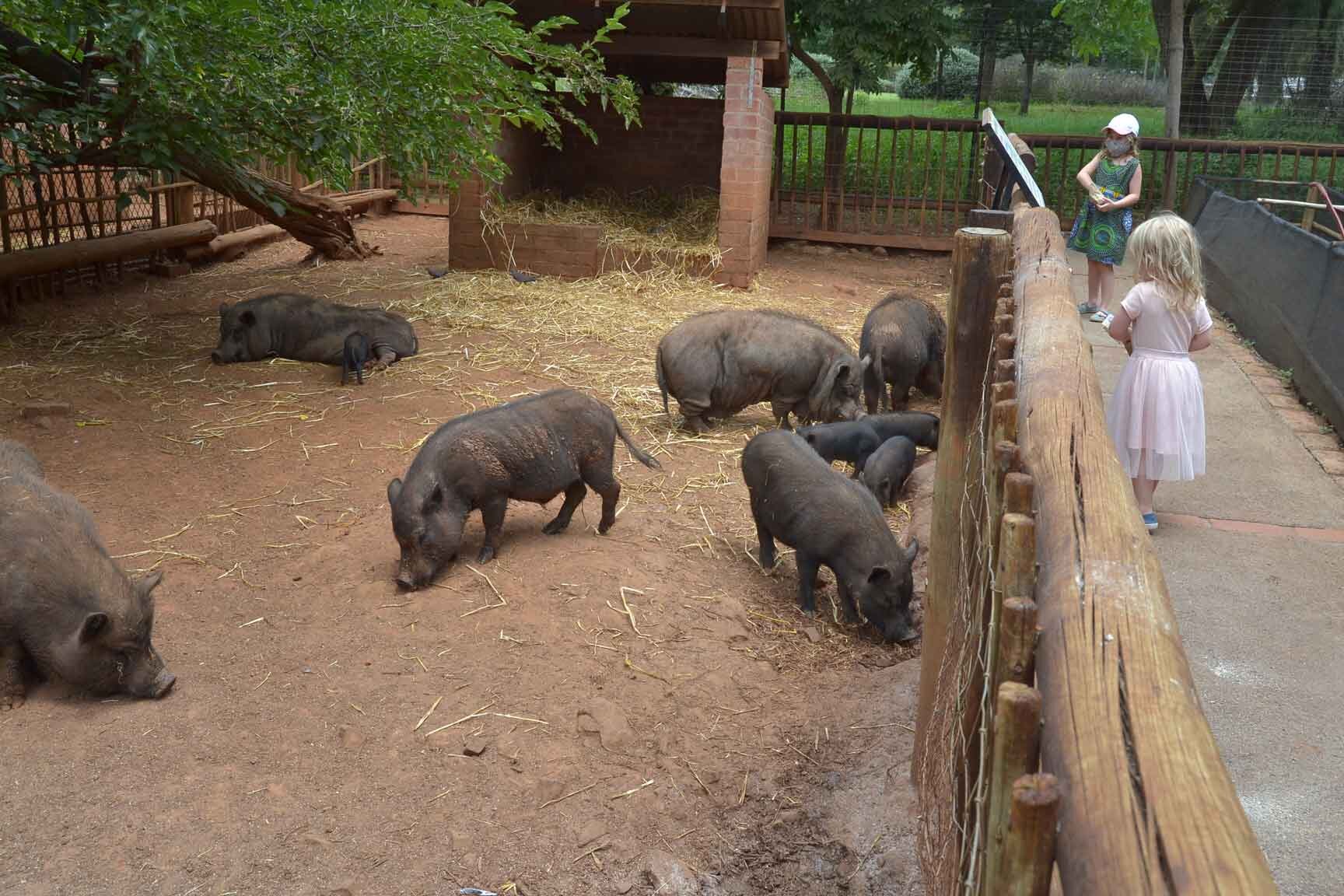
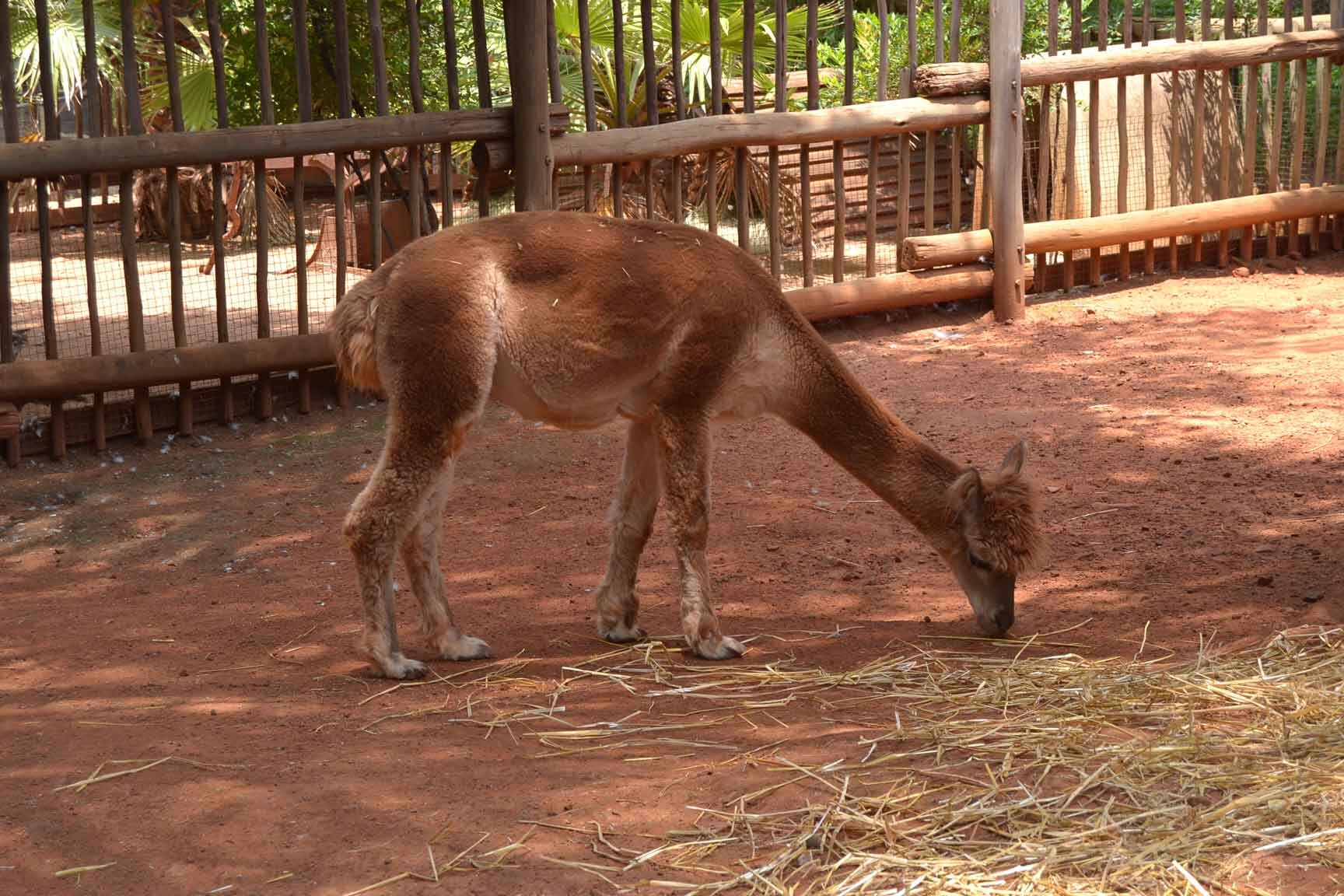
The first time I visited this nursery (actually every time I visit this nursery!) is not to look at their plants but rather to visit their farmyard and tea garden with my kids. This garden and farmyard is a haven for children because there are not only animals to see and feed but also several jungle gyms throughout the shady garden to play on. The farm animals are a highlight and are kept in neat timber enclosures. A wide variety of animals can be seen including sheep, pigs, goats, cows, chicken, geese, peacocks, guinea pigs, rabbits  and even alpacas. For a small amount you can buy the feed which comes in small brown packets and which are labelled so that you can give each animal the correct food.

Our most recent visit to the farmyard was in January 2021 and although the restaurant was closed we could buy drinks from the cafe inside. Entrance is regulated and the small entrance fee of R50 on weekdays and R70 on weekends (no cash payments) ensures the garden is well maintained and children are safely contained within it.

On their website they describe visiting the garden like this “We would like to recreate the experiences and moments that we had on our farm as children. Many children of today do not have the opportunity to run and play in a large established garden, interact with a variety of farm animals, or have a picnic on the grass. We provide a venue where children can experience all of this in the safety and serenity of our farm. Bring your own picnic baskets, drinks and snacks and relax while the kids play.” (https://willowfeather.co.za/)

willow feather farm


8 Indigenous Trees for Screening

Trees for Screening

Many landscapes require screening between the edges of a property for privacy or the addition of height for softening of buildings. Mostly you would be looking for evergreen trees with attractive foliage and non-aggressive roots. When designing a tree screen I like to use a combination of tree heights and foliage texture. Here are some lovely indigenous screening trees to consider:

1. Olea europaea subsp. africana (Olive Tree)

Olea europaea subsp. africana is a neatly shaped, hardy, evergreen tree with a dense spreading crown (9 x 12 m) of glossy grey-green to dark-green foliage. Leaves are grey-green to dark-green above and greyish below. The rough, grey bark sometimes peels off in strips. Sprays of tiny, lightly scented white to greenish flowers (October to February) are followed (March to July) by small, spherical, thinly fleshy fruits (either sweet or sour) which ripen purple-black. The Latin name for olive is oleaeuropaea = from Europe, and africana = from Africa. Don't plant it too close to walls, patios or swimming pools, the root system can sometimes be aggressive. (http://pza.sanbi.org/olea-europaea-subsp-africana)

Olea africana (Image from SunTrees Nursery)

Olea africana (Image from SunTrees Nursery)

2. Buddleja saligna (False Olive)

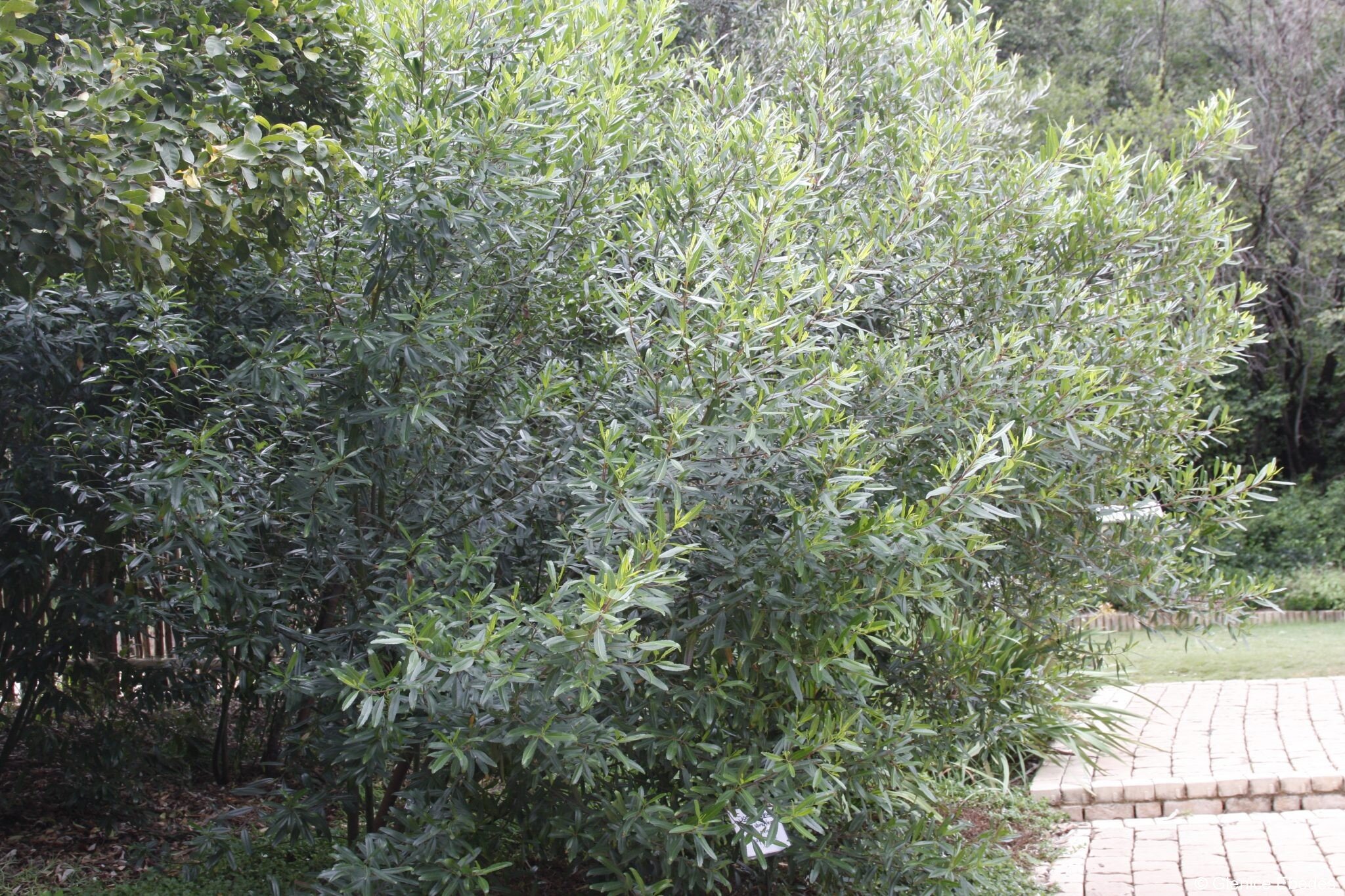
Buddleja saligna is a medium sized tree usually 4 to 5 metres in Highveld areas. This fast growing tree is an excellent, quick screen plant. It grows up to 800mm per year. Use it as a pioneer tree for your forest garden. It also makes a very good clipped hedge. It is evergreen, frost hardy and drought resistant and the masses of flowers make a lovely spring and summer show. It will grow in most soils but added compost will improve performance. It may need cutting back after flowering to keep tidy. The false olive does not have an aggressive root system. The flowers attract insects (especially moths) and therefore insect feeding birds such as Robins and Apalises to the garden. (http://pza.sanbi.org/buddleja-saligna)

Buddleja saligna (Image from CJM Nursery)

Buddleja saligna (Image from CJM Nursery)

3. Ilex mitis (Cape Holly)

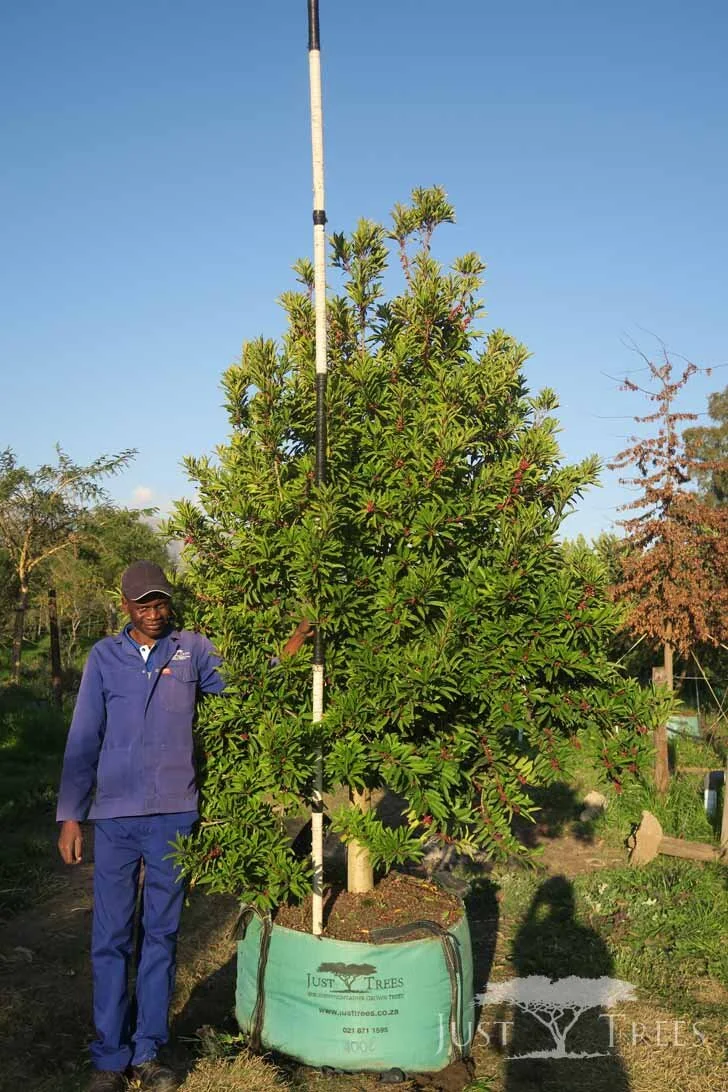
Ilex mitis is a hardy, small to medium sized, evergreen tree with almost white bark. It has a graceful rounded crown of glossy, dark green leaves that are purplish-red when they first flush.

Massed clusters of small, sweetly scented, white flowers are borne from October to February. (Male and female flowers on separate trees, therefore only female plants bear fruit). These are followed by tightly packed decorative red berries that attract flocks of fruit eating birds. It grows better in moist conditions near water but can withstand dry conditions. With its beautiful shape it makes a good avenue tree. Although this beautiful rounded tree can grow to huge proportions in forest conditions, it is normally a small to medium sized tree. The leaves are used as a soap substitute. Size 3 to 8m (Information from Random Harvest Website)

Ilex mitis (Cape Holly) Image from Just Trees Nursery

Ilex mitis (Cape Holly) Image from Just Trees Nursery

4. Vepris lanceolata (Ironwood)

Vepris lanceolata is a hardy, evergreen, very attractive tree with apple green foliage. It blooms with a myriad of small, white flowers from December to January, which give the tree a lacy look. The black berries ripen throughout the autumn and winter and are an important source of food for the birds. The tree is host to the Citrus Swallowtail Butterflies. A beautifully shaped tree and a very good garden subject that can be used as a screen or container plant for outdoors or indoors. The non-aggressive root system makes it ideal for smaller gardens. The timber is even-grained and white. It has many medicinal uses. Size 5 to 10m (Information from Random Harvest Website)

Vepris lanceolata (Ironwood) photographed in Random Harvest Nursery

Vepris lanceolata (Ironwood) photographed in Random Harvest Nursery

5. Rapanea melanophloes (Cape Beech)

Rapanea melanophloes is a hardy, small to medium sized, evergreen tree with dark leaves that have a purplish cast to them. It also has really attractive bark. The small greenish-white flowers from May to July attract insects and bees. These are followed by small purple fruits that are borne in profusion close to the stems which attract fruit eating birds. A good garden subject and a useful addition to screen planting with its unusual colour foliage. The wood is used for making furniture and violins and has many magical and medicinal uses. Size 4 to 10m (information from Random Harvest Website)

Rapanea melanophloes.jpg

6. Noltea africana

Noltea africana is a very hardy, evergreen, very fast growing, small to medium sized tree. The glossy leaves are darker above and paler underneath, and have purple petioles. The branchlets are also purplish-red. The flowers are pretty, small, white sprays borne in the axils of the leaves from August to September. The black seeds are encased in a three-lobed, brown woody capsule that splits to release them when ripe. A decorative tree that is ideal for the smaller garden but should be kept as a single stem. Grows well in sun and semi-shade. A good tree to plant for a quick screen. When twigs and leaves are rubbed in water it becomes soapy. Size 2 to 6m (Information from Random Harvest Website)

Noltea africana (Soapwood) plantbook.co.za

Noltea africana (Soapwood) plantbook.co.za

7. Loxostylis alata (Tarwood)

A small, well-shaped tree with glossy foliage tinged with red when young and masses of white flowers in early summer, and if the tree is a female it has showy pinkish red fruits. Tarwoods are evergreen, ornamental trees which will grow in a wide range of ecological habitats. This tree closely resembles the Brazilian pepper tree, Schinus terebinthifolius of the same family, which does not have the characteristic red sepals. This is a very attractive small tree or large shrub for gardens. It is also useful for screening and boundary plantings. It grows to 6 m or higher in favorable conditions, but can form a large, dense shrub. Other recommended trees in this family are the red currant (Rhus chirindensis), wild-plum (Harpephyllum caffrum) and the marula (Sclerocarya birrea). (http://pza.sanbi.org/loxostylis-alata)

Loxostylis alata (Tarwood) from SANBI Website

Loxostylis alata (Tarwood) from SANBI Website

8. Cryptocarya traansvaalensis (Mountain Wild Quince)

Cryptocarya transvaalensis is a hardy, evergreen large tree with beautiful glossy dark green foliage. The leaves are blue-green below. The inconspicuous flowers are borne in the axils of the leaves from December to February. These are followed by glossy red to purple berries that are decorative and attract fruit eating birds to the garden. This species is declining as the bark is used for medicinal purposes. It makes a beautiful container plant and if you have the space a magnificent specimen tree. It stays smaller when grown in full sun. Size up to 12m (Information from Random Harvest Website)

20181211_091015.jpg

There are many many other screening trees that can be used so don’t let this list limit you!